A shrine tied to Japan’s creation myths
Dedicated to Takemikazuchi-no-Okami, the shrine offers a glimpse into Japanese mythology and the history of samurai worship.
AI Summary
This is an AI-generated summary. Please check the official information for opening hours, fees, and closed days.
This historic shrine dedicated to a deity of martial prowess offers a peaceful walk through expansive woods and sites rooted in Japanese mythology.
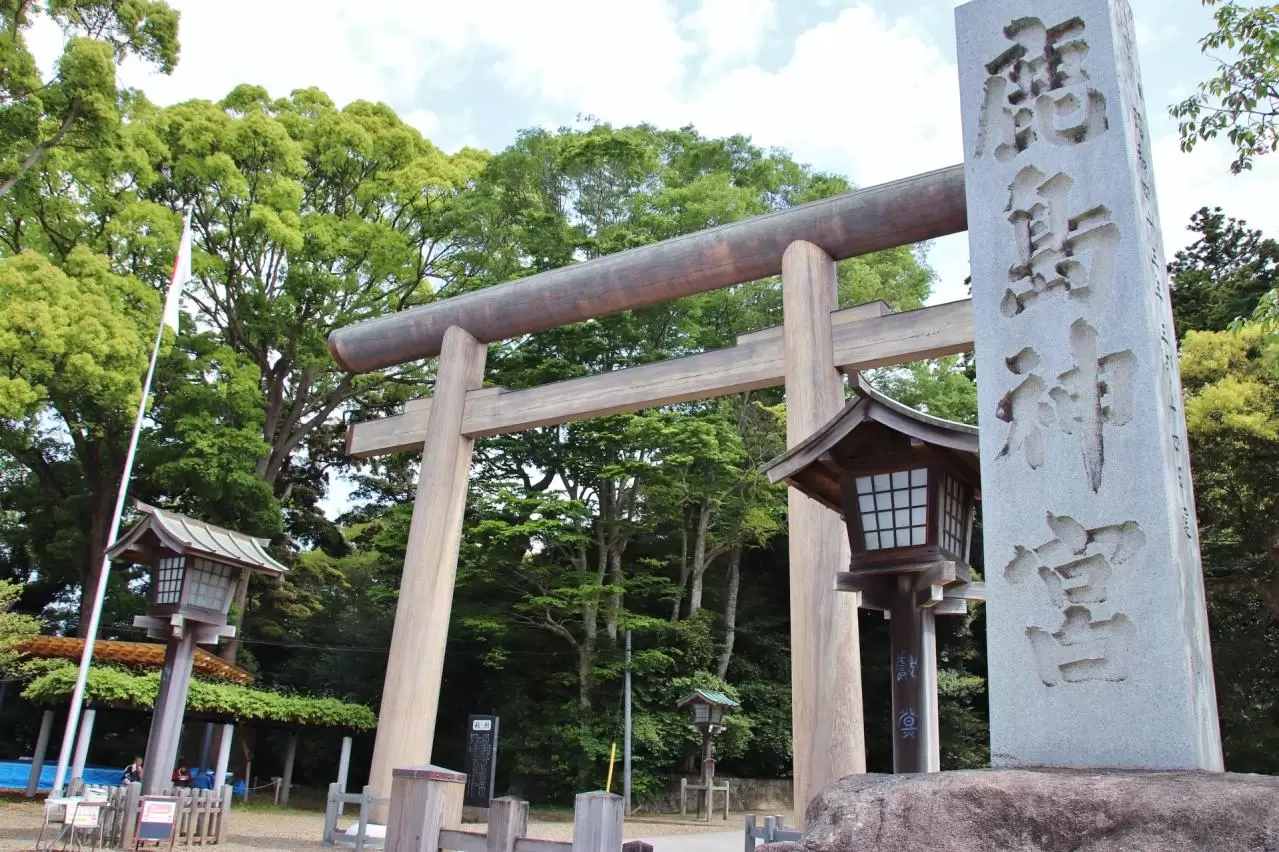
Kashima Jingu Shrine is a venerable shrine dedicated to Takemikazuchi-no-Okami, with a history connected to Japan’s creation myths and the samurai tradition. Its spacious grounds feature the Mitarashi Pond, the Kanameishi Stone and a sacred tree. Take your time to pay your respects and stroll through the quiet forest.
Dedicated to Takemikazuchi-no-Okami, the shrine offers a glimpse into Japanese mythology and the history of samurai worship.
Enjoy a peaceful walk beneath the trees, including along the inner approach and past the sacred tree.
The legendary Kanameishi Stone and the clear waters of Mitarashi Pond are memorable stops around the grounds.
Start from the station, visit the Romon Gate and main shrine buildings, then continue to Mitarashi Pond and Kanameishi Stone.
Kashima Jingu is a venerable shrine located in Kashima City, Ibaraki Prefecture, dedicated to the deity of Japan’s nation-building and martial arts. Tradition says it was founded in the first year of Emperor Jimmu’s reign (660 BCE), and it is one of Japan’s oldest shrines bearing the title “Jingu,” alongside Ise Jingu and Katori Jingu. Long revered by the Imperial Family and the warrior class, it is also the head shrine of approximately 600 Kashima shrines across Japan.
🕊️ Origins and Enshrined Deity
The enshrined deity of Kashima Jingu is Takemikazuchi no Okami.
In Japanese mythology, during the “transfer of the land,” he is said to have gone to Izumo together with Futsunushi no Okami of Katori Jingu to persuade Okuninushi no Kami to hand over the country. This led to Japan becoming the “land of the heavenly descendants,” ruled by Ninigi no Mikoto, the grandson of Amaterasu Omikami, and Takemikazuchi no Okami is known as a deity deeply involved in Japan’s mythic foundation.
He is also regarded as the deity of swords, thunder, sumo, and earthquakes, and is famous for the legend of the “kaname-ishi,” the sacred stone said to pin down the giant catfish responsible for earthquakes.
When Emperor Jimmu’s army was overcome by poisonous miasma in Kumano, Takemikazuchi no Okami is said to have saved them through the power of the divine sword Futsunomitama no Tsurugi, guiding them to the pacification of Japan. It is said that Emperor Jimmu founded Kashima Jingu in gratitude for this aid.
⚔️ Worship as a Deity of Martial Valor and Cultural Influence
Takemikazuchi no Okami has long been deeply revered by the Imperial Family and the Fujiwara clan, and later his worship spread among the samurai class as well.
Many warriors, including Minamoto no Yoritomo, Tokugawa Ieyasu, and the famed swordsman Tsukahara Bokuden, are recorded as having visited the shrine to pray for victory and lasting martial fortune.
Tsukahara Bokuden regarded Kashima Jingu as a spiritual anchor and founded Kashima Shinto-ryu. His legendary undefeated life has been handed down together with the protection of Takemikazuchi no Okami.
The expression “Kashimadachi” derives from the practice of samurai departing for battle after praying for victory at Kashima Jingu, and later came to mean a new departure or the start of a journey.
🛕 Architecture and Cultural Properties
The present shrine buildings were rebuilt in 1619 through the donation of Tokugawa Hidetada, and are designated Important Cultural Properties of Japan.
They feature the vivid, flamboyant polychrome style of the Momoyama period, with the honden, heiden, haiden, and ishi-no-ma forming a magnificent unified structure.
The rōmon gate was donated in 1634 by Tokugawa Yorifusa, the first lord of the Mito domain, and its vermilion-painted gate, about 13 meters high, is counted as one of Japan’s three great rōmon gates. The plaque bearing the shrine’s name was written by Marshal Togo Heihachiro.
At the back of the grounds stands the Okunomiya, which was relocated from the old main shrine building donated by Tokugawa Ieyasu in 1605. This too is designated an Important Cultural Property.
🌲 Grounds and Highlights
The grounds of Kashima Jingu span roughly 700,000 square meters, about the size of 15 Tokyo Domes, and are enveloped by a sacred forest of cedar and oak trees.
The grove within the grounds is designated a Natural Monument of Ibaraki Prefecture and is filled with pure air and serenity.
Main highlights:
• Sacred Tree
A giant cedar tree believed to be 700 to 1,000 years old and approximately 40 meters tall, revered since ancient times as a dwelling place of the gods.
• Mitarashi-ike Pond
A site long used by priests and worshippers for purification rituals, and one of the “Seven Mysteries of Kashima,” said to be so shallow that “whether an adult or a child enters, the water only reaches chest height.” It is now maintained as a beautiful park and serves as a relaxing place for visitors and locals alike.
• Kaname-ishi
A sacred stone near Okunomiya said to pin down the giant catfish that causes earthquakes. It is said that no matter how much one digs, the stone’s full form never appears, making it one of the most famous of the “Seven Mysteries of Kashima.”
• Oku-sando (Oku-baba)
The approach where yabusame horseback archery rituals are performed, with a powerful sacred ceremony held every May.
In addition, the deer within Kashima Jingu are considered messengers of the gods, and the deer at Kasuga Taisha in Nara are said to have been bestowed from Kashima. The current deer at Kashima Jingu are said to be descendants once again received from that lineage.
The name of J.League club Kashima Antlers also comes from the sacred deer and its antlers.
🚣♂️ The Grand Festival Held Once Every Twelve Years: Mifune Matsuri
At Kashima Jingu, the Mifune Matsuri is held once every twelve years in the Year of the Horse.
This grand ceremony involves carrying a mikoshi enshrining the divided spirit of Takemikazuchi no Okami onto a ship and crossing the water. It departs from the first torii gate of Kashima, greets and hosts the priests of Katori Jingu at Katosu in Katori City, Chiba Prefecture, and then returns to Kashima. It is one of Japan’s largest water-based festivals.
In 2014, a spectacular procession covering about 30 km by land and water was held, with the mikoshi and its entourage advancing before the many people who gathered to witness the divine scene.
🎋 Annual Festivals and Prayers
More than 90 festivals and rituals are held at Kashima Jingu each year. Representative events include the following:
• Saito-sai: A spring harvest prayer festival, featuring a dynamic parade with drums and spear-twirling.
• Aouma-sai: A New Year ritual in which a sacred horse is dedicated to pray for abundant harvests.
• Yabusame Ritual: A traditional ceremony held in May on the Oku-sando, where arrows are shot from horseback to pray for peace throughout the land.
In addition, prayers and life rituals such as warding off misfortune, traffic safety, first shrine visits for newborns, prayers for safe childbirth, wedding ceremonies, and ground-breaking rites are offered daily.
🏵️ Blessings and Sacred Amulets
Because of the character of its principal deity, Kashima Jingu is believed to bestow blessings for success in competition, improvement in martial arts, protection from misfortune, safe childbirth, and harmonious relationships.
In particular, amulets available only here, such as the Kashimadachi Mamori, Hitachi Obi Mamori, and Kashima no Obi Uranai, are especially popular.
🌅 Kashima Jingu Today and Its Cultural Significance
Kashima Jingu is one of the few shrines that continue to bear the ancient title “Jingu,” and it is a sacred site symbolizing Japan’s nation-building and martial spirit.
Its vast grounds and quiet forest provide visitors with deep comfort and a sense of purity.
The spirit of Kashima Jingu continues to live on today, and it is widely known as a place where martial artists and athletes pray for victory. Many people, including supporters of J.League’s Kashima Antlers, come here to pray for success and safety.
Kashima Jingu is a shrine that enshrines the deity of Japanese mythology, nation-building, and martial arts, and is filled with history, faith, and culture. Its magnificent shrine buildings, the serenity of its deep forest, legends colored by myth, and the once-in-twelve-years Mifune Matsuri—all of these convey its long and enduring history to the present day. Visitors will surely feel the presence of “a land where the gods breathe” at this sacred site, which combines strength and tranquility.
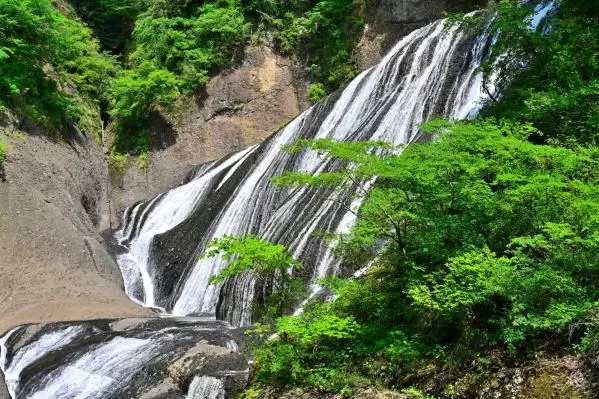
Fukuroda Falls is one of Japan's three major waterfalls, located in Daigo Town, Ibaraki Prefecture. It boasts a height of approximately 120 meters and a width of abo...
The National Hitachi Seaside Park is a magnificent park that spans approximately 215 hectares and captivates visitors with seasonal flowers throughout the year. In s...
Hanamaki Gorge is a famous spot for autumn leaves located in Takahagi City, Ibaraki Prefecture. The beautiful scenery extends from Hanamaki Dam to Meibari-guchi and ...
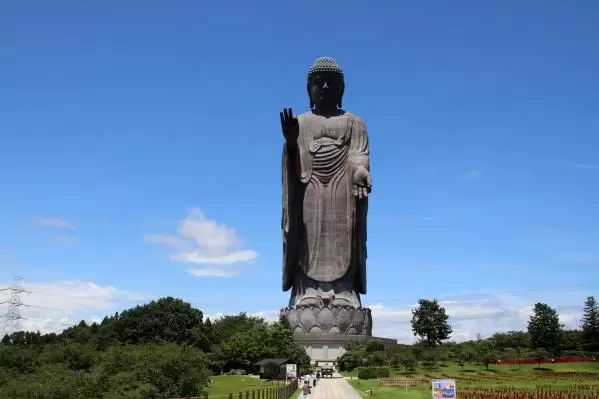
The Ushiku Daibutsu (officially known as Ushiku Amida Buddha), located near the Ami-Higashi Interchange on the Ken-O Expressway, presents a colossal figure that boas...
Oarai Isosaki Shrine is a historic ancient shrine founded in the Heian period, located on the hill of Oarai Cape in Oarai Town, Ibaraki Prefecture. The enshrined dei...
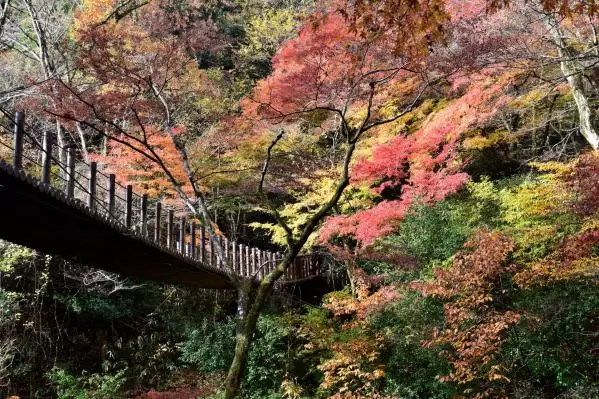
The Ryujin Suspension Bridge is a pedestrian-only suspension bridge located in the Oku-Kuji Prefectural Natural Park in Hitachi-Ota City, Ibaraki Prefecture. It boas...
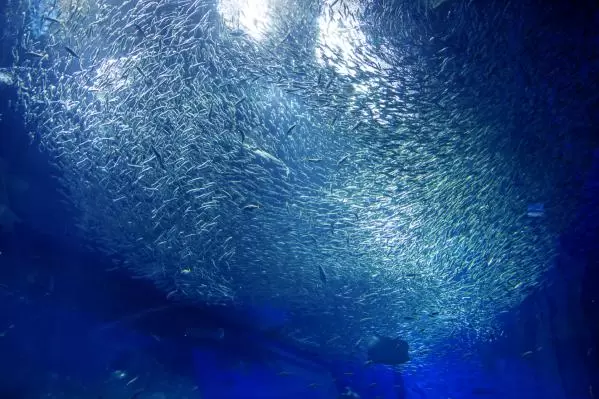
Aqua World Ibaraki Prefecture Oarai Aquarium boasts the highest number of shark species in Japan, featuring about 580 species and 68,000 marine creatures on display ...
Kairakuen is one of Japan's three famous gardens, alongside Kenrokuen in Kanazawa and Korakuen in Okayama. Opened in 1842 by the 9th lord of the Mito domain, Tokugaw...

![[茨城県][鹿島神宮][パワースポット]今回散策してきましたのは、鹿島神宮です。パワースポット的な場所でした。](https://i.ytimg.com/vi/3f8R7txwH54/mqdefault.jpg)