Kasama Inari Shrine
Kasama Inari Shrine Movies


Basic Information
- Spot Name
- Kasama Inari Shrine
- Location
- 〒309-1611 1 Kasama, Kasama City, Ibaraki Prefecture, Japan
- Access
- About a 20-minute walk or a 5-minute taxi ride from Kasama Station on the JR Mito Line. Approximately a 15-minute drive from the Tomobe IC on the Kitakan-to Expressway.
- Parking
- Available
- Business Hours
- 6:00 AM to sunset (varies by season)
- Regular Holiday
- None
- Fees
- Free entry for worship.
- Contact Information
- Phone Number:0296-73-0001
- Official Website
Map
Detailed Information
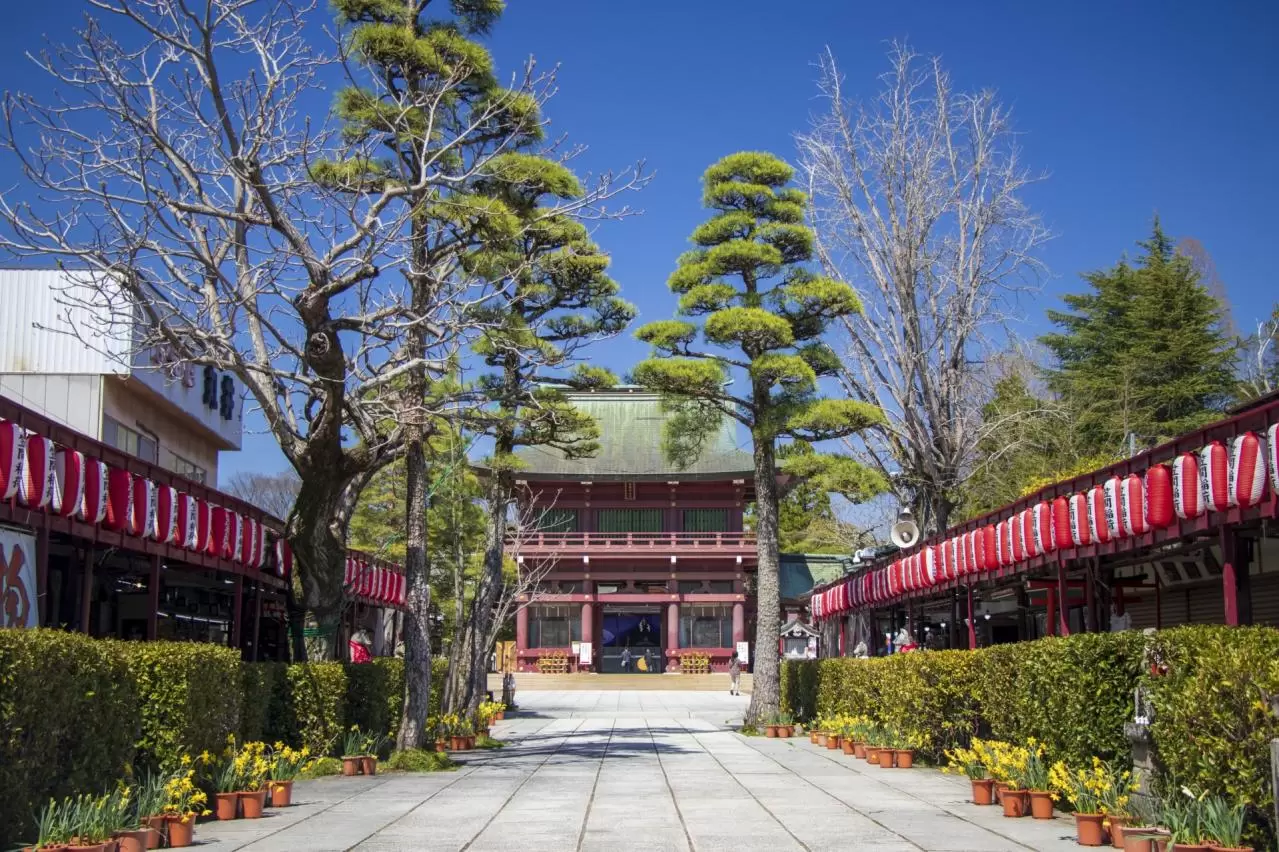
Kasama Inari Shrine is a venerable shrine located in Kasama City, Ibaraki Prefecture, and is regarded as one of Japan’s Three Great Inari Shrines, though there are various theories on the matter.
Its enshrined deity is Ukanomitama-no-Kami, long beloved as “Kasama Inari Ōkami.”
Widely worshipped as a deity who protects all industries, including agriculture, commerce, manufacturing, and fire prevention, the shrine is said to have been founded in 651, during the reign of Emperor Kōtoku, the 36th emperor of the Asuka period.
With a history spanning more than 1,360 years, it is one of Japan’s most distinguished ancient shrines, attracting approximately 3.5 million visitors annually from across the country.
During the New Year period in particular, many worshippers visit from all over Japan, and the shrine grounds are filled with lively activity.
🕊 History and Belief
According to shrine tradition, Kasama Inari Shrine was founded in 651 and has long been worshipped as a deity of food and agriculture.
Since the Nara-period “Hitachi no Kuni Fudoki” also mentions the “Village of Kasama,” it is clear that devotion to Ukanomitama-no-Kami had already taken root in this area at an early date.
As the ages passed and industry developed, faith in the shrine also spread as a deity of commercial prosperity and industrial promotion, and it came to be revered not only by farmers but also by merchants, samurai, and feudal lords.
In particular, during the Edo period, successive lords of Kasama Domain held the shrine in deep reverence and contributed to the maintenance and development of its buildings and grounds, allowing the shrine to flourish greatly.
Among these lords, the Asano family, including Lord Asano Nagashige and Lord Asano Naganao, as well as their retainer Ōishi Kuranosuke and other figures known from “Chūshingura,” were deeply involved.
They enshrined a divided spirit of Kasama Inari Ōkami in Ako, which later became Ōishi Inari Shrine.
Other domain lords also enshrined divided spirits in their new territories after being transferred, helping spread the faith nationwide.
In the late Edo period, the 15th lord, Makino Sadanaga, recognized the shrine’s great divine power and petitioned the imperial court, receiving the rank of Shōichi Inari Daimyōjin.
This imperial sanction established Kasama Inari Shrine’s status as a highly prestigious shrine.
🏛 The Main Hall and Architectural Beauty
The main hall, standing behind the worship hall, began reconstruction in 1854 and was completed in 1858.
Its architectural style is a zelkova-built Gongen-zukuri structure, and it is now designated as an Important Cultural Property of Japan.
The entire shrine complex is adorned with intricate carvings by master artisans of the time, and magnificent decorations such as the “three-headed, eight-direction glaring dragon” and the “peony and Chinese lion” convey the pinnacle of late-Edo-period woodcarving to the present day.
Its artistic value is exceptional, leaving visitors overwhelmed by its powerful presence.
On the right side of the grounds stand two wisteria trees, each over 400 years old, which were designated as Natural Monuments of Ibaraki Prefecture in 1967.
In early May, the double-flowered wisteria and great wisteria are at their best, with gracefully hanging pale purple blossoms adding color to the shrine grounds.
🌸 Annual Events and Seasonal Scenery
Kasama Inari Shrine hosts a variety of events and festivals throughout the year.
• New Year’s Visit (January): Many worshippers come from all over the country, and the shrine is especially crowded during the first three days of the year.
• Wisteria Festival (early May): The natural monument wisteria blooms in full, beautifully coloring the grounds with a gentle fragrance.
• Kasama Chrysanthemum Festival (late October to late November): One of the leading chrysanthemum festivals in the Kanto region, featuring a wide variety of chrysanthemums displayed on the shrine grounds.
• Autumn Foliage Season (November): The combination of the shrine’s carvings and the autumn leaves creates a dreamlike landscape.
In this way, the harmony of seasonal nature and traditional events offers visitors enjoyment throughout the year.
🦊 Approach Street and Local Specialties
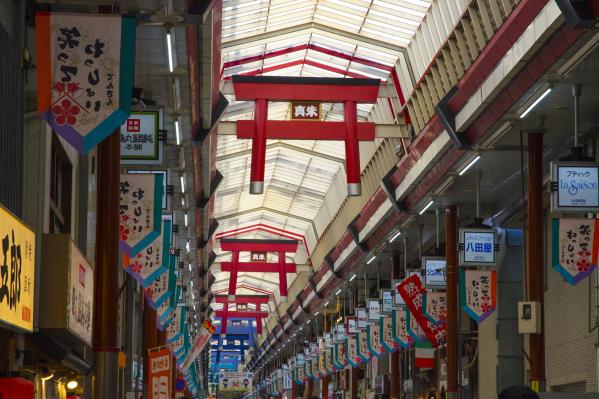
From the shrine approach to the temple town in front of the shrine, around 40 to 50 restaurants and souvenir shops line the street, preserving the atmosphere of a classic old temple town.
Inari sushi is a local specialty, inspired by aburaage, the favorite food of foxes, the messengers of the Inari deity.
In Kasama in particular, shops affiliated with the “Kasama Inari Sushi Inakichi Association” serve unique varieties of Kasama Inari sushi made with ingredients such as walnuts, shiso, and yuzu, and these are popular with many visitors.
Walnut manju, inspired by the sacred tree “kudzu” (walnut), is also a popular souvenir.
Kasama Inari Shrine is one of Japan’s leading Inari shrines, boasting more than 1,360 years of history. Its enshrined deity, Ukanomitama-no-Kami (Kasama Inari Ōkami), has long been deeply worshipped as a god of bountiful harvests, business prosperity, and household safety. With highlights such as its nationally designated Important Cultural Property main hall, historic wisteria, seasonal nature, and lively temple town, it is a place where new charms can be discovered with every visit. Kasama Inari Shrine, where tradition, nature, and the faith of the people live on, is truly “a shrine of prayer loved across the ages.”
Ibaraki Tourist Attractions
View List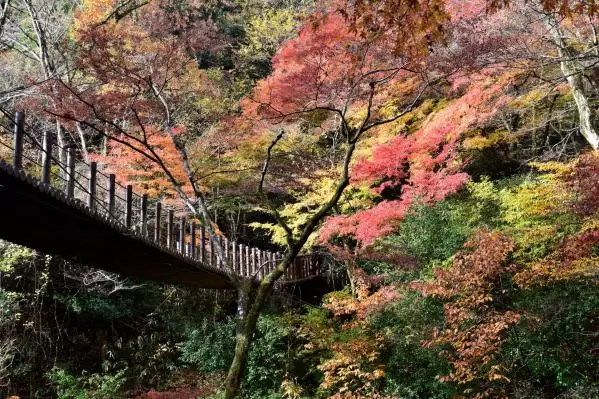
Hananuki Gorge
Hanamaki Gorge is a famous spot for autumn leaves located in Takahagi City, Ibaraki Prefecture. The beautiful scenery extends from Hanamaki Dam to Meibari-guchi and ...

Hitachi Seaside Park
The National Hitachi Seaside Park is a magnificent park that spans approximately 215 hectares and captivates visitors with seasonal flowers throughout the year. In s...

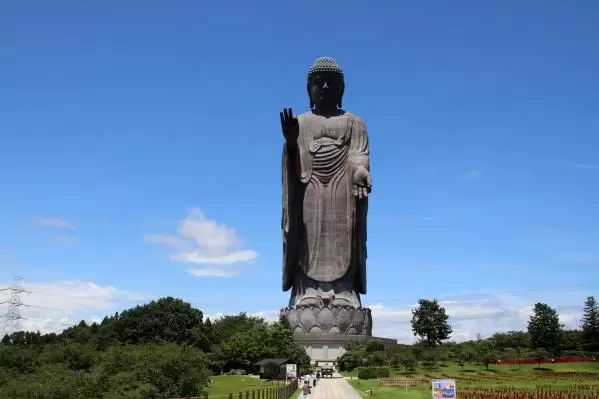
Ushiku Daibutsu (Great Buddha)
The Ushiku Daibutsu (officially known as Ushiku Amida Buddha), located near the Ami-Higashi Interchange on the Ken-O Expressway, presents a colossal figure that boas...
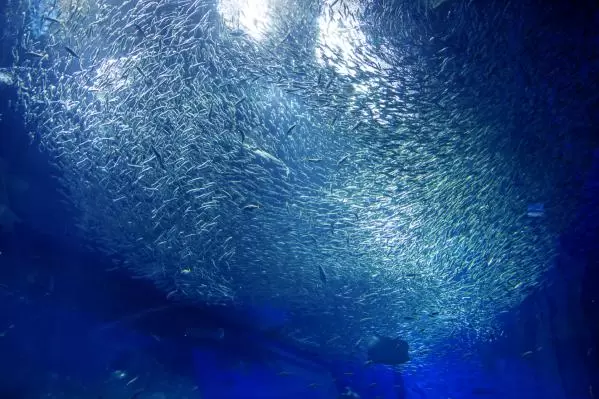
Aqua World Ibaraki Prefectural Oarai Aquarium
Aqua World Ibaraki Prefecture Oarai Aquarium boasts the highest number of shark species in Japan, featuring about 580 species and 68,000 marine creatures on display ...

Ooarai Isosaki Shrine
Oarai Isosaki Shrine is a historic ancient shrine founded in the Heian period, located on the hill of Oarai Cape in Oarai Town, Ibaraki Prefecture. The enshrined dei...
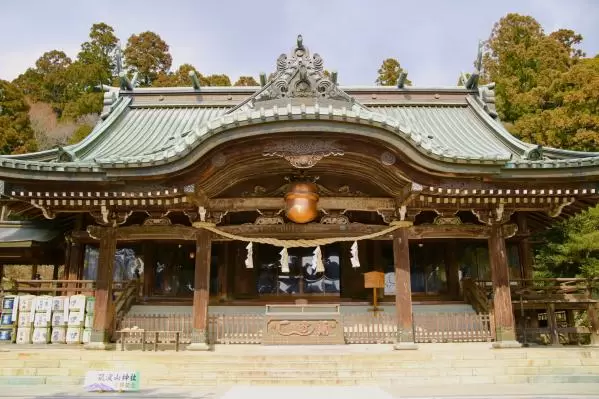
Tsukuba San Shrine
Tsukuba Shrine is a historic shrine located on the slopes of Mount Tsukuba, a sacred peak in Tsukuba City, Ibaraki Prefecture, with a history of approximately 3,000 ...

Kashima Shrine
Kashima Shrine is said to have been founded in the first year of Emperor Jimmu (660 BC) and is a prestigious shrine alongside Ise Shrine and Katori Shrine. It is the...