The Hakone Open-Air Museum
Basic Information
- Spot Name
- The Hakone Open-Air Museum
- Location
- 〒250-0493 1121 Ninohira, Hakone-machi, Ashigarashimo-gun, Kanagawa Prefecture, Japan
- Access
- [By Train] Approximately a 2-minute walk from Hakone Tozan Railway "Chokoku no Mori" Station. [By Car] From Tomei Expressway, Atsugi IC → Odawara-Atsugi Road → National Route 1 → Turn left at the Miyanoshita intersection → Turn right towards Gora → Prefectural Route 723, about 500m.
- Parking
- Parking available.
- Business Hours
- Opening hours: 9:00 AM to 5:00 PM (last admission at 4:30 PM)
- Regular Holiday
- Open year-round.
- Fees
- Adults: 1,600 yen
University students: 1,200 yen
High school students: 1,200 yen
Junior high school students: 800 yen
Elementary school students: 800 yen - Contact Information
- Phone Number:0460-82-1161
- Official Website
Map
Detailed Information
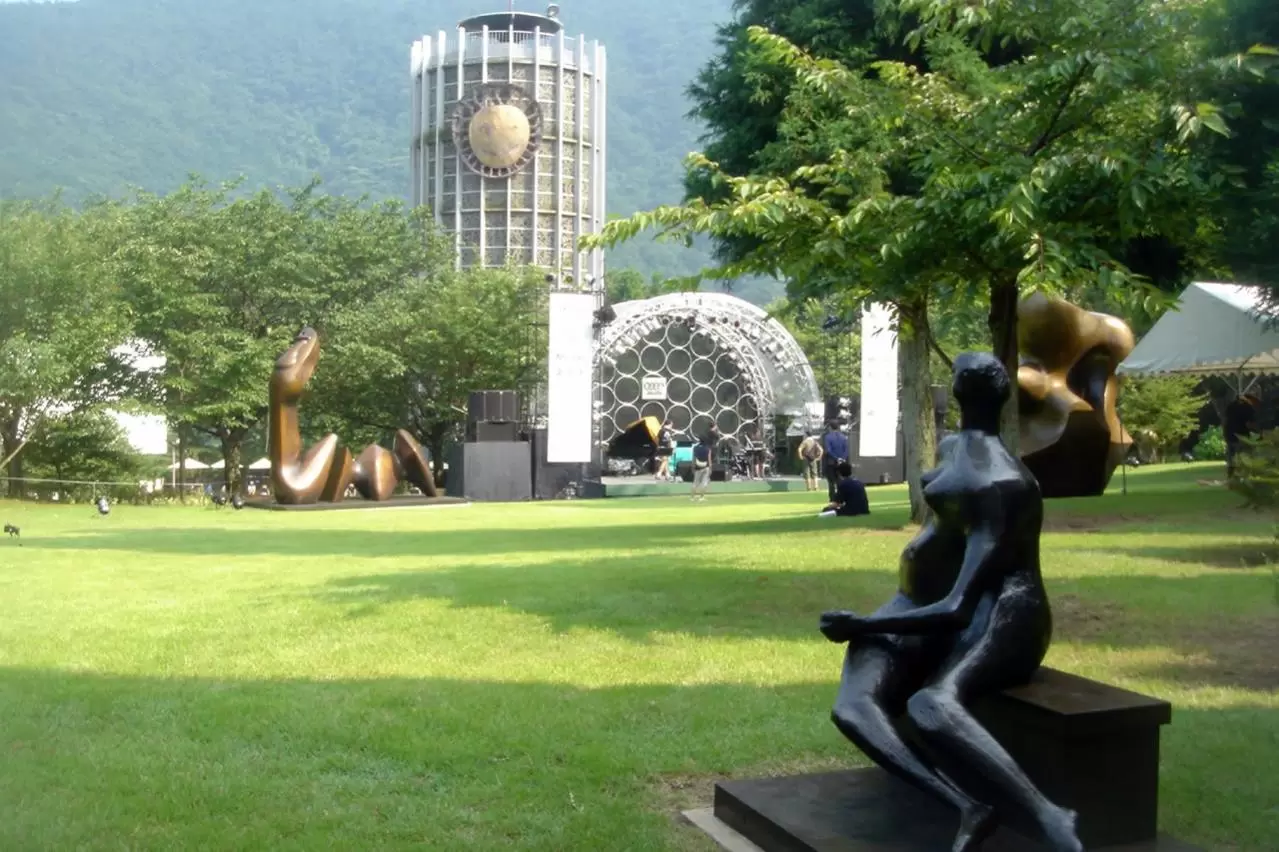
The Hakone Open-Air Museum, opened in 1969 by the Fujisankei Group, was Japan’s first full-scale outdoor art museum. It is now operated by the Hakone Open-Air Museum Art and Culture Foundation, a public interest incorporated foundation, and is loved by many as an open museum where nature and art exist in harmony. Set within a vast garden of approximately 70,000 square meters overlooking the Hakone mountains, it features a permanent collection of around 120 works by leading modern and contemporary sculptors such as Rodin, Henry Moore, Miró, and Niki de Saint Phalle. Visitors can enjoy artworks amid the changing seasons, making it a destination that combines the appeal of both a museum and a leisure spot, where outdoor sculptures, indoor exhibitions, foot baths, and hands-on works can all be experienced at once.
History and Concept
Opened: 1969
Founded by: Fujisankei Group
*Current operator: Hakone Open-Air Museum Art and Culture Foundation*
Concept:
Harmony between nature and art
Introduction to modern and contemporary art centered on sculpture
An “open museum” enjoyable for everyone from children to adults
The outdoor exhibits are designed so that exposure to wind, rain, and the changing seasons allows the works themselves to change over time, helping them feel like part of nature.
In addition to indoor exhibitions, the museum is characterized by experiences that let visitors walk, touch, play, and soak while enjoying art.
Highlights of the Outdoor Exhibits
Permanent outdoor sculptures
Scattered across about 70,000 square meters of lawns and trees are masterpieces by sculptors from Japan and abroad.
The materials are diverse, including bronze, stone, stainless steel, and aluminum, and some works can be touched, allowing visitors to enjoy nature and art together while strolling through the grounds.
Representative Works
“Floating Sculpture 3” (Marta Pan)
A red sculpture floating on a pond that slowly changes appearance with the movement of water and wind.
“Miss Black Power” (Niki de Saint Phalle)
Characterized by its powerful form and colorful patterns, it stands out strikingly on the lawn.
“Furniture” (Klein Dytham Architecture)
A bench-like work inspired by a fried egg, where visitors can sit on the “egg white” or lie down and enjoy it.
“Star Garden” (Bukichi Inoue)
A star-shaped, maze-like spatial work that sparks children’s sense of adventure.
Picasso Pavilion
One of the museum’s major highlights is its world-renowned Picasso collection.
The Picasso Pavilion was established when the museum received 188 ceramic works in one collection from Maya Picasso, Pablo Picasso’s eldest daughter, and it became Japan’s first private Picasso museum.
Collection:
It houses 319 works, including ceramics, paintings, prints, drawings, sculptures, and objects in gold and silver.
A selection is displayed in rotating thematic exhibitions.
Exhibition features:
The pavilion offers a well-balanced opportunity to appreciate Picasso’s wide range of techniques and the freedom of his late-period creations all within one space.
Art for Children and Hands-On Experiences
Woods of Net
A popular work where children can enter a huge, colorful net and experience art through play.
They can climb, roll, and hang from the net, enjoying color and form with their whole bodies.
It is generally intended for children up to elementary school age, and adults are encouraged to watch from outside.
Play Sculptures
A series of works with playground-like structures such as slides and tunnels, offering an art experience designed for touching and playing.
New relaxation area “Poke-tto.”
A relaxing area with colorful chairs and sofas placed on a grassy slope, where parents can unwind while children play with the surrounding artworks.
Symbolic Outdoor Work
Symphonic Sculpture: Sculpture That Brings Happiness
This approximately 18-meter-tall tower-like work was created by French stained-glass artist Gabriel Loire.
Inside is a spiral staircase, and light streaming through the stained glass covering the walls creates a fantastical atmosphere.
From the mid-level landing and the observation area at the top, visitors can overlook the museum gardens.
Because the appearance of the light changes with the weather and time of day, each visit offers a different mood.
Hot Spring Foot Bath and Relaxation
There is a source-fed hot spring foot bath on the grounds, allowing visitors to warm their feet and rest between viewing artworks.
It is one of the museum’s unique attractions, offering both Hakone’s hot spring culture and art appreciation.
Participatory Programs such as the Sticker Rally
Participatory events, such as the popular sticker rally for children, are held from time to time.
For example:
A story-based program in which participants search for seven heroes (sculptures) with the power to defeat the witch Yuri
A course where visitors search for artworks, place stickers, and receive a badge after answering a quiz correctly at the end
These programs are designed to make art appreciation feel like a game.
*Please check the official website for the latest information, as program details vary by season.*
The Hakone Open-Air Museum combines
the history of being Japan’s first full-scale outdoor art museum,
around 120 outdoor sculptures that resonate with nature,
one of the world’s foremost Picasso collections,
hands-on works for children such as Woods of Net and Play Sculptures,
a source-fed hot spring foot bath and a grassy relaxation area,
making it an art and leisure destination that can be enjoyed all day long.
It is a museum strongly recommended not only for art lovers, but also for families and anyone looking to refresh themselves while sightseeing in Hakone.
The Hakone Open-Air Museum Movies
![SUB[vlog] 秋の箱根ひとり旅🍁彫刻の森美術館 / 箱根神社 / 寿司と酒](https://i.ytimg.com/vi/T54evoScCcQ/mqdefault.jpg)


Kanagawa Tourist Attractions
View List


Enoshima Island
Enoshima is a beautiful island located in Fujisawa City, Kanagawa Prefecture, with breathtaking views from the Shonan coastline. It is connected to the mainland by a...

Yokohama Red Brick Warehouse
Yokohama Red Brick Warehouse is a representative tourist spot in Yokohama that utilizes historical brick buildings constructed between the late Meiji period and the ...

Meigetsuin
Meigetsu-in is a temple of the Rinzai sect of Kencho-ji located in Kamakura, enshrining a seated statue of Kannon, the Bodhisattva of Mercy. In June, approximately 2...

Cup Noodles Museum Yokohama
The Cup Noodles Museum in Yokohama is an interactive food education museum where you can learn about the history of instant ramen and the importance of invention and...

Yokohama Chinatown
Yokohama Chinatown is located in Yokohama City, Kanagawa Prefecture, and has developed since the opening of Yokohama in 1859 by Chinese immigrants. Today, it is bust...

Yamashita Park
Yamashita Park opened in 1930 as part of the reconstruction efforts following the Great Kanto Earthquake in Yokohama. This park is known for its beautiful views of t...