

Hasedera
Hasedera Movies





Basic Information
- Spot Name
- Hasedera
- Location
- 〒248-0016 3-11-2 Hase, Kamakura City, Kanagawa Prefecture
- Access
- 5-minute walk from Enoden "Hase Station".
5-minute walk from "Hase Kanon" bus stop at the east exit of JR "Kamakura Station". - Parking
- Parking available for 30 regular cars.
- Business Hours
- Viewing hours/Admission hours
【Regular period (July to March)】
8:00 AM to 4:30 PM (Last entry at 5:00 PM)
【Extended period (April to June)】
8:00 AM to 5:00 PM (Last entry at 5:30 PM) - Fees
- Admission Fee
Adults (Junior high school students and above): 400 yen
Elementary school students: 200 yen - Contact Information
- Phone Number:0467-22-6300
- Official Website
Map
Detailed Information
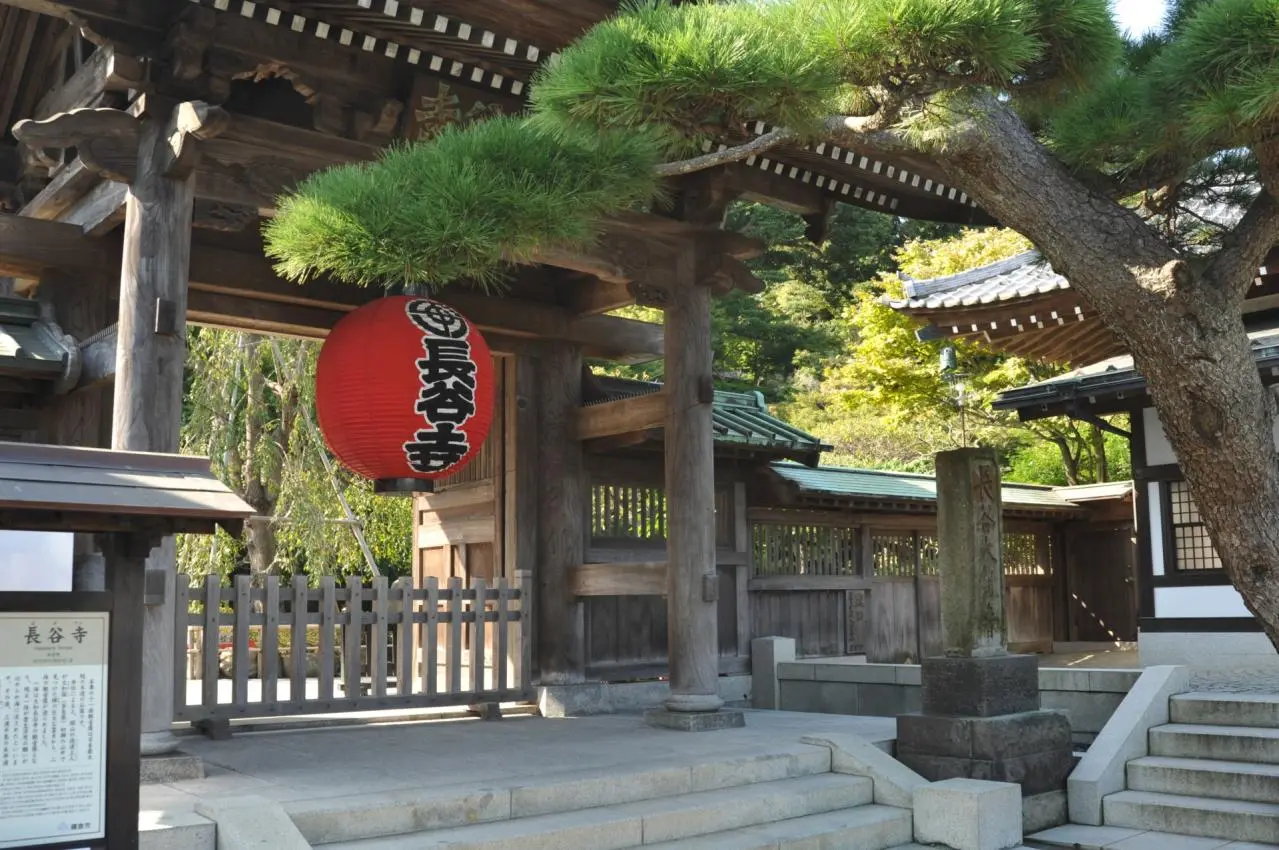
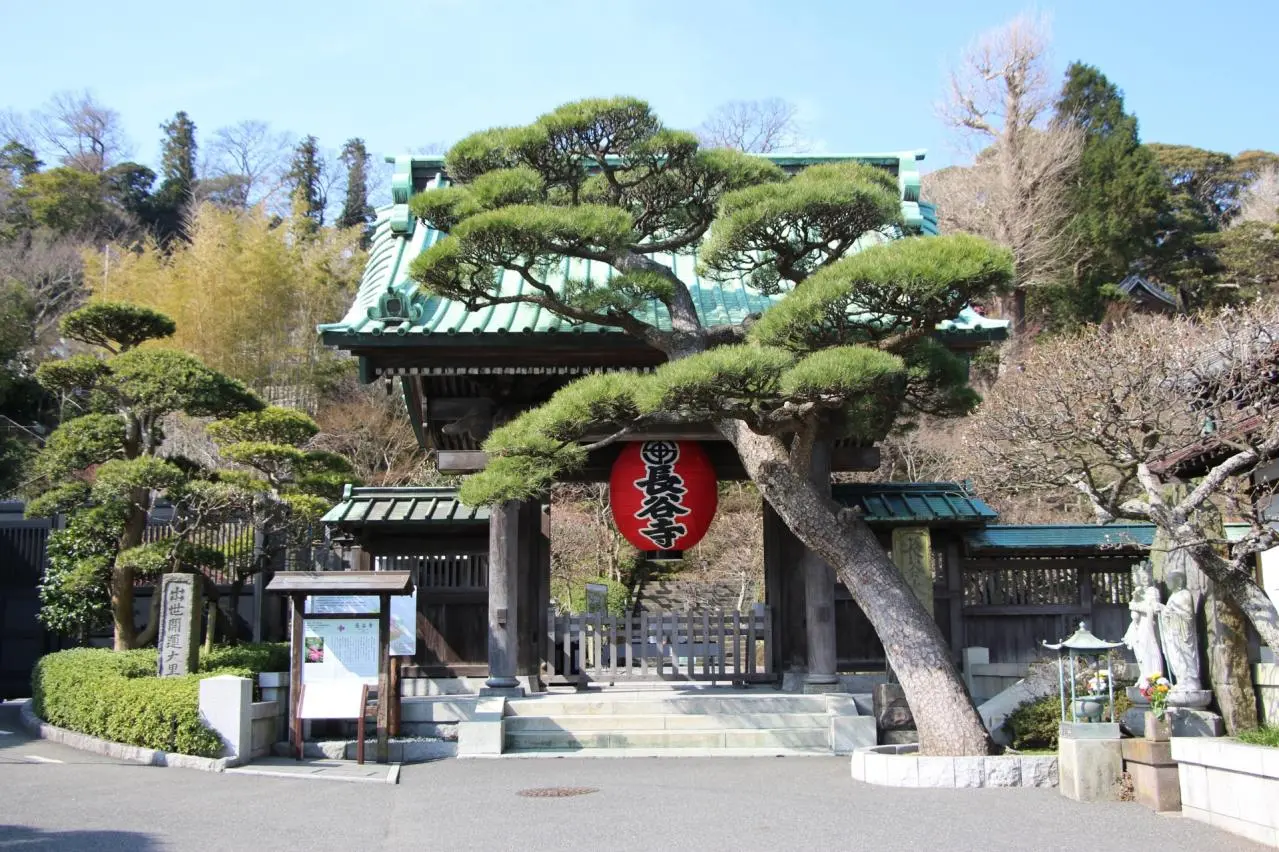
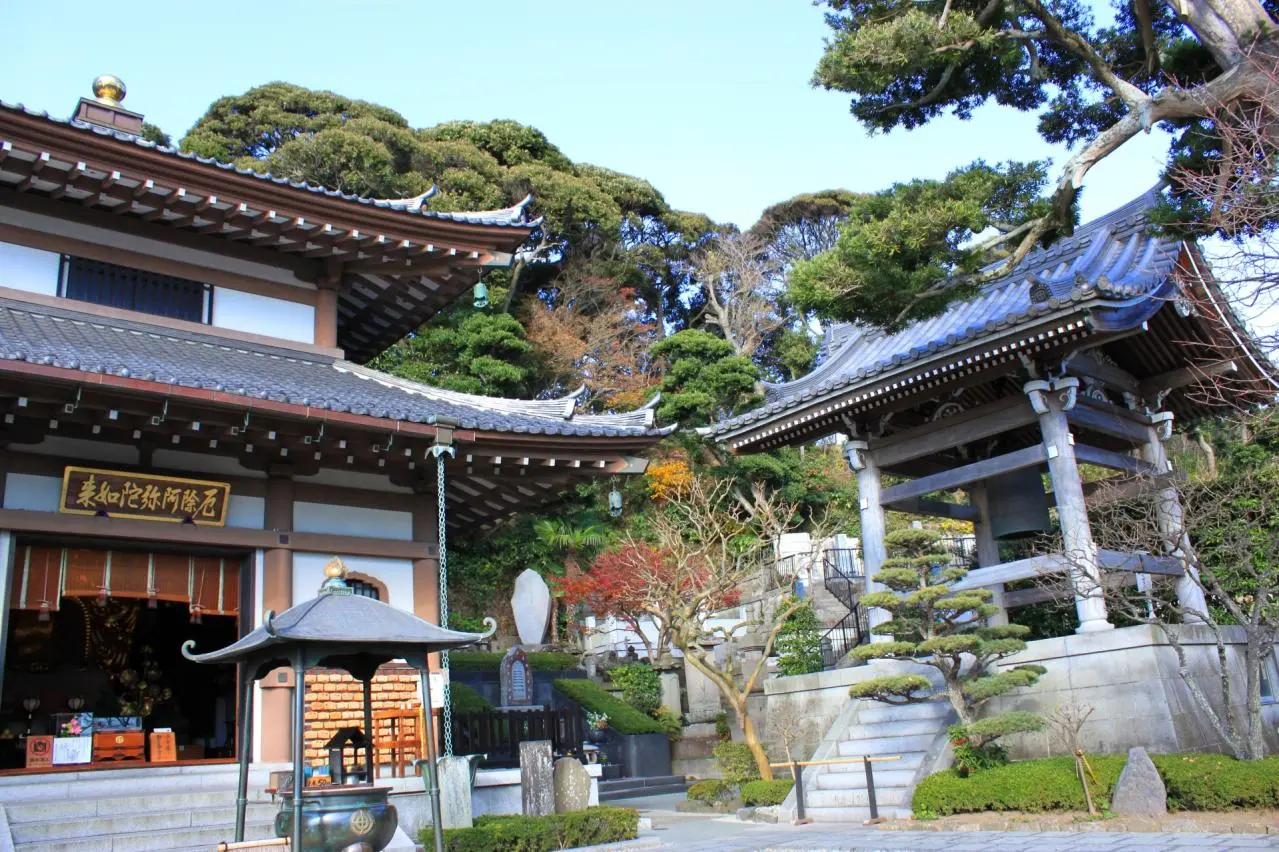
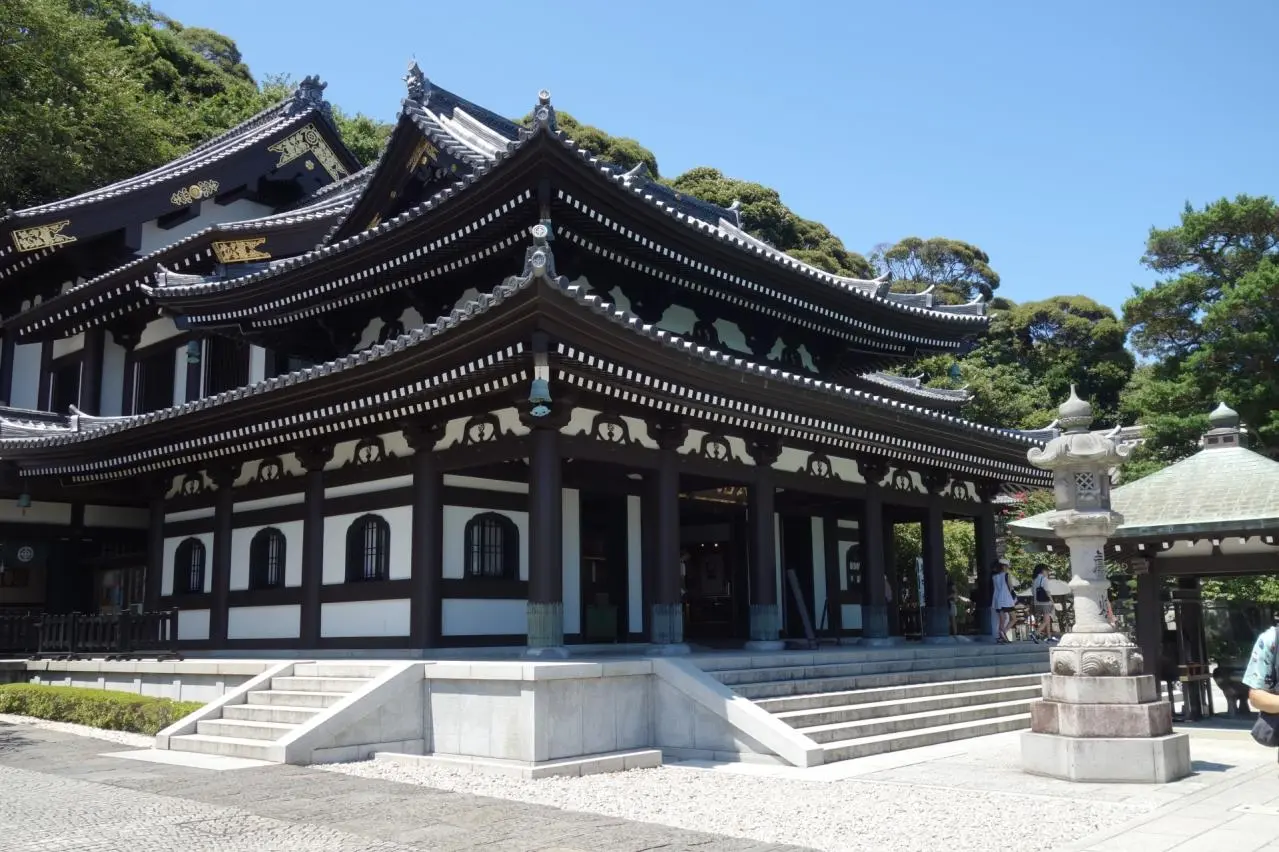
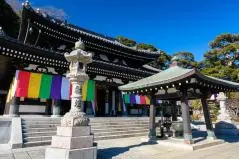
Hasedera is an ancient temple said to have been founded in Nara period, in 736, at the prayer of Tokudo Shonin. Its official name is Kaikozan Jishoin Hasedera. It is a temple of great distinction, said to have a history second only to Sugimoto-dera in Kamakura, and is also believed to have been established as an imperial prayer temple during the reign of Emperor Shomu. Long cherished as “Hase Kannon,” it has long welcomed many pilgrims as the fourth sacred site of the Bando Sanjusansho Kannon pilgrimage.
◆ Principal Image: Statue of Juichimen Kannon Bosatsu
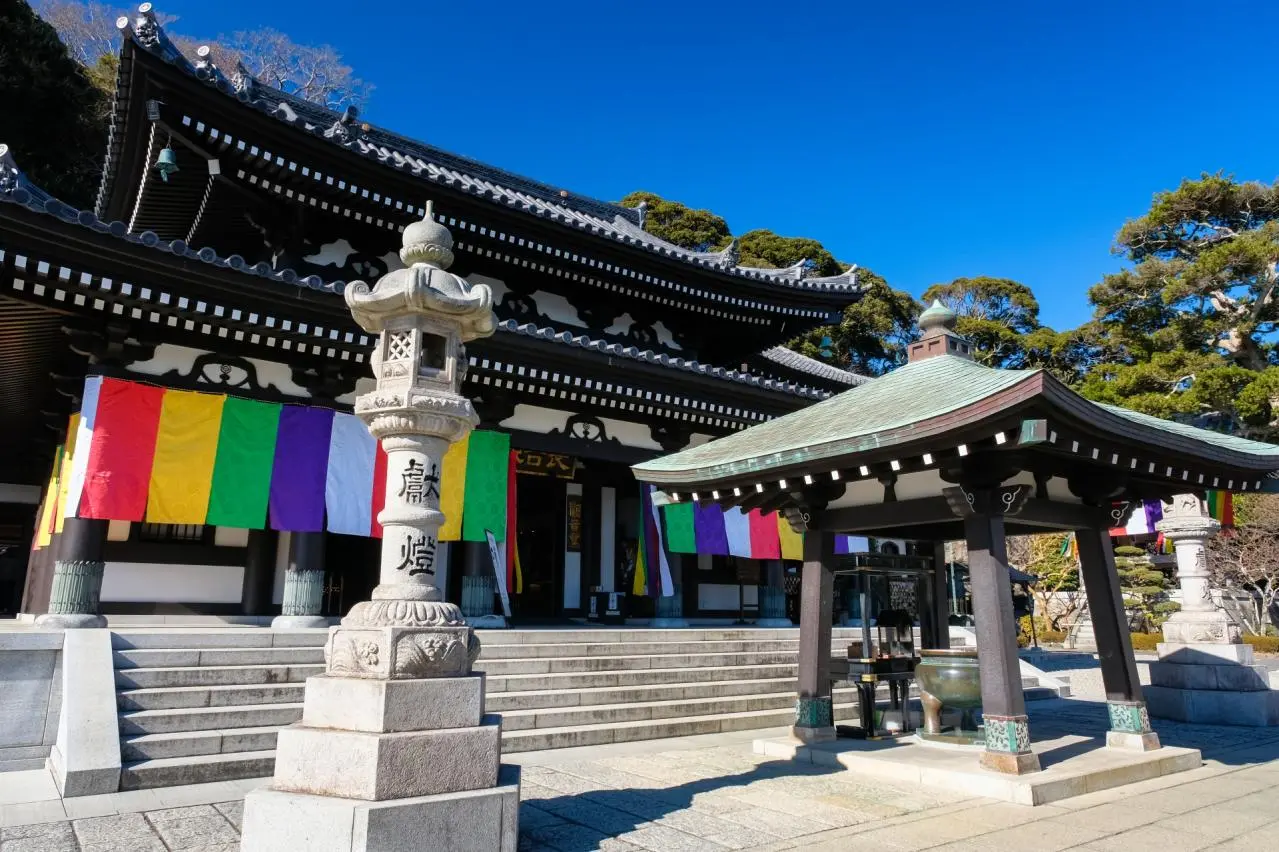
The principal standing statue of Juichimen Kannon Bosatsu is one of the largest wooden Buddhist images in Japan, standing 9.18 meters tall. It is said to have been carved from the same camphor tree as the Kannon statue at Hasedera in Nara, as two images from one tree. Enshrined in the Kannon-do Hall, it marked the 1,300th anniversary of its creation in 2021. As a center of Kannon faith in eastern Japan, this revered statue has long attracted deep devotion, and photography is prohibited inside the hall.
◆ Temple Grounds and Scenery
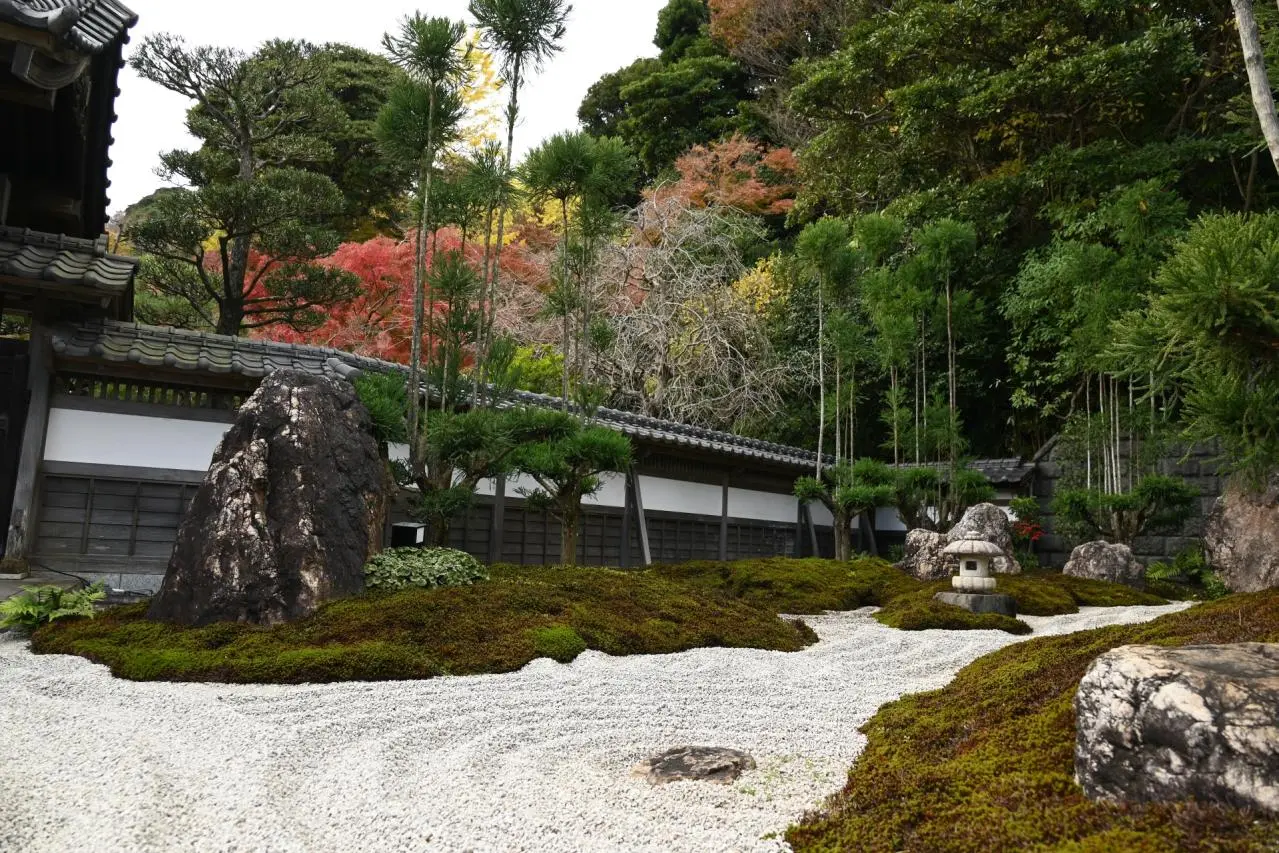
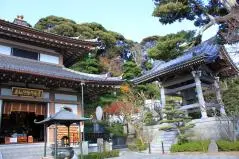
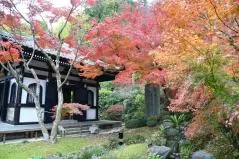
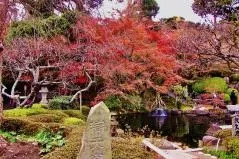
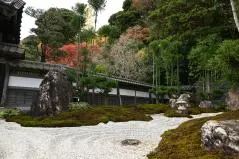
The temple grounds extend from the lower slopes to the middle of Kannon-yama and are divided into the lower precincts and upper precincts.
● Lower Precincts
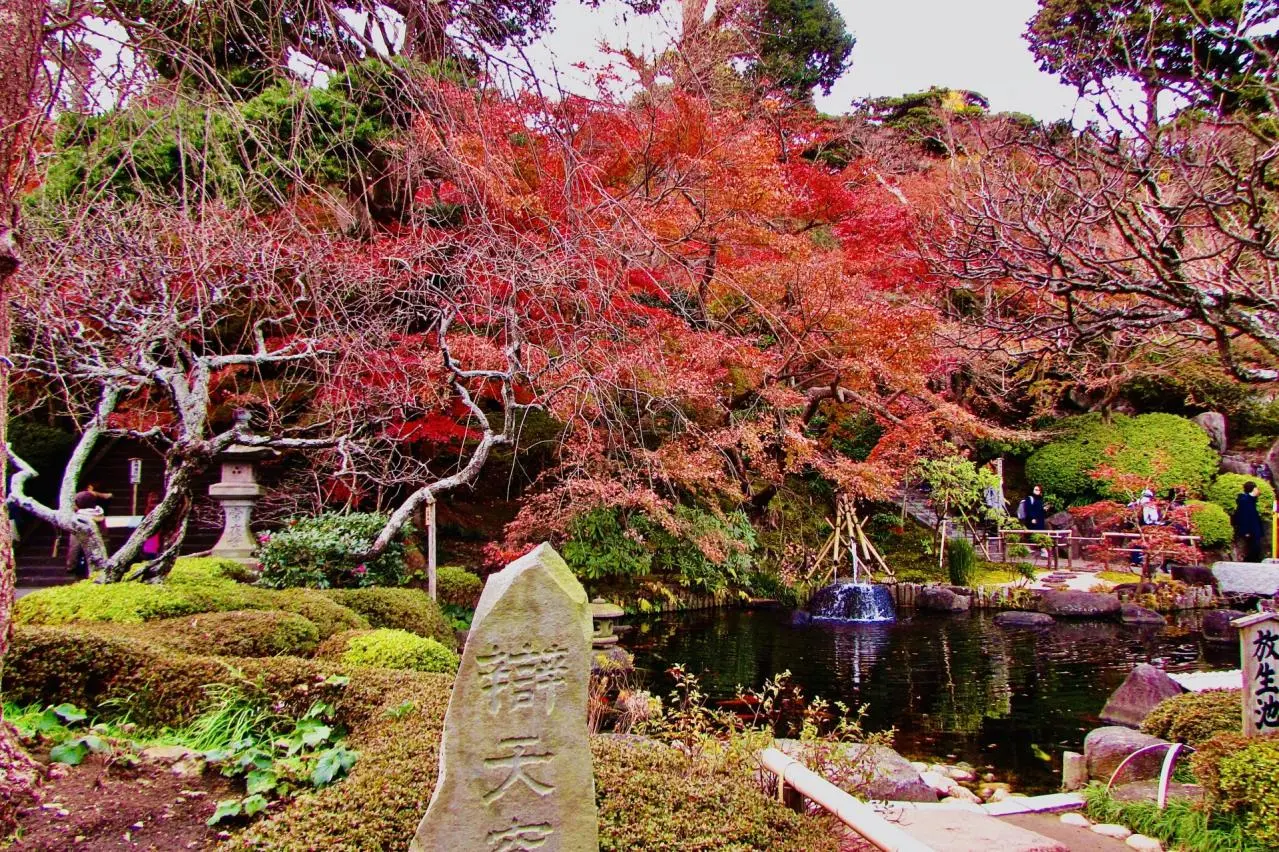
• A strolling garden centered around two ponds
• “Benten-kutsu,” a cave carved with Benzaiten and the Sixteen Child Attendants
• Ema hall, temple office, and reception for worshippers
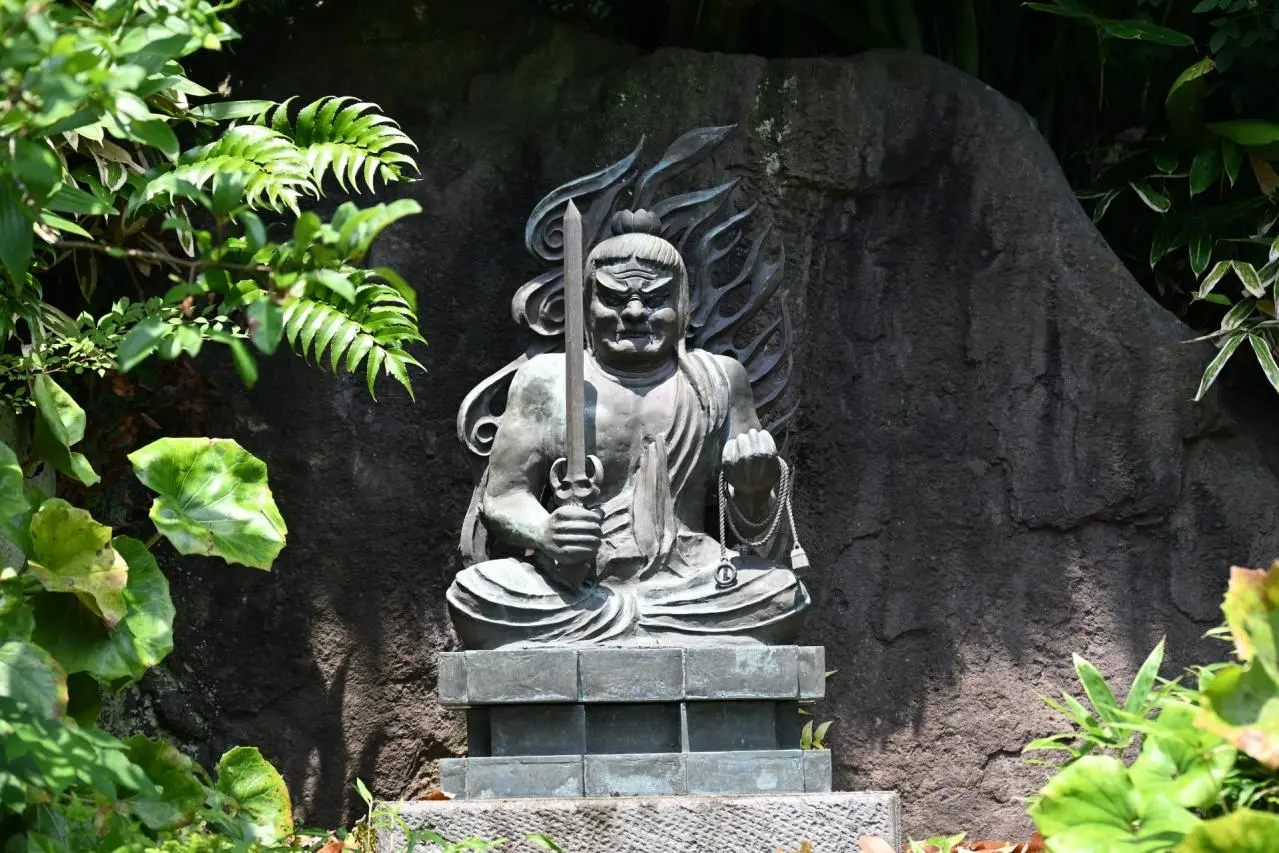
Benten-kutsu is said to be the cave where Kobo Daishi once entered retreat, and the statues carved along its dim passage create a mystical atmosphere.
● Upper Precincts
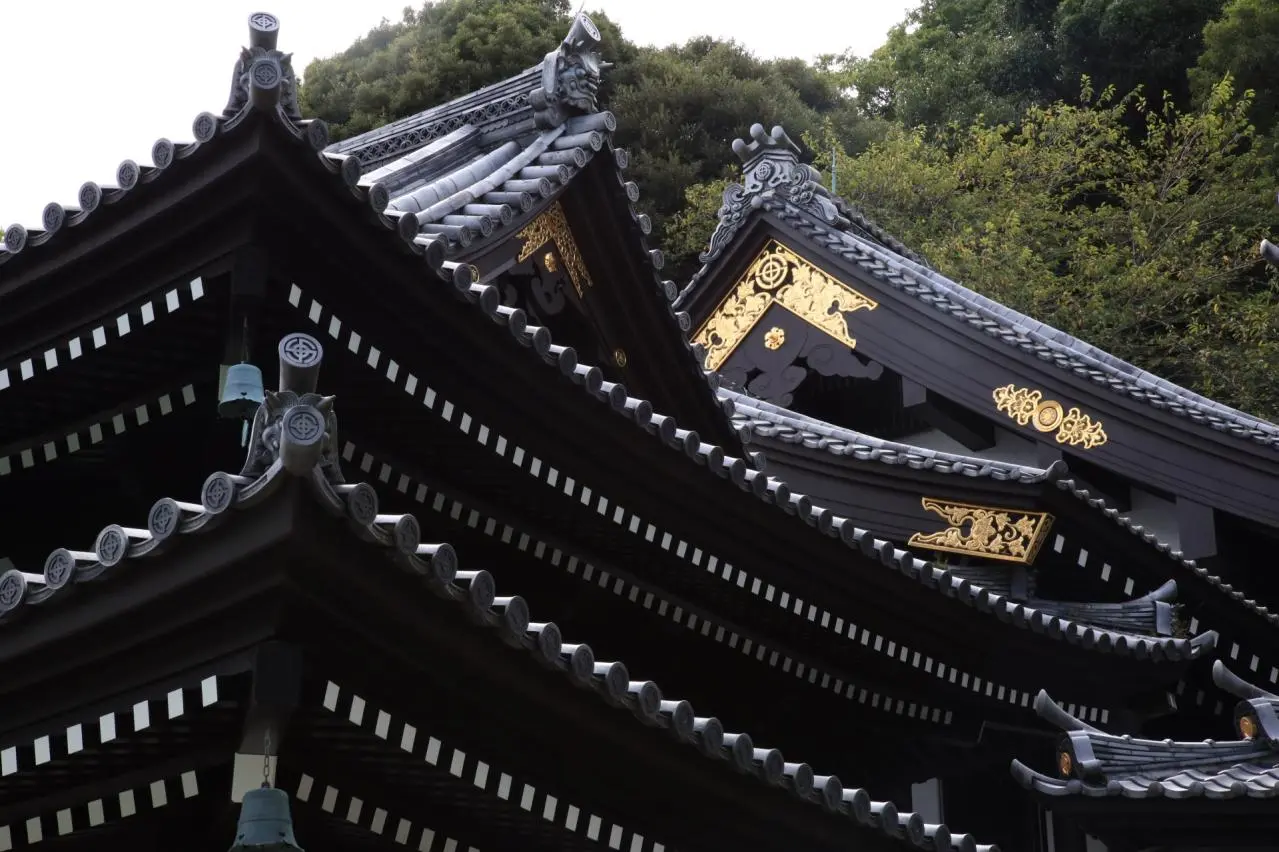
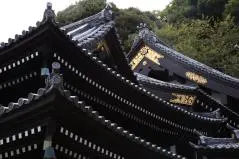
• Kannon-do Hall
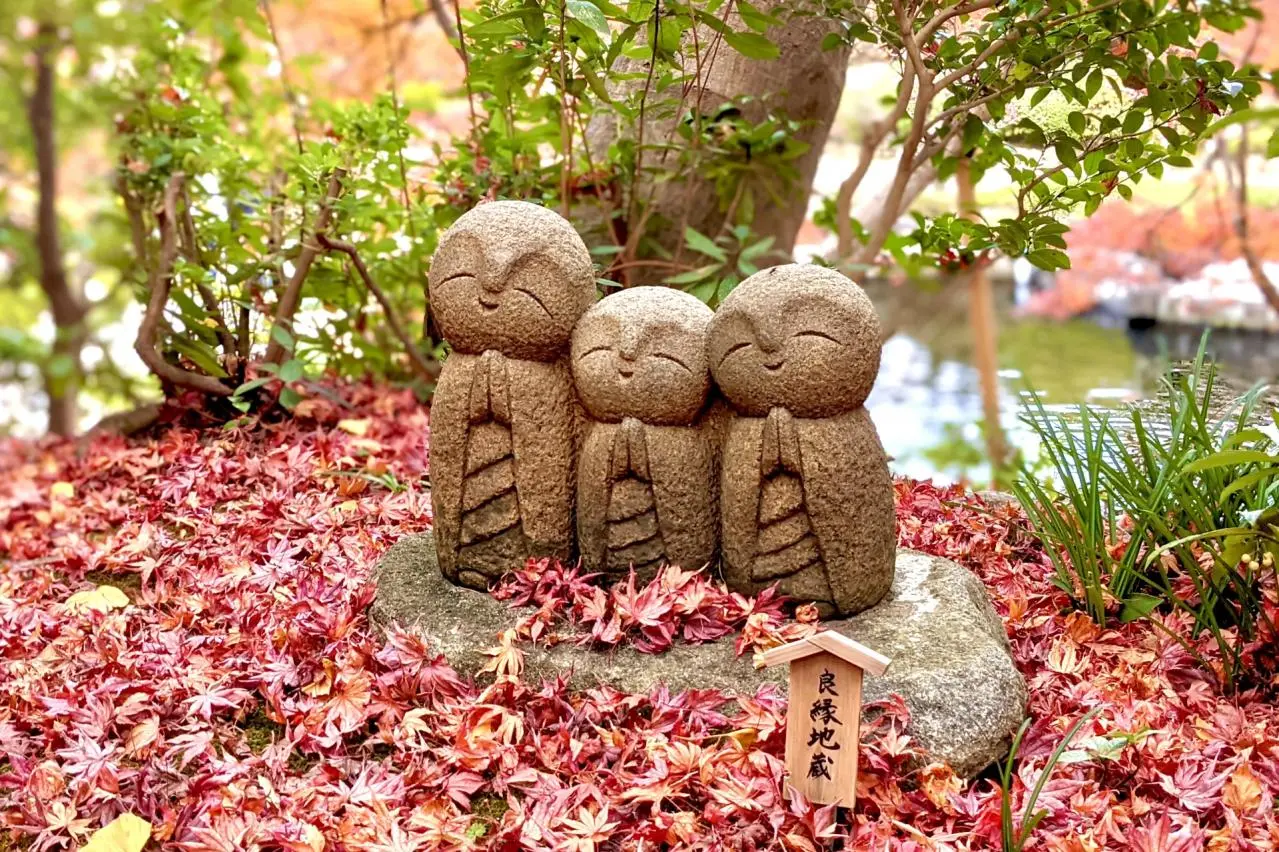
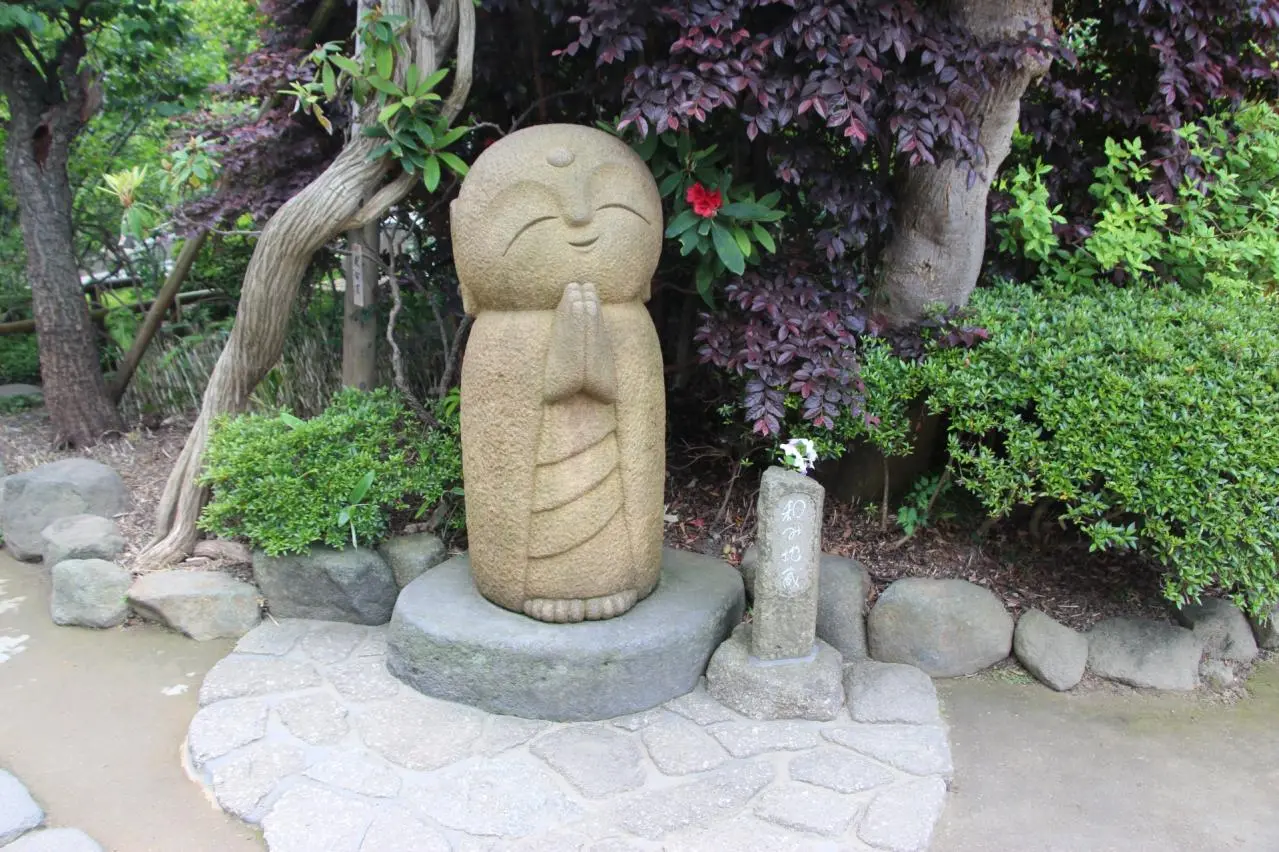
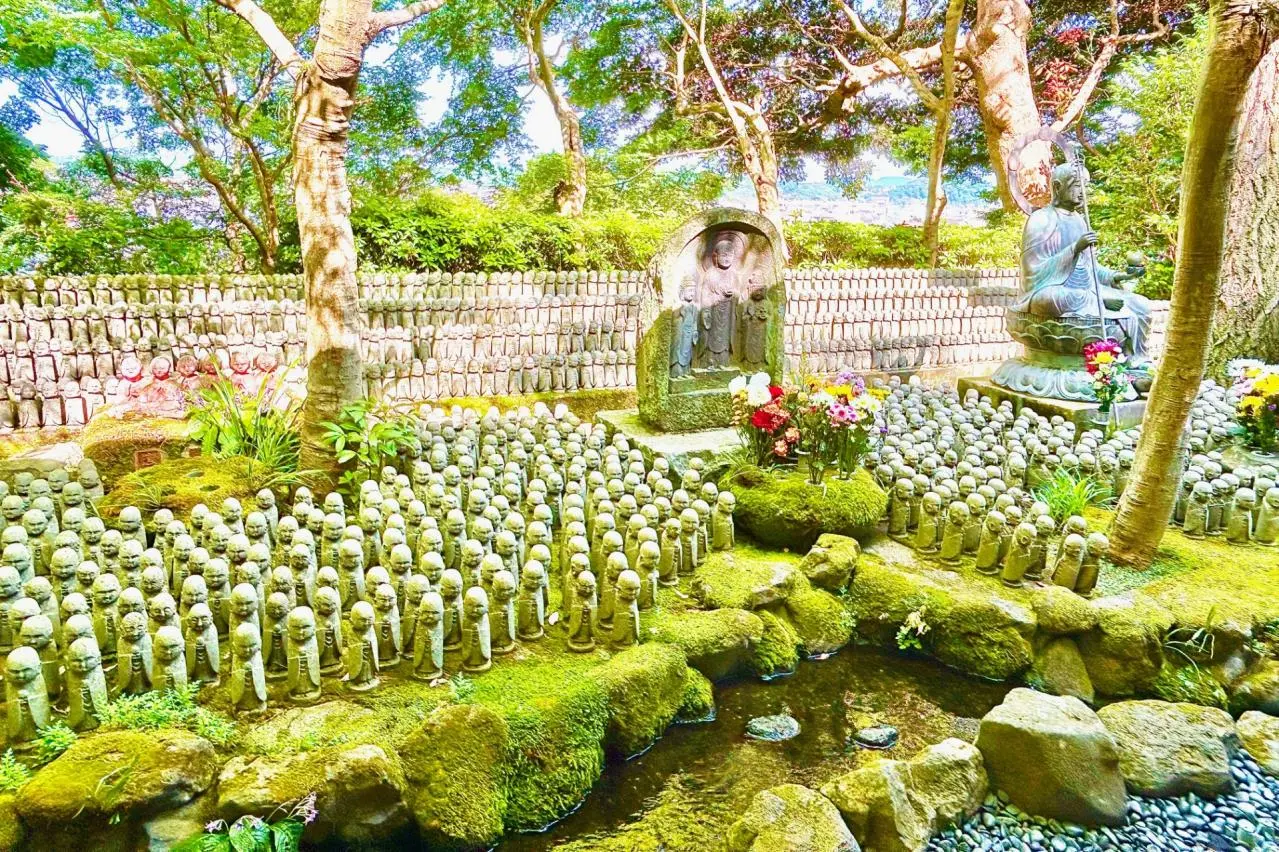
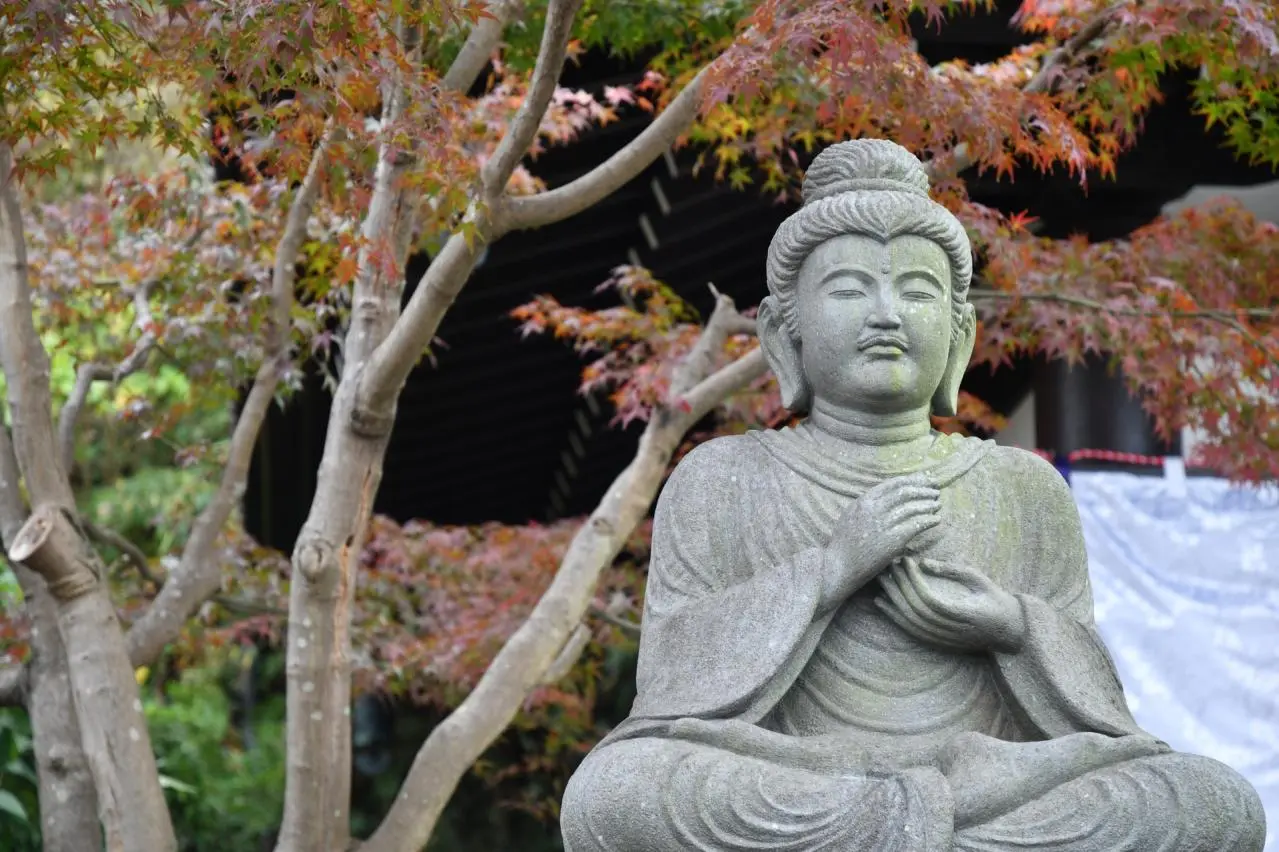
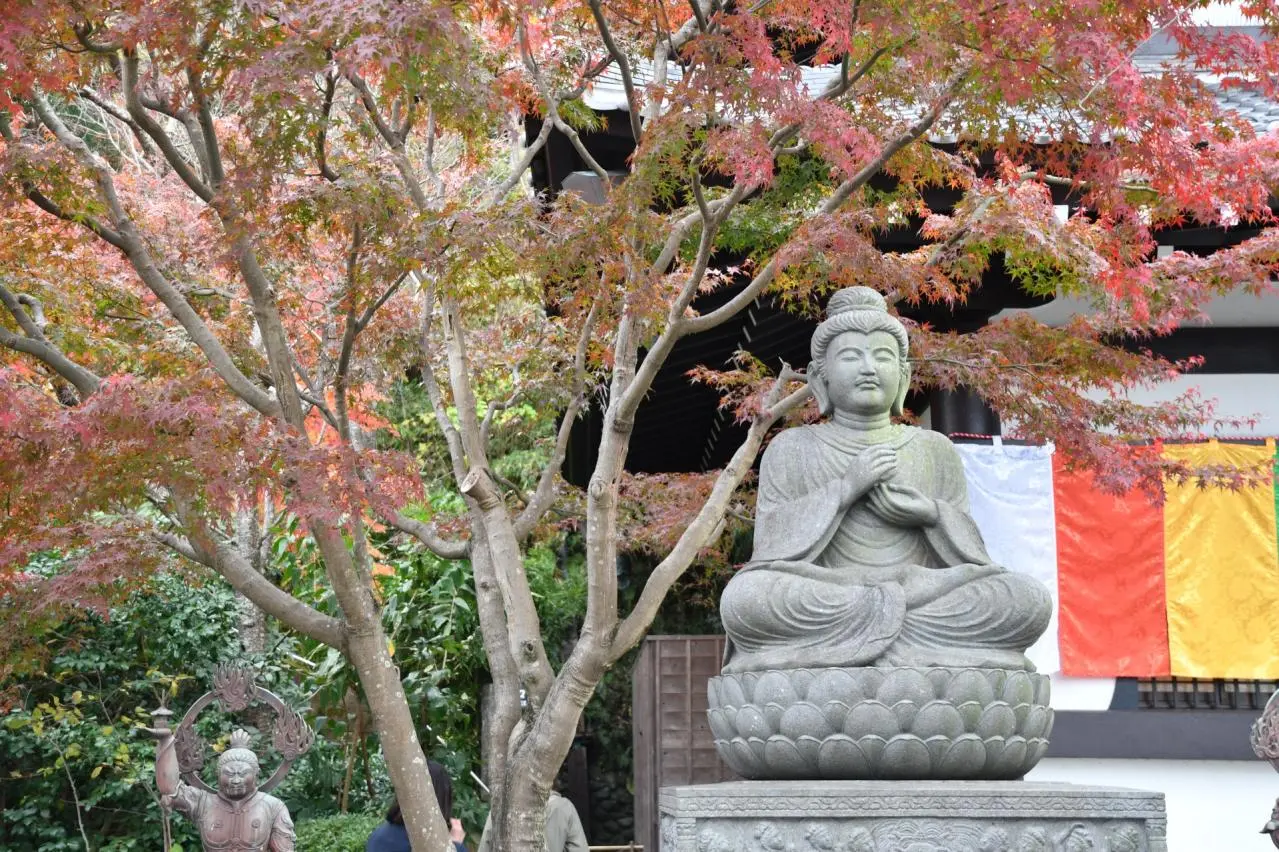
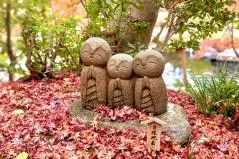
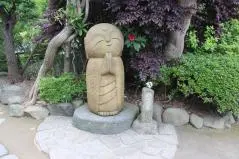
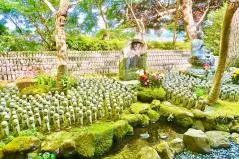
• Ryogen Jizo statues (scattered at three locations within the grounds)
• Observation deck
• Kannon Museum
• Dining area “Kaikoan”
From the observation deck, visitors can enjoy sweeping views of Kamakura city, Yuigahama Beach, the Miura Peninsula, and, depending on the weather, even Mount Fuji.
◆ Why It Is Called the “Temple of Flowers”
Hasedera is also known as “Kamakura’s western Pure Land,” a famous place where flowers bloom throughout the seasons.
• Spring: plum blossoms, cherry blossoms, peonies
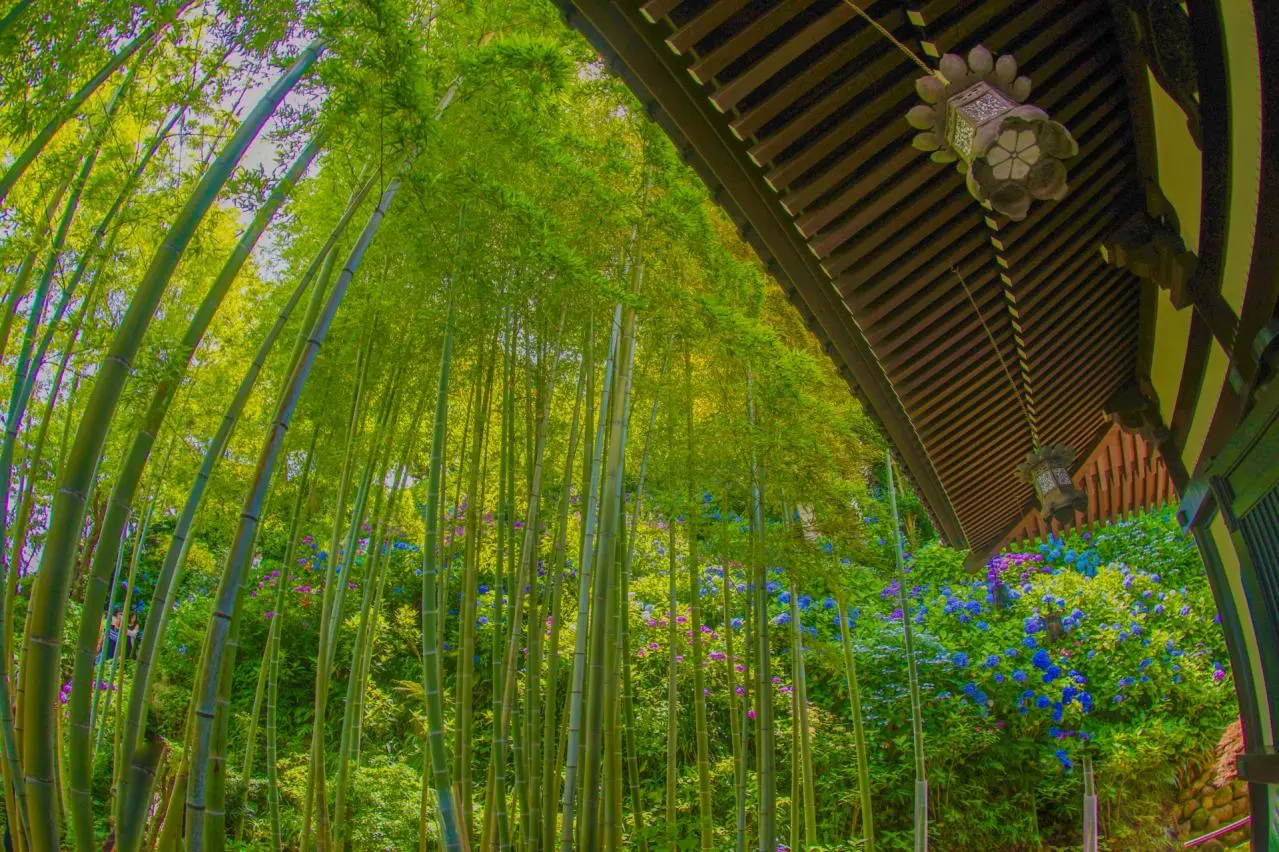
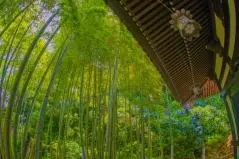
• Early summer: hydrangeas (40 varieties, 2,500 plants) along the Ajisai Path
• Summer: lotus, bush clover
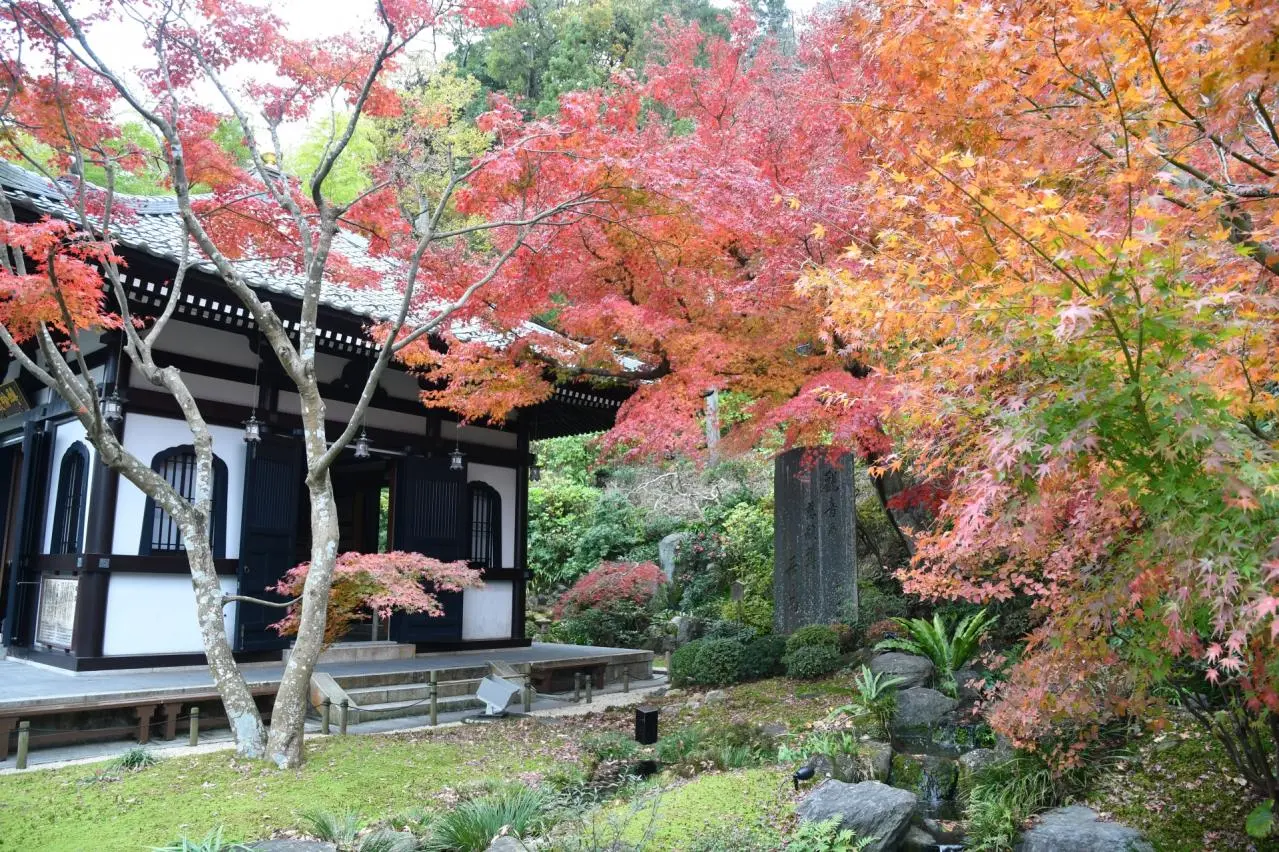
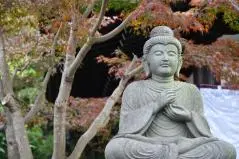
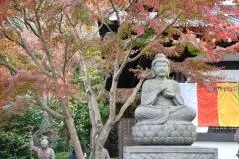
• Autumn: autumn leaves, red spider lilies
• Winter: camellias, wintersweet
In particular, the “Ajisai Path” during the rainy season is especially popular, and the hydrangeas coloring the scenery against the backdrop of Sagami Bay and Kamakura are considered among the most beautiful in Kamakura.
◆ Kannon Museum
The “Kannon Museum” within the temple grounds displays many treasures handed down by the temple.
• The worship image: standing statue of Juichimen Kannon Bosatsu
• Thirty-three manifestations statues
• Hanging Buddha images from the Kamakura period
• A historic bell cast in 1264
• Historical materials on Kannon worship
It is a precious facility where visitors can gain a deeper understanding of faith, history, and culture.
◆ Experiences and Highlights
• Sutra copying and Buddhist image tracing (Shoin): Emyo Juku Kannon Sutra, Heart Sutra, and Buddhist image tracing are available
• Kyozo (rotating scripture repository): can be turned on specific days, such as the 18th of each month, and is believed to bring merit
• Ryogen Jizo: popular for the belief that finding and photographing all three statues brings good relationships
◆ Dining and Worship Enjoyment
At “Kaikoan” near the observation deck, visitors can enjoy shojin curry and Hase zenzai while taking in the superb view of Sagami Bay. At “Teraya Cafe,” light meals and sweets are available, and souvenirs can be purchased at the “Nagomi Shop.”
◆ Annual Events and Faith
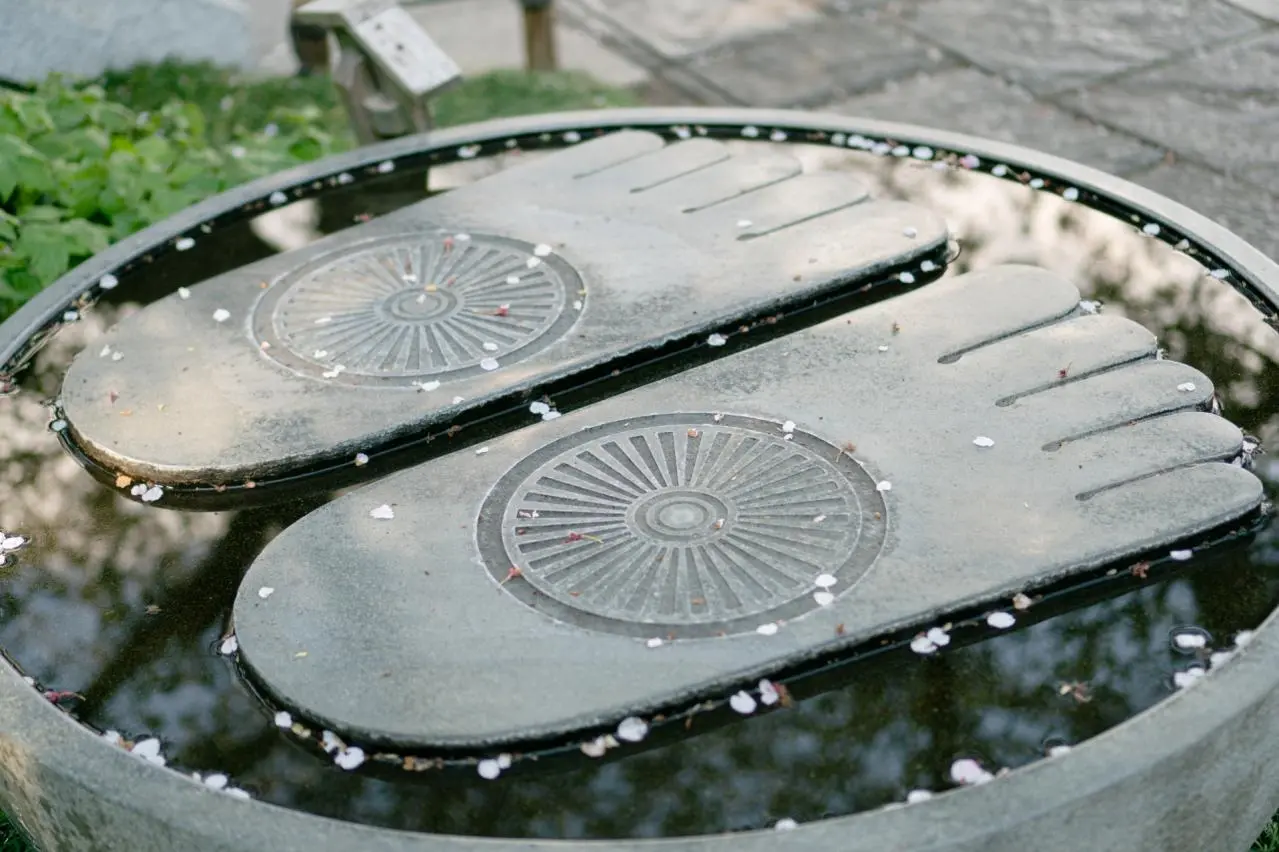
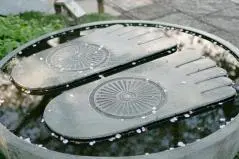
At Hasedera, worshippers gather every month on the 18th, Kannon’s special day. At the “Toshi no Ichi” on December 18, lucky charms and festive stalls line the grounds. On this day, a special ritual called “Miaomairi Kigan,” in which visitors directly touch Kannon’s feet, is also held.
Kanagawa Tourist Attractions
View List
Kawasaki Fujiko F Fujio Museum
Kawasaki City Fujiko F Fujio Museum is a cultural facility where you can immerse yourself in the world of Fujiko F Fujio, the creator of many masterpieces, including...

Hakone Shrine
Hakone Shrine was founded in 757 by Priest Manyo and has been revered by many people since the Nara period. It gained particular devotion from warriors such as Minam...

Shin'en Shrine Aquarium
The Enoshima Aquarium is located in a prime spot overlooking Sagami Bay and offers a panoramic view of Mount Fuji and Enoshima. The main attraction is the impressive...


Meigetsuin
Meigetsu-in is a temple of the Rinzai sect of Kencho-ji located in Kamakura, enshrining a seated statue of Kannon, the Bodhisattva of Mercy. In June, approximately 2...

Yamashita Park
Yamashita Park opened in 1930 as part of the reconstruction efforts following the Great Kanto Earthquake in Yokohama. This park is known for its beautiful views of t...

The Hakone Open-Air Museum
The Hakone Open-Air Museum was established in 1969 by the Fujisankei Group as Japan's first outdoor art museum. Spanning approximately 70,000 square meters, the spac...

Enoshima Island
Enoshima is a beautiful island located in Fujisawa City, Kanagawa Prefecture, with breathtaking views from the Shonan coastline. It is connected to the mainland by a...