Yokohama Chinatown
Yokohama Chinatown Movies


Basic Information
- Spot Name
- Yokohama Chinatown
- Location
- Yamashitacho, Naka Ward, Yokohama City, Kanagawa Prefecture
- Access
- - 1-minute walk from "Motomachi-Chukagai" Station on the Minato Mirai Line
- 5-minute walk from "Ishikawacho" Station on the JR Keihin-Tohoku and Negishi Lines
- 7-minute walk from "Kannai" Station on the JR Keihin-Tohoku and Negishi Lines / Yokohama City Subway Blue Line - Parking
- No parking available.
- Business Hours
- Varies by store.
- Regular Holiday
- Varies by location.
- Official Website
Map
Detailed Information
Yokohama Chinatown is one of the largest Chinatown districts in Japan, located in Yamashita-cho, Naka Ward, Yokohama City, Kanagawa Prefecture. It was formed by Chinese people who came to Japan with the opening of Yokohama Port in 1859, and has developed into a city with more than 160 years of history. Today, within an area of about 300 meters east to west and 400 meters north to south, more than 600 restaurants, general goods stores, and souvenir shops line the streets, making it one of Japan’s leading tourist destinations, attracting about 20 million visitors a year.
History and Development
The origins of Yokohama Chinatown date back to the time after the opening of Yokohama Port, when Chinese merchants who came to Japan along with Western traders began doing business here. Over time, a Chinese settlement was formed, and many overseas Chinese came to live in the area. Even as the years passed, Chinese food culture and traditions have been faithfully preserved, and today the flavors and culture of Chinatown continue to be carefully maintained by second-, third-, and fourth-generation Chinese descendants as well as by Japanese residents.
Structure and Symbols of Chinatown
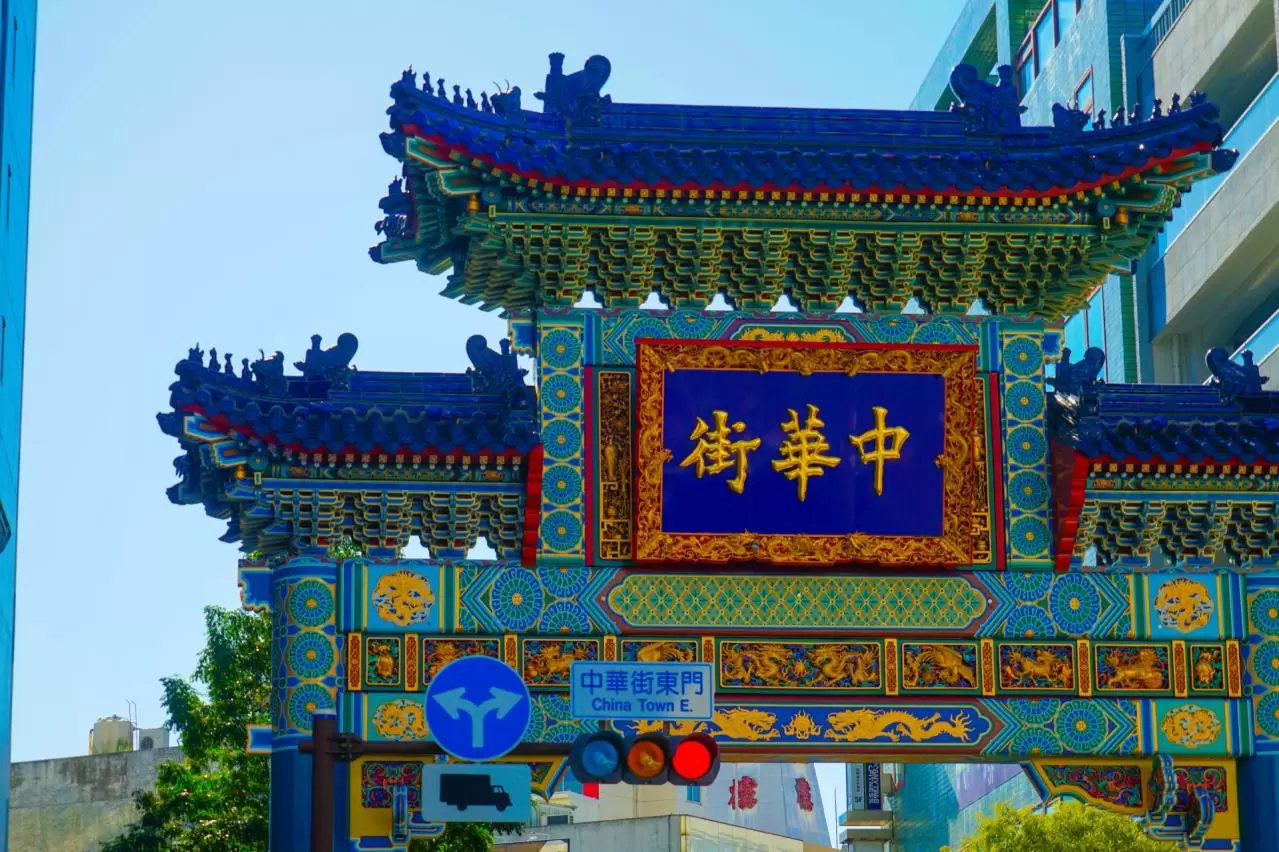
Yokohama Chinatown is surrounded by ornate gates called “paifang,” built facing east, west, south, and north. These gates are arranged based on feng shui principles and are said to help balance the flow of energy throughout the town, bringing prosperity and peace.
At the center of the district are landmarks such as the Kanteibyo Temple, dedicated to Guan Yu, known from the Romance of the Three Kingdoms; the Masobyo Temple, dedicated to Mazu, the goddess who protects maritime safety; and Kaihotei, a building that symbolizes the history of Chinatown. All of these are decorated in vivid colors and are highly popular as places where visitors can experience Chinese culture.
Gourmet Food and Street-Eating Culture
The heart of Yokohama Chinatown’s appeal is its food. From upscale Chinese restaurants to casual street-food-style eateries, a wide variety of dining options can be found here. One of the great pleasures unique to a large Chinatown is the chance to enjoy China’s four major regional cuisines—Beijing, Sichuan, Shanghai, and Cantonese—at one place.
Popular street foods include Peking duck, pan-fried xiaolongbao, oversized meat buns, jumbo Taiwanese fried chicken, sesame dumplings, and almond soft-serve ice cream. Many restaurants also offer all-you-can-eat buffets, making it easy to sample a wide range of dishes.
Taiwanese Cuisine and Dessert Culture
In Yokohama Chinatown, visitors can enjoy not only Chinese food but also a rich variety of Taiwanese cuisine. There are many places where you can savor authentic Taiwanese flavors in Japan, including xiaolongbao, lu rou fan, douhua, Taiwanese shaved ice, and bubble tea. Many shops also recreate a Taiwanese atmosphere through their exterior and interior design, allowing visitors to experience Taiwanese culture not only through food but also through the space itself.
Fortune-Telling and Cultural Experiences
Yokohama Chinatown is also widely known as a “town of fortune-telling.” Fortune-telling houses are scattered throughout its streets, making it one of the largest such concentrations in Japan. Visitors can experience a wide range of divination methods, including Eastern astrology, palm reading, and tarot, and many skilled fortune-tellers are based here. Since these spots are easy to stop by during sightseeing, fortune-telling has become a popular activity alongside food-hopping.
Seasonal Events and the Best Times to Visit
A variety of events are held throughout the year in Yokohama Chinatown. Spring and autumn are especially pleasant, making them ideal seasons for eating and strolling.
In March, the Mazu Festival is held at Masobyo Temple, and on October 1, National Day, which celebrates the founding of China, is celebrated on a grand scale. The entire town is adorned with red and gold decorations, and the sight of colorful parades is a delight for visitors. The biggest event in Yokohama Chinatown is the celebration of Chinese New Year, or Spring Festival, where visitors can enjoy lion dances, dragon dances, and the beautifully decorated streets. This is an important point to know when planning a sightseeing trip.
Yokohama Chinatown is a tourist destination filled with exotic charm, where food, culture, and history come together. Its streets, based on feng shui, colorful temples and gates, authentic Chinese and Taiwanese cuisine, fortune-telling experiences, and lively seasonal festivals all create its many attractions. By day, visitors can enjoy street food and cultural strolls; by night, they can take in the illuminated streets and enjoy a leisurely dinner. The district reveals a different face depending on the time of day.
Yokohama Chinatown can truly be called “a town where Chinese culture is enjoyed with all five senses.”
Kanagawa Tourist Attractions
View List

Yamashita Park
Yamashita Park opened in 1930 as part of the reconstruction efforts following the Great Kanto Earthquake in Yokohama. This park is known for its beautiful views of t...


Kawasaki Fujiko F Fujio Museum
Kawasaki City Fujiko F Fujio Museum is a cultural facility where you can immerse yourself in the world of Fujiko F Fujio, the creator of many masterpieces, including...

Tsurugaoka Hachimangu Shrine
Tsurugaoka Hachimangu is the head shrine of the Sagami province and one of the three major Hachimangu shrines, alongside Usa Jingu in Oita and Ishimizu Hachimangu in...

Shin'en Shrine Aquarium
The Enoshima Aquarium is located in a prime spot overlooking Sagami Bay and offers a panoramic view of Mount Fuji and Enoshima. The main attraction is the impressive...

Cup Noodles Museum Yokohama
The Cup Noodles Museum in Yokohama is an interactive food education museum where you can learn about the history of instant ramen and the importance of invention and...