Hakone Shrine
Hakone Shrine Movies



Basic Information
- Spot Name
- Hakone Shrine
- Location
- 〒250-0522 80-1 Motohakone, Hakone, Ashigarashimo District, Kanagawa Prefecture, Japan
- Access
- [Bus] Hakone Tozan Bus / Izu Hakone Bus (to Hakone Town) "Motohakone" [Car] Hakone Skyline / Ashinoko Taikan IC → National Route 1 Approximately 10 minutes
- Parking
- Available (180 spaces) / 7:00 AM to 5:00 PM
- Business Hours
- Visiting hours: 24 hours
- Regular Holiday
- Open all year round.
- Fees
- Adults: 500 yen for the treasury hall admission fee ( junior high school students and older)
Children: 300 yen for the treasury hall admission fee (elementary school students and younger) - Contact Information
- Phone Number:0460-83-7123
- Official Website
Map
Detailed Information
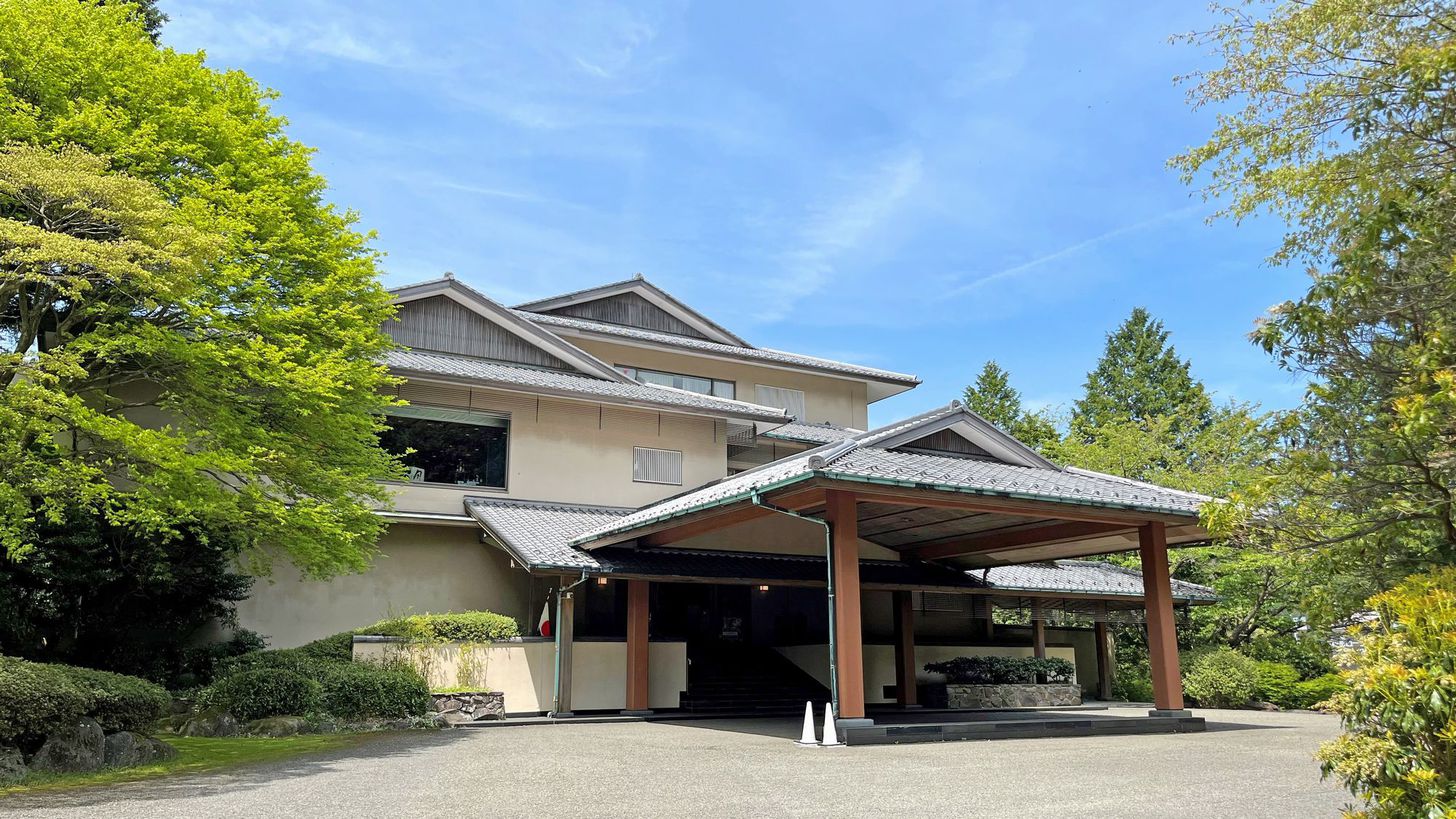
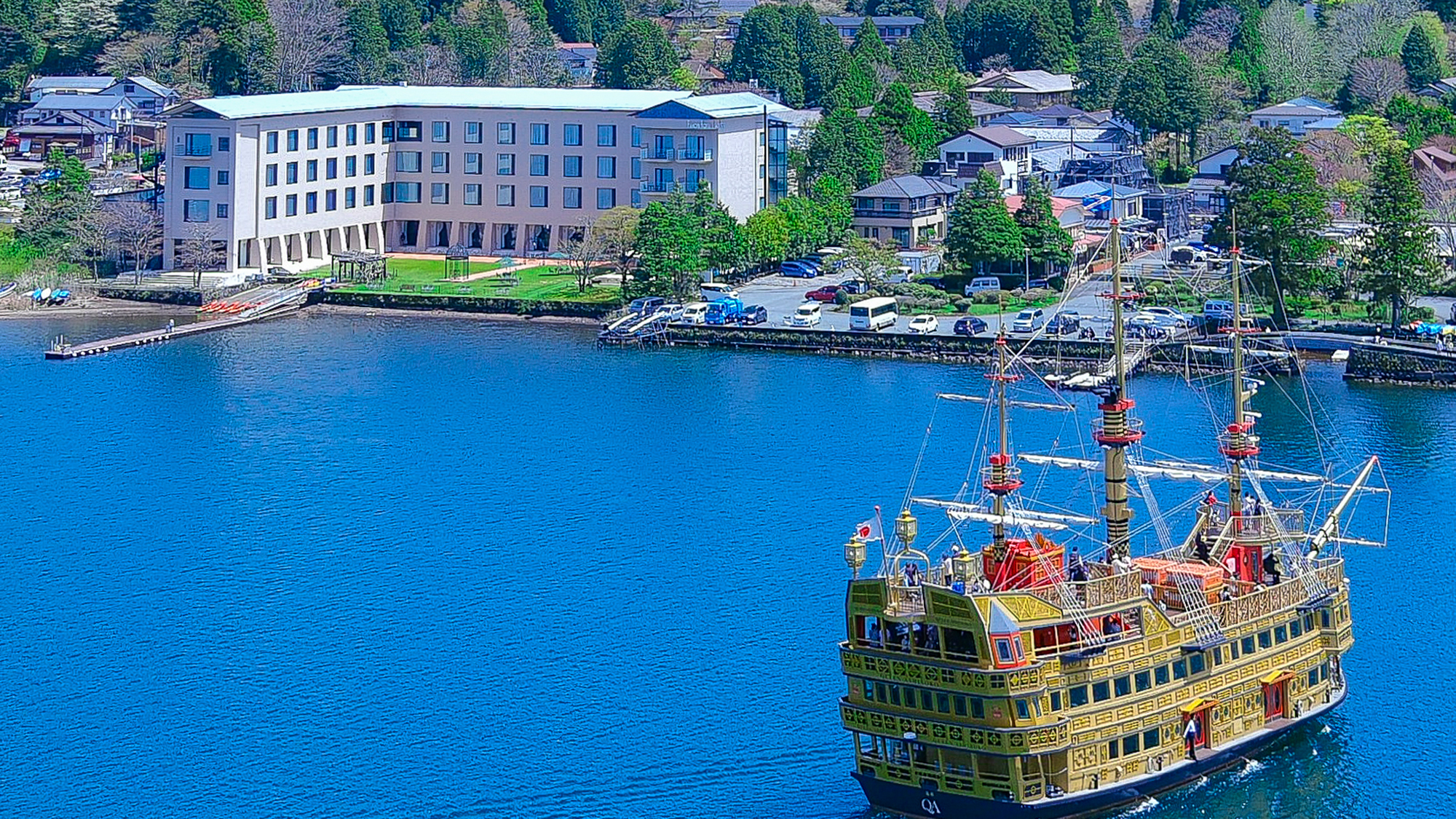
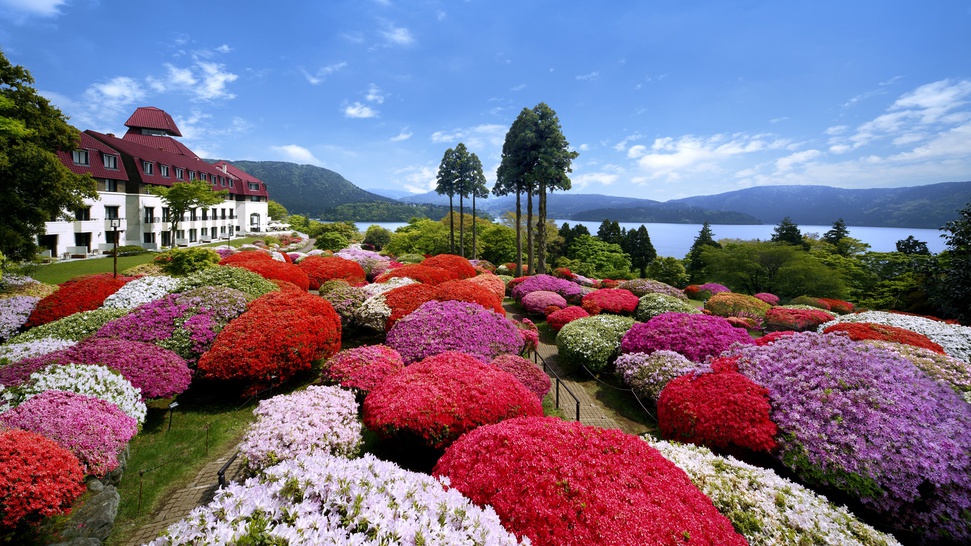
Hakone Shrine is a historic shrine founded in 757, the first year of the Tempyo Hoji era of the Nara period, when Manmaki Shonin received a divine revelation from Hakone Okami and established it on the shores of Lake Ashinoko. It has long been revered by warrior families such as Minamoto no Yoritomo and Tokugawa Ieyasu, and has been widely known as “Hakone Gongen, the guardian deity of the entire Kanto region.” Famous for blessings such as good fortune and warding off misfortune, the fulfillment of wishes, victory, safe travel, and matchmaking, it attracts many worshippers from Japan and abroad. Just about two hours from central Tokyo, it is a popular shrine where visitors can experience both rich nature and history.
History
• Founding: In 757, the first year of the Tempyo Hoji era, Manmaki Shonin received a divine revelation while undergoing mountain ascetic training on Mt. Hakone, one of Japan’s most renowned sacred sites of mountain worship, and enshrined the deity there. In 2007, the 1,250th anniversary of the shrine’s enshrinement was celebrated.
• Medieval reverence: In the Kamakura period, Minamoto no Yoritomo deeply venerated the shrine, and the shogunal family’s New Year custom of Nisho-mairi (visiting the two shrines of Izu and Hakone Gongen) was observed. Thereafter, the shrine flourished through the devotion of the Hojo clan, Tokugawa Ieyasu, and other warrior families.
• Early modern period and later: As the Hakone road and the Tokaido were developed, popular faith grew, and pilgrimages to pray for good fortune and safe travel became widespread under the name “Hakone no Gongen-sama.” A monthly rite is held on the 1st and 15th of every month, and visitors may attend by prior application.
Deities and blessings
• Enshrined deities (collectively known as Hakone Okami)
o Ninigi-no-Mikoto
o Konohanasakuya-hime no Mikoto
o Hikohohodemi no Mikoto
• Blessings: good fortune and warding off misfortune, fulfillment of wishes, victory, safe travel, matchmaking, financial fortune and prosperous business (via the Kuzuryu faith), and more.
Position in culture and law
In the Goseibai Shikimoku (Joei Shikimoku) of 1232, the first article emphasizes the importance of repairing shrines and conducting rites, and oaths mention Izu and Hakone Gongen among the foremost deities. The famous saying, “The gods increase their power through the reverence of people...,” clearly expresses the mutual relationship between gods and humans and reflects the historical background of Hakone Shrine’s veneration by both warriors and commoners.
Precincts and highlights
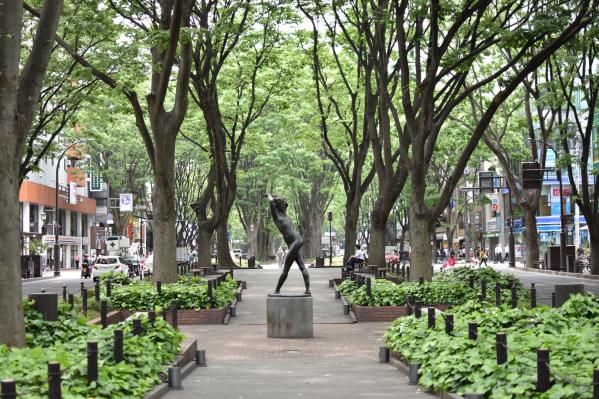
• Approach and ancient cedars: Along the approach to the main hall stand ancient cedar trees estimated to be 600 to 800 years old, creating a solemn atmosphere.
• Four torii gates and the route:
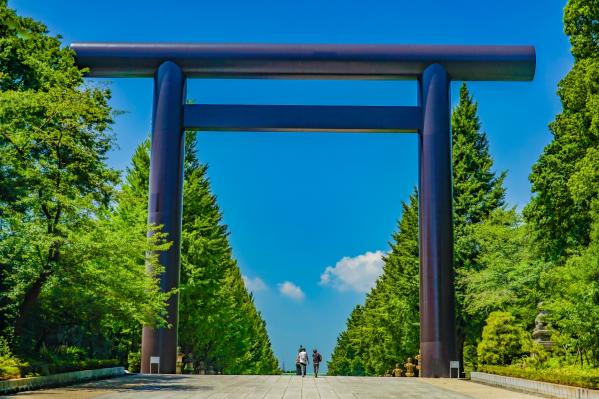
o First torii: Standing at the entrance to Motohakone, it is one of the largest torii in Japan that spans a national highway.
o Second torii: Located deeper in the Motohakone temple town, near the tourist bus parking area.
o Third torii: The entrance to the shrine approach, leading to a flat path lined with old cedars.
o Fourth torii: Beside the purification fountain, marking the starting point of the stone steps leading to the main hall.
• Routes to the main hall:
o Main approach (90 stone steps)
o Side approach (gentle, no stairs)
o Treasure Hall route (an accessible route using the elevator inside the Treasure Hall to reach near the main hall)
You can choose according to your physical condition and stamina.
• Purification fountain: Located beside the fourth torii, this is where visitors cleanse their mouth and hands before worship.
• Yadate-no-Sugi: A sacred cedar associated with the legend of Sakanoue no Tamuramaro praying for victory in battle.
• Anzansugi: Revered for blessings of safe childbirth and fertility, based on the mythology of the enshrined deities.
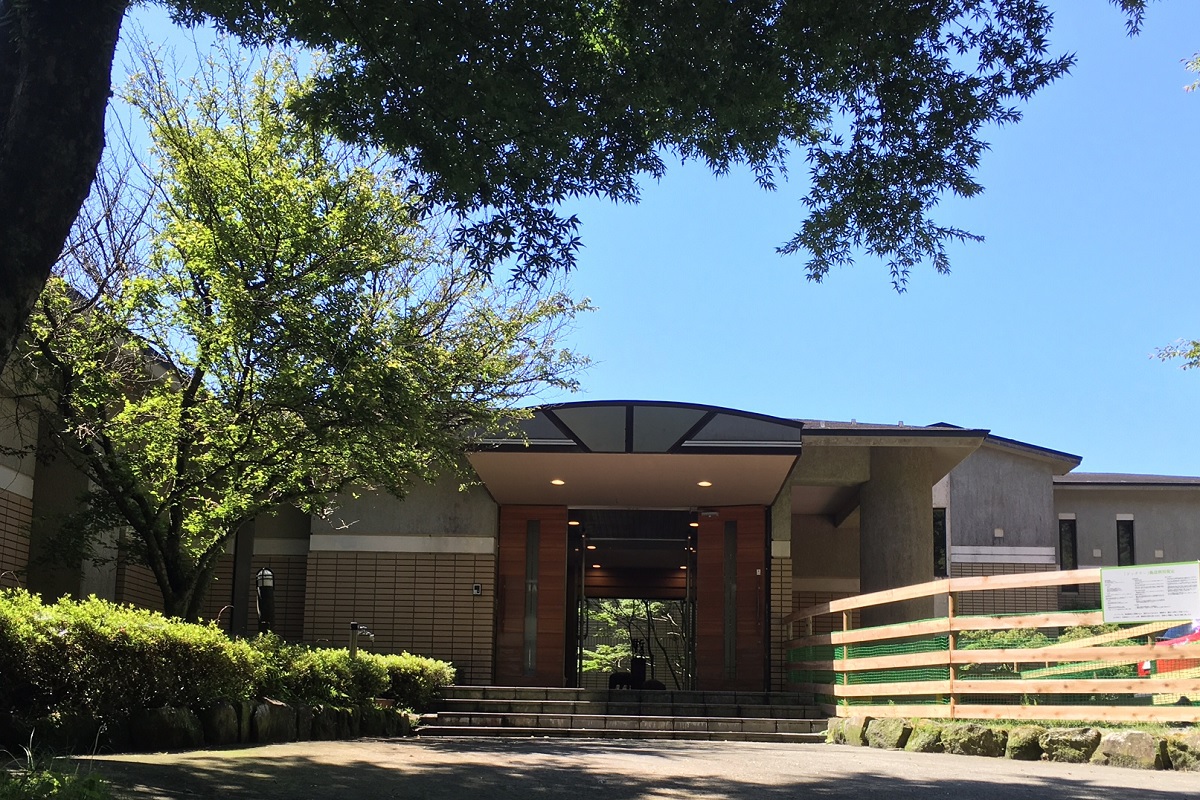
• Treasure Hall and Ritual Hall: These buildings include a sacred hall made using cedar from the shrine grounds as construction material, and Shinto weddings are also held here (about 30 minutes, for groups of around 34 people).
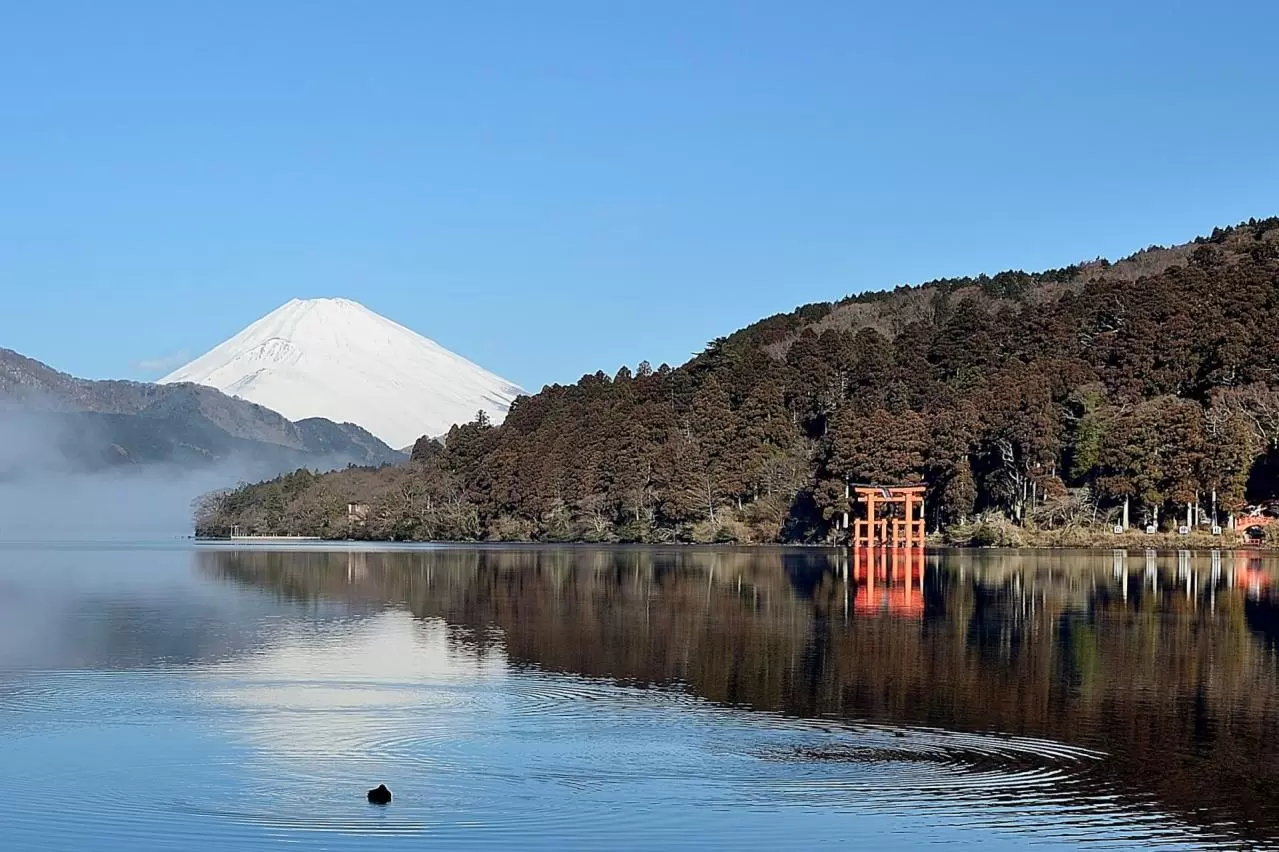
• Peace Torii (the torii in the lake): The current torii standing in the water was rebuilt in 1952 to commemorate the signing of the San Francisco Peace Treaty. In 1964, to celebrate the 1,200th anniversary of the enshrinement of Hakone Okami and the Tokyo Olympics, a plaque inscribed with the character “Heiwa” (Peace), written in the hand of former Prime Minister Shigeru Yoshida, was installed. It is a popular symbolic view overlooking Lake Ashinoko and Mount Fuji.
Kuzuryu Shrine (Main Shrine and New Shrine) and “Dragon God Water”
• Origin: Manmaki Shonin subdued a fierce poisonous dragon and revived it as the guardian deity of Lake Ashinoko; this became Kuzuryu no Kami. It is deeply connected to the blessings of Hakone Okami.
• Main Shrine: Located in Kuzuryu no Mori on Lake Ashinoko, it holds a monthly rite on the 13th at 10:00 a.m., open to all.
• New Shrine: Built within Hakone Shrine grounds on New Year’s Day in 2000, the year of the dragon. It is popular for blessings of financial fortune, prosperous business, and matchmaking. On the 15th of every month, the “Joint Visit Monthly Rite” is held consecutively with Hakone Shrine’s monthly rite, and visitors may attend by prior application.
• Dragon God Water: A sacred spring flowing in front of the New Shrine, attracting many visitors who come to draw water.
• Recommended pilgrimages: It is recommended to visit both Hakone Shrine and Kuzuryu Shrine (Main Shrine and New Shrine) in the “Joint Visit,” and even more so the “Three-Shrine Visit,” which also includes Hakone Motomiya at the summit of Mount Komagatake.
Subsidiary shrines and heritage sites
• Soga Shrine: A shrine dedicated to the Soga brothers, known for one of Japan’s three great vendettas. In 1647, Inaba Masanori, lord of Odawara Castle, built the stone main hall. The annual festival is held on May 28, the day their vendetta was fulfilled, and includes rituals such as the umbrella-burning rite and the highest-level iaido dedication event, the “National Select 8-Dan Match.” It is a shrine deeply revered for the fulfillment of great wishes and protection of warriors.
Festivals and events
• Monthly rites:
o Hakone Shrine: 1st and 15th of every month
o Kuzuryu Shrine Main Shrine: 13th of every month
o Kuzuryu Shrine New Shrine: 15th of every month (the Joint Visit Monthly Rite following Hakone Shrine’s rite)
• Hakone Summer Festival (7/31–8/5):
o 7/31: Lake Water Festival (Kuzuryu deity)
o 8/1–2: Grand Festival (Hakone Okami, main festival)
o 8/3: Mountain deity festival at Mount Komagatake
o 8/4: Kojiri Dragon God Festival
o 8/5: Torii-burning Festival (Dragon God Festival)
A grand festival in which Lake Ashinoko is toured and Hakone Okami and the Dragon God become one is held over the course of a week.
Hakone Shrine is the “guardian shrine of the entire Kanto region,” where the spiritual power of mountain worship and the faith of warriors and commoners are layered together. From the approach embraced by ancient cedars to the torii gate over the lake and the devotion to the Dragon God, it offers a rare sacred space where history, nature, and prayer are organically connected, creating an unforgettable experience for both first-time visitors and those who come again and again.
Kanagawa Tourist Attractions
View List
Kawasaki Fujiko F Fujio Museum
Kawasaki City Fujiko F Fujio Museum is a cultural facility where you can immerse yourself in the world of Fujiko F Fujio, the creator of many masterpieces, including...

Meigetsuin
Meigetsu-in is a temple of the Rinzai sect of Kencho-ji located in Kamakura, enshrining a seated statue of Kannon, the Bodhisattva of Mercy. In June, approximately 2...

Tsurugaoka Hachimangu Shrine
Tsurugaoka Hachimangu is the head shrine of the Sagami province and one of the three major Hachimangu shrines, alongside Usa Jingu in Oita and Ishimizu Hachimangu in...


Enoshima Island
Enoshima is a beautiful island located in Fujisawa City, Kanagawa Prefecture, with breathtaking views from the Shonan coastline. It is connected to the mainland by a...

Yokohama Red Brick Warehouse
Yokohama Red Brick Warehouse is a representative tourist spot in Yokohama that utilizes historical brick buildings constructed between the late Meiji period and the ...

Yokohama Hakkeijima Sea Paradise
Yokohama Hakkeijima Sea Paradise is a complex amusement island where you can enjoy a day full of fun. It features four themed aquariums, various attractions, shops, ...

Yamashita Park
Yamashita Park opened in 1930 as part of the reconstruction efforts following the Great Kanto Earthquake in Yokohama. This park is known for its beautiful views of t...