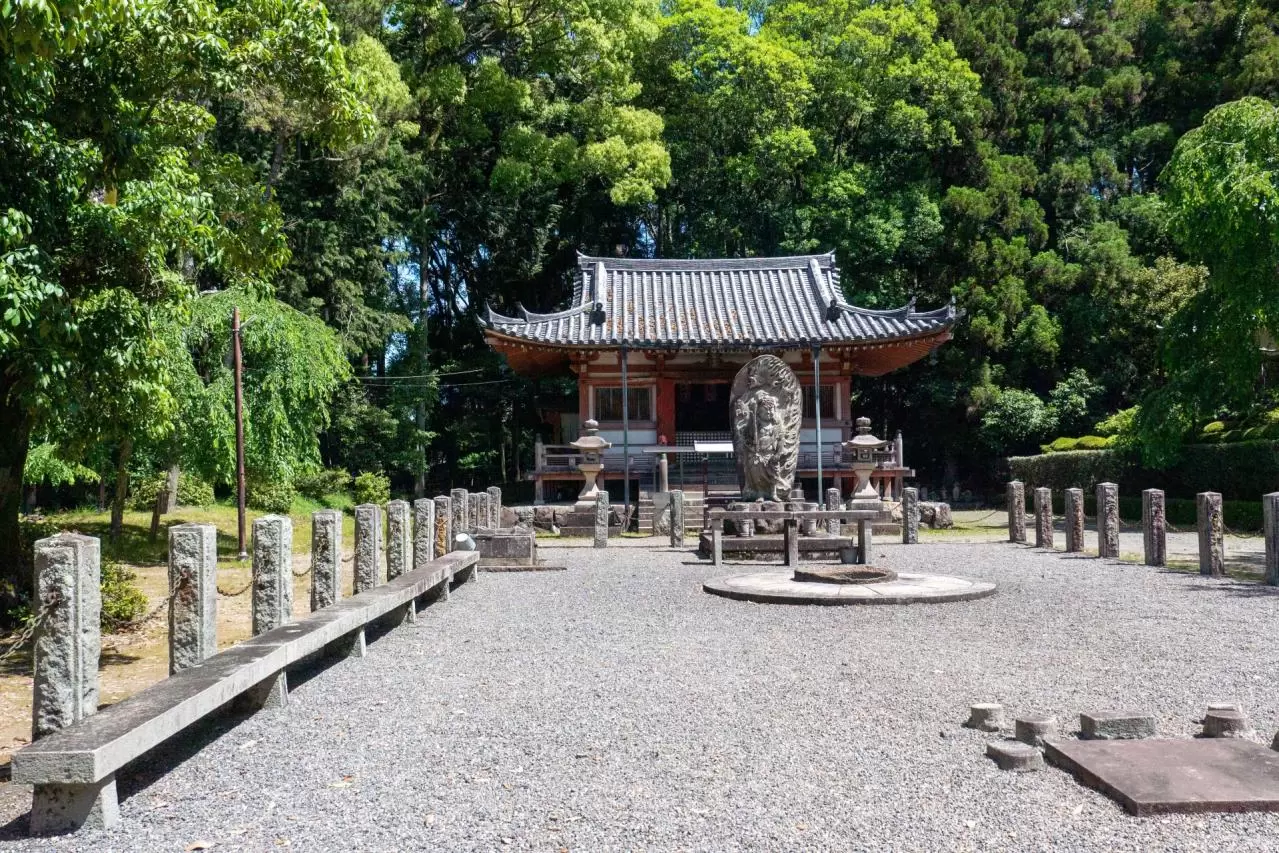
Godaido Hall
Godaido Hall Movies


Basic Information
- Spot Name
- Godaido Hall
- Location
- 〒981-0213 111 Matsushima-cho, Matsushima, Miyagi-gun, Miyagi Prefecture, Japan
- Access
- A 10-minute walk from Matsushima-Kaigan Station on the JR Senseki Line.
- Parking
- No parking available.
- Business Hours
- 8:00 AM to sunset
- Fees
- Free
- Contact Information
- Phone Number:022-354-2023
- Official Website
Map
Detailed Information
Godaido is a landmark that symbolizes Matsushima, one of Japan’s Three Scenic Views, and its origins date back to the Heian period. It is said to have begun in 807, when Sakanoue no Tamuramaro, a shogun appointed to subjugate the Emishi, built Bishamondo during his eastern campaign. Later, in 828, it came to be called “Godaido” after the monk Jikaku Daishi Ennin enshrined the Five Great Myo-o statues here.
There is also a legend associated with this site. When Ennin installed the Five Great Myo-o statues, the Bishamonten deity enshrined by Sakanoue no Tamuramaro is said to have emitted light one night and flown to a small offshore island, which then became known as Bishamonten Island.
Reconstruction and Architectural Style
The current Godaido was rebuilt in 1604 by Date Masamune, the first lord of the Sendai Domain. It is the oldest surviving Momoyama-style structure in the Tohoku region and was designated an Important Cultural Property of Japan in 1950.
The building features a hoshigata-zukuri roof with hon-gawara tiles. The decorative kano-mata brackets around the eaves are carved with the twelve zodiac animals according to the cardinal directions, allowing visitors to see all the zodiac signs by walking around the hall. The plaque on the front reads “Gotaido,” and it is believed to be a playful brushwork by Zen Master Tenrei Seikyu, then the head priest of Zuiganji Temple.
Hidden Five Great Myo-o Statues
Inside are the Five Great Myo-o statues, said to have been carved by Ennin himself. These statues are treated as hidden Buddhas and are only publicly unveiled once every 33 years. Since the 18th century, when Date Yoshimura, the fifth lord of the domain, held a public unveiling for the first time in about 500 years, this tradition has continued; the most recent unveiling took place in 2006. The next is scheduled for 2039.
Normally, the Five Great Myo-o statues are kept at Zuiganji Temple and are moved to Godaido for the unveiling.
Susukibashi and the Etiquette of Worship
To worship at Godaido, visitors must cross the vermilion “Susukibashi” bridge. Its floor is latticed, allowing people to see the sea through the gaps. This design is said to have been created as a reminder to steady one’s mind before entering a sacred place. It is also said to symbolize looking down at one’s footing in order to envision the future. However, due to its structure, it is difficult to cross in a wheelchair, so caution is advised.
Scenery and Nearby Sightseeing
Godaido is also known as a superb viewpoint overlooking Matsushima Bay. From in front of the hall, visitors can see Matsushima Bay with pleasure boats passing by, as well as Fukuurabashi Bridge and Fukuurajima Island, making it a popular photo spot. A combined visit with Zuiganji Temple is also recommended, offering a deeper appreciation of Matsushima’s appeal, where history and nature come together in harmony.
Miyagi Tourist Attractions
View List
Oosaki Hachimangu
Osaki Hachiman Shrine is a Shinto shrine founded in 1607 by Date Masamune. The main shrine buildings (honden, ishi no ma, and haiden) were designated as national tre...
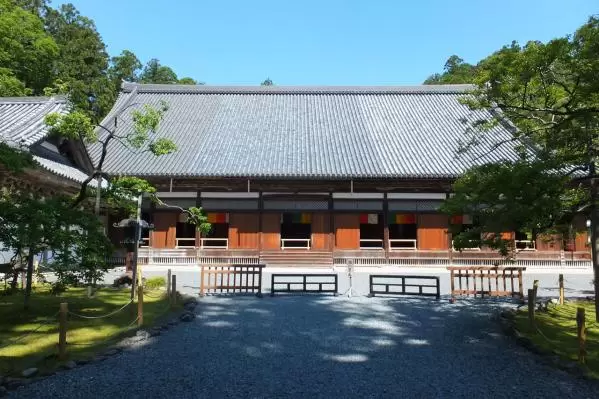
Zuigan-ji Temple
Zuiganji Temple, founded in 828, is the family temple of the Sengoku warlord Date Masamune. After the temple fell into decline during the Sengoku period, Masamune re...

Okama Crater in Zao
Mount Zao, located on the border between Miyagi and Yamagata Prefectures, is one of Japan's 100 famous mountains. At its center lies the Zao Okama, a crater lake sur...

Matsushima Bay Cruise
The best way to explore the beautiful islands of Matsushima Bay is by taking the Matsushima Island Tour Boat "Nio Maru Course." This course spans approximately 17 ki...

Shiroishi Castle
Shiraishi Castle (also known as Masuyama Castle or Masuoka Castle) is a flatland mountain castle located in the center of Shiraishi City, Miyagi Prefecture, and is d...
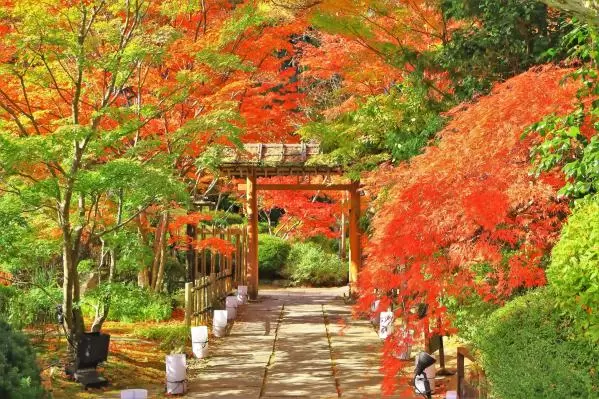
Entsu-in Temple
Entsuin is known as a "temple for matchmaking" and a "famous spot for autumn leaves," attracting many visitors. Adjacent to Zuiganji Temple in Matsushima, it is famo...
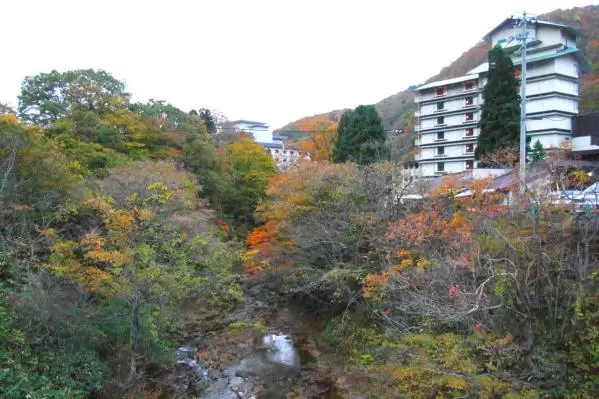
Sakunami Onsen
Sakunami Onsen is located about 40 minutes by car from the city of Sendai and is affectionately known as the "back room of Sendai." In 721, a monk named Gyoki, while...