Matsushima Bay
AI summary
What kind of place is Matsushima Bay?
This is an AI summary. Check official information for opening hours, prices and closures.
One of Japan’s Three Scenic Views, Matsushima Bay is best enjoyed from its islands, viewpoints, and sightseeing boats.
Plan your visit
- Time to allow
- About 50 minutes for a boat cruise alone; allow around half a day if you want to explore the surrounding area too. Not verified
- Getting there
- About a 6-minute walk from JR Matsushima-Kaigan Station, or around 10 minutes by car from Matsushima-Kaigan Interchange. Not verified
Explore more places
Read highlights and visiting tips
Plan your visit
- Rainy Day
- Boat cruises and viewpoints are weather-dependent, so it’s best to check conditions in advance. Not verified
- Family-friendly
- The boat cruise is easy to enjoy with children, but visiting viewpoints may involve walking. Not verified
- For Older Visitors
- Some viewpoints may have slopes or stairs, so consider the walking distance involved. Not verified
- Best Season
- Enjoyable year-round, with fresh greenery and autumn foliage especially enhancing the scenery. Not verified
- Photo Spots
- The viewpoints known as the Four Great Views, and the scenery from a boat cruising around the bay. Not verified
- Travel Mood
- A relaxed walk surrounded by nature Not verified
With more than 260 islands scattered across its waters, Matsushima Bay is one of Japan’s most celebrated scenic areas. Take in the views from the Four Great Views or join a boat cruise to see the contrast between sea and islands from different angles. The area also appeals to visitors interested in local history, though reaching some viewpoints involves walking.
Recommended for
Highlights
One of Japan’s Three Scenic Views — The calm sea dotted with islands is the defining beauty of Matsushima.
Views from the Four Great Views — The bay looks different from each viewpoint, offering varied perspectives across the landscape.
See the islands up close by boat — A cruise is an efficient way to appreciate the islands’ shapes and the changing character of the sea.
Before you go
- There are several viewpoints, so compare more than one if you have time.
- A boat cruise can help you get a better sense of the shape of Matsushima Bay.
- Wear comfortable walking shoes for the viewpoints and nearby walks.
Ideas for your visit
Start at Matsushima-Kaigan Station and walk around the bay, combining a boat cruise with a visit to one of the Four Great Views to experience Matsushima in a short time.
Before deciding to visit
It may feel challenging if you want to get around quickly on flat ground only or minimize slopes and walking as much as possible.
What to look for in the videos
Watch the related videos to get a preview of the boat cruise and the views from the Four Great Views.
Matsushima Bay Movies


Basic Information
- Spot Name
- Matsushima Bay
- Location
- 〒981-0213 Matsushima Town, Miyagi District, Miyagi Prefecture
- Access
- <Train>
About a 6-minute walk from JR Senseki Line "Matsushima Kaigan Station"
◆Reikan
45-minute walk from JR Rikuzentakata Station
◆Ikkan
15-minute drive from JR Tagajo Station to the trailhead, 10 minutes to the summit
◆Sokan
15-minute drive from JR Nobiru Station to the trailhead, 20 minutes walk to the summit
◆Yukan
5-minute drive from JR Matsushima Kaigan Station to the trailhead, 3 minutes walk to the summit
<Car>
About a 10-minute drive from Sanriku Expressway Matsushima Kaigan I.C. - Parking
- There is no dedicated parking available. Please use nearby parking facilities.
- Business Hours
- No information available.
- Official Website
Map
Detailed Information
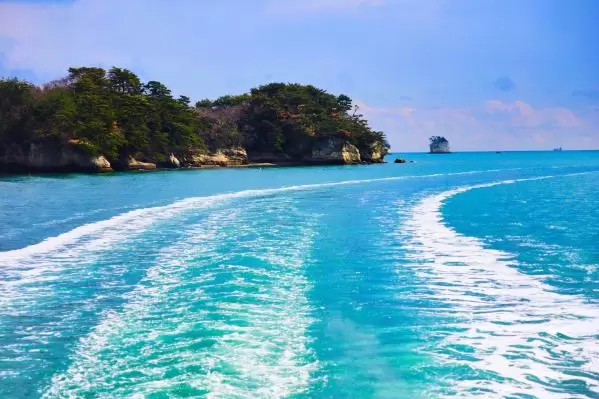
Matsushima Bay is a sub-bay of Sendai Bay that spans Matsushima Town, Shichigahama Town, Rifu Town, Shiogama City, and Higashimatsushima City in Miyagi Prefecture, and it is regarded as one of Japan’s Three Most Scenic Spots. More than 260 islands of various sizes are scattered throughout the bay, and its beautiful landscape has long fascinated people. It is said that these islands took their present form when, long ago, tectonic movement caused the land to subside and hills sank into the sea, leaving only their mountain tops above the water. According to a survey by the Geospatial Information Authority of Japan, there are 144 named islands and 98 unnamed islands.
Many of the islands are made of rocks such as tuff and sandstone that are vulnerable to erosion. Near the sea surface, their white rock faces are exposed, while pine trees grow thickly on their upper portions. This contrast of white, green, and blue creates the distinctive scenery of Matsushima Bay.
Matsushima’s Four Great Views (Observation Spots)
Famous as spectacular viewpoints overlooking Matsushima Bay, the “Four Great Views of Matsushima” allow visitors to enjoy Matsushima from four directions, each with a different atmosphere.
So-kan, O-takamori (elevation 105.8 m)
This observatory on Miyato Island in Higashimatsushima City offers a 360-degree panoramic view from the summit. Visitors can take in the full, miniature-garden-like panorama of Matsushima Bay, as well as Suga Gorge and even the distant Zaō Mountain Range.
Rei-kan, Tomiyama (elevation 116.8 m)
This is the highest viewpoint among the Four Great Views. At the summit’s Daigyoji Temple stands Tomiyama Kannon, one of the Three Great Kannon of Ōshū, and from the temple grounds visitors can admire the scenery of Matsushima in a solemn atmosphere. It is a historic place also visited by Emperor Meiji.
I-kan, Tamonzan (elevation 55.6 m)
Located in Shichigahama Town, this spot overlooks the rough waves of the Pacific Ocean and the ships entering and leaving Shiogama Port. It is called “I-kan” because of the magnificent view it offers.
Yū-kan, Entsugyō (elevation 55.8 m)
Named because the inlet of Matsushima Bay resembles a fan. During the autumn foliage season, maples add a beautiful elegance to the scenery. It is one of the best viewpoints for taking in the full panorama of Matsushima.
Features and Highlights of the Islands
Each island floating in Matsushima Bay has its own name and origin.
Hōraijima: Named because it resembles Penglai Mountain from Chinese legend.
Niojima: A strangely shaped rock formation carved by coastal erosion, notable for looking as if two Nio statues are standing there.
Senganjima: An island praised by Date Masamune for its beauty; he reportedly said he would pay one thousand kan for moving it.
Yoroi-jima and Kabuto-jima: Named for their resemblance to the armor and helmet of a Sengoku-era warlord.
Kanejima: Named because when waves strike the four cave openings, the sound echoes like a bell. It is also sometimes called Kojima because of a hole resembling a gold coin.
Futagojima: A general name for two small islands standing side by side; the view from Oshima is especially beautiful, and they are also known as Kamejima and Kujirajima.
Sightseeing in Matsushima Bay
If you visit Matsushima Bay, a sightseeing cruise by pleasure boat is highly recommended. The approximately 50-minute cruise takes you around the bay, allowing you to enjoy the island scenery up close. Sightseeing while listening to onboard commentary about the history and island names offers a deeper understanding and greater appreciation of the area. The pleasure boats depart from the tourist pier, about a 6-minute walk from JR Matsushima-Kaigan Station, and tickets can be purchased around the station or at the Matsushima Kaigan Rest House.
In addition, Matsushima Bay features vermilion bridges connecting tourist spots, and the following are essential for a stroll: Fukuurabashi (Fukuura Island), Sutekibashi (Godaido), and Togetsubashi (Oshima).
Matsushima Bay is one of Japan’s premier scenic destinations, where its geological origins, the diverse landscapes of more than 260 islands, and famous attractions such as the Four Great Views and vermilion bridges come together. In addition to its majestic natural beauty, Matsushima Bay is steeped in history and culture, continuing to offer visitors seasonal charms throughout the year.
#Superb view/Scenic spot #Coast/Cape/Island #Sightseeing boat/vehicle
Miyagi Tourist Attractions
View List
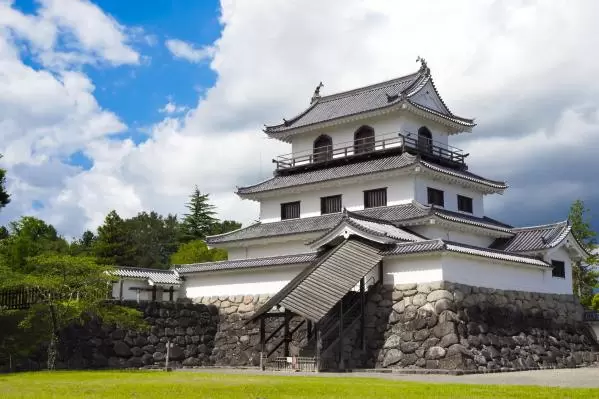
Shiroishi Castle
Shiraishi Castle (also known as Masuyama Castle or Masuoka Castle) is a flatland mountain castle located in the center of Shiraishi City, Miyagi Prefecture, and is d...
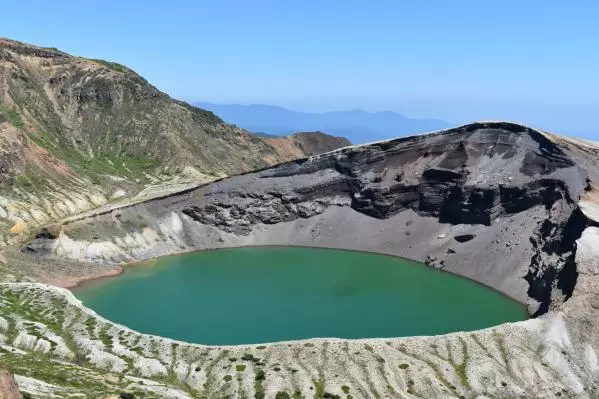
Okama Crater in Zao
Mount Zao, located on the border between Miyagi and Yamagata Prefectures, is one of Japan's 100 famous mountains. At its center lies the Zao Okama, a crater lake sur...
Entsu-in Temple
Entsuin is known as a "temple for matchmaking" and a "famous spot for autumn leaves," attracting many visitors. Adjacent to Zuiganji Temple in Matsushima, it is famo...
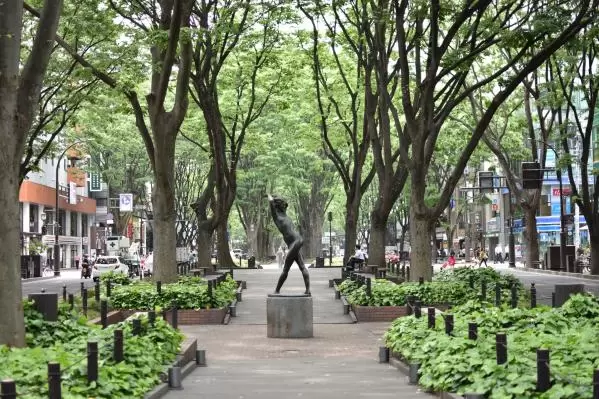
Jōzenji Street
Jozenji Street is a major avenue that stretches east to west through the heart of Sendai City, particularly loved for its approximately 700-meter-long zelkova tree-l...
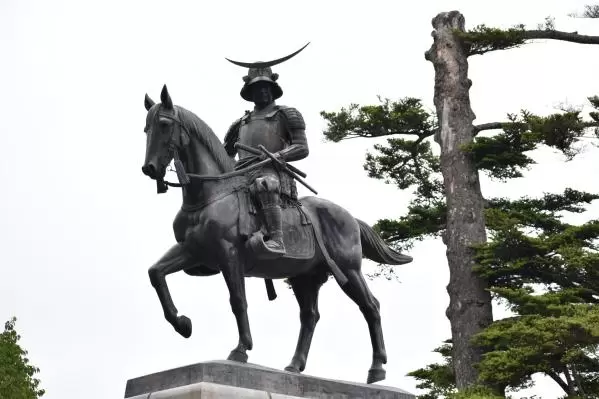
Sendai Castle Ruins
Sendai Castle (Aoba Castle) is a historic mountain castle that once existed in Sendai City, Japan. Constructed over 400 years ago by the first lord of the Sendai dom...
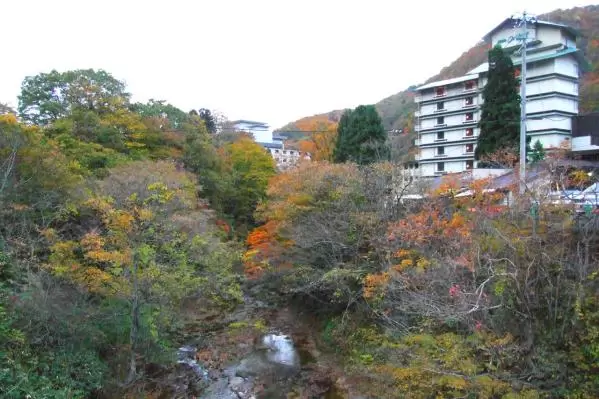
Sakunami Onsen
Sakunami Onsen is located about 40 minutes by car from the city of Sendai and is affectionately known as the "back room of Sendai." In 721, a monk named Gyoki, while...