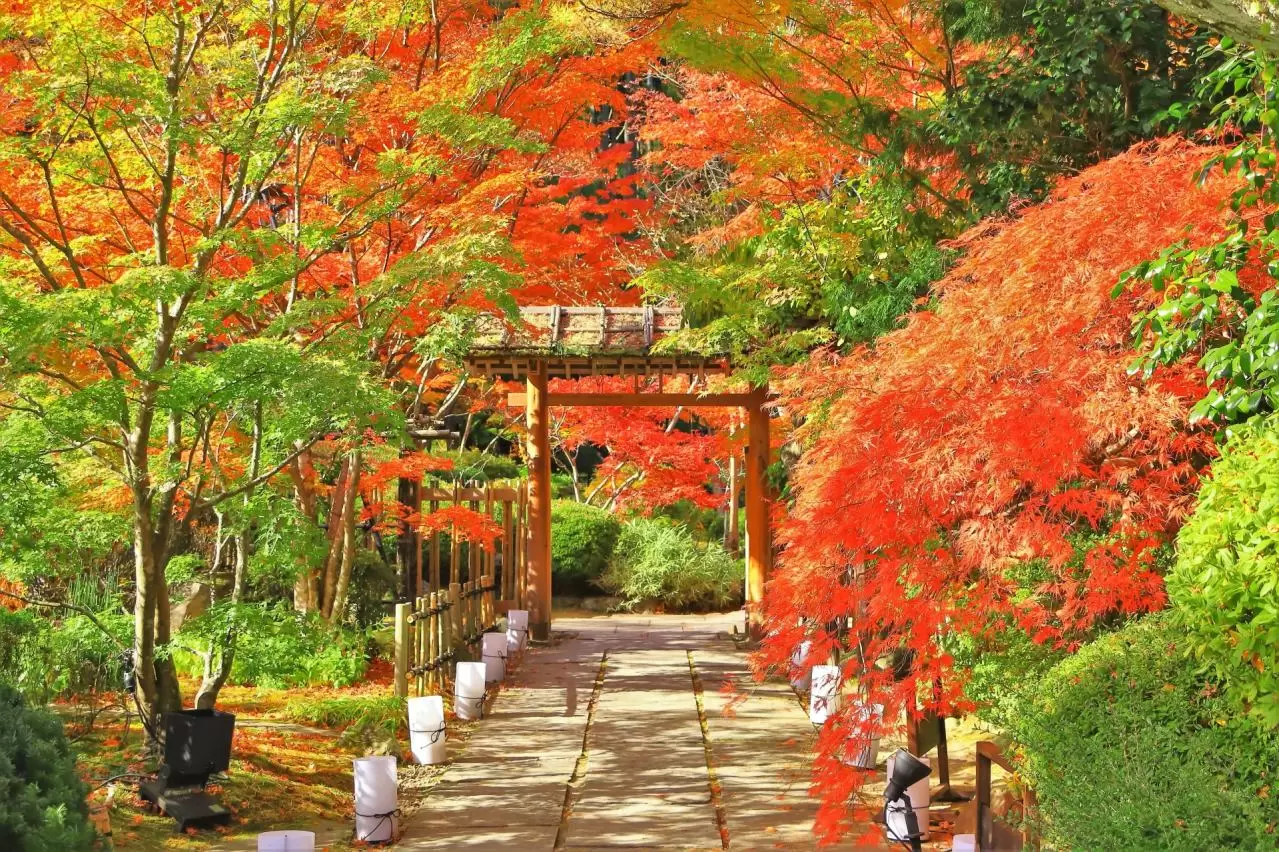
Entsu-in Temple
Entsu-in Temple Movies


![【宮城旅行vlog】日本三景松島 瑞巌寺・円通院の紅葉[仙台松島の旅#4]](https://i.ytimg.com/vi/WU4yLHXHL-A/mqdefault.jpg)
Basic Information
- Spot Name
- Entsu-in Temple
- Location
- 〒981-0213 67 Matsushima-chonai, Matsushima Town, Miyagi-gun, Miyagi Prefecture, Japan
- Access
- 5 minutes walk from Matsushima Kaigan Station on the JR Senseki Line.
- Parking
- No parking available.
- Business Hours
- 8:30 AM to 5:00 PM (from December to March, 9:00 AM to 4:00 PM), the bead-making experience is available from 9:00 AM to 4:00 PM (from December to March, until 3:00 PM).
- Regular Holiday
- Open every day.
- Fees
- Adults: 500 yen
Elementary and junior high school students: 300 yen - Contact Information
- Phone Number:022-354-3206
- Official Website
Map
Detailed Information
Entsu-in is a temple of the Myoshinji school of Rinzai Zen, located in Matsushima Town, Miyagi Prefecture, and is one of the most famous sights representing Matsushima, one of Japan’s Three Scenic Views. Together with the adjacent Zuigan-ji Temple, it is a place of worship and tourism visited by many people, and is also widely known as a “temple for matchmaking” and a famous spot for autumn foliage.
The temple was founded as a family temple to commemorate Mitsumune, the second son of Date Tadamune, the second lord of the Sendai domain, and the direct grandson of Date Masamune. Gifted in both literature and martial arts and expected to have a bright future, Mitsumune died prematurely in Edo at the age of just 19 in 1645. In mourning for his death, the temple was founded in 1647, and has since served as the mortuary temple of the Date family.
History and Buildings
Sankeiden
This is Mitsumune’s mausoleum, also known as the “Otamaya.” It is an elegant mortuary building in the hipped-and-gabled style with a traditional tile roof, and is especially valuable as one of the few remaining square three-bay mausoleums in the Tohoku region. It is considered the oldest mausoleum building in Miyagi Prefecture and was designated an Important Cultural Property of Japan in 1985.
Inside the zushi shrine are decorations said to have been influenced by Western culture, and the doors are painted with playing card motifs such as diamonds, clubs, hearts, and spades. There is also a painting of what is believed to be the oldest Western-style rose in Japan, said to have been brought back from Europe by Hasekura Tsunenaga, a retainer of the Date family. The rose patterns were created using verdigris and coral, employing techniques that resist discoloration.
Main Hall (Daihitei)
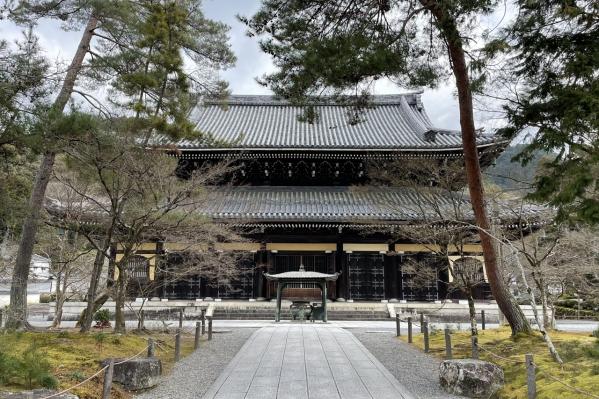
The main hall was relocated from a building that Mitsumune used for cooling off in Edo. It is characterized by its calm, dignified appearance in the hipped-roof, thatched style. It is designated a cultural property by Matsushima Town.
Temple Gate
This yakui-mon gate is said to have been built at the time of the temple’s founding, and it is also thatched. Along with the main hall, it is registered as a cultural property designated by Matsushima Town.
Gardens
Within the grounds of Entsu-in are several gardens, each with its own distinctive charm.
- Ungai Tenti no Niwa (Stone Garden): A dry landscape garden expressing the spirit of Zen.
- Enshu no Niwa: A beautiful pond-strolling garden said to have been designed by Kobori Enshu, a garden designer of the Edo period.
- Hakuhaho Seiyo no Niwa (Rose Garden): A garden inspired by the Western culture introduced by Hasekura Tsunenaga; in modern times, the head priest Amano Meido planted many roses on the grounds, and it became affectionately known as the “Rose Temple.”
- Sankeiden Zenrin Meisou no Niwa: A quiet moss garden surrounding the mausoleum, now also bringing peace to visitors as a “moss temple.”
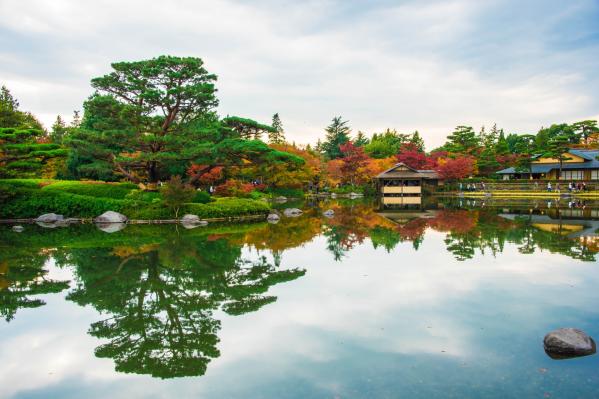
In autumn especially, the foliage is spectacular, and the entire precinct is brilliantly colored around Shinji Pond and Mt. Fudaraku, where Kannon Bodhisattva is enshrined. At night, illumination is carried out, and the autumn leaves reflected on the water create a fantastically beautiful scene.
Prayers and Experiences
Enmusubi Kannon and Kokeshi Offerings
The “Enmusubi Kannon,” enshrined immediately to the left after entering the temple gate, is a Kannon deity said to bind good relationships, not only in love but also for school admissions, employment, and other important life connections. Visitors offer “enmusubi kokeshi” dolls with their wishes written on them, and many charming kokeshi dolls line the temple grounds.
Juzu-Making Experience
The juzu bead-making experience, in which visitors choose their favorite stones to create their own bracelet or prayer beads, is also popular. Materials can be selected from natural stone, glass, or plastic, and in the natural stone course, the meaning of the stones is explained after completion. A one-of-a-kind original juzu is treasured as a travel memory or as a protective charm.
Entsu-in is a historic temple founded to mourn the repose of Mitsumune, the direct grandson of Date Masamune. With the Western influence seen in the Important Cultural Property Sankeiden, beautiful gardens that change with the seasons, and experiences such as Enmusubi Kannon and juzu-making, it is full of appeal where history, culture, and nature are in harmony. In particular, the autumn foliage illumination creates a dreamlike scene that deeply impresses many visitors.
Entsu-in is beloved both as a “temple for matchmaking” and as a famous spot for autumn leaves, making it one of Matsushima’s premier attractions that offers healing and tranquility to all who visit.
Miyagi Tourist Attractions
View List

Matsushima Bay Cruise
The best way to explore the beautiful islands of Matsushima Bay is by taking the Matsushima Island Tour Boat "Nio Maru Course." This course spans approximately 17 ki...
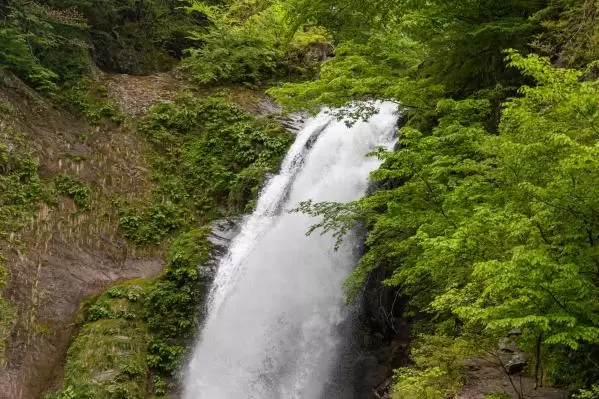
Akiu Otaki
Akiu Great Falls is a straight waterfall located in Sendai City, Miyagi Prefecture, with a width of 6 meters and a drop height of 55 meters. It is selected as one of...
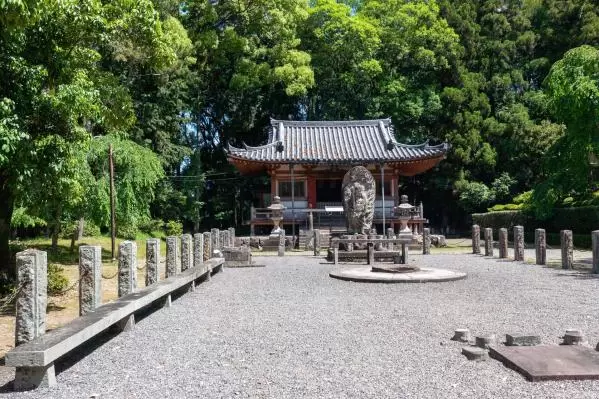
Godaido Hall
Godaido is one of the iconic landscapes of Matsushima, offering a stunning view of Matsushima Bay. Founded in 807 by Sakanoue no Tamuramaro, who established the Bent...

Shiroishi Castle
Shiraishi Castle (also known as Masuyama Castle or Masuoka Castle) is a flatland mountain castle located in the center of Shiraishi City, Miyagi Prefecture, and is d...

Sendai Castle Ruins
Sendai Castle (Aoba Castle) is a historic mountain castle that once existed in Sendai City, Japan. Constructed over 400 years ago by the first lord of the Sendai dom...
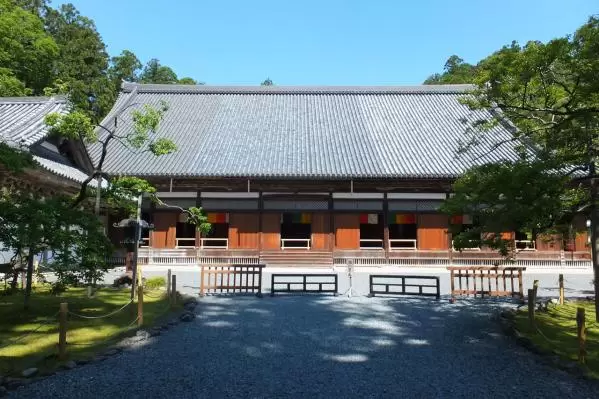
Zuigan-ji Temple
Zuiganji Temple, founded in 828, is the family temple of the Sengoku warlord Date Masamune. After the temple fell into decline during the Sengoku period, Masamune re...

Oosaki Hachimangu
Osaki Hachiman Shrine is a Shinto shrine founded in 1607 by Date Masamune. The main shrine buildings (honden, ishi no ma, and haiden) were designated as national tre...