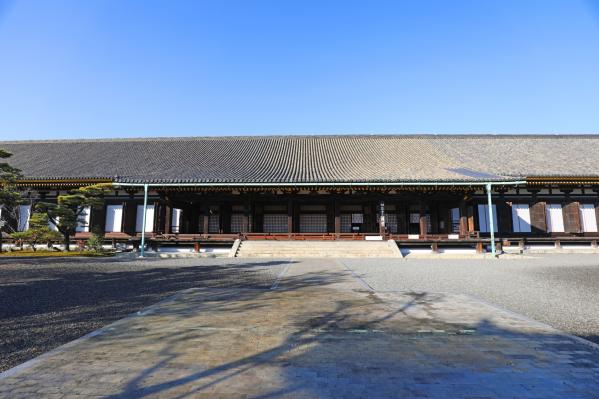
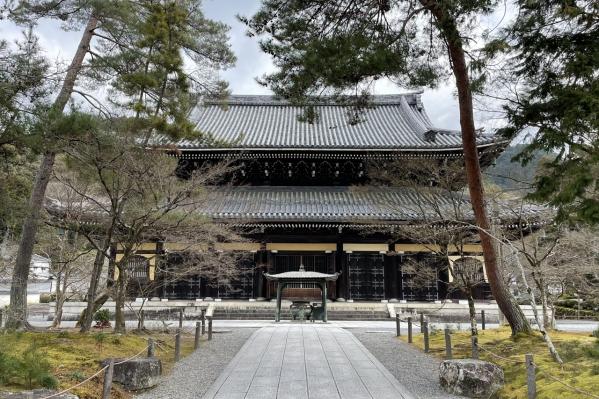
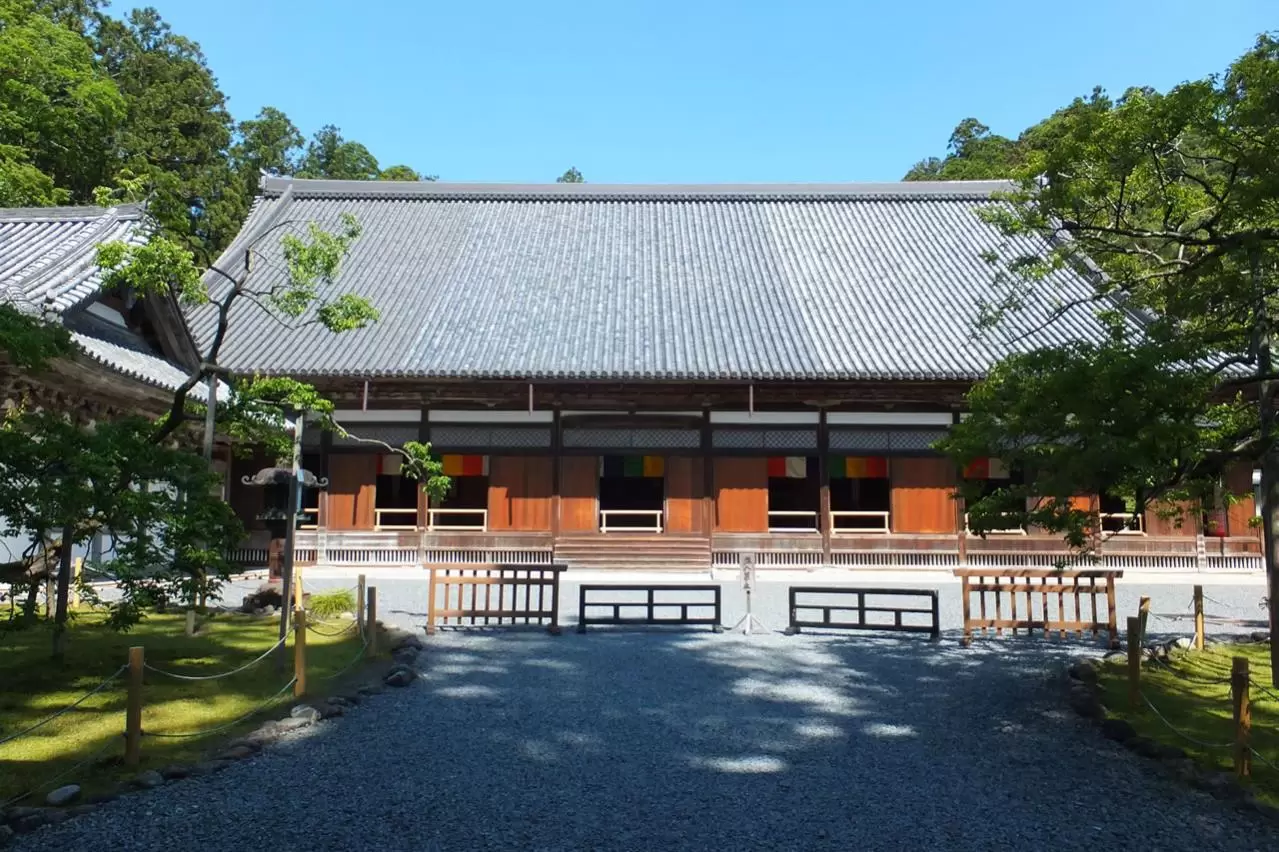
National Treasure Main Hall and Kitchen
These buildings showcase the elegance of Momoyama-period culture and Date Masamune’s distinctive taste.
AI Summary
This is an AI-generated summary. Please check the official information for opening hours, fees, and closed days.
A must-see historic temple in Matsushima, with National Treasure buildings linked to Date Masamune.
At the heart of Matsushima, Zuiganji Temple offers a glimpse of Date Masamune’s artistic taste and Momoyama-period culture. Highlights include the National Treasure Main Hall and Kitchen, Important Cultural Property gates and walls, cave sites, and the Seiryuden Treasure House. It pairs well with a stroll around the area, but allow plenty of time to explore on foot.
These buildings showcase the elegance of Momoyama-period culture and Date Masamune’s distinctive taste.
A quieter spot that evokes Matsushima’s history as a place for memorial rites.
The convenient location makes it easy to combine a visit with the treasure house and nearby sights.
From Matsushima-Kaigan Station, visit Zuiganji Temple, then continue on foot to Entsuin Temple or Godaido Hall if you have time.
Zuigan-ji Temple (officially Seiryuzan Zuigan Enpuku Zenji Temple) is a renowned Rinzai Zen temple of the Myoshin-ji branch located in Matsushima Town, Miyagi Prefecture, and is widely known as the family temple of Lord Date Masamune. Its predecessor was Enpuku-ji, a Tendai temple said to have been founded in 828 by Jikaku Daishi Ennin. During the Kamakura period, it was converted to Rinzai Zen in the era of Hojo Tokiyori, the shogunate regent, and its name was changed to Enpuku-ji.
Although it declined during the Warring States period, Date Masamune, who established his base in Sendai after the Battle of Sekigahara, undertook its reconstruction. He personally laid out the temple grounds, transported timber from Kumano in Kishu, and brought 130 master craftsmen from the Kinai region, completing the temple in 1609. Since then, Zuigan-ji has stood as the largest and most prestigious temple in Date territory, preserving its history and culture to the present day.
Architecture and Cultural Properties
Main Hall (National Treasure)
Completed in 1609, this large shoin-style building measures 38 meters across the front, 24.2 meters in depth, and 17.3 meters in height. Inside are 10 rooms, including the “Peacock Room,” “Buddha Room,” and “Pine Room,” each decorated with sliding door paintings and carvings suited to its function. The fusuma paintings convey the splendor of Momoyama art; those currently in the Main Hall are precise reproductions, while the originals are housed in the Seiryoden Treasure Museum and are displayed for limited periods. In front of the Main Hall stands the “Sleeping Dragon Plum,” which blooms beautifully in spring.
Kitchen Hall / Kuin (National Treasure)
The Kuin is the temple kitchen building, and Zuigan-ji’s version is notable for its large scale, its beam structure, and the arabesque carvings in the plaster. Although it is a practical structure, it reflects Date Masamune’s aesthetic sensibilities, and for that reason it has been designated a National Treasure. It is also often referred to as one of Japan’s three great temple kitchens.
Important Cultural Properties
The O-nari-mon Gate, Chumon Gate, and Taiko-bei Wall are designated Important Cultural Properties. These structures frame the area around the Main Hall and convey the dignity of the temple in its former glory.
Other Highlights
Cave Remains and Hoshinkutsu
In the caves along the approach path, countless memorial stupas, five-ringed stupas, and posthumous names are engraved. These remains testify to Matsushima’s history as “Koyo of Oshu,” a place of memorial rites. Many memorial towers remain from the Edo period onward, including those dedicated to retainers who died in service to Lord Masamune.
Seiryoden Treasure Museum
Seiryoden houses approximately 30,000 items, including paintings and tea utensils associated with the Date family, as well as the original fusuma paintings from the Main Hall. In particular, exhibition rooms that recreate the “Upper Room” and “Highest Upper Room” allow visitors to view Important Cultural Property fusuma paintings. Exhibits are rotated for conservation purposes.
Godaido Hall
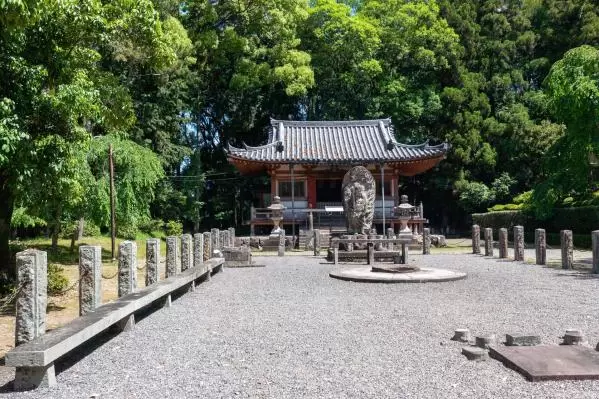
Godaido Hall, built on a small island in Matsushima, traces its origins to Bishamondo Hall, erected in 807 by Sakanoue no Tamuramaro. It was named when Ennin enshrined the Five Great Myo-o deities there in 828. The present building was rebuilt by Date Masamune in 1604 and is considered the oldest surviving Momoyama-style structure in the Tohoku region; it is designated an Important Cultural Property of Japan. Zodiac animal carvings are arranged around the eaves, and by walking around the hall, visitors can view all twelve signs of the zodiac.
Zuigan-ji and Pilgrimage Culture
Zuigan-ji is counted among the pilgrimage sites of the “Four Temple Corridor,” together with Chuson-ji and Motsu-ji in Iwate Prefecture and Risshaku-ji in Yamagata Prefecture. Together with the nearby Entsu-in and the surrounding restaurants and souvenir shops, it can be enjoyed as the center of sightseeing in Matsushima.
Zuigan-ji is a temple that reflects Date Masamune’s faith and aesthetic sensibility, and it is a precious heritage site that conveys Momoyama culture to the present day. With its National Treasure Main Hall and Kuin, its Important Cultural Property gates, the cave remains, and Godaido Hall, it offers a rich array of attractions. Along with the scenery of Matsushima, one of Japan’s Three Most Scenic Spots, it continues to leave a deep impression on many visitors as a place where history and art can be fully appreciated.
Sendai Castle (Aoba Castle) is a historic mountain castle that once existed in Sendai City, Japan. Constructed over 400 years ago by the first lord of the Sendai dom...
Osaki Hachiman Shrine is a Shinto shrine founded in 1607 by Date Masamune. The main shrine buildings (honden, ishi no ma, and haiden) were designated as national tre...
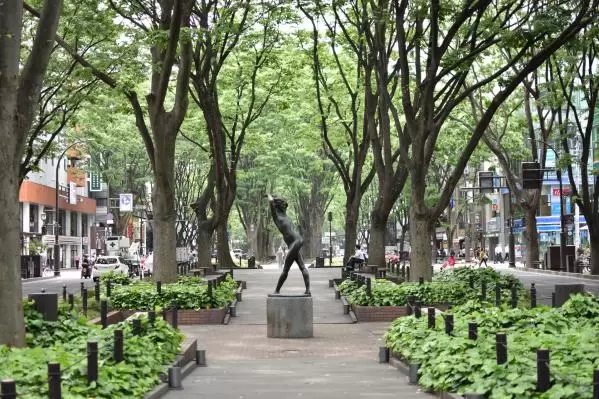
Jozenji Street is a major avenue that stretches east to west through the heart of Sendai City, particularly loved for its approximately 700-meter-long zelkova tree-l...
Godaido is one of the iconic landscapes of Matsushima, offering a stunning view of Matsushima Bay. Founded in 807 by Sakanoue no Tamuramaro, who established the Bent...
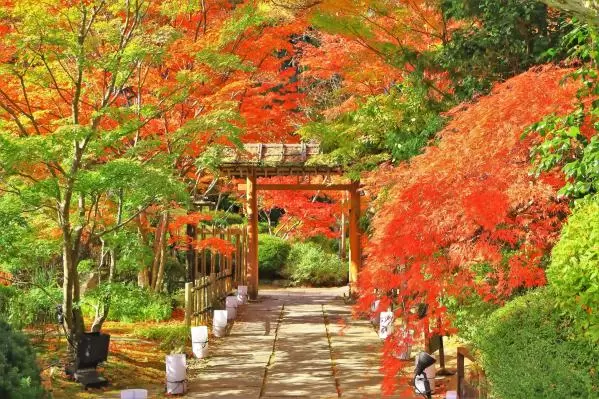
Entsuin is known as a "temple for matchmaking" and a "famous spot for autumn leaves," attracting many visitors. Adjacent to Zuiganji Temple in Matsushima, it is famo...
Shiraishi Castle (also known as Masuyama Castle or Masuoka Castle) is a flatland mountain castle located in the center of Shiraishi City, Miyagi Prefecture, and is d...
Mount Zao, located on the border between Miyagi and Yamagata Prefectures, is one of Japan's 100 famous mountains. At its center lies the Zao Okama, a crater lake sur...
Matsushima Bay is one of Japan's three scenic views, boasting beautiful landscapes that stretch across the eastern bay of Sendai Bay. Within the bay, there are 260 i...