A crater lake that changes color
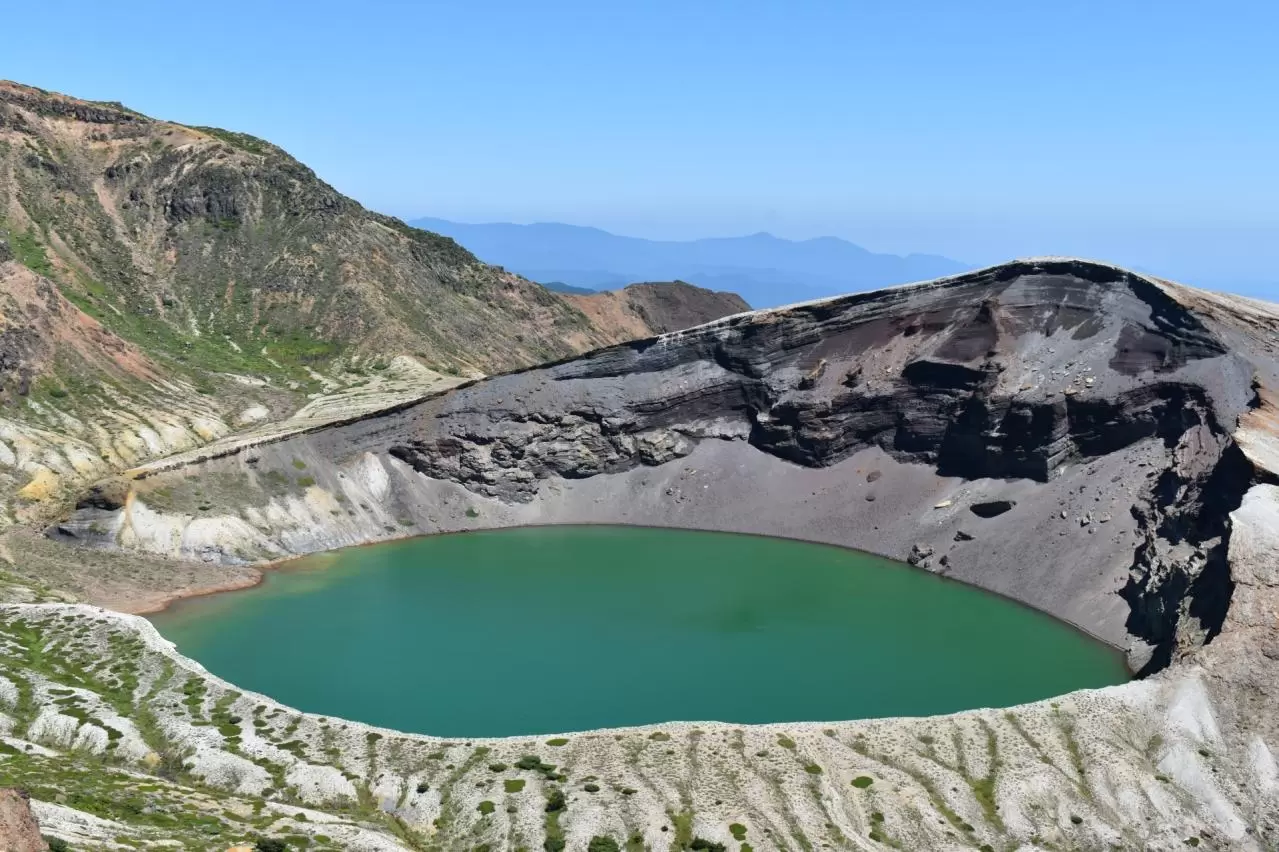
The lake is usually emerald green, with its appearance shifting in different light.
AI Summary
This is an AI-generated summary. Please check the official information for opening hours, fees, and closed days.
This scenic spot offers a striking view of an emerald crater lake in a short visit.
Surrounded by three peaks, Zao Okama Crater is known for its lake, whose color shifts with the light and weather. The viewpoint offers an accessible look, while Mount Katta’s summit and nearby trails provide broader views. At this high elevation, strong winds and cool temperatures make suitable clothing and footwear important.
The lake is usually emerald green, with its appearance shifting in different light.
The lake can be viewed a few minutes’ walk from the parking area, making it a convenient stop when time is limited.
Continue toward Mount Katta or the Uma-no-Se ridge for more dramatic views.
Start at the Okama viewpoint for the full panorama, then continue to Mount Katta’s summit if you have time.
Okama Crater Lake on Mount Zao is a crater lake in the Zao mountain range, located on the border between Miyagi and Yamagata prefectures. It is surrounded by three mountains—Katta-dake, Kumanodake, and Goshikidake—forming a circular crater lake. Because its shape resembles a large cauldron, it is called “Okama,” which means “cauldron.” The lake surface is primarily emerald green, but depending on the angle of the light and the weather, it changes into various colors such as blue and deep green. For this reason, it is also affectionately known as “Goshiki-ko,” or the “Five-Colored Lake.” Along with the winter “juhyo” or snow monsters, it is one of the signature symbols of Zao.
Features of the Crater Lake
Recorded history shows that Okama has erupted 26 times. Its most recent eruption is said to have occurred on February 15, 1895. A bathymetric survey in 1939 found the lake to be about 63 meters deep, but later sediment accumulation from collapses of the Goshikidake cliff gradually filled in the lake bottom. A 1968 survey reported a maximum depth of 27.6 meters, an average depth of 17.8 meters, a diameter of about 325 meters, and a circumference of about 1,080 meters.
Because the lake water is highly acidic, no organisms live in it. It also has a unique temperature structure called a “double-temperature water layer,” in which the water temperature drops to 2 degrees Celsius just over 10 meters below the surface, and then rises again at greater depths. This unusual phenomenon, where deeper water is warmer than the surface, is extremely rare worldwide.
The water of Okama flows out from the southwest and becomes the Nigori River, passing north of Sainokawara before eventually emptying into the Pacific Ocean.
Sightseeing and Access
Okama is one of the highlights of sightseeing in Zao and can be easily viewed. From the Miyagi side, take the Zao Echo Line and continue on the toll road known as the Zao High Line; from the parking lot at the end of the road, it is a 2–3 minute walk to the Okama Observatory. Near the observatory is the Zao Sancho Rest House, where visitors can rest, eat, and buy souvenirs. Please note that the Echo Line and High Line open in late April and close in early November, so visitors should check the road opening period in advance.
At the summit of Katta-dake (1,758 meters above sea level) stands the Okumiya shrine of Katta Mine Shrine, which can be reached in about 10 minutes on foot from Okama. For those in good physical condition, the hiking trail known as “Umanose,” which leads to Kumanodake, is also recommended. The view of Okama from there is exceptional, but since it is about a one-hour trekking course, proper hiking gear is advised.
Climate and Precautions
Because the area around Okama is at a high elevation, temperatures are low even in summer and the weather changes easily. Even on a clear day, clouds may suddenly roll in and block visibility, and strong winds can make it feel even colder. When visiting, it is wise to bring long sleeves and warm clothing, and to wear comfortable shoes and watch your footing while walking.
Zao’s Okama is one of Japan’s most remarkable crater lakes, combining the mysterious color changes of its waters with the rugged scenery of its crater walls. In addition to its value as a rare natural phenomenon, its ever-changing seasonal expressions and the magnificent view from the observatory continue to captivate many visitors.
#Superb view/Scenic spot #Waterfalls, valleys, limestone caves #Climbing/Hiking
Osaki Hachiman Shrine is a Shinto shrine founded in 1607 by Date Masamune. The main shrine buildings (honden, ishi no ma, and haiden) were designated as national tre...
Zuiganji Temple, founded in 828, is the family temple of the Sengoku warlord Date Masamune. After the temple fell into decline during the Sengoku period, Masamune re...
Entsuin is known as a "temple for matchmaking" and a "famous spot for autumn leaves," attracting many visitors. Adjacent to Zuiganji Temple in Matsushima, it is famo...
Akiu Great Falls is a straight waterfall located in Sendai City, Miyagi Prefecture, with a width of 6 meters and a drop height of 55 meters. It is selected as one of...
The best way to explore the beautiful islands of Matsushima Bay is by taking the Matsushima Island Tour Boat "Nio Maru Course." This course spans approximately 17 ki...
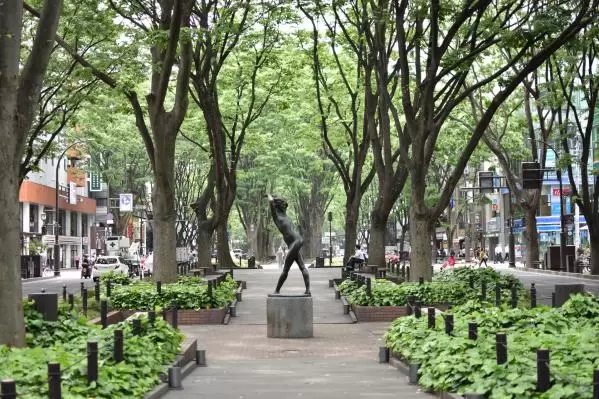
Jozenji Street is a major avenue that stretches east to west through the heart of Sendai City, particularly loved for its approximately 700-meter-long zelkova tree-l...
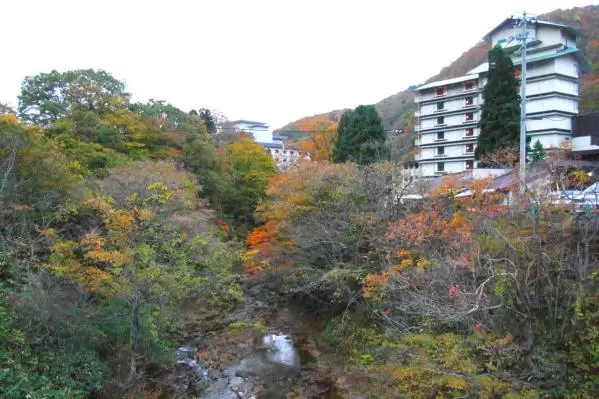
Sakunami Onsen is located about 40 minutes by car from the city of Sendai and is affectionately known as the "back room of Sendai." In 721, a monk named Gyoki, while...