World-class jellyfish displays
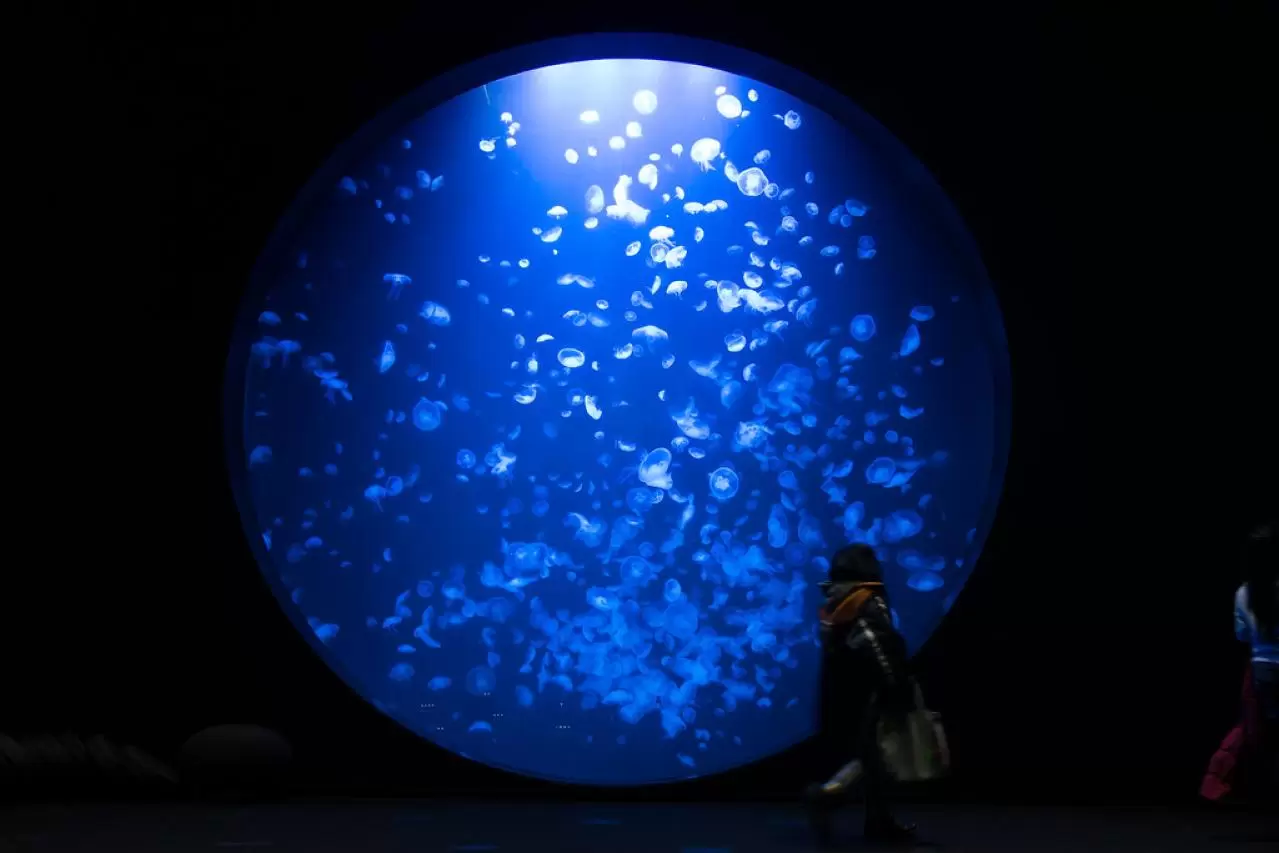
See more than 60 species of jellyfish, floating in tanks illuminated to create a dreamlike effect.
AI Summary
This is an AI-generated summary. Please check the official information for opening hours, fees, and closed days.
Known for its world-class jellyfish displays, this aquarium combines dreamlike tanks with marine life and local Shonai flavors.
Kamo Aquarium in Tsuruoka, Yamagata, is known for displaying more than 60 species of jellyfish. Its 5-meter-wide Jellyfish Dream Theater is a must-see, and visitors can also enjoy sea lion and seal talks and food inside the aquarium. It’s a fun stop for families and photography enthusiasts alike.
See more than 60 species of jellyfish, floating in tanks illuminated to create a dreamlike effect.
Talks and seasonal events offer a closer look at these engaging animals.
Try jellyfish ramen or jellyfish ice cream, and browse for original souvenirs.
After exploring the jellyfish exhibits, visit the fin-footed animal pool and then enjoy the food options inside the aquarium.
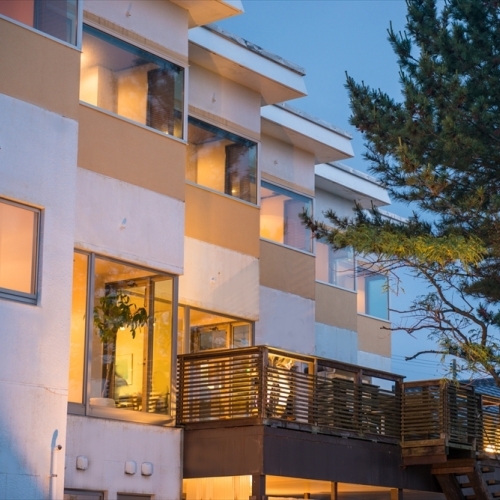
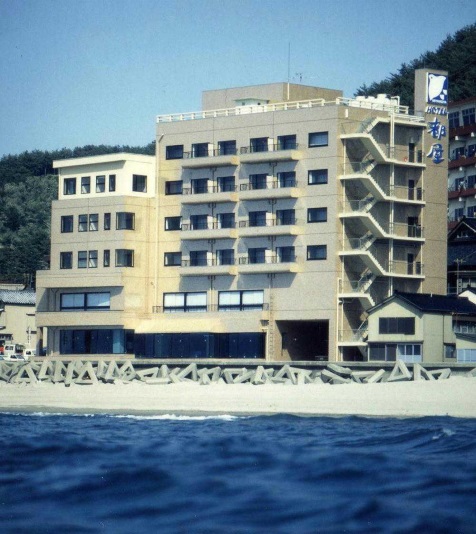
"Kamo Aquarium," located in Tsuruoka City, Yamagata Prefecture, is a distinctive aquarium housed in a modern white-walled building overlooking the Sea of Japan. It is the only aquarium in Yamagata Prefecture and is especially renowned as the "world’s best jellyfish aquarium." More than 60 species of jellyfish are on display year-round, and at certain times nearly 80 species can be seen, making it one of the largest jellyfish collections in the world. Floating in dimly lit tanks, the jellyfish are illuminated in shades of blue, purple, and green, creating a fantastical atmosphere.
Highlights of the Jellyfish Exhibits
The aquarium’s biggest attraction is the 5-meter-diameter circular tank known as the "Jellyfish Dream Theater." Here, around 10,000 moon jellyfish drift gracefully, drawing visitors into an extraordinary world. The exhibit area "Kuranetarium" showcases many rare jellyfish species, and the hourly explanation program "Jellyfish Tales" offers insight into the mysteries and ecology of jellyfish. In addition, the "Jellyfish Cultivation Center" allows visitors to observe the growth stages of jellyfish up close, making it enjoyable from a research perspective as well.
Visitors who join the paid "Backyard Tour" can experience the behind-the-scenes world of jellyfish care that is normally hidden from view.
Sea Lion and Seal Programs
At the indoor "Pinniped Pool," California sea lions and spotted seals live comfortably and freely. From the spacious viewing area, visitors can watch them swimming or napping. The explanation program "Pinniped Time" introduces the unique physical features and ecology of each animal, and sometimes they even perform special skills. In winter, the "Pinniped Photo" event is also held, allowing guests to take commemorative photos with the sea lions and seals. Afterward, a paid "Seal Feeding Experience" is also available.
Food and Shopping
The in-house restaurant "Sushi Master Dining Okikaizuki" offers unique dishes you can only find here, including meals made with fresh seafood from the Shonai coast, "jellyfish ramen" made with jellyfish kneaded into the noodles, and "jellyfish ice cream" with a delightfully crunchy texture. Seasonal limited-time dishes and seafood rice bowls are also popular.
The shop "Kaigetsu Akari" offers a wide selection of souvenirs, including jellyfish sweets, original goods, plush toys, and stationery. In addition, the snack corner "Oyasumidokoro Nami no Hana" lets visitors enjoy jellyfish soft serve and drinks while looking out over the pinniped plaza.
Exhibits and Experiences
The exhibits are arranged around the theme "From River to Sea," taking visitors on a story-like journey from the upper reaches of Shonai’s rivers to the sea and even into the deep ocean. Panel displays introduce seasonal fish from the Shonai coast and local food culture, and through the fish swimming in the tanks, visitors can experience the connection between nature and culture.
From the rooftop deck, visitors can enjoy panoramic views of the Sea of Japan and the Shonai region while feeling the pleasant sea breeze. However, it may be closed during the snowy winter season.
Renovation Information
Kamo Aquarium is planning renovation work in the future to further enhance its appeal.
Temporary closure: November 2025 to February 2026 (planned)
Grand opening: June 2026 (planned)
The schedule may change depending on construction progress, but the aquarium is expected to reemerge in an even more evolved form as the new Kamo Aquarium.
Centered on one of the world’s largest jellyfish exhibits, this aquarium offers a variety of experiences, from interacting with sea lions and seals to learning about the rich food culture of the Shonai coast through its exhibits. Surrounded by a fantastical world of jellyfish, visitors can experience the diversity of living creatures and the allure of the sea, making it a facility enjoyed by everyone from families to researchers.
The "Sake Brewing Museum Tokko no Sakagura" in Yonezawa City is located in an environment well-suited for sake brewing, blessed with abundant water and high-quality ...
The Haguro Five-Story Pagoda is a historic structure considered to be the oldest in the Tohoku region, located at the entrance to the "Ichi no Saka" on the approach ...
The Yonezawa Uesugi Museum is located on the site of the main keep of Yonezawa Castle and houses valuable cultural assets related to the Uesugi family. Adjacent to t...
The Uesugi Shrine, established at the ruins of Yonezawa Castle, enshrines Uesugi Kenshin, regarded as the strongest warlord of the Sengoku period. It is known as a p...
The Mogami River in Yamagata Prefecture offers the "Mogamigawa Basho Line Boat Ride," where you can enjoy seasonal scenery throughout the year. This boat ride, like ...
Hojusan Risseiji, commonly known as Yamadera, is one of Japan's renowned spiritual sites. Founded in the second year of the Jōgan era (860) by the third head of the ...
Located in Sakata City, Yamagata Prefecture, "Sankyo Warehouse" has served as a rice storage facility since its establishment in 1893. Its unique structure features ...