Discover National Treasures
See treasured works connected with the Uesugi clan, including the Uesugi Rakuchu-Rakugai-zu screens and family documents.
AI Summary
This is an AI-generated summary. Please check the official information for opening hours, fees, and closed days.
Explore the history of the Uesugi clan through valuable artifacts and engaging exhibitions.
Set in Matsugasaki Park on the former site of Yonezawa Castle, the museum is easy to visit alongside Uesugi Shrine and the statue of Uesugi Yozan. Its notable collection includes the National Treasure Uesugi Rakuchu-Rakugai-zu folding screens and documents from the Uesugi family. The calm atmosphere makes it especially rewarding for history enthusiasts.
See treasured works connected with the Uesugi clan, including the Uesugi Rakuchu-Rakugai-zu screens and family documents.
The museum is next to Matsugasaki Park and Uesugi Shrine, making it a natural stop on a historical walk.
The Yozan Theater and other exhibits offer insight into the ideas of Uesugi Yozan, known as a renowned feudal lord.
From Yonezawa Station, take a bus to Uesugi Jinja-mae, then visit the museum and stroll through Matsugasaki Park.
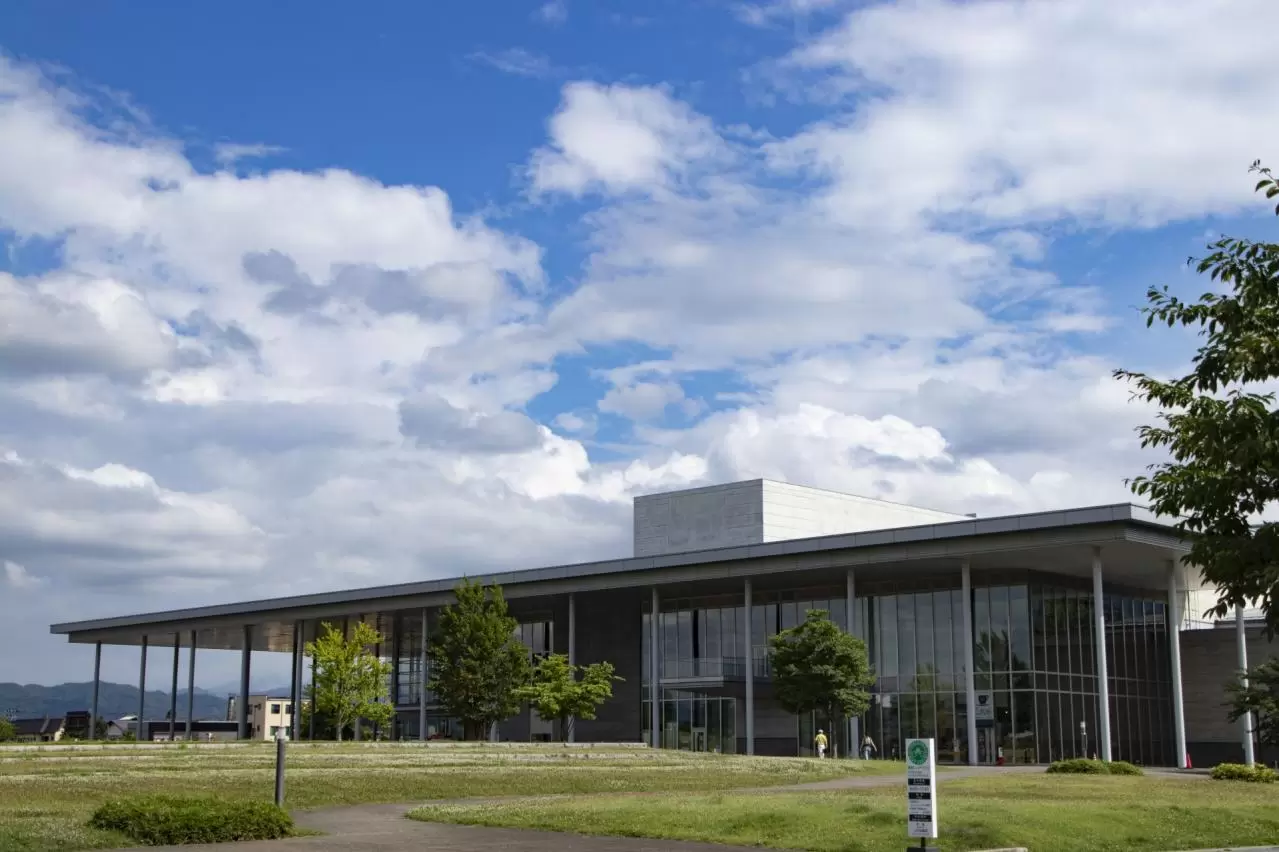
The Yonezawa City Uesugi Museum is a history and cultural facility built on the site of the former second bailey in Matsugasaki Park (the ruins of Yonezawa Castle) in Yonezawa, Yamagata Prefecture. It houses many valuable cultural properties and materials related to the Uesugi clan and is a popular place to learn about and experience the history and culture of Yonezawa. In the adjacent Matsugasaki Park, visitors can also see Uesugi Shrine, dedicated to Uesugi Kenshin, and a bronze statue of Uesugi Yojan, a lord known for his exemplary leadership, making it an ideal stop along with a historical stroll.
Collections and Exhibitions
National Treasure: “Uesugi-bon Rakuchu Rakugai-zu Byobu”
The museum’s greatest highlight is the National Treasure “Uesugi-bon Rakuchu Rakugai-zu Byobu.” It is said to have been presented by Oda Nobunaga to Uesugi Kenshin in 1574, the second year of the Tensho era, and is attributed to the Kano school. The folding screens vividly depict about 2,500 people of all social classes, along with animals, plants, festivals, famous places, and other scenes that bring to life the appearance of Kyoto at that time. Normally, a replica is on display, but the original is exhibited for a limited time during special spring and autumn exhibitions.
National Treasure: “Uesugi Family Documents”
The museum also houses the “Uesugi Family Documents,” the first samurai-clan archive in Japan to be designated a National Treasure. This highly valuable collection offers important insight into the Uesugi family’s politics, diplomacy, and culture, and the exhibits provide a glimpse into history from the Sengoku period through the Edo period.
The Achievements of Uesugi Yojan
Uesugi Yojan, the ninth lord of the Yonezawa Domain, is a celebrated leader known for the phrase, “If you do it, it will be done; if you do not do it, it cannot be done—nothing is impossible.” At the museum’s “Yojan Theater,” visitors can learn about his reforms and philosophy, and exhibits explore the hardships of domain administration and his true character.
Exhibition Areas
Permanent Exhibition Room
This section systematically introduces the history of the Uesugi clan, from their move into Yonezawa to the changes in domain administration and the achievements of Uesugi Yojan. There is also a “World of Rakuchu Rakugai-zu” area where visitors can experience the streets of Kyoto depicted on the National Treasure folding screen.
Special Exhibition Room
In addition to special exhibitions on the history, Uesugi culture, and art of the Okitama region, the museum also presents displays featuring artists and works associated with the local area. Related lectures and educational outreach activities are actively held as well.
Hands-on Learning Room and Information Library
Designed around the concept of “see, touch, and enjoy history,” this learning space allows children and adults alike to engage with historical and cultural subjects.
Surroundings and Facilities
The museum stands next to Matsugasaki Park, where visitors can find Uesugi Shrine, dedicated to Uesugi Kenshin, a bronze statue of Uesugi Yojan, and monuments associated with Naoe Kanetsugu. In the museum shop, visitors can purchase original goods inspired by Kenshin, Yojan, and Naoe Kanetsugu, as well as souvenirs unique to Yonezawa.
The museum also has two conference rooms available for community activities, study groups, and other uses. Since fiscal year 2006, it has been operated by the Yonezawa Uesugi Cultural Promotion Foundation as the designated manager.
The Yonezawa City Uesugi Museum is a facility that houses numerous cultural properties, including the National Treasure “Uesugi-bon Rakuchu Rakugai-zu Byobu” and the “Uesugi Family Documents,” and presents the history of the Uesugi clan and the culture of the Yonezawa Domain from multiple perspectives. In addition to permanent and special exhibitions, visitors can learn about history with all five senses through the theater and hands-on learning room. Combined with a visit to Matsugasaki Park and Uesugi Shrine, it offers a deeper appreciation of Yonezawa’s history.
Located in Tsuruoka City, Yamagata Prefecture, "Kamo Aquarium" is an impressive aquarium housed in a modern white-walled building along the Sea of Japan. This aquari...
Zao Ropeway is located in Zao Onsen, Yamagata City, and offers visitors and outdoor enthusiasts beautiful nature throughout the four seasons. It starts from the Zao ...
The Mogami River in Yamagata Prefecture offers the "Mogamigawa Basho Line Boat Ride," where you can enjoy seasonal scenery throughout the year. This boat ride, like ...
The "Sake Brewing Museum Tokko no Sakagura" in Yonezawa City is located in an environment well-suited for sake brewing, blessed with abundant water and high-quality ...
Takabatake Winery is located in Takabatake Town, Yamagata Prefecture, and is a representative brewing region in Tohoku. Takabatake Town boasts the largest shipment v...
The Haguro Five-Story Pagoda is a historic structure considered to be the oldest in the Tohoku region, located at the entrance to the "Ichi no Saka" on the approach ...
The Yamagata Prefectural Museum, known as Buntokan, is a building constructed in the style of British Neo-Renaissance in 1916. Until 1975, it served as the center of...
Honma Art Museum was established in 1947 as Japan's first private art museum after World War II, based on the honma family's villa "Seienkaku" and the garden "Tsurum...