Ginzan Onsen
AI summary
What kind of place is Ginzan Onsen?
This is an AI summary. Check official information for opening hours, prices and closures.
Enjoy hot springs and atmospheric Taisho-era streetscapes at this photogenic hot-spring town.
Plan your visit
- Time to allow
- 1–2 hours for a stroll; half a day or more if you include a hot spring visit and a meal Not verified
- Getting there
- Take a bus from Oishida Station; checking details in advance is recommended Not verified
Explore more places
Read highlights and visiting tips
Plan your visit
- Rainy Day
- You can still explore in the rain, but check the forecast if scenery is a priority Not verified
- Family-friendly
- Easy to explore on foot, but be mindful of crowds and slippery winter surfaces Not verified
- For Older Visitors
- Walking distances are manageable, but take care on slopes and uneven or slippery surfaces Not verified
- Best Season
- Winter is especially popular for its snowy scenery; spring and autumn are quieter options Not verified
- Photo Spots
- The wooden inns and gas lamps along the Ginzan River Not verified
- Travel Mood
- A photogenic town for a leisurely stroll Not verified
Traditional wooden inns line the Ginzan River, creating a nostalgic atmosphere. The gas lamps at dusk and snowy winter scenery are especially memorable. Stroll the town, enjoy a footbath, and sample local treats—this is a lovely spot for a relaxed visit.
Recommended for
Highlights
Taisho-era streetscapes — Traditional wooden inns create a distinctive historic atmosphere that’s enjoyable even on a simple walk.
Memorable dusk and snowy scenes — The scenery is especially atmospheric when the gas lamps come on and on winter evenings.
Footbaths and local snacks — Try Waraku Footbath and treats such as curry bread for an easy taste of hot-spring-town life.
Before you go
- In winter, bring warm layers and shoes with good grip.
- The area can get busy around dusk, so allow plenty of time to enjoy the scenery.
- Staying overnight can let you experience a quieter side of the town than a day trip.
Ideas for your visit
Explore during the day, enjoy a footbath and local snacks, then stay until dusk to see the gas lamps come on.
Before deciding to visit
It may feel a little slow-paced if you prefer lively attractions or want to visit many sights in a short time.
What to look for in the videos
Watch the related videos to get an even better feel for Ginzan Onsen’s atmosphere, especially at dusk and in the snow.
Ginzan Onsen Movies


Basic Information
- Spot Name
- Ginzan Onsen
- Location
- Ginzanshi, Obanazawa, Yamagata Prefecture
- Access
- 40 minutes by bus from Oishida Station on the Yamagata Shinkansen (take the bus bound for Ginzan Onsen and get off at the final stop).
1 hour and 15 minutes by car from Furukawa IC on the Tohoku Expressway. - Business Hours
- No information available.
- Contact Information
- Phone Number:0237-28-3933
- Official Website
Map
Detailed Information
History and Origins
Ginzan Onsen is a charming hot spring resort located in Obanazawa City, Yamagata Prefecture. Its name comes from the “Nobezawa Silver Mine,” which flourished in the early Edo period. Even after the mine declined, the area continued to operate modestly as a therapeutic hot spring retreat, but in 1913, a major flood washed away many of the inns, causing hot spring use to decline for a time. Then, in 1926, drilling brought forth an abundant high-temperature spring, and the inns were rebuilt all at once, reviving the area as an onsen town. The group of Western-style wooden multi-story inns built in the early Showa period still remains today, and in 1986 the “Ginzan Onsen Streetscape Preservation Ordinance” was enacted to protect the town’s nostalgic atmosphere. Since the Heisei era, access has improved with the extension of the Shinkansen, and the onsen has attracted many visitors as a nationally known hot spring destination.
Scenery and Streetscape
The wooden inns lined along both banks of the Ginzan River preserve the atmosphere of the late Taisho to early Showa periods, allowing visitors to enjoy a scene that feels like stepping back in time. At dusk, the gas lamps light up the town with a nostalgic glow, creating a fantastical landscape. Its appearance is sometimes said to resemble the world of Studio Ghibli’s Spirited Away. It is also famous as a filming location for the NHK morning drama Oshin. Even the details, such as the “kote-e” plaster reliefs painted on the inn walls and the snowflake-patterned tiles, evoke a sense of charm.
Seasonal Enjoyment
Spring: Mountain cherry blossoms bloom in abundance, and wild mountain vegetables begin to appear. You can savor the arrival of spring along with flavorful local delicacies.
Summer: The songs of birds and the sound of waterfall water invite a sense of coolness, and a stroll after bathing lets you enjoy a refreshing summer.
Autumn: A walk while admiring the mountains dyed in autumn colors is especially delightful, and mushroom dishes satisfy the palate.
Winter: The gas lamps glowing in the snowy scenery create a magical atmosphere, and open-air baths with snow views and hot pot dishes warm the body chilled by the cold.
Hot Springs and Relaxation
The waters of Ginzan Onsen are a “sulfur-containing sodium chloride and sulfate spring,” characterized by a mild salty taste and the scent of sulfur. They are said to be effective for relieving fatigue, promoting health, and aiding recovery after illness, and the area has long been cherished as a therapeutic hot spring retreat. In addition to the inns’ indoor and open-air baths, there are public bathhouses and the free riverside foot bath “Warakuyu Ashiyu,” making it easy to enjoy a relaxing soak.
Gourmet Food and Experiences
Must-try specialties include marbled Obanazawa beef, known as a premium brand of Japanese beef, and Obanazawa soba made with local buckwheat flour. Other uniquely local treats are also part of the appeal, such as Ginzan Onsen’s famous curry bread, onsen manju, walnut mochi, and pickled watermelon. Another memorable experience is walking through the town in rental costumes that evoke the Taisho Romantic era, enhancing the feeling of being somewhere extraordinary.
Access and Nearby Sightseeing
It takes about three hours from Tokyo by Yamagata Shinkansen, and about 40 minutes by direct bus from Oishida Station, so although it is a secluded destination, access is relatively convenient. In the surrounding area, visitors can enjoy both nature and history at spots such as Shirogane no Taki, a 22-meter straight waterfall; Senshinkyo, especially beautiful in fresh greenery and autumn leaves; and the Nobezawa Silver Mine ruins, which tell the story of the area’s past.
Ginzan Onsen is a quintessentially Japanese hot spring destination where the beauty of the four seasons, a streetscape filled with Taisho-era romance, hot springs, and gourmet cuisine come together in harmony. It draws visitors into a nostalgic era and continues to captivate countless travelers to this day.
Yamagata Tourist Attractions
View List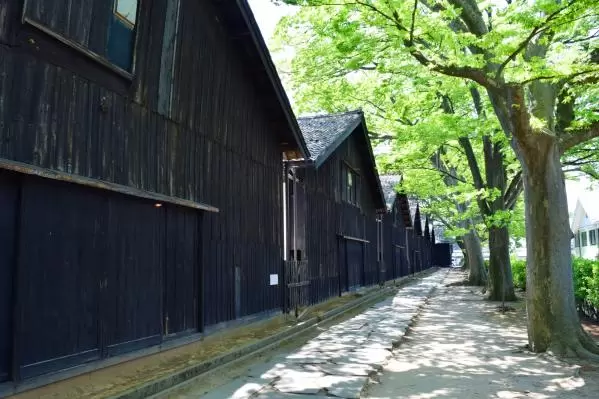
Sankyo Soko Warehouses
Located in Sakata City, Yamagata Prefecture, "Sankyo Warehouse" has served as a rice storage facility since its establishment in 1893. Its unique structure features ...
Yamagata Prefectural Museum "Bunsokan"
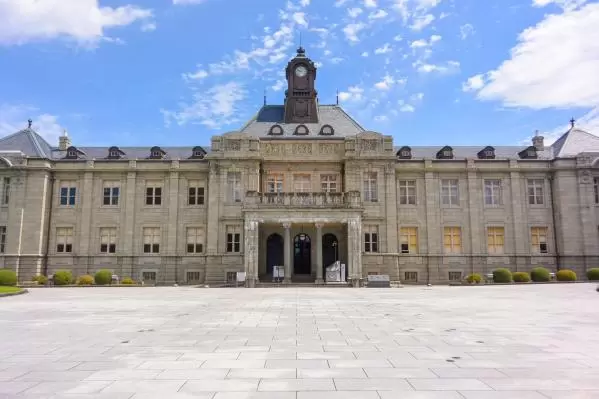
The Yamagata Prefectural Museum, known as Buntokan, is a building constructed in the style of British Neo-Renaissance in 1916. Until 1975, it served as the center of...
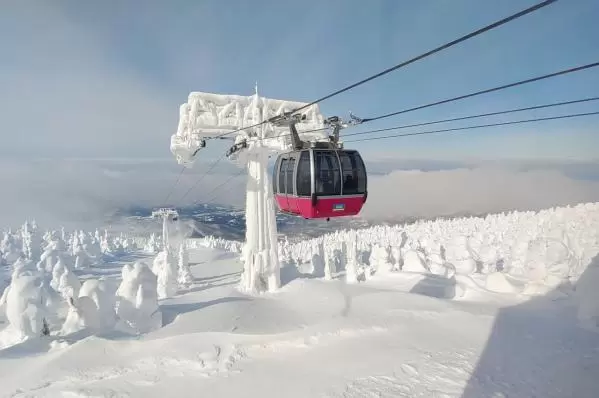
Zao Ropeway
Zao Ropeway is located in Zao Onsen, Yamagata City, and offers visitors and outdoor enthusiasts beautiful nature throughout the four seasons. It starts from the Zao ...
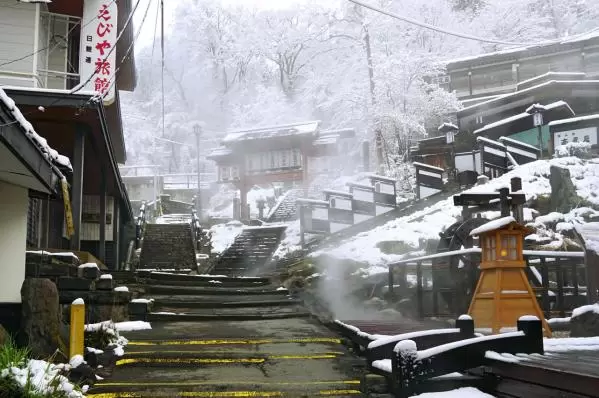
Mogami Gorge Basho Line Tour (Mogami River Boat Ride)
The Mogami River in Yamagata Prefecture offers the "Mogamigawa Basho Line Boat Ride," where you can enjoy seasonal scenery throughout the year. This boat ride, like ...

Kamo Aquarium
Located in Tsuruoka City, Yamagata Prefecture, "Kamo Aquarium" is an impressive aquarium housed in a modern white-walled building along the Sea of Japan. This aquari...
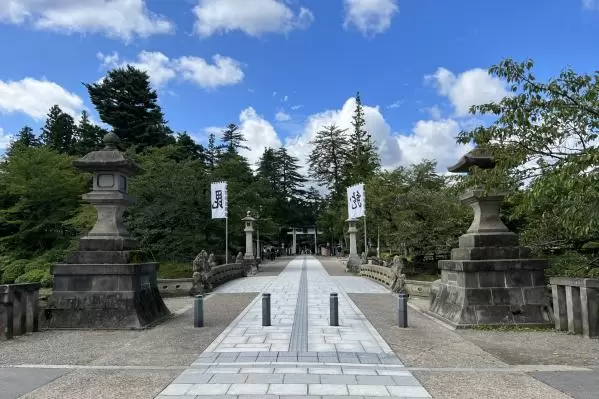
Uesugi Shrine
The Uesugi Shrine, established at the ruins of Yonezawa Castle, enshrines Uesugi Kenshin, regarded as the strongest warlord of the Sengoku period. It is known as a p...