Kokuhō Kōkōzan Zuiryūji
Kokuhō Kōkōzan Zuiryūji Movies



Basic Information
- Spot Name
- Kokuhō Kōkōzan Zuiryūji
- Location
- 〒933-0863 35 Sekimoto-cho, Takaoka City, Toyama Prefecture, Japan
- Access
- Public transportation:
10-minute walk from Ainokaze Takaoka Station
15-minute walk from Hokuriku Shinkansen Shin-Takaoka Station
By car:
Approximately 10 minutes from Noto Expressway Takaoka IC
Approximately 15 minutes from Hokuriku Expressway Kosugi IC
Approximately 25 minutes from Hokuriku Expressway Tonami IC - Parking
- About 100 cars.
- Business Hours
- 9:00 AM to 4:30 PM (Closed at 4:00 PM from December 10 to January 31)
- Regular Holiday
- Open daily.
- Fees
- Adults 500 yen, junior high and high school students 200 yen, elementary school students 100 yen.
- Contact Information
- Phone Number:0766-22-0179
- Official Website
Map
Detailed Information
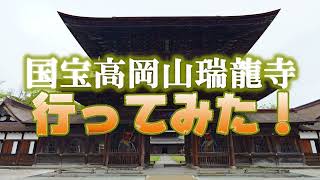
Takaoka’s Zuiryū-ji Temple is a Sōtō Zen temple in Takaoka City, Toyama Prefecture, and the family temple of Maeda Toshinaga, the second lord of the Kaga Maeda clan and the founder of Takaoka. It was built by Maeda Toshitsune, the third lord, to memorialize Toshinaga. Its magnificent, orderly temple layout and solemn architecture are a valuable cultural heritage that still conveys the wealth and high level of culture of the Kaga domain at the time.
Construction of Zuiryū-ji began in the early Edo period, and it took about twenty years to complete, reaching 1663, the 50th memorial year of Toshinaga’s death. The temple grounds then covered as much as 36,000 tsubo, and were surrounded by a moat, giving the site the grandeur of a castle. This reflects the deep respect and gratitude Toshitsune held for his elder brother Toshinaga.
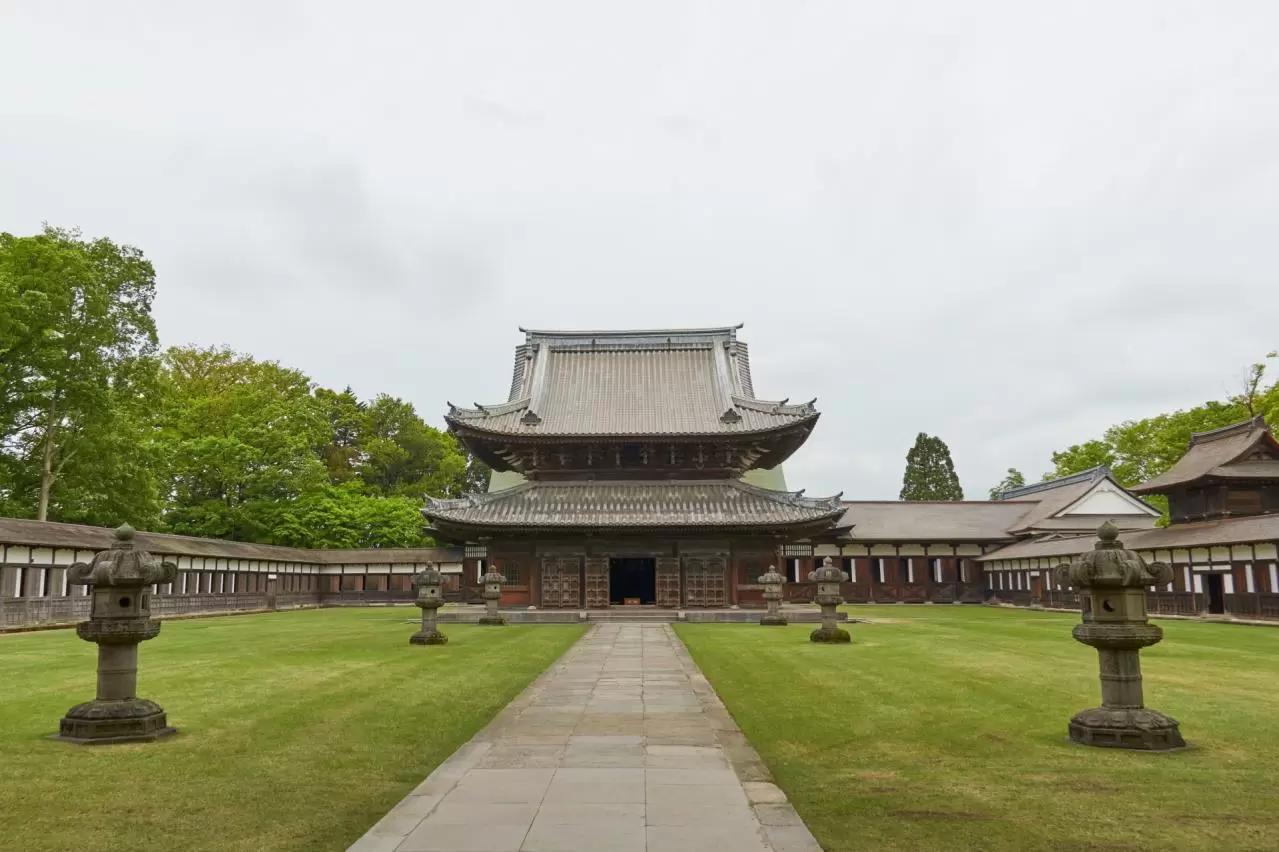
Zuiryū-ji is a large temple with the typical “seven-hall garan” layout of a Zen temple. Its beautiful arrangement, with the Sanmon gate, Buddha Hall, and Dharma Hall aligned in a straight line, is especially notable. The buildings are connected by corridors, creating a symmetrical and orderly space. This splendid temple layout is highly regarded as a representative example of early Edo-period Zen temple architecture.
Today, three of the temple’s main buildings—the Sanmon gate, Buddha Hall, and Dharma Hall—are designated National Treasures. In addition, the main gate, Zen Hall, large kitchen hall, large tea hall, and three corridor buildings are designated Important Cultural Properties. On December 3, 1997, the Sanmon gate, Buddha Hall, and Dharma Hall were designated National Treasures, making them the only National Treasures among architectural structures in Toyama Prefecture.
Passing through the main gate and heading toward the Sanmon, visitors enter a serene space where the whiteness of the gravel and the green of the lawn create a beautiful contrast. The Sanmon, approximately 18 meters high, houses Nio guardian figures on both sides, while Shakyamuni Buddha and the Sixteen Arhats are enshrined on the upper floor. Its imposing presence is one of Zuiryū-ji’s defining features.
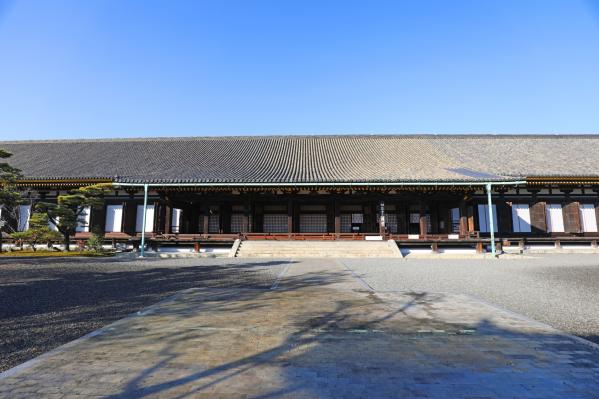
Beyond the Sanmon is the Buddha Hall, where a triad consisting of Shakyamuni Buddha at the center and Manjushri and Samantabhadra Bodhisattvas is enshrined. The roof of the Buddha Hall has the rare feature of being covered with lead plates, and its interior uses Noto zelkova timber believed to be about 600 years old. The coffered ceiling is beautifully decorated, and high-quality materials such as cypress and Tomuro stone are used extensively throughout the hall.
Farther back is the Dharma Hall, the largest building in the temple complex and a shoin-style structure that also serves as a guest hall. In the inner sanctuary at the rear center is the memorial tablet of Maeda Toshinaga. The ceiling features a painting by Kano Yasunobu of the Kano school, depicting a hundred flowering plants in the four seasons, and this colorful, beautiful ceiling painting is one of the hall’s highlights.
To the left and right of the space extending from the Sanmon to the Dharma Hall are the Zen Hall and the large kitchen hall, which are connected by corridors. These symmetrical corridors symbolize the architectural beauty of Zuiryū-ji and clearly express the orderly style of a Zen temple. The Zen Hall and large kitchen hall were restored to their original appearance through major repairs carried out from the Showa to the Heisei periods, and it is said that about 200 monks once trained here.
There are many other highlights within the temple grounds. To the right of the Dharma Hall is Uṣṇīṣavijayā? Actually, Uṣusama Myō-ō (Ususama Myō-ō), known as the deity of toilets, is enshrined. This Myō-ō statue was originally placed in the tōsu, the monks’ toilet, but was moved to its current location after the tōsu was lost in a fire. Uṣusama Myō-ō is believed to have the power to burn away impurity of both mind and body, and is beloved by many visitors.
Behind the Dharma Hall stand stone memorials for Maeda Toshinaga, Maeda Toshiie, Oda Nobunaga and his concubine Shōkaku-in, and Oda Nobutada, making the site historically invaluable. The stone memorial for Toshiie is adorned with intricate carvings of Fudō Myō-ō, Bishamonten, Amida Nyorai, and more.
Zuiryū-ji captivates many visitors not only through its history and architecture, but also through cultural events. During seasonal illumination events held in spring, summer, autumn, and winter, the National Treasure Sanmon gate is fantastically lit in red, blue, green, purple, and other colors in harmony with music. In addition, a “Monzen Ichi” market is held in front of the temple gate, featuring local specialties and food vendors, drawing large crowds.
At Zuiryū-ji, visitors can also participate in an early-morning zazen session by making a reservation in advance by phone. Zazen in the quiet temple grounds is a precious experience that allows one to calm the mind in an atmosphere of refined stillness.
In this way, Zuiryū-ji is a temple that combines magnificent architectural beauty with profound history, leaving a powerful impression on all who visit. Its solemn and beautiful presence makes it a precious place where one can feel the depth of Japanese history and culture.
Toyama Tourist Attractions
View List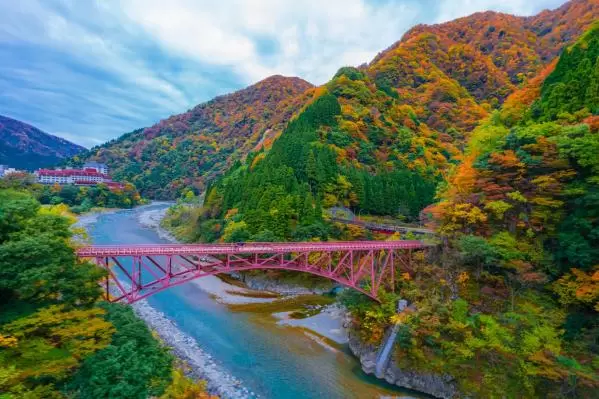
Kurobe Gorge
The Kurobe Gorge is a magnificent V-shaped canyon located within the Chubu Sangaku National Park and is listed among Japan's three major gorges and one of the 100 hi...

Tateyama Kurobe Snow Festival
The "Tateyama Kurobe Alpine Route," which runs through the Northern Alps with peaks rising over 3,000 meters, is known for its spring event, the internationally reno...
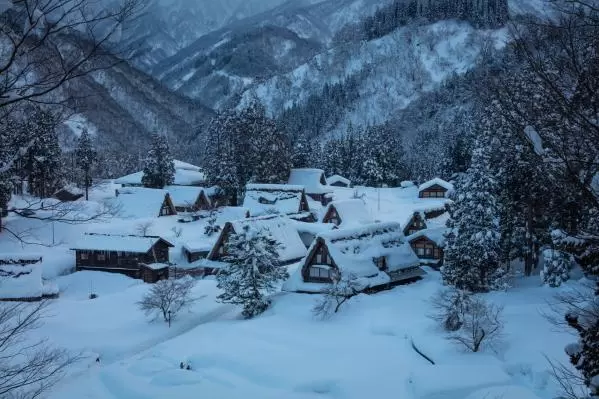
World Heritage Ainu Village of Traditional Housebuilding
The World Heritage Site "Aikura Gassho-zukuri Village" is a beautiful place that preserves Japan's original scenery. It features gassho-zukuri buildings that date ba...

Kurobe Dam
The Kurobe Dam is one of Japan's largest dams and is often referred to as "the great undertaking of the century" due to its scale and the difficulty of its construct...
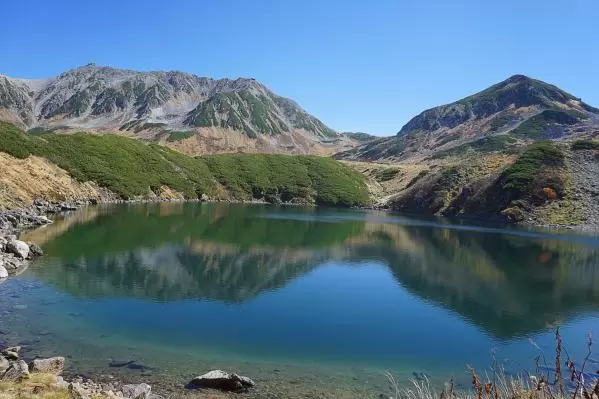
Mikurigaike
Mikuri Lake, with its clear and beautiful surface, is a symbol of Murodou and is regarded as the most beautiful volcanic lake in the Northern Alps. This lake, formed...
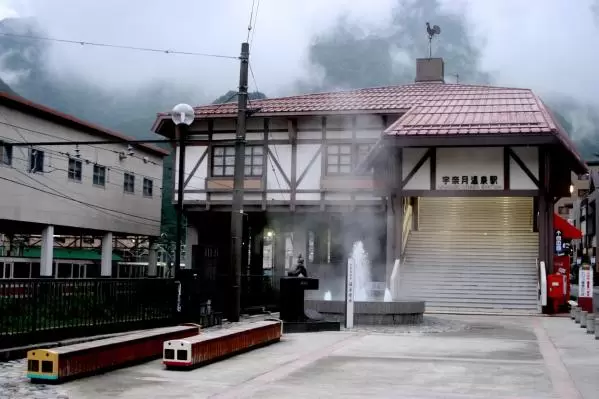
Unazuki Onsen
"Unazuki Onsen" is a renowned hot spring resort located at the entrance of the Kurobe Gorge in Toyama Prefecture, which opened in 1923. Once an uninhabited plateau c...
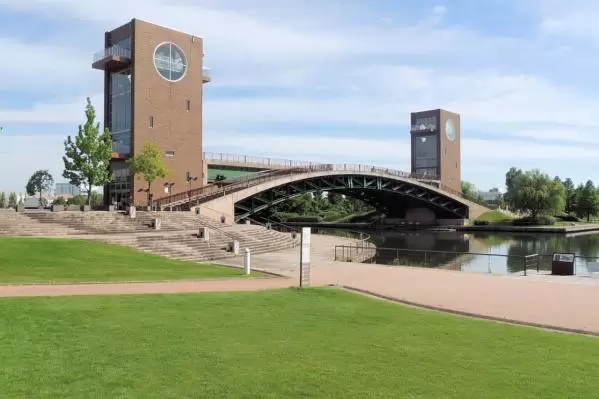
Fugan Ungekan Suikoen
Togigawa Canal Park, surrounded by the Togigawa Canal, is a lush waterside space located about a 9-minute walk from Toyama Station. From the observation tower of the...
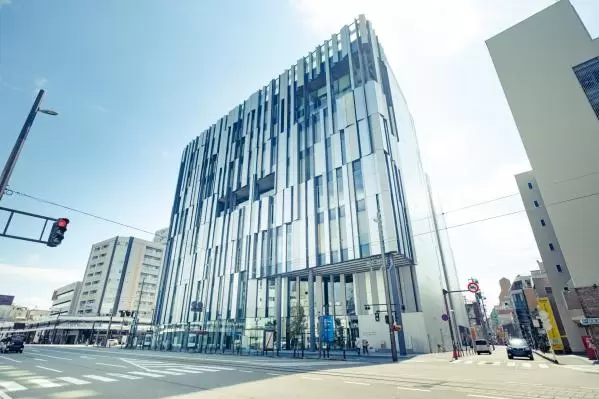
Toyama Glass Art Museum
The Toyama Glass Art Museum, a symbol of the "City of Glass," is located within "TOYAMA Kirari," designed by Kengo Kuma. In the permanent exhibition "Glass Art Garde...