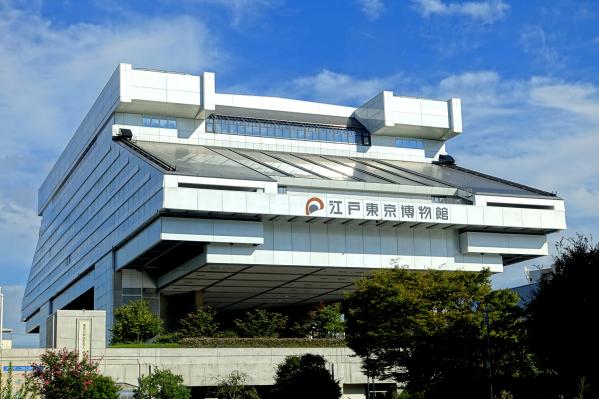
The Railway Museum
AI summary
What kind of place is The Railway Museum?
This is an AI summary. Check official information for opening hours, prices and closures.
A large museum where you can explore railway history through real trains and hands-on exhibits.
Plan your visit
- Time to allow
- Allow plenty of time to explore at your own pace Not verified
- Getting there
- 1-minute walk from Tetsudo-Hakubutsukan Station on the New Shuttle, from JR Omiya Station Not verified
Explore more places
Read highlights and visiting tips
Plan your visit
- Rainy Day
- Mostly indoors and easy to explore in any weather Not verified
- Family-friendly
- Very well suited to families Not verified
- For Older Visitors
- Be prepared for a fair amount of walking Not verified
- Best Season
- Enjoyable in every season Not verified
- Photo Spots
- Real train cars and the large-scale model railway Not verified
- Travel Mood
- A fun, photo-friendly museum visit Not verified
Opened as a commemorative project by JR East, The Railway Museum explores the history, work, science, and future of railways. See 41 real train cars, a large-scale model railway, and train-driving simulators. There’s plenty to enjoy for both children and adults, whether you’re a railway enthusiast or visiting for the first time.
Recommended for
Highlights
Remarkable real train cars — Get up close to real trains, from steam locomotives to Shinkansen.
Plenty of hands-on exhibits — Learn as you play with train-driving simulators and miniature trains you can operate.
Easy to enjoy as a family — Children’s exhibits and spaces to take a break make it comfortable to visit with the whole family.
Before you go
- Popular hands-on activities can get busy, so allow extra time.
- The museum is large; choosing the exhibits you most want to see beforehand can make your visit easier.
- There are station-style bento meals and places to rest, making this a good destination for a half-day or longer.
Ideas for your visit
Explore the exhibits in the morning, then enjoy the hands-on activities and model railway after lunch.
Before deciding to visit
It may feel a little lively if you’re looking for a quiet, contemplative art-museum experience.
What to look for in the videos
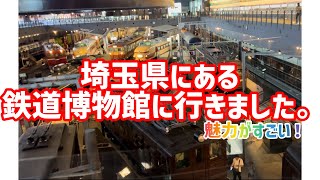
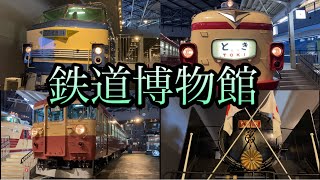
Watch the related videos to get a feel for the impressive train displays and hands-on areas before your visit.
The Railway Museum Movies




Basic Information
- Spot Name
- The Railway Museum
- Location
- 〒330-0852 3-47 Taiseicho, Omiya Ward, Saitama City, Saitama Prefecture
- Access
- Take the New Shuttle from JR Omiya Station and get off at "Tetsudo Hakubutsukan (Taisetsu) Station," then walk for 1 minute.
- Parking
- Available
- Business Hours
- 10:00 AM to 5:00 PM (last admission until 4:30 PM)
- Regular Holiday
- Every Tuesday, and during the year-end and New Year holidays.
- Fees
- Adults: 1,600 yen, Junior high and high school students: 600 yen, Children (3 years and older): 300 yen
- Contact Information
- Phone Number:048-651-0088
- Official Website
Map
Detailed Information
The Railway Museum opened in Omiya Ward, Saitama City, Saitama Prefecture, on October 14, 2007, as the main project commemorating the 20th anniversary of JR East’s founding. It is one of Japan’s leading railway museums, showcasing the history, technology, and future challenges of railways in Japan.
In July 2018, the South Wing opened, and the exhibits in the Main Building were completely renewed. With this renovation, the museum was transformed into a facility where visitors can comprehensively enjoy the appeal of railways through a wide variety of exhibits and hands-on experiences, divided into five stations (exhibition areas): “Rolling Stock,” “History,” “Work,” “Science,” and “Future.”
Museum Concept
The Railway Museum is positioned as a facility that combines the following three roles:
1. Role as a railway museum
In addition to heritage and materials related to railways in Japan and around the world, it systematically preserves and researches valuable materials concerning the privatization and reform of Japanese National Railways and the history of JR East.
2. Role as a history museum
It introduces the development of railway systems, focusing on actual rolling stock displays and placing them in the context of their historical background and relationship with society. Visitors can learn about railway development as part of Japan’s industrial history.
3. Role as an educational museum
Visitors can learn experientially about how railways work, their principles, and the latest technologies through models, simulations, and play equipment. It is also well loved as a place where children can learn while having fun.
The Five Stations Inside the Museum
1. Rolling Stock Station
This is the largest exhibition hall in the museum, featuring 36 actual railway vehicles. In total, 41 real vehicles are on display throughout the museum.
From steam locomotives to electric locomotives and Shinkansen, a wide variety of vehicles from different eras and types are gathered here, allowing visitors to experience the evolution of railway technology in each period.
Sound, lighting, and visual effects recreate scenes from the past and let visitors experience the power and atmosphere of railways in a highly immersive way.
2. History Station
This area displays valuable materials collected since the days of its predecessor, the Transportation Museum in Kanda, Chiyoda Ward, Tokyo.
The “Railway Culture Gallery” introduces the relationship between Japanese railways and culture from a fresh perspective, allowing visitors to deeply understand the impact railways have had on Japanese society.
3. Work Station
This exhibition introduces the jobs that support railway operations, such as station staff, train drivers, and maintenance workers.
Children can learn about the many professions behind railways, providing an opportunity to understand how society works.
4. Science Station
This area offers hands-on learning about how railways operate and the latest technologies through models and simulations.
With exhibits enjoyable for both children and adults, visitors can understand railway technology from a scientific perspective.
5. Future Station
This exhibition introduces future railway concepts and next-generation technologies. Visitors can experience the future of railways through topics such as improved safety, environmental performance, and the evolution of Shinkansen technology.
Experiences and Activities
At the Railway Museum, there are many exhibits designed not only for viewing and learning, but also for hands-on experience.
- Mini Train Driving: A popular attraction where visitors can operate a mini train themselves.
- Driving Simulator: Visitors can experience operating a steam locomotive or Shinkansen from a realistic driver’s seat.
- Railway Diorama: One of Japan’s largest 1:80 scale railway models, dynamically recreating train operations with lighting and video effects.
- Teppaku Hiroba: An outdoor space for young children where they can enjoy driving the “Mini Hayabusa.”
Dining, Shops, and Rest Areas
- Train Restaurant Nippon Shokudo: Recreates classic dining car menus, allowing visitors to enjoy the feeling of traveling by train.
- Ekiben Sales Corner: Offers a wide selection of railway-themed gourmet items, including popular ekiben and bento in Shinkansen-designed containers.
- Museum Shop: Sells many exclusive Railway Museum original goods available only here.
- Rest Area: A free休憩 area where visitors can relax while looking at trains and Shinkansen vehicles.
- Rooftop Observation Space: From the rooftops of the Main Building and South Wing, visitors can watch Shinkansen and conventional trains passing nearby.
Appeal and Ways to Enjoy the Museum
The Railway Museum is popular not only with railway enthusiasts, but also with families and visitors seeking educational experiences.
With a full range of hands-on learning, dining, and observation opportunities, its greatest appeal is that visitors can “learn while having fun.”
By using worksheets available for download from the official website, visitors can deepen their understanding of the exhibits through a more interactive learning experience.
It is a facility where children and adults alike can gain knowledge and inspiration through railways.
The Railway Museum is one of Japan’s largest comprehensive railway museums, connecting the past, present, and future of railways.
With the powerful presence of real rolling stock, science-based hands-on exhibits, and well-equipped facilities that the whole family can enjoy, every visit brings new discoveries. It is truly “the place where you can learn everything about railways.”
Saitama Tourist Attractions
View List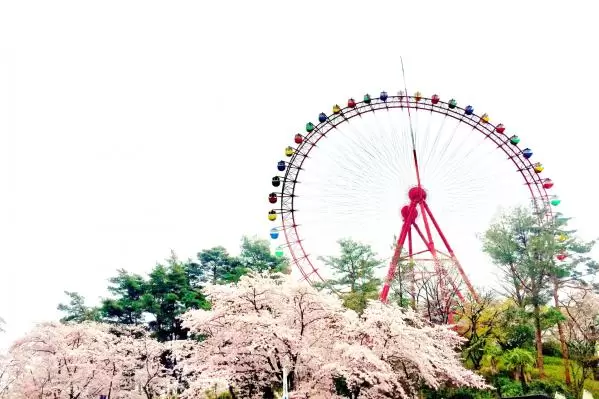
Seibu Enyu Park
Seibu-en Yuenchi is a long-established amusement park located in the Sayama Hills of Tokorozawa City, Saitama Prefecture, and has been cherished by many people since...
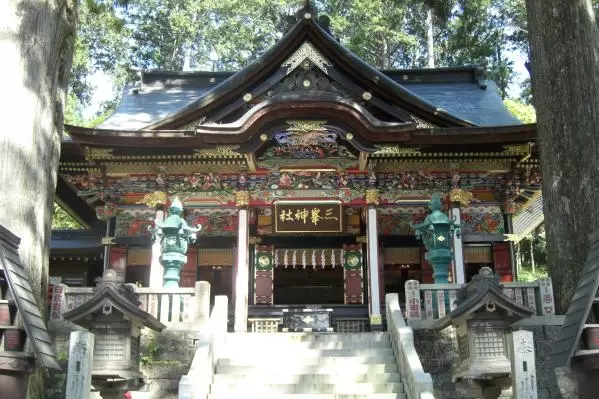
Mitsumine Shrine
Mitsumine Shrine is a famous power spot located at an elevation of approximately 1,100 meters in the奥秩父 (Okuchichibu) area of Saitama Prefecture. Notable features...
Kawagoe Hikawa Shrine
Kawagoe Hikawa Shrine is a historic shrine that is said to have been founded about 1500 years ago during the Kofun period, in the 2nd year of Emperor Kinmei (541 AD)...
Moomin Valley Park
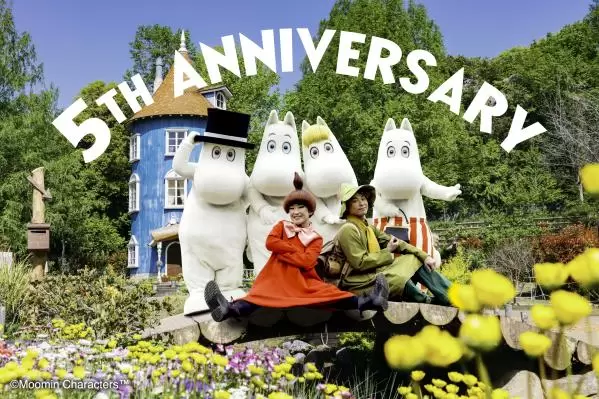
Moomin Valley Park is a theme park located by Lake Miyazawa in Hannō City, Saitama Prefecture, where visitors can experience the Nordic worldview. It is part of the ...
Kadokawa Musashino Museum
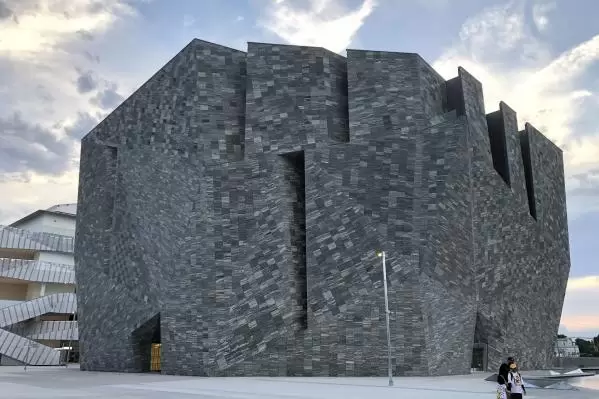
The "KADOKAWA Musashino Museum" is a landmark of "Tokozaawa Sakura Town," known as one of Japan's largest hubs for pop culture, located in Tokorozawa City, Saitama P...
Saitama Super Arena
Saitama Super Arena is a multifunctional arena equipped with one of the world's largest movable systems. It has four modes: Stadium, Main Arena, Community Arena, and...
Tokorozawa Aviation Memorial Park
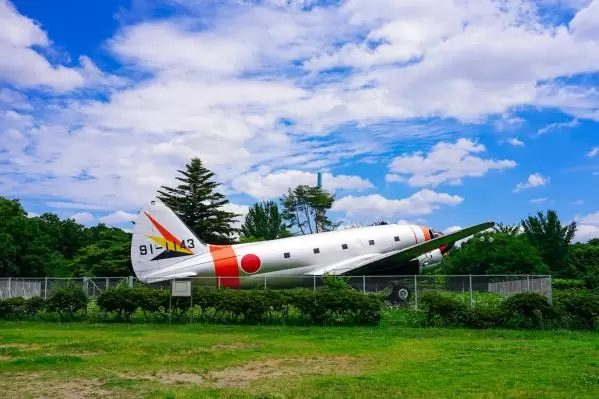
Tokorozawa Aviation Memorial Park is a vast public park, approximately 50 hectares in size, established on the site of Japan's first airport. Inside the park, there ...