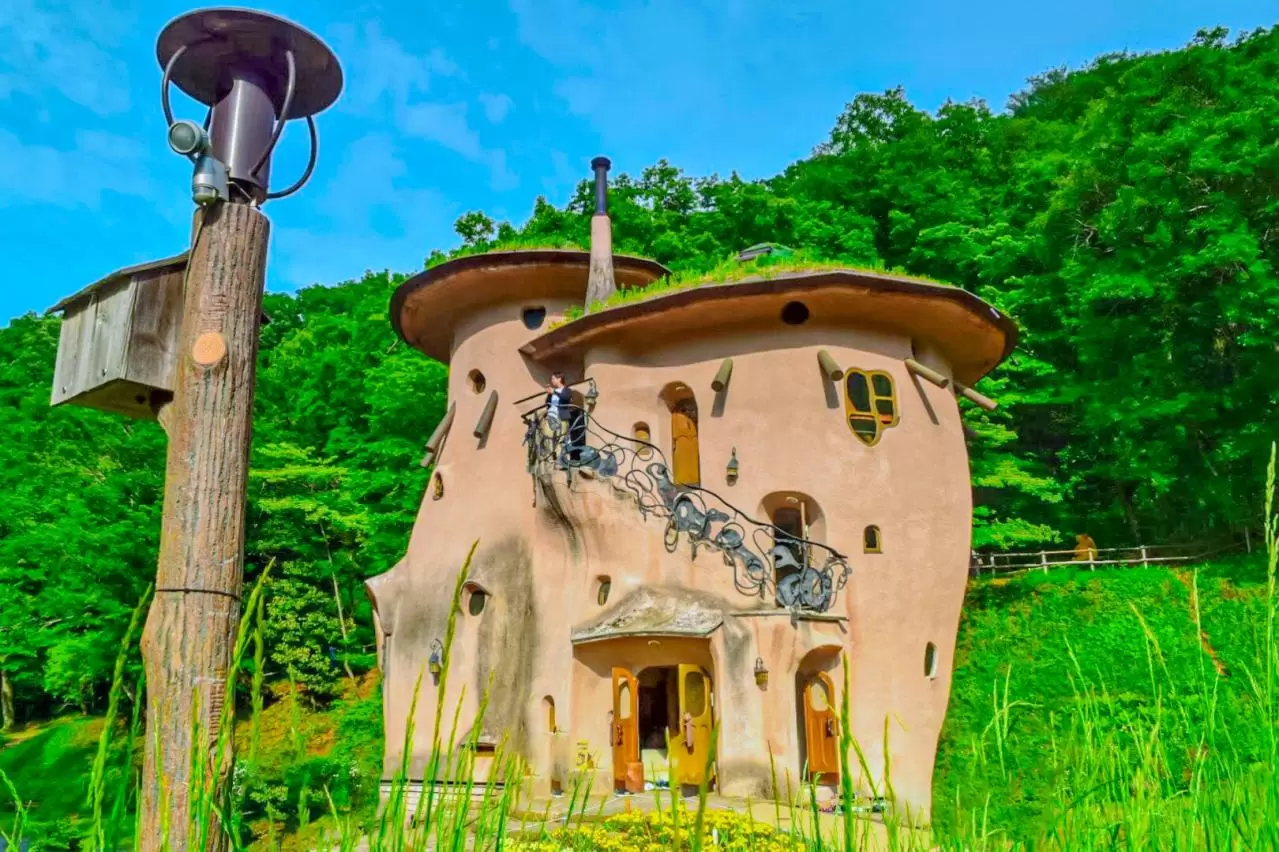
Tobe Yanson Akebono Children's Forest Park
AI summary
What kind of place is Tobe Yanson Akebono Children's Forest Park?
This is an AI summary. Check official information for opening hours, prices and closures.
A relaxing, free-to-visit park where storybook-inspired buildings meet woodland walks.
Plan your visit
- Time to allow
- About 1–2 hours Not verified
- Getting there
- 20 minutes on foot from Motokaji Station. Hanno and Higashi-Hanno stations are farther away. Not verified
Explore more places
Read highlights and visiting tips
Plan your visit
- Rainy Day
- Mostly outdoors; check conditions and plan accordingly. Not verified
- Family-friendly
- Some features for children to enjoy; relatively easy to visit as a family. Not verified
- For Older Visitors
- The park is fairly large, so keep the walking distance in mind. Not verified
- Best Season
- From the fresh greenery of spring through autumn Not verified
- Photo Spots
- The Mushroom House and areas around the pond Not verified
- Travel Mood
- A scenic woodland park stroll with plenty of photo opportunities Not verified
This park is a lovely choice for anyone who enjoys the atmosphere of Nordic fairy tales. Wooden buildings and walking paths blend into the natural setting, making it a pleasant place to wander and take photos. Weekend and holiday illuminations create a magical scene, though watch your step after dark. Plan to explore at a leisurely pace; it is also suitable for families.
Recommended for
Highlights
Storybook-inspired buildings — Discover charming architecture that feels like stepping into a fairy tale.
A peaceful woodland walk — Take your time strolling through the trees and enjoying the fresh forest air.
Evening illuminations — On weekends and public holidays, lights after sunset give the park a magical look quite different from daytime.
Before you go
- Wear comfortable walking shoes.
- If you are visiting for the illuminations, check the timing after sunset.
- The park is spacious, so allow separate time for taking photos and walking around.
Ideas for your visit
Start with the Mushroom House, then explore the park on foot; if time allows, enjoy the café or stay for the illuminations.
Before deciding to visit
It may not be the best fit if you want to cover major sights quickly or prefer indoor attractions.
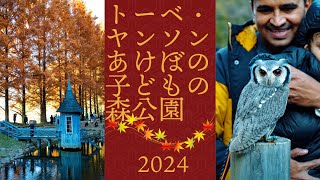
What to look for in the videos
Watch the related videos to get a better feel for the park and see how it changes from day to night.
Tobe Yanson Akebono Children's Forest Park Movies





Basic Information
- Spot Name
- Tobe Yanson Akebono Children's Forest Park
- Location
- 〒357-0046 893-1 Asu, Hannō City, Saitama Prefecture
- Access
- 20 minutes on foot from Seibu Ikebukuro Line "Motokaji Station"
Approximately 4 kilometers from Seibu Ikebukuro Line "Hanno Station"
Approximately 4 kilometers from Seibu Ikebukuro Line/JR Line "Higashi-Hanno Station" - Parking
- Parking available.
- Business Hours
- Weekdays 9 AM to 5 PM (extended during illumination events)
- Regular Holiday
- Closed on Mondays (the following day if it’s a holiday) and during the New Year’s holiday.
- Fees
- Free admission
- Contact Information
- Phone Number:042-972-7711
- Official Website
Map
Detailed Information
Tove Jansson Akebono Children's Forest Park opened in 1997, inspired by an exchange of letters with the Nordic fairy-tale writer Tove Jansson. More than 20 years later, it remains a beloved park across generations, with a strong emphasis on creating a space where children and adults alike—and even living creatures and flowers—can respect one another and spend time freely. The grounds are filled with nature and dotted with buildings that seem to have come straight out of a fairy tale, drawing visitors into a fantastical world. On weekends and public holidays, the park is illuminated from sunset until around 9:00 p.m., allowing visitors to enjoy the atmosphere of “rich darkness” as gentle lights glow in the forest.
The park covers a vast area of about 7.6 hectares, roughly equivalent to 1.6 Tokyo Domes, and contains four main buildings as well as a café. Near the entrance is the “Mushroom House,” whose unique exterior resembles a row of mushrooms. Inside the three-story building are maze-like stairs, small chairs, and spaces like hidden hideouts, allowing children to play while surrounded by the warmth of wood. The architecture makes generous use of Nishikawa lumber, a specialty of Hanno, creating a strong sense of harmony with nature throughout.
Beyond the Mushroom House is Café Puisto, a Nordic-style café with eye-catching blue walls, where visitors can enjoy Nordic dishes and desserts. With a children’s menu and tatami-style seating, it is an ideal place for families to take a break. Nearby is the small “Water Splash Hut” standing on Wanpaku Pond, which visitors can enter by crossing a bridge. Photo spots throughout the park are marked with camera symbols, making it possible to capture memorable shots, such as the hut reflected in the pond.
Further inside is the “Forest House,” distinguished by its wave-like wall made from vertically arranged Japanese cypress logs of Nishikawa lumber. The first floor features an exhibition of materials related to Tove Jansson, while the second floor is a library corner where picture books and related publications can be read freely. Next to it is the “Children’s Theater,” where concerts, performances, seasonal events, and more are held; in the spacious wooden-floored area, children can often be seen running around freely. The roof’s scale-like design is a carefully crafted feature made by artisans who split each stone by hand one by one. All of the buildings in the park are authentic structures that make effective use of natural materials such as wood, iron, and stone.
With its landscape reminiscent of a Nordic fairy tale and its buildings blending into nature, this park is also easily accessible from the nearby Moominvalley Park, making it a relaxing spot where visitors can experience Nordic culture. Tove Jansson, best known for the Moomin series, was internationally acclaimed, winning the Hans Christian Andersen Award, and she also wrote many novels and short stories beyond the Moomins. That rich spirit of creativity lives throughout the park. Please visit this park, where nature, architecture, and storytelling come together in harmony, and experience a world that is uniquely Nordic.
Saitama Tourist Attractions
View List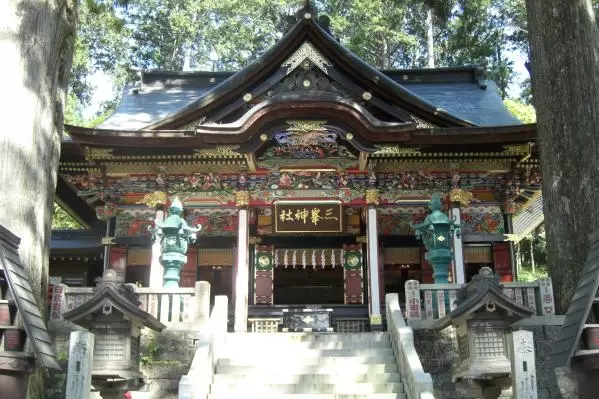
Mitsumine Shrine
Mitsumine Shrine is a famous power spot located at an elevation of approximately 1,100 meters in the奥秩父 (Okuchichibu) area of Saitama Prefecture. Notable features...
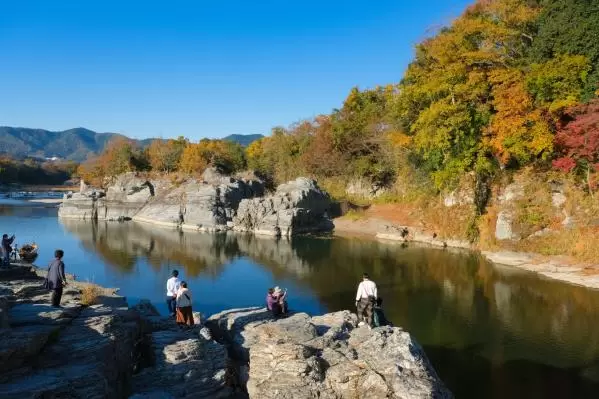
Nagatoro Iwadatami
Nagatoro is located in the Chichibu district of Saitama Prefecture and is particularly famous for the "Nagatoro Iwadatami," a popular tourist destination. The Iwadat...
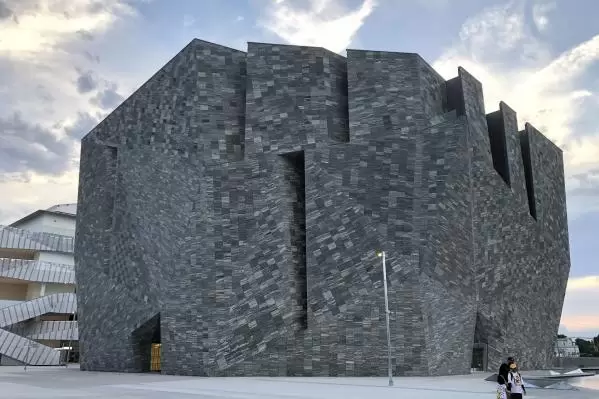
Kadokawa Musashino Museum
The "KADOKAWA Musashino Museum" is a landmark of "Tokozaawa Sakura Town," known as one of Japan's largest hubs for pop culture, located in Tokorozawa City, Saitama P...
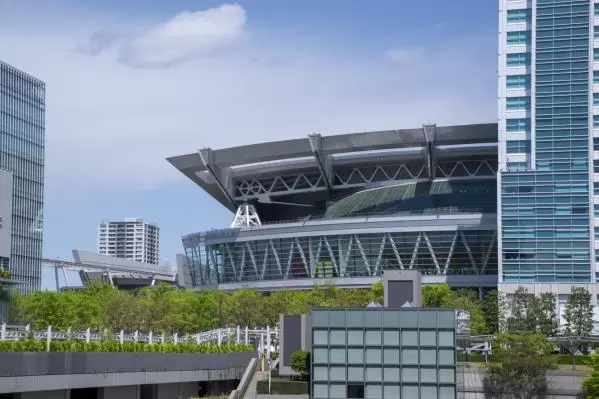
Saitama Super Arena
Saitama Super Arena is a multifunctional arena equipped with one of the world's largest movable systems. It has four modes: Stadium, Main Arena, Community Arena, and...
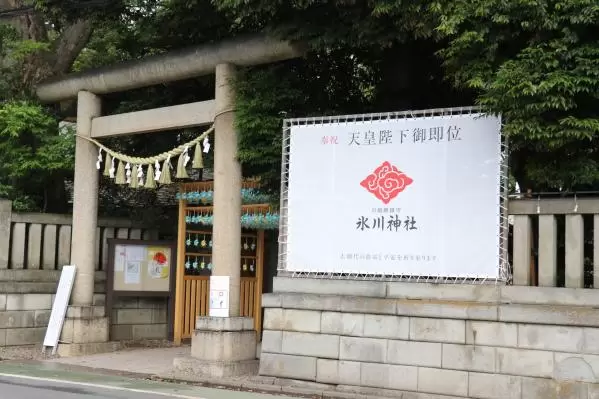
Kawagoe Hikawa Shrine
Kawagoe Hikawa Shrine is a historic shrine that is said to have been founded about 1500 years ago during the Kofun period, in the 2nd year of Emperor Kinmei (541 AD)...
Tokorozawa Aviation Memorial Park
Tokorozawa Aviation Memorial Park is a vast public park, approximately 50 hectares in size, established on the site of Japan's first airport. Inside the park, there ...
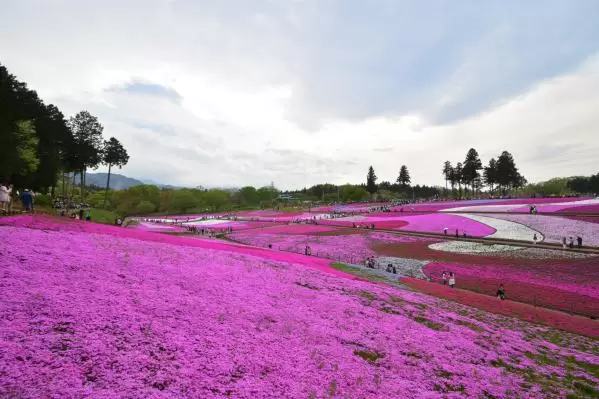
Hitsujiyama Park
Hitsujiyama Park is located on the eastern side of Chichibu City and in spring, the "Shibazakura Hill" is covered with a beautiful carpet of flowers, attracting many...
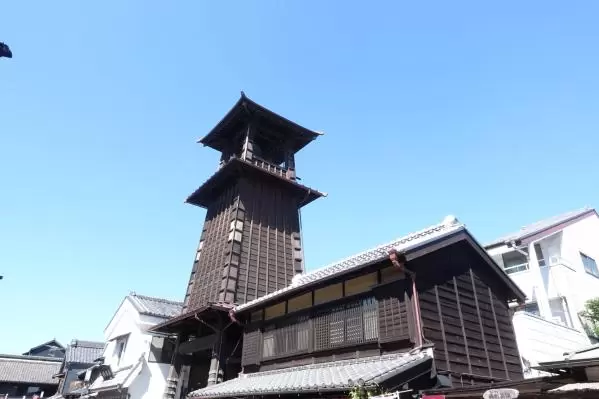
Toki no Kane (Bell of Time)
The symbol of Kawagoe, the "Toki no Kane" (Bell of Time), is a historic bell tower that rises above the town's traditional warehouse-style buildings. It was founded ...