Mojiko Retro
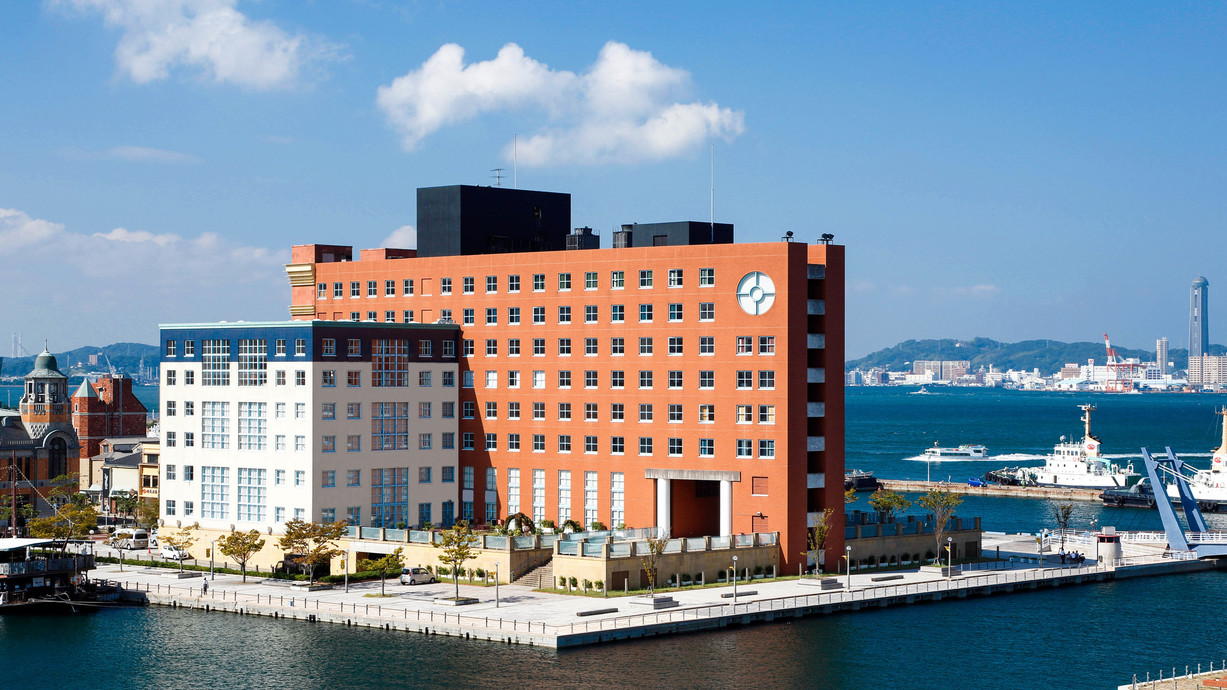
In the charming Moji Port Retro area, visitors can enjoy stunning views of the Kanmon Straits, as well as local specialties like baked curry and fugu dishes. Crossing the Kanmon Straits leads to Shimonoseki on Honshu, and the two cities share a historical connection and have influenced each other. The dramatic landscape and rich history leave a deep impression on visitors.
The modern architecture and retro atmosphere of this area reflect the time when Moji Port thrived as a hub of international trade. At night, it transforms into a romantic scene, making it a popular date spot. Easily accessible from Tokyo, Moji Port Retro attracts over two million visitors each year, making it a must-see destination that blends old and new charm.
Mojiko Retro Movies


Basic Information
- Spot Name
- Mojiko Retro
- Location
- 〒801-0852 Minato-cho, Moji Ward, Kitakyushu City, Fukuoka Prefecture
- Access
- Immediately accessible from Mojiko Station on the JR Kagoshima Main Line.
- Parking
- Available
- Business Hours
- Please refer to the pages of each facility.
- Regular Holiday
- Refer to each facility's page.
- Fees
- Please refer to the page of each facility.
- Contact Information
- Phone Number: 093-321-4151
- Official Website
Map
Detailed Information
Mojiko Retro is a tourist district spreading around Mojiko Station in Moji Ward, Kitakyushu, Fukuoka Prefecture. The area preserves and makes use of the historic buildings of Mojiko, which developed as an international trading port from the Meiji period through the early Showa period. It combines the characteristic scenery of a port town with modern tourist facilities. With views of ships traveling through the Kanmon Strait and Shimonoseki City in Yamaguchi Prefecture across the water, visitors can enjoy history, architecture, railways, gourmet food, shopping, and more. It is one of Kitakyushu’s most representative tourist destinations.
Mojiko is located at the northern tip of Kyushu, facing the Kanmon Strait, which separates Honshu and Kyushu. Shimonoseki City lies across the strait, whose narrowest point near the Hayatomo-no-Seto channel is approximately 650 meters wide. With its swift currents and constant stream of vessels, the Kanmon Strait has long been an important location for maritime transportation, military affairs, and trade. Separated by the strait yet closely connected through ports, railways, commerce, and culture, Mojiko and Shimonoseki have strongly influenced each other’s development.
Mojiko began to develop in earnest as a modern port after the beginning of the Meiji period. In 1889, it was designated as a Special Export Port by the national government and grew as a trading port handling coal, rice, wheat, sulfur, ceramics, and other goods. It also played an important role as a shipping port for coal produced in the Chikuhō Coalfield and elsewhere, with numerous domestic and international cargo and passenger ships passing through. Banks, trading companies, shipping firms, and customs offices gathered in the area, and Mojiko eventually became known as one of Japan’s three major trading ports, alongside the ports of Yokohama and Kobe.
The development of the railway also supported Mojiko’s growth. A station serving as the terminus of the Kyushu Railway was established, and before the Kanmon Railway Tunnel opened, passengers arriving by ferry from Honshu used Mojiko as the gateway to destinations throughout Kyushu. As the port and railway became interconnected, people, goods, information, and culture gathered in the area. Trading companies, warehouses, inns, restaurants, and shops lined the surrounding streets.
Later, the opening of the Kanmon Railway Tunnel, changes in transportation methods, and the relocation of port functions gradually altered Mojiko’s role as a transportation and trading hub. However, many historic buildings constructed from the Meiji period through the early Showa period—including the station, customs office, trading companies, and shipping firms—remained. Community development efforts were undertaken to preserve and restore these structures and make use of them as tourism resources, and the area officially opened as “Mojiko Retro” in 1995. Today, it is one of Kyushu’s leading tourist districts, where historic buildings harmonize with modern tourist facilities.
The starting point for exploring Mojiko Retro is JR Mojiko Station. The current station building is a two-story wooden structure completed in 1914. It is characterized by its imposing, symmetrical exterior. Designed primarily in the Neo-Renaissance style, the station conveys the atmosphere of the era when Mojiko flourished as the railway gateway to Kyushu. In 1988, it became the first railway station building in Japan to be designated as a National Important Cultural Property.
Preservation and restoration work was carried out at Mojiko Station from 2012, and the station reopened on March 10, 2019, restored to its original appearance. In addition to the exterior, the large clock, platform canopies, waiting room, former VIP room, and other features were restored. The building is still used as an active railway station. Being able to actually board a train inside a historic building is one of Mojiko Station’s unique attractions.
Located near Mojiko Station, the Former Moji Mitsui Club was built in 1921 as a social and lodging facility for the Moji branch of Mitsui & Co. It incorporates the half-timbered style, in which wooden columns and beams are exposed on the exterior walls. The white walls and dark wooden elements create a beautiful contrast. The building has been designated as a National Important Cultural Property and is one of Mojiko’s representative Western-style structures.
In 1922, the physicist Albert Einstein and his wife stayed there during their visit to Japan. On the second floor, the “Einstein Memorial Room” recreates the room in which the couple stayed. The building also contains the “Fumiko Hayashi Memorial Room,” which introduces the life and works of Fumiko Hayashi, a writer closely associated with Moji. Visitors can learn about notable figures connected with Mojiko.
The Former Osaka Shosen building is a Western-style structure built in 1917 as the Moji branch of Osaka Shosen. Its distinctive features include an exterior combining orange tiles and white stone, as well as an octagonal tower. It is one of the representative historic buildings in the Mojiko Retro district. At the time, the first floor served as a waiting room for routes to the Asian continent and was crowded with many passengers traveling overseas.
Today, it is used as a cultural and artistic facility. Among its attractions is the “Seizo Watase and the Sea Gallery,” which introduces works by Seizo Watase, a manga artist and illustrator closely associated with Kitakyushu. Exhibitions and available facilities may change, so visitors are advised to check the latest information before visiting.
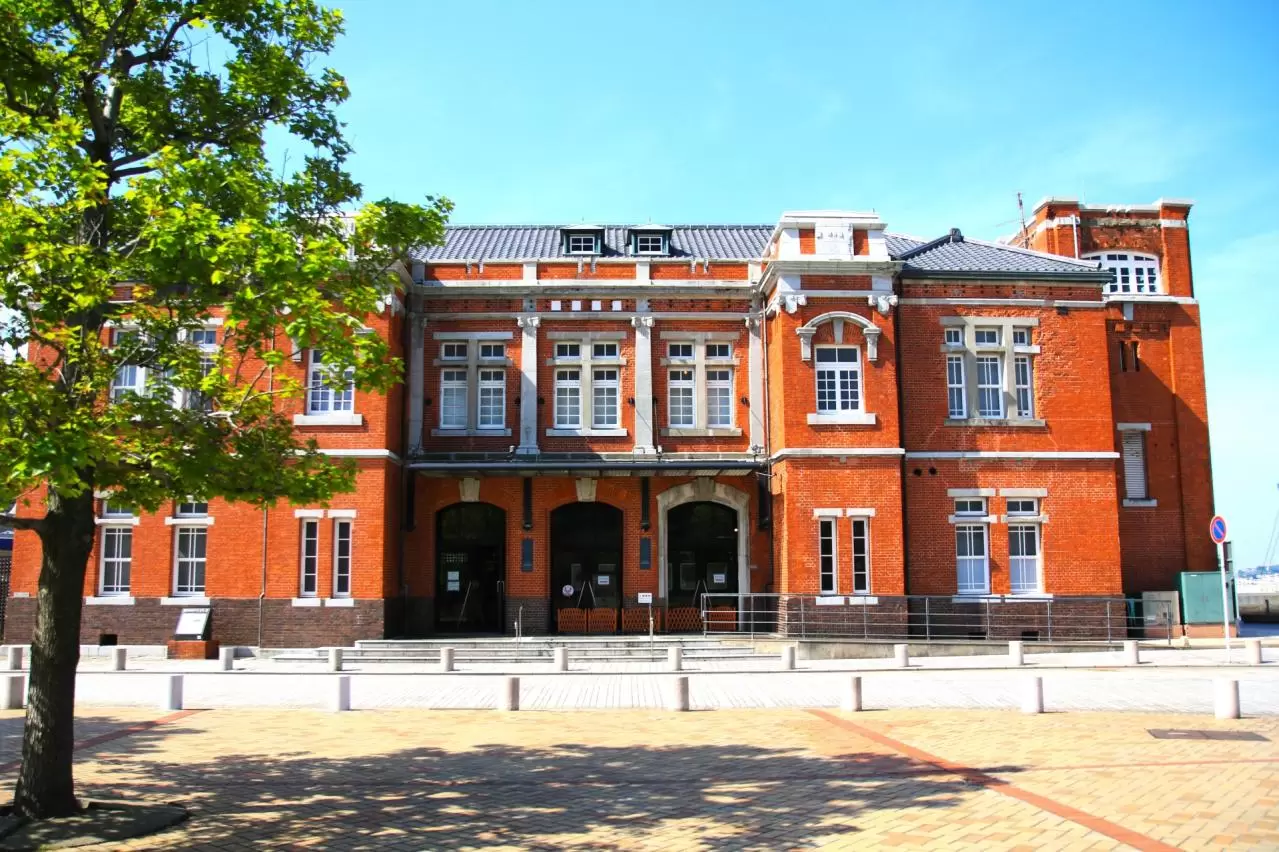
Standing beside the Kanmon Strait, the Former Moji Customs Office is a red-brick building completed in 1912. It was used until the customs office was relocated in 1927. Its red-brick exterior and spacious atrium with high ceilings convey the appearance of Mojiko during the period when it prospered as an international trading port.
Inside, visitors will find a rest area, café, and exhibition corner introducing the history and role of customs. The second floor offers views of the port area, allowing visitors to enjoy both the interior of the historic building and the scenery of the Kanmon Strait. The building is also one of the component cultural properties of the Japan Heritage site “The Kanmon ‘Nostalgic’ Strait.”
The Kyushu Railway History Museum is a railway museum housed in the red-brick building of the former headquarters of the Kyushu Railway. The main building introduces the development of railways in Kyushu and the history leading from the Japanese National Railways to JR Kyushu through photographs, models, uniforms, tickets, railway equipment, and other exhibits. A restored Meiji-period passenger car uses mannequins and sound effects to recreate the atmosphere of railway travel in those days.
Outdoor displays include steam locomotives, electric locomotives, and sleeper cars. The museum also features a train-driving simulator and a miniature railway park. It is a popular facility enjoyed not only by railway enthusiasts but also by families with children. Displayed vehicles and hands-on activities may change.
The Mojiko Retro Observation Room is an observation facility on the 31st floor of the high-rise condominium Retro High Mart. The building was designed by architect Kisho Kurokawa. From a height of approximately 103 meters above the ground, visitors can enjoy panoramic views of the Mojiko Retro townscape, the Kanmon Strait, the Kanmon Bridge, and the urban area of Shimonoseki across the water.
During the day, visitors can look down over ships traveling through the strait and historic buildings. In the evening, they can enjoy the strait bathed in the colors of the sunset, while at night the illuminated townscape and the Kanmon Bridge create a spectacular night view. Operating hours and admission fees may change, so checking in advance is recommended.
Blue Wing Moji is a pedestrian drawbridge spanning the First Boat Basin. The bridge is approximately 108 meters long. At scheduled opening times, part of the bridge slowly rises to allow vessels to pass safely. It is known as Japan’s only pedestrian-only drawbridge.
Blue Wing Moji has been designated a “Lover’s Sanctuary,” and it is said that couples who cross the bridge together will be blessed with happiness. Opening times and the number of openings may change depending on vessel traffic, weather, inspections, and other factors. From the bridge, visitors can view the Kanmon Strait, the Former Moji Customs Office, the Mojiko Retro Observation Room, and other sights.
The Dalian Friendship Memorial Hall was built to commemorate the 15th anniversary of the establishment of a friendship-city relationship between Kitakyushu and Dalian, China. It faithfully reproduces the office of the Chinese Eastern Railway Steamship Company, which was built in Dalian in 1902. The building conveys the history of international exchange between Mojiko and Dalian.
The Kanmon Strait Museum allows visitors to learn about the natural environment, history, culture, and maritime transportation of the Kanmon Strait through videos and interactive exhibits. The museum underwent a major renovation in 2019, adding a wide range of hands-on displays for both children and adults, including the “Strait Experience Zone” and “Retro Strait Street.”
Inside the museum, “Retro Strait Street” recreates the townscape of Mojiko during the Taisho period. Walking through the space lined with shops, inns, and other establishments creates the feeling of traveling back in time to the period when the port town was at its most prosperous.
The Idemitsu Museum of Arts, Moji, displays artworks collected by Sazo Idemitsu, the founder of Idemitsu Kosan. The museum holds special exhibitions focusing mainly on East Asian antiquities, including Japanese calligraphy and paintings as well as Chinese and Japanese ceramics. The “Idemitsu Founding History Exhibition Room” also introduces the life of Sazo Idemitsu, who founded Idemitsu Shokai in Moji.
The Mojiko Retro district offers not only historic buildings but also plenty of places for shopping and dining. Kaikyo Plaza is home to shops selling souvenirs from Kyushu and Yamaguchi Prefecture, general goods, seafood, and other products, as well as restaurants and cafés. Visitors can shop and dine while enjoying views of the sea.
The local dish most closely associated with Mojiko is baked curry. It generally consists of rice topped with curry and cheese, sometimes with an egg, and baked in an oven. Served piping hot in a dish, this fragrant baked curry is known throughout Japan as a Mojiko specialty, and numerous restaurants around Mojiko offer their own distinctive versions.
Around the Kanmon Strait, visitors can also enjoy fugu cuisine and fresh seafood dishes. Another tradition associated with Mojiko is banana auctioneering, which originated from the large quantities of bananas once transported to Mojiko from places such as Taiwan. It continues to be preserved as one of the port town’s characteristic cultural traditions.
A short walk from the Mojiko Retro district is Sakaemachi Gintengai, a shopping street that retains the atmosphere of the Showa period. Traditional Japanese confectionery shops and restaurants coexist with new cafés and variety stores, allowing visitors to experience local life in a setting with a different character from the main tourist area.
To enjoy Mojiko Retro more deeply, visitors are also encouraged to cross the strait and explore the Shimonoseki side. Mojiko and the Karato district of Shimonoseki are connected by a Kanmon ferry ride of approximately five minutes. From the boat, passengers can enjoy views unique to the strait, including the Kanmon Bridge and the townscapes on both shores. Sightseeing boats also operate to Ganryujima Island.
A little farther away is the Kanmon Tunnel Pedestrian Passage, where visitors can walk beneath the sea across the Kanmon Strait. The pedestrian tunnel is approximately 780 meters long, and the boundary between Fukuoka and Yamaguchi prefectures is marked along the way. It is one of the few places in Japan where visitors can walk beneath the sea between Kyushu and Honshu.
Mojiko Retro is also attractive at night. After sunset, Mojiko Station and the historic buildings are illuminated, creating beautiful reflections on the water. From the Mojiko Retro Observation Room, visitors can enjoy a panoramic night view featuring the lights of ships traveling through the Kanmon Strait, the Kanmon Bridge, and the city of Shimonoseki across the water.
Throughout the year, port-town events are held, including the Moji Strait Festa, the Moji Minato Festival, the Kanmon Strait Fireworks Festival, and the Mojiko Retro Illumination. Dates and programs may change from year to year, so checking the latest information before traveling is recommended.
JR Mojiko Station, the transportation hub of the area, is the starting point of the JR Kagoshima Main Line and serves as the origin or terminus for many trains. It can be reached by local train from Kokura Station, and the Mojiko Retro townscape spreads out immediately after exiting the station. Since the main tourist attractions are concentrated within walking distance, the area can be explored efficiently without a car.
Mojiko Retro is more than simply a place to view historic buildings. By strolling leisurely through the port town, feeling the sea breeze while looking out over the Kanmon Strait, and visiting its retro architecture, museums, railway facilities, shopping streets, and restaurants, visitors can experience the history and culture of Mojiko with all five senses.
With its diverse attractions—including modern architecture from the Meiji and Taisho periods, the history of railways and ports, the magnificent Kanmon Strait, local specialties such as baked curry, and beautiful night views—Mojiko Retro is recommended for history and architecture enthusiasts, railway fans, families with children, people who enjoy leisurely walks through port towns, and couples seeking a scenic nighttime experience. Beautifully blending the atmosphere of a nostalgic port town with contemporary tourism and culture, Mojiko Retro continues to captivate visitors as one of Kitakyushu’s most renowned destinations.
#Townscape/Bikan Historical Quarter #Museums/Museums #Commercial facilities/Complex facilities
Fukuoka Tourist Attractions
View List
Ohori Park
Ohori Park is an oasis in Fukuoka City, utilizing the outer moat of Fukuoka Castle, covering an expansive area of approximately 40 hectares. It can be accessed in ju...

Uminonakamichi Seaside Park
Located in the Higashi Ward of Fukuoka City, the Uminonakamichi Seaside Park is a vast national park covering approximately 350 hectares, where visitors can enjoy se...

Fukuoka Tower
Fukuoka Tower reopened entirely on February 1, 2019, and stands at an impressive height of 234 meters, making it the tallest seaside tower in Japan. It serves as a s...

Marine World Uminonakamichi
"Marine World Uminonakamichi," which reopened in 2017, is an aquarium themed around the seas of Kyushu. It features over 30,000 marine organisms from 350 species, re...

BOSS E・ZO FUKUOKA
In July 2020, "BOSS E・ZO FUKUOKA" opened next to the Fukuoka PayPay Dome. This seven-story facility is known for its breathtaking attractions and state-of-the-art e...

Sakurai Futamigaura
Sakurai Futamigaura is located in Itoshima City, Fukuoka Prefecture, and is a beautiful scenic spot within the Genkai Quasi-National Park. Known as "Futamigaura of t...

Kushida Shrine
Kushida Shrine is known as the guardian shrine of Hakata and is affectionately referred to by locals as "O-Kushida-san." It has a long history and the current shrine...

Yanagawa River Boat Tours
Yanagawa is known as a castle town and the hometown of the poet Hakushu Kitahara, and its "river cruising" has become a local specialty. The city is crisscrossed by ...