Shukkei-en Garden
Shukkei-en Garden Movies


Basic Information
- Spot Name
- Shukkei-en Garden
- Location
- 〒730-0014 2-11 Kaminobori-cho, Naka-ku, Hiroshima City, Hiroshima Prefecture, Japan
- Access
- From JR Hiroshima Station, take the Hiroshima Electric Railway tram to Miyajimaguchi for 11 minutes. Transfer at Hatchobori to the tram bound for Hakushima and travel for 4 minutes. Get off at Shukkeien-mae; it's just a short walk away.
- Parking
- Parking available
- Business Hours
- 9:00 AM to 5:30 PM (close at 6:00 PM), from October 1st to March 31st of the following year, 9:00 AM to 4:30 PM (close at 5:00 PM).
- Regular Holiday
- December 29th to December 31st
- Fees
- Individual/Adult 260 yen, High school/University 150 yen, Elementary/Middle school 100 yen.
- Contact Information
- Phone Number:082-221-3620
- Official Website
Map
Detailed Information
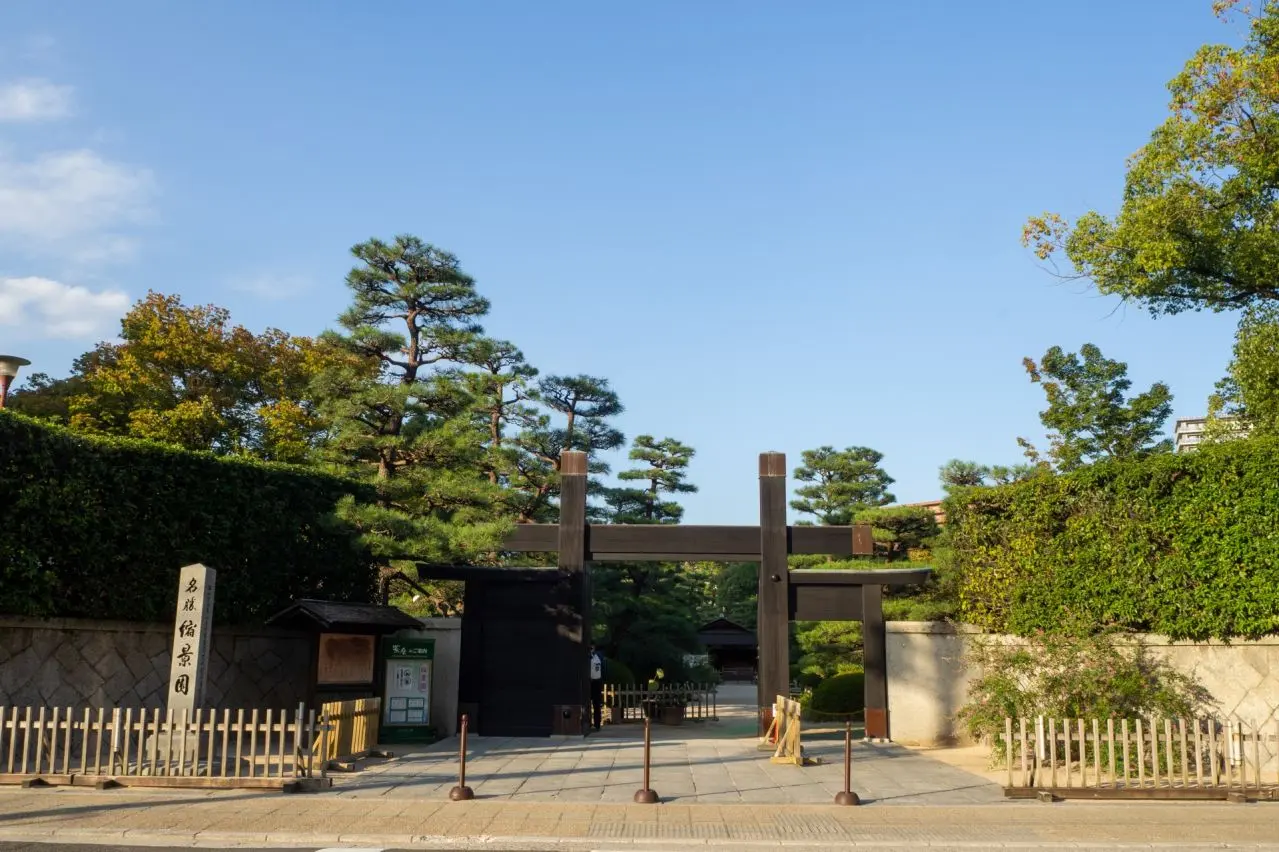
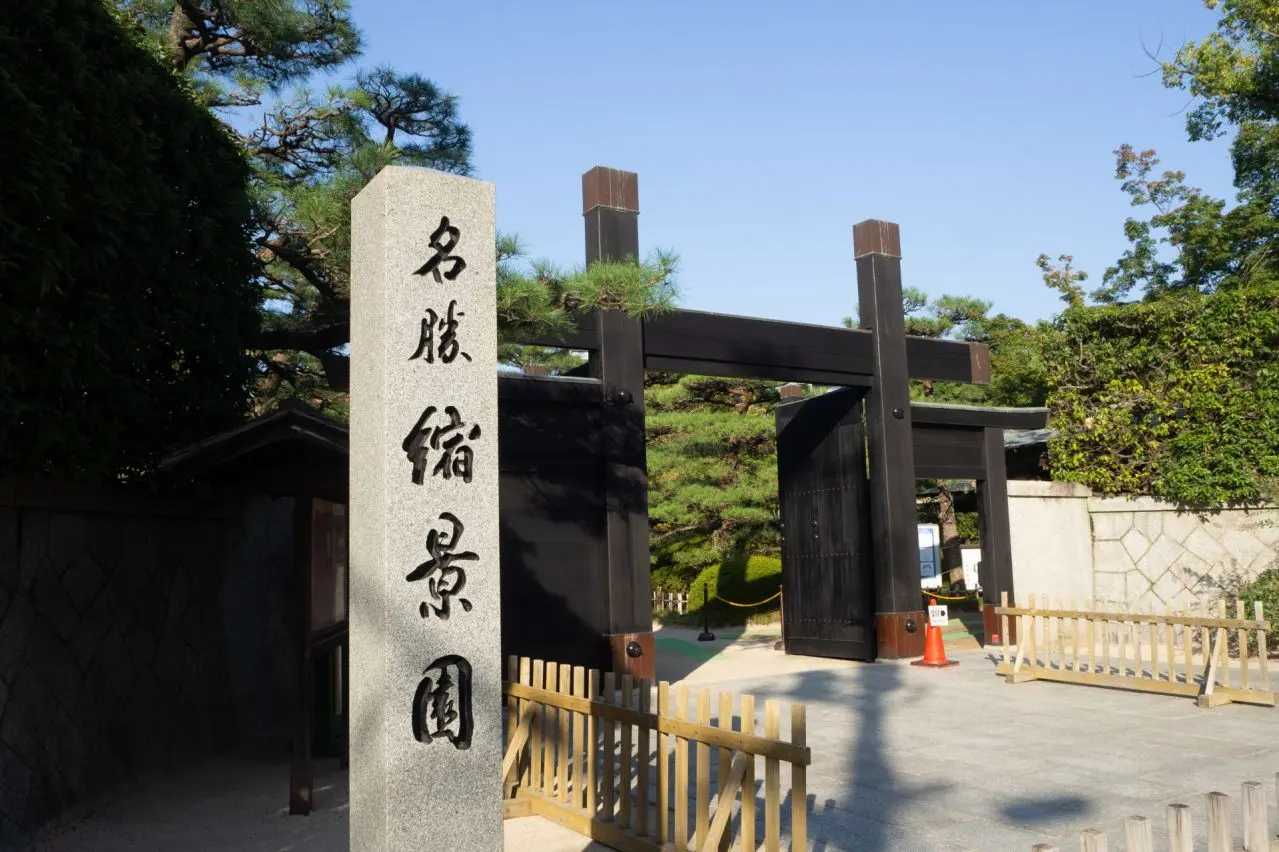
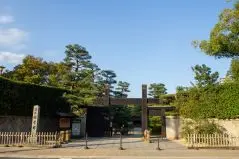
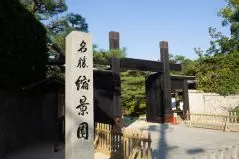
Shukkeien Garden is a daimyo garden located in Naka Ward, Hiroshima City, Hiroshima Prefecture. Although it stands in the heart of Hiroshima, it is beloved as a superb garden where visitors can enjoy the abundant beauty of nature throughout the seasons. Designated as a Place of Scenic Beauty by the Japanese government, it is one of Hiroshima Prefecture’s representative Japanese gardens.
### History of Shukkeien Garden
Shukkeien Garden was created in 1620 as the garden of a villa belonging to Asano Nagaakira, the first lord of the Hiroshima Domain. Its design was entrusted to Ueda Soko, a chief retainer who was also renowned as a master of tea. Although Ueda Soko was a military commander, he was also an accomplished tea practitioner, and his aesthetic sensibilities are reflected throughout the garden.
The name “Shukkeien” is said to have originated from the preface to a poem written by the Confucian scholar Hayashi Razan: “縮めた海や山をその地に配し、風景をこの楼に集める,” meaning “The seas and mountains are condensed into this place, and the scenery is gathered in this tower.” It is also said to have been modeled after West Lake, a scenic area in Hangzhou, China. Mountains, rivers, islands, and bridges are skillfully arranged throughout the garden.
Shukkeien is also known as “Sentei.” It was cherished by successive lords of the Hiroshima Domain and was repeatedly improved and expanded over the years.
### Development by Successive Lords of the Domain
Shukkeien underwent renovations and improvements under successive domain lords throughout the years, gradually developing into the beautiful garden seen today.
In 1713, Asano Yoshinaga, the fifth lord of the domain, gave elegant names to the mountains, ponds, buildings, bridges, and islands within the garden, and commissioned the creation of the *Record of Shukkeien*.
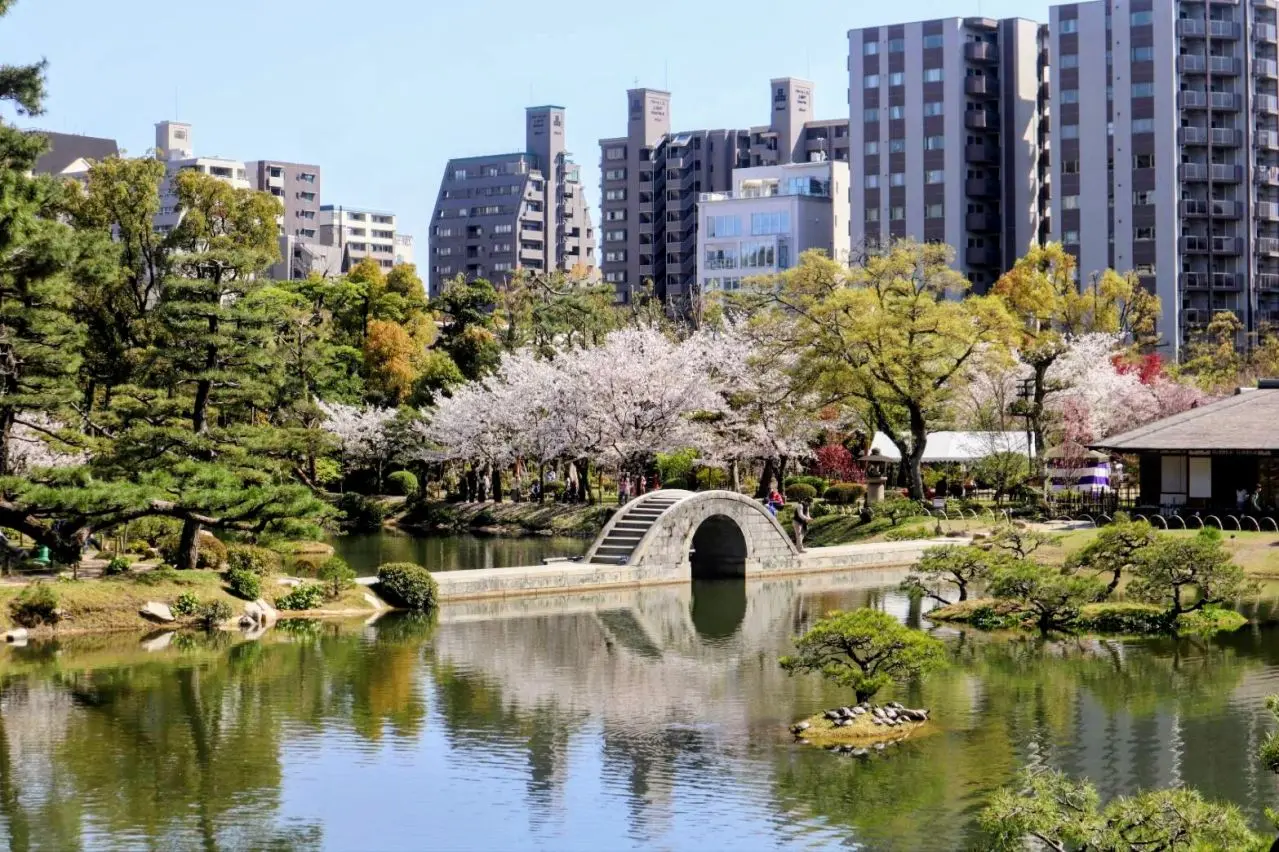
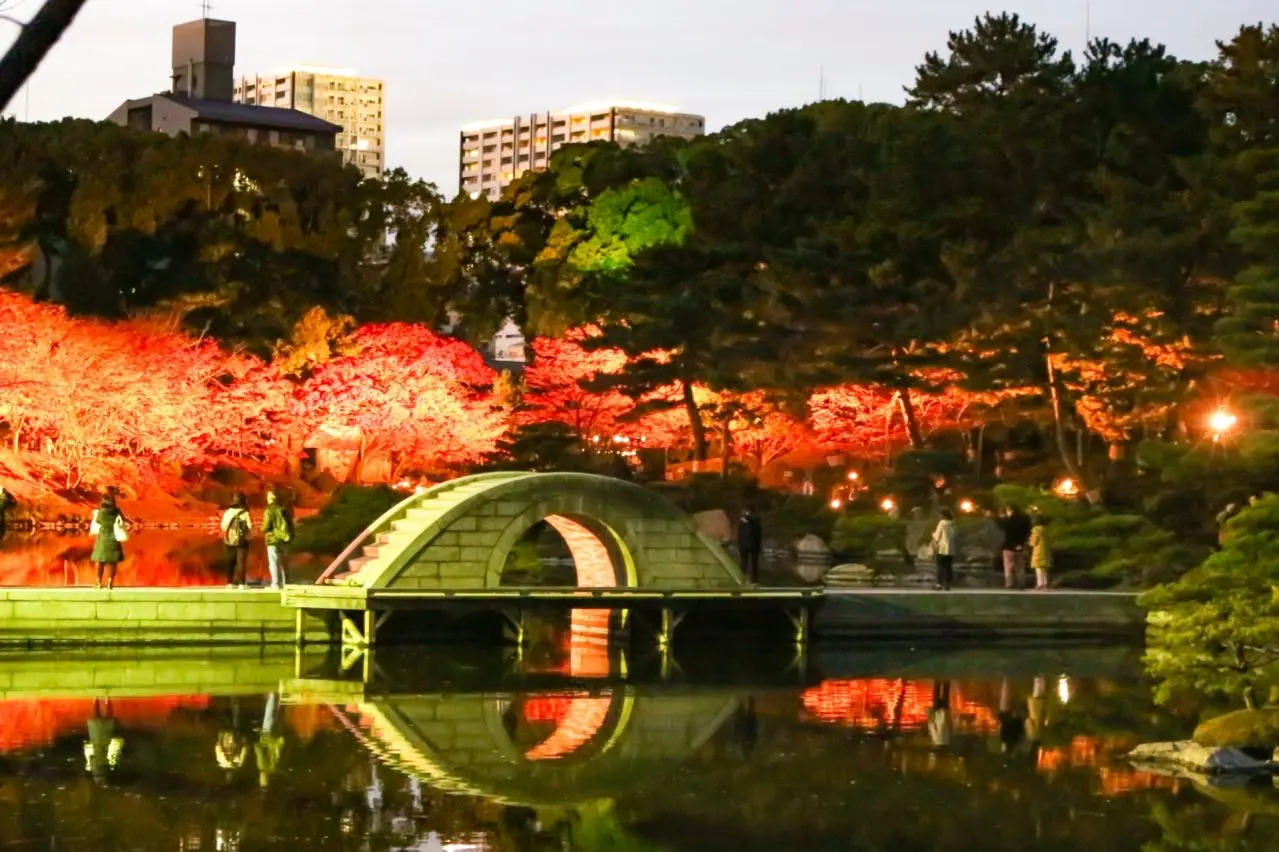
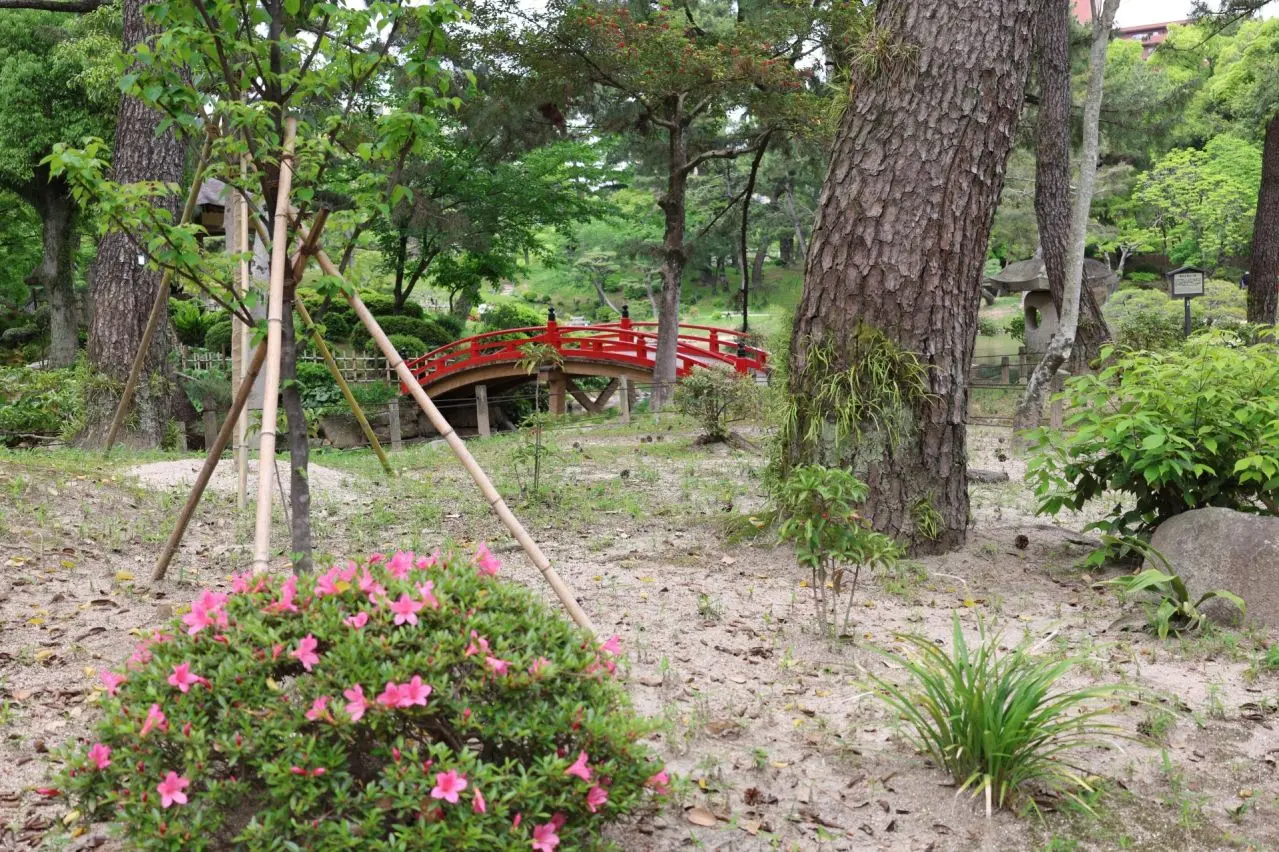
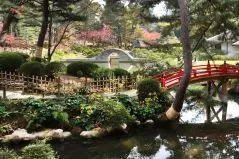
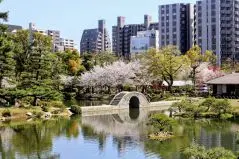
In 1783, Asano Shigeakira, the seventh lord of the domain, invited the Kyoto gardener Shimizu Shichiroemon to carry out a major renovation. Among other improvements, he had the beautiful Chinese-style arched bridge Koko-kyo constructed. Further improvements were made on numerous occasions, and the garden continued to evolve into an even more refined landscape.
### The Appeal of a Strolling Garden
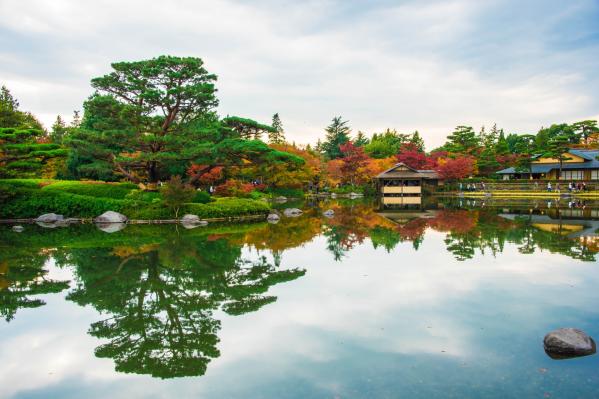
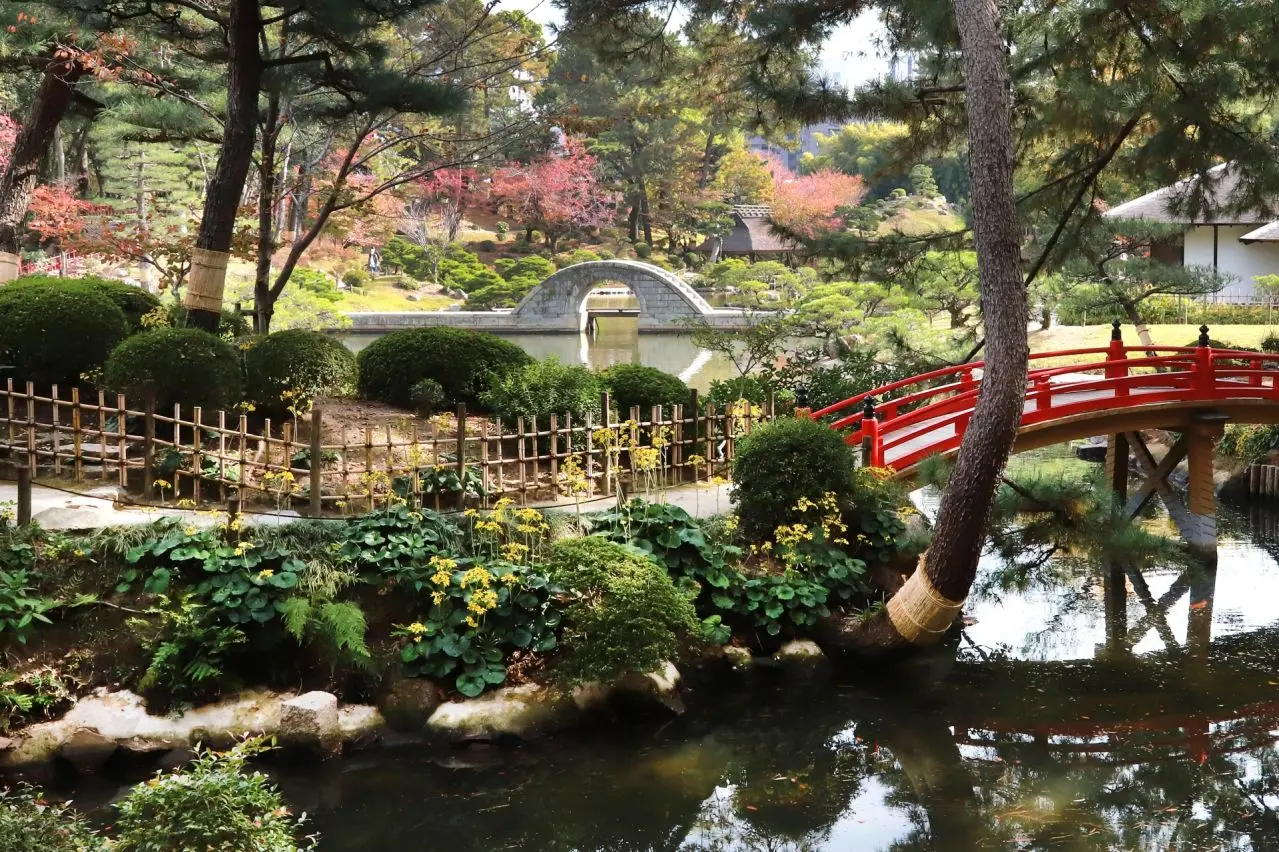
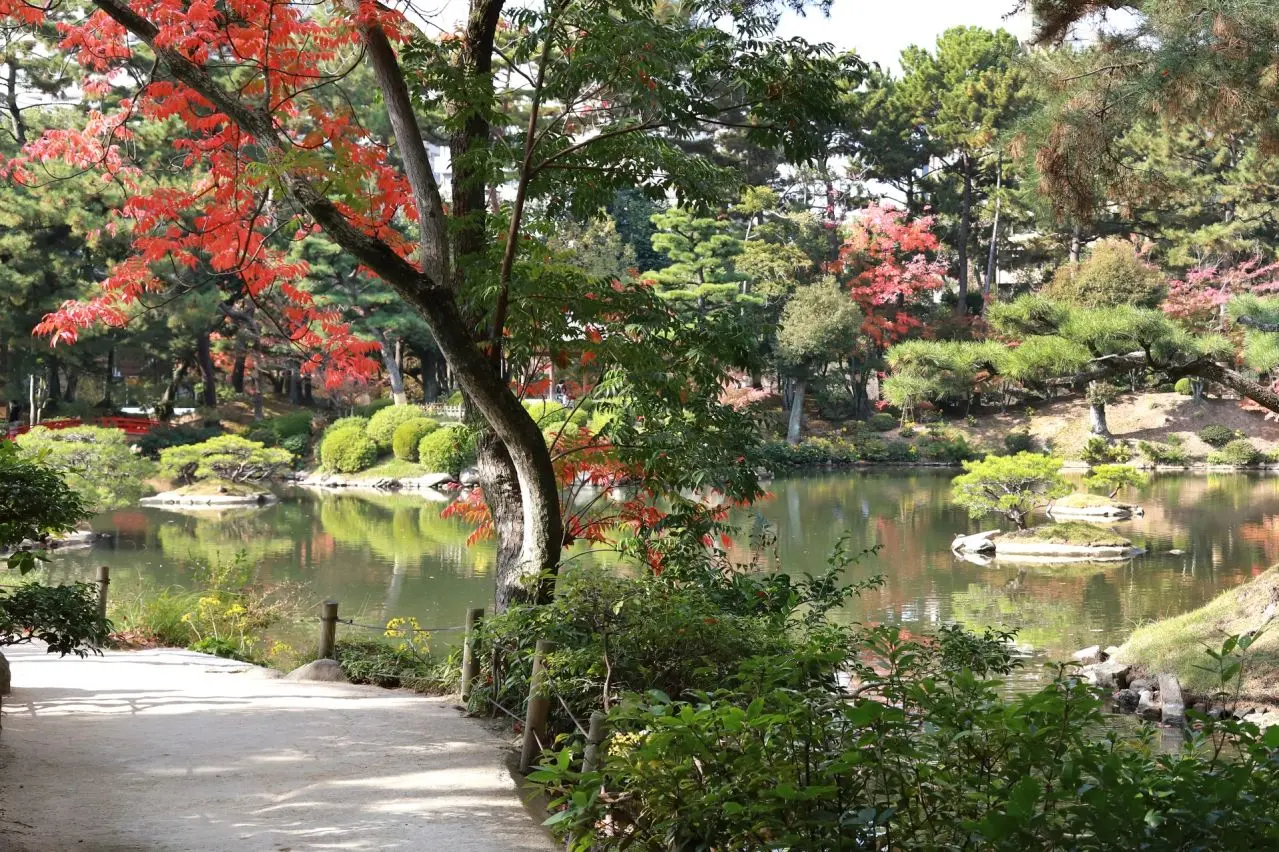
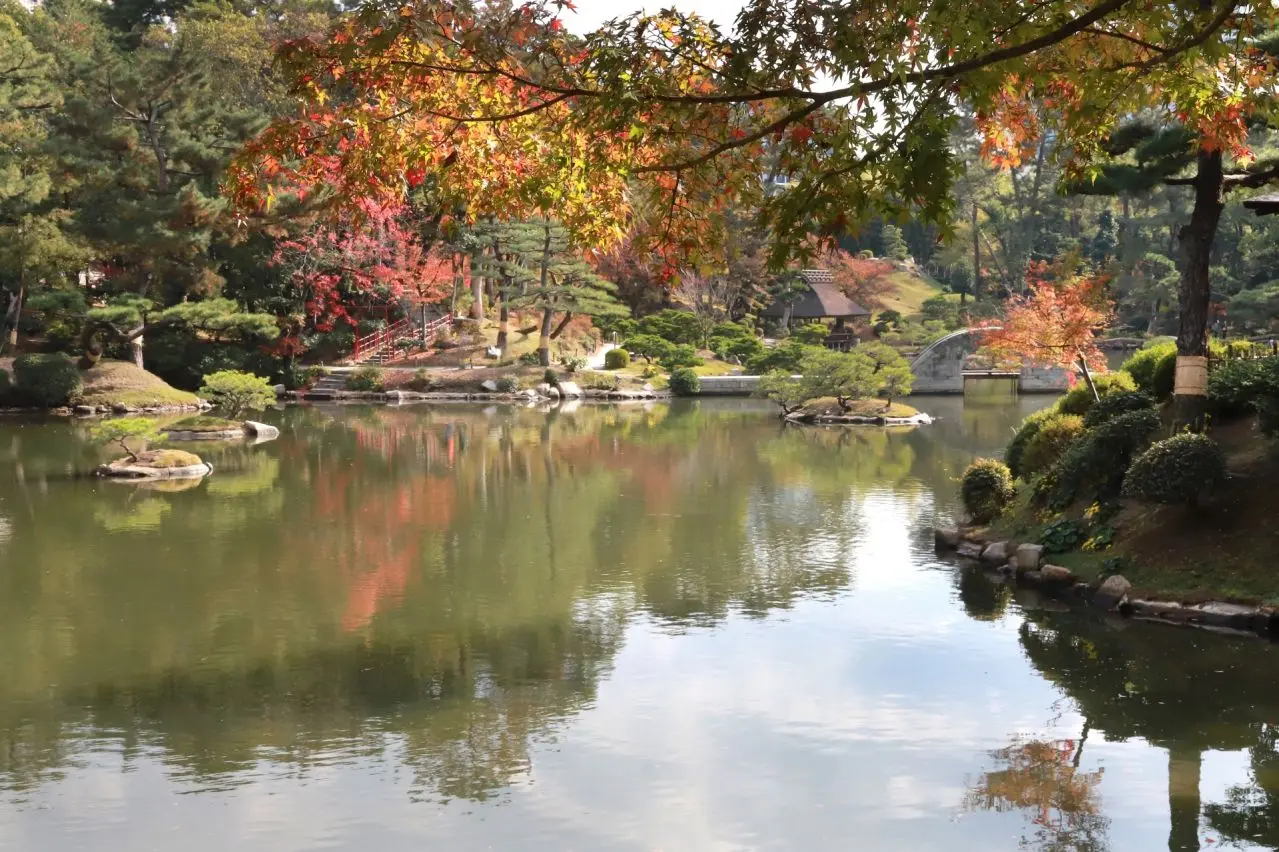
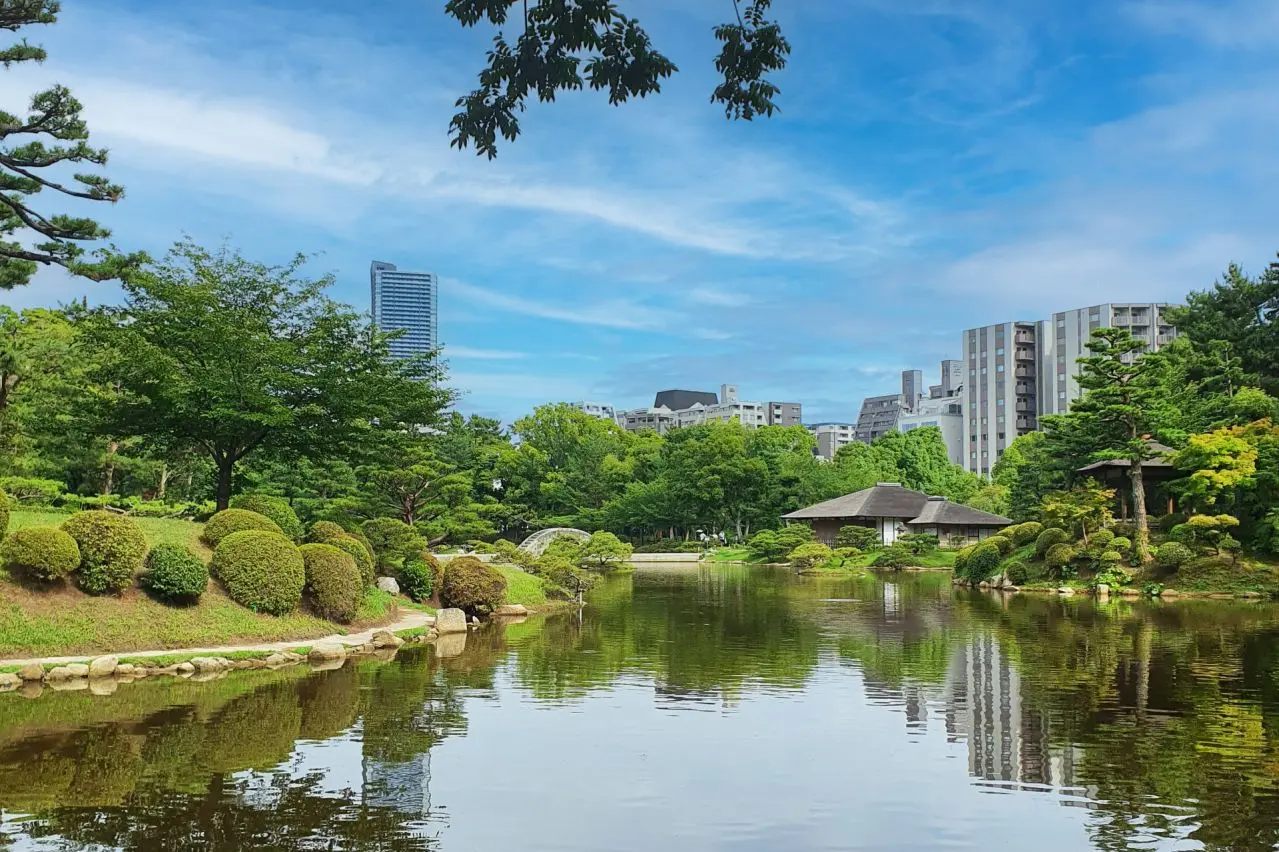
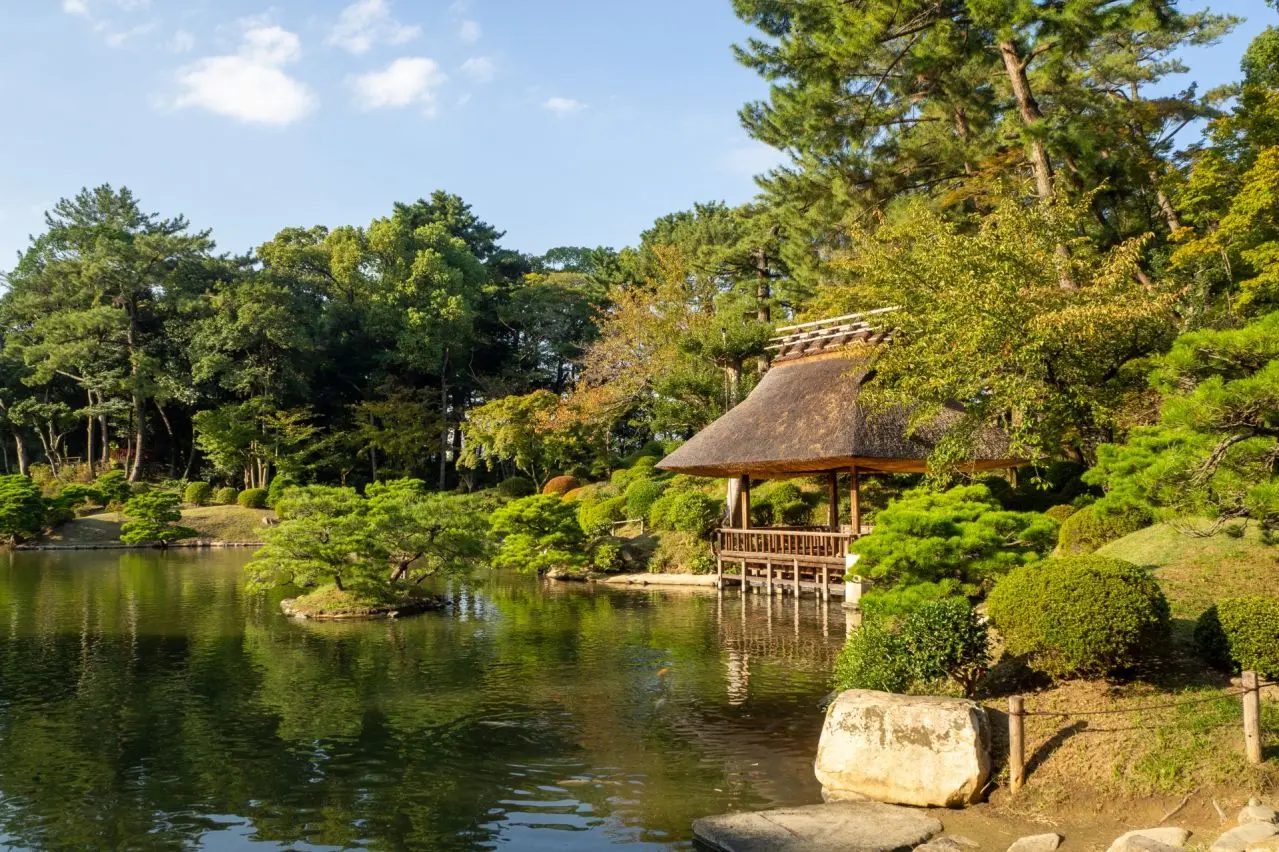
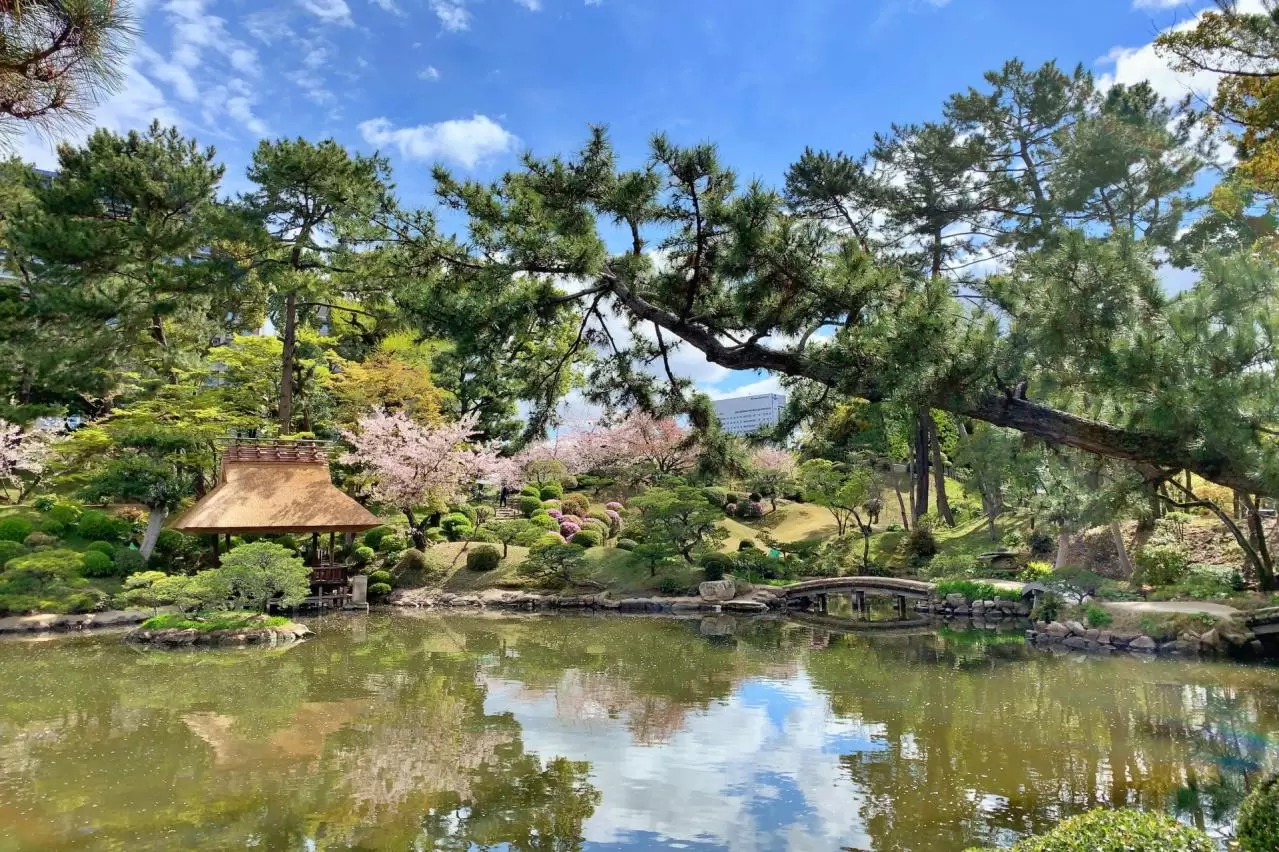
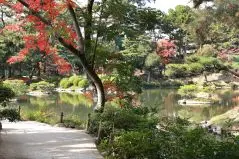
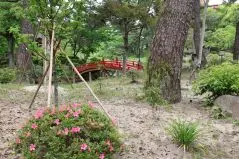
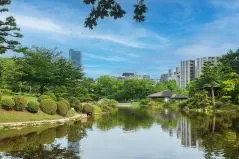
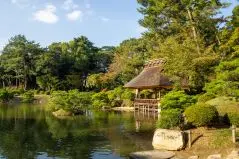
Shukkeien is a pond-centered strolling garden, designed around the central Takuei Pond. Teahouses, gazebos, mountains, valleys, bridges, and islands are skillfully arranged throughout the grounds, allowing visitors to enjoy a variety of views as they walk along the garden paths.
Islands known as Crane Island and Turtle Island float in Takuei Pond, symbolizing wishes for longevity. Because seawater flows into the pond, it forms a brackish-water environment where fish such as mullet live. This also helps preserve a rich natural habitat visited by many wild birds.
The garden also features Geikihō, a mountain modeled after Mount Fuji. From its summit, visitors can overlook the entire garden, making it one of Shukkeien’s most popular scenic viewpoints.
The garden has also been designed to appear larger than its actual size. By incorporating Futabayama to the north and Mount Koi to the west as borrowed scenery, it creates a landscape with a strong sense of depth.
### Nature Through the Seasons
One of Shukkeien’s greatest attractions is its beautiful natural scenery, which changes with each season.
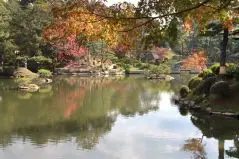
In spring, cherry blossoms, plum blossoms, and peach blossoms bloom in abundance, attracting many visitors for flower viewing. In summer, lush green foliage spreads throughout the garden, creating a cool and refreshing landscape. In autumn, maple and ginkgo trees turn brilliant shades of red and gold, while in winter, camellias and plum blossoms lend the garden a quiet, graceful atmosphere.
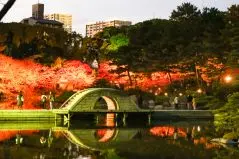
During the cherry blossom season in spring and the autumn foliage season, illumination events are also held, allowing visitors to enjoy a fantastical view quite different from the garden’s daytime appearance.
### Damage from the Atomic Bomb and Reconstruction
In 1945, Shukkeien suffered catastrophic damage from the atomic bomb dropped on Hiroshima. Many of its buildings and trees were destroyed by fire, causing extensive damage throughout the garden.
After the war, full-scale restoration began in 1949, and the garden was gradually restored over a period of approximately 30 years.
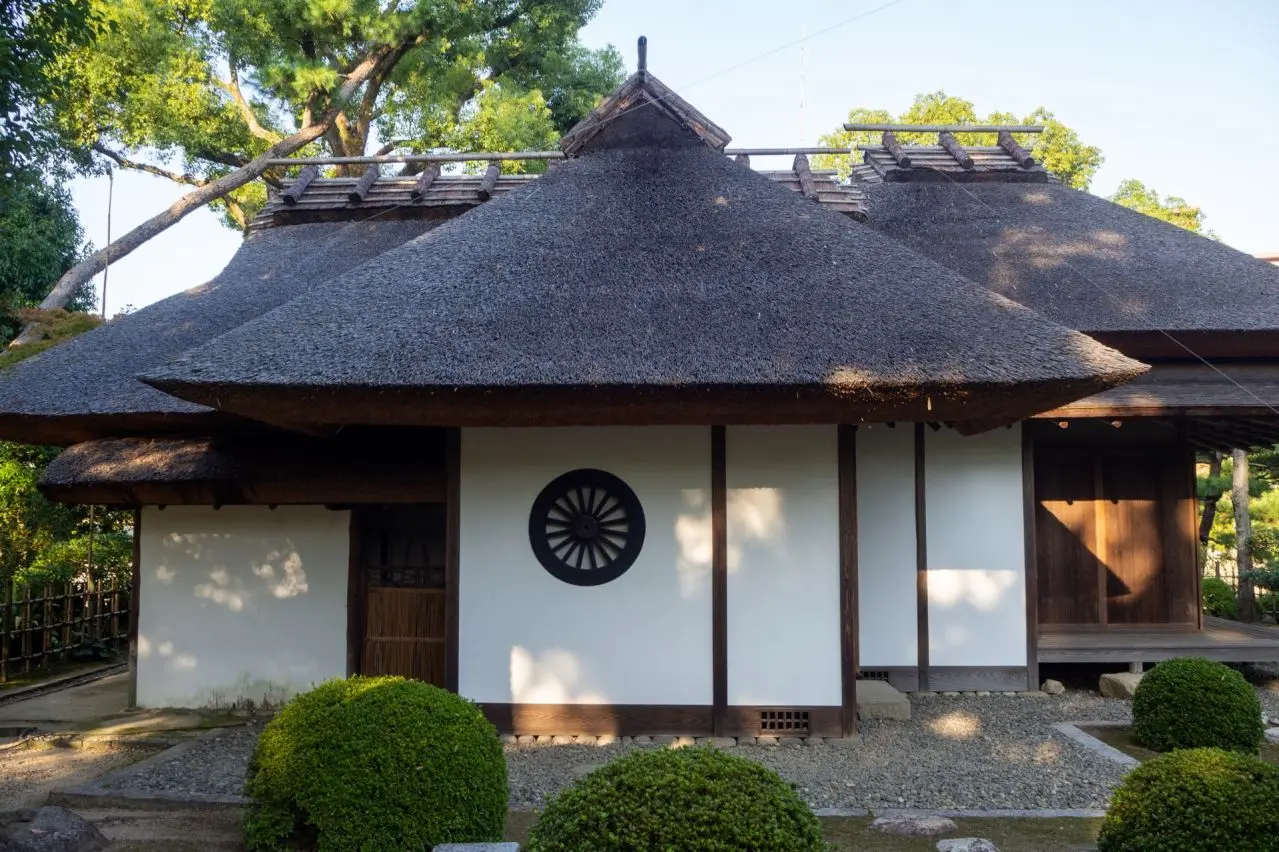
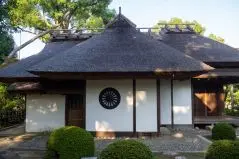
Shukkeien reopened in 1951, and restoration work continued thereafter. Seifukan was restored in 1964, followed by the sukiya-style teahouse Meigetsutei in 1974. Today, the garden’s former beauty has been brought back to life.
### Shukkeien from the Meiji Period Onward
From the Meiji period onward, Shukkeien continued to be used as a villa of the Asano family.
During the First Sino-Japanese War in 1894, the Imperial General Headquarters was established within Hiroshima Castle, and Shukkeien was used as an auxiliary facility supporting the headquarters. At that time, Seifukan served as the residence of Emperor Meiji.
In 1913, the Kankokan, a facility for exhibiting artworks and other objects, was established, and the garden was opened to the general public. Later, in 1939, the Asano family donated Shukkeien to Hiroshima Prefecture, making it a garden widely enjoyed by local residents.
### Shukkeien Today
Today, Shukkeien is cherished by many tourists and local residents as a tranquil retreat where visitors can experience nature despite being in central Hiroshima.
The garden also attracted attention during the 2023 G7 Hiroshima Summit, when the spouses of national leaders visited as part of the Partners’ Program.
Matcha experiences and seasonal events are held within the garden, offering visitors an opportunity to experience the appeal of Japanese culture and traditional gardens firsthand.
With its long history and beauty throughout the seasons, Shukkeien continues to captivate visitors as a celebrated garden symbolizing Hiroshima’s history, culture, and nature.
Hiroshima Tourist Attractions
View List
Hiroshima Peace Memorial (Genbaku Dome)
The Atomic Bomb Dome is a UNESCO World Heritage Site located in Hiroshima City, and it is a building that was damaged by the first nuclear weapon used in human histo...

Miyajima Aquarium
Miyajima Aquarium is one of the leading aquariums in the Chugoku region, featuring about 350 species and over 13,000 specimens primarily from the Seto Inland Sea. It...

Yamato Museum (Kure Maritime Museum)
The Yamato Museum (Kure Maritime History and Science Museum) is a museum that introduces the history of Kure City, which thrived as a military port where the battles...

Hiroshima Castle
Hiroshima Castle, known for its beautiful main keep built by Mori Terumoto in 1589, is also referred to as "Rijou" (Carp Castle). After the Battle of Sekigahara, the...


Hiroshima Peace Memorial Museum
The Hiroshima Peace Memorial Museum was opened in 1955 with the aim of conveying the realities of the damage caused by the atomic bomb in Hiroshima to the world, and...

Itsukushima Shrine
Itsukushima Shrine is a sacred place deeply rooted in Japan's history and culture. Constructed in the year 593, the year of Emperor Suiko's ascension, it is known as...

Kaijouji Eitaikurashiryoukan (Tetsu no Kujirakan)
Kure Maritime Museum (commonly known as the "Museum of Iron Whale") is the only museum in Japan where you can enter an actual submarine. Here, the submarine "Akishio...