Tomonoura
Tomonoura Movies


Basic Information
- Spot Name
- Tomonoura
- Location
- 〒720-0201 Tomocho, Fukuyama City, Hiroshima Prefecture
- Access
- 37 minutes by Tomotetsu Bus from JR Sanyo Shinkansen Fukuyama Station to Toma Port, alight at Toma Port.
- Parking
- Please use the nearby paid parking lots.
- Business Hours
- Open for visits freely.
- Contact Information
- Phone Number:084-928-1043
- Official Website
Map
Detailed Information
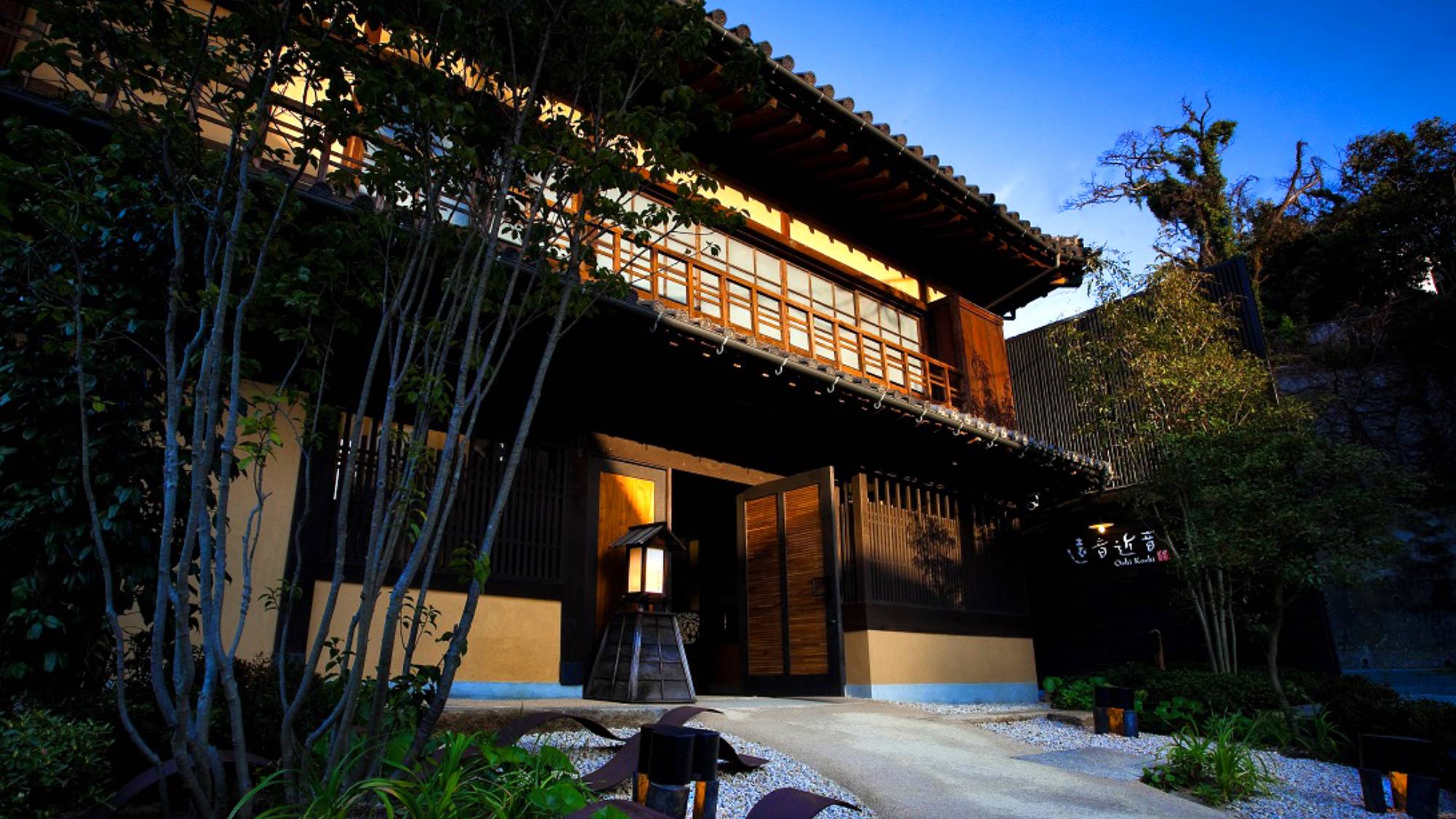
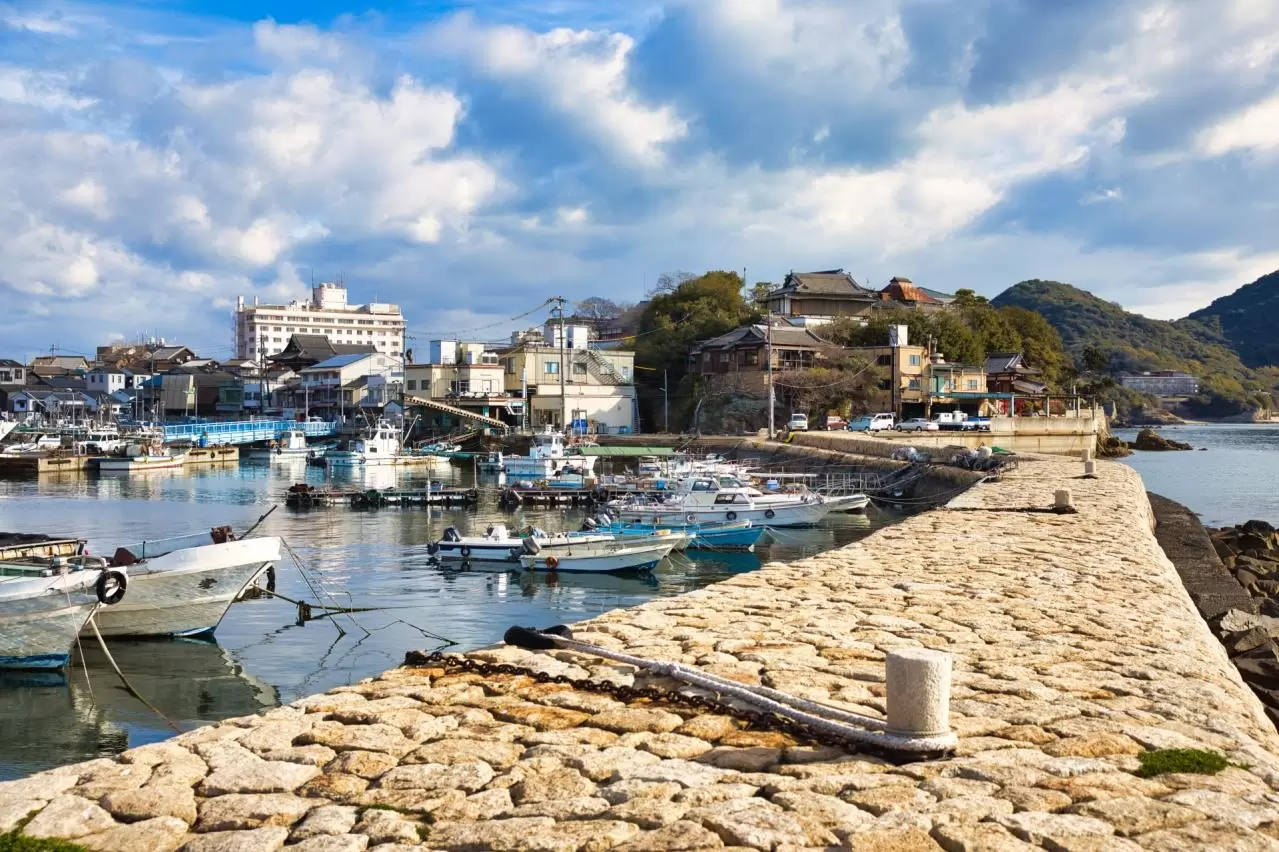
Tomonoura is a historic port town located along the Seto Inland Sea in the southern part of Fukuyama City, Hiroshima Prefecture. Situated approximately 14 kilometers south of Fukuyama Station and almost in the center of the Seto Inland Sea, it has flourished since ancient times as a “port for waiting for the tide.” Because it faces waters where the currents change with the ebb and flow of the tide, ships in the past would stop here and wait for the tide to turn before continuing their journeys.
Tomonoura has an exceptionally long history. The *Man’yoshu*, an anthology of Japanese poetry believed to have been compiled in the latter half of the eighth century, contains eight poems about Tomonoura. Known as a port town for more than 1,200 years, it developed from ancient times through the medieval and early modern periods as an important center of trade and maritime transportation.
Tomonoura is also one of the scenic highlights of Setonaikai National Park, one of the first national parks designated in Japan. The beautiful view of Sensui Island and Benten Island floating on the calm waters of the Seto Inland Sea was so highly praised that it was described as “the finest scenic view in all of Japan.”
## A Port That Flourished as a Place to Wait for the Tide
Since ancient times, Tomonoura has flourished as an important stopover on east–west sea routes. Because it is located where the currents of the Seto Inland Sea change, sailors would wait here for favorable tides and winds to ensure safe voyages.
During the medieval period, Tomonoura became a center of trade and military activity. In the Edo period, it prospered as a port of call for *kitamaebune* cargo ships. It was also frequently visited by foreign delegations, including Korean envoys, Ryukyuan missions, and the heads of the Dutch trading post, giving the port town an international character.
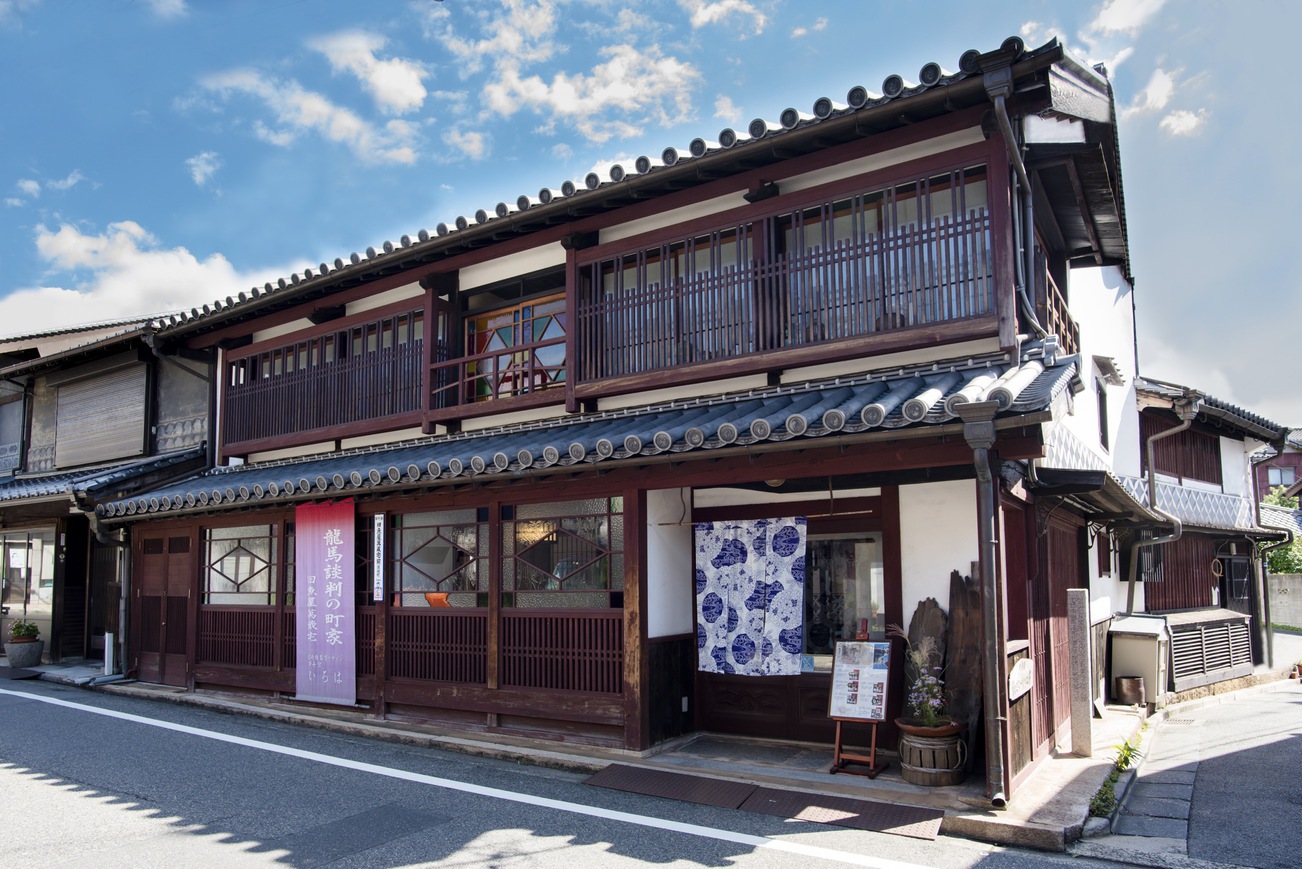
At the end of the Edo period, Tomonoura became famous as the site of the Irohamaru Incident, in which the ship *Irohamaru*, operated by the Kaientai organization led by Sakamoto Ryoma, collided with a ship belonging to the Kishu domain. Ryoma is said to have landed at Tomonoura and conducted negotiations there.
## Edo-Period Port Facilities That Still Remain Today
One of Tomonoura’s greatest attractions is the fact that its Edo-period port facilities remain largely intact. In particular, it is said that Tomonoura is the only port in Japan where all of the following facilities have survived:
- Stone lantern
- Gangi steps
- Breakwater
- Taku-ba loading area
- Ship inspection station
### Stone Lantern
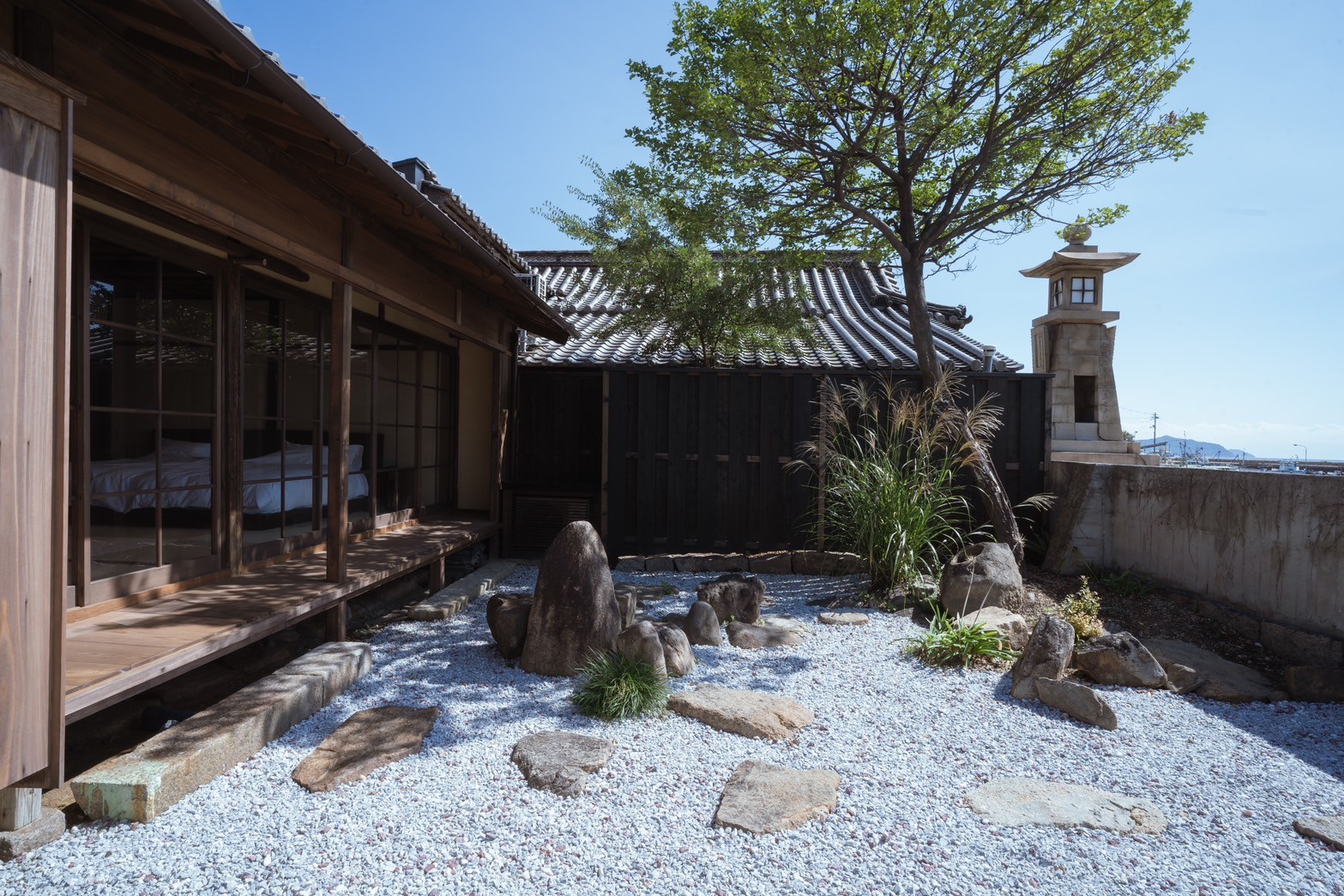
The stone “常夜燈” (*joyato*), known as a symbol of Tomonoura, has continued to illuminate the harbor for more than 160 years. At dusk, its gentle light comes on, creating a charming scene filled with the atmosphere of a traditional port town.
### Gangi Steps
The stone, stair-like landing known as a “gangi” is another distinctive feature. Built to accommodate the large tidal range of the Seto Inland Sea, it creates a unique landscape that appears and disappears with the rise and fall of the tide.
### Breakwater
At the end of the harbor stands a curved stone breakwater known as a “hato.” It is a valuable historic heritage site that conveys the appearance of an Edo-period port town to the present day.
## Important Preservation District for Groups of Traditional Buildings and Japan Heritage
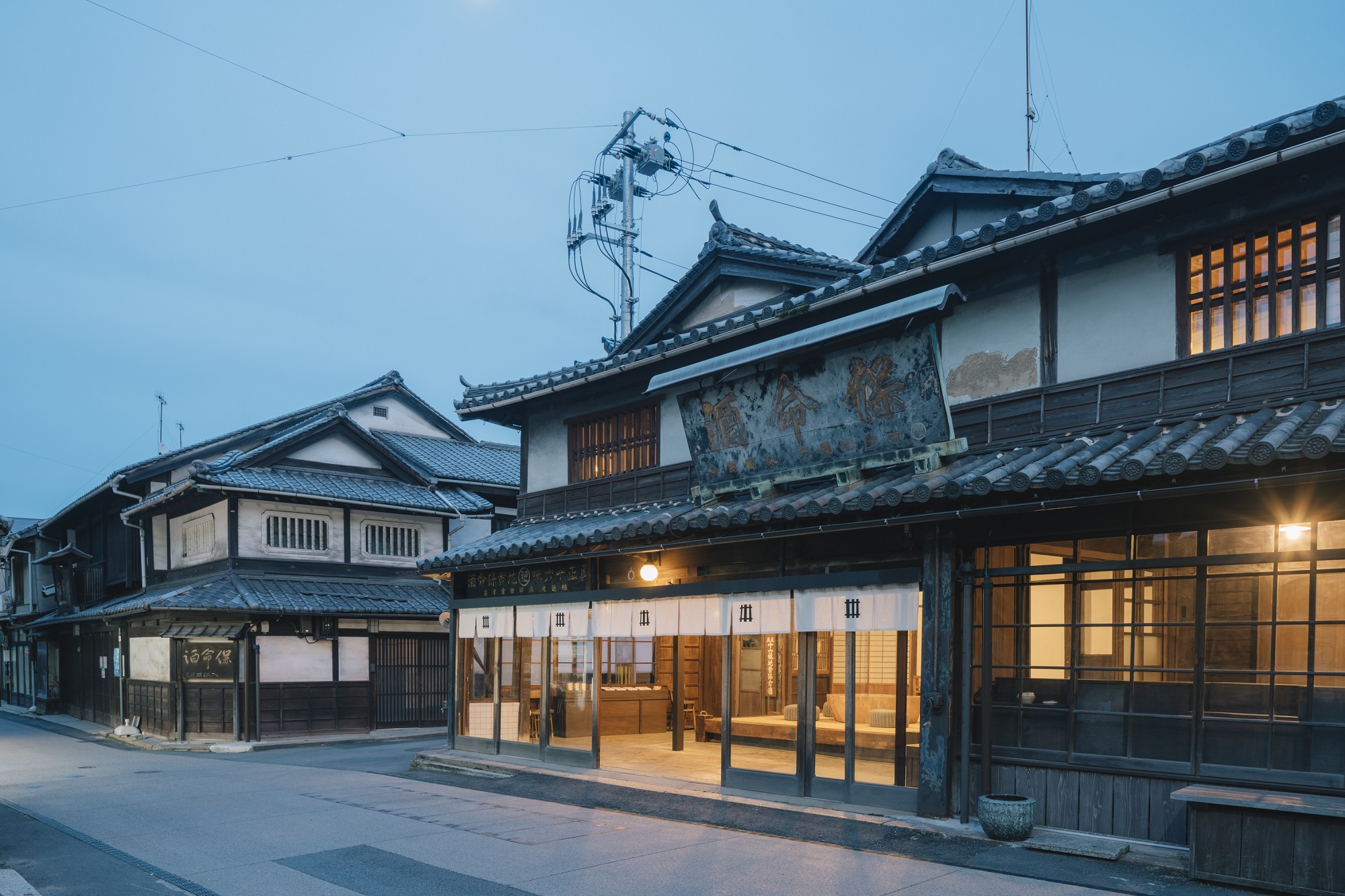
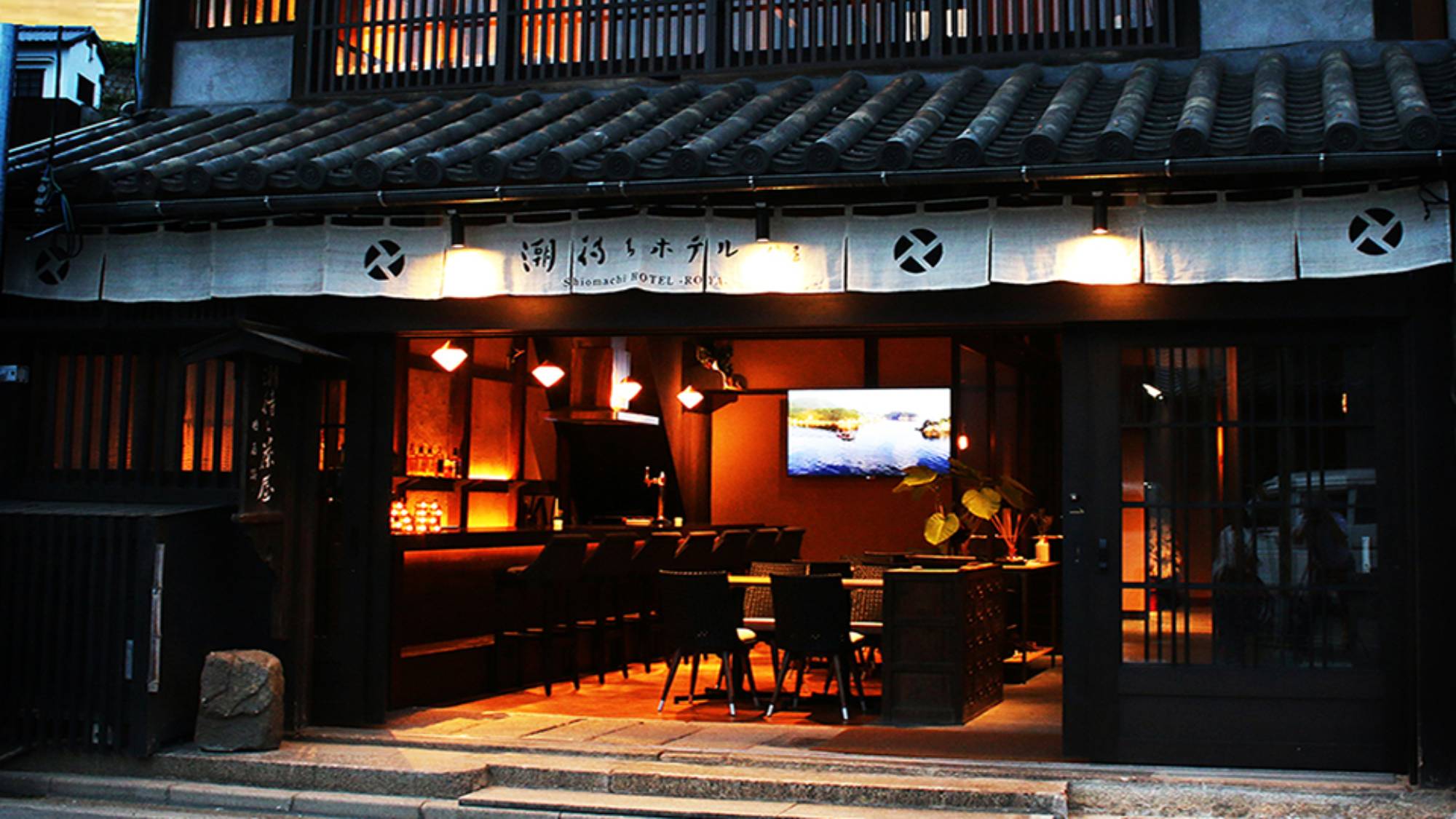
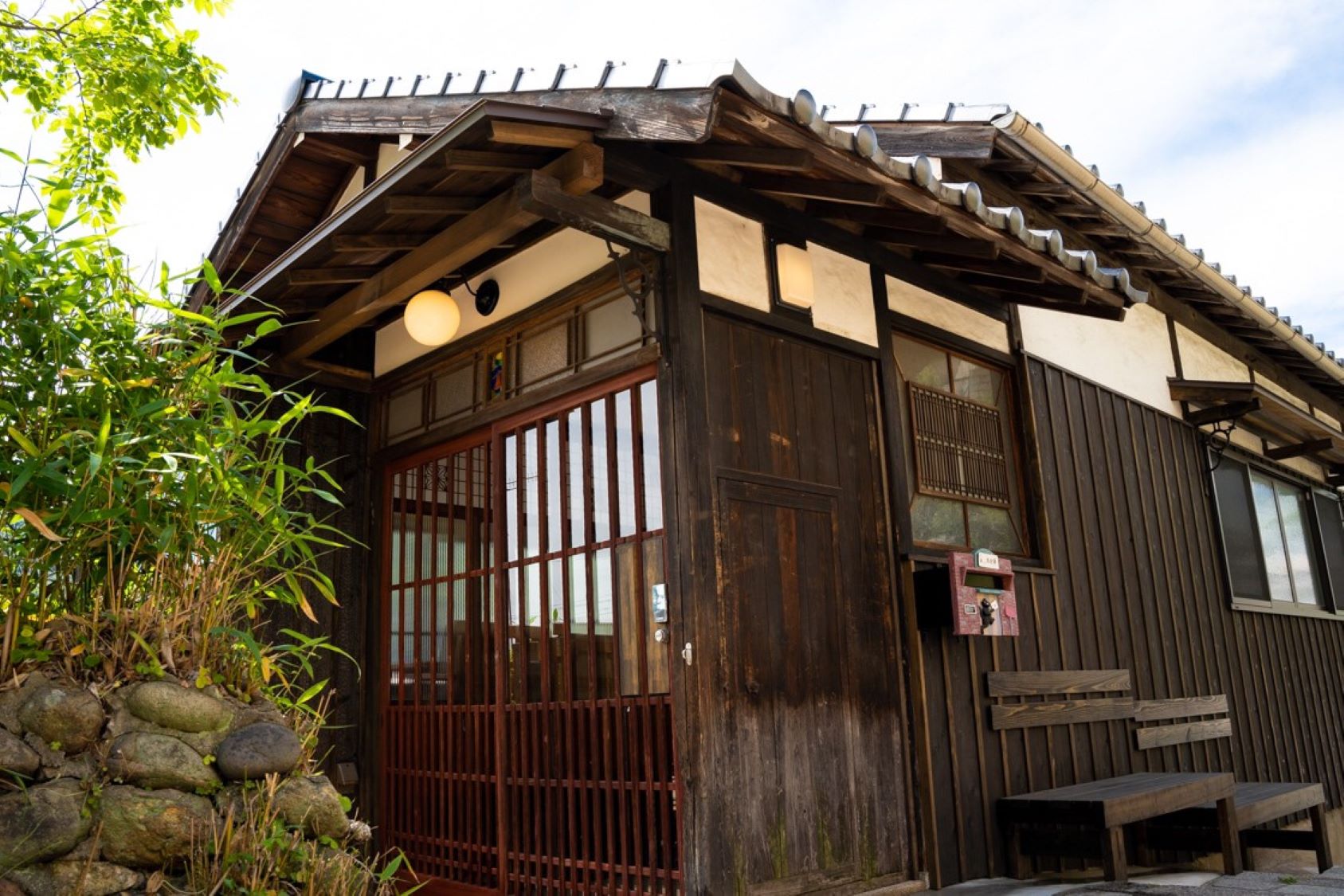
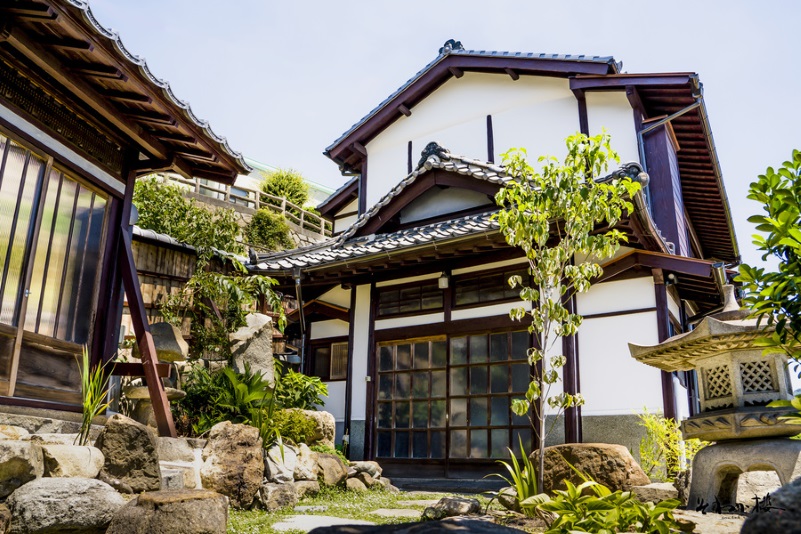
Tomonoura still retains much of the townscape that has continued from the Edo period. Narrow lanes, traditional merchant houses, residences of wealthy merchants, temples, and shrines line the streets, giving the entire town an atmosphere reminiscent of the setting of a historical drama.
Recognizing this historical value, the area was designated in 2017 as a National Important Preservation District for Groups of Traditional Buildings.
In 2018, the story
“Tomonoura: A Leading Early Modern Port Town Embraced by the Evening Calm of the Seto Inland Sea—Where Everyday Life Blends into a Sepia-Toned Port Town”
was recognized as a Japan Heritage story.
Tomonoura is also known throughout Japan as an exceptionally rare area associated with three major forms of recognition:
- National Important Preservation District for Groups of Traditional Buildings
- Japan Heritage
- A place connected with materials related to the Korean envoys that have been inscribed on UNESCO’s Memory of the World Register
## The Spectacular View from Fukuzenji Temple’s Taicho-ro
One of Tomonoura’s most famous attractions is Fukuzenji Temple’s Taicho-ro.
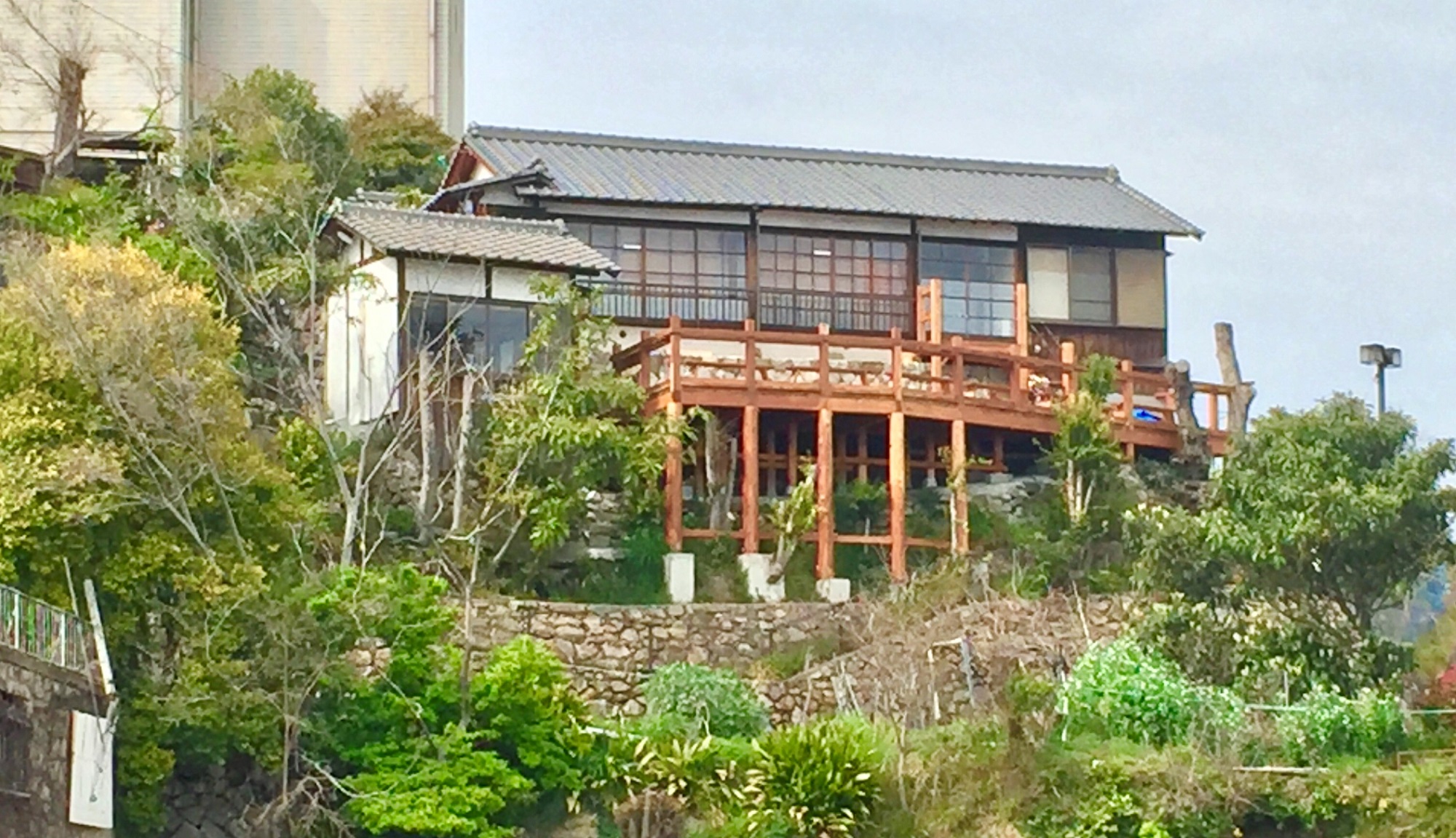
Fukuzenji is a Shingon Buddhist temple believed to have been founded in the middle of the Heian period. Taicho-ro, the guest hall adjoining the main temple building, was constructed around 1690. It was used as a reception hall for Korean envoys and has a history of welcoming distinguished guests from overseas.
The view of the Seto Inland Sea from the tatami-floored room is breathtaking. It became famous when Yi Bang-eon, an official accompanying the Korean envoys, praised it as “the finest scenic view in all of Japan.”
The tranquil seascape overlooking Sensui Island and Benten Island continues to attract many visitors today.
## Places Connected with Sakamoto Ryoma
Tomonoura is also popular as a place associated with Sakamoto Ryoma. It was the site of the Irohamaru Incident at the end of the Edo period, and various places connected with Ryoma can be found throughout the town.
### Irohamaru Exhibition Hall
This museum offers an in-depth look at Ryoma, the Kaientai, and the Irohamaru Incident.
### The Masuya Seiuemon Residence
This is said to be the place where Ryoma stayed while negotiating the incident. It is a must-see destination for history enthusiasts.
## Homeishu and Taiami Fishing
### Homeishu
Tomonoura’s famous local specialty, “Homeishu,” is a medicinal liquor made by adding herbal ingredients to glutinous rice and koji rice. With a tradition dating back approximately 380 years, it is also known as a “Japanese liqueur.”
The Ota Residence, once the home and brewery of a Homeishu producer, has been designated as an Important Cultural Property of Japan, allowing visitors to admire its historic architecture.
### Taiami Fishing
Tomonoura is also famous for *taiami*, a traditional fishing method that has continued since the early Edo period. This spectacular technique uses a large net to catch sea bream that come to the Seto Inland Sea during their spawning season. Today, visitors can watch demonstrations of tourist taiami fishing around May each year.
## Famous as a Setting for Films and Anime
With its beautiful scenery and nostalgic townscape, Tomonoura is also well known as a filming location for many movies and television dramas.
The most famous example is *Ponyo*, the Studio Ghibli film directed by Hayao Miyazaki. Miyazaki is known to have stayed in Tomonoura, and the town is said to have inspired the conception of the film.
Tomonoura has also been used as a filming location for:
- The Hollywood film *The Wolverine: SAMURAI*
- The television drama *Ryusei Wagon*
## The Charms of Tomonoura
The appeal of Tomonoura lies in the fact that it is more than just a tourist destination—the lifestyle of a historic port town is still alive here today.
The townscape, which has changed little since the Edo period, stone-paved lanes, boats rocking in the harbor, and the tranquil scenery of the Seto Inland Sea evoke a sense of nostalgia simply by walking through the town.
Another major attraction is that many of the principal sights are within walking distance of one another, allowing visitors to enjoy the town’s history and atmosphere at a leisurely pace.
Why not spend a relaxing time surrounded by the beautiful scenery of the Seto Inland Sea while experiencing the atmosphere of this ancient port town?
#Townscape/Bikan Historical Quarter #Cultural assets/historic sites
Hiroshima Tourist Attractions
View List
Hiroshima Peace Memorial (Genbaku Dome)
The Atomic Bomb Dome is a UNESCO World Heritage Site located in Hiroshima City, and it is a building that was damaged by the first nuclear weapon used in human histo...

Yamato Museum (Kure Maritime Museum)
The Yamato Museum (Kure Maritime History and Science Museum) is a museum that introduces the history of Kure City, which thrived as a military port where the battles...

Hiroshima Castle
Hiroshima Castle, known for its beautiful main keep built by Mori Terumoto in 1589, is also referred to as "Rijou" (Carp Castle). After the Battle of Sekigahara, the...

Shukkei-en Garden
Shukkeien Garden is a daimyo garden built in 1620 as a retreat for the Hiroshima feudal lord, Asano Nagamasa, by his tea-master retainer, Ueda Soko. It is known to h...

Hiroshima Peace Memorial Museum
The Hiroshima Peace Memorial Museum was opened in 1955 with the aim of conveying the realities of the damage caused by the atomic bomb in Hiroshima to the world, and...

Miyajima Aquarium
Miyajima Aquarium is one of the leading aquariums in the Chugoku region, featuring about 350 species and over 13,000 specimens primarily from the Seto Inland Sea. It...

Itsukushima Shrine
Itsukushima Shrine is a sacred place deeply rooted in Japan's history and culture. Constructed in the year 593, the year of Emperor Suiko's ascension, it is known as...

Kaijouji Eitaikurashiryoukan (Tetsu no Kujirakan)
Kure Maritime Museum (commonly known as the "Museum of Iron Whale") is the only museum in Japan where you can enter an actual submarine. Here, the submarine "Akishio...