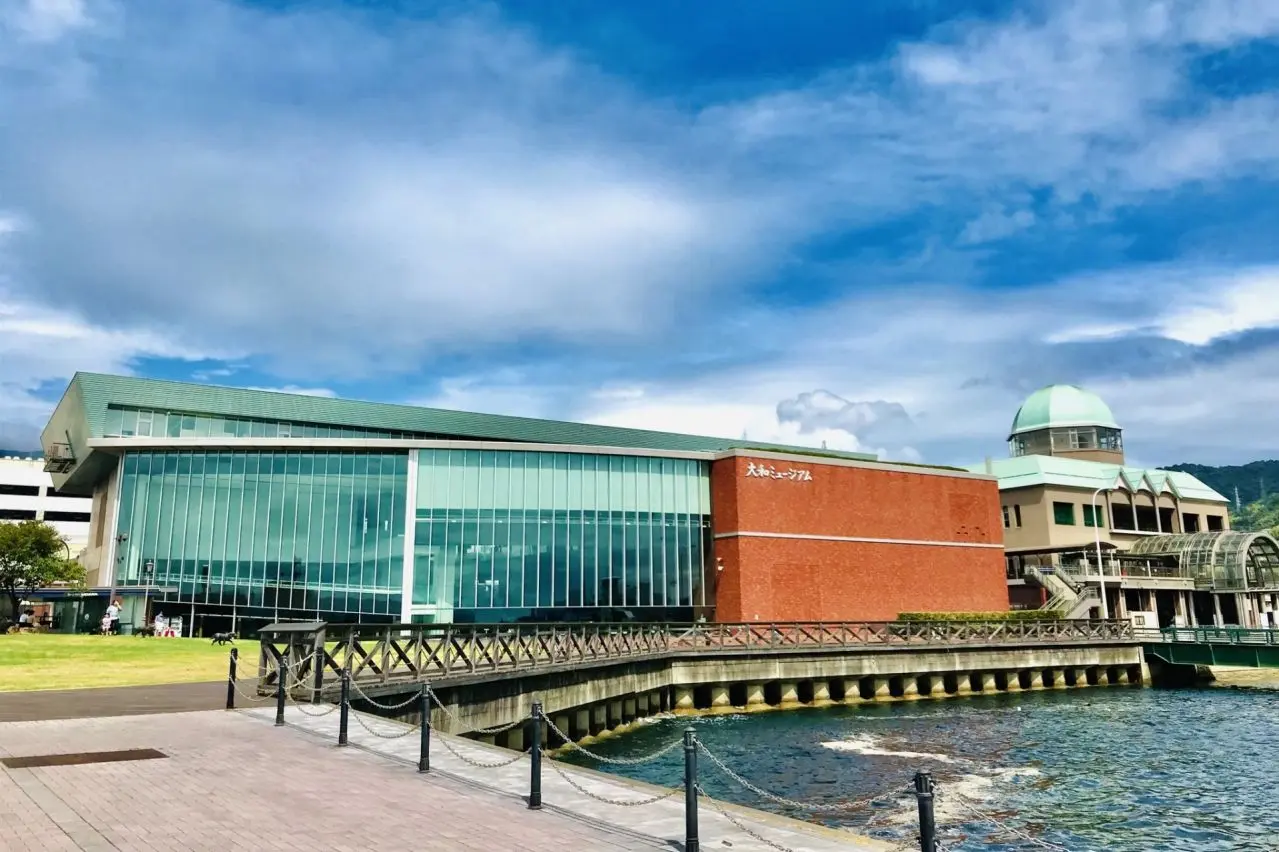

Yamato Museum (Kure Maritime Museum)
Yamato Museum (Kure Maritime Museum) Movies


Basic Information
- Spot Name
- Yamato Museum (Kure Maritime Museum)
- Location
- 〒737-0029 5-20 Takara-cho, Kure City, Hiroshima Prefecture
- Access
- 5-minute walk from JR Kure Station.
- Parking
- 67 vehicles
- Business Hours
- 9:00 AM - 5:30 PM (Last admission at 6:00 PM)
- Regular Holiday
- Closed on Tuesdays. If Tuesday is a holiday, it will be closed the following day. Open without a break from April 29 to May 5, July 21 to August 31, and December 29 to January 3.
- Fees
- Permanent exhibition general / 500 yen, permanent exhibition high school students / 300 yen, permanent exhibition elementary and junior high school students / 200 yen
- Contact Information
- Phone Number:0823-25-3017
- Official Website
Map
Detailed Information
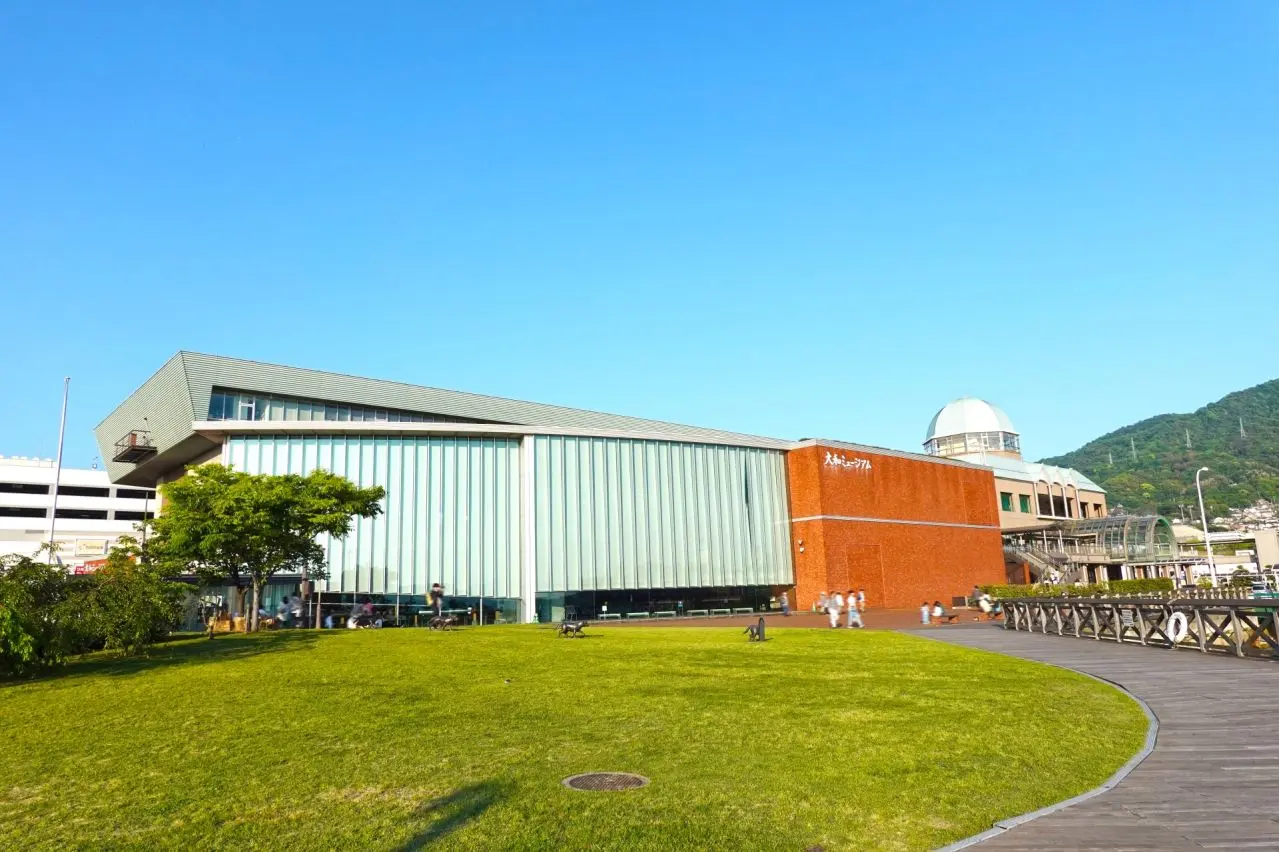
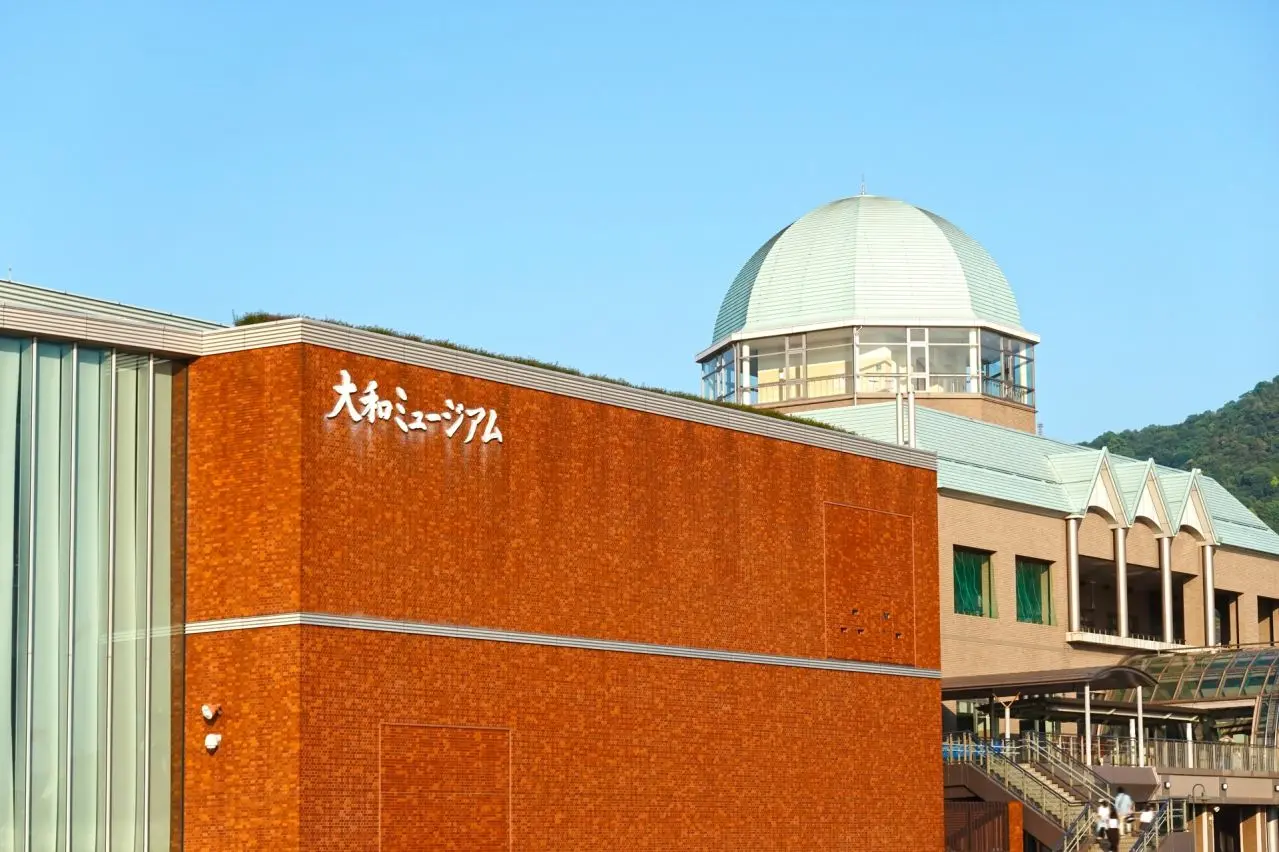
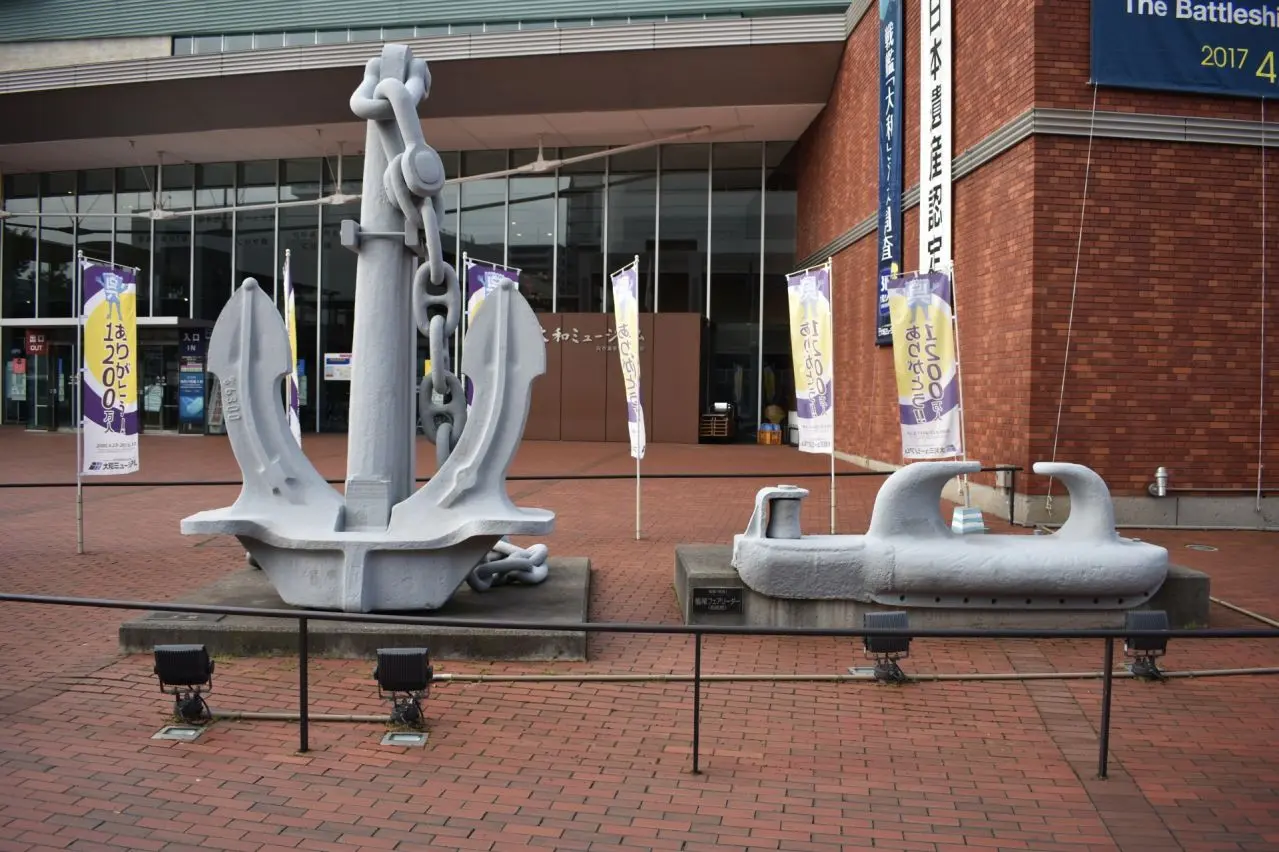
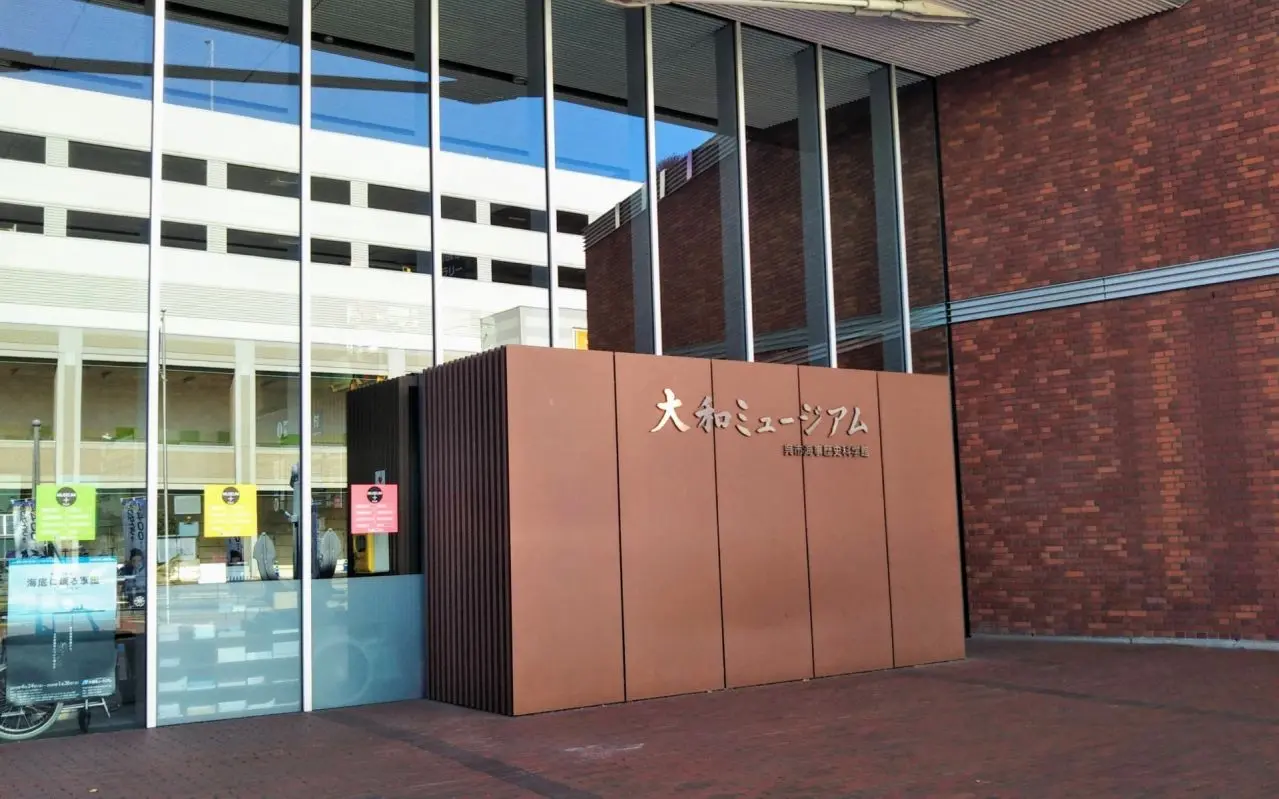
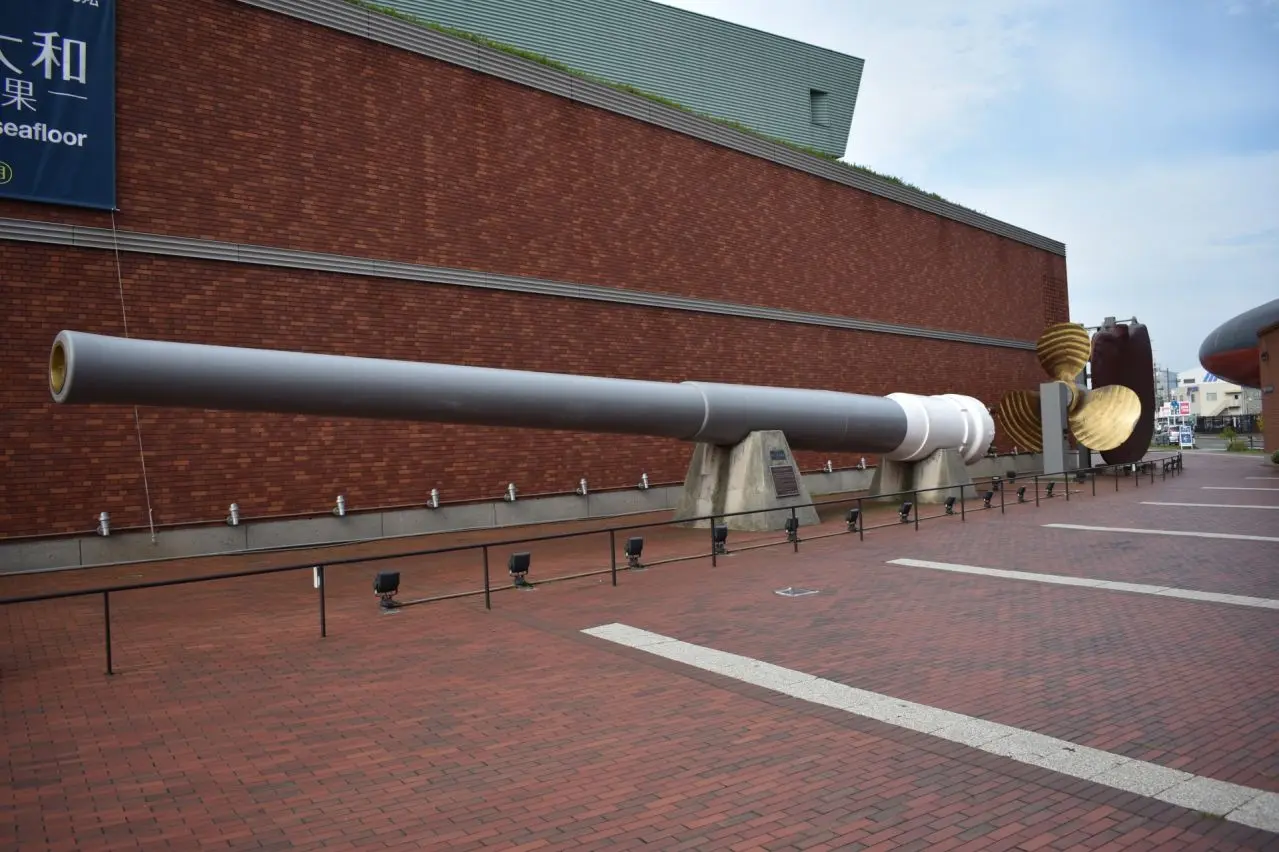
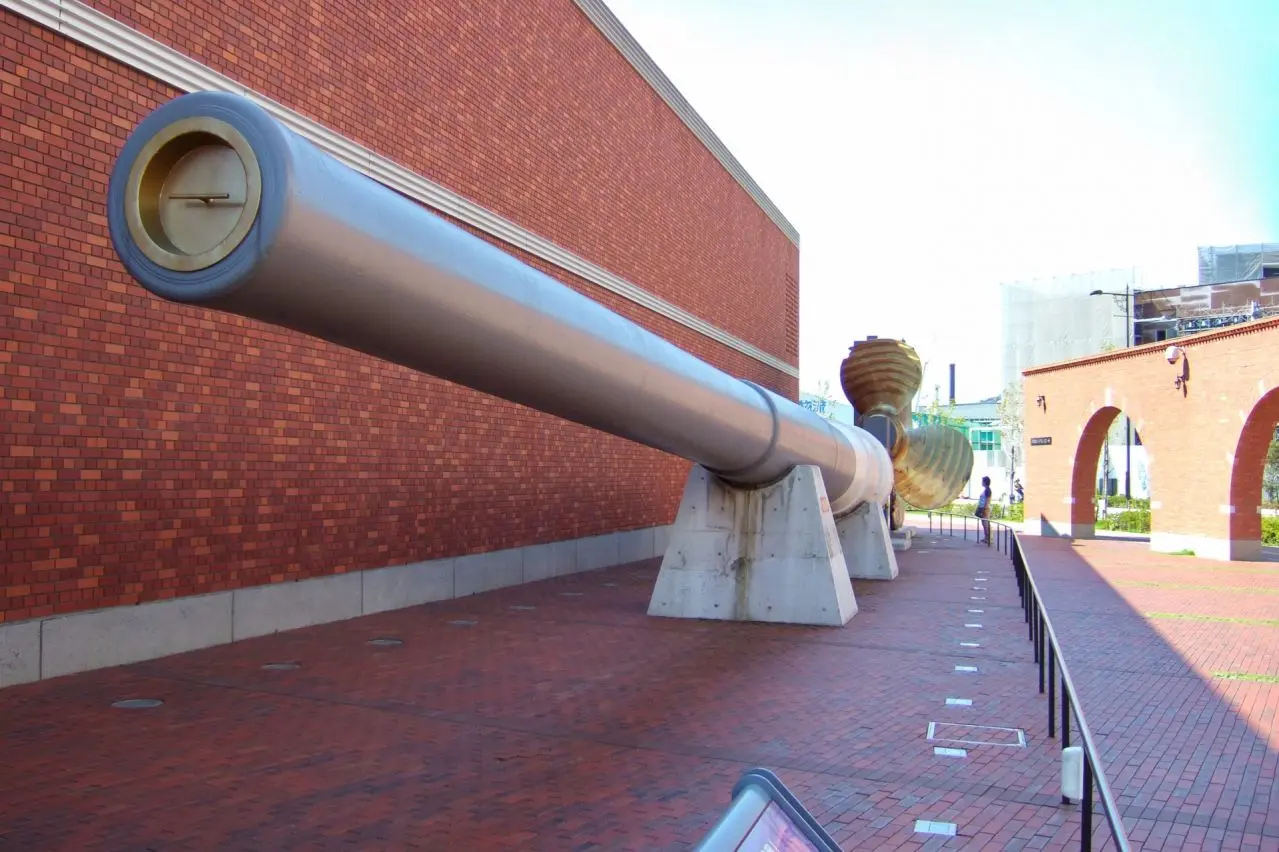
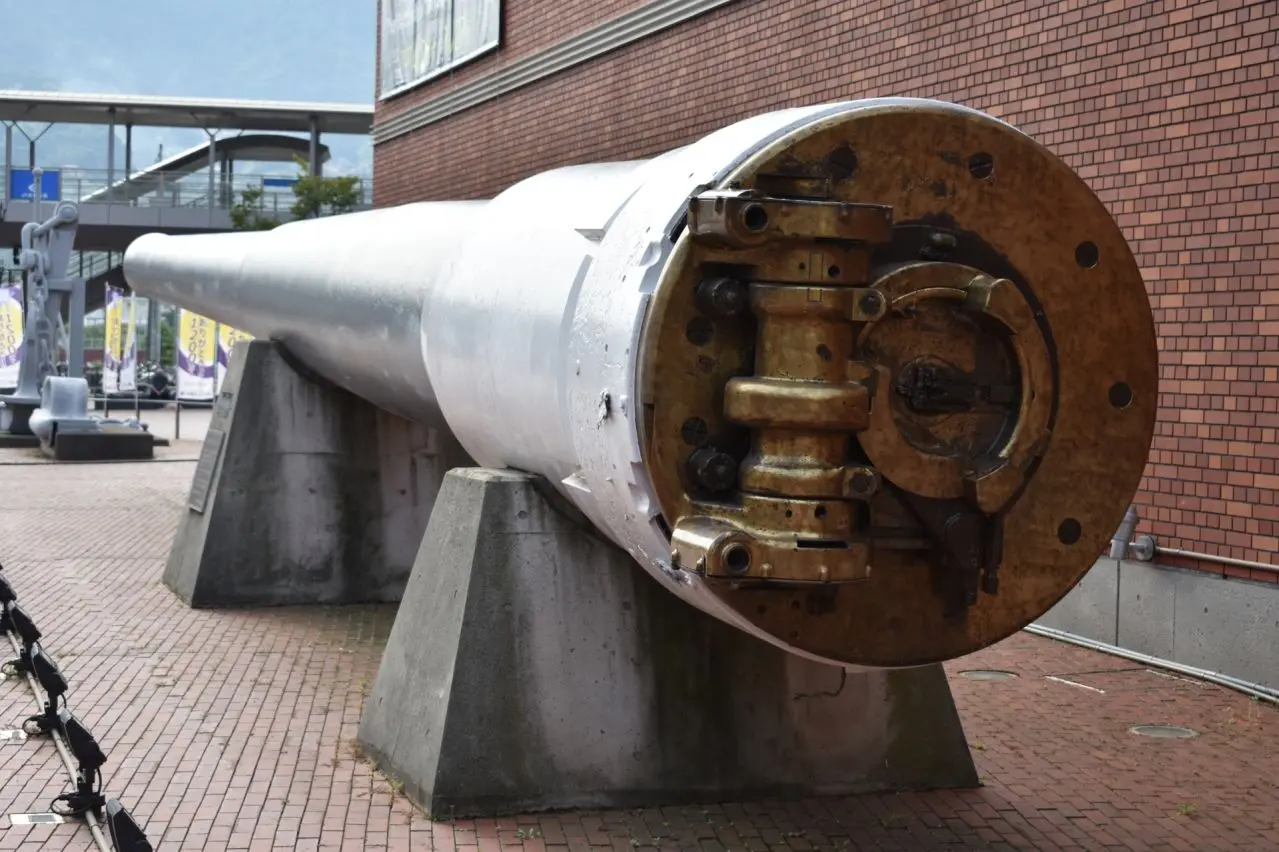
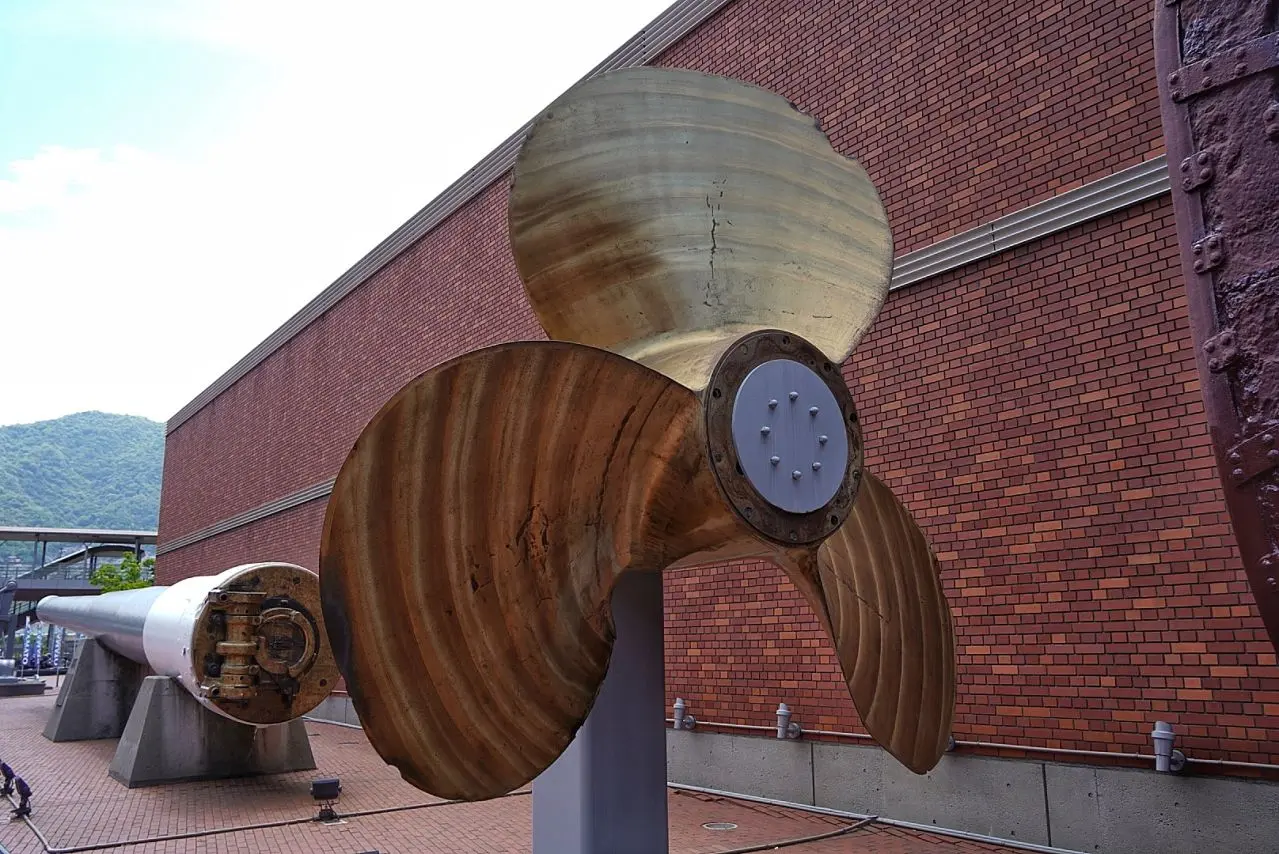
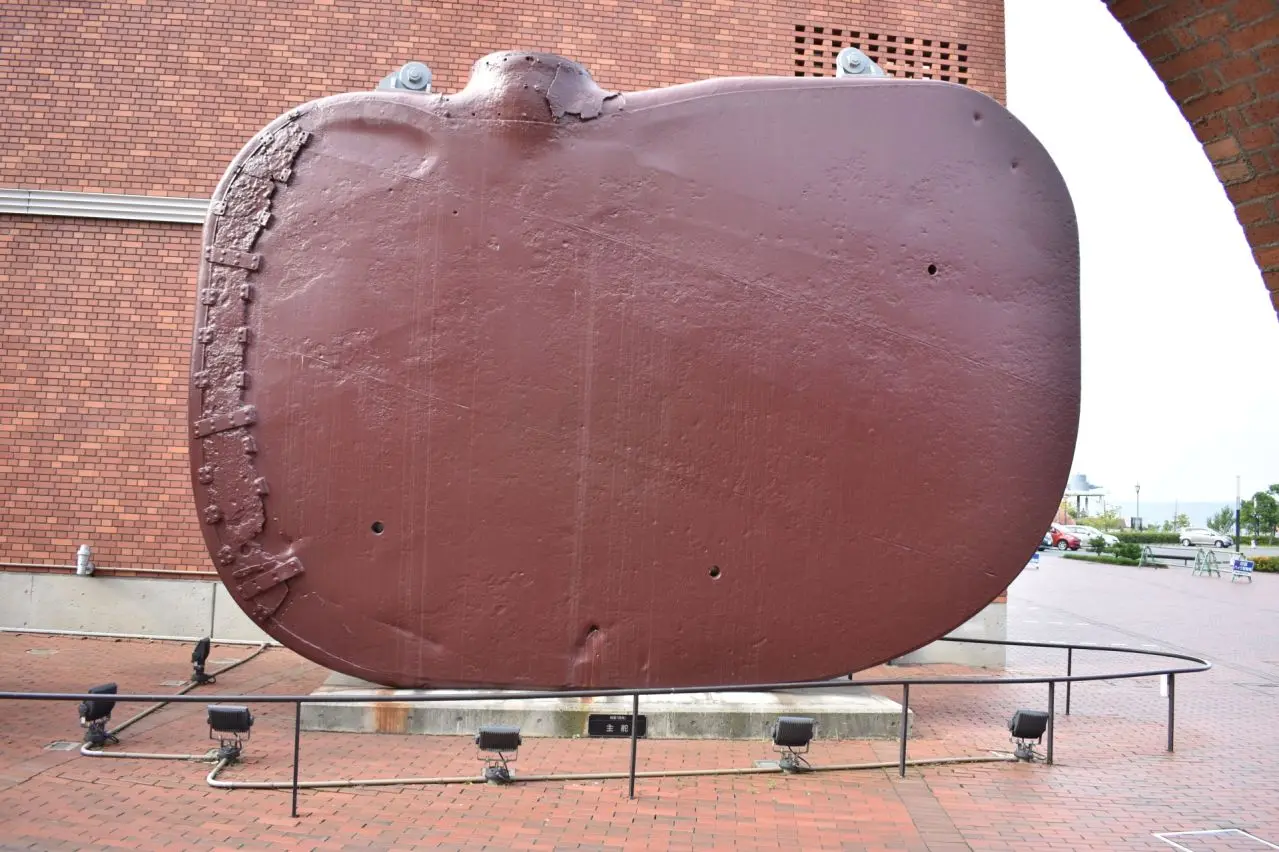
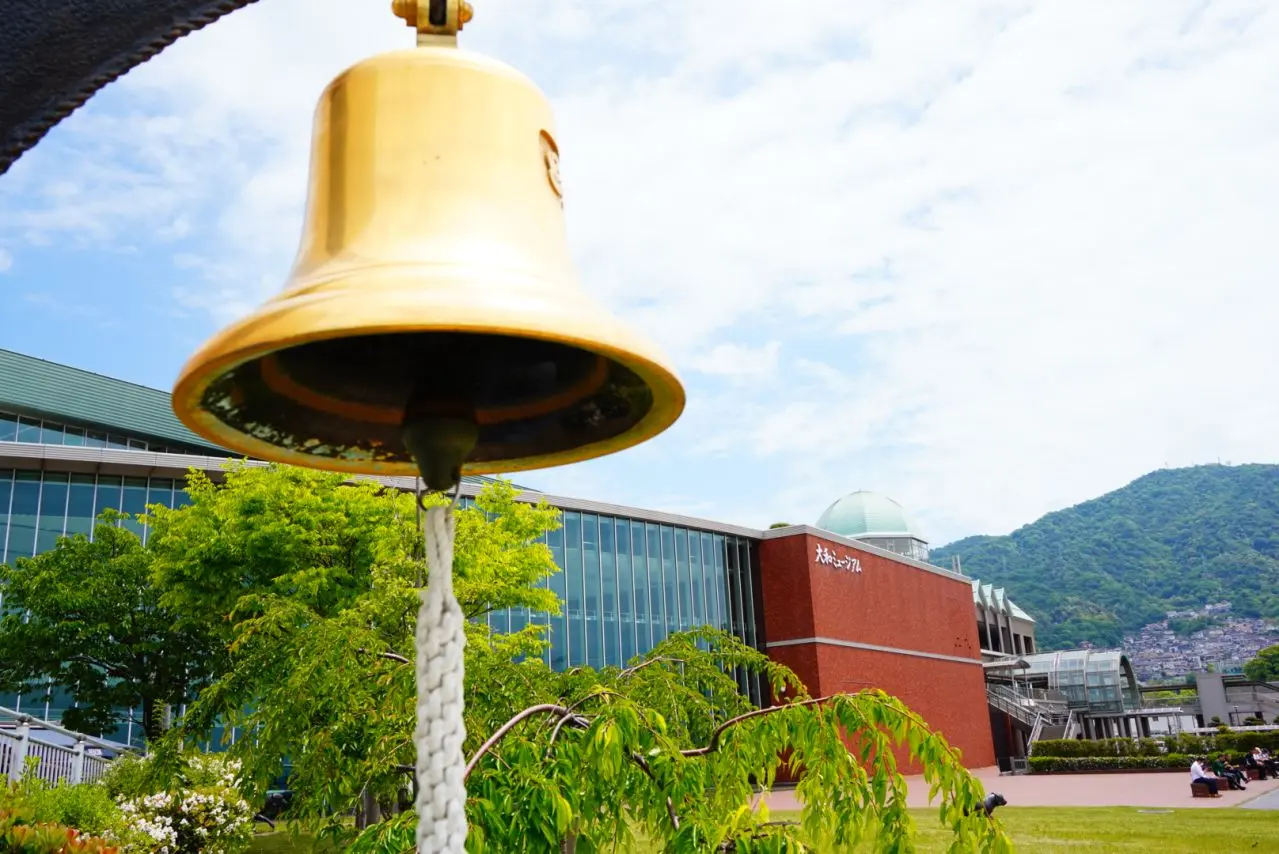
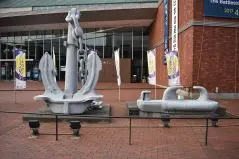
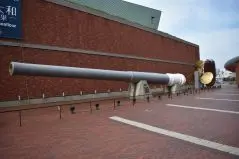
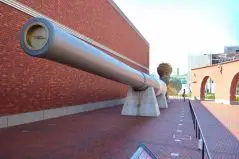
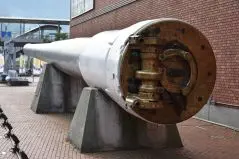
The Yamato Museum (officially known as the Kure Maritime Museum) is a museum in Kure, Hiroshima Prefecture, dedicated to maritime affairs, history, science, and technology. It is known as a place where visitors can learn about the history of Kure, the naval port city where the battleship *Yamato* was built; the shipbuilding and steelmaking technologies that supported Japan’s modernization; and the themes of war and peace.
Kure developed as an important base of the former Imperial Japanese Navy and flourished as a “naval arsenal town” where numerous vessels, including the battleship *Yamato*, were constructed. After World War II, the city continued to support Japan’s shipbuilding industry through the construction of large tankers and played a role in Japan’s rise to become one of the world’s leading shipbuilding nations. Through the history of Kure, the Yamato Museum introduces the history of Japan’s modernization and the development of the science and technology that supported manufacturing.
## The Overwhelming Presence of the 1/10-Scale Battleship *Yamato*
The first thing visitors see upon entering the museum is its symbol: the 1/10-scale model of the battleship *Yamato*.
The model measures approximately 26.3 meters in length and has an astonishing presence, much like the original vessel. It was built using advanced shipbuilding techniques and recreated as faithfully as possible based on original blueprints and photographs, crew members’ testimonies, and underwater survey footage of the *Yamato* resting on the seabed.
The model also incorporates findings from recent research. For example, updates based on new discoveries include a correction to the size of the chrysanthemum crest on the bow, which was revealed through an underwater survey conducted in 2016. Rather than being a mere model display, it is an evolving exhibit that incorporates the results of ongoing historical research.
This enormous model not only conveys the history of war, but also serves as a reminder of Japan’s advanced shipbuilding technology and scientific capabilities at the time. It stands as a symbol that passes on the importance of peace and the wonders of science and technology to future generations.
## Learning About War and Technology Through Original Artifacts
The large exhibit hall on the first floor displays valuable weapons and historical materials that were actually used. Particularly noteworthy exhibits include:
- Type 62 Zero carrier-based fighter aircraft (Zero fighter)
- Type 10 *Kaiten* human torpedo (prototype)
- *Kairyu* special submarine
These are not replicas but original artifacts—extremely valuable items that survived the ravages of war. Seeing them up close gives visitors a strong sense of the high level of technology at the time and the reality of war.
The museum’s exhibits present the history of war and the lives of people living in that era from an objective perspective, allowing visitors to learn about the tragedy of war and the importance of peace. The video presentations and explanations by museum curators are also calm and informative, making it possible to study history objectively.
## Third-Floor Exhibits Showcasing Kure’s Manufacturing and Science and Technology
The third floor features exhibits centered on the theme of “Kure, a city of manufacturing.”
Focusing on the technologies developed at the Kure Naval Arsenal and the Hiro Naval Arsenal, the exhibits introduce the science and technology that supported Japan’s modernization, including shipbuilding, steelmaking, and machining. Visitors can also learn how these technologies have been passed down to modern industries and the latest technologies.
In addition to original artifacts, the exhibits include numerous hands-on devices. Designed to be enjoyable for children as well, they allow visitors to understand the principles and mechanisms of technology while having fun.
## An Interactive Facility Enjoyable for Everyone from Children to Adults
Although the Yamato Museum is a history museum, it is also a popular destination for families.
On weekends, events such as the following are held:
- Science shows
- Craft workshops
- Hands-on events for children
These activities offer opportunities to become familiar with science and manufacturing. Because the museum combines the enjoyment of a science center with opportunities to learn about war and history, it can be enjoyed by visitors of all ages, from young children to adults.
## Reopened After Renovation in April 2026
The Yamato Museum reopened after renovation in April 2026.
The renovation included:
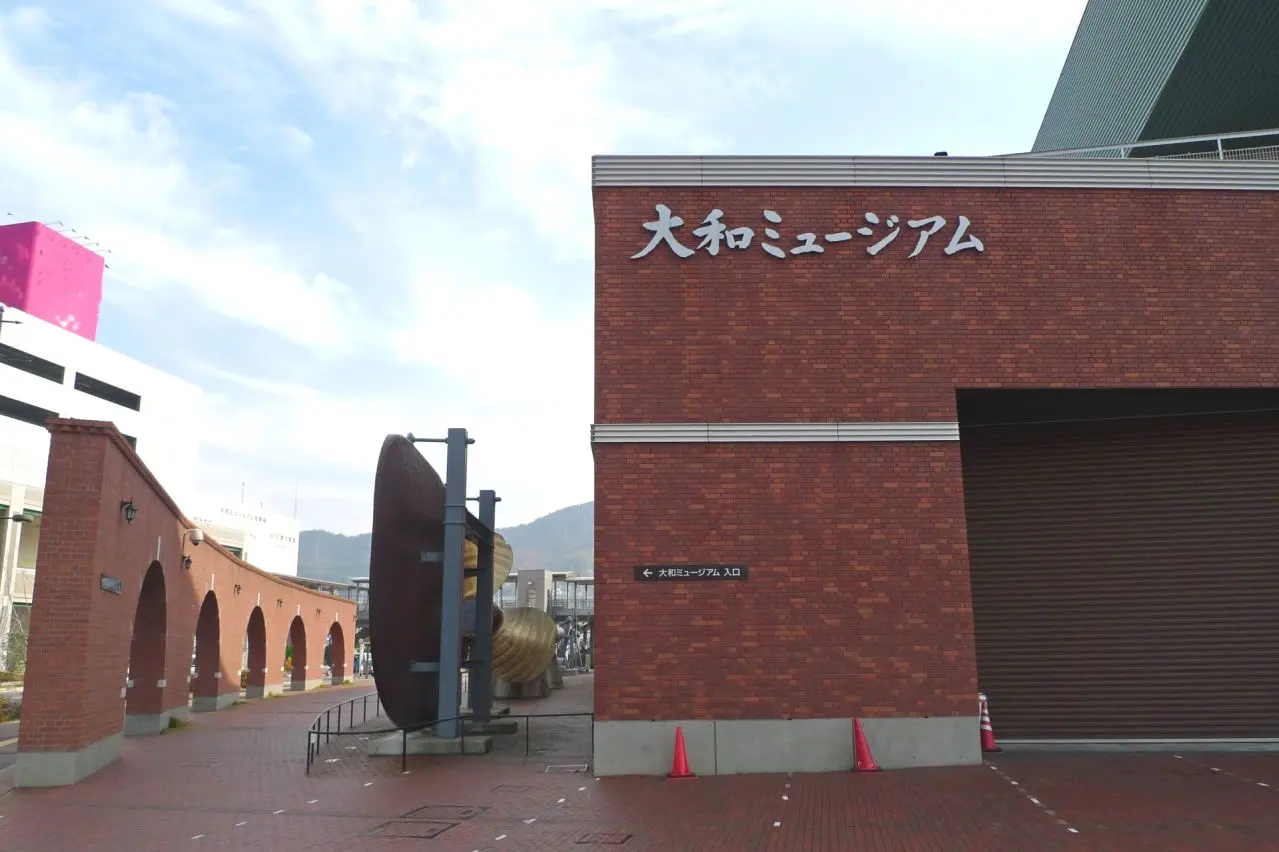
- Relocating the shop and ticket counters outdoors to reduce congestion
- Completely renovating the third-floor exhibition area
- Strengthening the preservation and display of materials that had previously been unable to be housed in the collection
- Correcting details of the 1/10-scale battleship *Yamato*
By incorporating the latest research findings and newly discovered materials, the museum has evolved into a facility where visitors can learn more deeply about Kure’s history, science, and technology.
## “Museum Shop Yamato,” Filled with Popular Souvenirs
The “Museum Shop Yamato,” which was relocated outside the museum building, is also one of its popular attractions.
Here, visitors can purchase exclusive Yamato Museum merchandise and naval-related products.
Popular items include:
- “Navy Curry,” recreated in the style of the curry served by the Japanese Navy
- *Tenugui* hand towels featuring blueprints of the battleship *Yamato*
- Caps embroidered with the silhouette of the *Yamato*
- Battleship models and stationery
Searching for souvenirs after visiting the exhibits is another enjoyable part of the experience.
## Highlights of the Yamato Museum
The appeal of the Yamato Museum lies not simply in its display of the battleship *Yamato*, but in the opportunity to learn comprehensively about Japan’s modernization, science and technology, and peace.
Its many attractions include:
- Experiencing the world’s largest battleship, the *Yamato*, up close
- Learning about Kure’s shipbuilding technology and manufacturing culture
- Understanding the reality of war through original artifacts
- Enjoying a wide range of hands-on exhibits for children
- Having fun as a family at a facility that combines a science center and a history museum
This museum, which could be said to embody the history of Kure itself, is a highly rewarding destination for anyone interested in Japan’s modern history, science and technology, or peace education.
Hiroshima Tourist Attractions
View List
Miyajima Aquarium
Miyajima Aquarium is one of the leading aquariums in the Chugoku region, featuring about 350 species and over 13,000 specimens primarily from the Seto Inland Sea. It...

Kaijouji Eitaikurashiryoukan (Tetsu no Kujirakan)
Kure Maritime Museum (commonly known as the "Museum of Iron Whale") is the only museum in Japan where you can enter an actual submarine. Here, the submarine "Akishio...

Hiroshima Peace Memorial (Genbaku Dome)
The Atomic Bomb Dome is a UNESCO World Heritage Site located in Hiroshima City, and it is a building that was damaged by the first nuclear weapon used in human histo...

Hiroshima Castle
Hiroshima Castle, known for its beautiful main keep built by Mori Terumoto in 1589, is also referred to as "Rijou" (Carp Castle). After the Battle of Sekigahara, the...

Itsukushima Shrine
Itsukushima Shrine is a sacred place deeply rooted in Japan's history and culture. Constructed in the year 593, the year of Emperor Suiko's ascension, it is known as...

Shukkei-en Garden
Shukkeien Garden is a daimyo garden built in 1620 as a retreat for the Hiroshima feudal lord, Asano Nagamasa, by his tea-master retainer, Ueda Soko. It is known to h...

Hiroshima Peace Memorial Museum
The Hiroshima Peace Memorial Museum was opened in 1955 with the aim of conveying the realities of the damage caused by the atomic bomb in Hiroshima to the world, and...