Kaijouji Eitaikurashiryoukan (Tetsu no Kujirakan)
Kaijouji Eitaikurashiryoukan (Tetsu no Kujirakan) Movies


![[観光] 艦船・潜水艦を観に呉へ 実物の潜水艦は迫力がある](https://i.ytimg.com/vi/fJjqBzJRvDs/mqdefault.jpg)


Basic Information
- Spot Name
- Kaijouji Eitaikurashiryoukan (Tetsu no Kujirakan)
- Location
- 〒737-0029 5-32 Takara-cho, Kure City, Hiroshima Prefecture
- Access
- 5-minute walk from Kure Station on the JR Kure Line.
- Parking
- Available
- Business Hours
- 10:00 AM to 5:30 PM (Last admission at 6:00 PM)
- Regular Holiday
- Closed on Tuesdays (the following day if it's a public holiday) from December 29 to January 3. Open without a holiday during Golden Week (April 29 to May 5) and summer vacation (July 21 to August 31).
- Fees
- Free
- Contact Information
- Phone Number:0823-21-6111
- Official Website
Map
Detailed Information
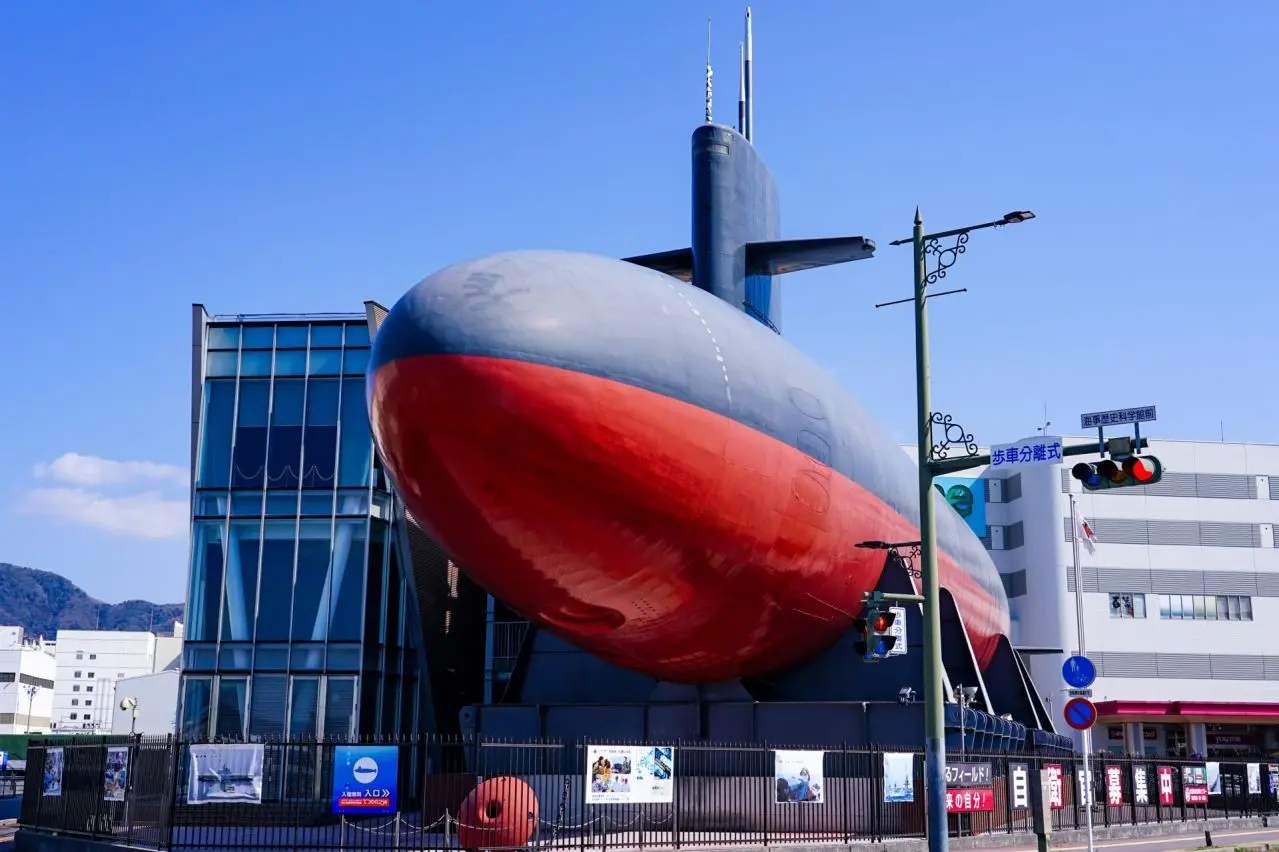
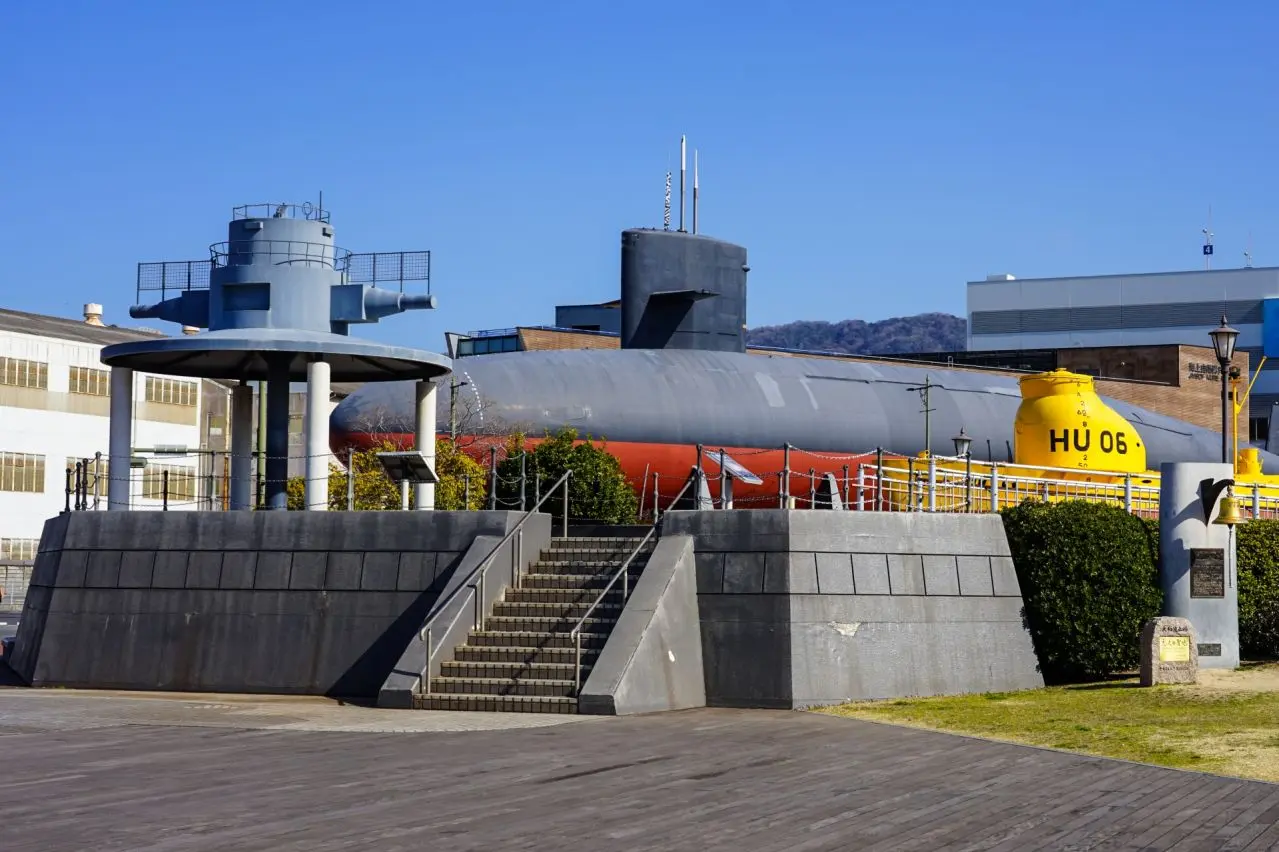
The JMSDF Kure Museum, commonly known as the “Iron Whale Museum,” is a museum in Kure, Hiroshima Prefecture, dedicated to the history and activities of the Japan Maritime Self-Defense Force. It displays the submarine Akishio, which was actually used by the JMSDF, and is known as one of the few valuable facilities in Japan where visitors can tour the interior of a real submarine.
Kure has developed as a “naval city” since the Meiji period and is still home to an important JMSDF base. Located beside Kure Harbor, which has such a rich historical background, the Iron Whale Museum offers visitors a valuable opportunity to learn in detail about the activities of the JMSDF, submarines, and mine-clearing operations. The Yamato Museum is located next door, and many tourists visit both museums together.
The museum is popular with visitors of all ages as a place where they can learn while having fun, and it is also well liked by school groups and tourists.
## About the Submarine Akishio
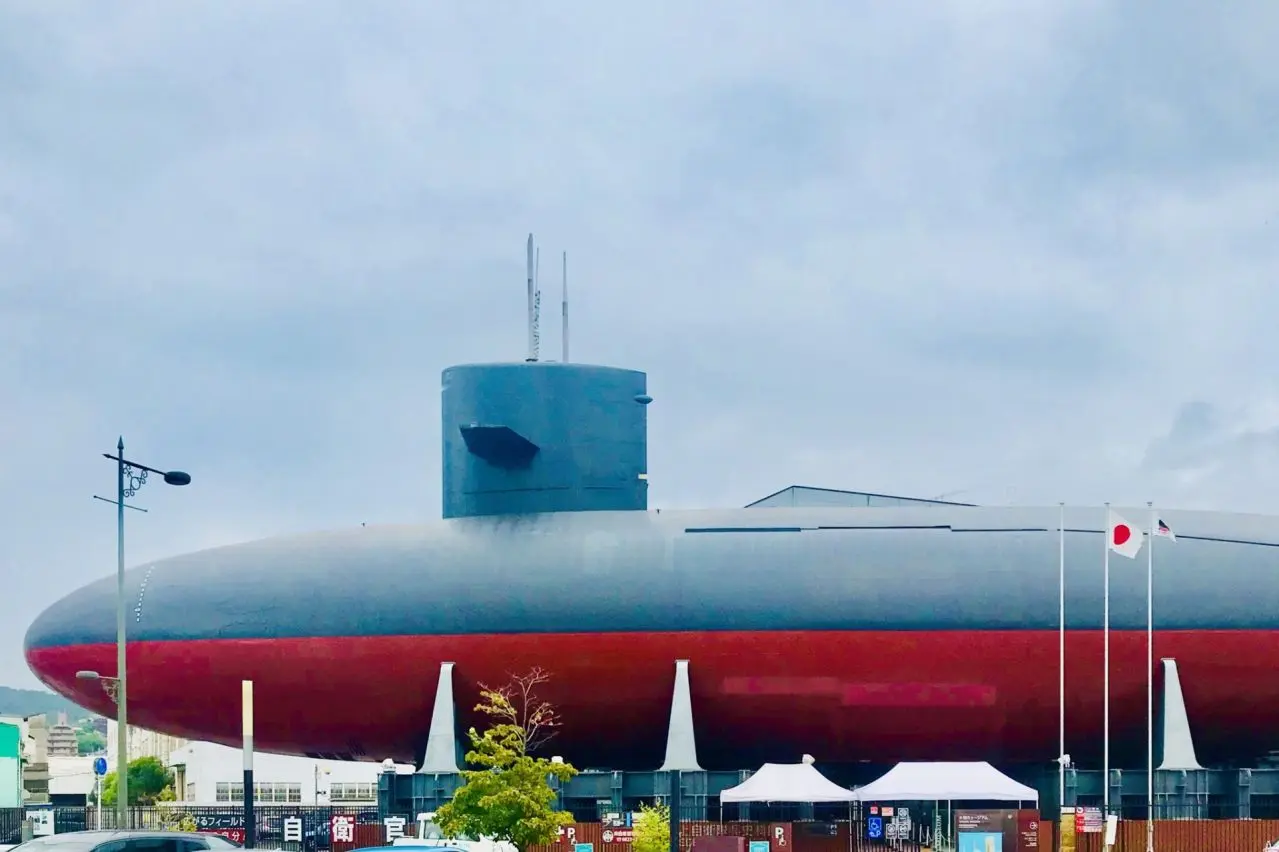
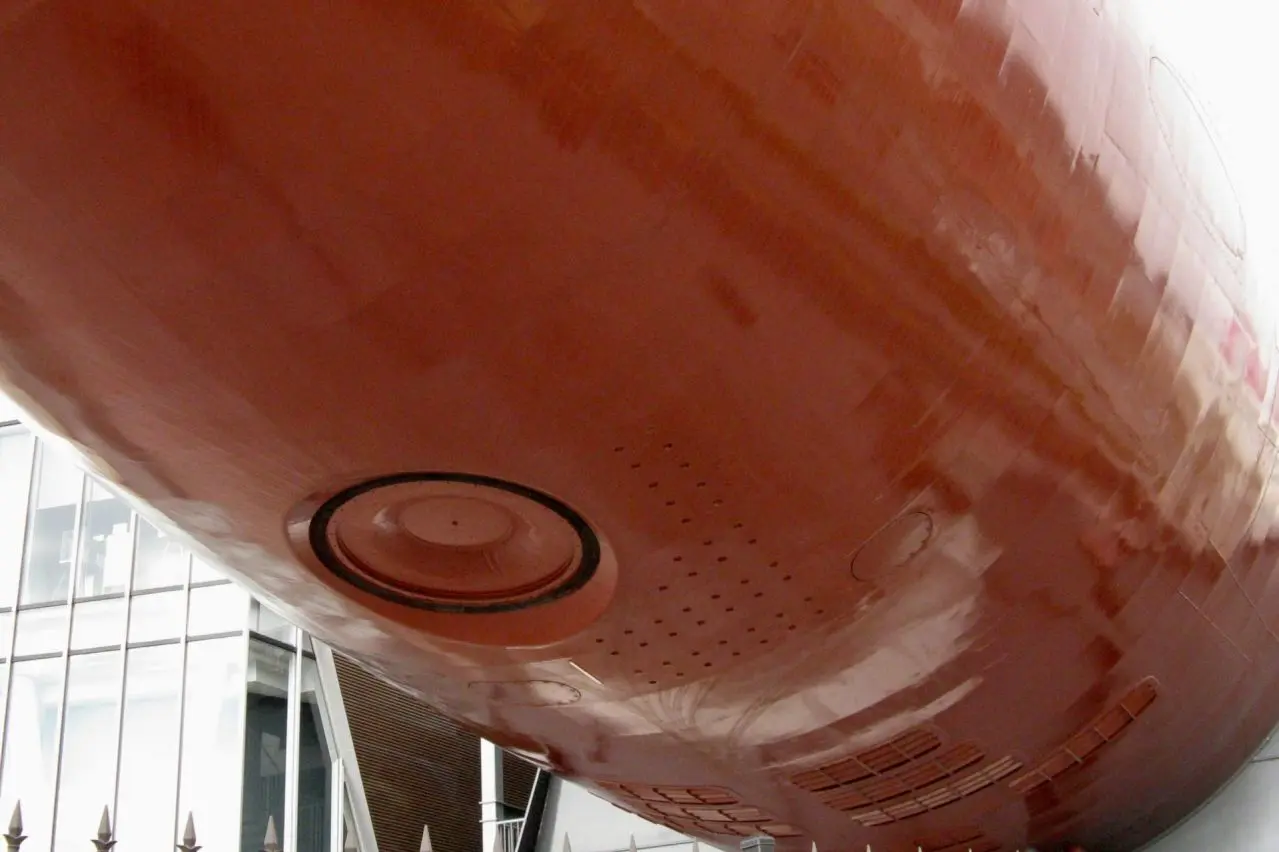
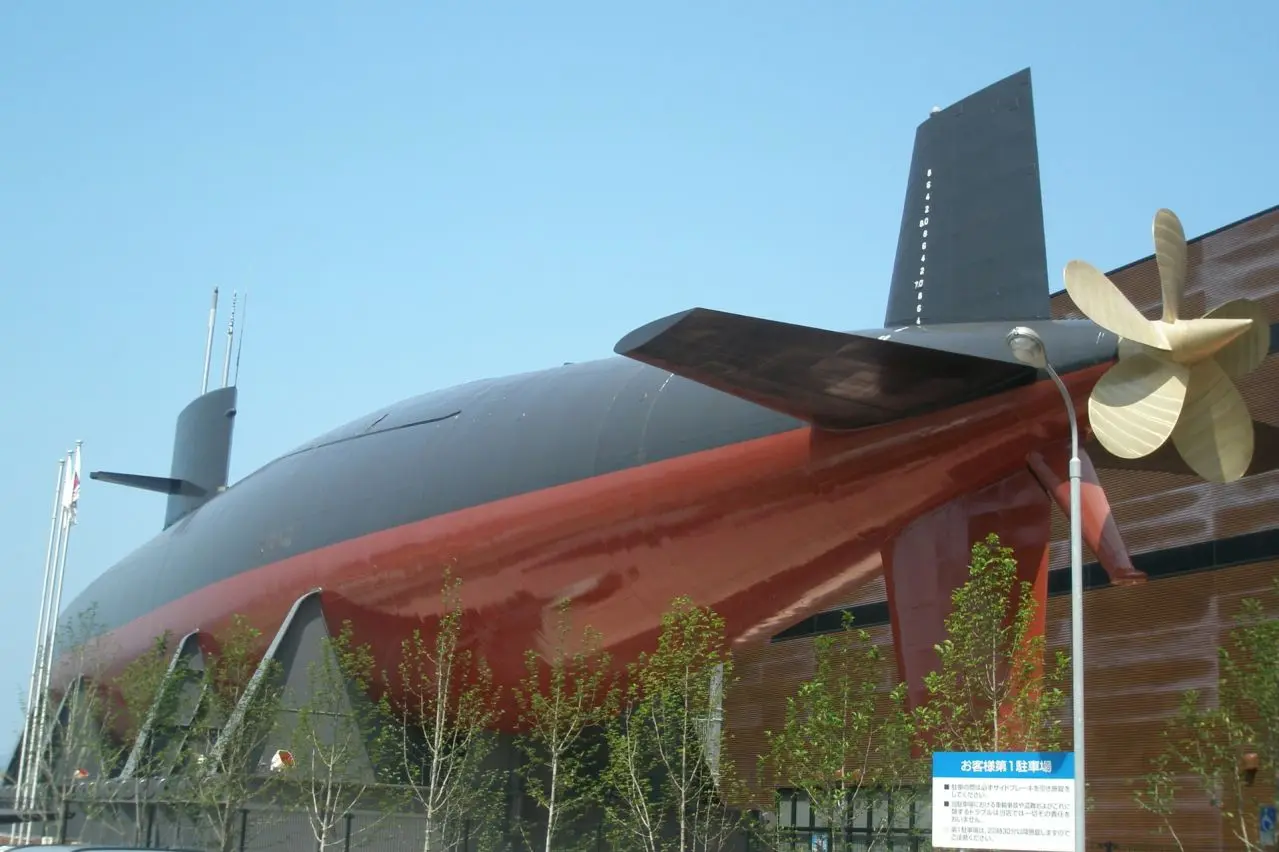
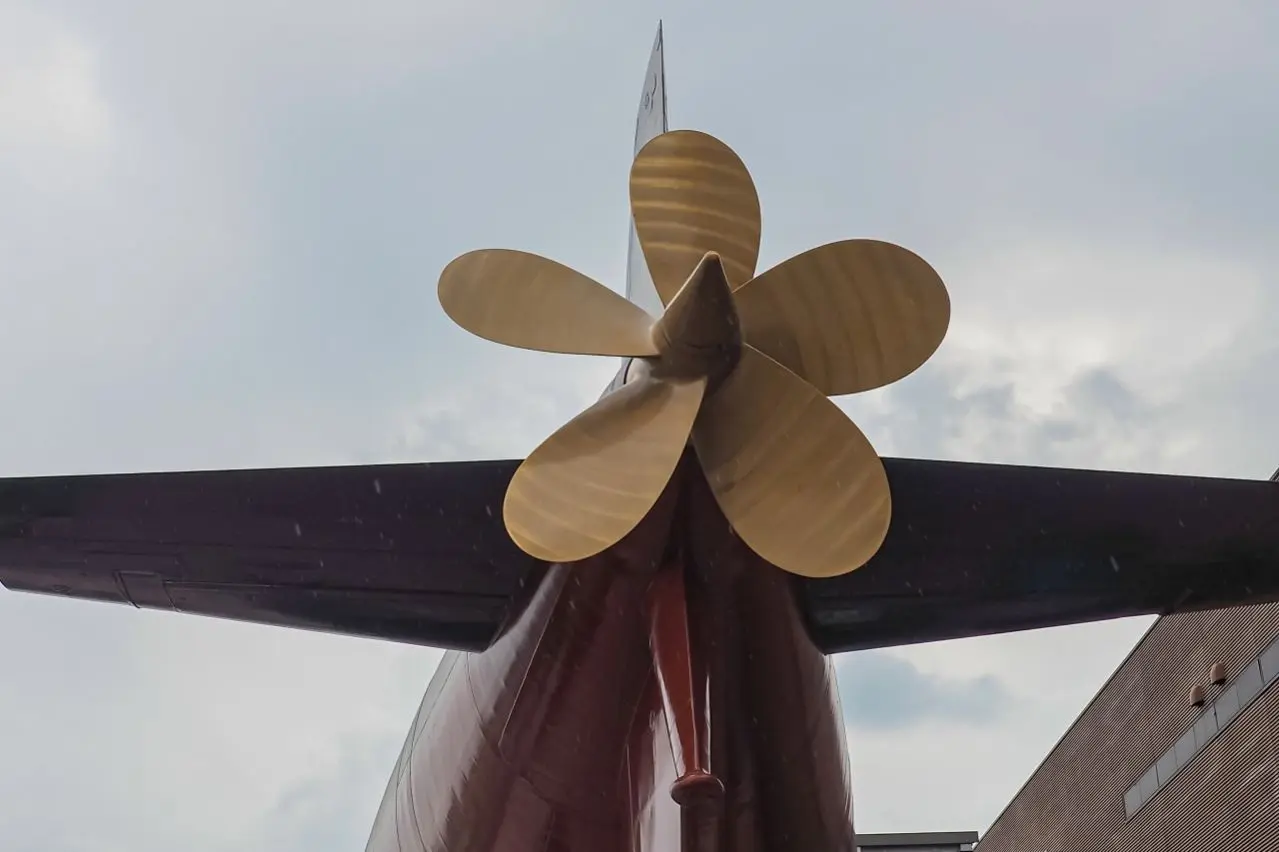
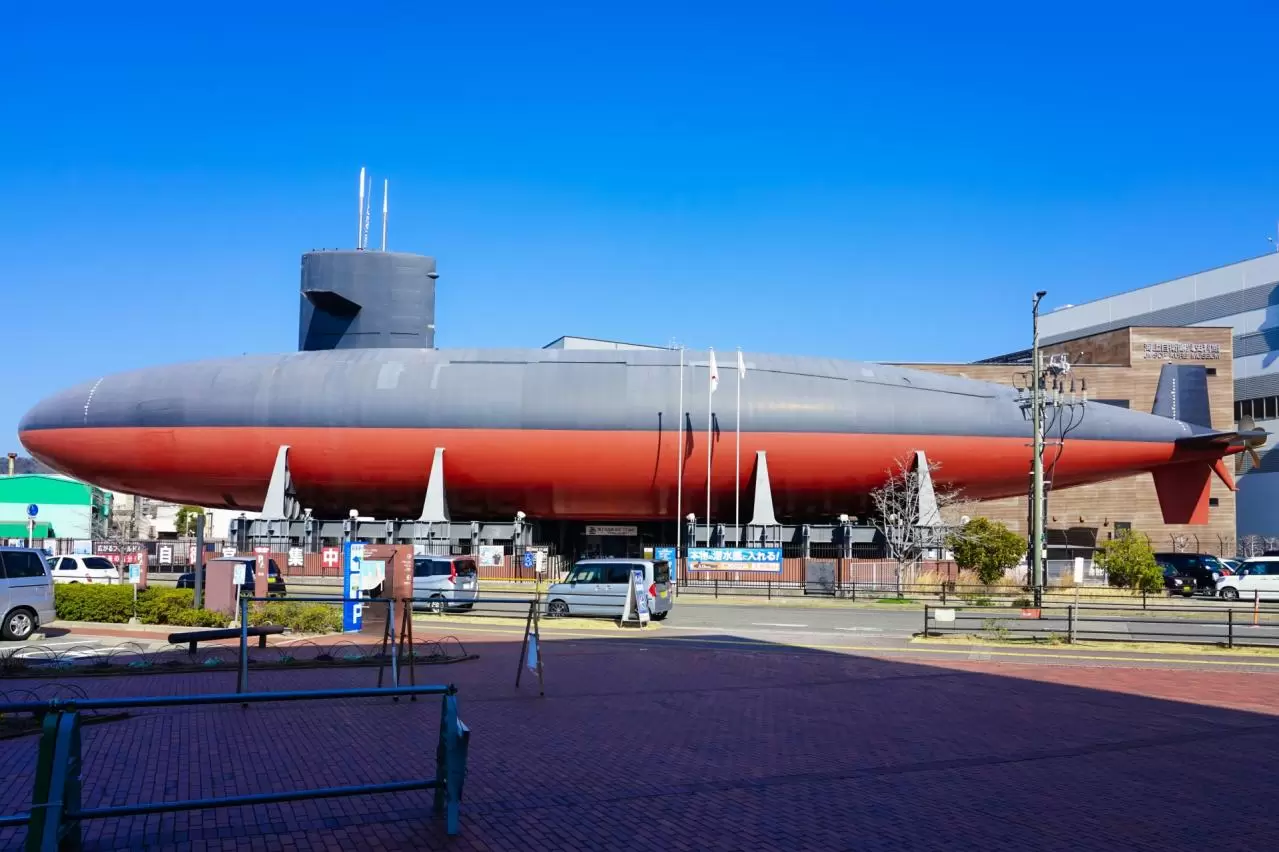
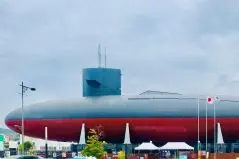
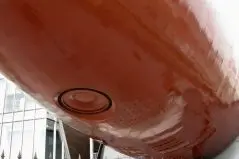
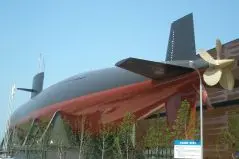
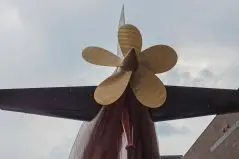
The main attraction of the Iron Whale Museum is the actual submarine Akishio. Measuring 76.2 meters in length, this enormous submarine is displayed outdoors, and its impressive appearance catches the eye even from a distance.
Akishio served as a JMSDF submarine from 1986 to 2004, carrying out missions to protect Japan’s waters. After being decommissioned, it was preserved and opened to the public as a display submarine at the JMSDF Kure Museum. Today, many visitors can tour its interior.
The museum was also the first in Japan to display a genuine submarine. It is an exceptionally valuable place where visitors can experience an actual submarine that was once in service, preserved in nearly its original form.
## Museum Layout
The museum consists mainly of three floors, each featuring exhibits on a different theme.
### 1st Floor: “The History of the JMSDF”
The first floor introduces the history of the JMSDF and the development of Kure.
Since the former naval headquarters was established in Kure in 1889, Kure has developed as a “naval city.” Through photographs, chronological displays, historical materials, and other exhibits, visitors can learn about the history from the former Imperial Japanese Navy to today’s JMSDF.
The exhibits also explain in detail how the JMSDF was established in postwar Japan and what roles it has played. Visitors can gain an understanding of the importance of maritime defense for Japan, an island nation surrounded by the sea.
### 2nd Floor: “The Activities of Minesweepers”
The second floor features exhibits about mine-clearing operations, which involve removing mines placed underwater.
Minesweeping is the process of removing underwater mines and securing safe shipping routes. Mines are dangerous weapons capable of causing serious damage to vessels, making minesweeping one of the JMSDF’s most important missions.
The exhibition room displays actual mines, minesweeping equipment, and part of a minesweeper’s deck, allowing visitors to experience the realities of these operations. There are also numerous videos and models, making the subject easy to understand even for visitors without specialized knowledge.
The exhibits also introduce international minesweeping operations and maritime safety activities, providing an overview of the JMSDF’s wide range of missions.
### 3rd Floor: “The Activities of Submarines”
The third floor provides detailed information about submarines.
Exhibits include submarine models, explanations of submarine structures, and recreations of living spaces used by submarine crew members. Visitors can learn about life aboard a submarine and the missions carried out by its crew.
Since submarines operate underwater for long periods, it is particularly fascinating to learn how crew members live within such confined spaces.
By learning in advance about the equipment inside a submarine and the roles it serves, visitors can gain even more from their subsequent tour of the interior of Akishio.
## Touring the Interior of the Submarine Akishio
From the third-floor exhibition room, visitors can enter the actual submarine Akishio via a connecting passageway.
The interior has been preserved almost exactly as it was during its years of service. Visitors can see the captain’s cabin, officers’ quarters, the control room, and the crew’s living spaces. Viewing the narrow passageways and limited interior space gives visitors a sense of the challenges and tension experienced by submarine crew members in their daily lives.
One of the most popular experiences is looking through the actual periscope. From the periscope, visitors can see the scenery of Kure Bay and enjoy the feeling of being aboard a real submarine.
The helmsman’s station and diving-control station are also on display, allowing visitors to experience the atmosphere of operating a submarine.
*Please note that the exhibits and tour content may change depending on the season and operating conditions.*
The greatest appeal of the Iron Whale Museum is that visitors can “see,” “touch,” and “experience” genuine artifacts and facilities.
## Café and Shop
After touring the museum, visitors can also enjoy the café and shop inside the facility.
One particularly popular item is Akishio Curry. This curry was certified by the submarine’s tenth commanding officer and is served in limited quantities. The JMSDF is famous for its tradition of eating curry every Friday during long voyages in order to maintain a sense of the days of the week. For this reason, curry associated with the JMSDF is enjoyed by many people.
The shop sells JMSDF-related goods and souvenirs. Many products are themed around submarines and naval vessels, making them popular as mementos of a visit.
## Multilingual Support
The Iron Whale Museum also provides leaflets in seven languages for international visitors.
The available languages are English, Traditional Chinese, Simplified Chinese, Korean, French, Spanish, and Portuguese. Various measures have been taken to make the museum easy to understand for tourists from around the world.
## Highlights of the Iron Whale Museum
The Iron Whale Museum is an exceptionally valuable facility where visitors can tour the interior of a real submarine in Japan.
Visitors can learn in detail about the history and activities of the JMSDF, mine-clearing missions, and the daily lives of submarine crew members—subjects that are not usually accessible to the general public. The museum also displays a wide range of equipment and machinery that was actually used, creating an immersive experience.
Inside the submarine Akishio, visitors can experience the atmosphere of its active-service days and enjoy the rare sensation of being a member of the crew.
By visiting the museum together with the neighboring Yamato Museum, visitors can gain a deeper understanding of Kure’s history and Japan’s maritime technology.
The Iron Whale Museum is recommended not only for people interested in the JMSDF and submarines, but also for anyone who enjoys history and vehicles.
Hiroshima Tourist Attractions
View List
Shukkei-en Garden
Shukkeien Garden is a daimyo garden built in 1620 as a retreat for the Hiroshima feudal lord, Asano Nagamasa, by his tea-master retainer, Ueda Soko. It is known to h...

Hiroshima Castle
Hiroshima Castle, known for its beautiful main keep built by Mori Terumoto in 1589, is also referred to as "Rijou" (Carp Castle). After the Battle of Sekigahara, the...


Hiroshima Peace Memorial (Genbaku Dome)
The Atomic Bomb Dome is a UNESCO World Heritage Site located in Hiroshima City, and it is a building that was damaged by the first nuclear weapon used in human histo...

Itsukushima Shrine
Itsukushima Shrine is a sacred place deeply rooted in Japan's history and culture. Constructed in the year 593, the year of Emperor Suiko's ascension, it is known as...

Hiroshima Peace Memorial Museum
The Hiroshima Peace Memorial Museum was opened in 1955 with the aim of conveying the realities of the damage caused by the atomic bomb in Hiroshima to the world, and...

Yamato Museum (Kure Maritime Museum)
The Yamato Museum (Kure Maritime History and Science Museum) is a museum that introduces the history of Kure City, which thrived as a military port where the battles...

Miyajima Aquarium
Miyajima Aquarium is one of the leading aquariums in the Chugoku region, featuring about 350 species and over 13,000 specimens primarily from the Seto Inland Sea. It...