Miyajima Aquarium
Miyajima Aquarium Movies


![[Trip ]広島.宮島旅行🍎子どもと旅|厳島神社/瀬戸内海の海が綺麗/世界遺産宮島/宮島カフェ巡り/宮島水族館/***満開の桜で癒されます🌸](https://i.ytimg.com/vi/UB0lAHVyFro/mqdefault.jpg)


Basic Information
- Spot Name
- Miyajima Aquarium
- Location
- 〒739-0534 10-3 Miyajima-cho, Hatsukaichi City, Hiroshima Prefecture
- Access
- Take the Maple Liner from Miyajima Pier to Miyajima Aquarium for 10 minutes, and get off at the last stop.
- Parking
- Please use the paid parking lots nearby.
- Business Hours
- 9:00 AM to 4:00 PM (closed at 5:00 PM)
- Regular Holiday
- There will be temporary closures for facility maintenance checks.
- Fees
- Adults: 1,420 yen, Elementary and junior high school students: 710 yen, Children aged 4 and above: 400 yen.
- Contact Information
- Phone Number:0829-44-2010
- Official Website
Map
Detailed Information
Miyajima Public Aquarium (also known by its nickname, “Miyajimarine”) is one of Hiroshima Prefecture’s most popular aquariums. Located in Miyajima Town, Hatsukaichi City, Hiroshima Prefecture, it stands on Miyajima, famous for the World Heritage Site Itsukushima Shrine. Its convenient location—about a five-minute walk from Itsukushima Shrine—makes it an easy and popular stop for visitors exploring Miyajima.
Established in 1959, the aquarium has a long history and underwent a major renovation in 2011. Today, it operates as an interactive, hands-on aquarium based on the principles of “healing” and “interaction.” It is popular as a facility where visitors can feel closer to marine life.
The aquarium displays more than 13,000 aquatic animals representing approximately 350 species, with a focus on creatures from the Seto Inland Sea. One of its most popular attractions is the finless porpoise, known as the symbol of Miyajima Public Aquarium and sometimes called the “whale of the Seto Inland Sea.”
## Features of Miyajima Public Aquarium
### Exhibits Focusing on the Seto Inland Sea
The greatest feature of Miyajima Public Aquarium is its focus on the natural environment and ecosystem of the Seto Inland Sea. Inside the aquarium, visitors can learn in an easy-to-understand way about the unique environments of the Seto Inland Sea and the lives of the creatures that inhabit them.
One particularly popular area is the “Bounties of the Sea” zone, which recreates oyster rafts, a famous feature of Hiroshima. Designed to evoke an actual oyster-farming scene, the exhibit allows visitors to enjoy scenery unique to the Seto Inland Sea.
The “Miyajima Tidal Flat” exhibit recreates the tidal flats extending around the great torii gate of Itsukushima Shrine, allowing visitors to observe creatures that live in tidal-flat environments up close.
### Beautiful Japanese-Style Architecture
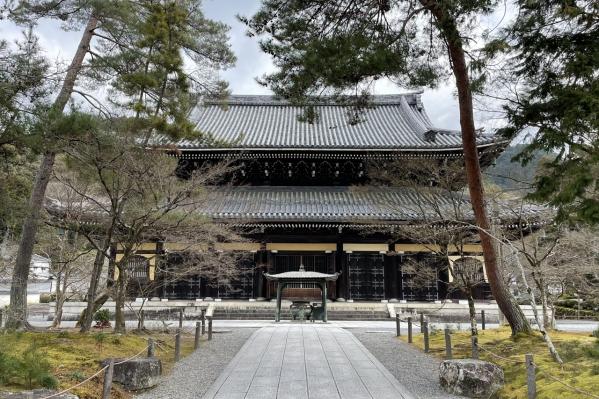
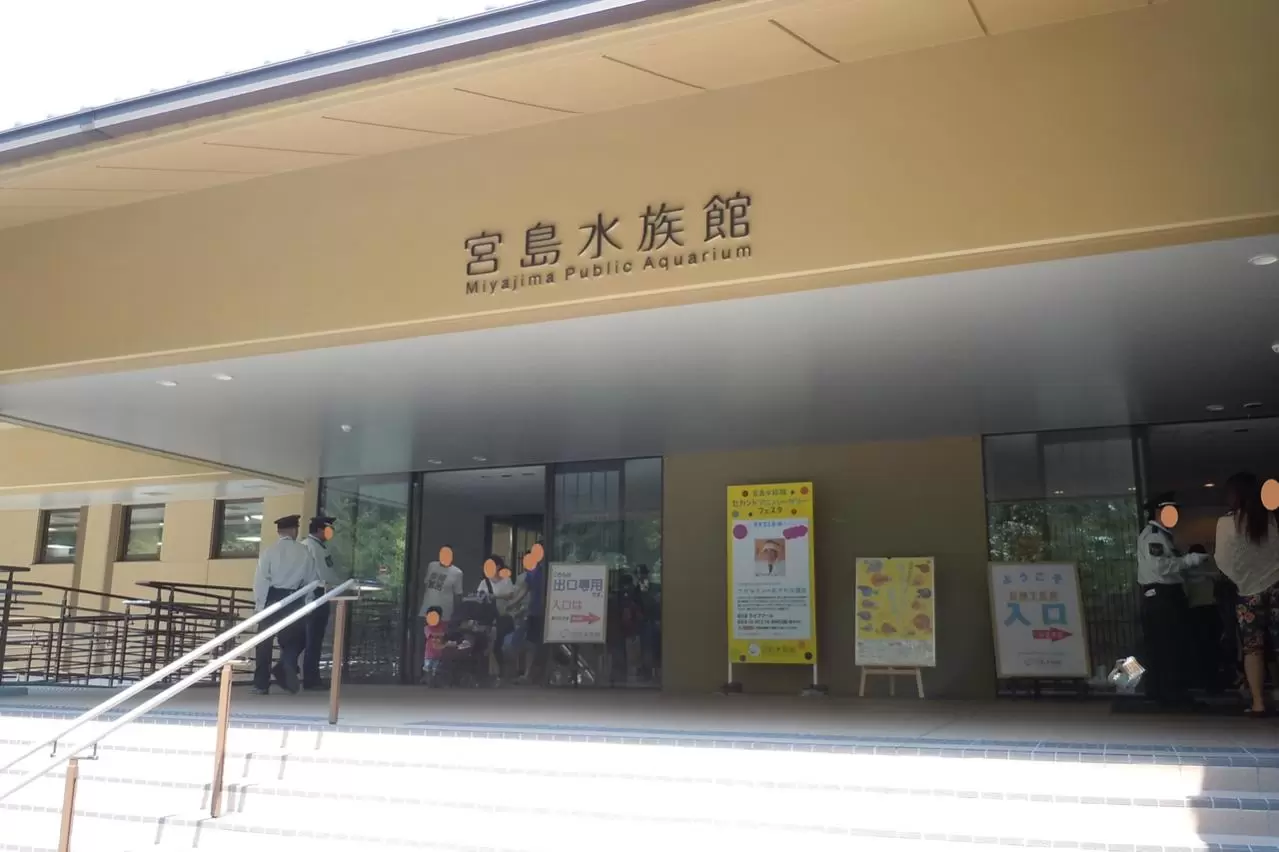
Miyajima Public Aquarium was designed to harmonize with the scenery of the World Heritage Site of Miyajima. Its Japanese-style architecture, featuring traditional tiled roofs, is one of its distinctive characteristics. The calm exterior blends naturally with the surrounding historic townscape and conveys the traditional atmosphere of Miyajima.
## Popular Exhibits and Animals
### Finless Porpoises
The finless porpoise is the symbolic animal of Miyajima Public Aquarium. It is a small member of the whale family and has the unusual characteristic of having no dorsal fin. Its rounded, adorable appearance and gentle expression charm many visitors.
Once commonly seen around Miyajima, this animal has become rare today.
### Penguins
At the “Penguin Pool,” visitors can watch Humboldt penguins swimming overhead as if they were flying. You can enjoy both their cute, waddling movements on land and their graceful, speedy swimming underwater.
### Asian Small-Clawed Otters
These animals are popular for their adorable movements. During feeding time, visitors can watch them move about energetically, making them a favorite among children and adults alike.
### Steller Sea Lions, Seals, and California Sea Lions
The marine mammal area features Steller sea lions, spotted seals, and California sea lions. Watching a Steller sea lion make a spectacular leap into the water is especially thrilling.
### Sand Tiger Sharks, Garden Eels, Sea Angels, and More
The aquarium also displays a wide variety of fascinating creatures, including large sand tiger sharks, ethereal sea angels, and popular garden eels.
## Exhibition Zones
The aquarium consists of several themed zones, allowing visitors to learn about the Seto Inland Sea and aquatic environments from a variety of perspectives.
### Main Zones
- Miyajima Tidal Flat
- Bounties of the Sea
- From the Mountains to the Sea
- Sea of Healing
- Whales of the Seto Inland Sea
- Mysteries of the Sea
- The Bodies and Lives of Aquatic Creatures
- Setouchi Research Institute
- Interactive Rocky Shore
Each zone recreates a different ecosystem or environment, offering an educational experience that is both enjoyable and engaging.
## Interactive Events and Shows
Miyajima Public Aquarium offers a wide range of events that allow visitors to participate and have fun rather than simply observe.
### Sea Lion Live Show
The popular sea lion show features entertaining and intelligent performances by the sea lions. The interaction between the animals and the audience makes the show especially popular with families.
### Animal Interaction Experiences
Visitors can also take part in interactive events featuring penguins, seals, otters, and other animals. These provide valuable opportunities to feel closer to aquatic life.
### Feeding Times and Educational Programs
Feeding sessions accompanied by explanations from the keepers, as well as programs such as the “Fun Creature Lecture,” are also popular. Visitors can enjoy learning about the animals’ habits and characteristics.
## A Popular Place for Relaxation
The aquarium also offers many areas where visitors can relax while gazing at the exhibits, including large blue, otherworldly tanks and jellyfish displays.
In the “Sea of Healing” zone, visitors can watch fish swimming slowly through a large aquarium, creating a peaceful atmosphere where they can forget about everyday life and unwind.
## Convenient Access
Miyajima Public Aquarium is about a 25-minute walk from Miyajima Pier and approximately five minutes on foot from Itsukushima Shrine.
It can also be reached by ferry from central Hiroshima, making it an easy attraction to visit as part of a Hiroshima sightseeing itinerary.
## Conclusion
Miyajima Public Aquarium, also known as Miyajimarine, is an interactive aquarium centered on the natural environment and aquatic life of the Seto Inland Sea. It offers numerous attractions, including a wide variety of marine creatures such as finless porpoises, sea lion shows, and animal interaction events.
Its beautiful Japanese-style architecture, which harmonizes with the scenery of World Heritage-listed Miyajima, and its convenient location within walking distance of Itsukushima Shrine are additional highlights.
As a place not only for sightseeing but also for relaxation and learning, it is a popular destination recommended for visitors of all ages, from children to adults.
Hiroshima Tourist Attractions
View List
Itsukushima Shrine
Itsukushima Shrine is a sacred place deeply rooted in Japan's history and culture. Constructed in the year 593, the year of Emperor Suiko's ascension, it is known as...

Hiroshima Castle
Hiroshima Castle, known for its beautiful main keep built by Mori Terumoto in 1589, is also referred to as "Rijou" (Carp Castle). After the Battle of Sekigahara, the...

Shukkei-en Garden
Shukkeien Garden is a daimyo garden built in 1620 as a retreat for the Hiroshima feudal lord, Asano Nagamasa, by his tea-master retainer, Ueda Soko. It is known to h...

Yamato Museum (Kure Maritime Museum)
The Yamato Museum (Kure Maritime History and Science Museum) is a museum that introduces the history of Kure City, which thrived as a military port where the battles...


Kaijouji Eitaikurashiryoukan (Tetsu no Kujirakan)
Kure Maritime Museum (commonly known as the "Museum of Iron Whale") is the only museum in Japan where you can enter an actual submarine. Here, the submarine "Akishio...

Hiroshima Peace Memorial Museum
The Hiroshima Peace Memorial Museum was opened in 1955 with the aim of conveying the realities of the damage caused by the atomic bomb in Hiroshima to the world, and...

Hiroshima Peace Memorial (Genbaku Dome)
The Atomic Bomb Dome is a UNESCO World Heritage Site located in Hiroshima City, and it is a building that was damaged by the first nuclear weapon used in human histo...