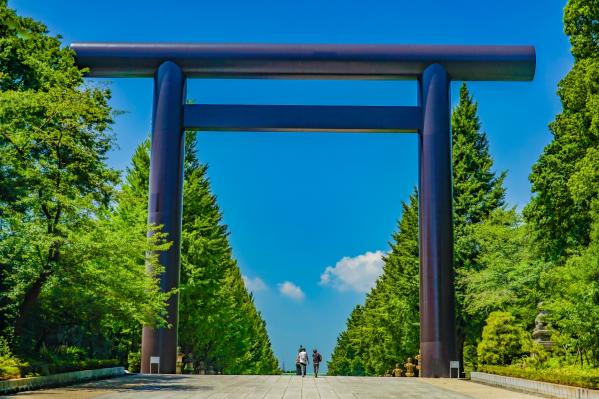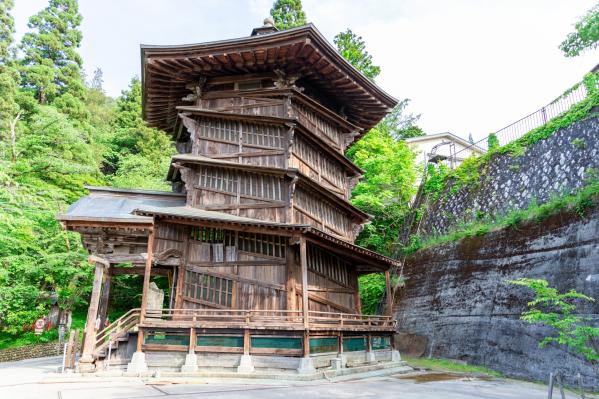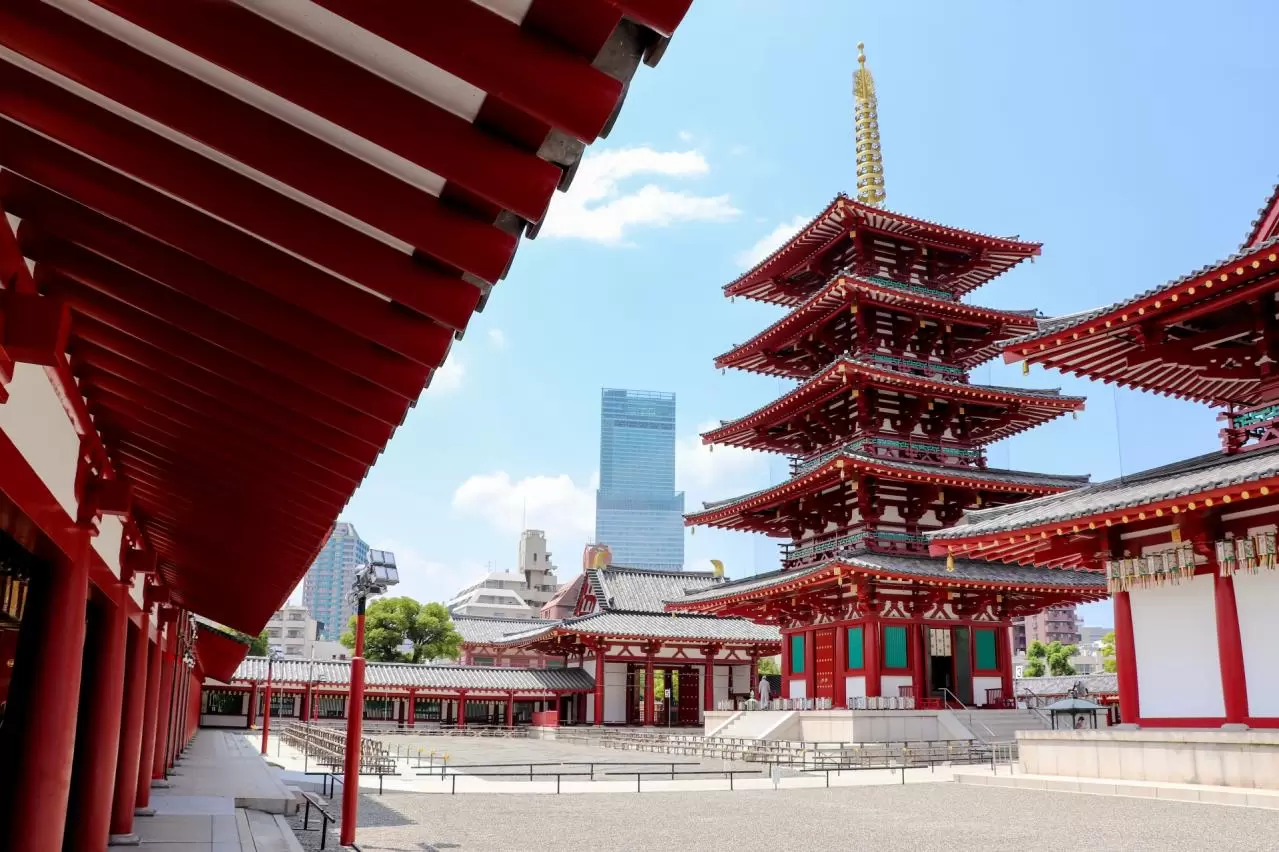
Shitenno-ji Temple
Shitennoji is a temple that transcends sects and hosts a temple fair on the 21st and 22nd of every month, featuring not only religious ceremonies but also numerous stalls. Furthermore, facilities for education, healthcare, and welfare, based on the "Four Institute System" established by Prince Shotoku, continue to be preserved to this day.
This temple is not just a historical site; it is a place where Japanese culture, religion, and history intersect, and its multifaceted nature and depth continually attract visitors.
Shitenno-ji Temple Movies

![【まち歩き】 新今宮から四天王寺 大阪 [Walking around the city] From Shin-Imamiya to Shitennoji, Osaka](https://i.ytimg.com/vi/19EunShRLW4/mqdefault.jpg)


Basic Information
- Spot Name
- Shitenno-ji Temple
- Location
- 〒543-0051 1-11-18 Shitennoji, Tennoji Ward, Osaka City, Osaka Prefecture, Japan
- Access
- By train, it is about a 5-minute walk from Osaka Metro "Shitennoji-mae Yuhigaoka Station" or about a 12-minute walk from JR "Tennoji Station."
- Parking
- Please use the unmanned Times parking lot located next to the South Great Gate of Shitenno-ji Temple.
- Business Hours
- April to September: 8:30 AM to 4:30 PM (on the 21st of each month: 8:00 AM to 5:00 PM)
October to March: 8:30 AM to 4:00 PM (on the 21st of each month: 8:00 AM to 4:30 PM)
Rokuzido: 8:30 AM to 6:00 PM (on the 21st of each month: 8:00 AM onwards) - Regular Holiday
- Open year-round (temporary closing days for the garden may apply)
- Fees
- Central Garan: Adults 300 yen, high school and university students 200 yen
Treasure Museum: Adults 500 yen, high school and university students 300 yen
Honbo Garden: Adults 300 yen, elementary, middle, high school, and university students 200 yen - Contact Information
- Phone Number:06-6771-0066
- Official Website
Map
Detailed Information
Shitennoji was founded by Prince Shotoku in 593, the first year of Empress Suiko’s reign, and is the first officially established temple in Japanese Buddhist history (a temple protected and managed by the state). With a history spanning more than 1,400 years, it has played a major role in the development of Japanese religion and culture.
Origins of the Temple’s Foundation
The founding of Shitennoji is described in the Nihon Shoki. During the battle between Mononobe no Moriya and Soga no Umako, Prince Shotoku, who supported the pro-Buddhist Soga clan, carved statues of the Four Heavenly Kings with his own hands and prayed for victory. He vowed, “If we are victorious, I will establish a temple to enshrine the Four Heavenly Kings and save all people in this world.” After the victory, Shitennoji was built in fulfillment of that vow.
Architectural Style and Temple Layout
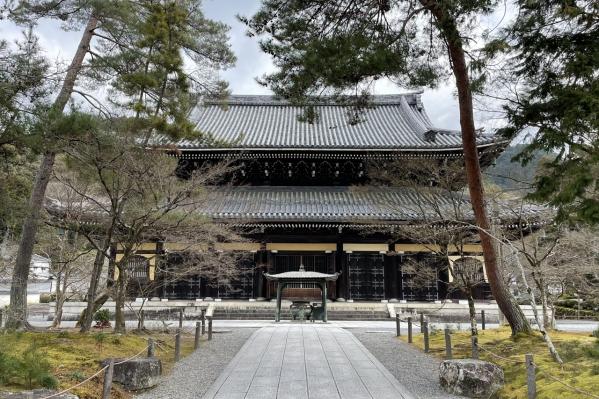
Shitennoji’s temple compound is based on the oldest architectural style in Japan, known as the “Shitennoji-style layout.” In this arrangement, the central gate, five-story pagoda, main hall, and lecture hall are aligned in a straight line from south to north, and all are enclosed by cloisters. This style has roots in 6th- and 7th-century China and the Korean Peninsula, making it a valuable example of ancient temple architecture in Japan.
Repeated Disasters and Reconstruction
Over its long history, Shitennoji has repeatedly been destroyed and rebuilt due to numerous disasters and wars.
During the Meiji era, it was placed in a difficult situation when its ties with Shinto shrines were severed by the policy of separation of Shinto and Buddhism, but the faith of the people remained unchanged, and religious events continued.
In the Muroto Typhoon of 1934, the five-story pagoda collapsed, and the main hall and central gate also suffered major damage.
Later, in the Osaka air raids of 1945, nearly the entire temple grounds were destroyed by fire.
Thanks to support from many quarters, reconstruction advanced, and in 1963 the five-story pagoda, main hall, and lecture hall—the core temple buildings—were rebuilt. In 1979, the inner sanctuary of the Shoryoin, the E-do, the Kyo-do, and other structures were also restored. These buildings were reconstructed in reinforced concrete, faithfully reproducing the appearance of the Asuka period style.
Sect and Doctrine
In 1946, after the war, Shitennoji separated from the Tendai school and established its own sect, Washu. As the head temple of Washu, it continues its activities as a temple devoted to the flourishing of Buddhism and the inheritance of Prince Shotoku’s spirit. It is an open temple beyond sectarian boundaries and is widely revered by many people.
The Shika-in System and Modern Social Welfare Activities
The “Shika-in system” established by Prince Shotoku refers to a system of public service activities spanning four fields: education, medicine, welfare, and religion.
Shitennoji carries on this spirit today through the following activities:
Educational projects based on Buddhist principles by Shitennoji Gakuen educational corporation
Welfare and medical services, including Sekiakuin and Ryobyoin, by the Shitennoji Social Welfare Organization
These activities are important efforts to apply Buddhist teachings in real society.
Features of the Temple Grounds and Cultural Properties
Shitennoji’s grounds cover approximately 110,000 square meters (about 33,000 tsubo), an expansive area roughly three times the size of Koshien Stadium.
Major highlights include:
The Shitennoji-style temple layout
Shoryoin (Taishi-dono), which enshrines Prince Shotoku
The Treasure House, which houses about 500 national treasures and Important Cultural Properties
The Japanese garden known as the “Garden of the Pure Land of Paradise”
Together, these create a tranquil space where history and nature are in harmony. Standing in the “Garden of the Pure Land of Paradise,” visitors can enjoy a peaceful moment that makes them forget the bustle of the city.
Shitennoji is also the first sacred site of the Shin-Seigoku 33 Kannon Pilgrimage, and is beloved by many pilgrims.
Annual Events and Popular Faith
Many events are held throughout the year at Shitennoji, and the following are especially well known:
On the 21st of each month, the Daishi-e service is held, and on the 22nd, the Taishi-e service takes place. In addition to Buddhist rites, numerous stalls are set up, creating a lively temple fair that symbolizes popular faith.
At the annual Shoryoe Bugaku Daihoyo on April 22, the Tennoji Bugaku, designated as an Intangible Folk Cultural Property of Osaka City, is dedicated, carrying on traditional performing arts handed down since the Asuka period.
These events show that Shitennoji is not merely a historic landmark, but a place where faith and culture are still very much alive.
Shitennoji embodies the ideals and spirit of Prince Shotoku, and has long played a role in every aspect of Japanese Buddhism, architecture, culture, and social welfare. Having overcome disasters and war, Shitennoji continues to convey its legacy to the present day and remains a spiritual home for many people.
Osaka Tourist Attractions
View List
Kuro-mon Ichiba
Kuromon Ichiba Market is an arcade shopping street located in Nipponbashi, Chuo Ward, Osaka, stretching approximately 580 meters in length. About 150 shops line the ...

Rinku Premium Outlets
Rinku Premium Outlets is the largest outlet mall in western Japan, located in Rinku Town across from Kansai International Airport. It offers around 250 popular domes...

Harveston Hill
Harvest Hill is an experiential agricultural park located in the southern part of Sakai City. In spring, tulips bloom, in summer sunflowers fill the fields, and in a...

Umeda Sky Building
The Umeda Sky Building is a 40-story skyscraper located in the Umeda area of Osaka, standing at 173 meters tall, and was completed in 1993. This building was designe...

Osaka Castle
Osaka Castle is an important architectural landmark deeply connected to Japan’s history. It started as the predecessor of the Osaka Honganji Temple (Ishiyama Honganj...

Osaka Tenmangu Shrine
Osaka Tenmangu Shrine, founded in 949, is dedicated to Sugawara no Michizane, the main deity, and is affectionately known as "Tenman no Tenjin-san." It is revered as...

Cup Noodles Museum Osaka Ikeda
The Cup Noodles Museum Osaka Ikeda is a unique facility where you can experience the history and culture of instant ramen, the birthplace of this iconic food. In 195...

Osaka Castle Park
Osaka Castle Park is a vast urban park with an area of approximately 105.6 hectares, located in the center of Osaka City. Within the park, you can find the main towe...