Futami Okitama Shrine
Futami Okitama Shrine Movies


![[三重観光]伊勢神宮参拝に先ず訪れたい「二見興玉神社」1/3](https://i.ytimg.com/vi/AMF42P1I8Co/mqdefault.jpg)

Basic Information
- Spot Name
- Futami Okitama Shrine
- Location
- 〒519-0602 575 E, Futami-cho, Ise-shi, Mie-ken, Japan
- Access
- About a 15-minute walk from JR Sangū Line "Futamiura Station"
About a 20-minute bus ride from JR and Kintetsu "Ise City Station" or Kintetsu "Ujiyamada Station" to "Toba", getting off at "Meoto Iwa Higashiguchi" and then a 5-minute walk
About a 10-minute drive from Ise Expressway "Ise IC"
About a 3-minute drive from Ise, Futami, Toba Line "Futami JCT" - Parking
- Parking available
- Business Hours
- The precincts are open freely (the shrine office is open from dawn to dusk).
- Regular Holiday
- None
- Fees
- Free
- Contact Information
- Phone Number: 0596-43-2020
- Official Website
Map
Detailed Information
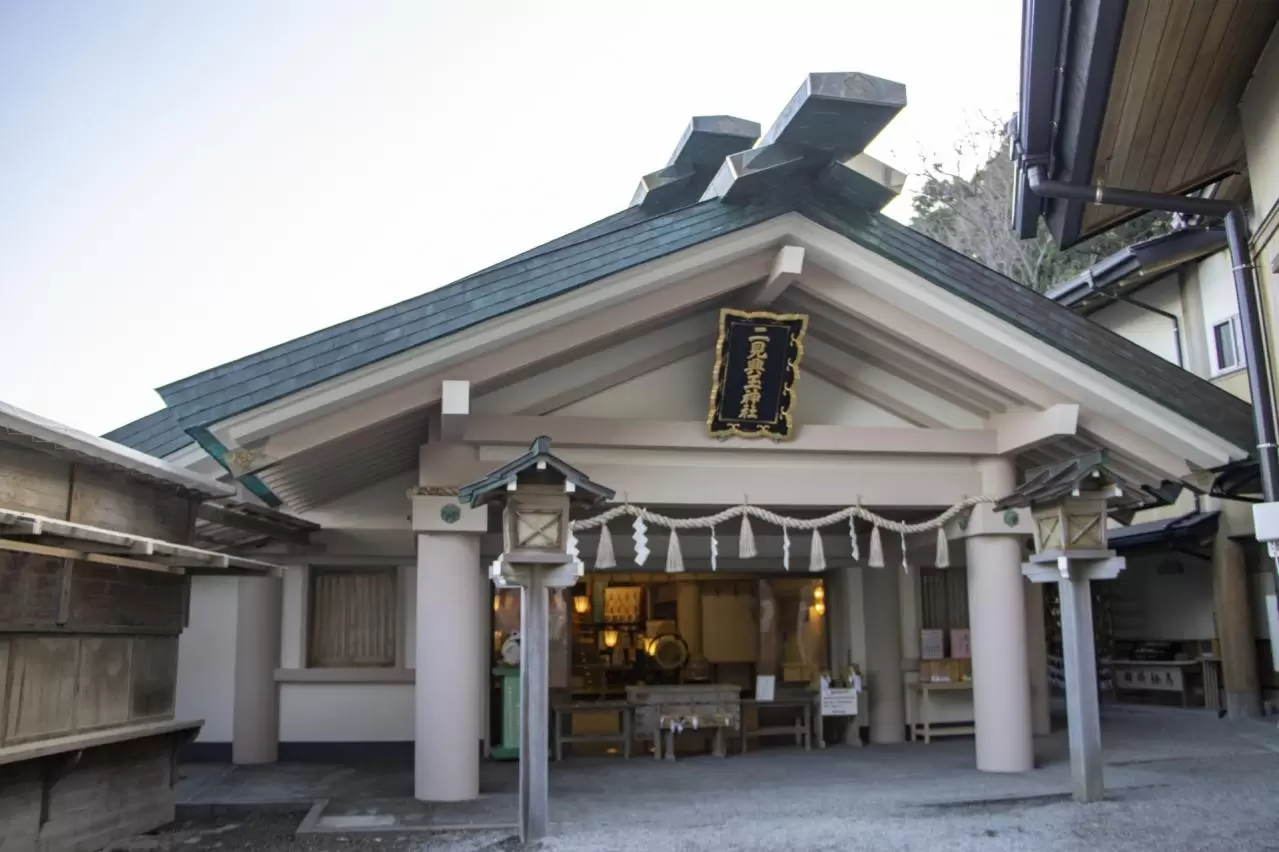
Futami Okitama Shrine is a shrine located in Futamiura, Ise City, Mie Prefecture, and has long been known as a sacred place of purification, where worshippers cleanse both body and mind before visiting Ise Grand Shrine. Its enshrined deity is Sarutahiko Ōkami, worshipped as the god who opens the way, and the shrine is believed to bring blessings for good relationships, marital harmony, and traffic safety.
■ Meoto Iwa and Okitama Shinseki
The symbol of Futami Okitama Shrine is “Meoto Iwa,” the married couple rocks rising from the sea within the shrine grounds. The larger rock, representing the husband, is about 9 meters high, and the smaller rock, representing the wife, is about 4 meters high; the two are joined by a large sacred rope called an o-shimenawa. They are widely cherished as symbols of marital harmony and good matches.
These Meoto Iwa are not just rocks; they also serve as a torii gate for worshipping from afar the sacred stone known as Okitama Shinseki, which lies about 700 meters offshore beneath the sea. Okitama Shinseki is a holy place associated with the legend that, in the age of the gods, Sarutahiko Ōkami welcomed Yamatohime-no-Mikoto when she visited this area carrying Amaterasu Ōmikami.
From between the two rocks, visitors can also enjoy:
- a beautiful sunrise around the summer solstice
- a magical moonrise around the winter solstice
creating an especially mystical view.
■ Its Role as a Place of Purification (Hama-sangu)
Since ancient times, there has been a custom called “Hama-sangu,” in which worshippers purified themselves with the seawater of Futamiura before visiting Ise Grand Shrine. Today, even without entering the sea, visitors may receive a purification ritual such as Mukushiobarai at the shrine as a substitute for misogi.
For this reason, visiting Futami Okitama Shrine before heading to Ise Grand Shrine has long been considered the proper order of worship.
■ Futami Frogs and Belief
Within the shrine grounds, many frog statues known as “Futami Kaeru,” said to be messengers of Sarutahiko Ōkami, have been dedicated. Frogs have long been regarded as auspicious, and they carry meanings such as:
- returning safely
- borrowed things being returned
- rejuvenation
- money returning
In particular, pouring water over the frog statue at the hand-washing pavilion, known as the Mangan Kaeru, is believed to make wishes come true, and many worshippers visit the shrine for this reason. In addition, frog-themed amulets are available at the shrine office, and the “frog goshuin” distributed on the 23rd of each month is also popular.
■ Rituals and Highlights
At Futami Okitama Shrine, the “Oshimenawa Harae Shinto Rite,” in which the great sacred rope of Meoto Iwa is replaced, is held three times a year. Accompanied by powerful kyaribayashi songs, this impressive ritual draws many spectators.
■ Surroundings and Ease of Worship
The shrine grounds are relatively flat, and the gravel paths are well maintained, making it easy for visitors with baby strollers to worship. Facilities with diaper-changing spaces are also available, so families can visit with peace of mind.
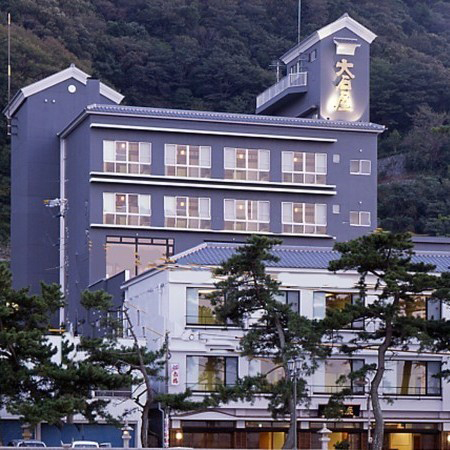
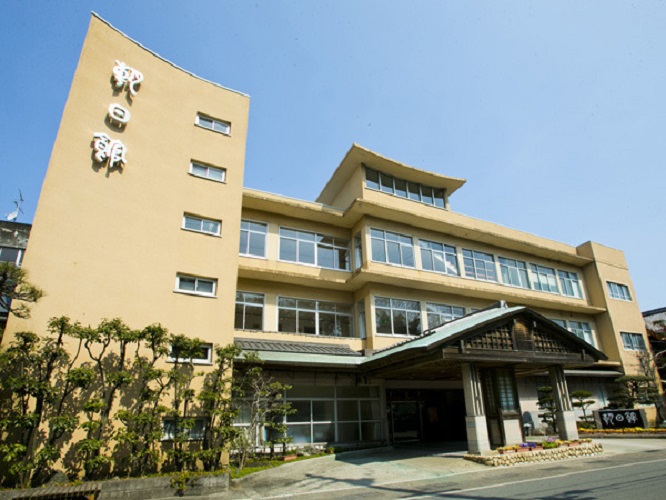
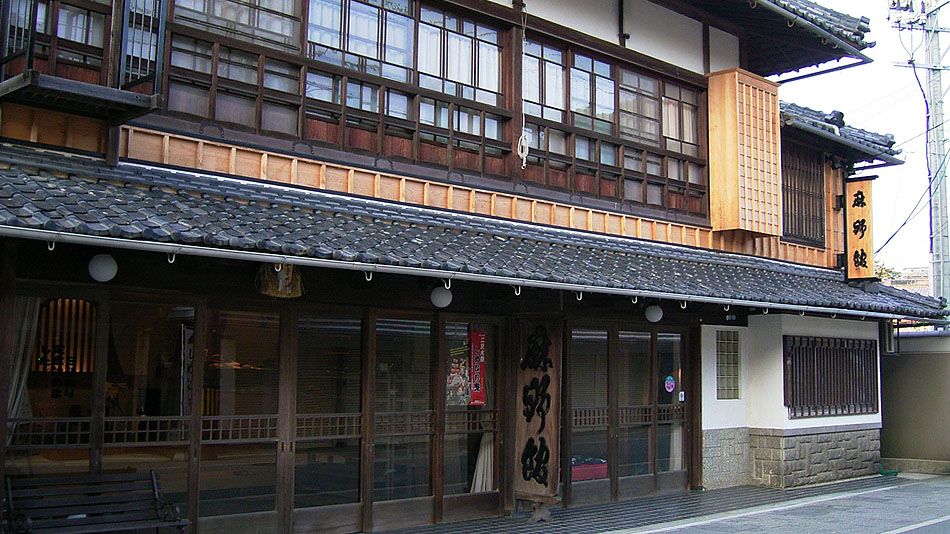
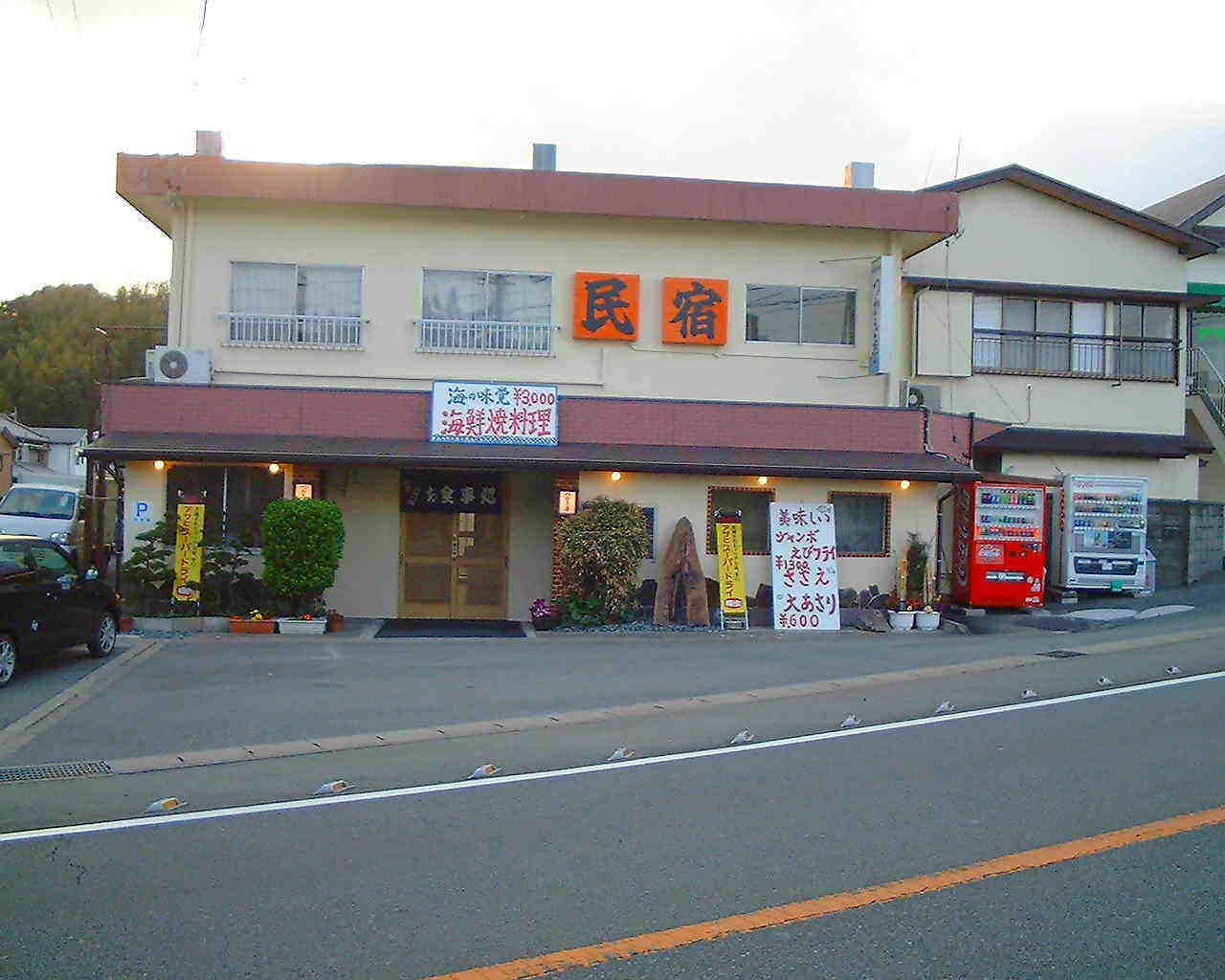
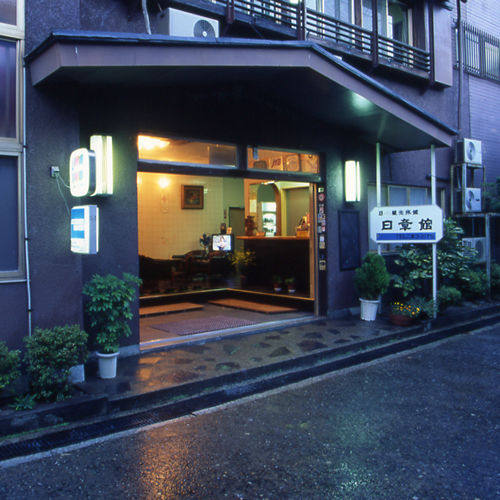
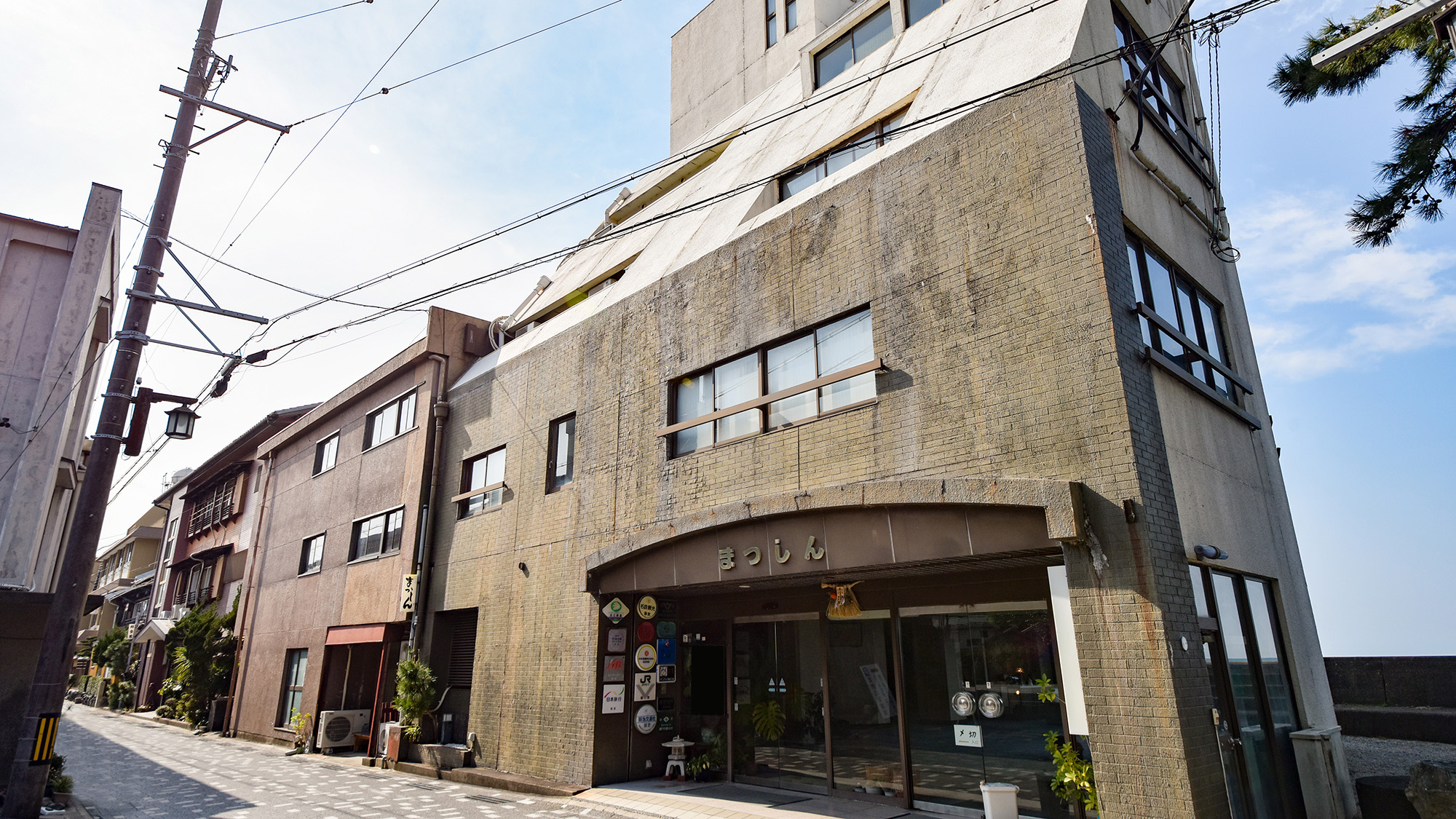
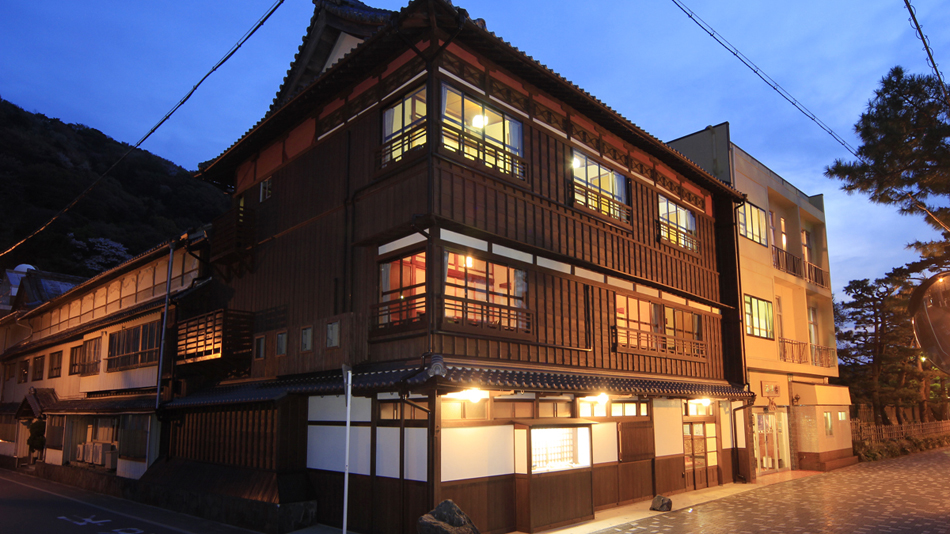
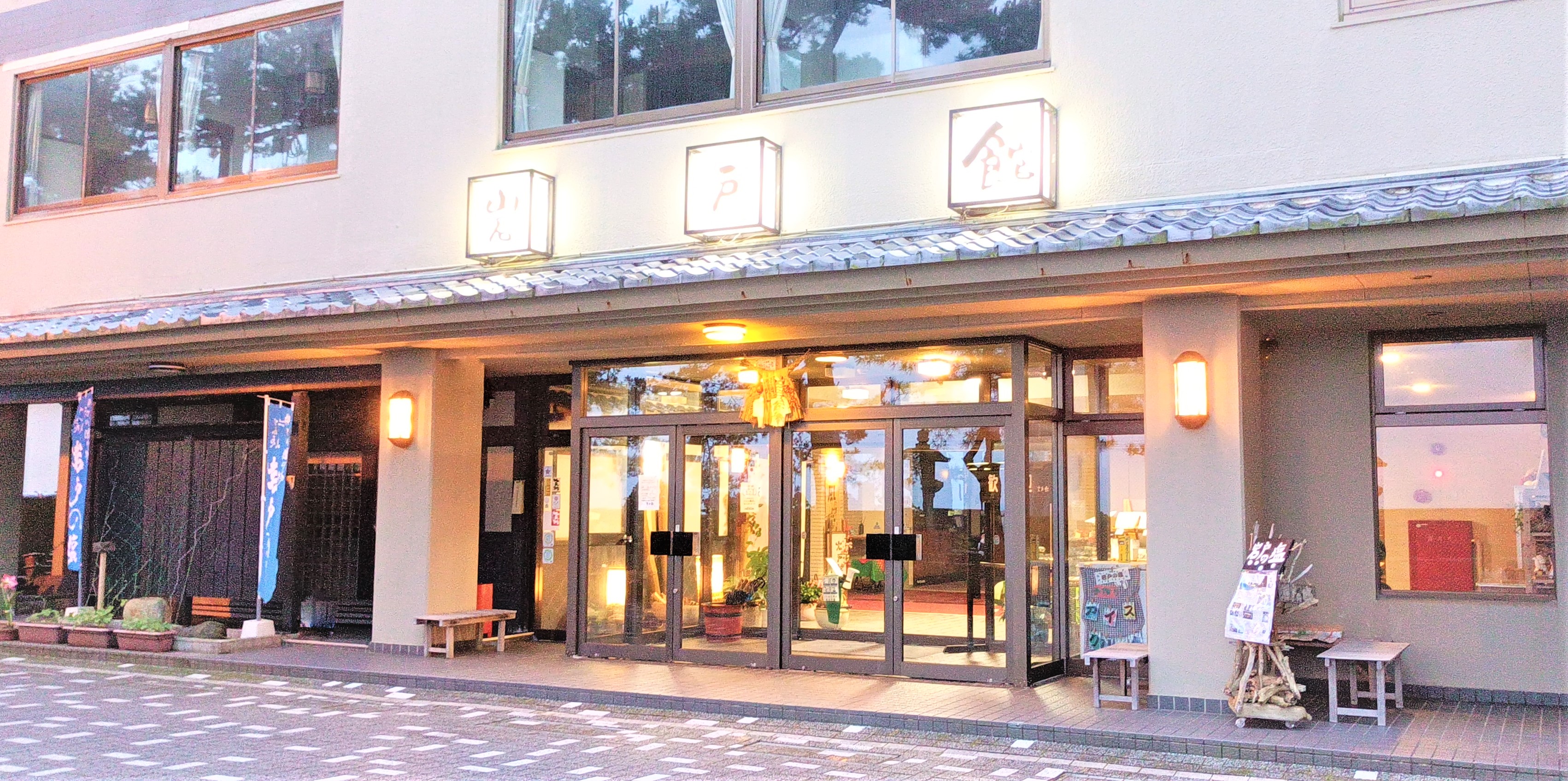
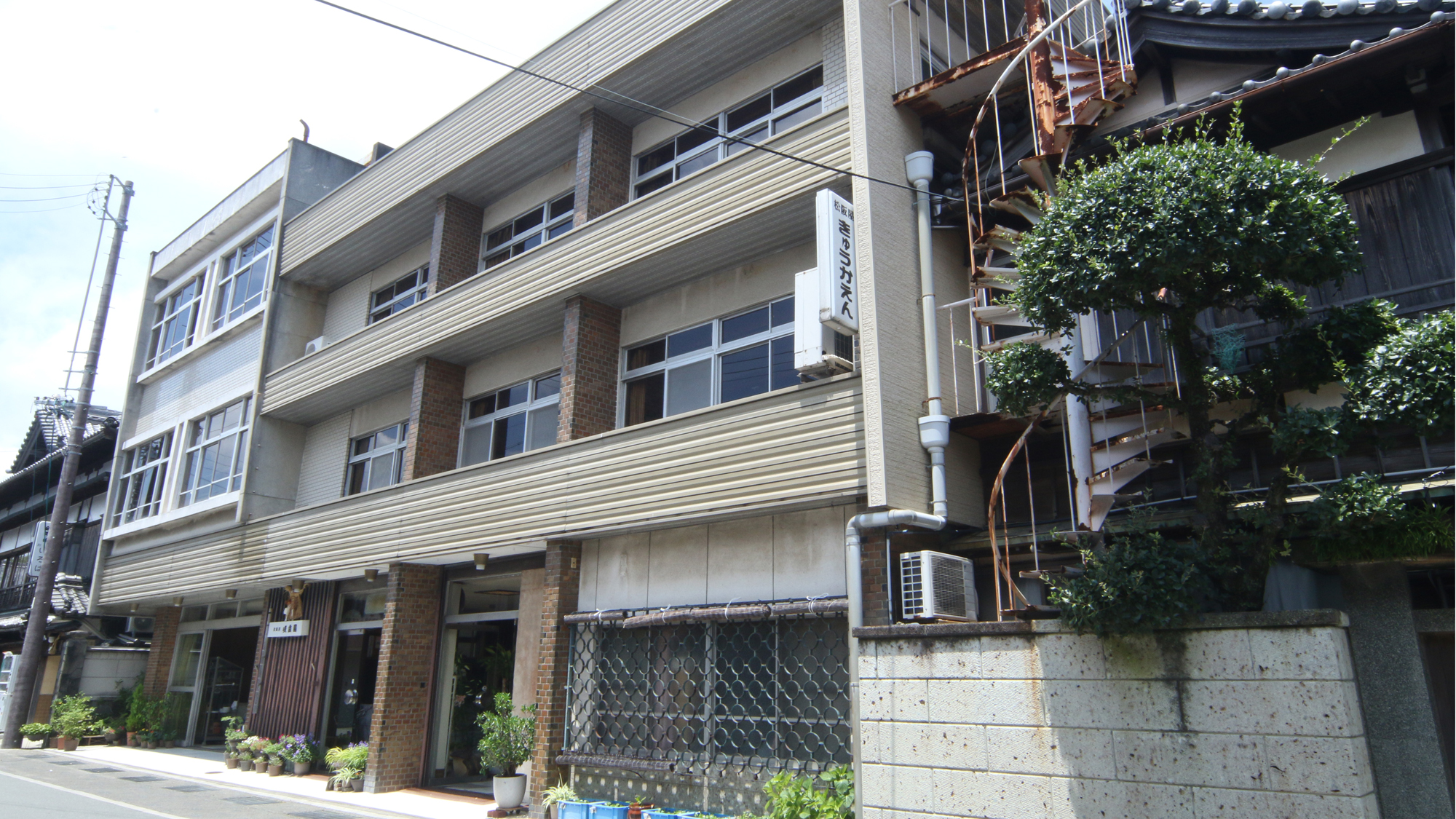
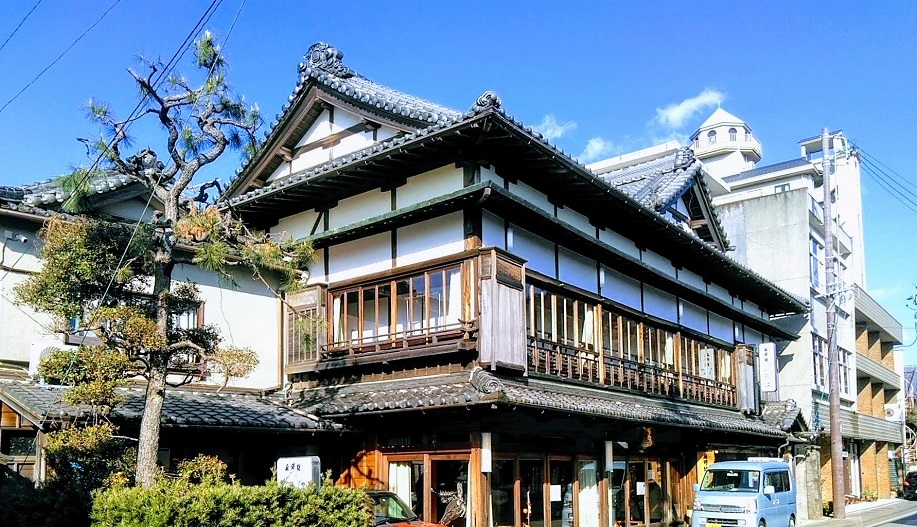
In addition, along the approach from JR Futaminoura Station to the shrine, there are inns and souvenir shops that preserve the atmosphere of old post-town lodgings, allowing visitors to enjoy a stroll along with their worship.
■ Conclusion
Futami Okitama Shrine is an important sacred site for purifying body and mind before visiting Ise Grand Shrine, and sacred symbols of nature worship such as Meoto Iwa and Okitama Shinseki continue to be carefully preserved. With the blessings of Sarutahiko Ōkami, it is believed to bring success in opening new paths, good relationships, and marital harmony, and is cherished by many people.
This shrine, where beautiful sea scenery and a mystical landscape blend with traditional beliefs, can truly be called a special place where one can feel the spiritual culture of Japan.
Mie Tourist Attractions
View List
Nabana no Sato
Nabana no Sato is one of Japan's largest theme parks dedicated to flowers, greenery, and food. In the large greenhouse "Begonia Garden," hundreds of flower species b...

Okage Yokocho
Okage Yokocho is a tourist destination in Ise that opened in 1993, located in the middle of Oharai-machi Street in front of the inner shrine's torii gate. The approx...

Ise Grand Shrine
Ise Jingu, known formally as "Jingu," is a special presence among shrines in Japan. It consists of a sacred area centered around the Naiku (Inner Shrine) dedicated t...

Nagashima Spa Land
Nagashima Spa Land is a large amusement park located in Nagashima Town, Kuwana City, Mie Prefecture, in the northern part of the prefecture. This attraction park is ...

Suzuka Circuit
Suzuka Circuit is a mobility-themed park set in hilly terrain, and it is Japan's first full-fledged international circuit completed in 1962. The 5,807m-long course i...

Shimusupein Village
Shima Spain Village is a theme park that recreates the streets of passionate Spain. It offers a variety of attractions, from thrilling roller coasters to rides suita...

Toba Aquarium
Toba Aquarium is one of the largest indoor aquariums in Japan, boasting a total length of about 240 meters and a pathway of approximately 1.5 kilometers. It houses a...

Saruta Hiko Shrine
Saruta Hiko Shrine is a shrine dedicated to Saruta Hiko no Okami, the deity of "road-opening" in Japanese mythology. Saruta Hiko no Okami guided Ninigi no Mikoto to ...