World Heritage Ainu Village of Traditional Housebuilding
World Heritage Ainu Village of Traditional Housebuilding Movies

![[ 8K 3D VR180 ] 世界遺産「五箇山・相倉合掌集落」 秋の絶景 Spectacular Autumn Scenery in Aikura,world Cultural Heritage](https://i.ytimg.com/vi/MNmGdbL6wPg/mqdefault.jpg)


Basic Information
- Spot Name
- World Heritage Ainu Village of Traditional Housebuilding
- Location
- 〒939-1915 Aikura, Nanto City, Toyama Prefecture
- Access
- From JR Johana Line Johana Station, take the Kanayo Bus bound for Gokayama and Shirakawa-go for 23 minutes. Get off at Aikuraguchi and walk for 5 minutes.
- Parking
- Parking available
- Business Hours
- 8:30 AM to 5:00 PM
- Regular Holiday
- Open all year round.
- Contact Information
- Phone Number:0763-66-2468
- Official Website
Map
Detailed Information
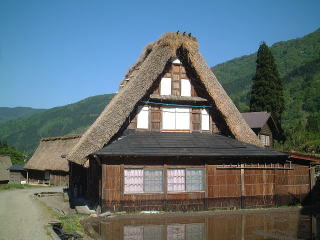
Aigamura Gassho-zukuri Village, a UNESCO World Heritage Site, is a precious place where the nostalgic beauty of Japan’s original rural landscape still remains today. Located in the Gokayama area of Nanto City, Toyama Prefecture, it is a quiet settlement surrounded by mountains, where traditional ways of life and historic scenery have been carefully preserved. In 1995, together with Shirakawa-go in Gifu Prefecture and the Suganuma settlement in the same Gokayama area, it was registered as a UNESCO World Cultural Heritage Site under the name “Historic Villages of Shirakawa-go and Gokayama Gassho-style Houses.” Because people still live here today, it is known worldwide as a rare “world heritage site where people actually live.”
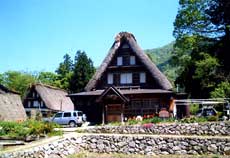
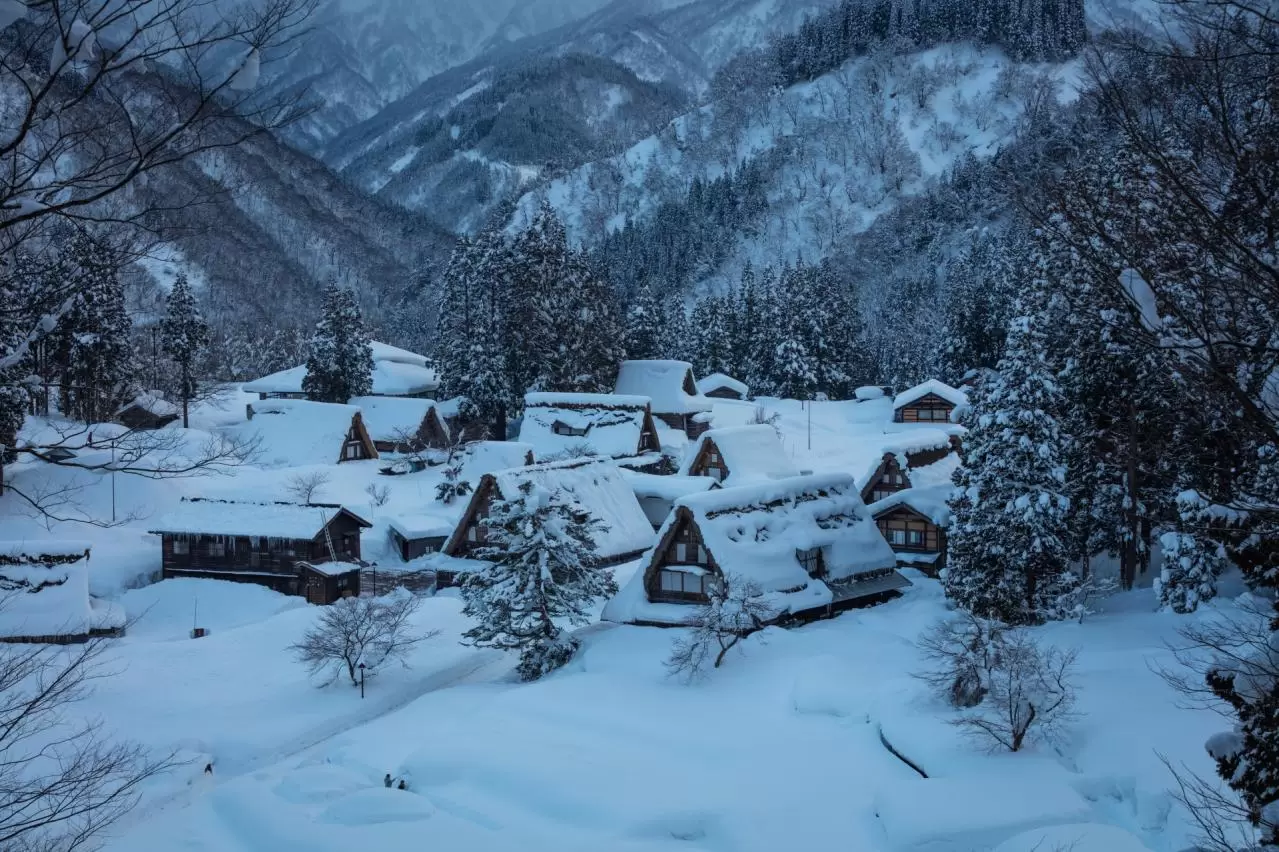
In Aigamura Gassho-zukuri Village, rows of Gassho-style houses built from the Edo period through the Meiji period—some dating back 100 to over 200 years—preserve the historic landscape of Gokayama to this day. Gassho-style architecture is a traditional building style characterized by steep thatched roofs, and the name comes from the roof shape resembling hands pressed together in prayer, or “gassho.” This structure is well suited to the heavy snowfall of Gokayama, allowing snow to slide off naturally. Such thatched Gassho-style houses are an extremely rare form of traditional home in Japan, seen mainly in Shirakawa-go and the Gokayama region. Today, 20 Gassho-style houses remain in Aigamura, and visitors can also see the “primitive Gassho hut,” said to be the original form of Gassho-style architecture remaining only in Gokayama.
Inside the village, in addition to Gassho-style houses of various sizes, there are also thatched-roof temples and many other highlights that evoke a deep sense of history. Even now, residents continue their daily lives here, and traditional livelihoods such as farming and local industries still live on. Visitors can experience the atmosphere of a historic settlement where real life continues, rather than a mere tourist attraction.
One of the charms of Aigamura Gassho-zukuri Village is its beautiful scenery, which changes with the seasons. In spring, fresh greenery appears; in summer, the surrounding mountains are lush and blue; in autumn, the leaves turn brilliant colors; and in winter, the entire village is covered in snow, creating a pure white silver world. The winter snow scenery is especially fantastical and mysterious, captivating many visitors. Seasonal illuminations also bathe the Gassho-style houses in soft light, allowing guests to enjoy an enchanting view unlike the everyday scene.
The village also has well-equipped facilities where visitors can learn about the history and culture of Gokayama. The Aigamura Folklore Museum, housed in a Gassho-style building, exhibits folk materials such as old daily tools and farming equipment, offering insight into the lives and wisdom of earlier generations. At the Aigamura Traditional Industry Museum, materials related to Gokayama’s traditional industries—such as washi paper and saltpeter (a raw material for black powder)—are displayed, allowing visitors to learn about the region’s industrial history. In addition, at the Washi Papermaking Experience Center, guests can try making traditional Japanese paper and create their own original work.
Elsewhere, the Gokayama General Information Center, a tourist hub for the region, provides maps and pamphlets of the surrounding area, and also shows videos of the Gokayama folk songs “Kokiriko” and “Mugiya-bushi.” The popular “Yukinko Experience” lets visitors try on snow-country items such as a goza hat and straw snow boots to experience life in a snowy region.
Gokayama is also home to historically significant Gassho-style houses. Murakami House, designated an Important Cultural Property of Japan, is located in the center of Gokayama, where visitors can sit around the irori hearth and listen to explanations about Gokayama’s history and the house itself. With advance reservation, guests can also watch a performance of “Kokiriko Odori,” a traditional folk dance of Gokayama. Iwase House, meanwhile, is one of Japan’s largest five-story Gassho-style houses and took eight years to build. Inside, visitors can hear explanations from the head of the house by the irori, or climb up to the attic to observe the structure of the building and experience life as it was in the past.
The Gokayama region is also known for its tradition of washi papermaking. Gokayama Washi, a craft with a history of over 400 years, is one of the area’s important cultural treasures. At the workshop, visitors can watch the papermaking process and even try making washi themselves. At Michi-no-Eki Taira Gokayama Washi no Sato, a variety of washi products and local goods are sold, making it a popular stop for tourists.
In this way, Aigamura Gassho-zukuri Village is a fascinating place where historic buildings, traditional culture, and natural scenery come together. The quiet landscape of Gassho-style houses surrounded by mountains offers peace and healing to all who visit. By strolling leisurely through the village, you can fully experience the rich history, culture, and beautiful nature of World Heritage Gokayama.
#Townscape/Bikan Historical Quarter #Cultural assets/historic sites
Toyama Tourist Attractions
View List
Tateyama Kurobe Snow Festival
The "Tateyama Kurobe Alpine Route," which runs through the Northern Alps with peaks rising over 3,000 meters, is known for its spring event, the internationally reno...

Kurobe Dam
The Kurobe Dam is one of Japan's largest dams and is often referred to as "the great undertaking of the century" due to its scale and the difficulty of its construct...
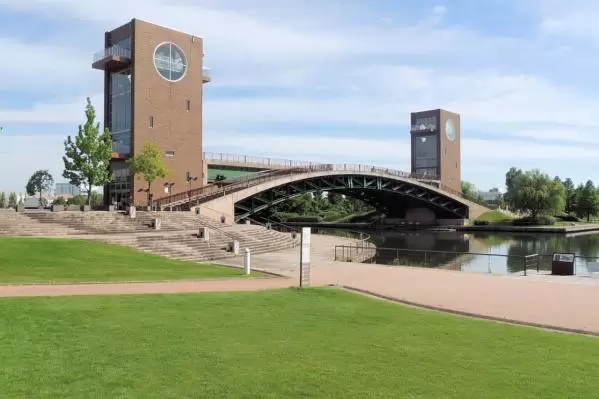
Fugan Ungekan Suikoen
Togigawa Canal Park, surrounded by the Togigawa Canal, is a lush waterside space located about a 9-minute walk from Toyama Station. From the observation tower of the...
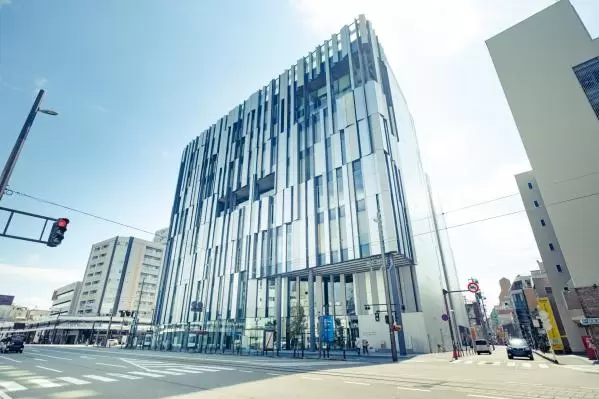
Toyama Glass Art Museum
The Toyama Glass Art Museum, a symbol of the "City of Glass," is located within "TOYAMA Kirari," designed by Kengo Kuma. In the permanent exhibition "Glass Art Garde...
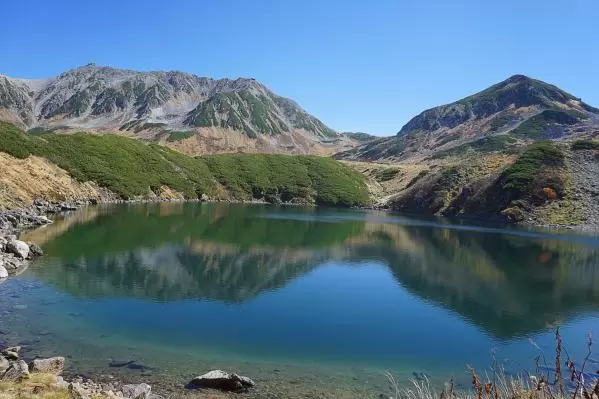
Mikurigaike
Mikuri Lake, with its clear and beautiful surface, is a symbol of Murodou and is regarded as the most beautiful volcanic lake in the Northern Alps. This lake, formed...
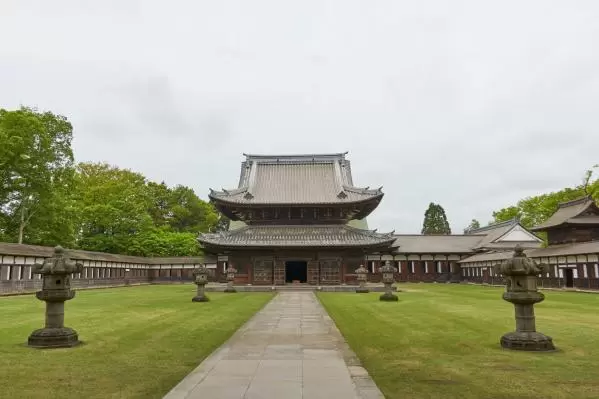
Kokuhō Kōkōzan Zuiryūji
Takaokayama Zuiryuji is the temple dedicated to Maeda Toshinaga, the second head of the Kaga Maeda clan and the founder of Takaoka. It was established by Maeda Toshi...
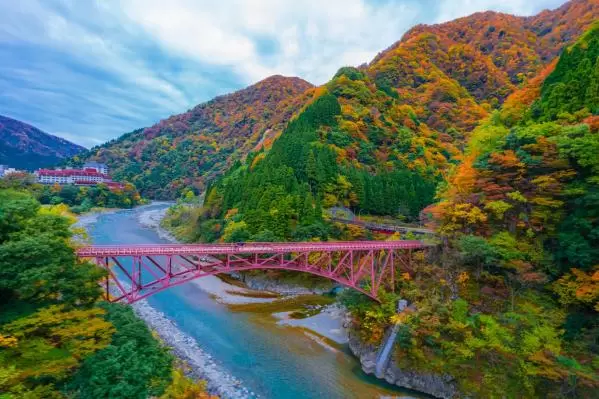
Kurobe Gorge
The Kurobe Gorge is a magnificent V-shaped canyon located within the Chubu Sangaku National Park and is listed among Japan's three major gorges and one of the 100 hi...
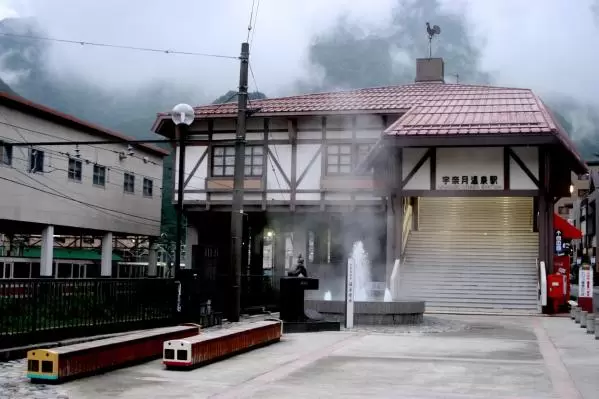
Unazuki Onsen
"Unazuki Onsen" is a renowned hot spring resort located at the entrance of the Kurobe Gorge in Toyama Prefecture, which opened in 1923. Once an uninhabited plateau c...