Edo-Tokyo Museum
In the permanent exhibits, places from the Edo period, such as Nihonbashi and theater halls, as well as the Meiji-era venues like the Rokumeikan and the Ginza brick streets, are reconstructed in three dimensions. There are also interactive models of palanquins and rickshaws, alongside displays of ukiyo-e, kimonos, and daily living tools. Special exhibitions are held about five times a year and are also not to be missed.
The museum operates under the basic policy of "Elegance and Excitement," and engages in various outreach activities and research initiatives. The results of these efforts are widely shared with residents and tourists in the facility, which includes a well-stocked museum shop and restaurant.
However, please note that the museum is scheduled to close for extensive renovations from April 1, 2022, until the end of the fiscal year 2025. After this period, visitors can look forward to an even more advanced Edo-Tokyo Museum.
This museum is a valuable place for contemplating the history, culture, and future of Tokyo. It is recommended for families, as it has become a beloved facility where many people can enjoy learning about the history of Edo and Tokyo.
Edo-Tokyo Museum Movies
![[60代Vlog]江戸東京たてもの園に行きました。下町中通りが楽しい!日帰り一人旅/#シニア#年金生活#東京都江戸東京博物館#グルメ#散歩#レトロ#昭和](https://i.ytimg.com/vi/VdQKBVyQDhk/mqdefault.jpg)


Basic Information
- Spot Name
- Edo-Tokyo Museum
- Location
- 〒130-0015 1-4-1 Yokoami, Sumida-ku, Tokyo, Japan
- Access
- Get off at the West Exit of JR Sobu Line Ryogoku Station and walk for 3 minutes, or get off at the East Exit and walk for 7 minutes.
From Toei Oedo Line Ryogoku Station (in front of the Edo-Tokyo Museum) Exit A4, it is a 1-minute walk. - Parking
- Parking available.
- Business Hours
- 9:30 AM to 5:00 PM (last admission at 5:30 PM), Saturdays until 7:00 PM (last admission at 7:30 PM).
- Regular Holiday
- Closed on Mondays (the following weekday if a holiday), and during New Year’s holidays.
- Fees
- 【Admission Fee for Permanent Exhibitions (including Special Exhibitions)】
General: 600 (480) yen
Senior citizens (65 years and older): 300 (240) yen
University students (including vocational and various types): 480 (380) yen
High school and junior high school students (from outside the city): 300 (240) yen
Junior high school students (residing or studying in the city), elementary school students, and preschool children: Free
※The prices in parentheses are for groups of 20 or more. - Contact Information
- Phone Number:03-3626-9974
- Official Website
Map
Detailed Information
The Edo-Tokyo Museum in Tokyo is a historical and cultural facility located in Sumida City, Tokyo, and it opened in March 1993. Through a wide variety of exhibitions and hands-on experiences, the museum introduces the history and culture of Tokyo over roughly 400 years, from Tokugawa Ieyasu’s entry into Edo to the present day. More than just a tourist attraction, it is cherished by visitors from Japan and abroad as a valuable place of learning that reexamines the city’s past, present, and future.
Building and Design
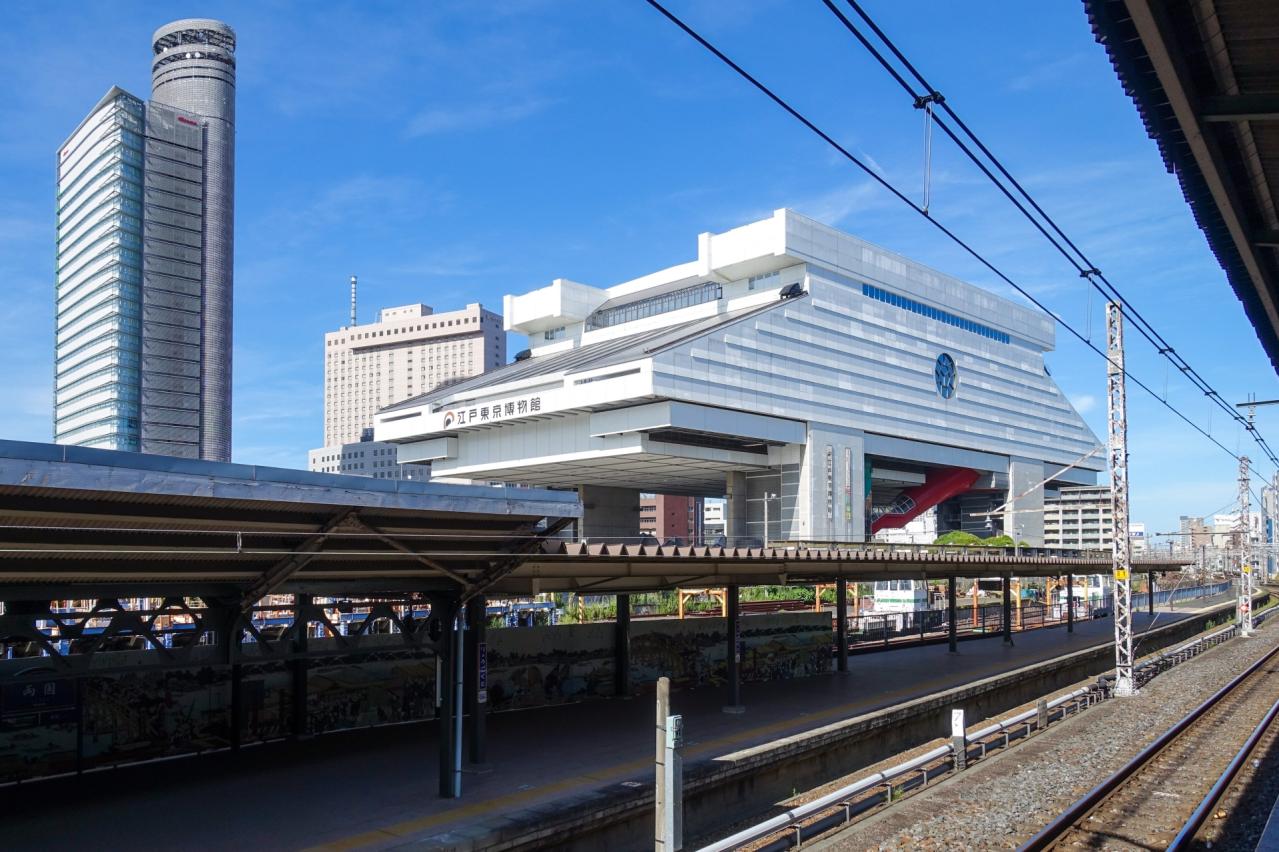
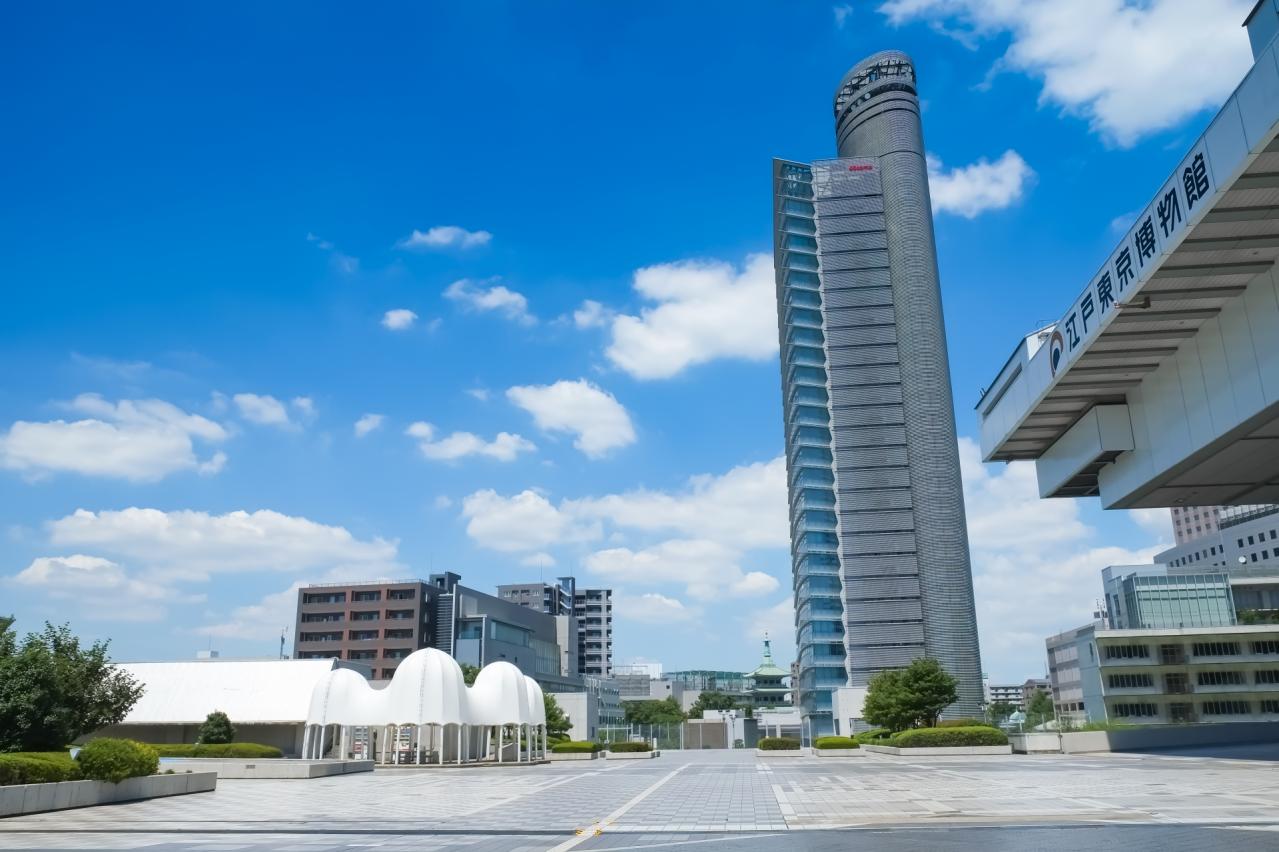
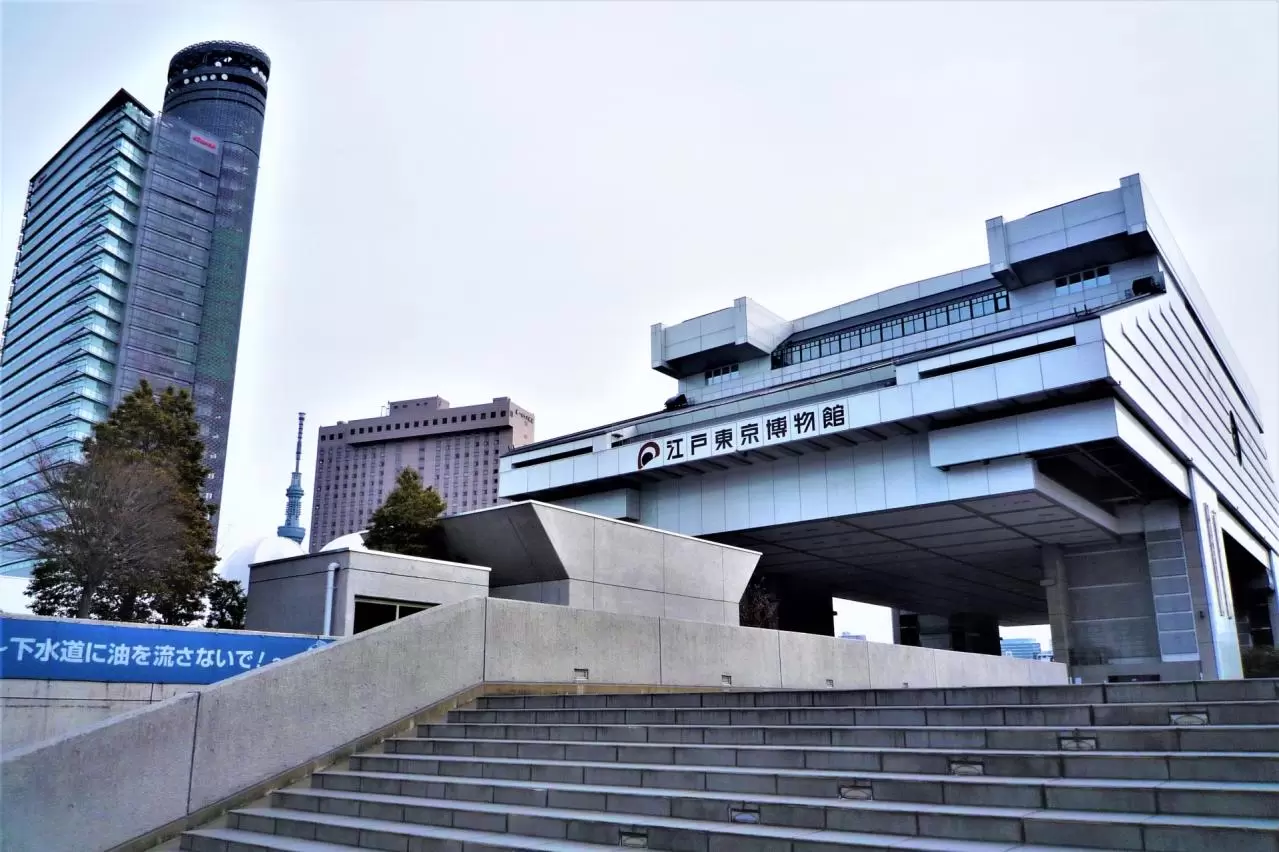
The building was designed by one of Japan’s leading architects, Kikutake Kiyonori, and is distinguished by its unique and striking exterior, inspired by a raised-floor storehouse. This design makes a strong impression on visitors and can also be seen as a symbol connecting tradition and the future.
Exhibitions
Inside the museum, the transformation from Edo to Tokyo is presented in an easy-to-understand way through original materials, restored models, and interactive displays. For example, Nihonbashi Bridge, an Edo-period theater district, and Meiji-period landmarks such as the Rokumeikan and Ginza Bricktown are recreated at full scale, allowing visitors to feel as though they are actually walking through old Tokyo.
There are also exhibits where visitors can touch a palanquin and a rickshaw, along with many valuable materials such as ukiyo-e prints, kimono, and everyday utensils, enabling them to experience the way people lived at the time in a vivid and realistic manner.
Basic Policy and Activities
The Edo-Tokyo Museum operates under the two core themes of “iki” and “nigiwai,” reflecting refined style and lively bustle. This aims to reinterpret the aesthetic sensibilities and culture of Edo in a contemporary context and fulfill the museum’s role as a specialized museum of urban history through high-quality programs.
Its main activities are centered on collecting, preserving, and exhibiting materials, as well as passing down the historical and cultural heritage of urban life, conducting research, and sharing the results with the public through educational outreach. In addition, the museum also serves as a hub for tourism and regional revitalization, promoting interaction with a diverse range of visitors.
Logo Mark and Character
The logo mark of the Edo-Tokyo Museum was designed by graphic designer Sato Koichi, based on the left eye of the famous actor print Ichikawa Ebizō no Takenouchi Sadanoshin by the mysterious ukiyo-e artist Tōshūsai Sharaku from the Edo period. The sharp gaze at the moment of a dramatic pose symbolizes visitors’ surprise and curiosity, and can also be interpreted as a gaze linking the Edo period, the present, and the future.
In 2003, when the museum celebrated its 10th anniversary, a character selected through a public contest was introduced. This character was designed based on the giboshi finial of the Nihonbashi Bridge railing in the permanent exhibition and combines friendliness with a sense of tradition.
Special Exhibitions and Educational Activities
In addition to the permanent exhibition, the museum also holds special and thematic exhibitions about five to six times a year, offering in-depth presentations on a wide range of historical and cultural topics. The museum also provides a rich variety of educational programs, including lectures, hands-on classes, and workshops, creating an environment where people of all ages, from children to adults, can learn while enjoying themselves.
Current Status (as of 2025)
At present, the Edo-Tokyo Museum has been closed since April 1, 2022, due to major renovation work. It is scheduled to reopen in spring 2026. Some exhibits are being presented at venues such as the Tokyo Metropolitan Art Museum under the title “Edo-Tokyo Museum on the Road,” allowing visitors to continue experiencing the museum’s appeal.
Tokyo Tourist Attractions
View List
Mitaka no Mori Ghibli Museum
The Ghibli Museum, Mitaka is situated within Inokashira Park in Mitaka City, Tokyo, and offers a chance to experience the world of Studio Ghibli. Opened in 2001 unde...

Kidzania Tokyo
KidZania Tokyo is a "city where children are the main characters" that allows children to learn about the workings of society through genuine work experiences. Locat...

Showa Kinen Park
Showa Kinen Park is a vast national park created to commemorate the 50th anniversary of Emperor Showa's reign, located across Tachikawa City and Akishima City in Tok...

Roppongi Hills
Roppongi Hills, which was established in Roppongi, Tokyo, in 2003, is not just a cluster of buildings and commercial facilities; it is a city where diverse functions...

Kasai Rinkai Aquarium
Kasai Rinkai Aquarium is a popular aquarium located within Kasai Rinkai Park in Edogawa, Tokyo. The impressive large glass dome designed by architect Yoshiyuki Tanig...

Sunshine Aquarium
Sunshine Aquarium is an aquarium located on the rooftop of a building in Ikebukuro, Tokyo, themed as a "sky oasis." The outdoor area, brimming with a resort-like atm...

Kasai Rinkai Park
Kasai Rinkai Park, located along Tokyo Bay, is an urban oasis packed with attractions that can keep you entertained all day long. Its excellent access, just a one-mi...

The National Museum of Western Art
The National Museum of Western Art is the only national museum in Japan dedicated to Western art, located within Ueno Park in Tokyo. It opened in 1959 and was design...