Learn about the tsunami and its impact
Exhibits use video, photographs, and other materials to explain the scale and effects of the disaster.
AI Summary
This is an AI-generated summary. Please check the official information for opening hours, fees, and closed days.
A free disaster-education facility where you can learn about the Great East Japan Earthquake and its lessons.
Located in Takata Matsubara Tsunami Reconstruction Memorial Park, this museum shares the story of the tsunami through photographs, video, and personal accounts. It offers insight into the scale of the disaster and lessons for protecting lives. The subject matter is serious, and the museum also introduces the recovery process.
Exhibits use video, photographs, and other materials to explain the scale and effects of the disaster.
Easy to visit as a stop along your journey.
Combine a visit with a walk through the park and nearby roadside station to reflect on the disaster and recovery.
Combine your visit with a walk through Takata Matsubara Tsunami Reconstruction Memorial Park and a stop at Roadside Station Takata Matsubara.
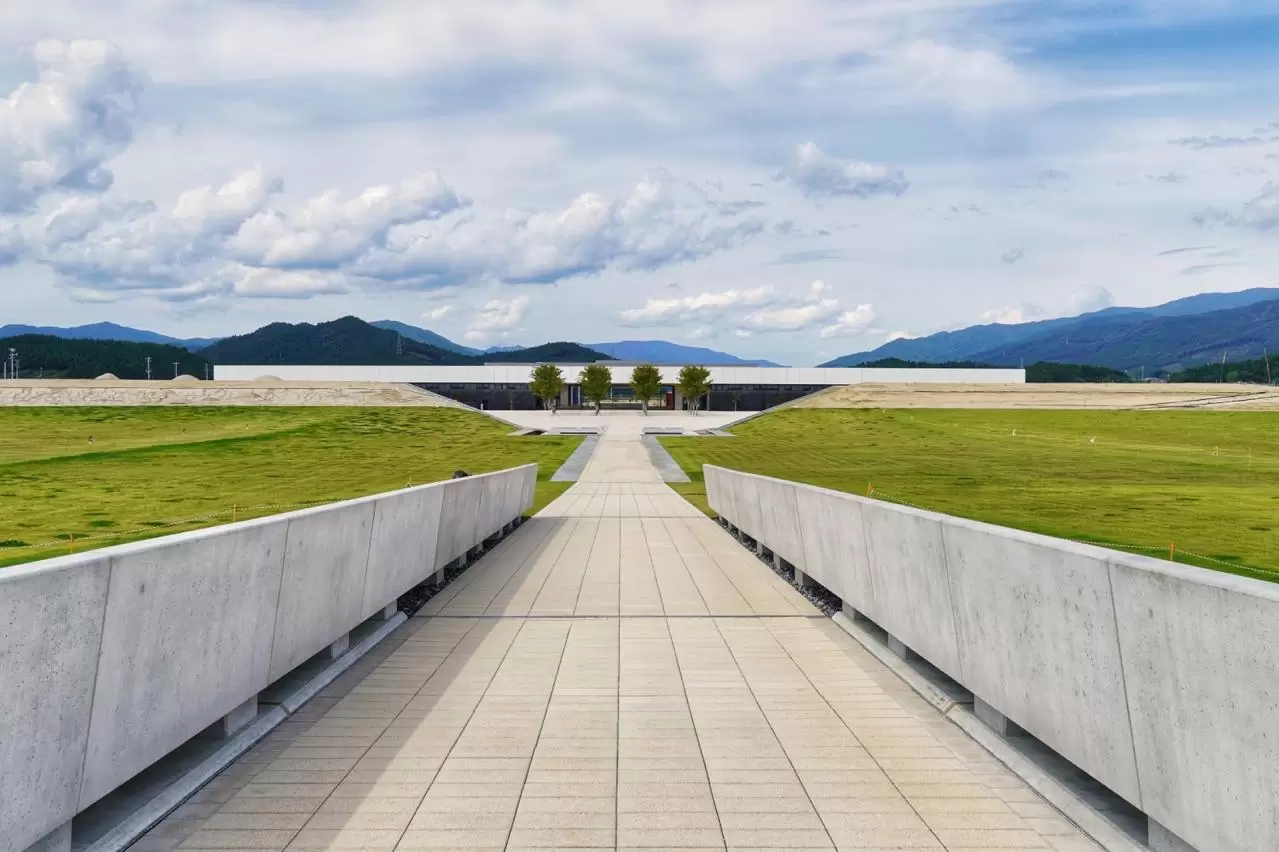
The Great East Japan Earthquake and Tsunami Memorial Museum (nicknamed the “Iwate TSUNAMI Memorial”) is a disaster heritage facility that opened on September 22, 2019, located within Takata Matsubara Tsunami Reconstruction Memorial Park in Rikuzentakata City, Iwate Prefecture. Operated by Iwate Prefecture, the museum aims to pass on the facts and lessons of the Great East Japan Earthquake and tsunami to future generations, provide a place of learning that encourages preparedness for natural disasters, and share with Japan and the world the region’s progress toward recovery and its gratitude for the support it has received.
Basic Philosophy and Mission
The exhibition theme of the facility is “Protecting life, and living together with the sea and the land.”
The Japanese archipelago is a land highly vulnerable to natural disasters, and the Sanriku coast in particular is known as an area frequently struck by tsunamis. Iwate Prefecture has suffered devastating damage time and again, including from the 1896 Meiji Sanriku Earthquake Tsunami, the 1933 Showa Sanriku Earthquake Tsunami, the 1960 Chile Earthquake Tsunami, and the 2011 Great East Japan Earthquake and Tsunami. In the modern era, Iwate Prefecture has recorded the highest number of tsunami-related fatalities in Japan, and the museum is founded on a strong determination that such loss must never be repeated.
The museum’s mission statement emphasizes sharing the lessons learned from the disaster, preparing with wisdom and technology, building a society that protects lives through self-initiated action, and carrying forward into the future the gratitude for support received from Japan and abroad.
Exhibitions and Zone Structure
The museum is divided into four zones, designed to provide a systematic understanding of the history, facts, lessons, and recovery related to the earthquake and tsunami.
Zone 1: “Exploring History”
This zone introduces the high risk of natural disasters in the Japanese archipelago and the Sanriku region’s history of frequent tsunamis. Through geological samples containing tsunami deposits, timelines, observation data, simulation footage, and more, visitors can reflect on the wisdom, culture, and disaster-prevention efforts cultivated by previous generations.
Zone 2: “Knowing the Facts”
This zone conveys the realities of the damage caused by the Great East Japan Earthquake and tsunami through photographs, videos, damaged objects, and testimony from affected survivors. Visitors confront the fact that countless lives and entire streets were lost in an instant, and come to understand the threat of tsunamis and the preciousness of life.
Zone 3: “Learning the Lessons”
This zone introduces actions taken by people during the disaster, such as “escape,” “help,” and “support,” and systematically teaches lessons for protecting life. It conveys the importance of preparing with wisdom and technology and of taking proactive action to save lives.
Zone 4: “Moving Forward Together in Recovery”
This zone introduces gratitude for the support received from Japan and abroad, as well as the 모습을 of the disaster-stricken area as it continues on the path to recovery. Located on the side adjacent to Roadside Station Takata Matsubara, this zone is designed so that visitors can experience the area’s “present” through the exhibits.
In addition, the museum has two theaters that screen tsunami footage and records of the disaster, creating an environment where visitors can more deeply experience the earthquake and tsunami.
Learning and Outreach Activities
In addition to the exhibits, the museum offers guided tours by interpreters for groups, as well as seminars and educational outreach activities. As a hub for disaster-prevention education, it provides a place where visitors can think about actions that protect their own lives. Admission is free, making it easy for anyone to access this place of learning.
Recovery and Communication of the Future
The “Iwate TSUNAMI Memorial” is not only a facility that helps people remember the tragedy of the disaster, but also one that communicates the region’s progress toward recovery. Its mission is to share the situation of the affected area with the world, help realize a society resilient to natural disasters, and carry forward into the future the gratitude for the support that has been extended.
The Great East Japan Earthquake and Tsunami Memorial Museum, the “Iwate TSUNAMI Memorial,” is a base for learning that conveys the facts of the disaster as they are, passes on its lessons to the future, and nurtures the wisdom and actions needed to protect lives. While looking back on Iwate Prefecture’s long history with tsunamis, it continues to inspire disaster awareness and hope as a place that demonstrates the path of recovery and connections with the world.
Geibikei is a beautiful gorge selected as one of Japan's top 100 scenery spots, featuring approximately 2 kilometers of cliffs that rise around 100 meters on both si...
Ryusendo Cave is one of Japan's three great limestone caves, designated as a national natural monument in 1938 under the name "Iwaizumi Cave and Bats." The cave is e...
Morioka Hachimangu Shrine is located in Morioka City, Iwate Prefecture, and was founded in 1680 (the 8th year of the Enpo era) by the 29th lord of the Nanbu clan, Sh...
The Iwate Prefectural Museum of Art was opened in 2001 in the new cultural zone of Central Park in Morioka City. The museum's collection focuses on works by local ar...
Chuson-ji Temple was founded in 850 by the high priest Jikaku Daishi Ennin and had large-scale structures built by Kiyohira, the first ruler of the Oshu Fujiwara cla...
Geibikei is a beautiful gorge located along the Iwai River, which flows into Ichinoseki City and originates from Mount Kurikoma. Its approximately 2-kilometer stretc...
Koiwai Farm Makiba Park is one of Japan’s largest private comprehensive farms, boasting a history of over 130 years since its establishment in 1891. Covering an area...
Moeji Temple is a unique temple that is designated as both a World Heritage Site and as a special historic site and special scenic spot by the Japanese government, a...