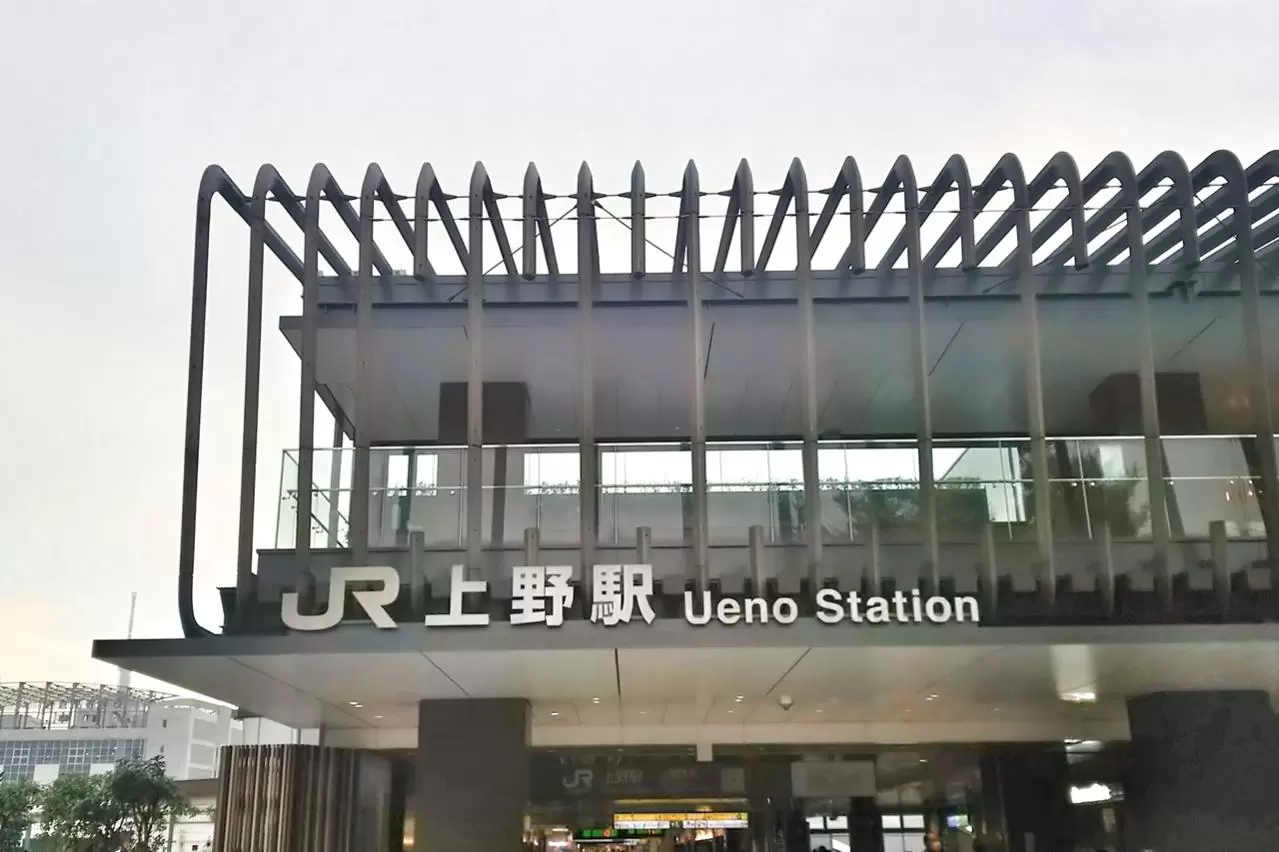
Japan’s only national museum dedicated to Western art
Its collection offers an accessible overview of Western art, from the Renaissance to the modern era.
AI Summary
This is an AI-generated summary. Please check the official information for opening hours, fees, and closed days.
A quiet museum in Ueno where you can enjoy both Western art and architecture at a leisurely pace.
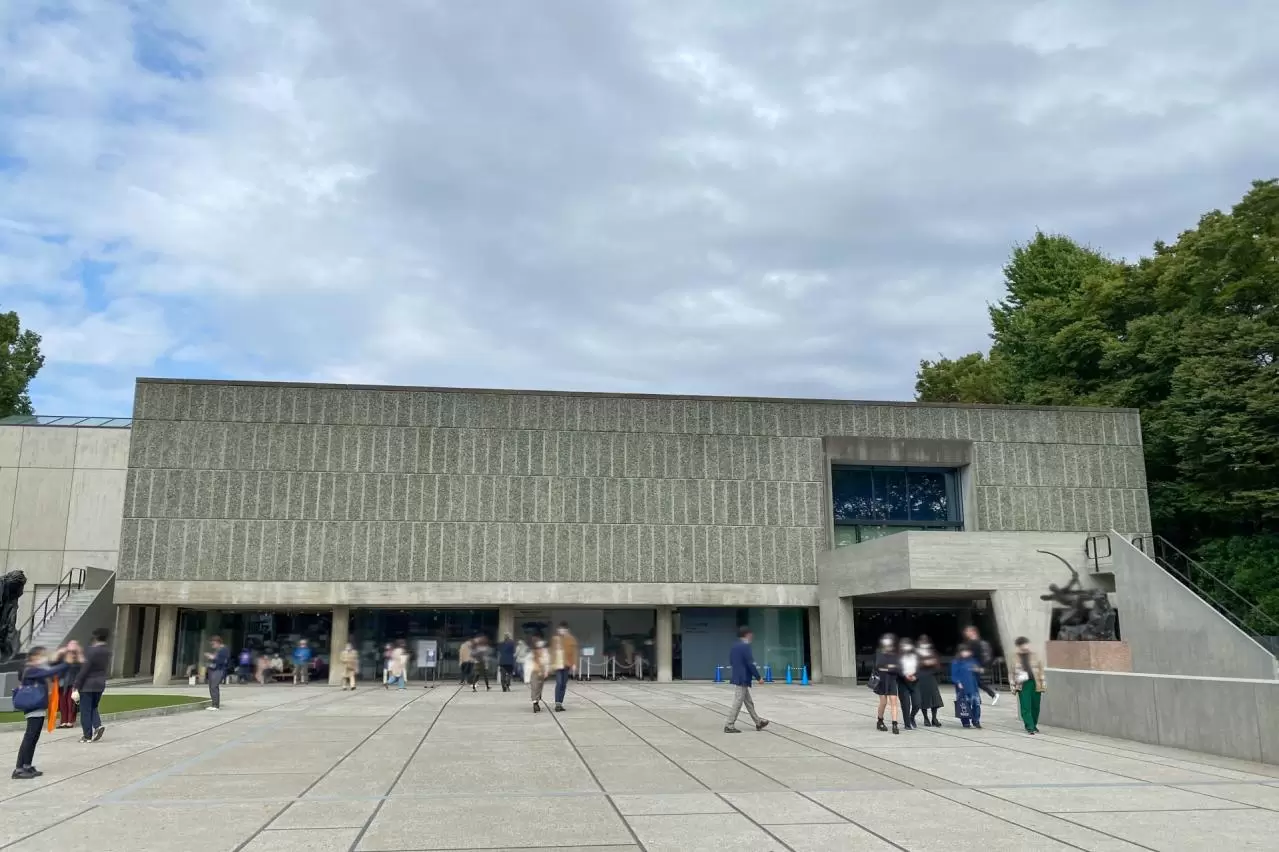
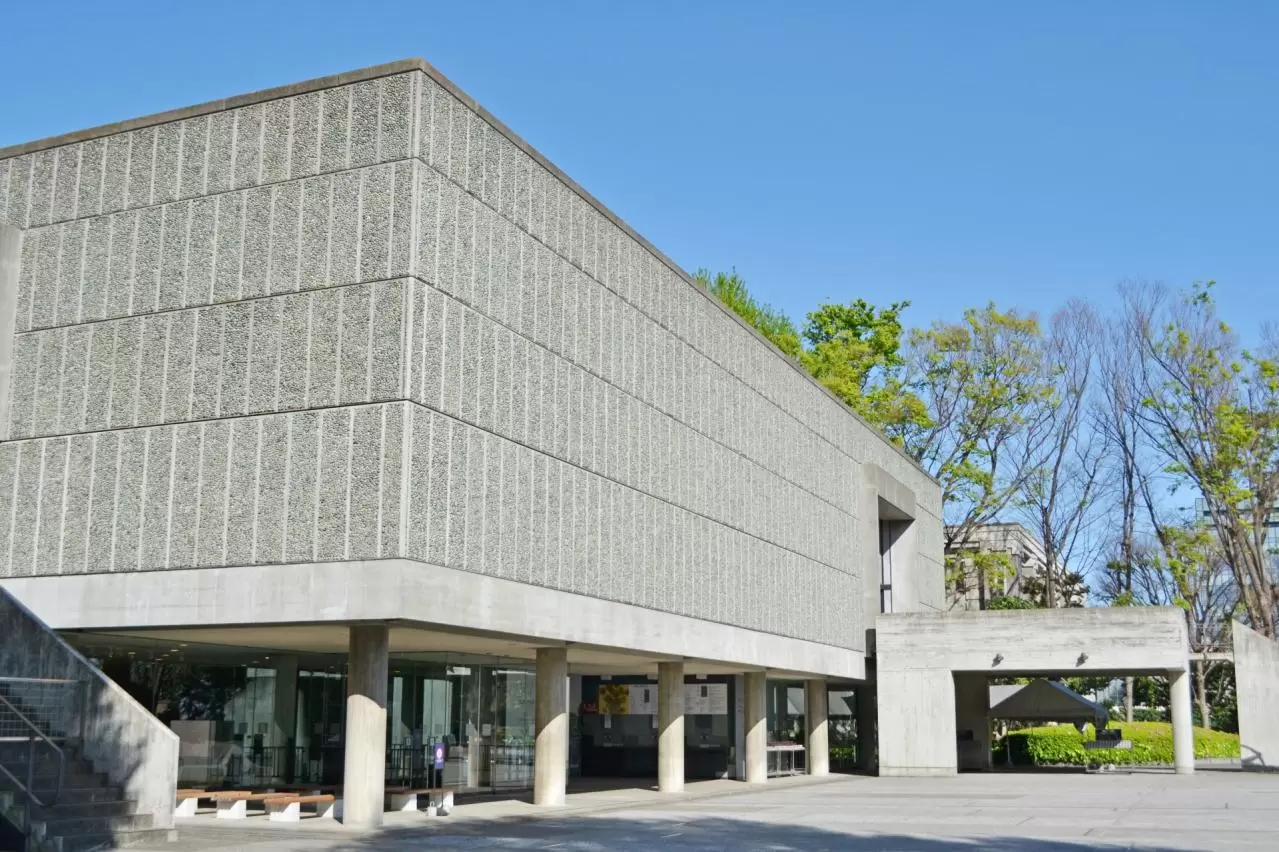
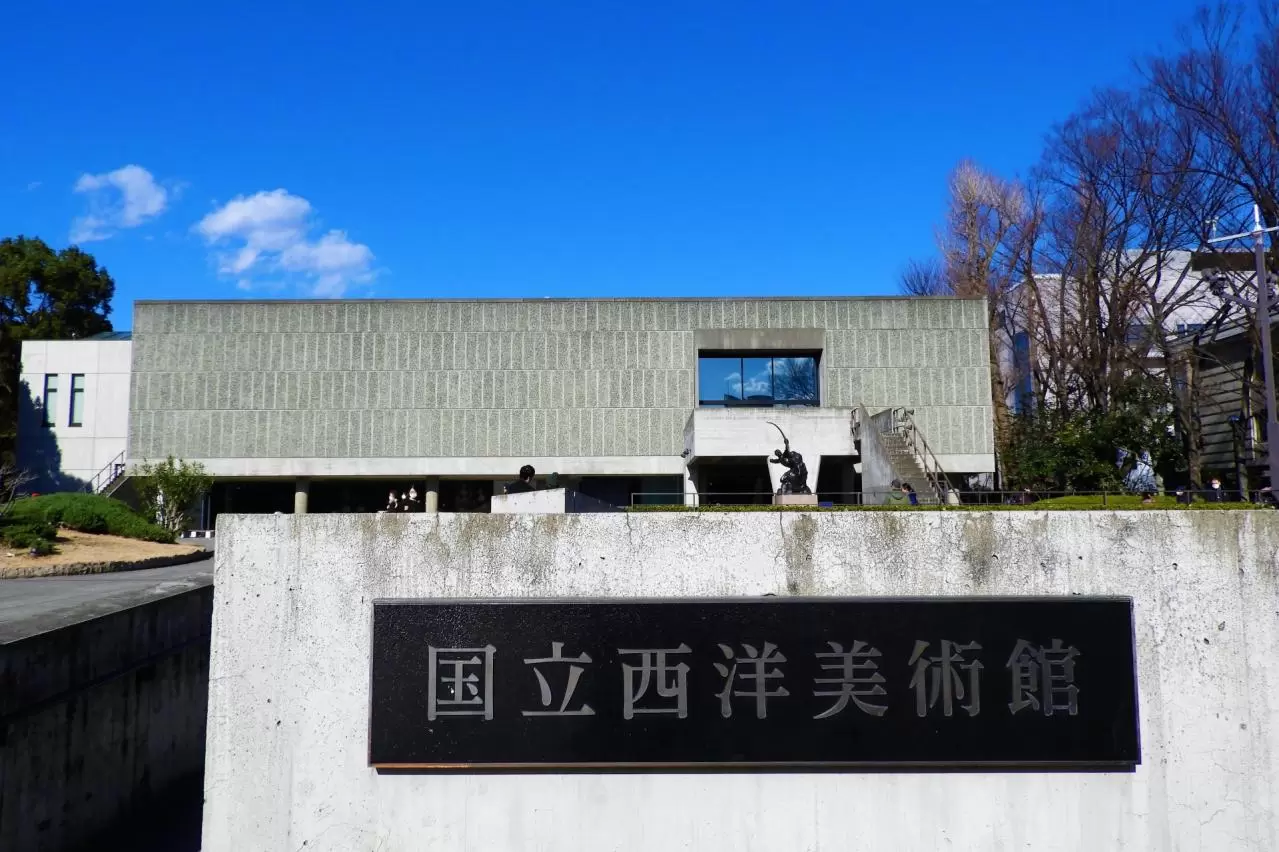
Located in Ueno Park, the National Museum of Western Art is Japan’s only national museum devoted to Western art. Its collection, centered on the Matsukata Collection, includes works by Impressionist artists and Rodin. The Le Corbusier-designed building is another highlight, making this a good choice for visitors interested in both art and architecture.
Its collection offers an accessible overview of Western art, from the Renaissance to the modern era.
The building itself is a UNESCO World Heritage Site, so you can enjoy the architecture alongside the art.
The collection makes it easy to encounter well-known works by Impressionist artists and Rodin.
Stop by while exploring Ueno Park, then visit the front garden and nearby art institutions after viewing the galleries.
The National Museum of Western Art, located in Ueno Park in Taito Ward, Tokyo, is Japan’s only national museum devoted exclusively to Western art. It opened in April 1959 and was established to house and exhibit the “Matsukata Collection,” which was returned to Japan as a gift from the French government.
Architecture and World Heritage Registration
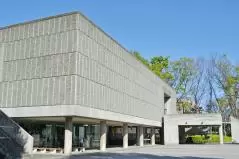
The main building was designed by Le Corbusier, one of the greatest masters of modern architecture of the 20th century. Highly acclaimed for its “outstanding contribution to the Modern Movement,” the building was inscribed in 2016 as part of Le Corbusier’s work on the UNESCO World Cultural Heritage list. The new wing was designed by Japanese architect Kunio Maekawa in 1979, and the exhibition wing was completed in 1997.
The Origins of the Matsukata Collection
At the core of the National Museum of Western Art is the “Matsukata Collection,” a body of artworks collected in Europe by businessman Kojiro Matsukata (1866–1950) from the time of World War I through the postwar years. Matsukata was the first president of Kawasaki Shipyard, now Kawasaki Heavy Industries, and he collected these works with a strong conviction that he wanted to introduce outstanding Western art to Japan and show authentic masterpieces to young Japanese painters.
His collection included a wide range of works, from Impressionist paintings and Rodin sculptures to ukiyo-e prints. At one time, it was said to number as many as 10,000 pieces, though about 2,700 remain today. Many works were dispersed or destroyed by the economic crisis of 1927 and by fire, leaving only a small portion extant. Among them, about 400 works that had been stored in Paris were generously returned to Japan by the French government after the war, and this led to the establishment of the museum.
Exhibitions and Activities
The National Museum of Western Art presents outstanding works of Western art from the Renaissance to the early 20th century as part of its permanent collection, centered on the Matsukata Collection. In addition, works acquired since the museum’s opening, as well as donated and loaned works, are also on display, allowing visitors to enjoy a diverse collection.
The exhibition wing, completed in 1997, hosts special exhibitions and thematic exhibitions about three times a year in collaboration with museums overseas, introducing the broad appeal of Western art. These exhibitions are often co-organized with private institutions such as newspapers, and they are highly regarded for both their quality and scale.
Research, Education, and Outreach
In addition to exhibitions, the museum also focuses on research, collection of materials, conservation and restoration, and educational outreach. It accumulates resources related to Western art, works to preserve the condition of artworks, and offers workshops and lectures for the general public and school education, contributing both academically and socially.
Incorporation and Organizational Structure
Since April 2001, together with institutions such as the National Museum of Modern Art, Tokyo, the museum has been operated as part of the Independent Administrative Institution National Museum of Art. This has made a more flexible and specialized management structure possible.
Front Garden Renovation and the Future
In April 2022, the museum’s front garden was renovated. This was part of efforts to create a more comfortable environment for visitors so they can better enjoy the museum and deepen their understanding of Western art and the cultures behind it.
The National Diet Building is the center of Japan's legislature, located a 3-minute walk from Tokyo Metro's Nagatacho Station. Construction began in 1920 and was com...
Kabukiza is renowned as a prestigious theater for Japan's traditional performing art, Kabuki. Established in 1889, it witnessed the "Dan-Kiku Era" when famous actors...
Showa Kinen Park is a vast national park created to commemorate the 50th anniversary of Emperor Showa's reign, located across Tachikawa City and Akishima City in Tok...
Toyosu Market, which opened in October 2018 after relocating from Tsukiji, is part of the Tokyo Central Wholesale Market and is one of the largest public markets not...
The National Art Center, Tokyo is located in Roppongi, known as the art hub of Japan's capital city, Tokyo. This museum opened in 2007, and its architectural design ...
Kasai Rinkai Aquarium is a popular aquarium located within Kasai Rinkai Park in Edogawa, Tokyo. The impressive large glass dome designed by architect Yoshiyuki Tanig...
Takao Mountain is a 599-meter high mountain located in Hachioji City, Tokyo. It is easily accessible by train from the city center, making it a great spot for casual...
Kanda Myojin, located in Chiyoda, Tokyo, is a historic shrine established in 730 AD, where Tokugawa Ieyasu is said to have prayed for victory in battle. It is the ch...