Takeshita Street
Takeshita Street Movies





Basic Information
- Spot Name
- Takeshita Street
- Location
- 〒150-0001 1-chome, Jingumae, Shibuya-ku, Tokyo
- Access
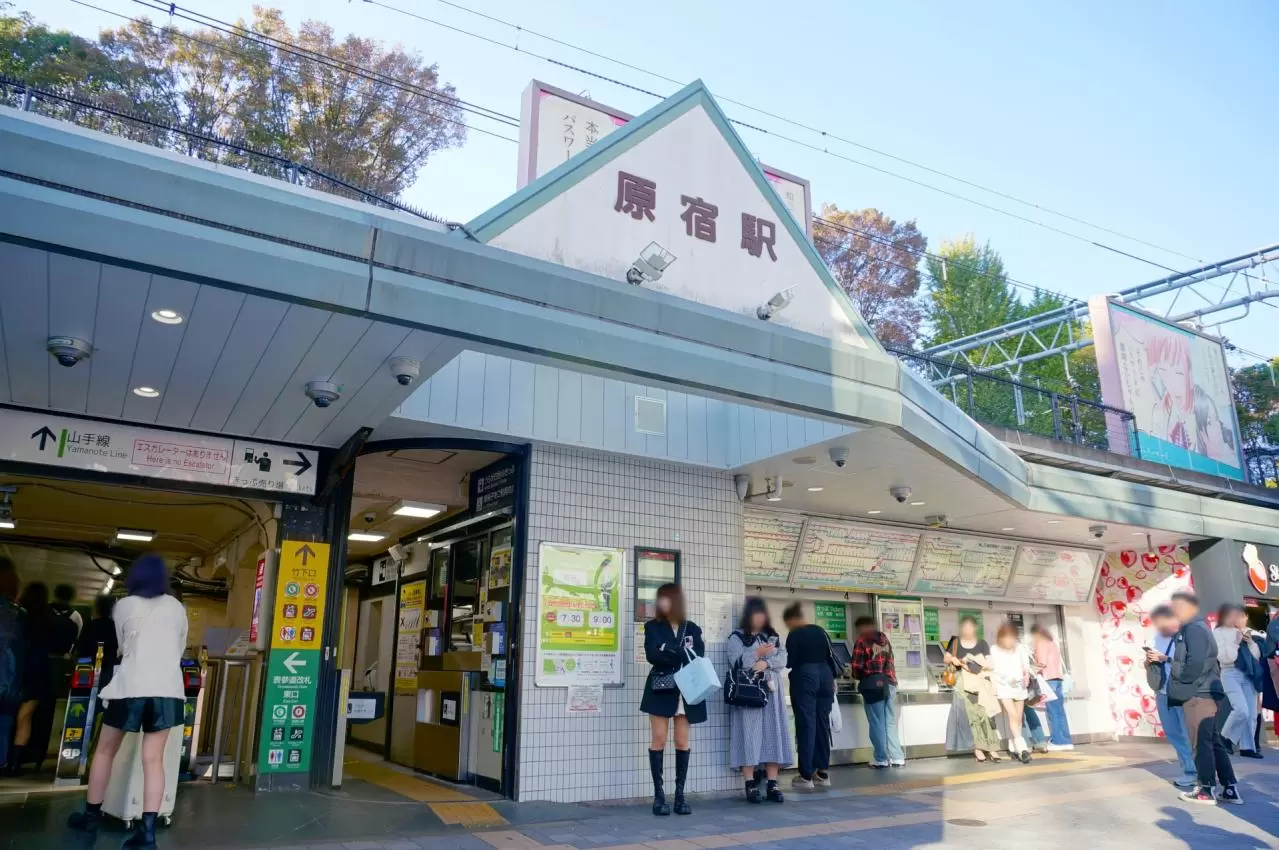
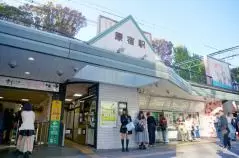
- Immediately outside the Takashita exit of Harajuku Station on the JR Yamanote Line.
- Parking
- Please use the nearby paid parking facilities.
- Business Hours
- Varies by store or facility.
- Regular Holiday
- Open year-round.
- Fees
- It varies by store or facility.
- Contact Information
- Phone Number: [email protected]
- Official Website
Map
Detailed Information
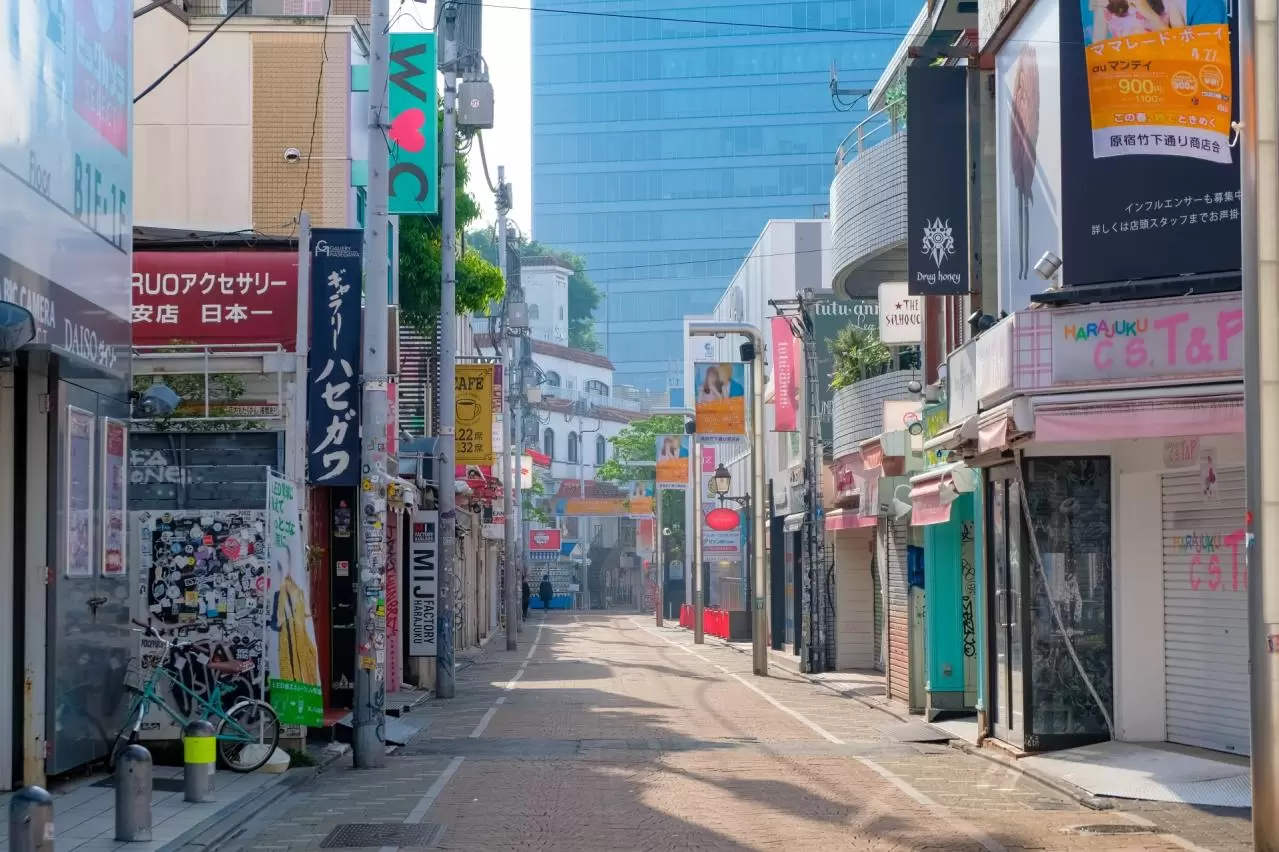
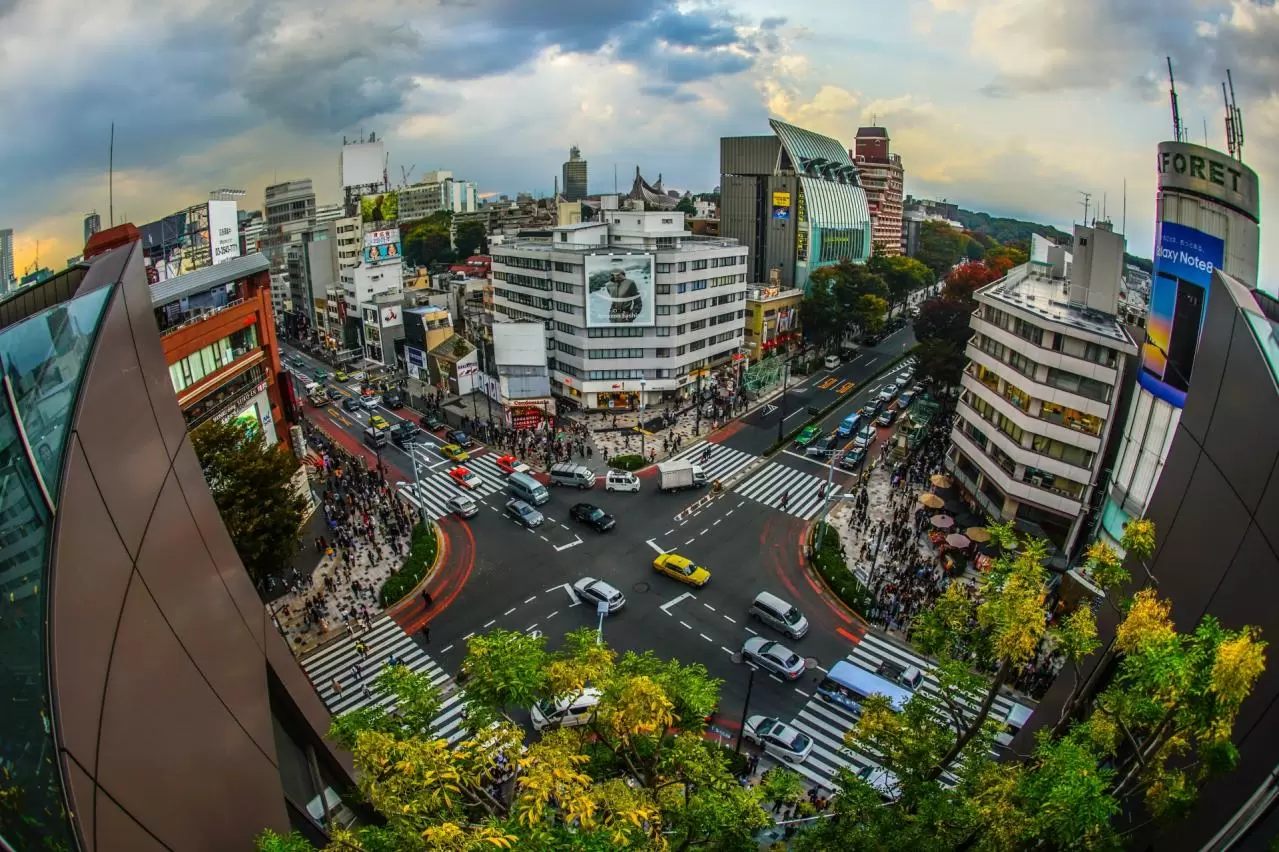
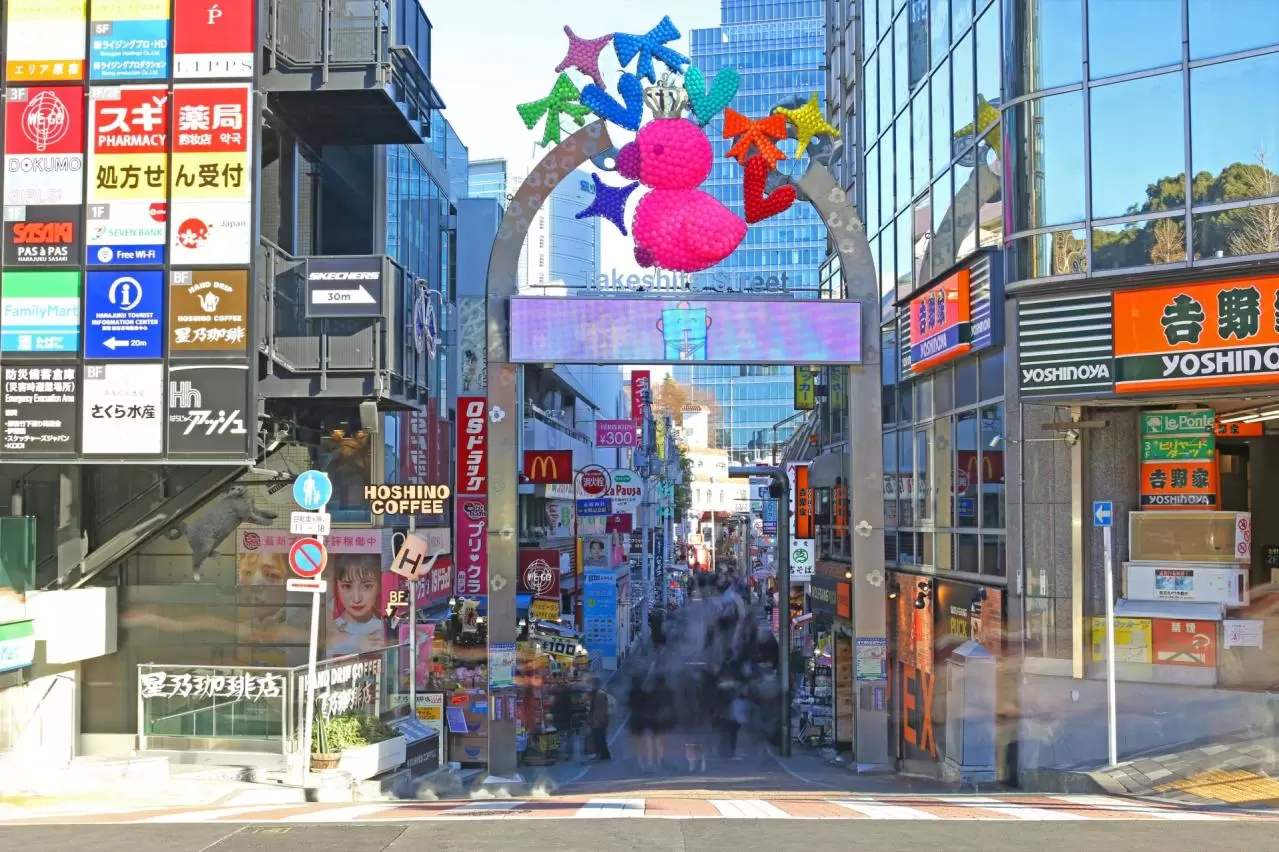
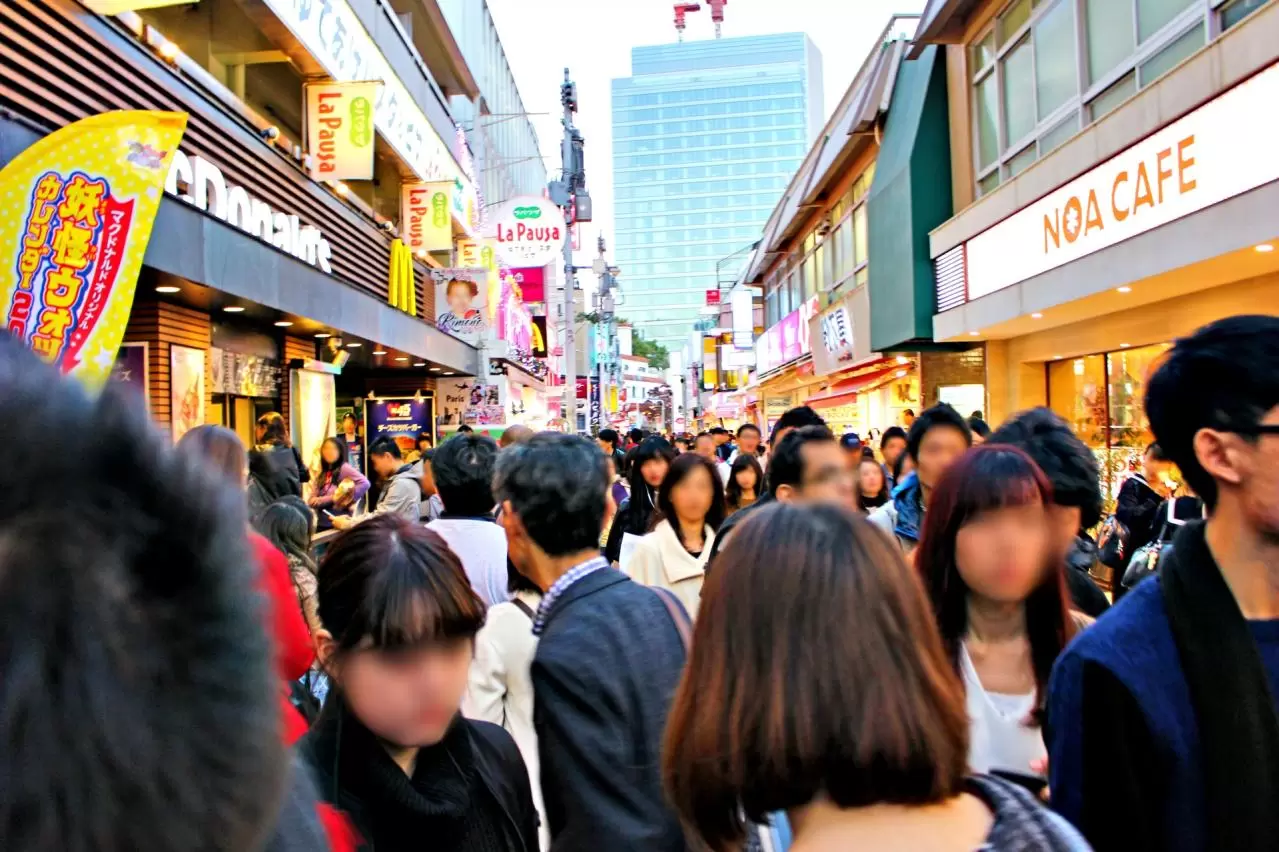
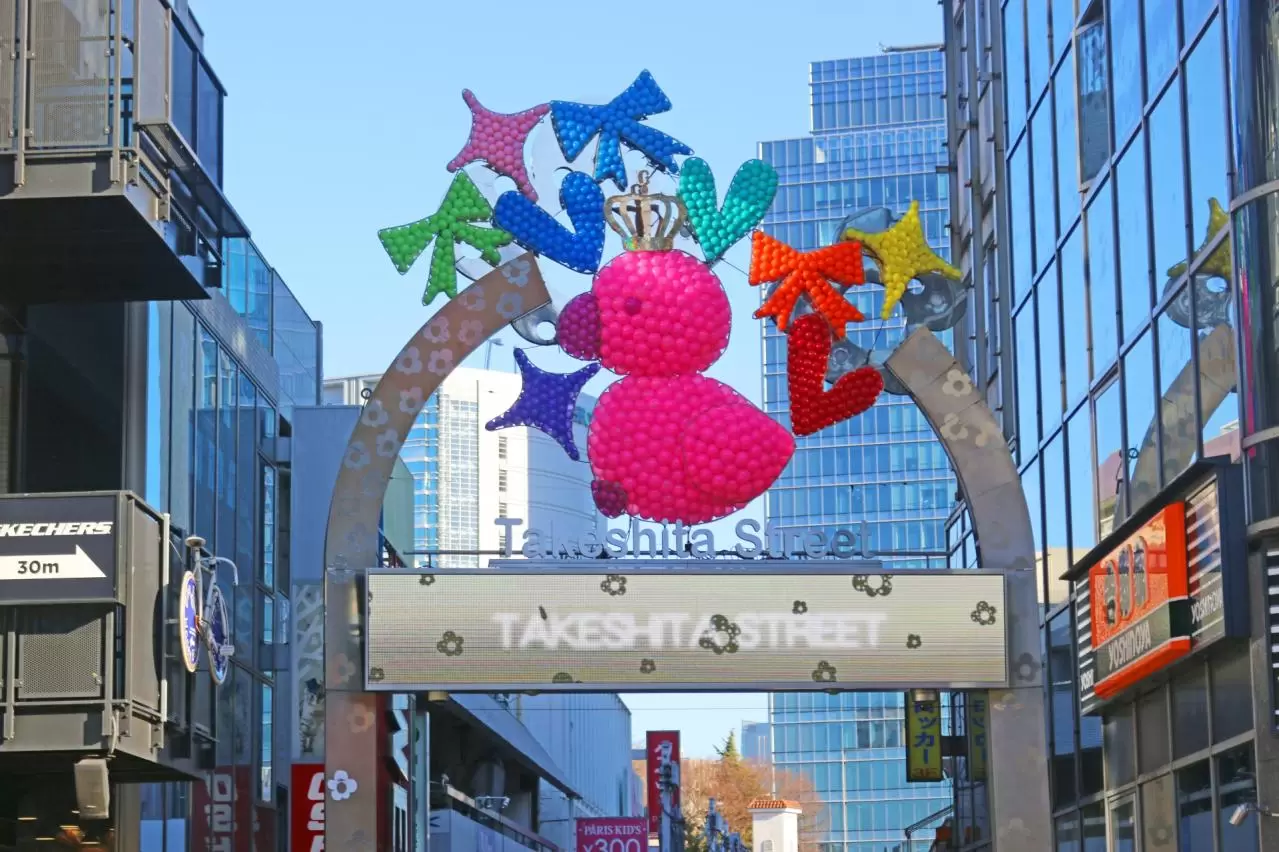
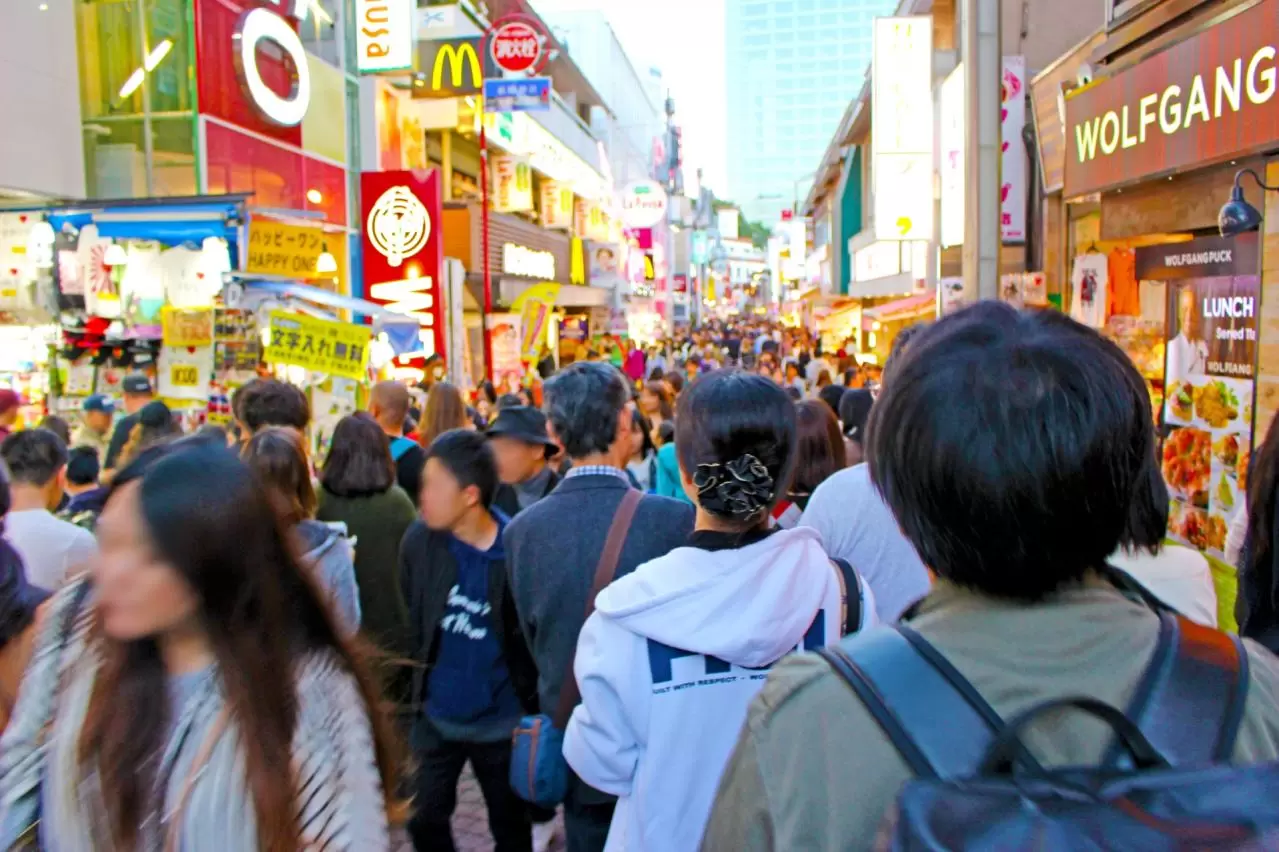
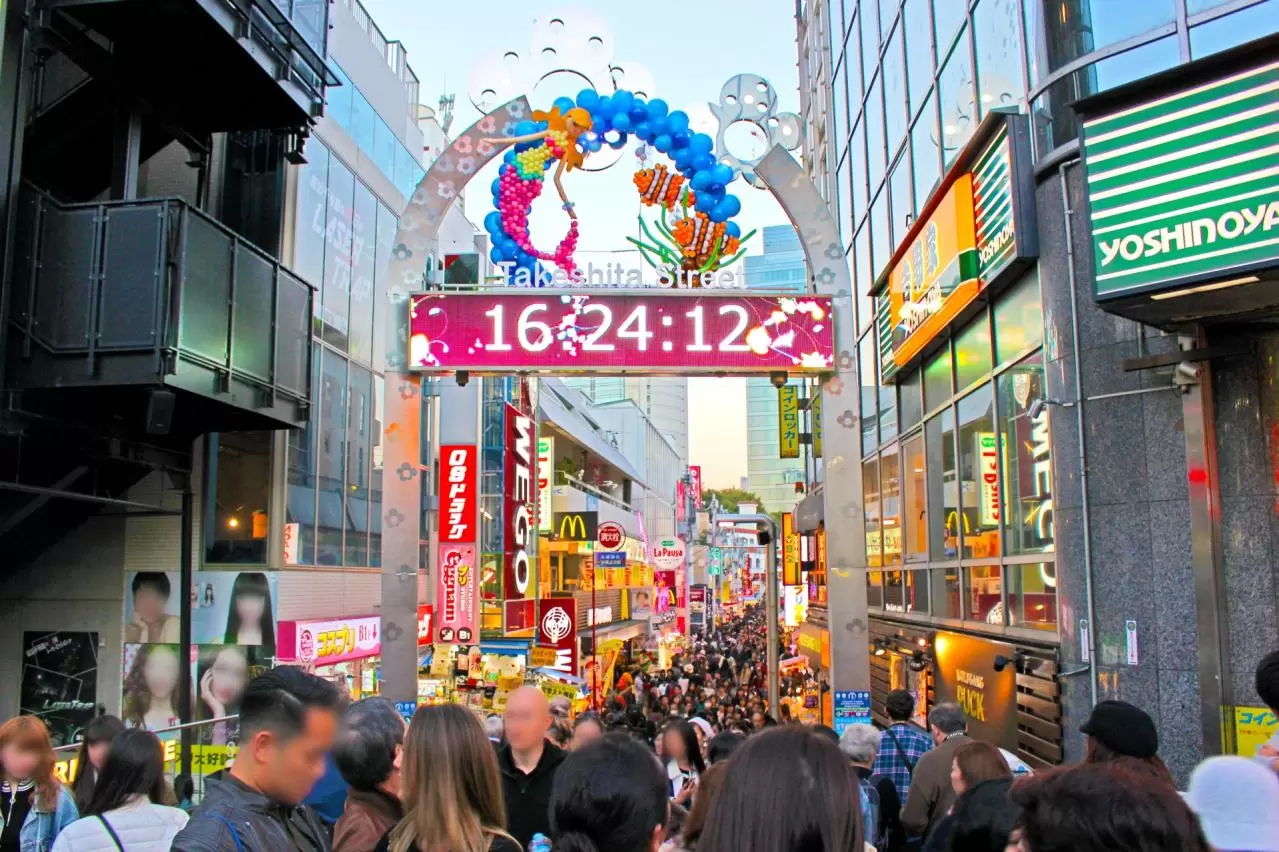
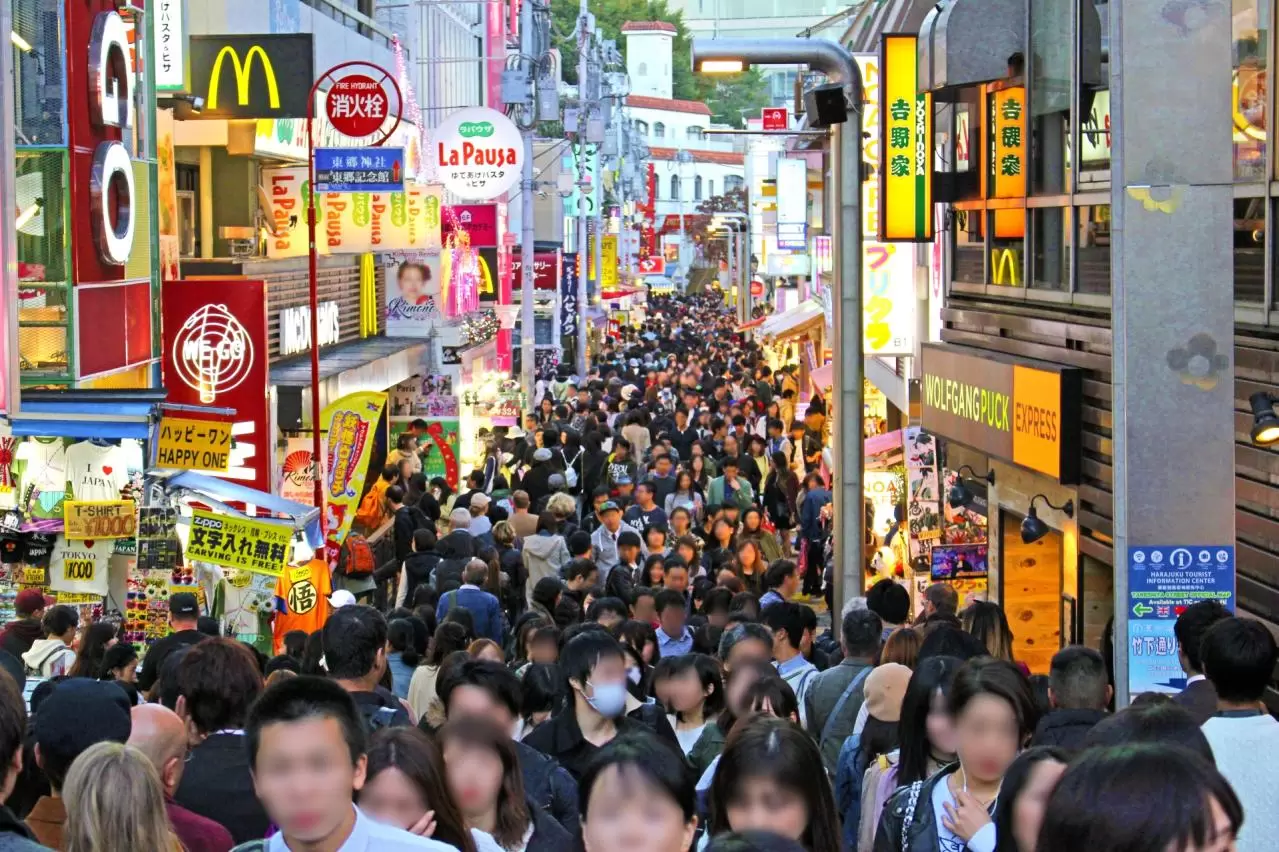
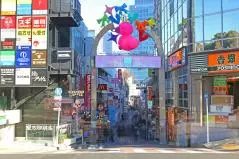
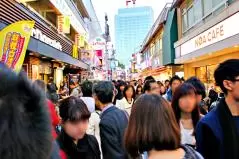
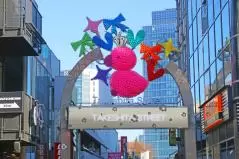
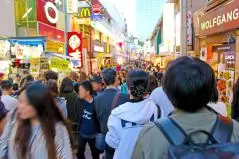
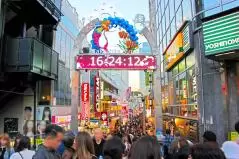
“Takeshita Street,” located in Jingumae, Shibuya Ward, Tokyo, is just past the Takeshita Exit of JR Harajuku Station, across the crosswalk. This approximately 350-meter-long street has drawn attention from both Japan and overseas as a hub for youth culture, fashion, and gourmet food. Its official name is the “Harajuku Takeshita Street Shopping Association,” and it has developed since the 1970s as the center of youth culture.
Along the street, shops selling colorful and unique fashion items and accessories, purikura photo booths, and sweets shops with highly Instagrammable treats line the road. It is especially known as a place where you can strongly feel “kawaii” culture, with many shops featuring Harajuku-style fashion such as Lolita fashion, yume-kawaii, and goth styles. What all of these styles share is individuality and originality. Not only clothing, but also hair and makeup are part of self-expression, and many young people visit here for that reason.
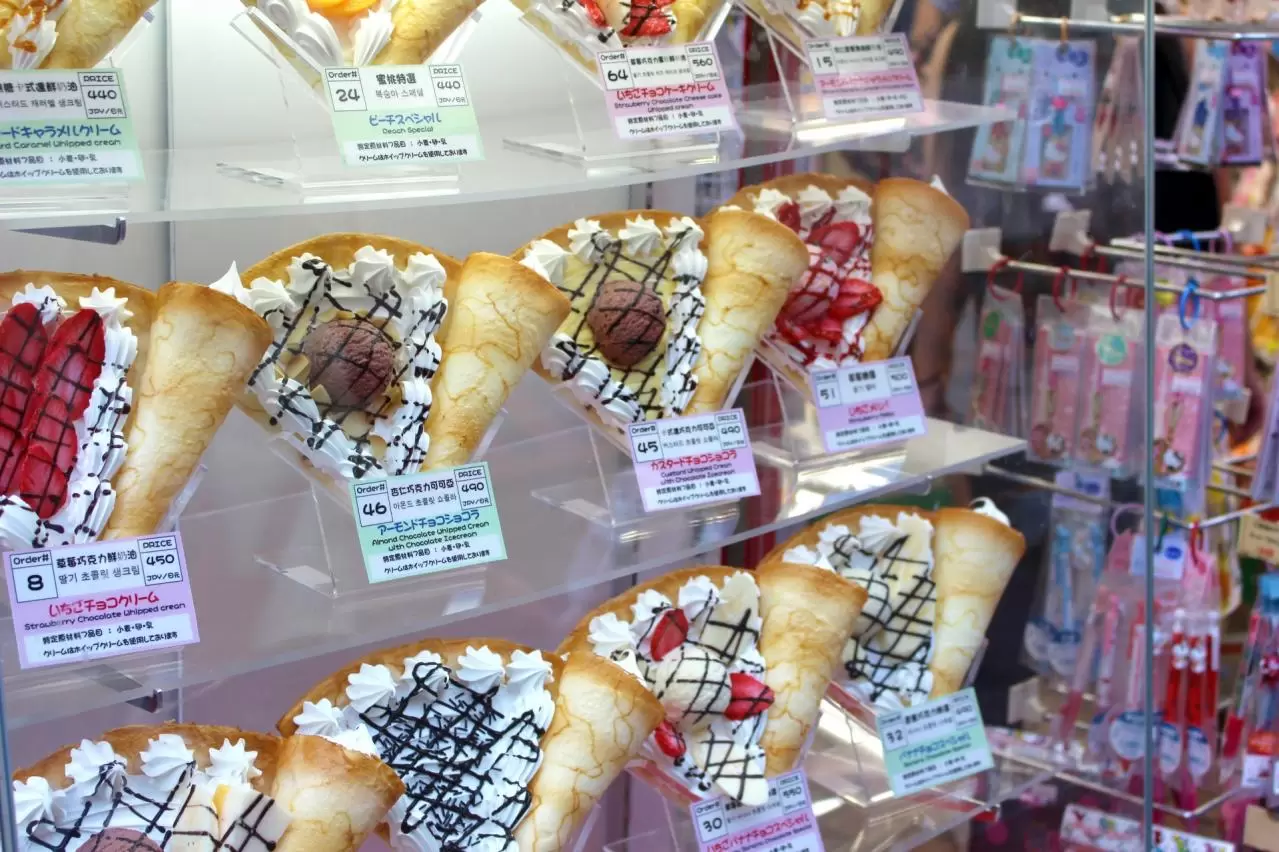
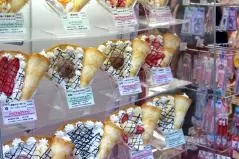
In terms of food, Takeshita Street is also popular as a “holy land for street eating.” Among its most famous specialties is crepe, and many crepe specialty shops compete here. The variety is extensive, from dessert crepes filled with whipped cream to meal-style crepes with tuna or curry. It is also known as the place where “Marion Crepe,” said to be Japan’s first crepe specialty shop, opened in 1976, making crepes one of Takeshita Street’s iconic foods.
There are also many visually striking foods, such as the rainbow-colored cotton candy “Harajuku Rainbow,” astonishingly long soft-serve ice cream, and tornado potatoes. These gourmet treats are popular not only for their taste, but also for their cute, social-media-worthy appearance.
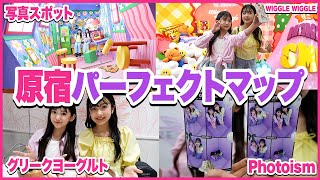
Purikura is another standard activity on Takeshita Street. Since you can decorate photos and preserve your memories in a fun way, it is especially popular among young women. Some shops offer services for tourists, such as costume rentals, powder rooms, and Tokyo-exclusive frames, making them perfect for souvenirs from your trip.
Photo spots and wall art are scattered throughout the street, and it is common to see tourists taking commemorative photos while enjoying sweets. Even just walking around brings new discoveries, and the street’s visual appeal is part of its charm.
Takeshita Street is truly a symbol of Harajuku culture, where fashion, gourmet food, and photogenic spaces come together. While nearby Omotesando is lined with luxury brands, Takeshita Street has a more casual and pop atmosphere. Be sure to visit this street, full of the energy of trend-conscious young people, and experience Harajuku as it is today.
#Townscape/Bikan Historical Quarter #Commercial facilities/Complex facilities
Tokyo Tourist Attractions
View List
Yasukunijinja Shrine
Yasukuni Shrine was established in 1869 by the order of Emperor Meiji and enshrines over 2.466 million spirits of those who died in wars from the late Edo period to ...

Meiji Shrine
Meiji Shrine is an important Shinto shrine located in Shibuya, Tokyo, dedicated to Emperor Meiji and Empress Shoken. Built in 1920, it boasts the highest number of v...

Tokyu Kabukicho Tower
Tokyu Kabukicho Tower is a super high-rise complex located in Shinjuku's Kabukicho area, featuring 48 floors above ground and 5 below, with a height of 225 meters. O...

Sunshine Aquarium
Sunshine Aquarium is an aquarium located on the rooftop of a building in Ikebukuro, Tokyo, themed as a "sky oasis." The outdoor area, brimming with a resort-like atm...

Imperial Palace
The Imperial Palace, located in Chiyoda, Tokyo, features a vast area that includes the "Fukiage Palace," where the Emperor resides, as well as the palace itself and ...

Tokyo Daijingu
Tokyo Daijingu, affectionately known as "Ise-sama of Tokyo," was established in 1880 as a worship hall for Ise Jingu. It enshrines the deities Amaterasu Omikami, Toy...

The National Museum of Western Art
The National Museum of Western Art is the only national museum in Japan dedicated to Western art, located within Ueno Park in Tokyo. It opened in 1959 and was design...

Ginza Mitsukoshi
Ginza Mitsukoshi is a long-established department store that opened in 1930 and is located at the Ginza 4-chome intersection. With a total of 15 floors, including 3 ...