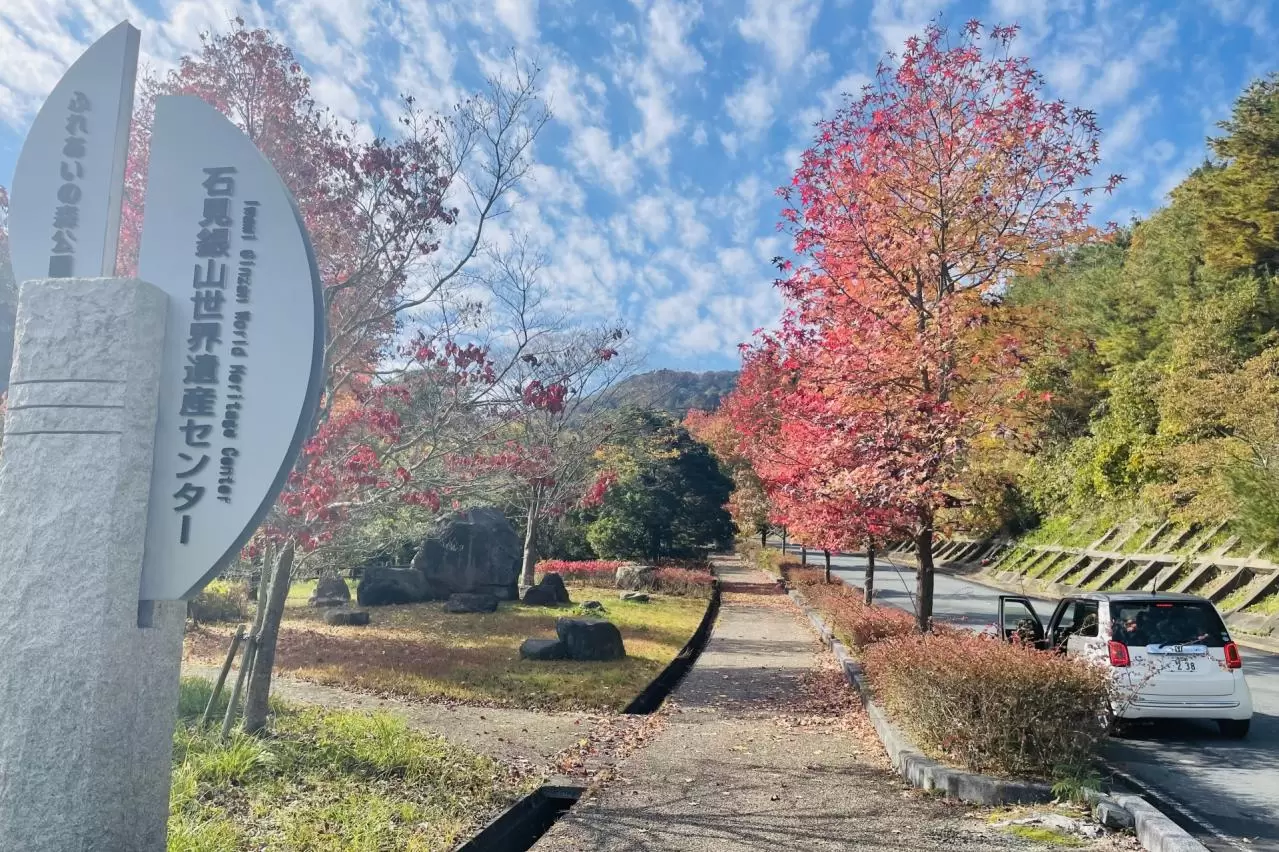
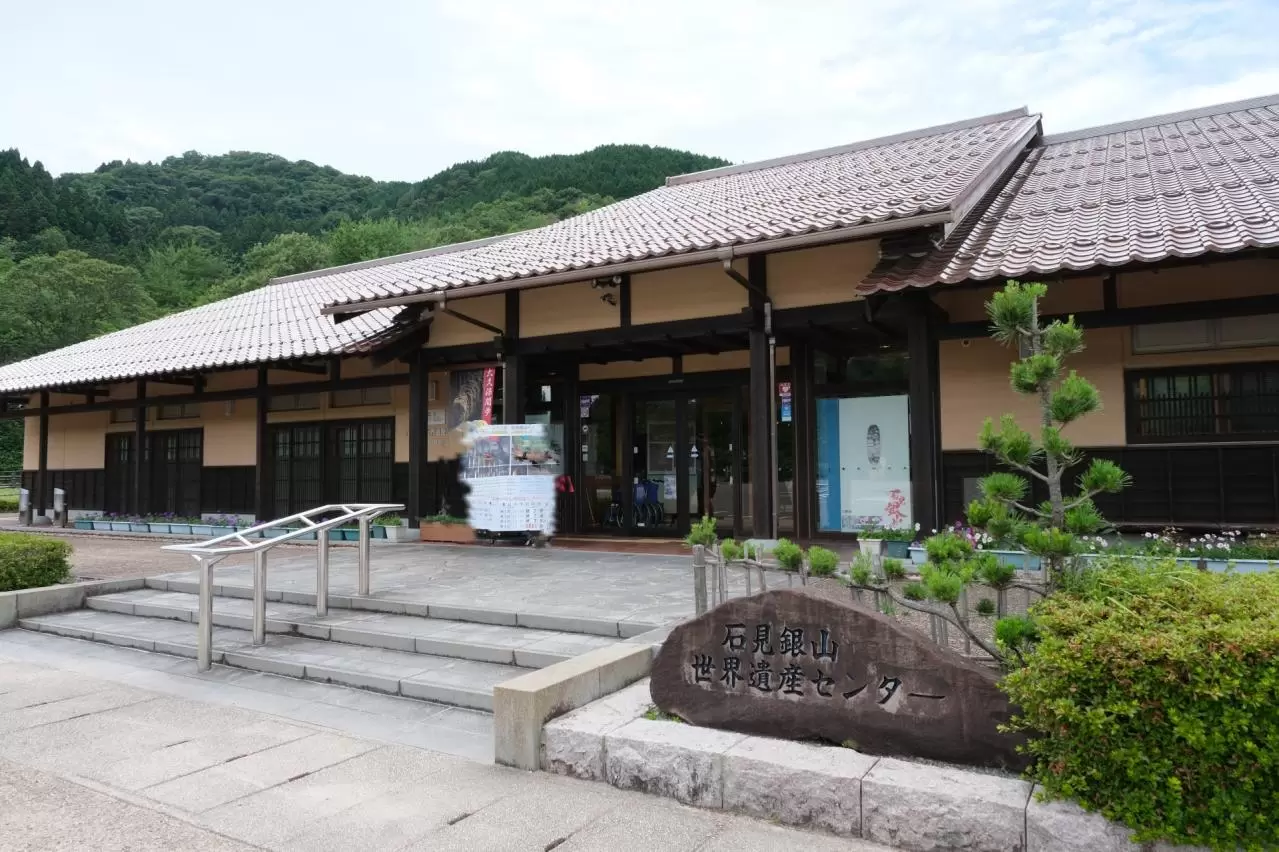
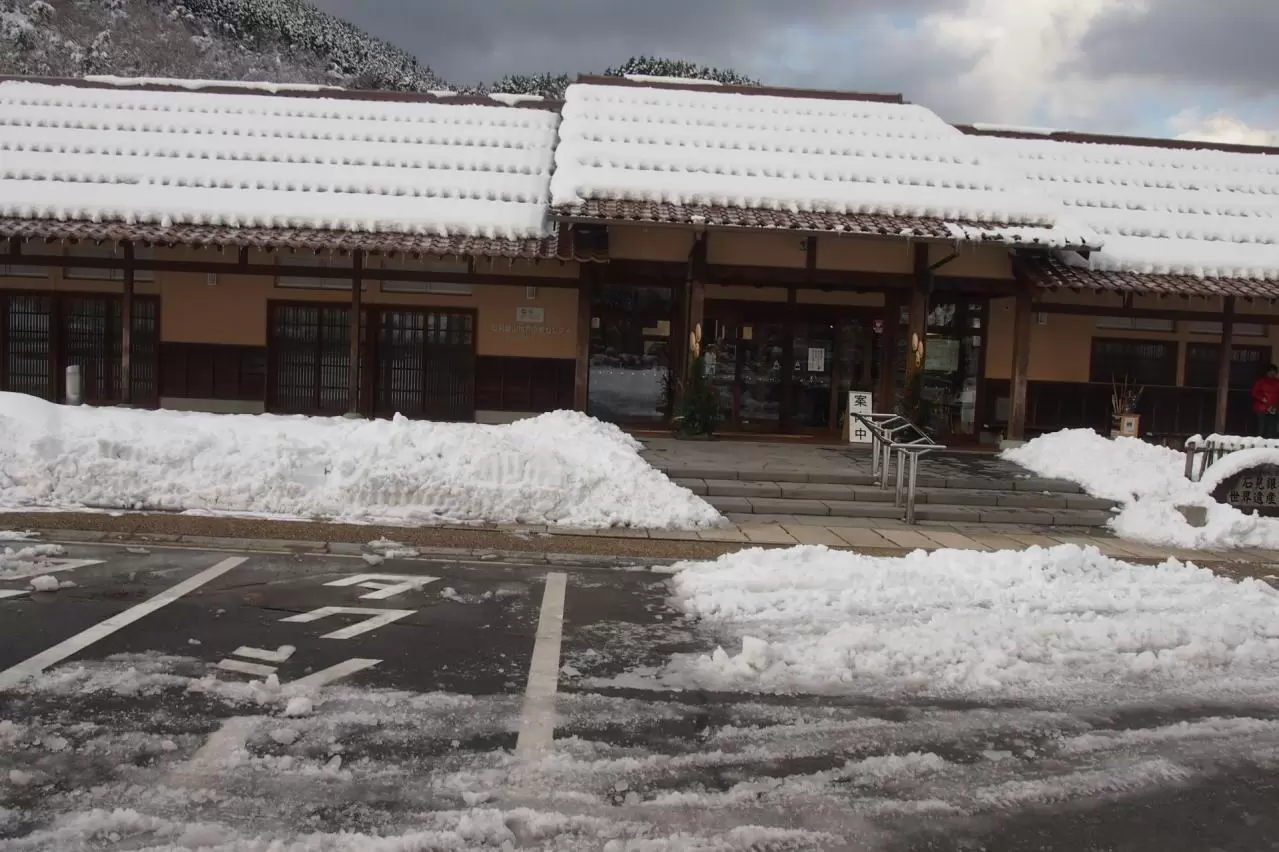
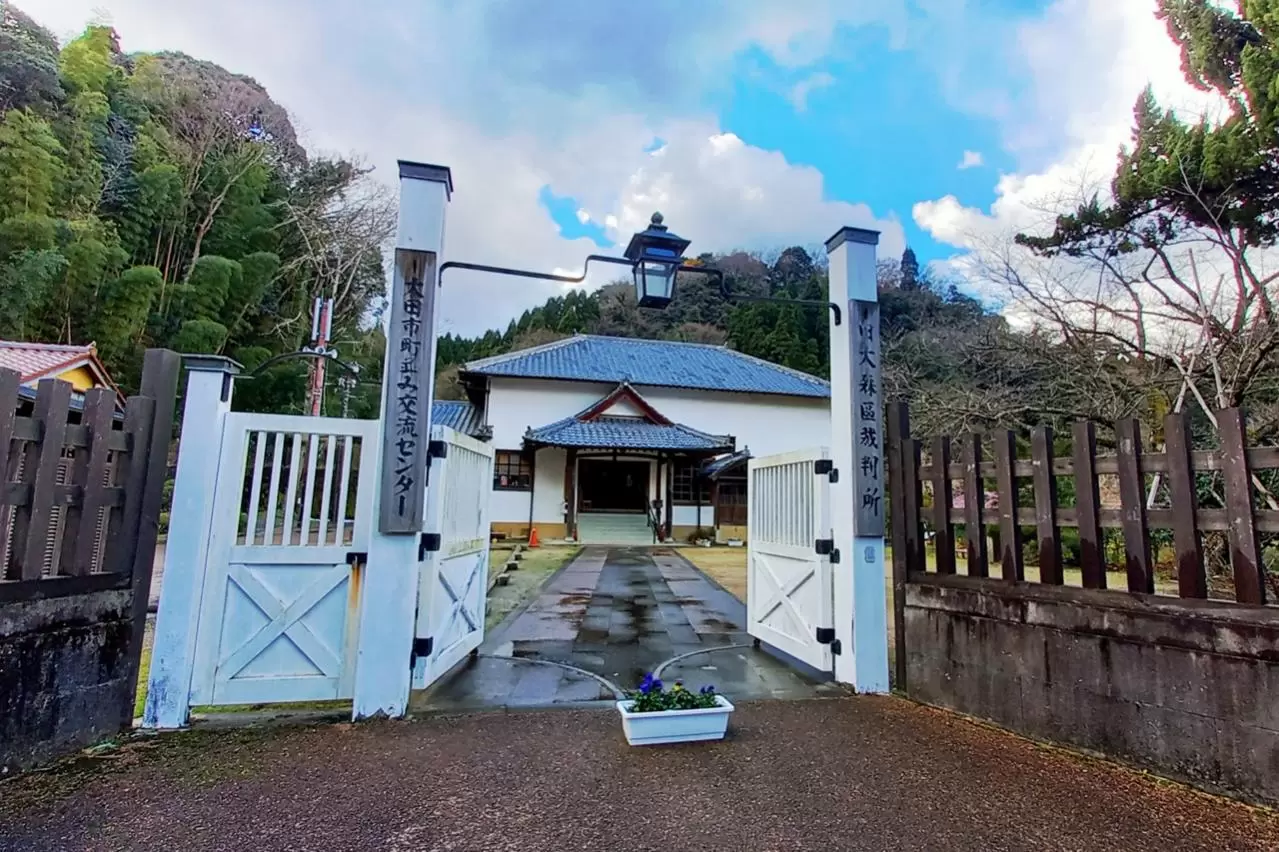
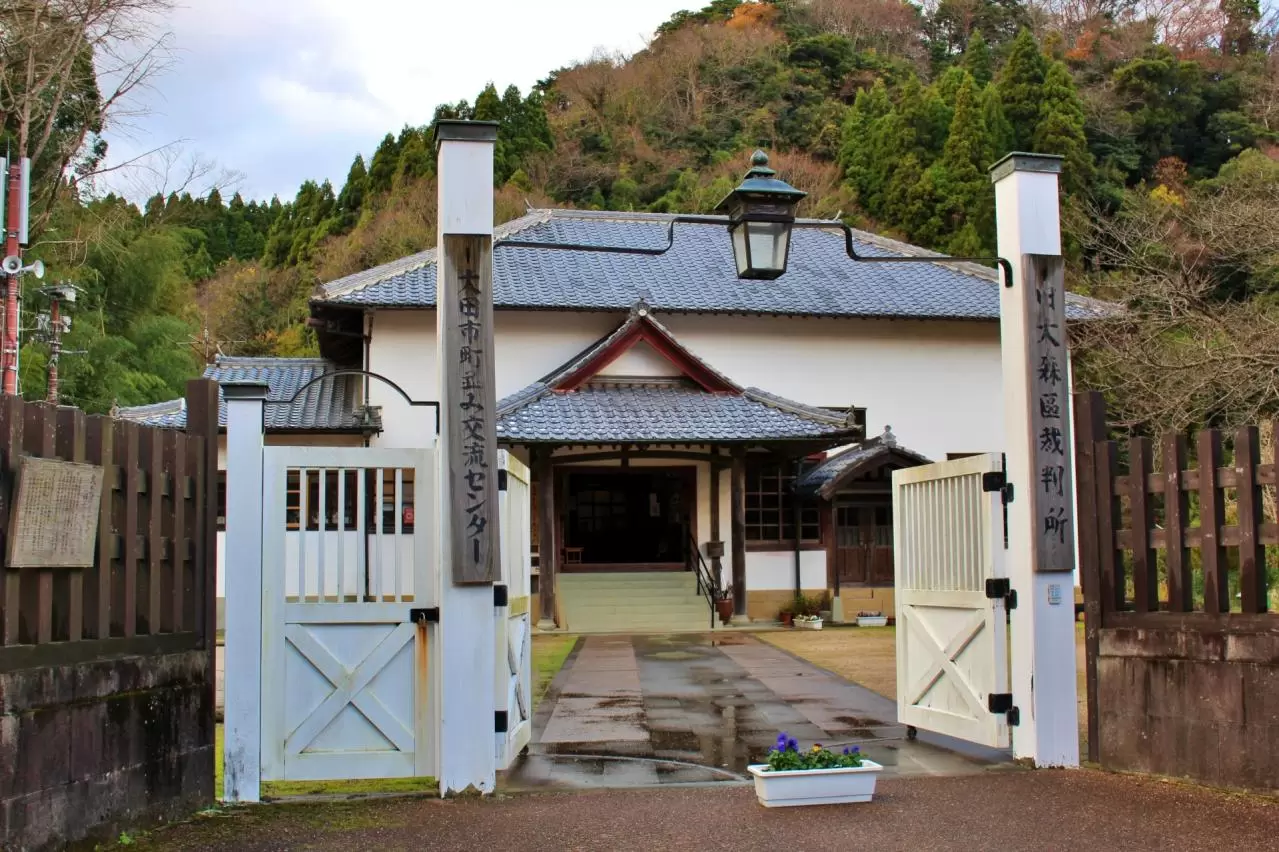
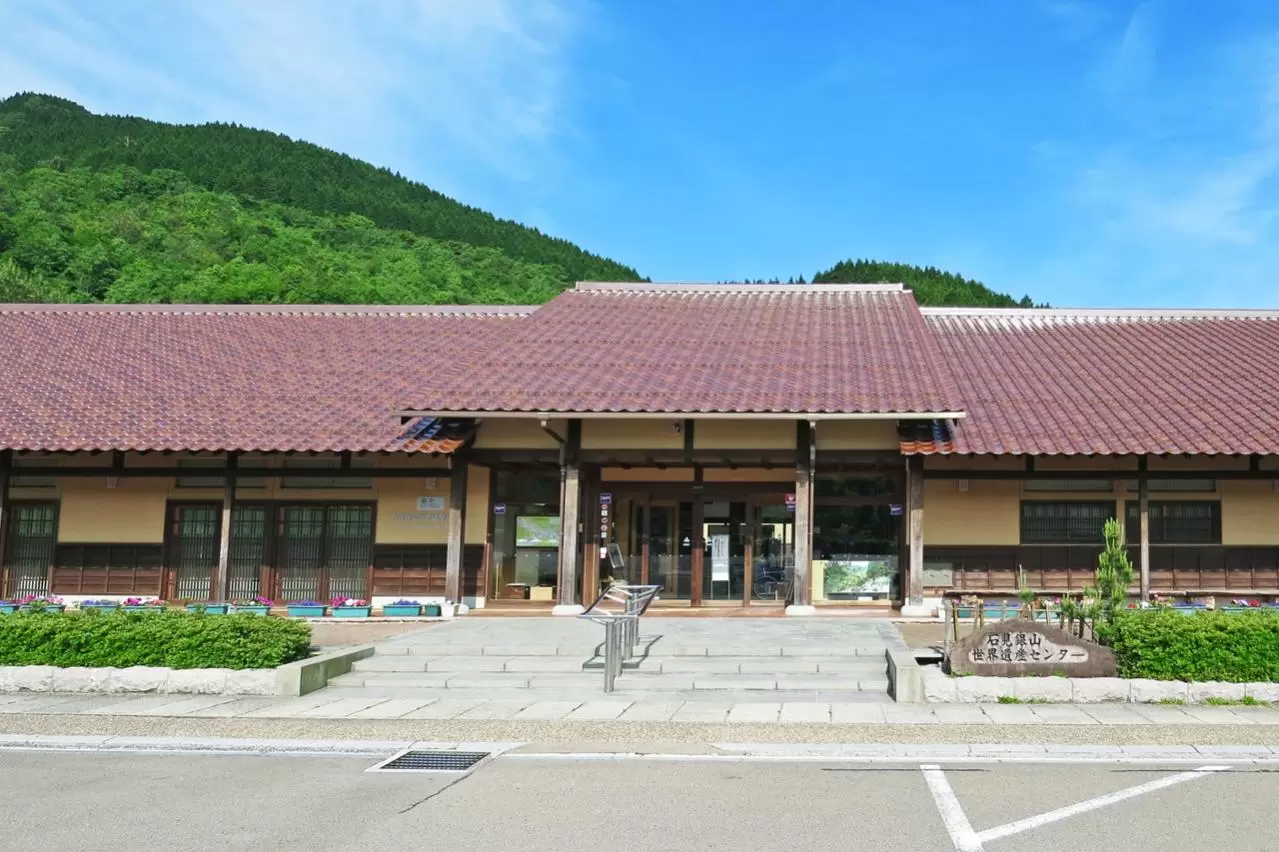

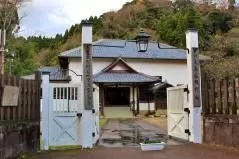
Iwami Ginzan Silver Mine World Heritage Center
Iwami Ginzan Silver Mine World Heritage Center Movies


Basic Information
- Spot Name
- Iwami Ginzan Silver Mine World Heritage Center
- Location
- 〒694-0305 1597-3 Omori-cho, Oda City, Shimane Prefecture
- Access
- About 70 minutes from the "Izumo IC" on the San'in Expressway
About 70 minutes from the "Miyoshi IC" on the Chugoku Expressway
About 60 minutes from the "Oasa IC" on the Hamada Expressway - Parking
- 400 cars
- Business Hours
- 8:30 AM to 5:30 PM (Last admission for paid exhibition rooms is 4:30 PM)
*From March to November, the hours are extended by 30 minutes. - Regular Holiday
- Last Tuesday of every month, and New Year's holidays.
- Fees
- Adults: 400 yen, Elementary and Middle School Students: 200 yen
- Contact Information
- Phone Number:0854-89-0183
- Official Website
Map
Detailed Information
The Iwami Ginzan World Heritage Center is a comprehensive guidance facility for the “Iwami Ginzan Silver Mine and Its Cultural Landscape,” located in Omori Town, Ota City, Shimane Prefecture. It provides easy-to-understand information about the history and significance of Iwami Ginzan, mining techniques, life in the mining town, and its connections with the rest of the world. Since Iwami Ginzan was registered as a UNESCO World Cultural Heritage Site in 2007, the center has been used by many visitors as the starting point for exploring the area.
By stopping at the center before visiting the Iwami Ginzan sites, visitors can learn about how the mine developed and why it was recognized as a World Heritage Site, making their exploration of the area even more rewarding. For this reason, visitors to Iwami Ginzan are advised to first learn about its history and significance at the World Heritage Center before setting out to explore the sites.
## What Is the Iwami Ginzan World Heritage Center?
The Iwami Ginzan World Heritage Center is more than just a museum. It serves as the gateway to the World Heritage Site “Iwami Ginzan Silver Mine and Its Cultural Landscape.”
Rather than functioning primarily as a museum that displays original artifacts, the center places greater emphasis on helping visitors understand the overall value of the World Heritage Site through models, videos, reconstructed exhibits, replicas, and other materials.
Inside the center, visitors can learn about:
- The history of Iwami Ginzan, from its discovery to its development
- Silver mining and refining techniques
- The lives of the people who worked at the mine
- The routes through which silver was distributed around the world
- The reasons for its World Heritage registration
- The results of archaeological excavations
These topics are presented in an easy-to-understand way through videos, models, dioramas, and interactive exhibits.
The center also functions as an archaeological heritage center, displaying artifacts and other materials excavated during archaeological investigations.
## What Is the Iwami Ginzan World Heritage Site?
Iwami Ginzan is one of Japan’s most significant silver mine sites, located in Ota City, Shimane Prefecture.
Full-scale development began around the 1520s, and the mine flourished throughout the Edo period as one of Japan’s leading silver-producing areas.
During the 16th and 17th centuries, Japan became one of the world’s leading silver-producing countries, and Iwami Ginzan played an important role in that development. Silver from Japan was used in trade with East Asia and Europe, and is believed to have had a significant impact on the global economy.
Iwami Ginzan was registered as a World Heritage Site not simply because of its mining remains, but because the following elements have been preserved together in good condition:
- Mine ruins
- The remains of refining facilities
- The mining town
- Roads and routes
- Ports
The fact that mining was carried out in harmony with the natural environment was also highly valued.
## The Large Diorama in the Entrance Hall
The first thing to catch visitors’ attention after entering the center is the large diorama recreating the entire Iwami Ginzan site.
It presents the terrain within the World Heritage area and the various ruins in three-dimensional form, allowing visitors to understand at a glance the locations of:
- Ryugenji Mabu Mine Tunnel
- Okubo Mabu Mine Tunnel
- The historic streets of Omori
- The Ginzan Kaido silver mine road
- Yunotsu Port
- Tomogaura
Because the Iwami Ginzan sites are spread across a wide area, the diorama is useful for planning an efficient sightseeing route.
## Highlights of the Exhibition Rooms
### Exhibits on the History of Iwami Ginzan
The exhibition rooms provide a detailed introduction to approximately 400 years of history, from the discovery of Iwami Ginzan to the closing of the mine.
During the Sengoku period, powerful clans such as the Mori and Amago fought to control the mine. During the Edo period, it was managed by the Tokugawa shogunate as an important mine under direct government control.
Visitors can learn about the changes that took place during each period through historical materials, videos, and other exhibits.
### Silver Mining and Refining Techniques
Iwami Ginzan employed mining and refining techniques that were advanced for their time.
One especially famous technique was the “haifuki” cupellation method. This refining process made it possible to extract silver efficiently and played a major role in the development of Iwami Ginzan.
The center uses models and videos to explain how the technique worked in an easy-to-understand manner.
### Reproduction of the Okubo Mabu Mine Tunnel
Inside the center is an exhibit reproducing part of the Okubo Mabu mine tunnel.
The exhibit recreates the atmosphere inside the tunnel, allowing visitors to imagine the conditions in which miners worked. The narrow, dark passageways convey the harshness of mining operations at the time.
### Large Silver Nugget Exhibit
The exhibition rooms also feature a large silver nugget that visitors can actually touch.
Many people are surprised by its weight, which is greater than it appears. It is one of the center’s most popular interactive exhibits, allowing visitors to experience the weight and value of silver as a metal.
### VR and Video Exhibits
The center also offers interactive exhibits featuring virtual reality and video theaters.
The videos introduce:
- Iwami Ginzan during its peak period
- The interiors of the mine tunnels
- The silver refining process
- Life in the mining town
These exhibits provide a more vivid and comprehensive understanding of what Iwami Ginzan was like in the past.
They are popular with visitors of all ages as a fun way to learn about the site.
## Hands-On Programs
The Iwami Ginzan World Heritage Center also offers hands-on programs at certain times of the year.
### Crafts Inspired by Chogin Coins
Depending on the season, visitors may be able to make keychains, straps, and other items inspired by chogin, a type of silver coin that circulated during the Edo period.
Because low-melting-point alloys are used, this is a relatively safe and enjoyable activity. It is also a great way to make a souvenir of your trip.
### Silver Searching Experience
At certain times of the year, the center may offer a “silver searching” activity, in which participants look for tiny pieces of silver in sand.
In some cases, participants may be allowed to take home the silver pieces they find. This activity is especially popular with families traveling with children.
*Since the dates and contents of hands-on programs may change, visitors are advised to check the latest information before participating.*
## Ideal Preparation for Exploring Iwami Ginzan
Because the Iwami Ginzan sites are spread across a vast area, visitors may not fully understand their significance or historical background if they explore them without any prior knowledge.
After studying the site at the World Heritage Center, visitors will be able to appreciate attractions such as:
- Ryugenji Mabu Mine Tunnel
- Okubo Mabu Mine Tunnel
- The historic streets of Omori
- The Ginzan Kaido silver mine road
- The remains of refining facilities
more deeply.
Walking through the area while understanding why it was designated a World Heritage Site can greatly enhance your appreciation of Iwami Ginzan.
## Conclusion
The Iwami Ginzan World Heritage Center is a comprehensive guidance facility where visitors can easily learn about the value of the World Cultural Heritage Site “Iwami Ginzan Silver Mine and Its Cultural Landscape.” Through models, dioramas, videos, and reconstructed exhibits, the center provides detailed information about the history of Iwami Ginzan, silver mining techniques, life in the mining town, and its connections with the wider world.
The center features a reproduction of the Okubo Mabu mine tunnel, a large silver nugget exhibit, and materials from archaeological excavations. Depending on the season, visitors may also enjoy hands-on programs such as crafts inspired by chogin coins and silver searching activities.
When visiting Iwami Ginzan, stopping first at the World Heritage Center and then exploring the surrounding sites will help visitors gain a deeper understanding of the area’s value and appeal as a World Heritage Site. It is an essential first stop for making the most of a trip to Iwami Ginzan.
Shimane Tourist Attractions
View List
Izumo Hinomisaki Lighthouse
Izumo Hinomisaki Lighthouse is located about a 20-minute drive from Izumo Taisha Shrine. Standing at a height of 63.30 meters above sea level and 43.65 meters to the...

Yushien Garden
Yushien is a Japanese garden located on Daikon Island, which floats in Lake Nakaumi. It features a pond and stroll garden that spans approximately 10,000 tsubo. The ...

Adachi Museum of Art
Adachi Museum of Art is located in Yasugi City, Shimane Prefecture, and was opened in 1970 by a local entrepreneur, Zenko Adachi. This museum houses works by modern ...

Tamatsukuri Onsen
Tamatsukuri Onsen is one of the oldest hot springs in Japan, established during the Nara period, and is widely known as a beauty hot spring. The "Izumo no Kuni Fudok...

Lake Shinji
Shinji Lake, located to the west of Matsue City, is one of Japan's top 100 scenic spots, renowned especially for its stunning sunsets. As a brackish lake, it is home...

Izumo Taisha Shrine
Izumo Taisha, located in Izumo Province (Shimane Prefecture), is widely known as the deity of matchmaking. This shrine enshrines Ōkuninushi no Ōkami, and many people...

Matsue Castle
Matsue Castle is one of the 12 existing tenshu in Japan and was designated as a national treasure in 2015. It is also known as "Chidori Castle," and its black main k...

Yaegaki Shrine
Yaegaki Shrine is known as the deity of matchmaking in Izumo, with Susanoo and Inada-hime as the main deities. The mirror pond on the shrine grounds is popular among...