




Matsue Castle
Matsue Castle Movies


![境港[鳥取]松江[島根]ひとり旅。妖怪だらけの港町と国宝松江城を一日で観光。あの「ベタ踏み坂」はどんな角度??今回解決しました!](https://i.ytimg.com/vi/xHvks1SAynU/mqdefault.jpg)

![[島根観光]国宝 松江城](https://i.ytimg.com/vi/QHWj821qEGs/mqdefault.jpg)

Basic Information
- Spot Name
- Matsue Castle
- Location
- 〒690-0887 1-5 Tonomachi, Matsue City, Shimane Prefecture
- Access
- From JR Matsue Station, take the Lake Line bus for 10 minutes and get off at National Treasure Matsue Castle (Otemae).
20-minute walk from Ichibata Electric Railway Matsue Shinjiko Onsen Station.
From Ichibata Electric Railway Matsue Shinjiko Onsen Station, take the city bus (North Circular Line inbound) for 5 minutes, get off at Kencho-mae, and walk for 5 minutes. - Parking
- Otemae Parking Lot: 67 regular cars
Shiroyama West Parking Lot: 158 regular cars, 20 large vehicles - Business Hours
- [Main Gate Opening Hours]
[April 1 - September 30] 7:00 AM - 7:30 PM
[October 1 - March 31] 8:30 AM - 5:00 PM
[Tenshukaku Tower Admission Hours]
[April 1 - September 30] 8:30 AM - 6:30 PM (last admission at 6:00 PM)
[October 1 - March 31] 8:30 AM - 5:00 PM (last admission at 4:30 PM) - Regular Holiday
- Open year-round.
- Fees
- Adult: 680 yen / Child: 290 yen
- Contact Information
- Phone Number:0852-21-4030
- Official Website
Map
Detailed Information
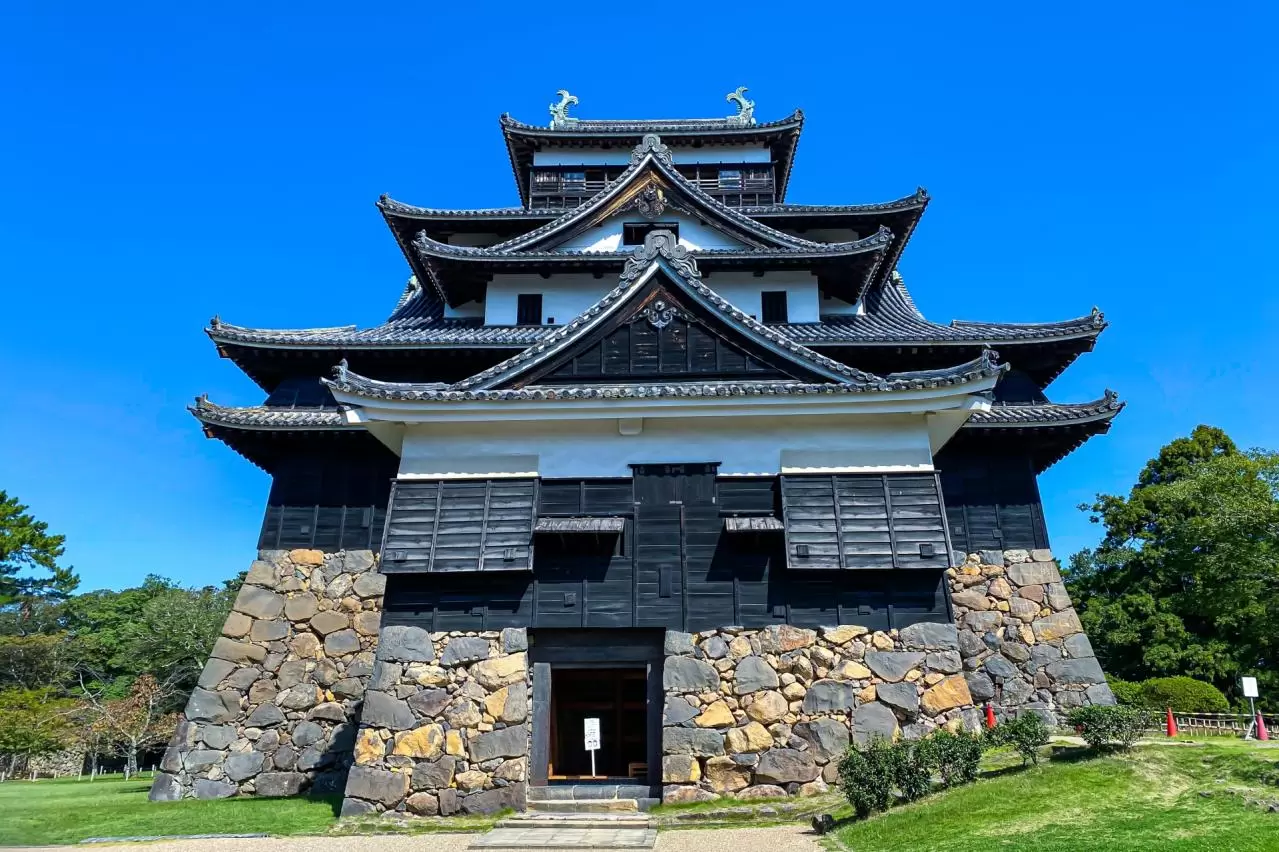
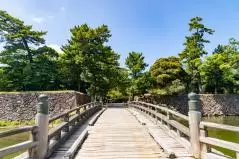
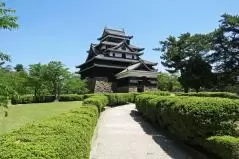
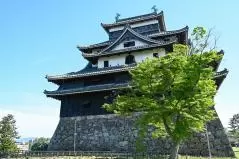
Matsue Castle is a castle located in the center of Matsue City, Shimane Prefecture, and is one of only 12 original castle towers remaining in Japan. In 2015, it was designated a National Treasure and is highly regarded as one of the “Five National Treasure Castles,” alongside Himeji Castle, Hikone Castle, Inuyama Castle, and Matsumoto Castle.
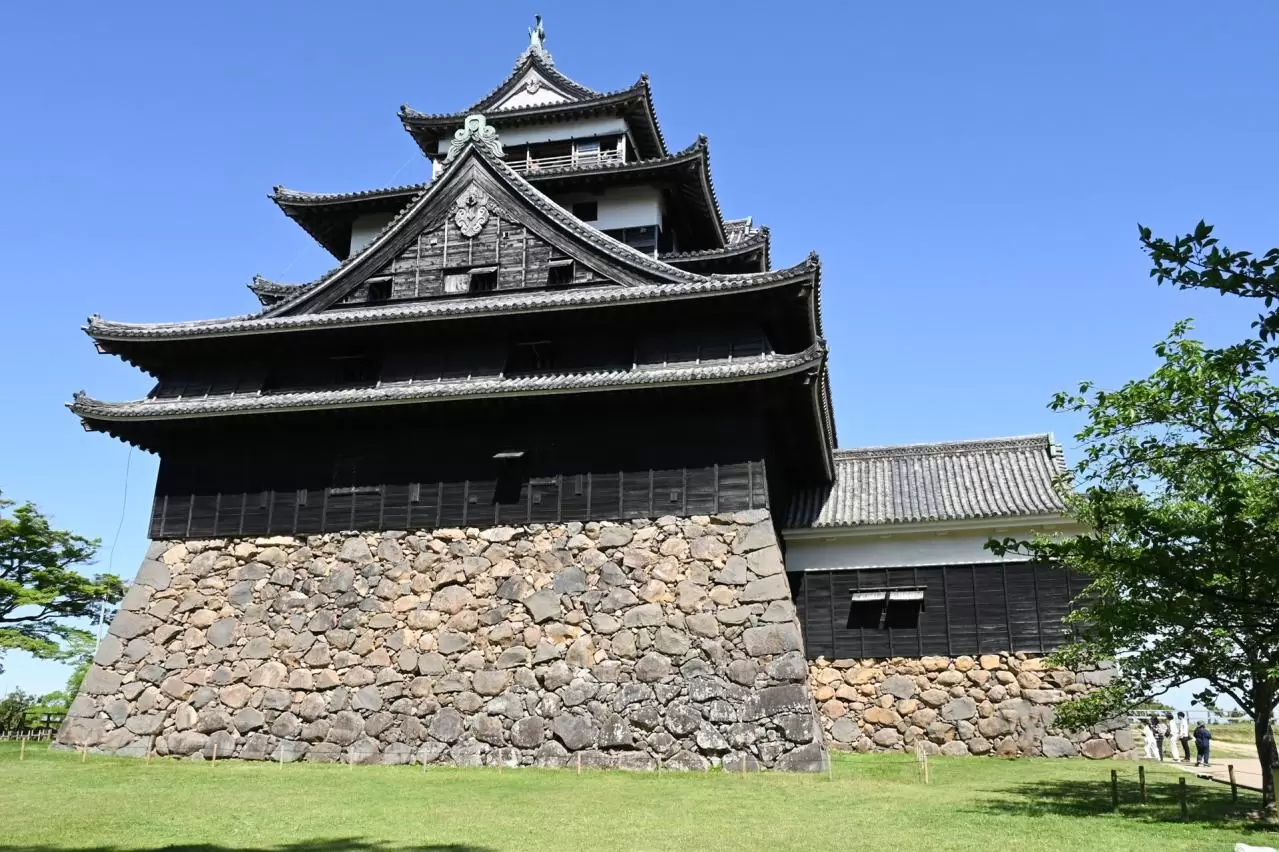
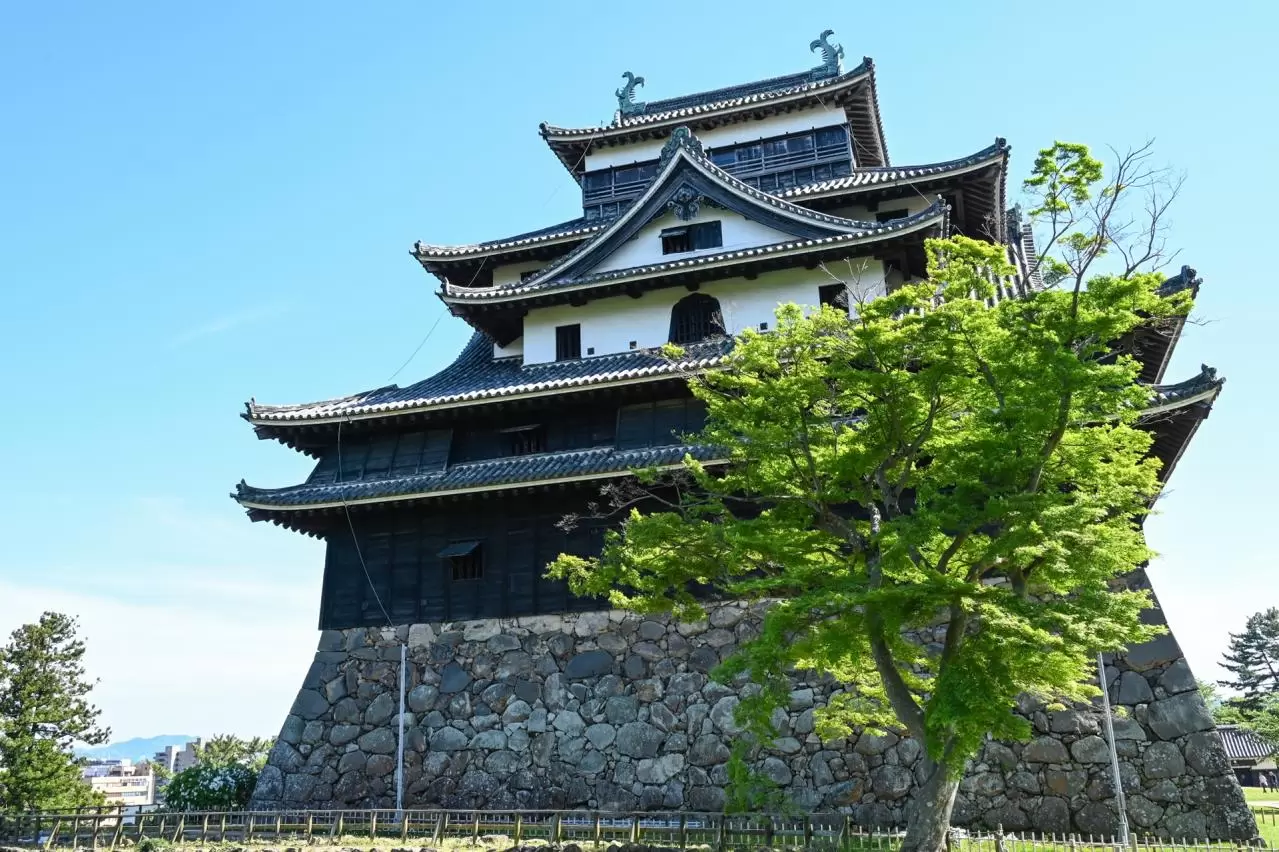
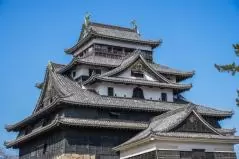
The castle is characterized by its black wooden weatherboard exterior and elegant gables. Because its appearance resembles a plover spreading its wings, it is also affectionately known by its alternative name, “Chidori Castle.” As the symbol of the castle town of Matsue, it has stood for more than 400 years and is now one of Shimane Prefecture’s leading tourist attractions.
## History of Matsue Castle
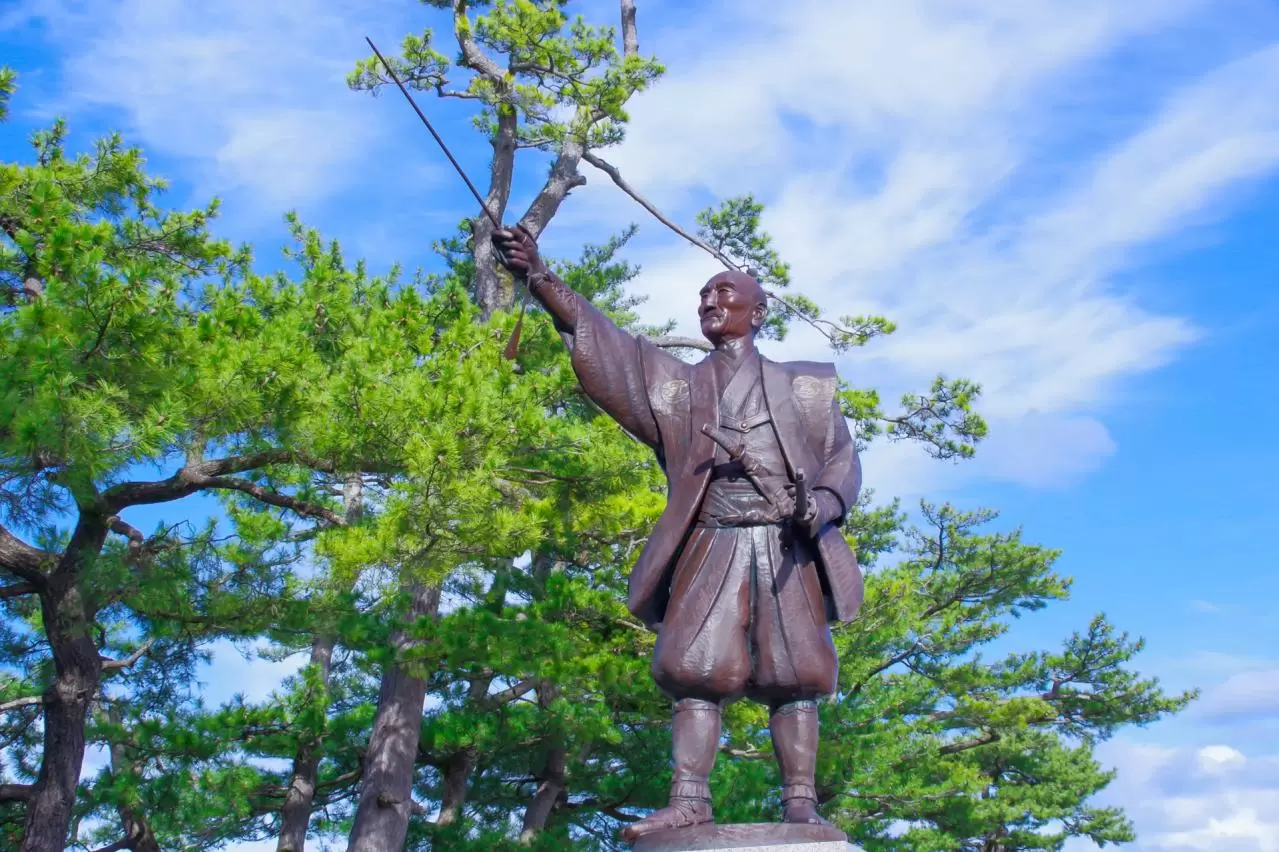
Matsue Castle was built by the Horio clan, who became the lords of the 240,000-koku domains of Izumo and Oki for their achievements in the Battle of Sekigahara. Construction was led by Horio Yoshiharu and completed under the direction of his grandson, Horio Tadaharu, among others.
Construction began in 1607 and took approximately five years, being completed in 1611. In practice, the project proceeded under Horio Yoshiharu and his grandson Horio Tadaharu after the death of the first lord of the domain, Horio Tadauji.
After being ruled by two generations of the Horio clan and one generation of the Kyogoku clan, the castle became the residence of ten generations of the Matsudaira family from 1638. Until the Meiji Restoration, it flourished as the political, economic, and cultural center of the Matsue Domain.
## The Path to National Treasure Designation
The main tower of Matsue Castle was designated an Old National Treasure in 1935. However, following changes to the system accompanying the enforcement of the Law for the Protection of Cultural Properties in 1950, it was redesignated as an Important Cultural Property.
Subsequent years saw extensive research conducted by local residents and government authorities. In 2012, a prayer tablet inscribed with “the sixteenth year of the Keicho era” was discovered at a shrine within the castle grounds. This discovery clarified the date when the castle tower was completed. In addition, the castle’s distinctive and outstanding construction techniques were highly evaluated, and Matsue Castle was once again designated a National Treasure in July 2015.
Its redesignation as a National Treasure had long been a wish of the people of Matsue and became a major topic of public interest.
## The Value of Its Original Castle Tower
It is said that tens of thousands of castles once existed in Japan. However, many were lost due to the One Castle per Province Edict issued by the Edo shogunate, the Abandoned Castle Edict of the Meiji period, and wartime damage during World War II.
Today, only 12 castles nationwide retain original main towers built before the Edo period.
Matsue Castle is one of these 12 original castle towers and is notable for being:
- The only surviving original castle tower in the San’in region
- The second-largest among the 12 original castle towers
- The third-tallest among the 12 original castle towers
- The fifth-oldest among the 12 original castle towers
It is also known as a magnificent castle second in scale only to Himeji Castle among the 12 original castle towers.
## Features of the Main Tower
Matsue Castle’s main tower is a combined watchtower-style structure with four exterior levels, five floors above ground, and one basement level.
Standing approximately 30 meters tall, it is one of the most imposing original castle towers in Japan. Most of the walls are covered with black wooden weatherboards, which is one reason the castle is called “Chidori Castle,” in contrast to Himeji Castle’s nickname, “White Egret Castle.”
Many defensive features, including loopholes and stone-drop openings, remain intact. These features show that the castle was built with practical warfare in mind during a period when the country still felt the aftereffects of the conflicts that followed the Battle of Sekigahara.
Its sturdy, austere appearance strongly preserves the characteristics of castle architecture from the Momoyama period through the early Edo period.
## Outstanding Construction Techniques
Matsue Castle incorporates numerous advanced construction techniques for its time.
### Continuous Pillars
Rather than using enormous single-piece pillars running through the entire structure, the castle employs a system known as *toshibashira*, in which pillars extend through two floors at a time. This efficiently distributes the weight of the entire tower and provides exceptional strength.
### Reinforced Pillars
Another technique, known as *tsutsumi-ita*, involves reinforcing pillars with boards wrapped around them and securing them with metal staples and iron rings.
This technique has been identified on approximately 130 of the 308 pillars supporting the castle tower. It reflects the historical circumstances of a period when it had become increasingly difficult to obtain enormous pieces of timber.
These construction methods were important factors in the castle’s designation as a National Treasure.
## Highlights of the Stone Walls
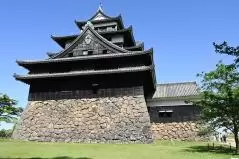
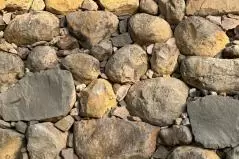
The stone walls of Matsue Castle were built using techniques known as *nozurazumi*, which uses naturally shaped stones, and *gobo-zumi*.
The *gobo-zumi* method is particularly representative of Matsue Castle. These impressive stone walls, made by skillfully combining natural stones, have maintained a high degree of stability even more than 400 years after the castle was built.
Some stones in the walls also bear carved marks, including pentagrams and fans. Exploring the stone walls is one of the enjoyable highlights of a visit to Matsue Castle.
## The Top Floor: “Tengu-no-Ma”
The top floor of the castle tower is called “Tengu-no-Ma,” or the Tengu Room.
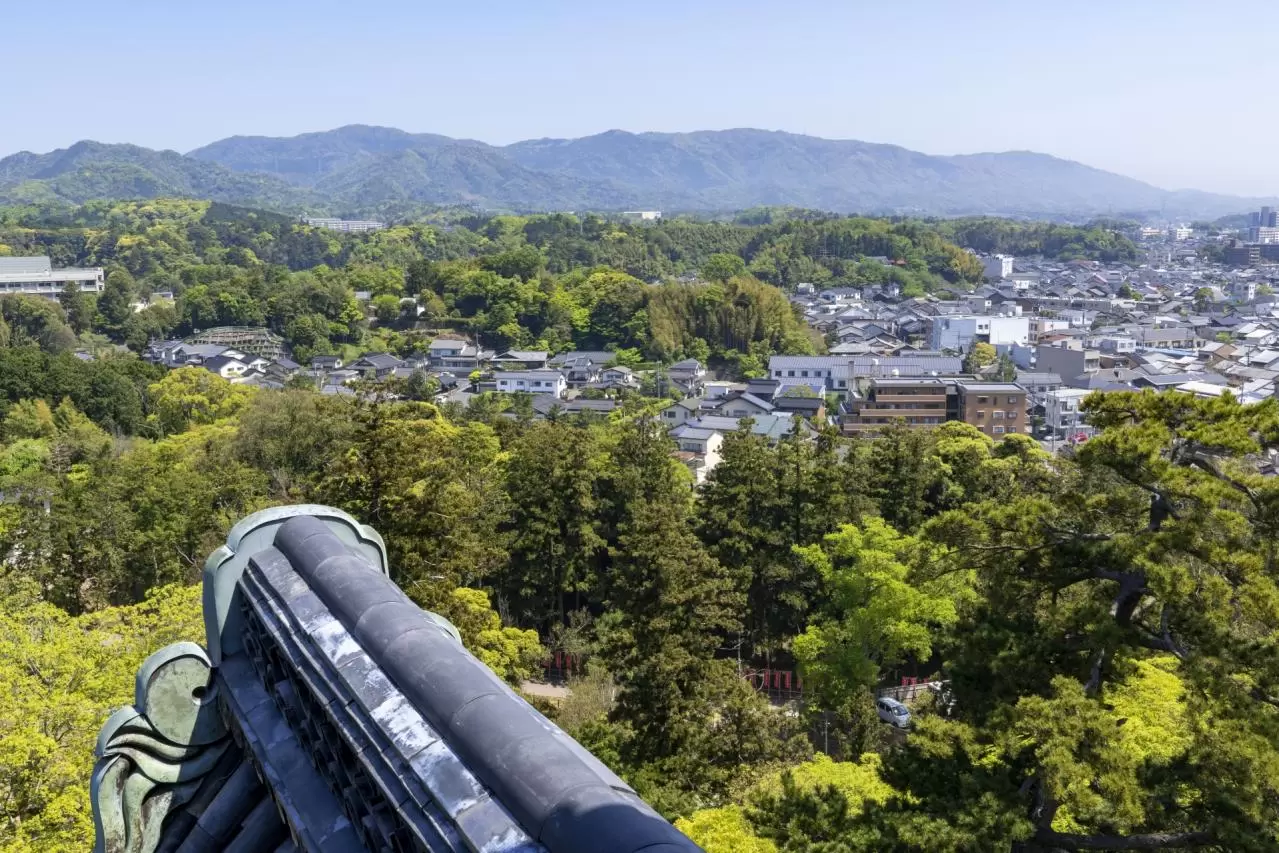
It served as a watchtower and command center known as a *boro*, featuring an open structure with views in all four directions.
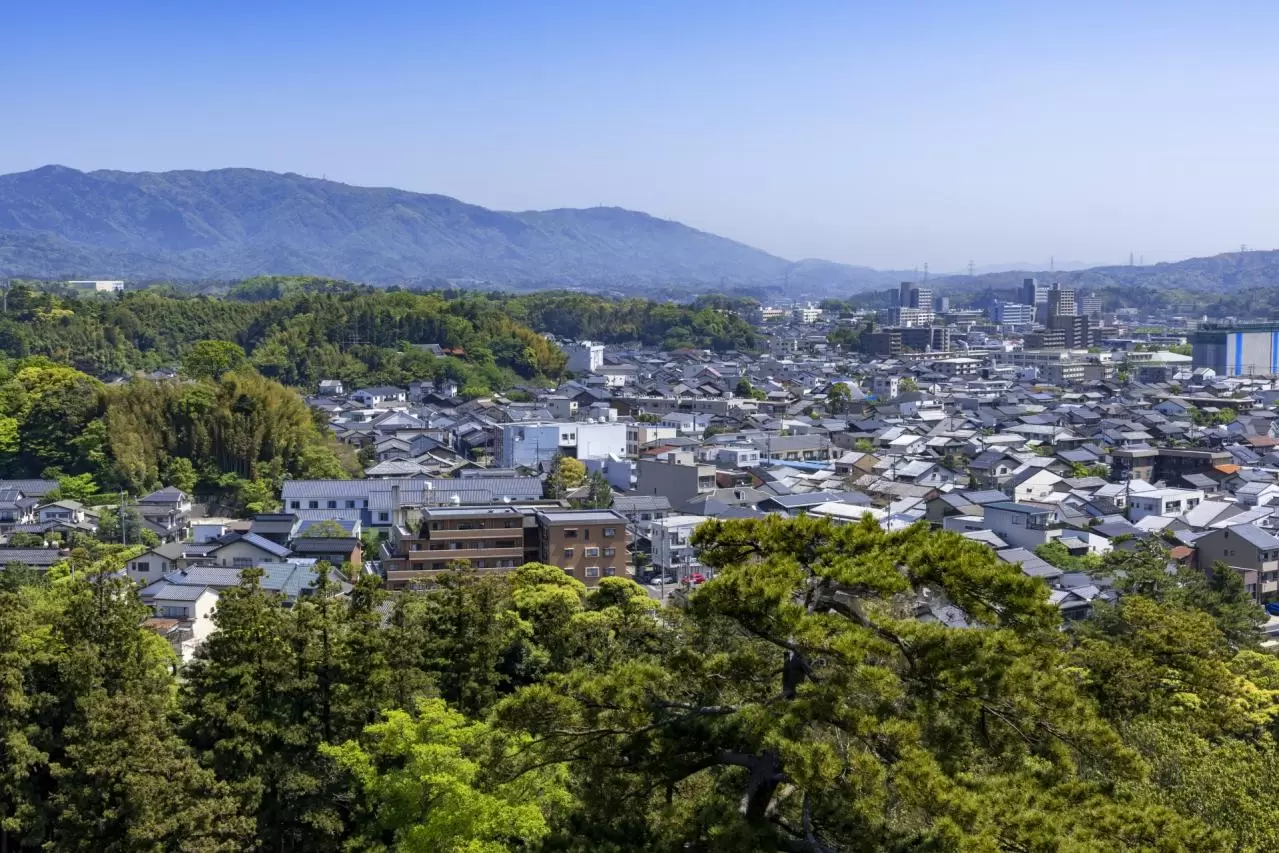
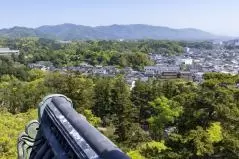
From the top floor, visitors can enjoy a 360-degree panoramic view of:
- Matsue City
- Lake Shinji
- Lake Nakaumi
- Mount Daisen
- The Shimane Peninsula
This is one of the signature highlights of Matsue Castle, and many tourists visit specifically to enjoy the spectacular scenery.
## Highlights Inside the Castle
Historical materials related to Matsue Castle and the Matsue Domain are displayed inside the castle.
Other unique highlights include:
- A pillar with wood grain that appears to form a heart shape
- Staircases made using lightweight paulownia wood
- One of Japan’s largest wooden *shachi* roof ornaments
The wooden *shachi* installed on the castle tower stands approximately two meters tall and is known as one of the largest wooden *shachi* ornaments in Japan.
## Matsue Castle Yamakoen Park
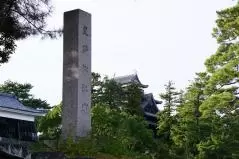
The area surrounding Matsue Castle has been developed as Matsue Castle Yamakoen Park.
The park features pine trees and bamboo groves, and visitors can enjoy cherry blossoms in spring, fresh greenery in early summer, autumn foliage, and snowy scenery in winter.
The park is particularly famous as a cherry blossom viewing spot and has been selected as one of Japan’s “100 Best Places for Cherry Blossoms.” In spring, approximately 200 cherry trees bloom in full glory, attracting many visitors for flower viewing.
The park is also popular as a place of relaxation for local residents and is ideal for a leisurely stroll.
## Guided Tours
Matsue Castle offers guided tours such as the “Matsue Historical Guides,” led by guides dressed as samurai warriors.
The guides provide detailed explanations of the castle’s construction, stories about successive domain lords, and highlights of the stone walls and main tower. These tours are popular not only with history enthusiasts but also with first-time visitors.
In recent years, interactive experiences using AR and VR technology have also been introduced, allowing visitors to experience the castle town of the Edo period and the Matsue Castle of its heyday in a more realistic way.
## Conclusion
Completed in 1611, Matsue Castle is one of Japan’s 12 original castle towers and one of the country’s most renowned castles. Redesignated as a National Treasure in 2015, it possesses exceptional historical value as the only castle in the San’in region with an original main tower still standing. Visitors can also appreciate its sturdy, practical design, advanced construction techniques, magnificent stone walls, and many other attractions.
From the top-floor Tengu-no-Ma, visitors can enjoy sweeping views of Matsue City and Lake Shinji, while the scenery changes beautifully with each season. Offering history, architecture, and spectacular landscapes all in one place, Matsue Castle continues to attract visitors from Japan and around the world as one of Shimane Prefecture’s premier tourist destinations.
Shimane Tourist Attractions
View List
Iwami Ginzan Silver Mine World Heritage Center
When visiting Iwami Ginzan, it's highly recommended to first stop by the Iwami Ginzan World Heritage Center. Here, you can learn about the history of Iwami Ginzan, i...

Yaegaki Shrine
Yaegaki Shrine is known as the deity of matchmaking in Izumo, with Susanoo and Inada-hime as the main deities. The mirror pond on the shrine grounds is popular among...

Izumo Taisha Shrine
Izumo Taisha, located in Izumo Province (Shimane Prefecture), is widely known as the deity of matchmaking. This shrine enshrines Ōkuninushi no Ōkami, and many people...

Lake Shinji
Shinji Lake, located to the west of Matsue City, is one of Japan's top 100 scenic spots, renowned especially for its stunning sunsets. As a brackish lake, it is home...

Adachi Museum of Art
Adachi Museum of Art is located in Yasugi City, Shimane Prefecture, and was opened in 1970 by a local entrepreneur, Zenko Adachi. This museum houses works by modern ...

Izumo Hinomisaki Lighthouse
Izumo Hinomisaki Lighthouse is located about a 20-minute drive from Izumo Taisha Shrine. Standing at a height of 63.30 meters above sea level and 43.65 meters to the...

Yushien Garden
Yushien is a Japanese garden located on Daikon Island, which floats in Lake Nakaumi. It features a pond and stroll garden that spans approximately 10,000 tsubo. The ...

Tamatsukuri Onsen
Tamatsukuri Onsen is one of the oldest hot springs in Japan, established during the Nara period, and is widely known as a beauty hot spring. The "Izumo no Kuni Fudok...