
Arima Onsen
Arima Onsen Movies


Basic Information
- Spot Name
- Arima Onsen
- Location
- 〒651-1401 Arima-cho, Kita-ku, Kobe City
- Access
- From JR Shin-Kobe Station, it takes about 48 minutes by bus; from JR Sannomiya Station, it takes about 33 minutes by bus to get off at Arima Onsen.
- Parking
- Please use the nearby paid parking facilities.
- Business Hours
- It varies by each store.
- Contact Information
- Phone Number:078-904-0708
- Official Website
Map
Detailed Information
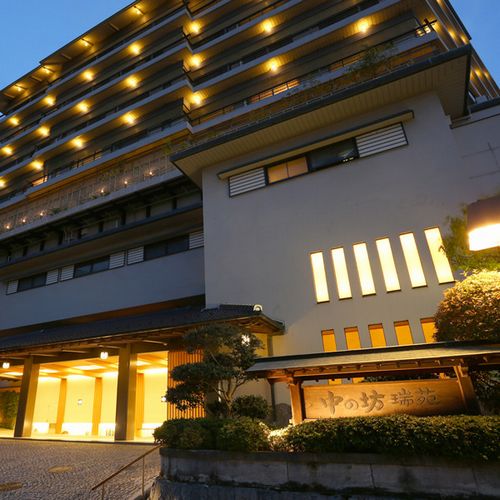
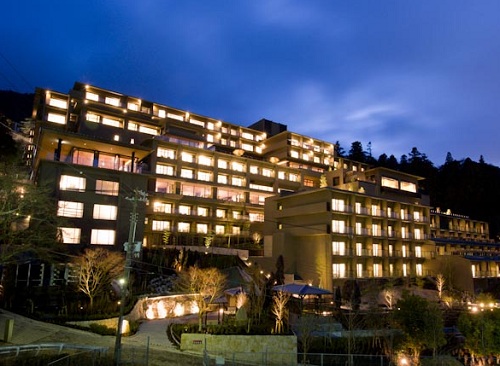
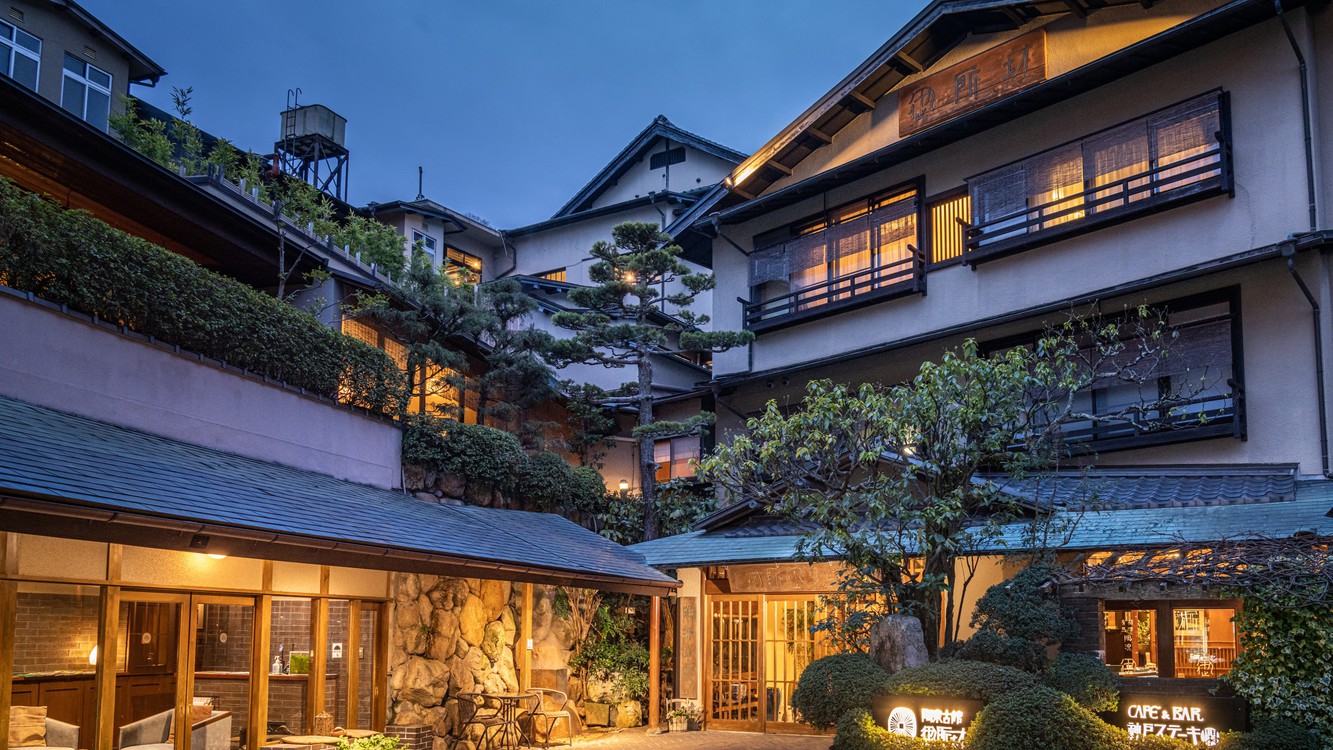
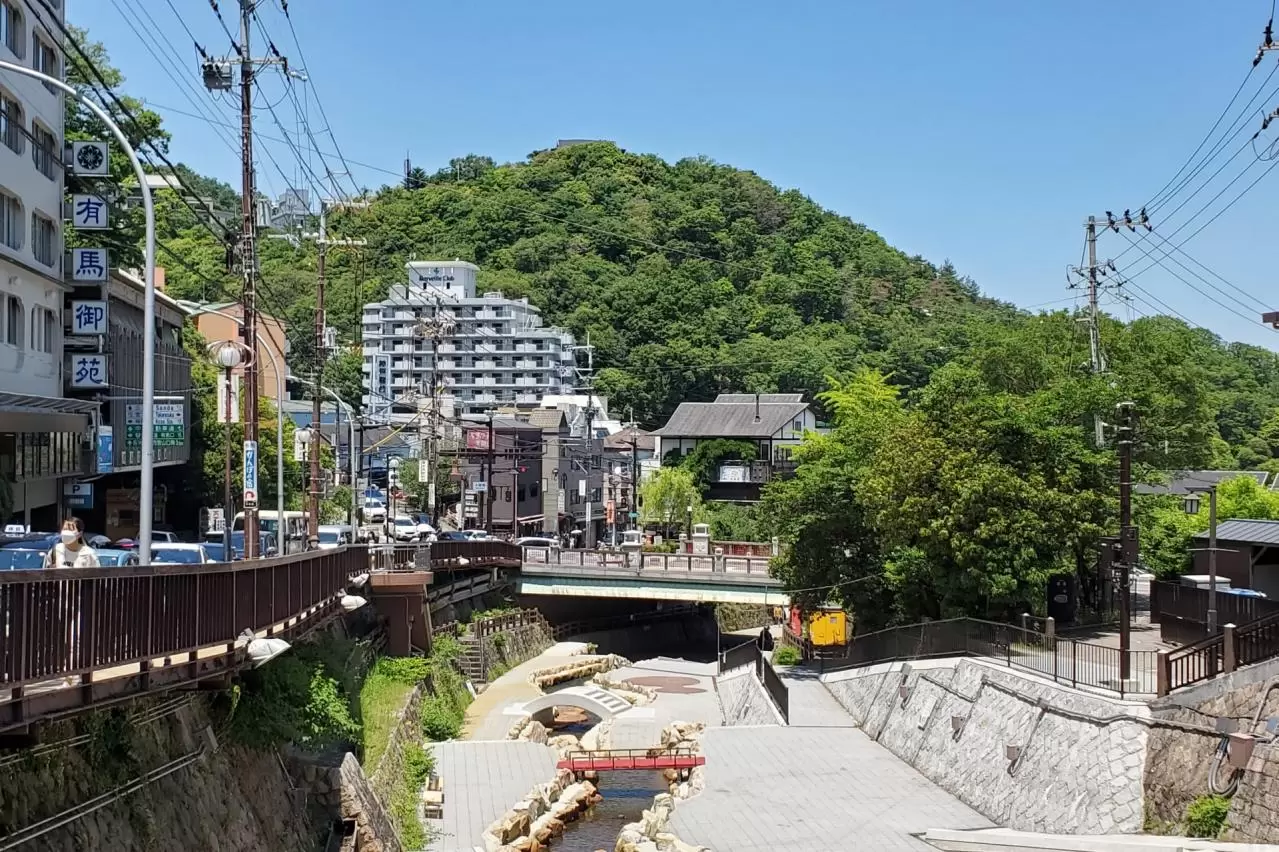
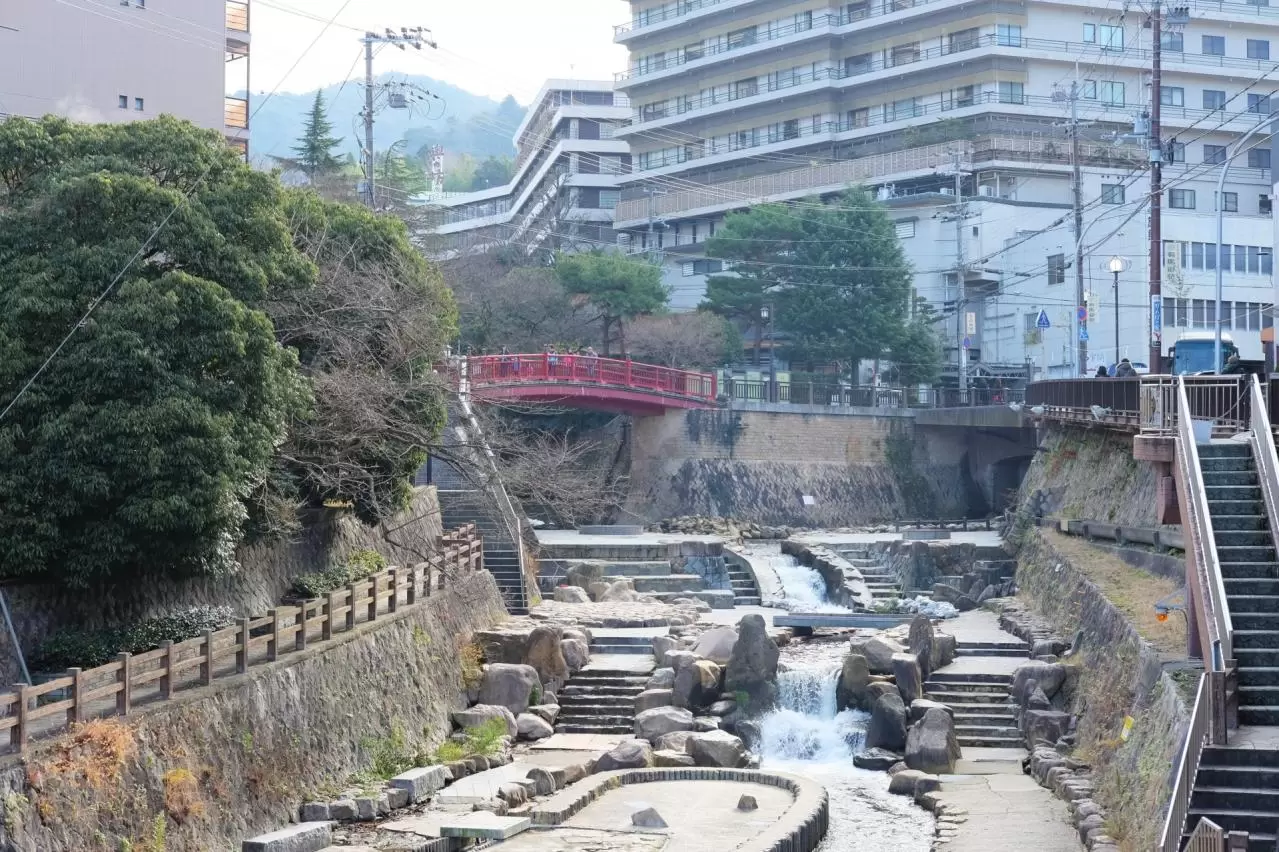
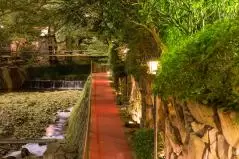
Arima Onsen, located in Arima-cho, Kita Ward, Kobe, Hyogo Prefecture, is one of Japan’s most celebrated hot spring resorts. Spreading across a mountainous valley at the foot of Momiji Valley on the northern side of the Rokko Mountains, it has long been cherished as the “inner parlor of Kansai,” a peaceful retreat where visitors can relax away from the bustle of the city. Although it is conveniently located about 30 minutes from central Kobe and approximately one hour from Osaka, its tranquil and atmospheric surroundings are a major attraction.
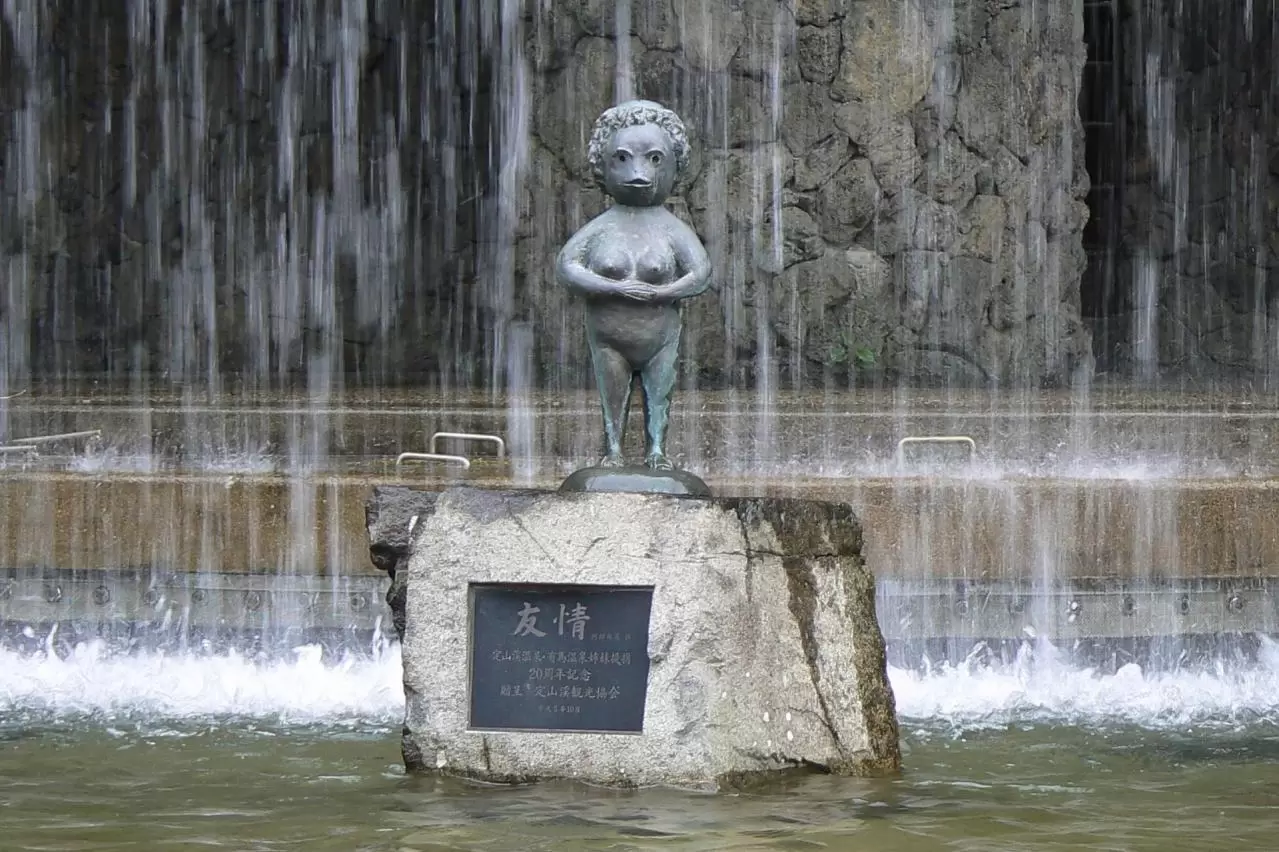
Arima Onsen is one of the “Three Ancient Hot Springs of Japan,” along with Dogo Onsen in Ehime Prefecture and Shirahama Onsen in Wakayama Prefecture. It is also counted among the “Three Famous Springs of Japan,” making it a hot spring destination of exceptional historical importance and renown. Its history is remarkably long, and the resort is mentioned in both the *Nihon Shoki* and *The Pillow Book*. It has been beloved by people since ancient times. During the Nara period, the Buddhist monk Gyoki established Onsenji Temple, and during the Kamakura period, the monk Ninsai helped restore the resort. Arima continued to develop over many centuries. During the Warring States period, Toyotomi Hideyoshi was particularly fond of Arima. He visited repeatedly with his wife, Nene, and made significant contributions to the development and improvement of the hot spring town.
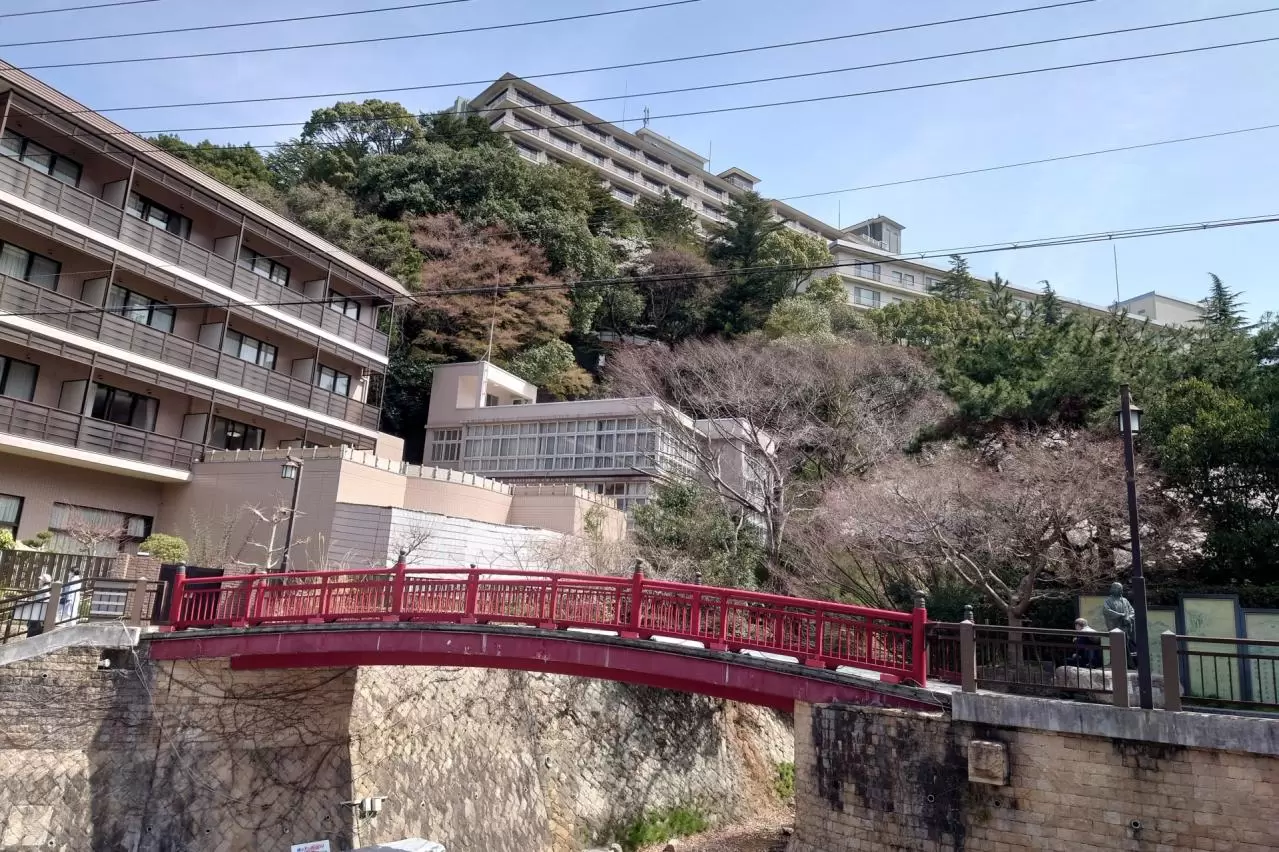
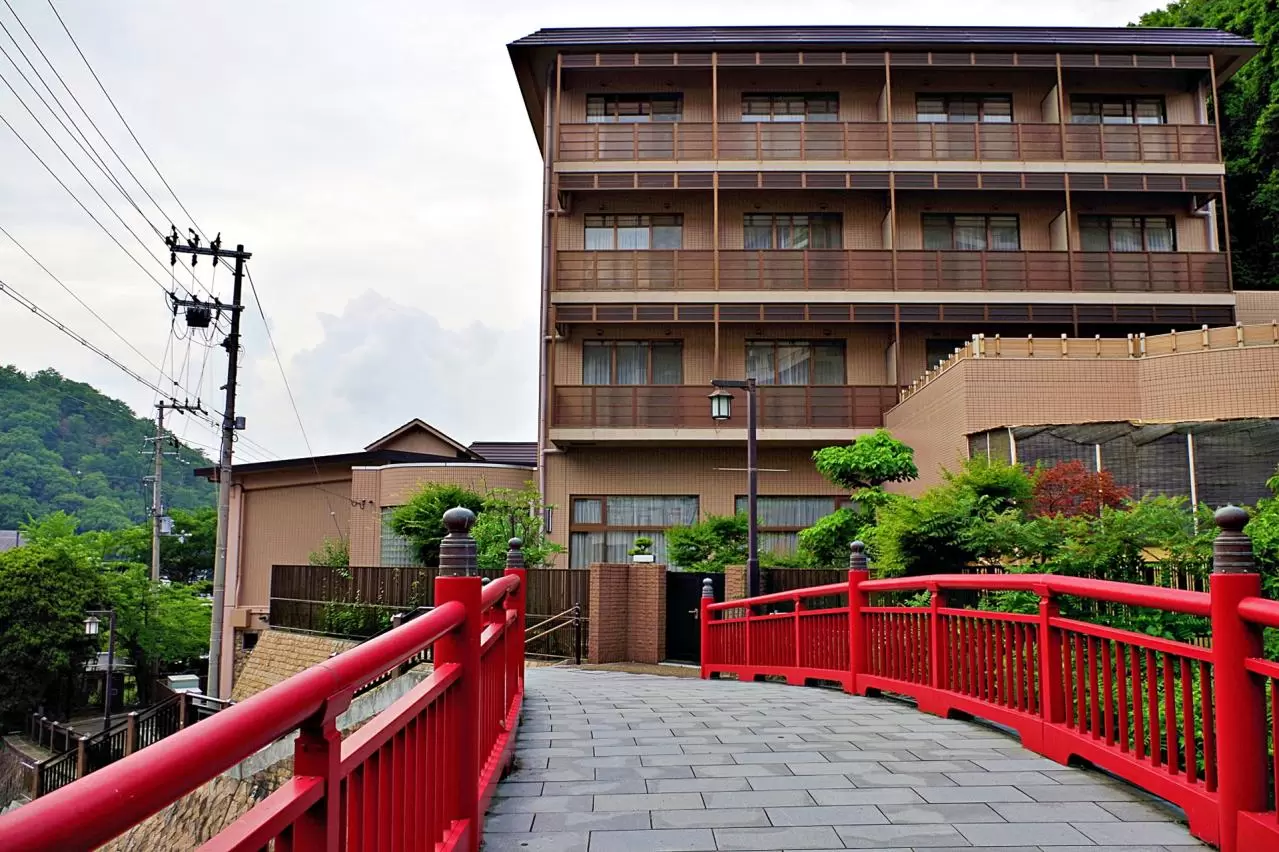
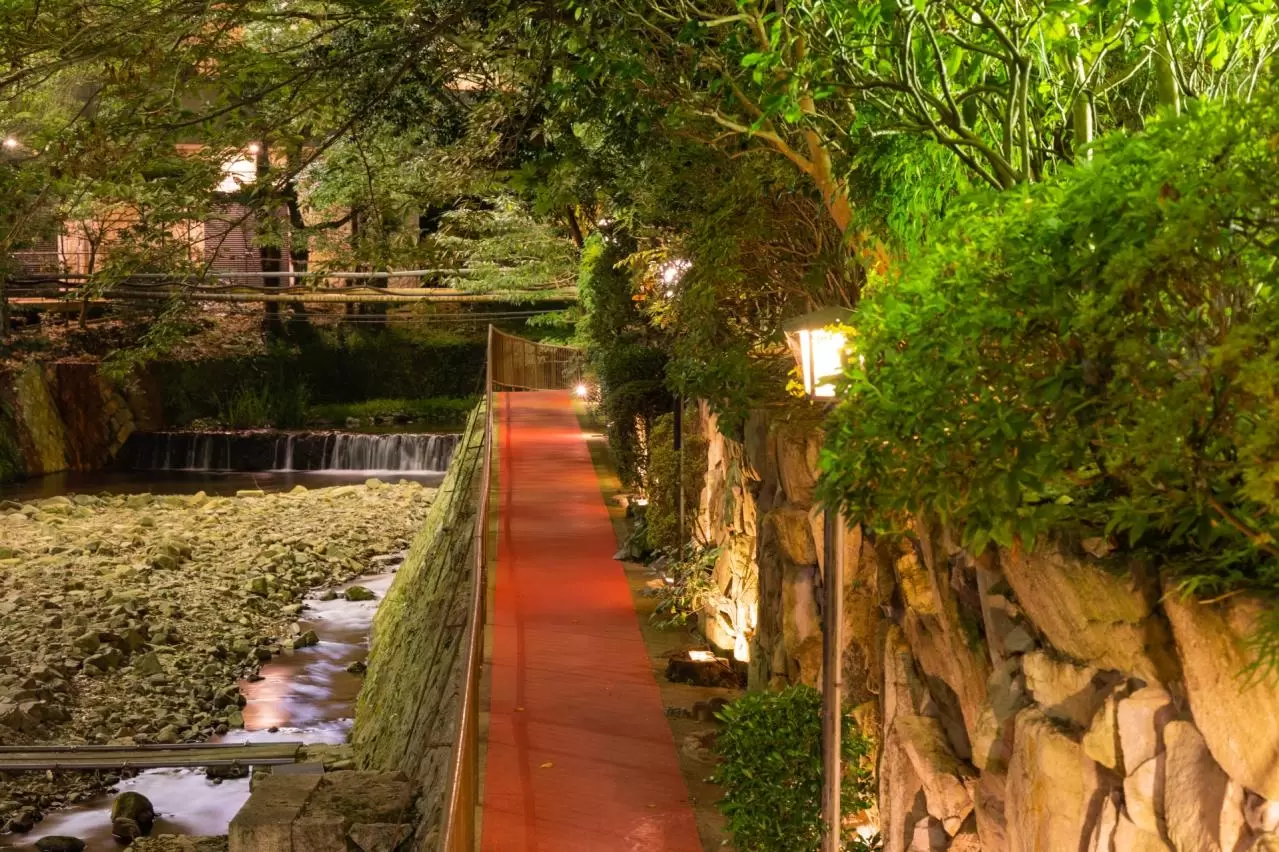
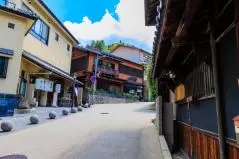
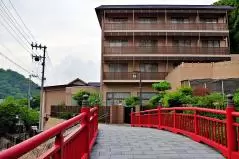
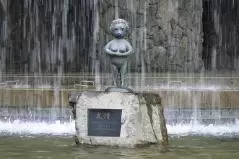
Many historic sites associated with Hideyoshi remain throughout the resort. Taiko Bridge and Nene Bridge, for example, are popular sightseeing spots, known for their vermilion railings and statues of Hideyoshi and Nene. At the Taiko-no-Yu Hall Museum, visitors can see the remains of the “Yuyama Palace,” which is believed to have been used by Hideyoshi, allowing them to experience history up close. One of Arima Onsen’s greatest attractions is that visitors can enjoy not only its hot springs but also leisurely walks through its historic streets.
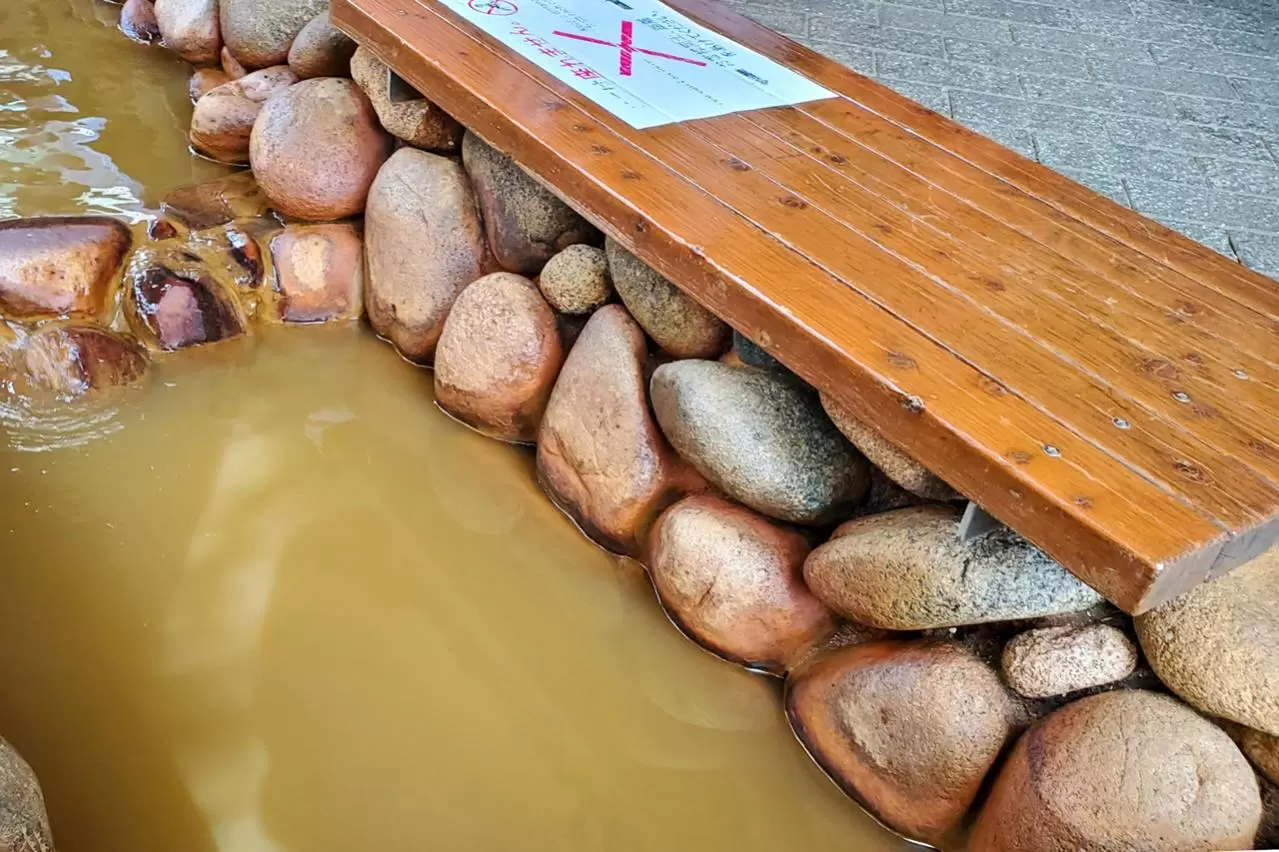
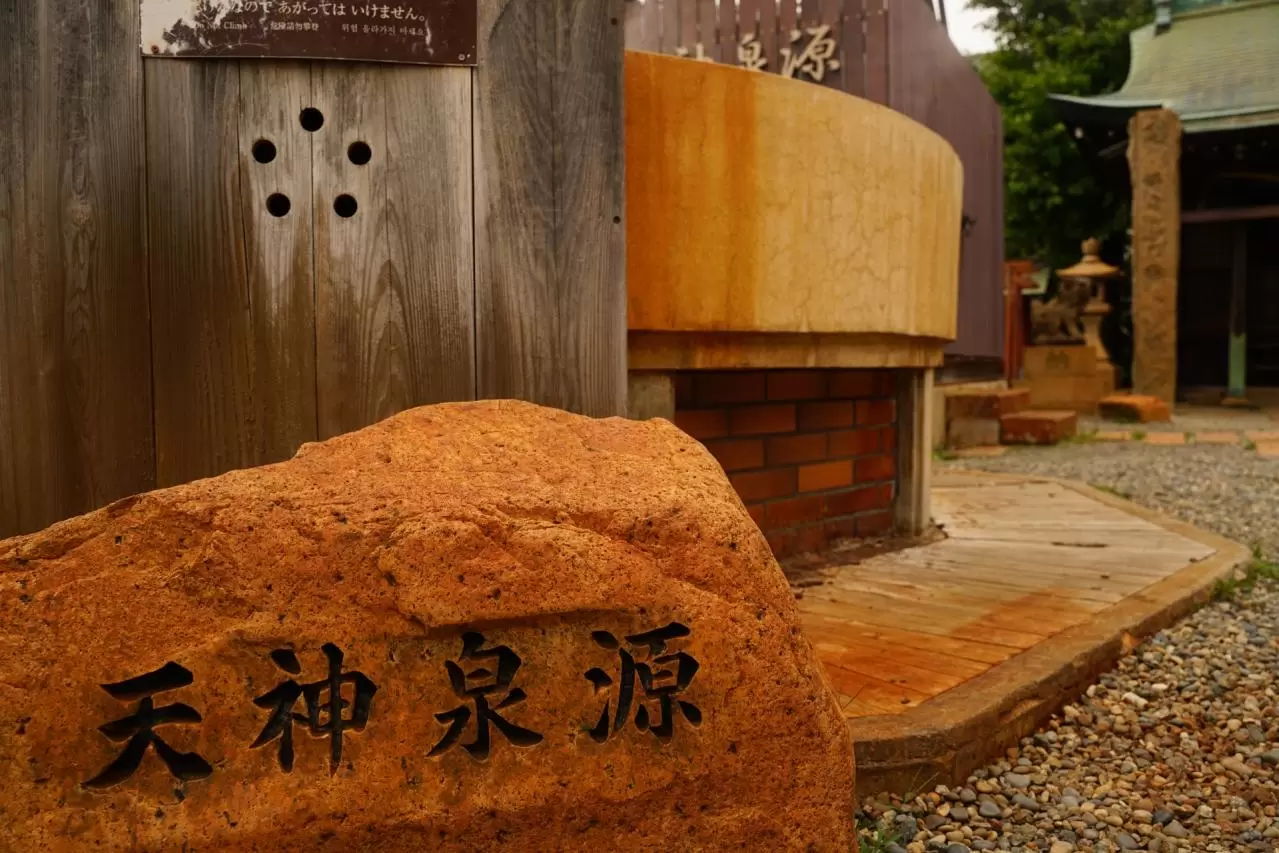
The most distinctive feature of Arima Onsen is the opportunity to enjoy two different types of mineral-rich waters: Kinsen, or “Golden Spring,” and Ginsen, or “Silver Spring.” Kinsen is a reddish-brown spring rich in iron and salt, giving it a distinctly salty taste. It is said to have excellent warming and moisturizing effects as well as antibacterial properties, and is believed to be beneficial for neuralgia, muscle pain, and joint pain. Ginsen, on the other hand, is clear and colorless. It contains carbonated and radioactive spring waters and is gentle on the skin. It is said to help reduce swelling, improve blood circulation, and alleviate high blood pressure. In general, bathing in Kinsen to warm the body thoroughly before entering Ginsen is believed to provide an even greater refreshing effect.
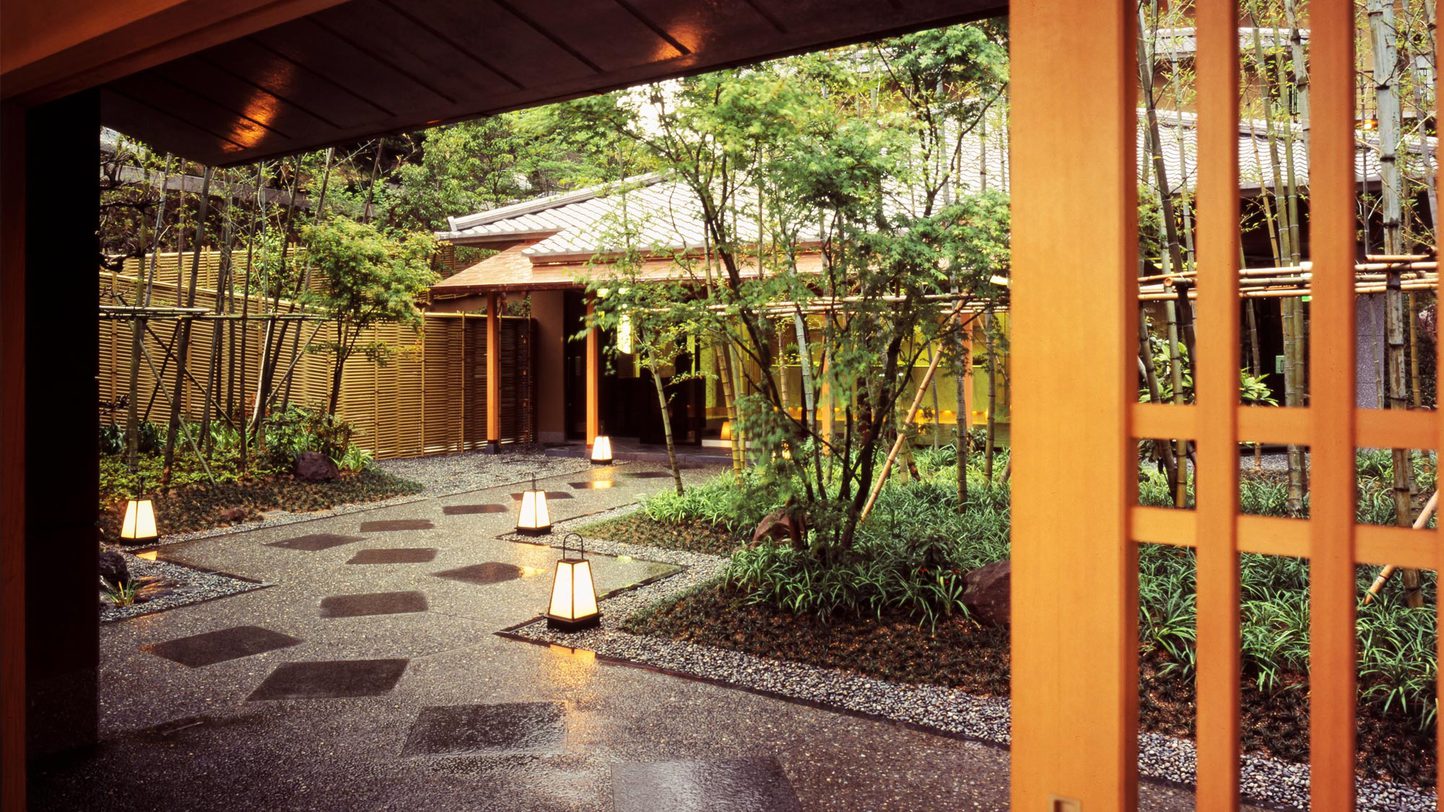
There are many ways to enjoy the hot springs, and the area has an abundance of facilities offering day-use bathing. The two most representative public bathhouses are Kin no Yu and Gin no Yu, where visitors can easily experience each type of spring water. At Kin no Yu, guests can enjoy the reddish-brown Kinsen, while the bathing area features an atmospheric design inspired by bamboo and autumn leaves. Gin no Yu focuses mainly on carbonated spring water and also offers bubble baths, waterfall showers, and a sauna. Taiko-no-Yu provides more than 20 different types of baths, including Kinsen and Ginsen, as well as rock baths and a wide variety of open-air baths.
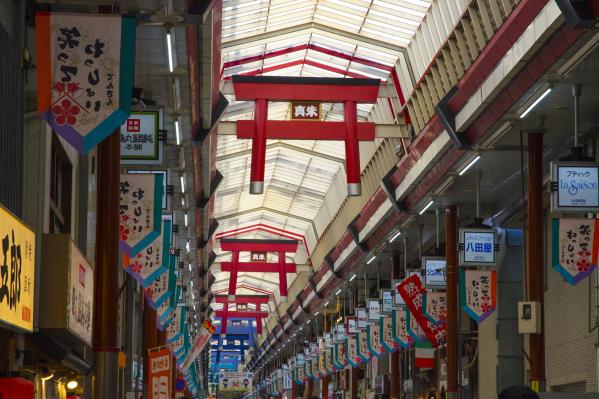
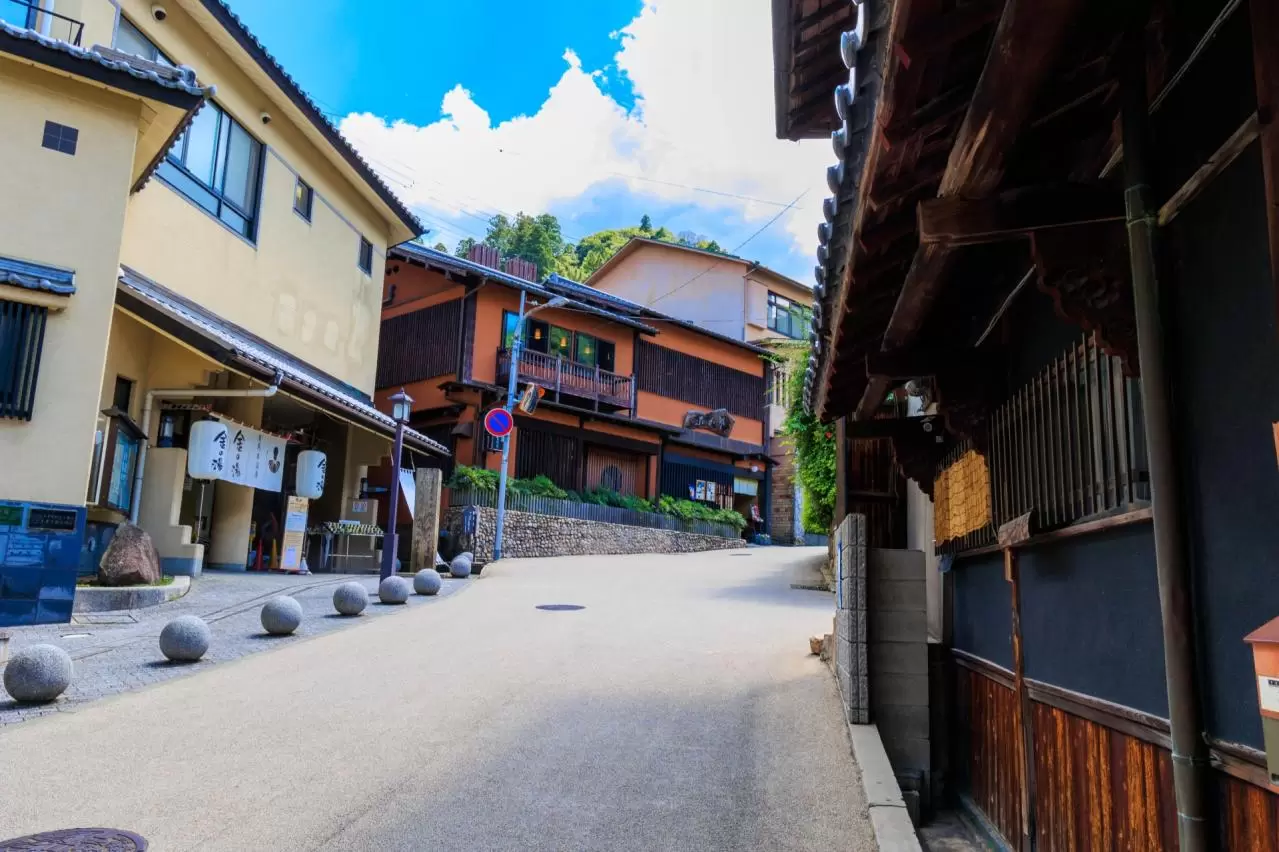
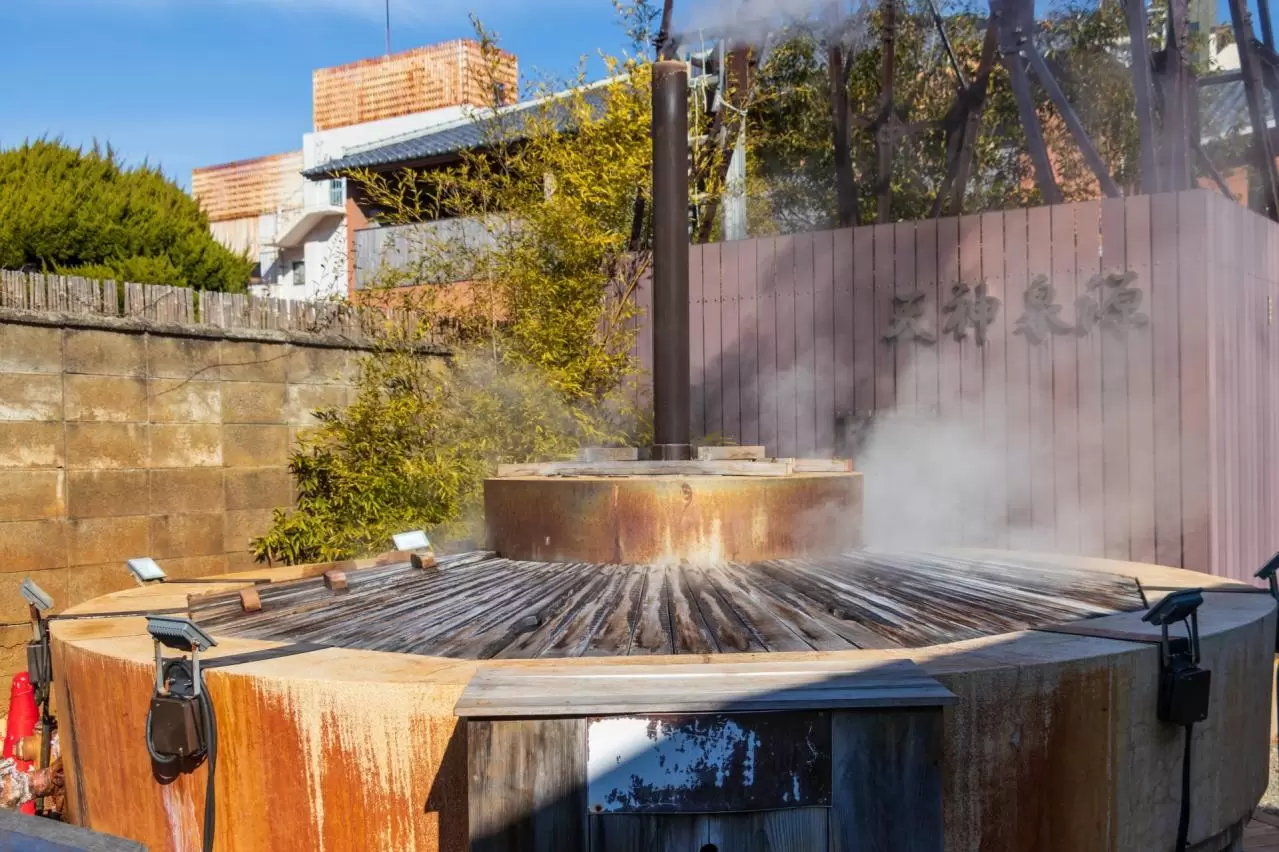
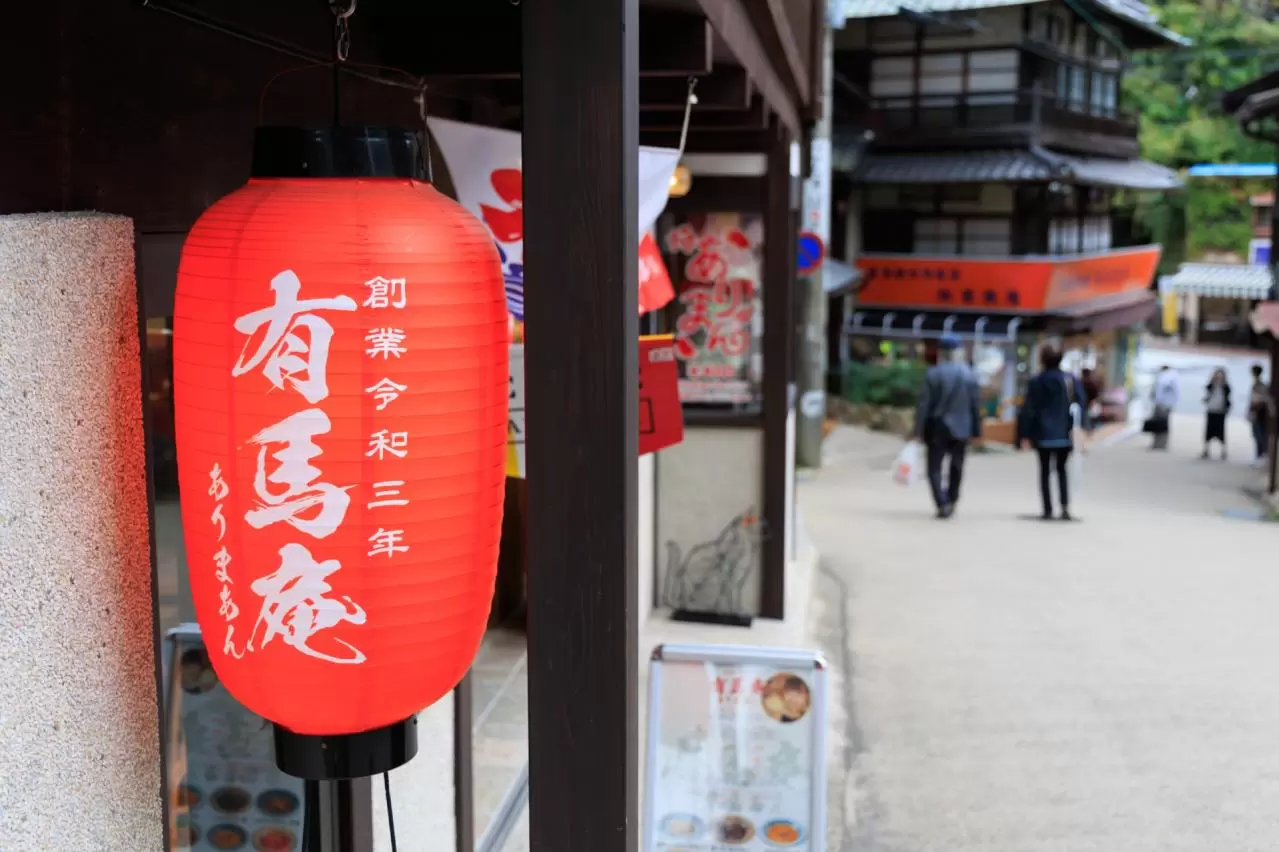
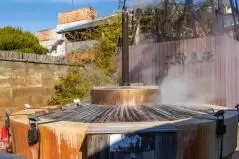
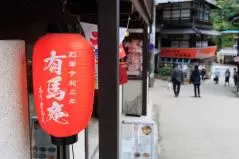
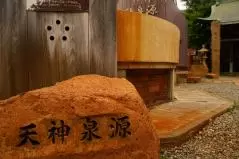
Another popular experience in Arima Onsen is the “spring-source tour.” This walking course takes visitors around seven sources that feed the hot springs, allowing them to feel the power of nature. Nearby, at Carbonated Spring Source Park, visitors can even drink naturally carbonated water. Along Yumotozaka and Taiko-dori, the central streets of the hot spring town, Japanese confectionery shops and souvenir stores line the streets, offering plenty of opportunities for shopping and sampling local treats while strolling around.
Food is another major attraction of Arima Onsen. In addition to substantial meals such as Kobe beef dishes and kamameshi rice cooked in an iron pot, the town offers an abundance of street food, including croquettes, fried fish cakes, and gelato. Kinsen-yaki, a confection inspired by the Golden Spring, and richly flavored sake manju buns are also popular, allowing visitors to savor distinctive local delicacies.
Arima has also preserved its geisha culture, and visitors can watch geisha dances at seasonal events. Depending on the accommodation, it may also be possible to experience ozashiki asobi, traditional entertainment and games enjoyed in a private tatami room, providing a valuable opportunity to encounter Japanese traditional culture. Various events take place throughout the year, including the Spring Cherry Blossom Festival and the summer Ryofu Kawazashiki riverside event.
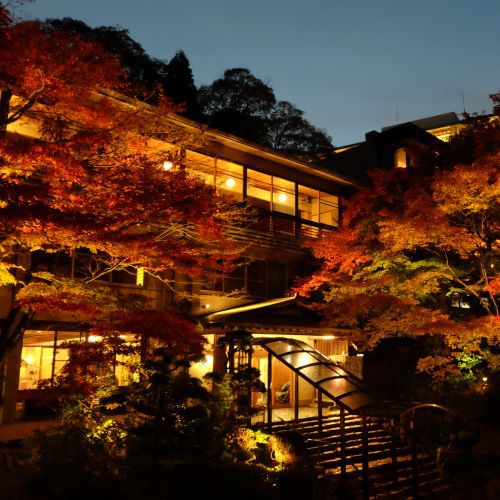
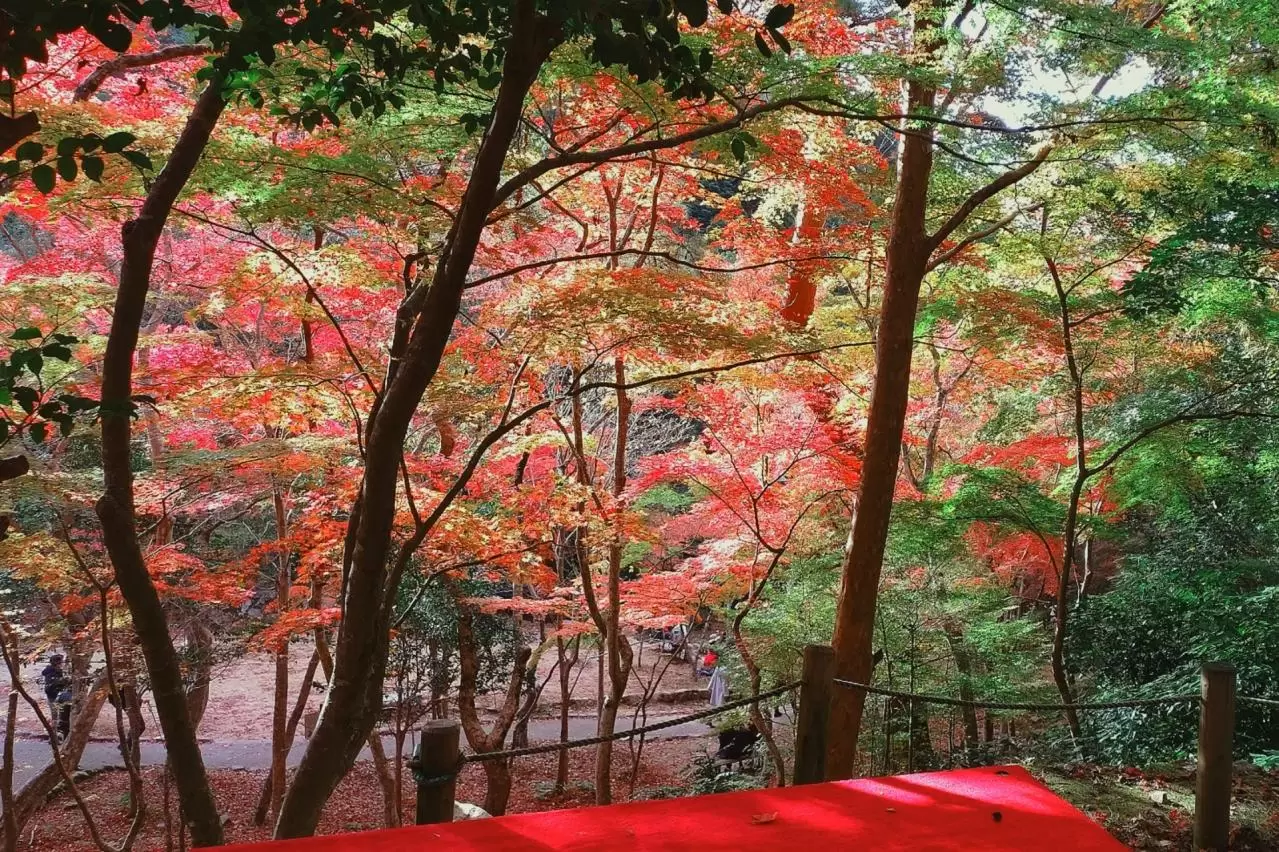
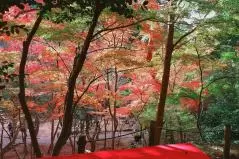
In addition, the ropeway connecting Arima Onsen with Mount Rokko offers panoramic views of the beautiful mountains and townscape, with scenery that changes throughout the seasons. The autumn foliage season is particularly famous for its spectacular views and attracts many visitors.
In this way, Arima Onsen is a hot spring destination with a well-rounded appeal, combining abundant nature, a long history, distinctive mineral waters, and a wide range of sightseeing opportunities and culinary delights. Visitors can enjoy not only the healing benefits of the hot springs but also the culture, history, and atmosphere of Japan to the fullest.
Hyogo Tourist Attractions
View List
Meriken Park
Kobe's iconic tourist spot, Meriken Park, is a beautiful park that stretches along the coastline and offers a variety of activities and attractive landmarks for visi...
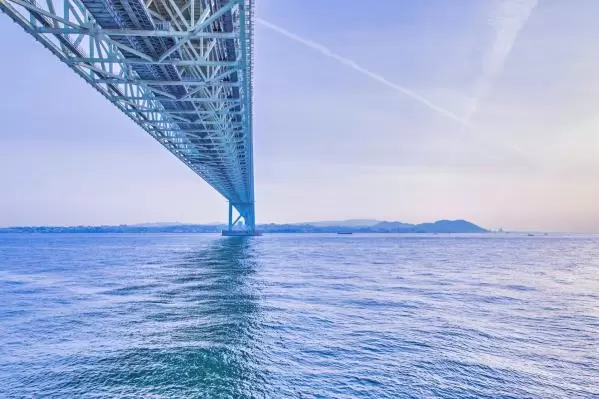
Akashi Kaikyō Bridge
The Akashi Kaikyō Bridge, connecting Honshu and Awaji Island, spans a total length of 3,911 meters, making it the world's longest suspension bridge, affectionately k...
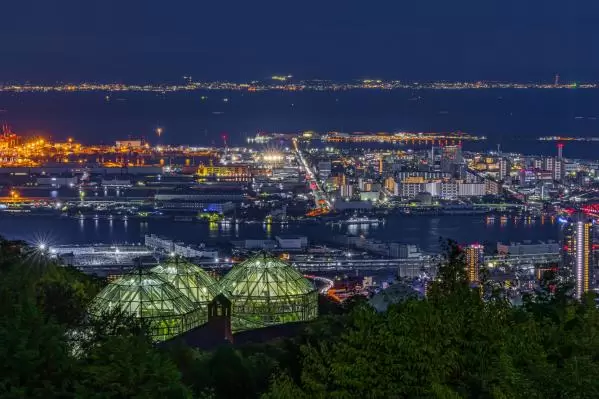
Kobe Nunobiki Herb Garden Ropeway
Kobe Nunobiki Herb Garden / Ropeway is a resort facility that offers a panoramic view of the city of Kobe. You can enjoy a 10-minute aerial stroll on the ropeway whi...
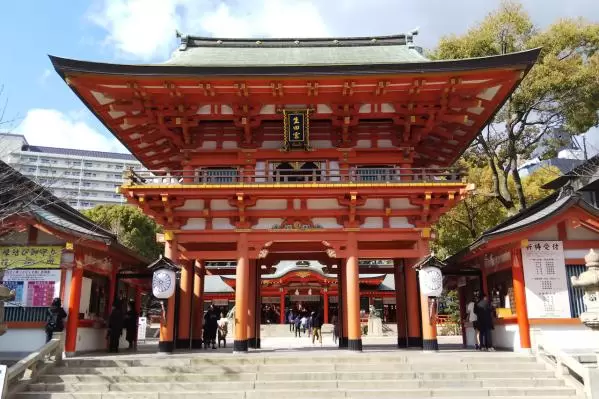
Ikuta Shrine
Ikuta Shrine is an ancient shrine with a history of over 1800 years, and it is also the origin of the name "Kobe." It is widely popular as a shrine for matchmaking a...
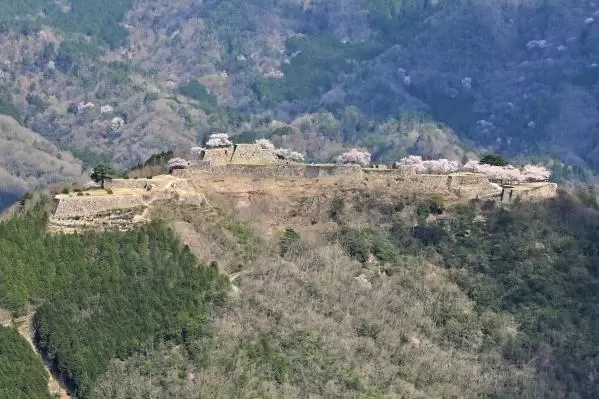
Takeda Castle
Takeda Castle Ruins, located at an elevation of 353.7 meters, is a mountain castle believed to have been built by the Tajima governor, Sōzen Yamana, during the Kakyō...
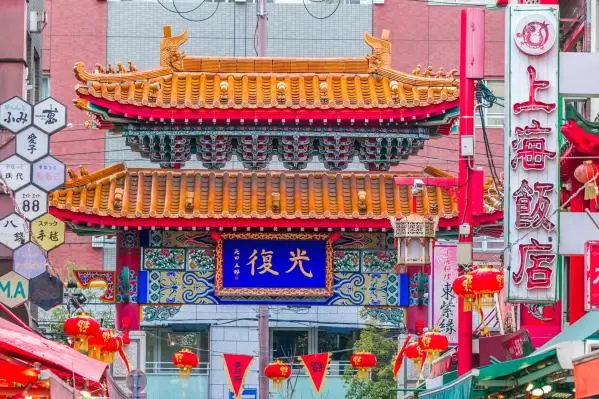
Nankinmachi
Nankinmachi, located in Motomachi, Kobe, is one of Japan's three major Chinatowns, alongside Yokohama and Nagasaki. This historic area has been thriving since the op...
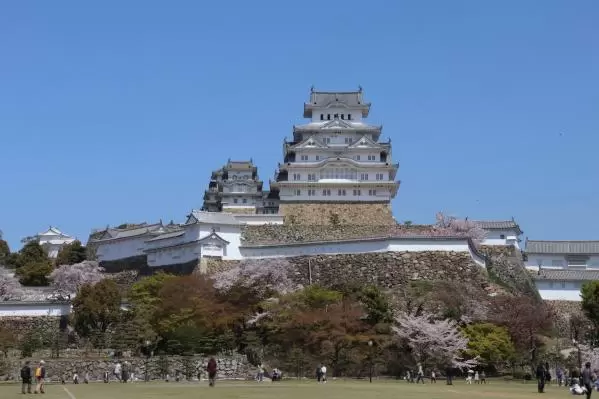
Himeji Castle
Himeji Castle, commonly known as "Shirasagijo" or "White Heron Castle," is recognized as a national treasure and a World Heritage site, symbolizing Japan's pride. It...
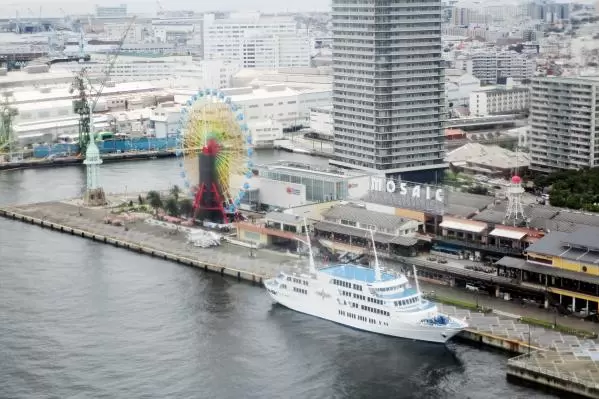
Kobe Harborland
Kobe Harborland is located just a short distance from Kobe Station and was developed on the site of a former national railway freight station, creating a vibrant com...