Takeda Castle
Takeda Castle Movies


Basic Information
- Spot Name
- Takeda Castle
- Location
- 〒669-5252 169 Takeda Kojouzan, Wadayamacho, Asago City, Hyogo Prefecture, Japan
- Access
- Approximately 10 minutes by taxi from JR "Takeda Station". About 15 minutes from "Wadayama JCT" on the Bantan Expressway.
- Parking
- 100 vehicles
- Business Hours
- 8:00 AM to 6:00 PM (March 1 to May 31), 6:00 AM to 6:00 PM (June 1 to August 31), 4:00 AM to 5:00 PM (September 1 to November 30), 10:00 AM to 2:00 PM (December 1 to January 3 of the following year), entry may be restricted at times.
- Regular Holiday
- From January 4th to the end of February, entry is not permitted due to winter closure.
- Fees
- Adults (high school students and above) 1 person 500 yen
Free for junior high school students and below - Contact Information
- Phone Number:079-674-2120
- Official Website
Map
Detailed Information
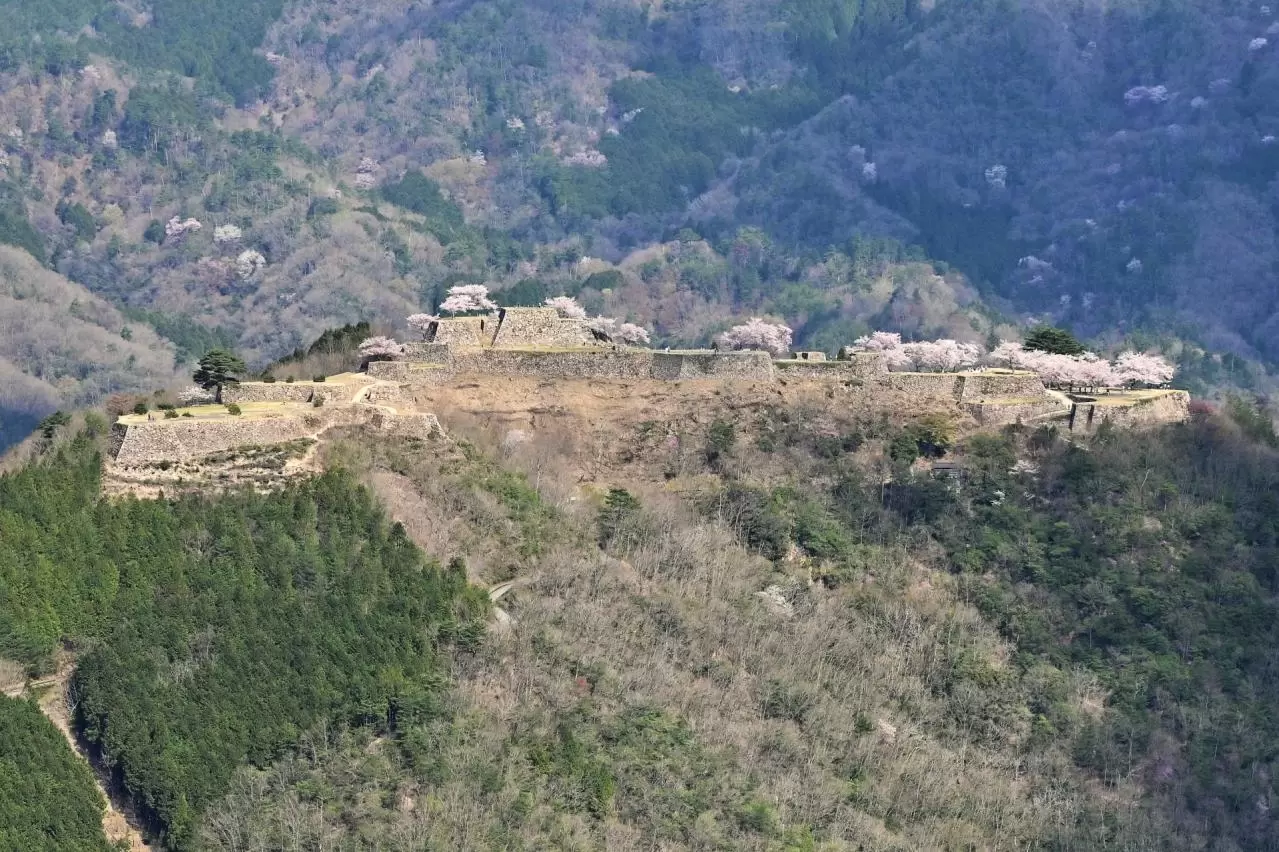
Takeda Castle Ruins are the remains of a mountain castle located in Asago City, Hyogo Prefecture, built atop the summit of Kogeyama at an elevation of 353.7 meters. It is a historic castle said to have been constructed during the Kakitsu era (1441–1444) by Yamana Sōzen, the Shugo of Tajima Province, and later governed by the Ōtagaki clan under his control. Because the shape of the entire mountain resembles a tiger lying down, it is also known as “Torafusujō” or “Kōjō” (“Tiger Lying Castle”).
The greatest feature of Takeda Castle Ruins is its magnificent stone walls spread across the entire mountaintop. With a vast layout extending roughly 400 meters north to south and 100 meters east to west, the site consists of the main keep platform, Honmaru, Ninomaru, Sannomaru, South Senjō, North Senjō, Hanayashiki, and other areas arranged along the ridgeline. As a mountain castle ruin, it is exceptionally well preserved and is known as a valuable remnant that conveys the structure of the time to the present day. Much of the remaining stonework and layout were developed by Akamatsu Hirohide in the late Sengoku period.
Historically, the castle fell in 1580 during Hashiba Hideyoshi’s campaign in Tajima Province. It then came under the Toyotomi regime, and Akamatsu Hirohide eventually carried out the castle’s development as lord. However, after the Battle of Sekigahara in 1600, Hirohide, who had sided with the Western Army, was ordered to commit seppuku, and the castle lost its lord and was abandoned. For more than 400 years since then, only the stone walls have remained, with the castle never rebuilt.
Takeda Castle Ruins are also known as the “Castle in the Sky” and the “Machu Picchu of Japan,” and are famous nationwide for their dreamlike scenery. Especially on early mornings from autumn to early winter (late September to early December), the morning mist that forms in the basin creates a sea of clouds, through which the castle ruins appear to float—a truly breathtaking sight. Large day-night temperature differences and clear, cold mornings are ideal conditions for sea-of-cloud formation, with November being a particularly favorable time.
This mystical landscape has captivated many photographers and tourists, and photos taken since the 2000s were featured in newspapers and magazines, sparking a nationwide “Castle in the Sky” boom.
Representative spots for enjoying the sea of clouds and the spectacular view of Takeda Castle Ruins include not only the ruins themselves but also Ritsuunkyo, a natural park on the opposite side of the valley. Ritsuunkyo has several observation decks, and from the First Observation Deck in particular, you can take in a panoramic view of Takeda Castle Ruins floating in the sea of clouds. From Tōwa Pass to the northwest, you can enjoy a fantastical silhouette of the ruins against the backlight, and its easy car access is another appeal. In addition, from the keep platform within the ruins, you can enjoy a powerful close-up view overlooking South Senjō.
When visiting, early-morning mountain walking is required, so carrying a flashlight or headlamp, comfortable walking shoes, and cold-weather clothing is recommended. Admission hours vary by season, but during the sea-of-cloud season, entry is possible from around 5:00 a.m. Admission is 500 yen, and the site is closed for the winter season from January to February.
Takeda Castle Ruins are also appealing for the way they display different beauty throughout the four seasons. In spring, cherry blossoms color the stone walls; in summer, the site is enveloped in greenery; in autumn, you can enjoy the sea of clouds and autumn foliage; and in winter, snow-covered scenery offers a different expression each time you visit. In recognition of its scenery and historical value, it was selected as one of Japan’s 100 Famous Castles. Furthermore, in 2012 it was designated as a “Sacred Site of Love,” making it a popular destination for couples as well.
Takeda Castle Ruins are a rare place where you can experience the spectacular scenery created by nature and nearly 600 years of history at the same time. Standing atop the stone walls, you may feel as if you have stepped back in time into the Sengoku period, offering visitors a deep sense of emotion and historical romance.
#Castle/Garden #Traditional culture experience #Cultural assets/historic sites
Hyogo Tourist Attractions
View List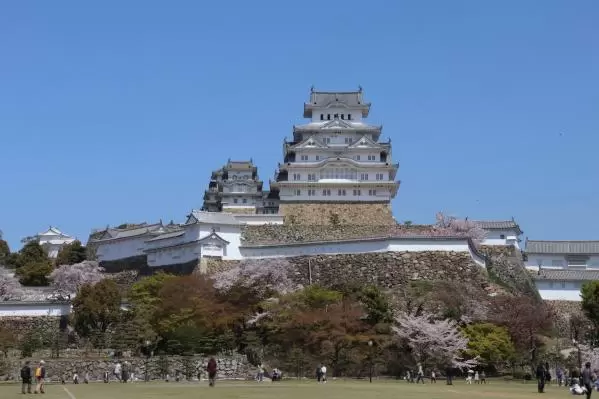
Himeji Castle
Himeji Castle, commonly known as "Shirasagijo" or "White Heron Castle," is recognized as a national treasure and a World Heritage site, symbolizing Japan's pride. It...
Meriken Park
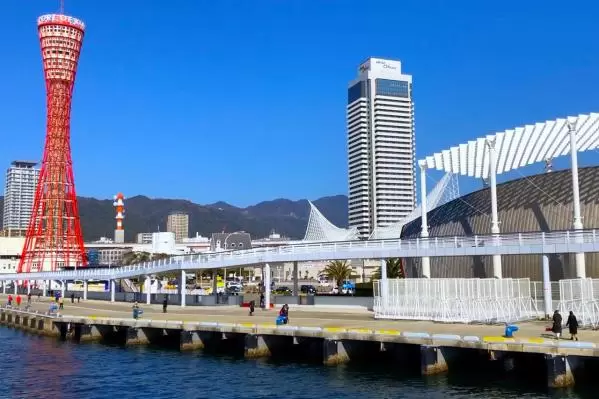
Kobe's iconic tourist spot, Meriken Park, is a beautiful park that stretches along the coastline and offers a variety of activities and attractive landmarks for visi...
Kobe Harborland
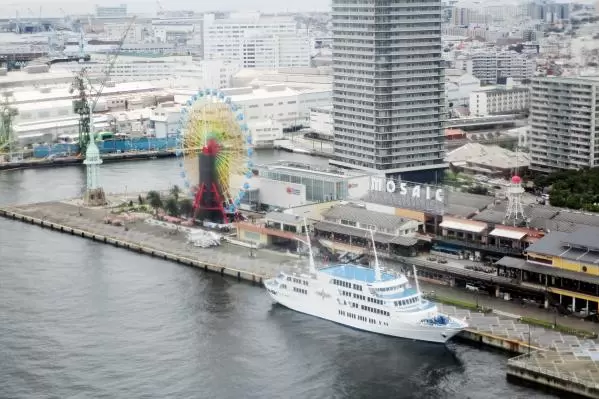
Kobe Harborland is located just a short distance from Kobe Station and was developed on the site of a former national railway freight station, creating a vibrant com...
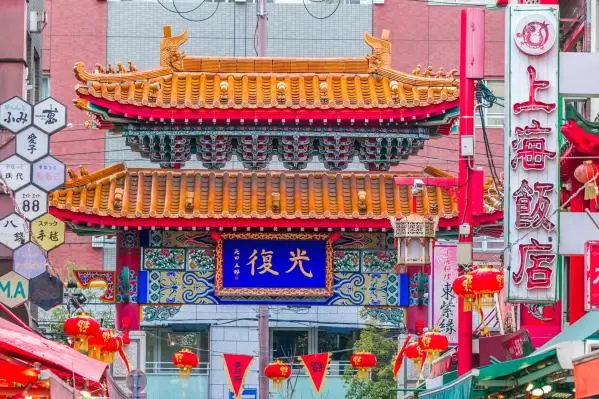
Nankinmachi
Nankinmachi, located in Motomachi, Kobe, is one of Japan's three major Chinatowns, alongside Yokohama and Nagasaki. This historic area has been thriving since the op...
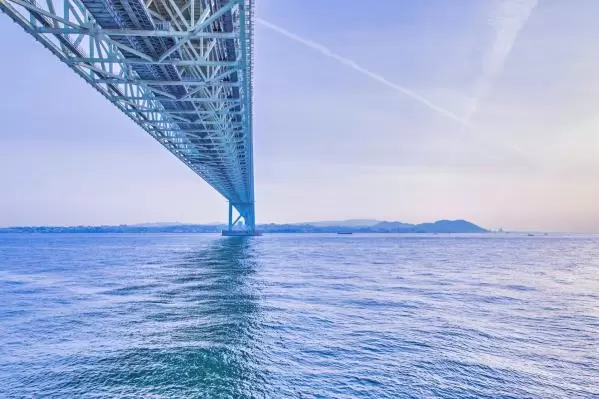
Akashi Kaikyō Bridge
The Akashi Kaikyō Bridge, connecting Honshu and Awaji Island, spans a total length of 3,911 meters, making it the world's longest suspension bridge, affectionately k...
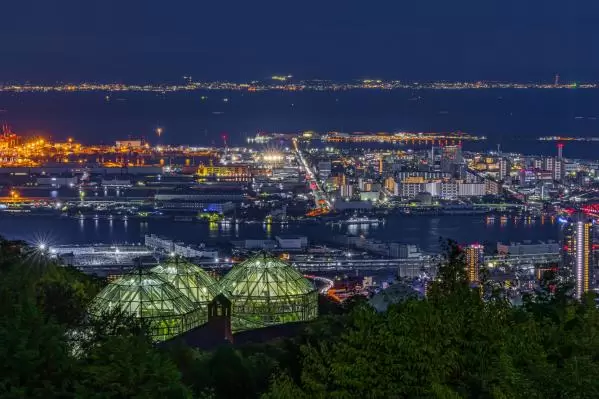
Kobe Nunobiki Herb Garden Ropeway
Kobe Nunobiki Herb Garden / Ropeway is a resort facility that offers a panoramic view of the city of Kobe. You can enjoy a 10-minute aerial stroll on the ropeway whi...

Arima Onsen
Arima Onsen is one of Japan's three ancient hot springs and three famous springs, located at the northern foot of Mount Rokko. Historically, it is known for being fa...
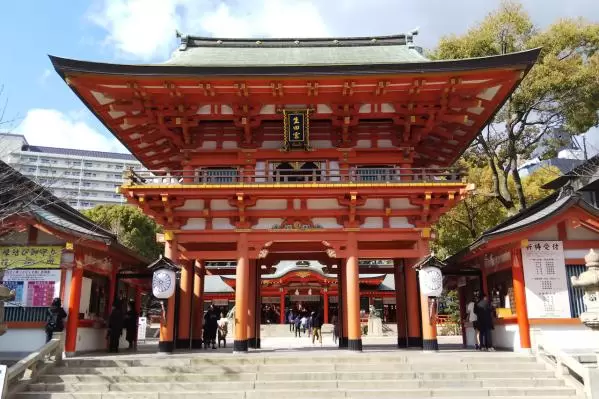
Ikuta Shrine
Ikuta Shrine is an ancient shrine with a history of over 1800 years, and it is also the origin of the name "Kobe." It is widely popular as a shrine for matchmaking a...