Rokkakudo
Rokkakudo Movies


Basic Information
- Spot Name
- Rokkakudo
- Location
- 〒319-1703 727-2, Gutsu, Otsu-cho, Kita-Ibaraki City, Ibaraki Prefecture, Japan
- Access
- About 10 minutes by taxi from JR Joban Line "Otsukou Station."
About 15 minutes from the Joban Expressway "Kita-Ibaraki IC" or "Iwaki-Nakoso IC." - Parking
- Free parking for 15 cars.
- Business Hours
- [April to September] 8:30 AM - 5:30 PM
[October, February, March] 8:30 AM - 5:00 PM
[November to January] 8:30 AM - 4:30 PM
*Admission is until 30 minutes before closing time. - Regular Holiday
- Generally closed on Mondays (please check the website for confirmation).
- Fees
- 400 yen (Free for junior high school students and below, 350 yen for groups of 20 or more)
- Contact Information
- Phone Number: 0293-46-0766
- Official Website
Map
Detailed Information
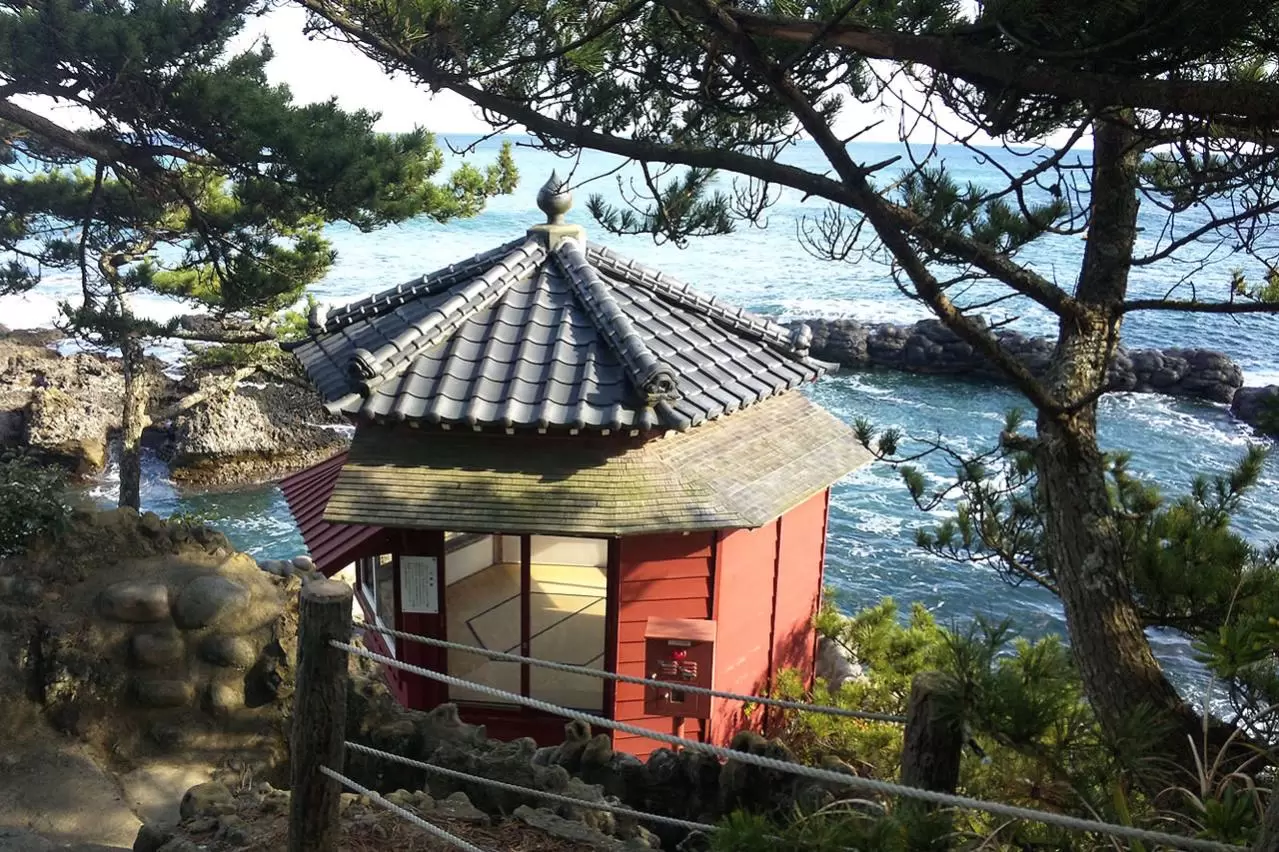
Rokkakudō is a historic structure standing on the Iitsura Coast in Ōtsu Town, Kitaibaraki City, Ibaraki Prefecture. It was designed by the philosopher and art educator Okakura Tenshin in 1903 and named “Kannan-tei” (Pavilion for Watching the Waves).
Perched atop a cliff projecting into the Pacific Ocean, the scene created by the red hexagonal building, the blue sea, and the white surf is as beautiful as a painting. It is sometimes illuminated at night, allowing visitors to enjoy its dreamlike appearance.
Okakura Tenshin and Rokkakudō
Okakura Tenshin was the founder of the Japan Art Institute and a major figure in the development of modern Japanese art. In 1903, he first visited Iitsura with guidance from the painter Tobita Shūzan, and was deeply captivated by its majestic scenery. Two years later, he built Rokkakudō and used it as a place for contemplation and creation. Tenshin lived a seasonal life, working at the Museum of Fine Arts, Boston in winter and spending summers in Iitsura.
In 1906, he relocated the Japan Art Institute to this area, and his disciples, including Yokoyama Taikan, Shimomura Kanzan, Hishida Shunsō, and Kimura Bukuzan, moved here with their families and devoted themselves to creative work. Their activities led Iitsura to be called a “sacred place of modern Japanese art.”
Historical Background, the Earthquake, and Reconstruction
Even after Okakura Tenshin’s death, Rokkakudō has long been cherished as a symbol of Iitsura. However, it was swept away by the tsunami of the Great East Japan Earthquake in 2011. Later, as many parts as possible were recovered from the seafloor, and in 2012 it was rebuilt to faithfully reproduce its original appearance. During the reconstruction, a 150-year-old cedar was used in honor of Tenshin’s 150th birth anniversary, and details such as the vermilion coating made with natural bengara pigment and the sacred jewel containing crystal found on the seafloor were recreated to reflect the aesthetic sensibilities of the original structure. Even the arrangement of the stepping stones expresses the spirit of the tea ceremony.
Architectural and Scenic Appeal
Rokkakudō is distinguished by its unique hexagonal floor plan. The vermilion pillars and smoked-tile roof harmonize with the sea of Iitsura, while the surrounding old pines, strange rock formations, and white waves combine to create a picturesque landscape. It also served as a model for the scenes of pines, sunrise, and moonlight painted by Yokoyama Taikan. Today it is managed as part of the “Iitsura Art and Cultural Research Institute of Ibaraki University,” and the former residence of Okakura Tenshin, the “Nagaya-mon,” is also preserved on the grounds. The Nagaya-mon is designated as a Registered Tangible Cultural Property of Japan and is a building of high historical value.
Relationship to Chōhō-ji Rokkakudō in Kyoto
Meanwhile, Shiunzan Chōhō-ji in Kyoto’s Nakagyō Ward is also known as “Rokkakudō.” It is an independent Tendai-affiliated temple said to have been founded by Prince Shōtoku in 587, and enshrines the Nyoirin Kannon statue as its principal image. It is affectionately called by this name because its main hall is hexagonal, and it is also known as the head temple of the Ikenobō school of ikebana, whose successive heads have served as chief priests. Although famous as the birthplace of ikebana, it has no direct connection with the Rokkakudō in Ibaraki Prefecture.
The Present Rokkakudō and Its Significance
The rebuilt Rokkakudō is cherished by many as a symbolic structure embodying the “ideal of the East” and the “Japan, land of beauty” that Okakura Tenshin pursued. His vision of this place as “where Asian culture is shaped” has been carried on, and its value as a cultural heritage site has been rerecognized. The entire grounds, including Rokkakudō, have been maintained as a registered monument (scenic site), offering visitors a sense of tranquility and beauty.
Rokkakudō is a symbolic structure that gave form to Okakura Tenshin’s ideas and aesthetic sensibility. Together with the magnificent natural beauty of the Iitsura coast, it continues to convey the passion of Tenshin and his disciples, who challenged themselves to modernize Japanese art. Having risen again after the earthquake, it continues to move many people as a “living cultural heritage” that connects past and future, nature and art.
Ibaraki Tourist Attractions
View List
Museum Park Ibaraki Nature Museum
The Museum Park Ibaraki Nature Museum is one of Japan's largest nature experience museums, situated by the "Sugao Swamp," one of the largest natural conservation are...
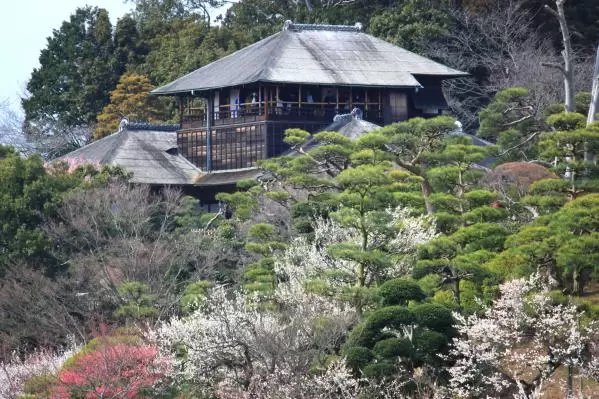
Kairakuen Garden
Kairakuen is one of Japan's three famous gardens, alongside Kenrokuen in Kanazawa and Korakuen in Okayama. Opened in 1842 by the 9th lord of the Mito domain, Tokugaw...

Ryujin Ohtsuribashi
The Ryujin Suspension Bridge is a pedestrian-only suspension bridge located in the Oku-Kuji Prefectural Natural Park in Hitachi-Ota City, Ibaraki Prefecture. It boas...

Kashima Shrine
Kashima Shrine is said to have been founded in the first year of Emperor Jimmu (660 BC) and is a prestigious shrine alongside Ise Shrine and Katori Shrine. It is the...
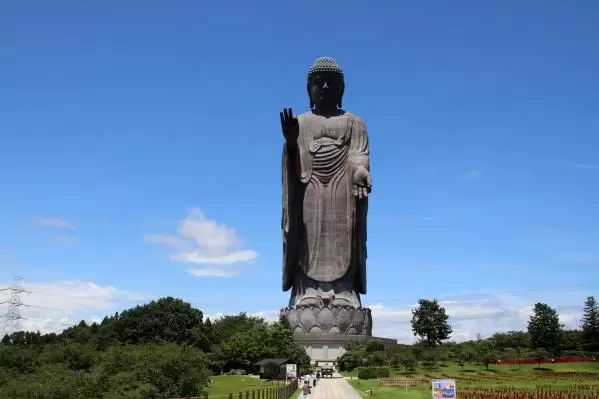
Ushiku Daibutsu (Great Buddha)
The Ushiku Daibutsu (officially known as Ushiku Amida Buddha), located near the Ami-Higashi Interchange on the Ken-O Expressway, presents a colossal figure that boas...
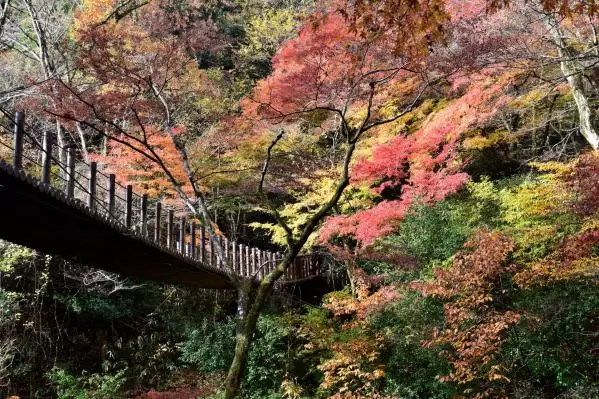
Hananuki Gorge
Hanamaki Gorge is a famous spot for autumn leaves located in Takahagi City, Ibaraki Prefecture. The beautiful scenery extends from Hanamaki Dam to Meibari-guchi and ...

Hitachi Seaside Park
The National Hitachi Seaside Park is a magnificent park that spans approximately 215 hectares and captivates visitors with seasonal flowers throughout the year. In s...
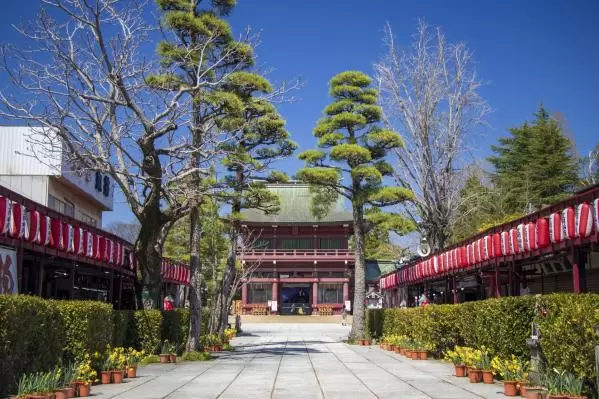
Kasama Inari Shrine
One of Japan's three major Inari shrines, Kasama Inari Shrine, is located in Ibaraki Prefecture and boasts a history of over 1,360 years since its establishment in 6...