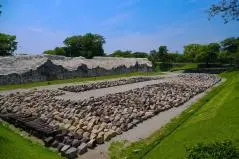
Kumamoto Castle
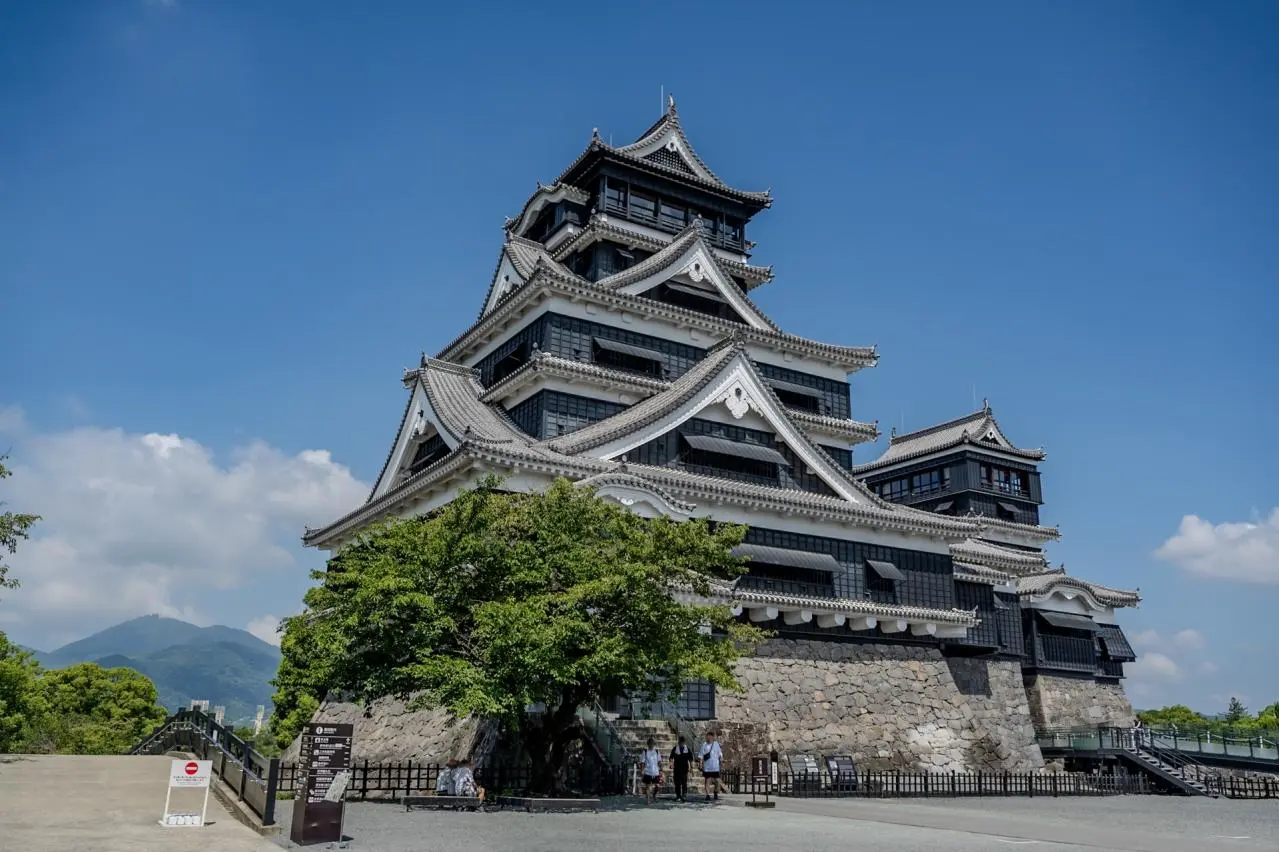
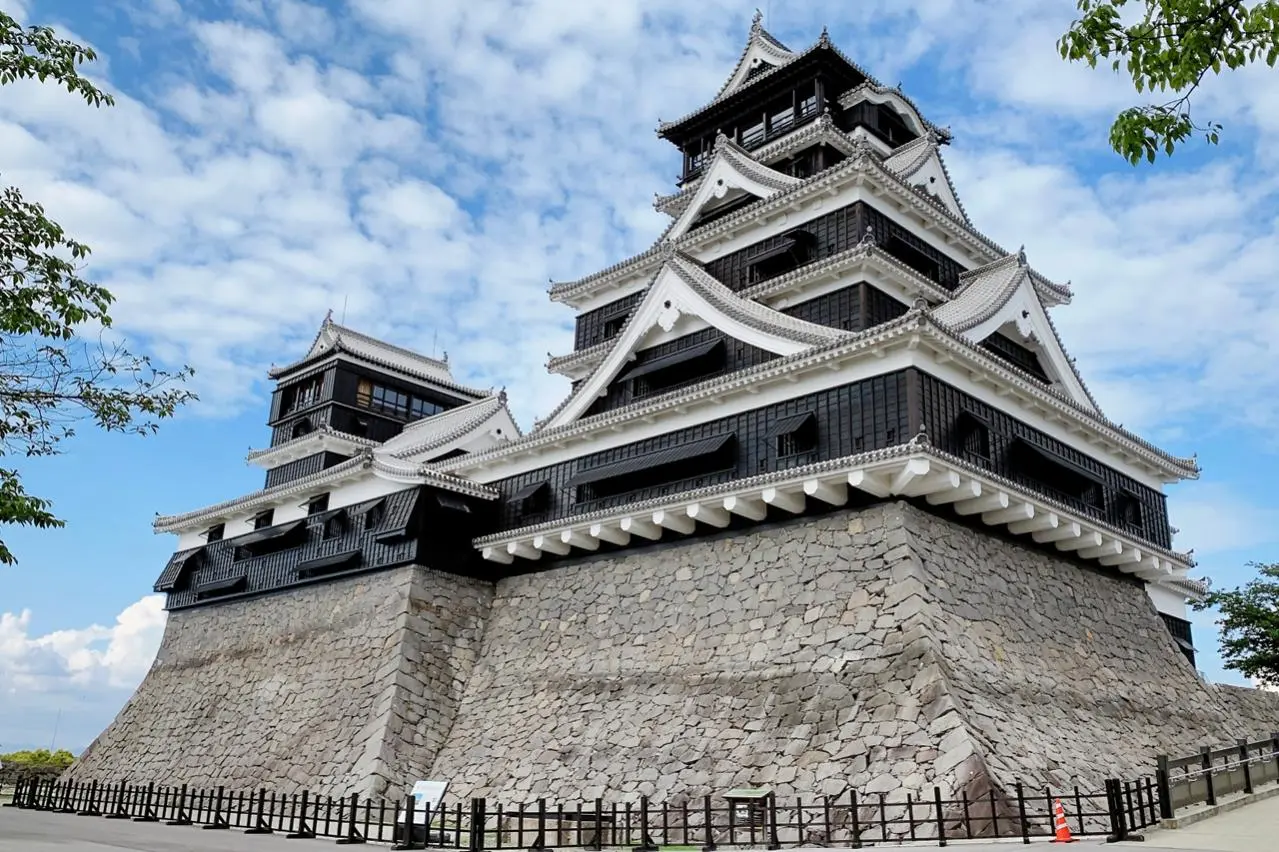
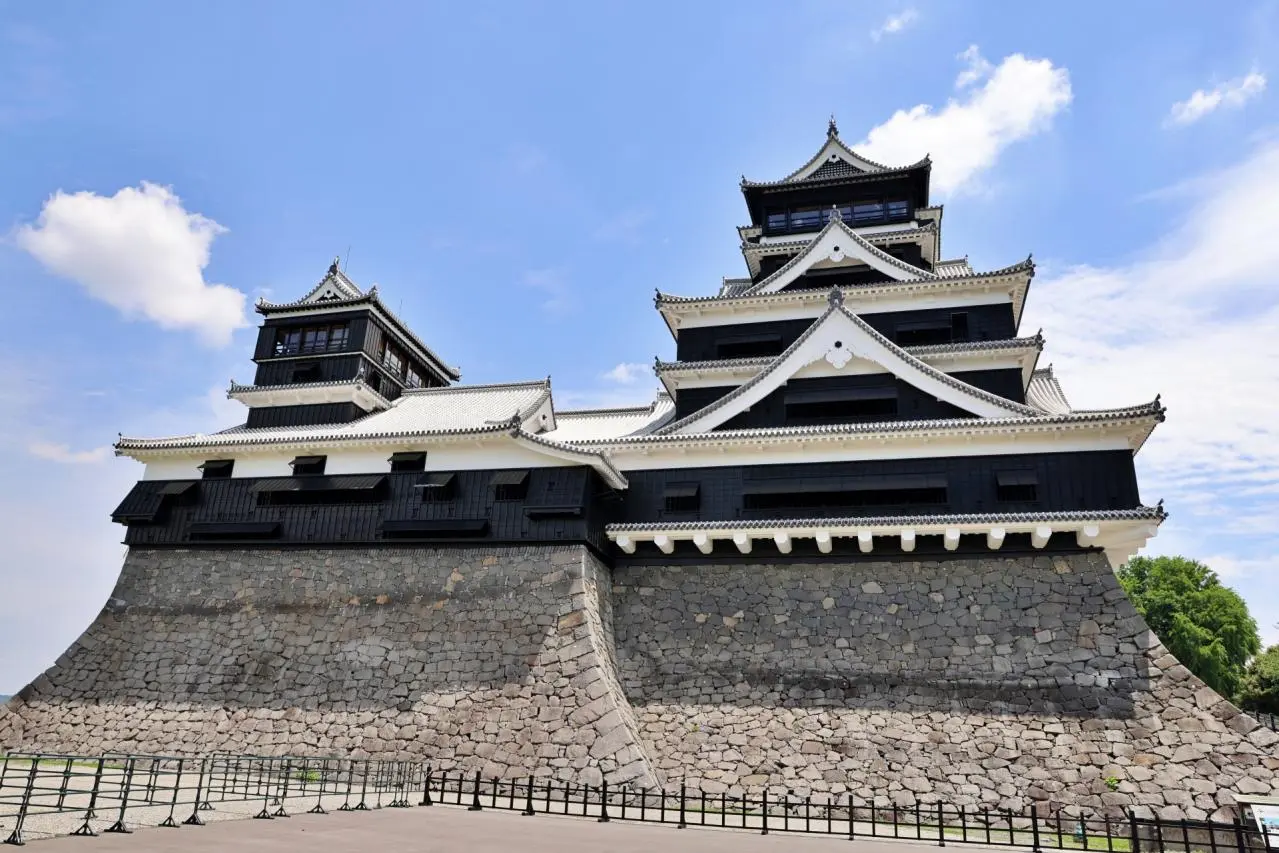
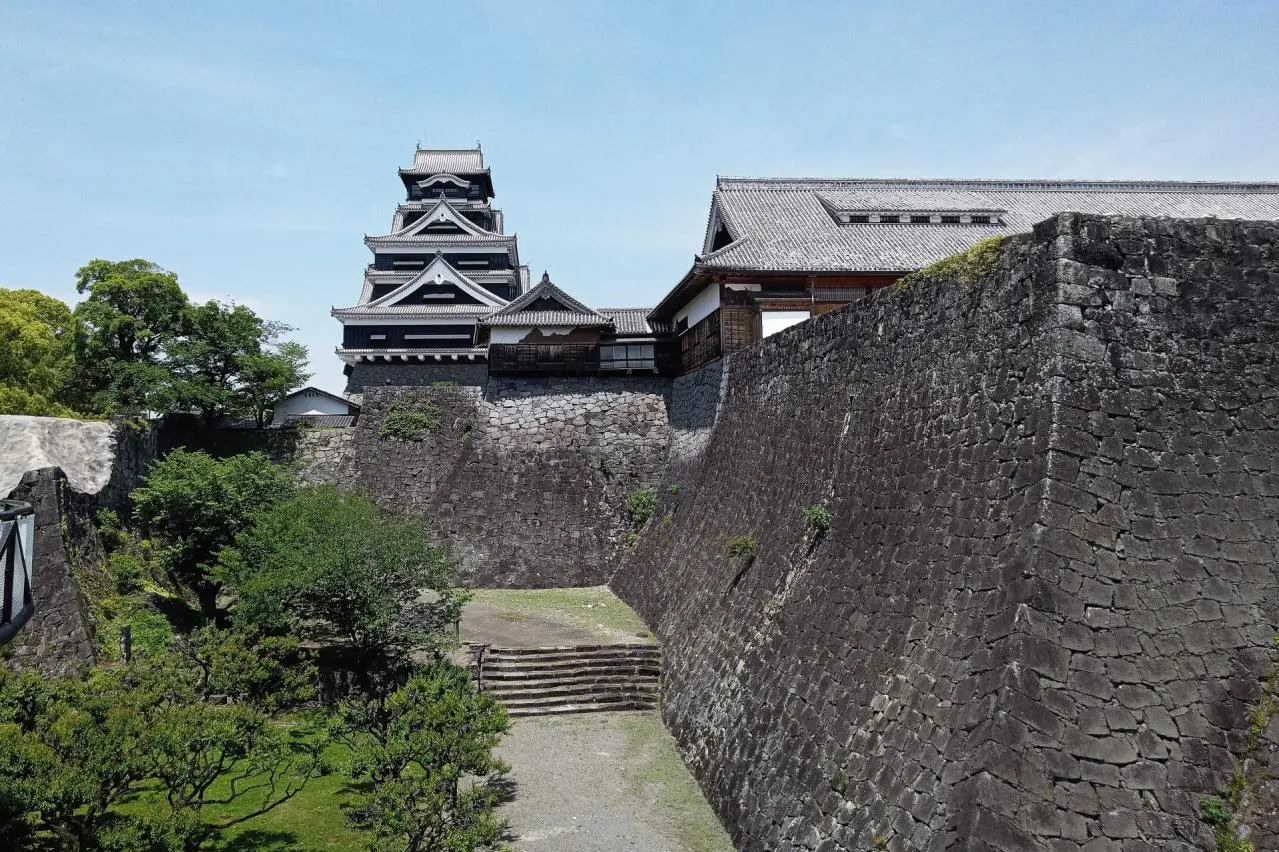
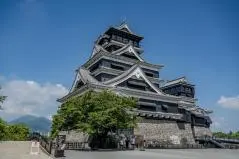
During the Satsuma Rebellion in 1877, the castle was besieged for over 50 days, showcasing its incredible defensibility. However, just before the outbreak of the conflict, a fire destroyed the main tower and the honmaru palace. It was rebuilt in 1960 using reinforced concrete, acquiring its current appearance.
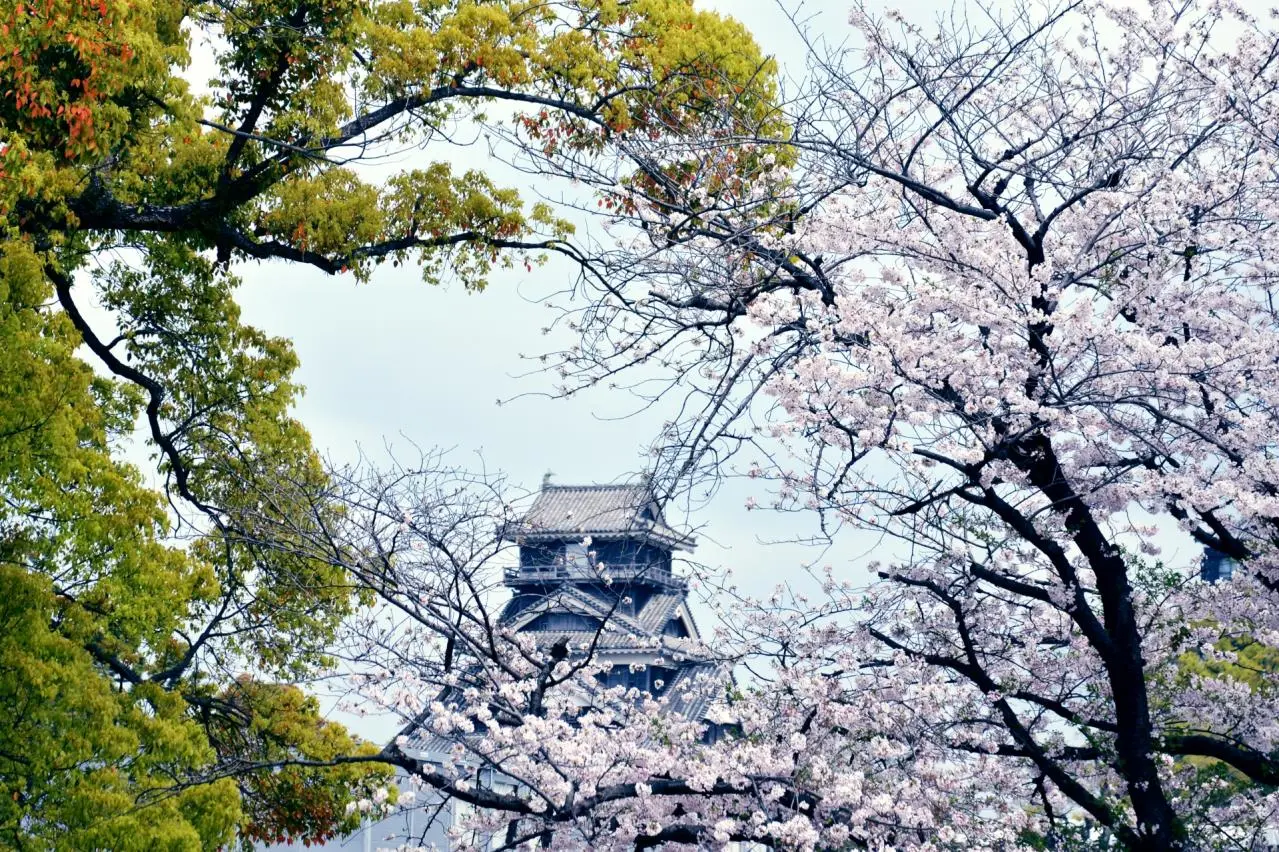
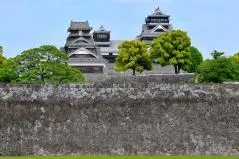
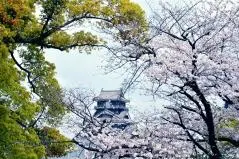
The distinctive stone walls, known as "musha-gaeshi," were designed to thwart enemy invasions. The honmaru palace consists of multifunctional buildings and was restored in 2008. Within Kumamoto Castle, there are various facilities, such as an art museum and plaza, that families can enjoy, and in spring, 800 cherry trees bloom beautifully.
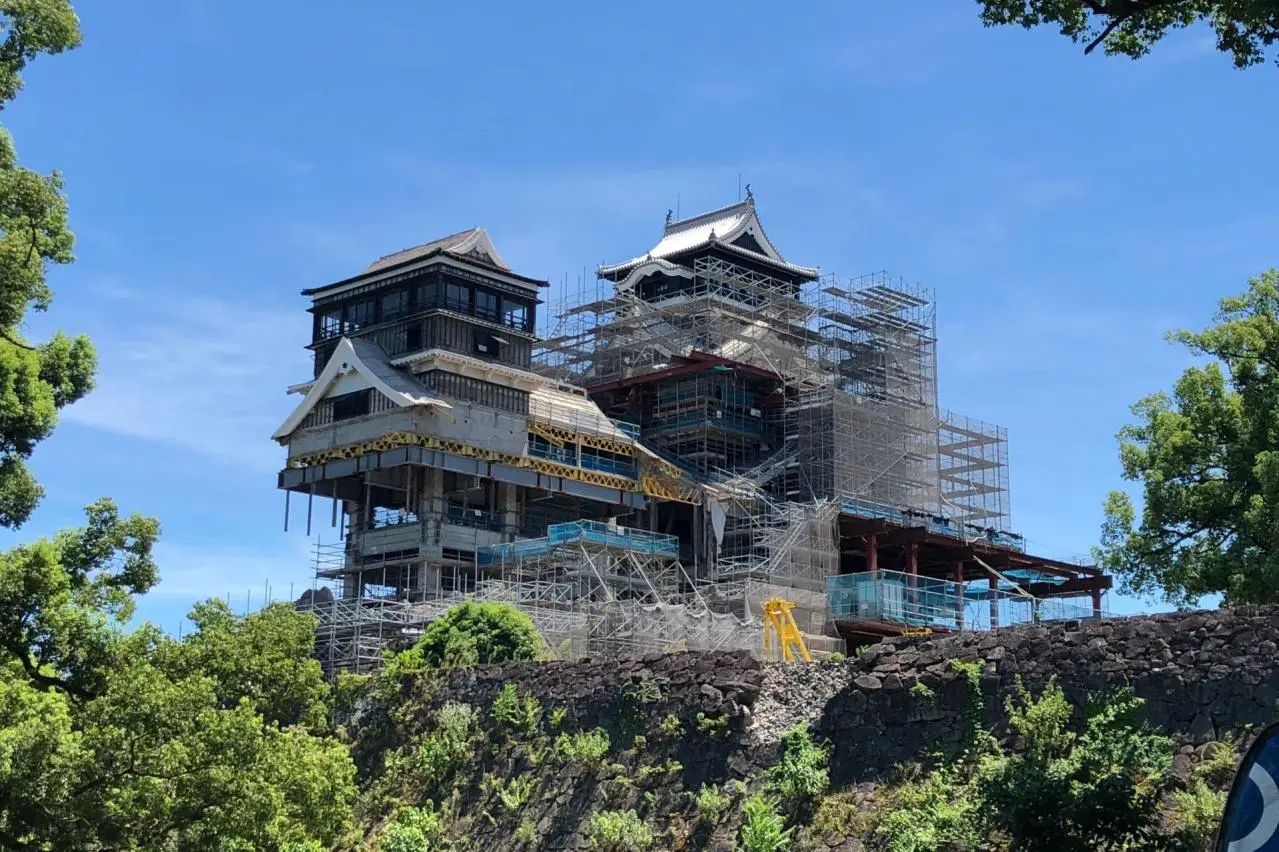
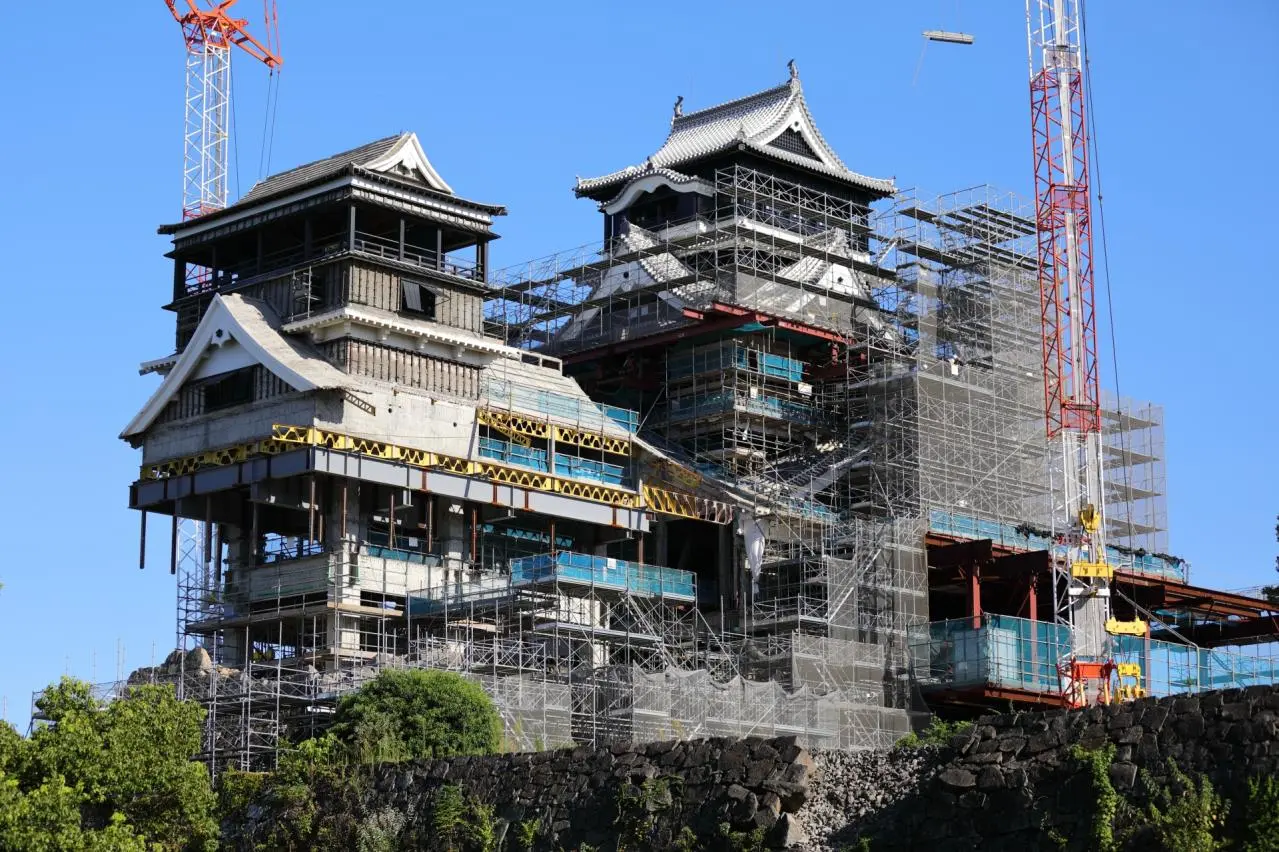
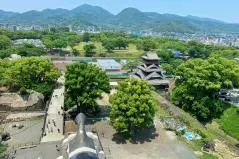
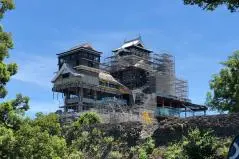
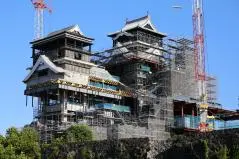
Currently, restoration work is ongoing at Kumamoto Castle, and a "special exhibition of Kumamoto Castle" is being held, allowing for public access to the interiors of the towers. From the observation lobby, visitors can enjoy a panoramic view of the castle, and the beautifully illuminated Kumamoto Castle at night offers a stunning sight. Kumamoto Castle is an important tourist destination symbolizing Japan's history and culture, and its majestic presence and historical significance make it well worth a visit.
Kumamoto Castle Movies




Basic Information
- Spot Name
- Kumamoto Castle
- Location
- 〒860-0002 1-1 Honmaru, Chuo Ward, Kumamoto City, Kumamoto Prefecture, Japan
- Access
- <Accessibility to Ninomaru Plaza>
■ From Sakuramachi Bus Terminal:
- About 10 minutes by Kumamoto Castle Loop Bus "Shiromegurin." Get off at Kumamoto Castle Ninomaru Parking Lot, which is right there.
- About 15 minutes on foot via Sakurano Baba Josaien. (There is a free shuttle bus from Sakurano Baba Josaien to Ninomaru Parking Lot.)
■ From JR Kumamoto Station:
- About 30 minutes by Kumamoto Castle Loop Bus "Shiromegurin." Get off at Kumamoto Castle Ninomaru Parking Lot, which is right there.
- About 20 minutes by streetcar (Line A to Kengunmachi) from Kumamoto Station front tram stop. Get off at Kumamoto City Hall, then about 15 minutes on foot via Sakurano Baba Josaien. - Parking
- There is a paid parking lot available (for details, please check the official Kumamoto Castle website).
- Business Hours
- 9:00 AM to 5:00 PM (Last admission at 4:30 PM)
- Fees
- High school students and above: 800 yen
Elementary and middle school students: 300 yen
Preschool children: Free - Contact Information
- Phone Number:096-223-5011
- Official Website
Map
Detailed Information
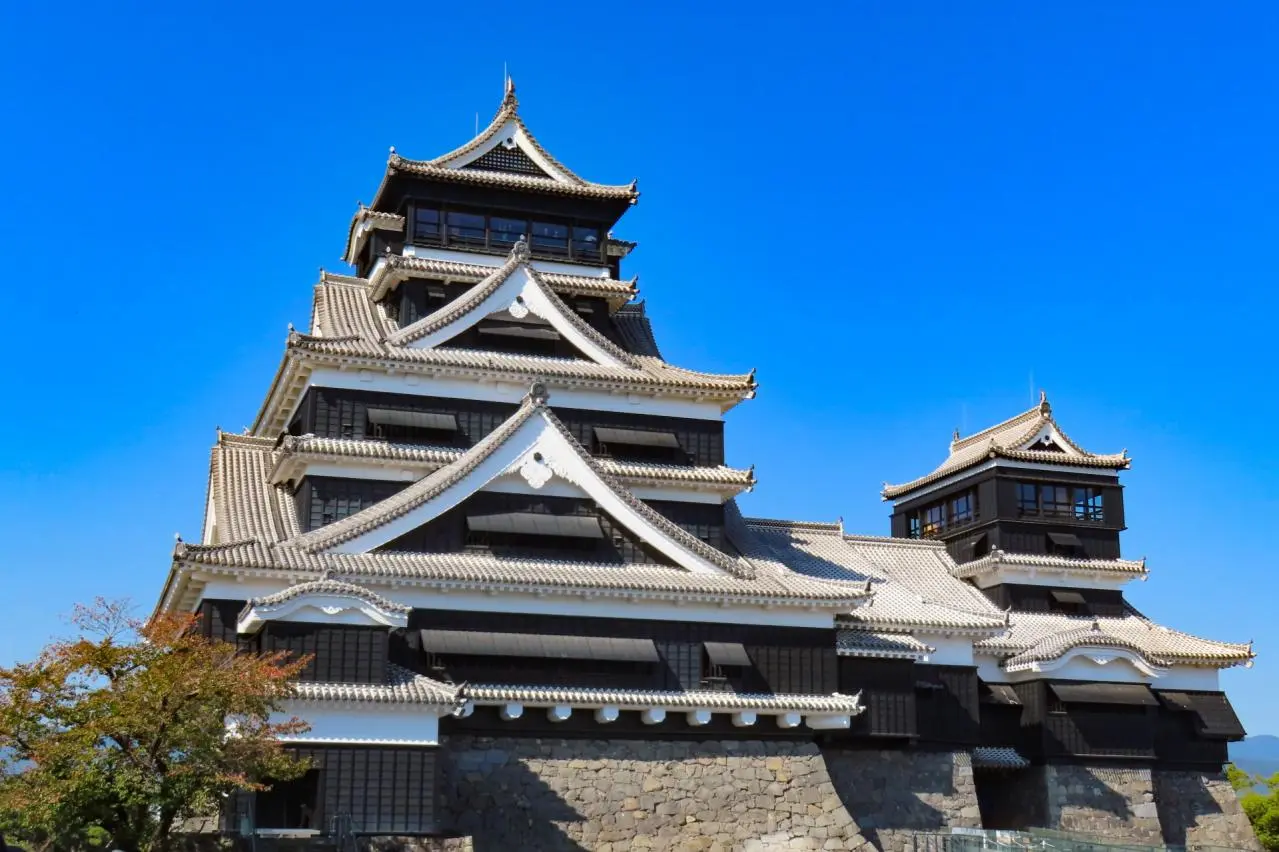
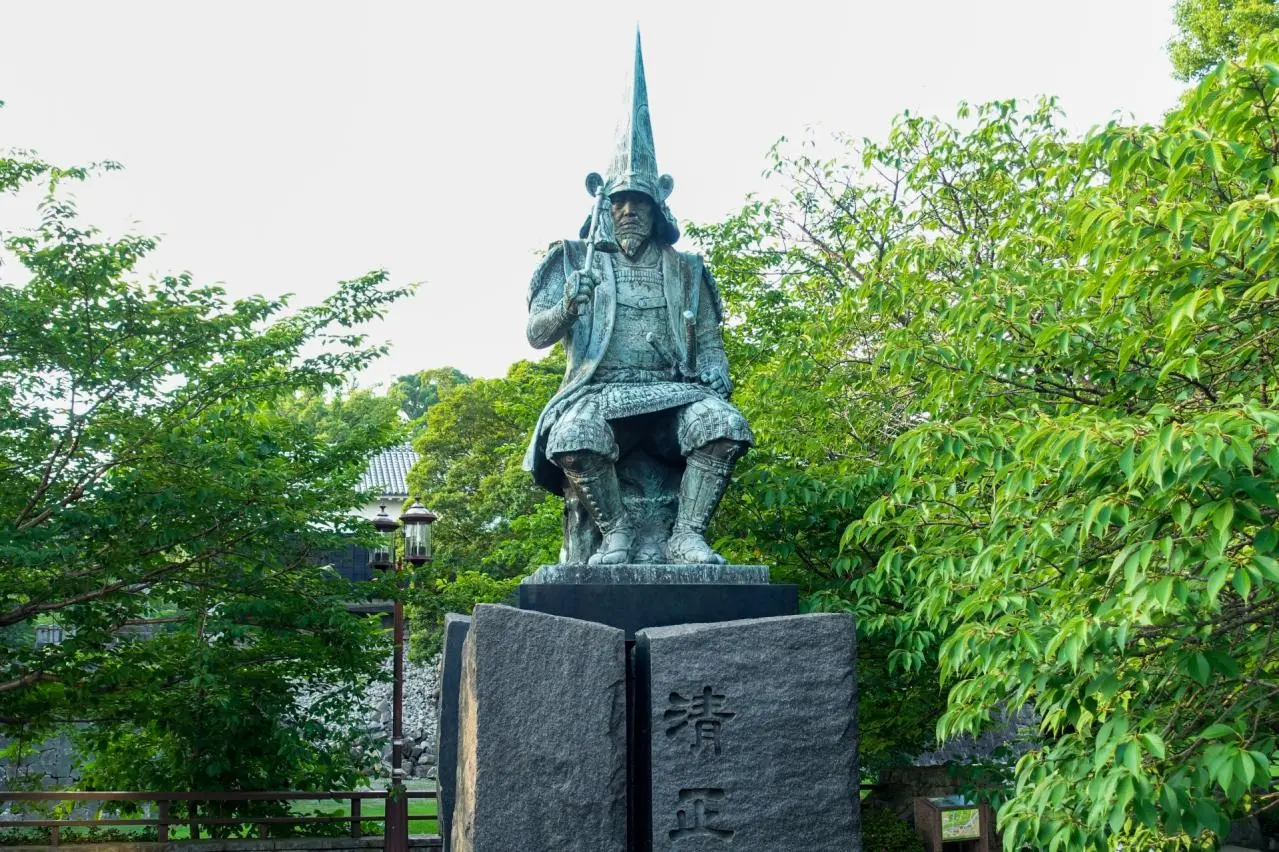
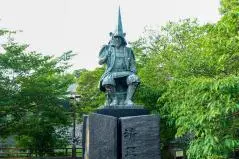
Kumamoto Castle, rising in the heart of Chuo Ward in Kumamoto City, is one of Japan’s most iconic castles. It is counted as one of the “Three Great Castles of Japan” and is also known as Ginnan Castle, or “Ginkgo Castle.” There are, however, several theories regarding which castles make up the Three Great Castles of Japan. The castle is characterized by the imposing appearance of its black-based main and small keeps standing side by side, its layers of stone walls, and its maze-like passageways with numerous sharp turns. It is widely known as an impregnable fortress built by Kato Kiyomasa, a master castle builder. For the people of Kumamoto, it is a symbol of their hometown that has watched over the region’s long history, and since the 2016 Kumamoto Earthquake, it has also become a symbol of reconstruction.
The site of Kumamoto Castle was once a plateau known as Mt. Chausu. Before the present Kumamoto Castle was built, the surrounding area was home to Chiba Castle and Kumamoto Castle, which stood near what is now Furushiromachi. In 1588, Kato Kiyomasa was granted the northern half of Higo Province by Toyotomi Hideyoshi and entered Kumamoto Castle, where he began renovating it. Later, around 1599, he began constructing a new castle centered on Mt. Chausu, and it is said that a large-scale castle complex was completed in 1607. On this occasion, the place name “Kumamoto,” which carried a more valiant impression, is said to have replaced “Kumamoto,” formerly written and pronounced as “Kumamoto” with the character 隈.
At the time of its completion, Kumamoto Castle was an enormous castle complex covering approximately 980,000 square meters within its former boundaries and extending about 5.3 kilometers around its perimeter. It reportedly included the main and small keeps, 49 turrets, 18 turret gates, and 29 castle gates, forming a massive military fortress that skillfully made use of the natural terrain. The routes leading into the castle turned repeatedly and were designed so that invading enemies could be attacked from several directions. Features such as passageways that prevented attackers from easily seeing what lay ahead, as well as defensive installations combining gates and turrets, demonstrate Kiyomasa’s practical, battle-oriented castle-building techniques.
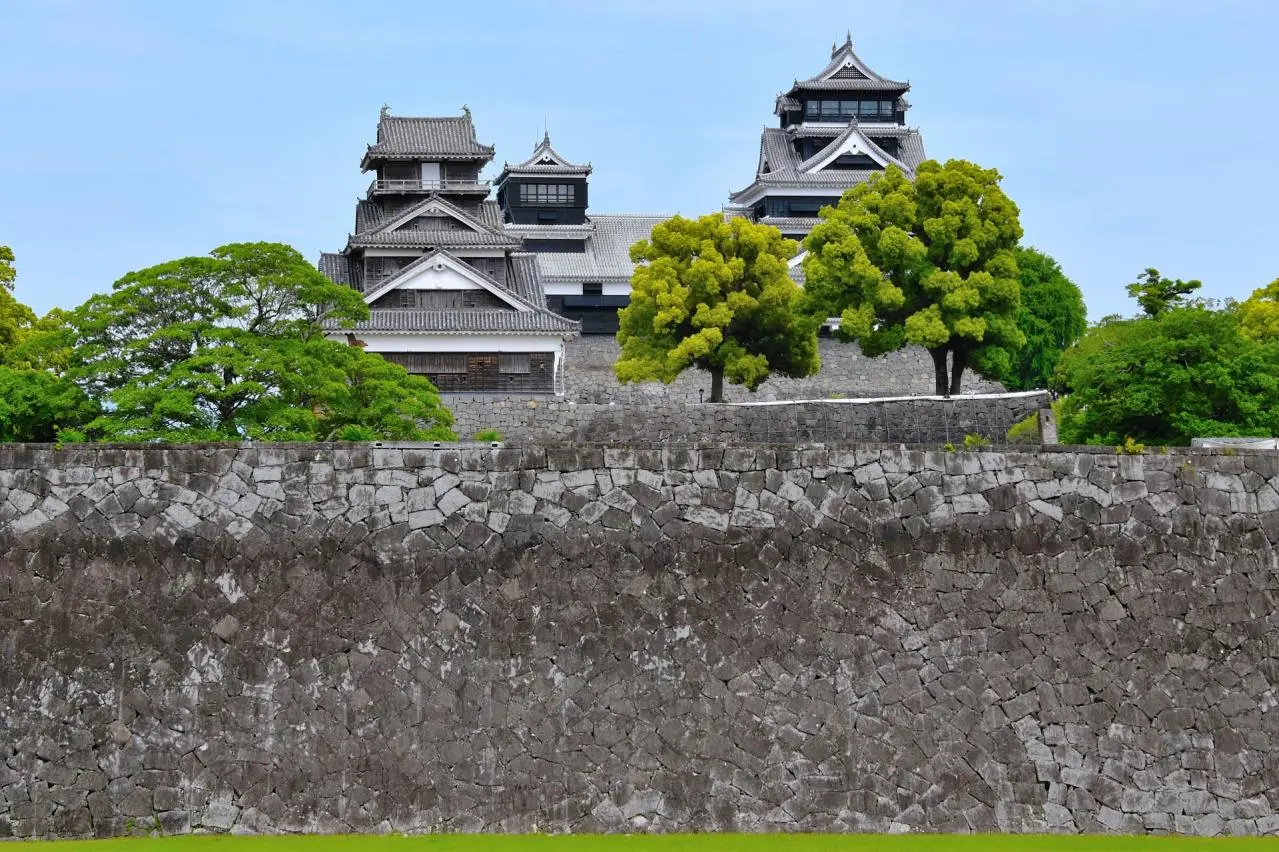
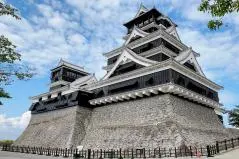
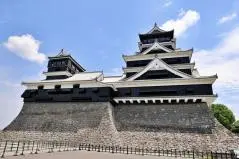
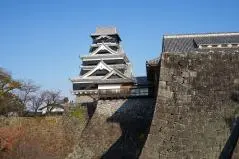
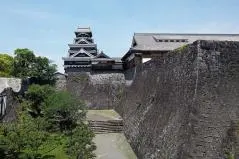
One of Kumamoto Castle’s major attractions is its stone walls, commonly known as musha-gaeshi, or “warrior repellers.” The lower sections of the walls have relatively gentle slopes, but they become increasingly steep and curve outward toward the top. Although they may appear climbable at first, they become more difficult to ascend the higher one goes, helping to prevent enemy soldiers from entering. These stone walls, which grow steeper toward the top, are called musha-gaeshi, and their graceful curves are also described as an “open-fan slope.” The layers of stone walls of varying heights display not only excellent defensive functions but also the aesthetic beauty of castle architecture.
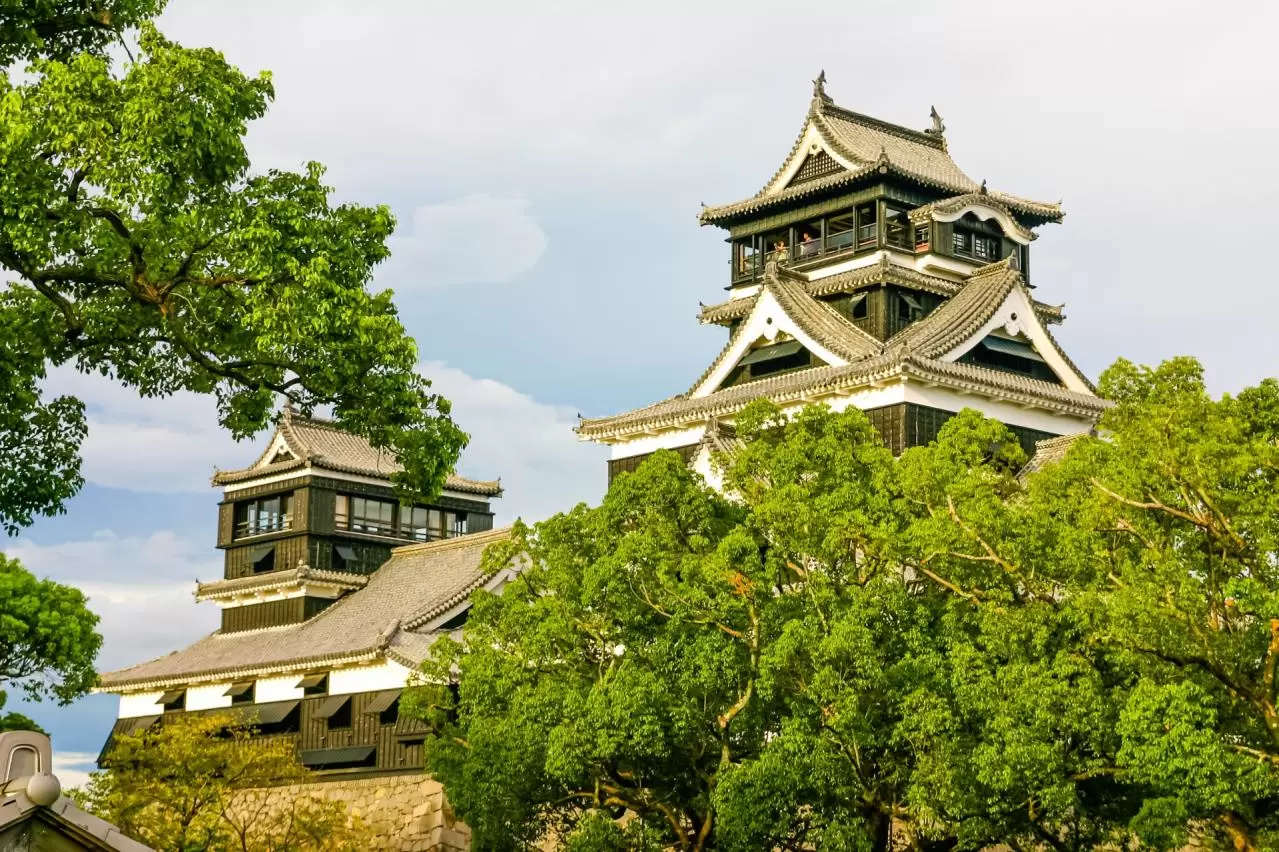
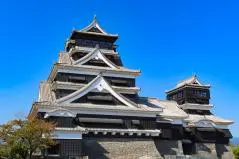
The castle keep consists of a main keep and a small keep. The main keep has three exterior tiers and six above-ground floors plus one basement level. Its exterior is characterized by chidori-hafu gables on all four sides and karahafu cusped gables on the north and south sides of the top floor. Inside the keep during the Edo period were rooms whose names referred to the weapons stored there, including the “Firearms Room,” “Armor Room,” and “Arrows Room.” Iron spikes known as shinobi-gaeshi, or “ninja repellents,” were installed along the upper sections of the small keep’s stone walls to deter intruders. In this way, Kumamoto Castle incorporates numerous features designed for warfare, even in its smallest details.
After Kato Kiyomasa’s death, his son Tadahiro became the second lord of the domain. However, the Kato family was dispossessed in 1632, and Hosokawa Tadatoshi entered Kumamoto after moving from Kokura in Buzen Province. From then until the Meiji period, Kumamoto Castle served as the residence of the Hosokawa family. Hosokawa Tadatoshi was known as a daimyo accomplished in both literary and military arts, and in 1640 he invited the famed swordsman Miyamoto Musashi to Kumamoto. Musashi spent his final years in Kumamoto and is known for writing works such as The Book of Five Rings. Thus, Kumamoto Castle has deep connections not only with Kato Kiyomasa but also with such major figures in Japanese history as Hosokawa Tadatoshi and Miyamoto Musashi.
During the Meiji period, following the abolition of the feudal domains and establishment of prefectures, the Kumamoto Garrison of the Imperial Japanese Army was stationed within the castle grounds. During the Satsuma Rebellion of 1877, approximately 3,500 soldiers of the garrison, led by Tani Tateki, held out at Kumamoto Castle and fought an army of about 13,000 Satsuma troops led by Saigo Takamori. The siege lasted for more than 50 days, but the Satsuma forces were unable to capture the castle. Although approximately 270 years had passed since its construction, Kumamoto Castle demonstrated its formidable defensive strength even in a battle involving modern weapons, proving its reputation as an impregnable fortress.
At the same time, shortly before the Satsuma Rebellion began, a fire destroyed the castle’s major structures, including the main and small keeps and the Honmaru Palace. The cause of the fire remains unclear; theories include arson and the possibility that government forces deliberately set the castle ablaze. An anecdote also claims that, faced with the strength of Kumamoto Castle, Saigo Takamori remarked that fighting the castle was like fighting Kato Kiyomasa himself. However, no reliable historical sources confirming this statement have been found, and it is considered one of the legends that spread in later generations.
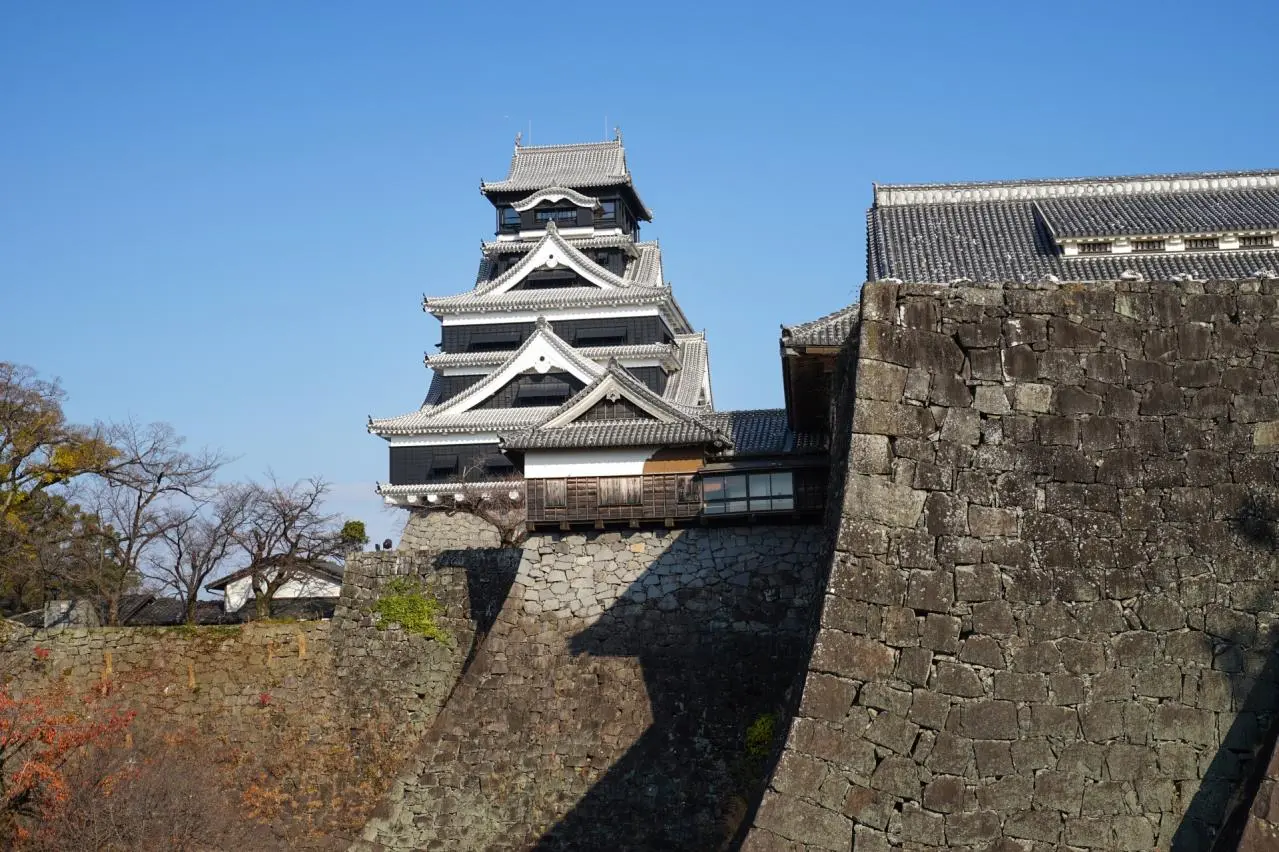
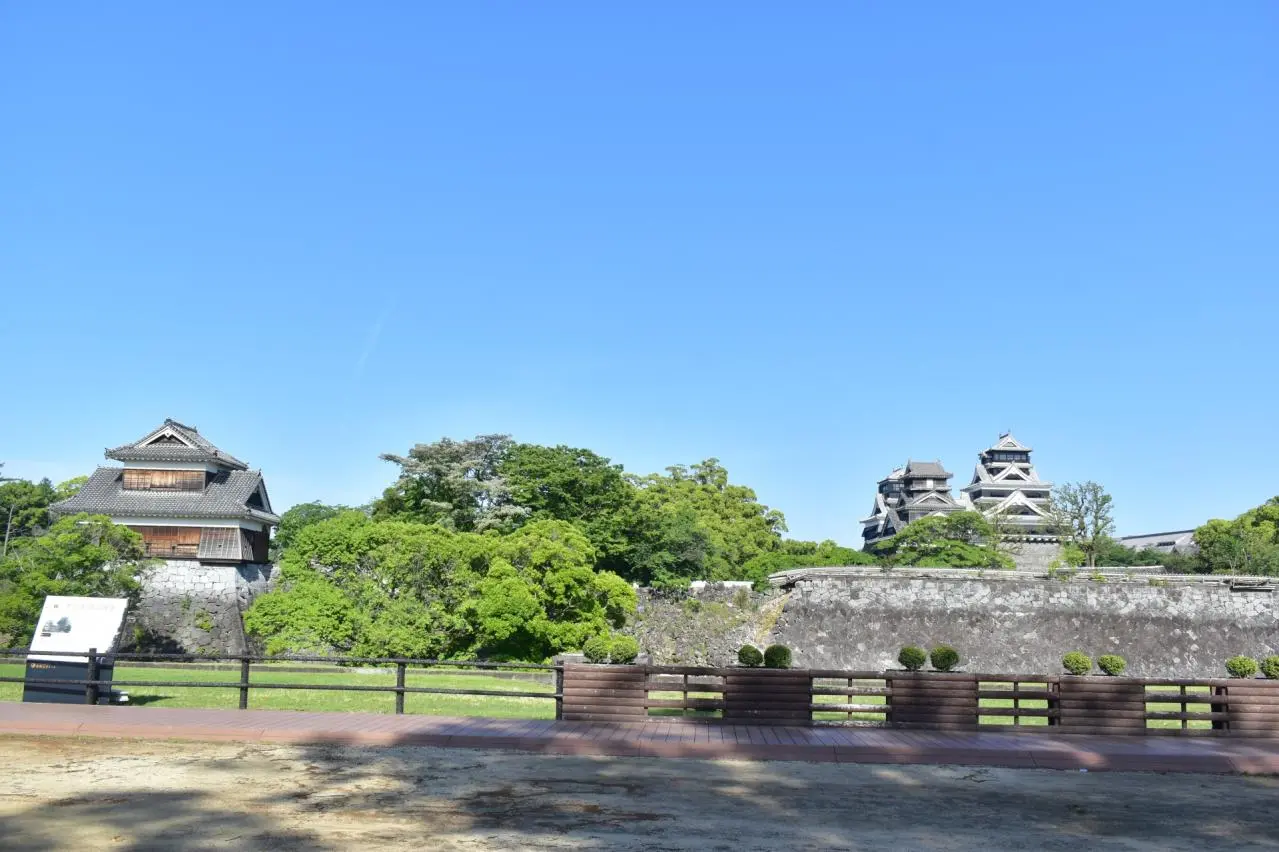
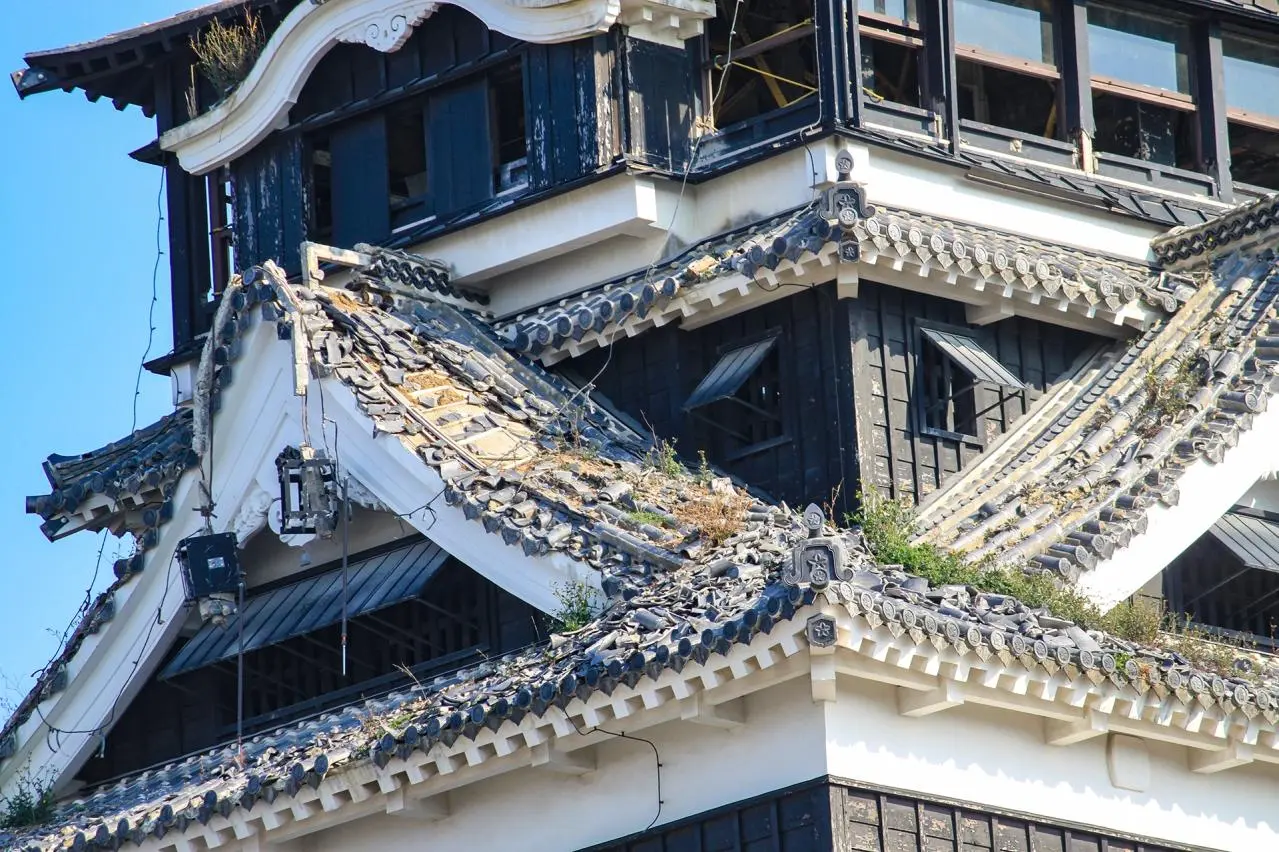
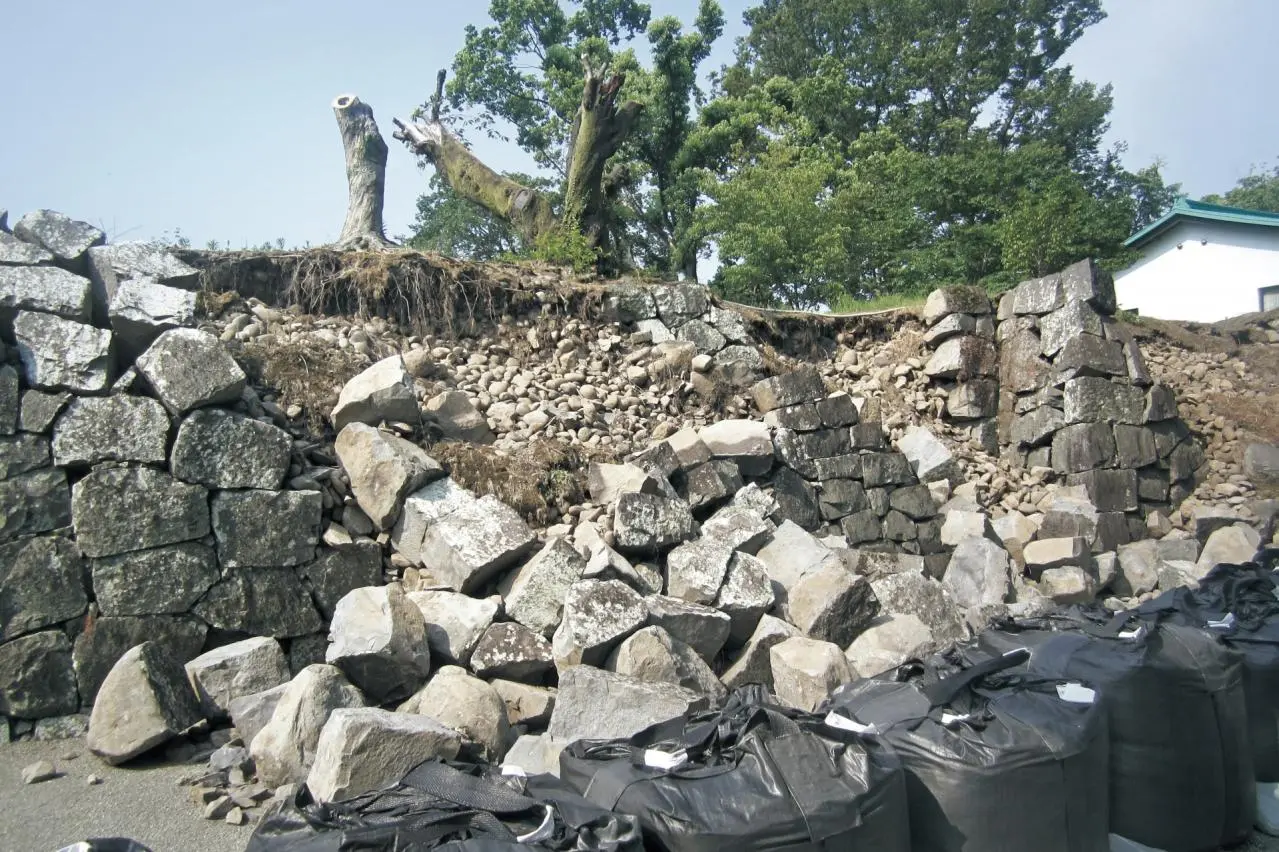
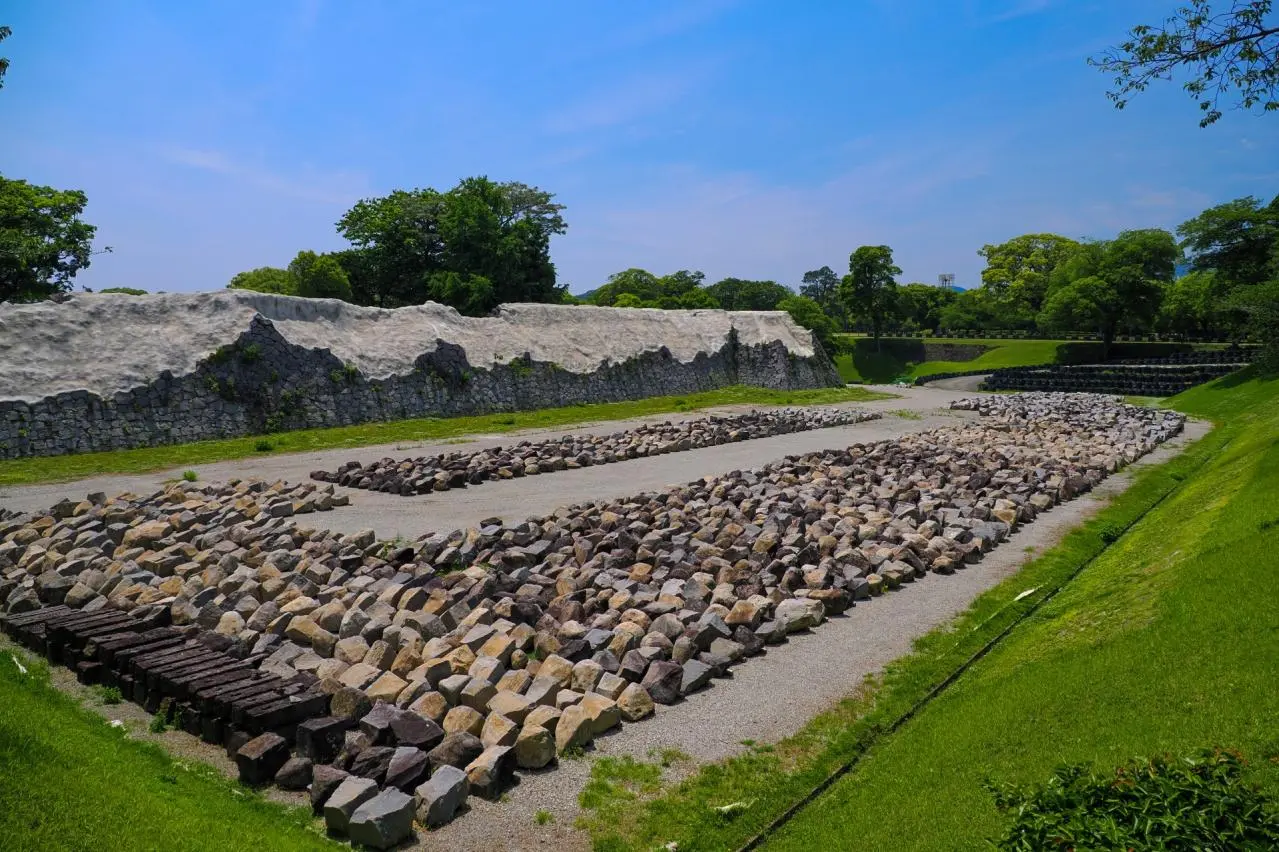
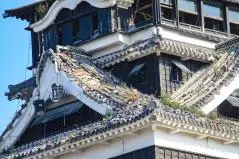
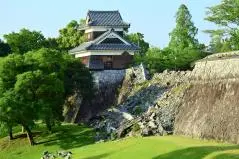
Uto Turret, which escaped the fire just before the Satsuma Rebellion, is one of Kumamoto Castle’s most representative historic structures. A large turret with five above-ground floors and one basement level, it has also been called the “third keep” because of its imposing appearance. However, the 2016 Kumamoto Earthquake damaged its roof, exterior walls, fittings, and other parts, while the adjoining connecting turret collapsed. The stone walls also suffered damage, including bulging. As a result, dismantling and preservation work, along with stone-wall restoration, is currently underway.
Thirteen structures that have survived at Kumamoto Castle, including Uto Turret, the group of turrets in Higashitakenomaru, and the long earthen wall, have been designated Important Cultural Properties of Japan. Some, however, collapsed in the Kumamoto Earthquake, while others have been dismantled and preserved as part of restoration work. The ruins of Kumamoto Castle were designated a Special Historic Site of Japan in 1955, and the entire castle complex is carefully protected as a valuable cultural property that conveys Japan’s history.
The present main and small keeps were reconstructed in appearance in 1960 using steel-reinforced concrete, with funding including donations from local residents. Based on old photographs taken in the early Meiji period, their former appearance has been reproduced as faithfully as possible, down to the roofs, gables, and roof tiles. The interiors serve as exhibition facilities introducing historical materials, where visitors can learn about the construction of Kumamoto Castle, the histories of the Kato and Hosokawa families, the Satsuma Rebellion, and the castle’s reconstruction from the modern period onward.
The Great Hall of the Honmaru Palace was reconstructed in 2008 as part of a restoration project commemorating the 400th anniversary of the castle’s construction. Edo-period maps and documents, photographs from the early Meiji period, and the results of archaeological excavations were used in the reconstruction. The most prestigious room, known as the Sho-kun-no-ma, is an opulent space decorated primarily in gold. Its walls and sliding doors depict the story of Wang Zhaojun, a woman who lived during China’s Former Han dynasty.
The name “Sho-kun-no-ma” is thought to allude to the name “Shogun-no-ma,” or “Shogun’s Room,” and one theory holds that Kato Kiyomasa prepared it to receive Hideyori, the son of Toyotomi Hideyoshi, at Kumamoto Castle. However, this is only one of several theories and is not an established fact. The Great Hall of the Honmaru Palace suffered damage to its exterior walls, structure, and ground during the Kumamoto Earthquake. Its interior is therefore currently closed to visitors while restoration efforts continue.
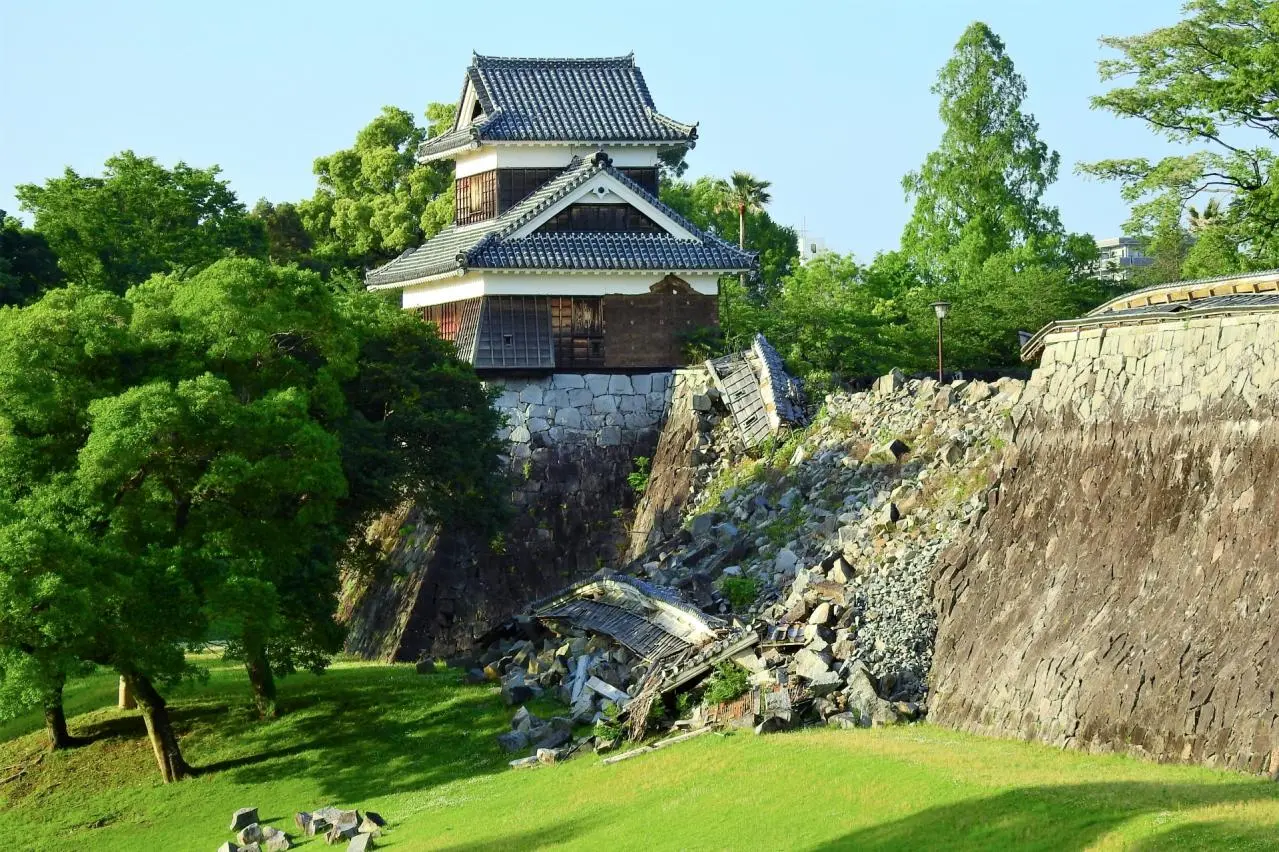
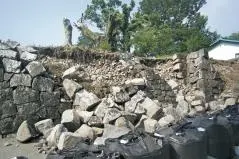
The Kumamoto Earthquake, which struck in April 2016, caused extensive damage to Kumamoto Castle. Collapsed and deformed stone walls, fallen roof tiles and shachi roof ornaments, and damage to turrets, gates, and walls were found throughout the castle grounds. In addition to the collapse of Important Cultural Property turrets, many of the stone walls supporting the structures also gave way, making this one of the most serious disasters in the history of Kumamoto Castle.
Among the most striking images was that of the Iidamaru Five-Story Turret, which appeared to be supported by a narrow section of stone wall remaining at one corner. This became known as the “Miraculous Single Stone Wall,” conveying the severity of the earthquake damage across Japan. It was not literally supported by a single stone; rather, the remaining corner of the stone wall looked like one narrow pillar, which led to the name becoming widely used. The Iidamaru Five-Story Turret was later dismantled and preserved to ensure safety and facilitate restoration, while work such as rebuilding the stone wall has been carried out.
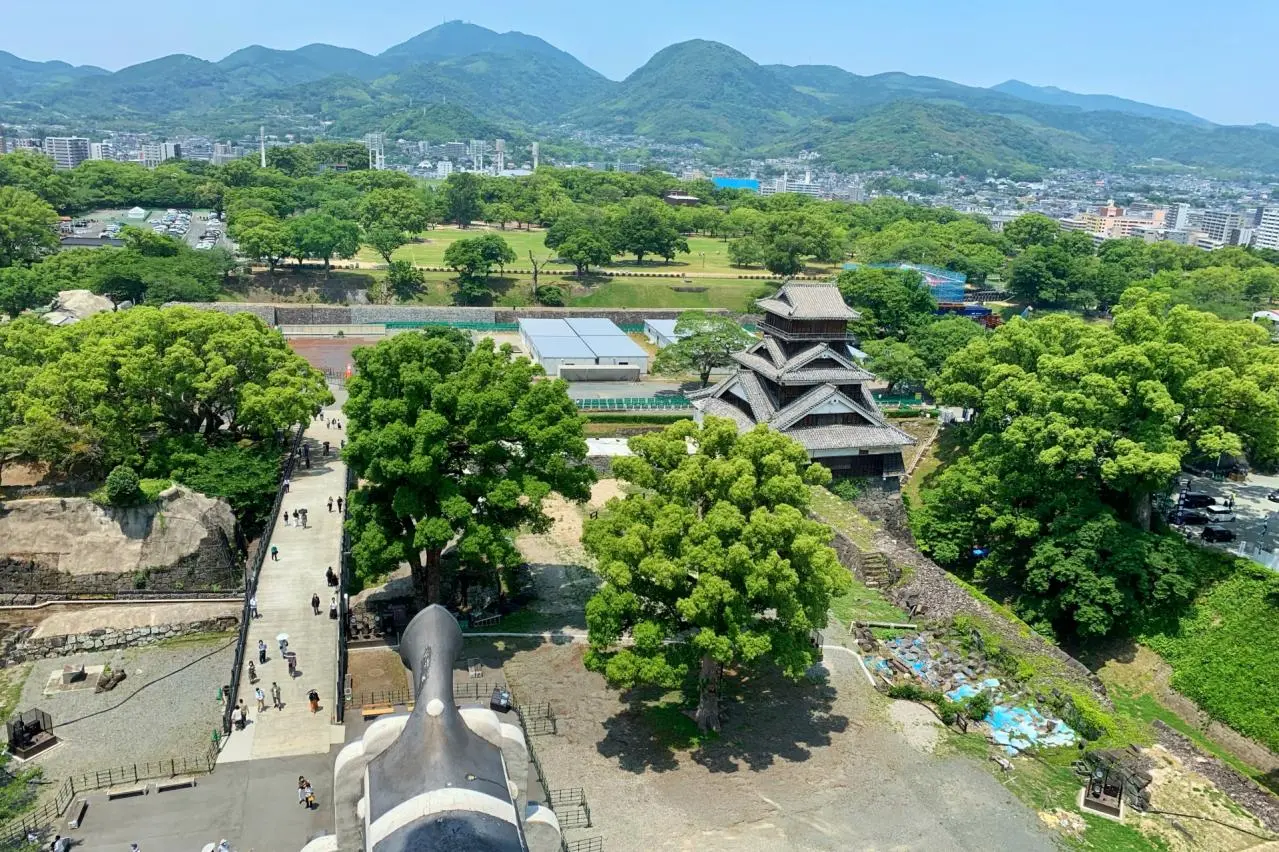
After the disaster, the main and small keeps were given priority for restoration as symbols of recovery, and restoration work on the castle keep was completed in March 2021. General public access to the interior resumed in June of the same year. The buildings were equipped with seismic reinforcement and made more accessible, while the interior exhibitions were completely renewed. From the observation floor on the top level, visitors can enjoy a sweeping view of Kumamoto City and, on clear days, see the mountains in the direction of Aso in the distance.
However, only the castle keep has been fully restored; restoration work across the entire Kumamoto Castle complex is still ongoing. Many turrets, gates, and stone walls, including Uto Turret, the Great Hall of the Honmaru Palace, and the Iidamaru Five-Story Turret, are being repaired in stages. From the special observation walkway, visitors can view the castle grounds as well as earthquake-damaged stone walls and the restoration process. The process of repairing these cultural properties and passing them on to future generations is itself one of the most important attractions unique to Kumamoto Castle today.
Kumamoto Castle is also known as Ginnan Castle, or “Ginkgo Castle.” A large ginkgo tree stands in front of the castle keep, and local tradition says that it was planted by Kato Kiyomasa. Although it was burned in the fire shortly before the Satsuma Rebellion, new shoots later emerged from the remaining roots and grew into the great tree seen today. Its remarkable vitality echoes Kumamoto Castle’s own efforts to recover from the damage caused by the Kumamoto Earthquake.
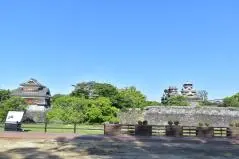
The area around Kumamoto Castle is also popular as a cherry blossom viewing spot. In spring, cherry trees add color to the stone walls and turrets, creating a beautiful contrast with the black castle keep. Ninomaru Square is an open area and a popular place to enjoy views of the castle keep and castle complex. The Kumamoto Prefectural Museum of Art, Kato Shrine, Sakuranokoji Josaien, and other attractions are located around the castle, allowing visitors to enjoy history, culture, and local Kumamoto cuisine together. Views of Kumamoto Castle from the observation lobby on the 14th floor of Kumamoto City Hall are also impressive, as is the castle illuminated at night.
Kumamoto Castle is not simply a castle where visitors admire a beautiful keep. It is a place where more than 400 years of history converge: the advanced castle-building techniques of Kato Kiyomasa, the culture nurtured by the Hosokawa family, memories of the Satsuma Rebellion, and the ongoing restoration following the Kumamoto Earthquake. While appreciating the magnificent keep and the musha-gaeshi stone walls, visitors can also gain a deeper understanding of the castle’s true value and appeal by paying attention to the efforts being made to protect its damaged cultural properties and pass them on to the future.
Kumamoto Tourist Attractions
View List
Shirakawa Suigen
Shirakawa Water Source is a representative spring located in Minamiaso, Kumamoto Prefecture, and is selected as one of the "Top 100 Ruins of Famous Water" by the Min...

Kikuchi Gorge
Kikuchi Gorge is a scenic natural forest located in the northwestern part of the Aso Outer Rim Mountains, and it stretches across a vast canyon at an elevation of 50...

Nabegataki Park
Nabega Falls is a beautiful waterfall with a height of about 10 meters and a width of approximately 20 meters, formed by a volcanic eruption that created the Aso cal...

Green Land
"Greenland," located in Arao City on the border with Fukuoka Prefecture, is one of the largest amusement parks in Kyushu. The park features over 81 attractions, cate...

Suizenji Jojuen Garden
Suizenji Jojuen is a nationally designated scenic spot and historic site located in Kumamoto City. It is a stroll garden created by the Hosokawa clan during the Edo ...

Kusasenrigahama
Kusasenrigahama is a representative tourist destination of Aso, located at an altitude of approximately 1,100 meters, featuring a vast grassland. To the east, you ca...

Aso Shrine
Aso Shrine, located in Aso City, Kumamoto Prefecture, is the head shrine of approximately 500 shrines across Japan and has a history of over 2,500 years. The deities...