Unzen Jigoku
Unzen Jigoku Movies


Basic Information
- Spot Name
- Unzen Jigoku
- Location
- Unzen, Obama Town, Unzen City, Nagasaki Prefecture
- Access
- From Isahaya Station on the JR Nagasaki Main Line, take the Shimabara Railway Bus heading to Unzen for 1 hour and 20 minutes, then get off at the Unzen Oyamakanjo-mura bus stop and walk for 3 minutes. It takes about 1 hour and 30 minutes to drive from Nagasaki city.
- Parking
- Please use the nearby paid parking lots.
- Business Hours
- Free to visit.
- Contact Information
- Phone Number: 0957-73-3434
- Official Website
Map
Detailed Information
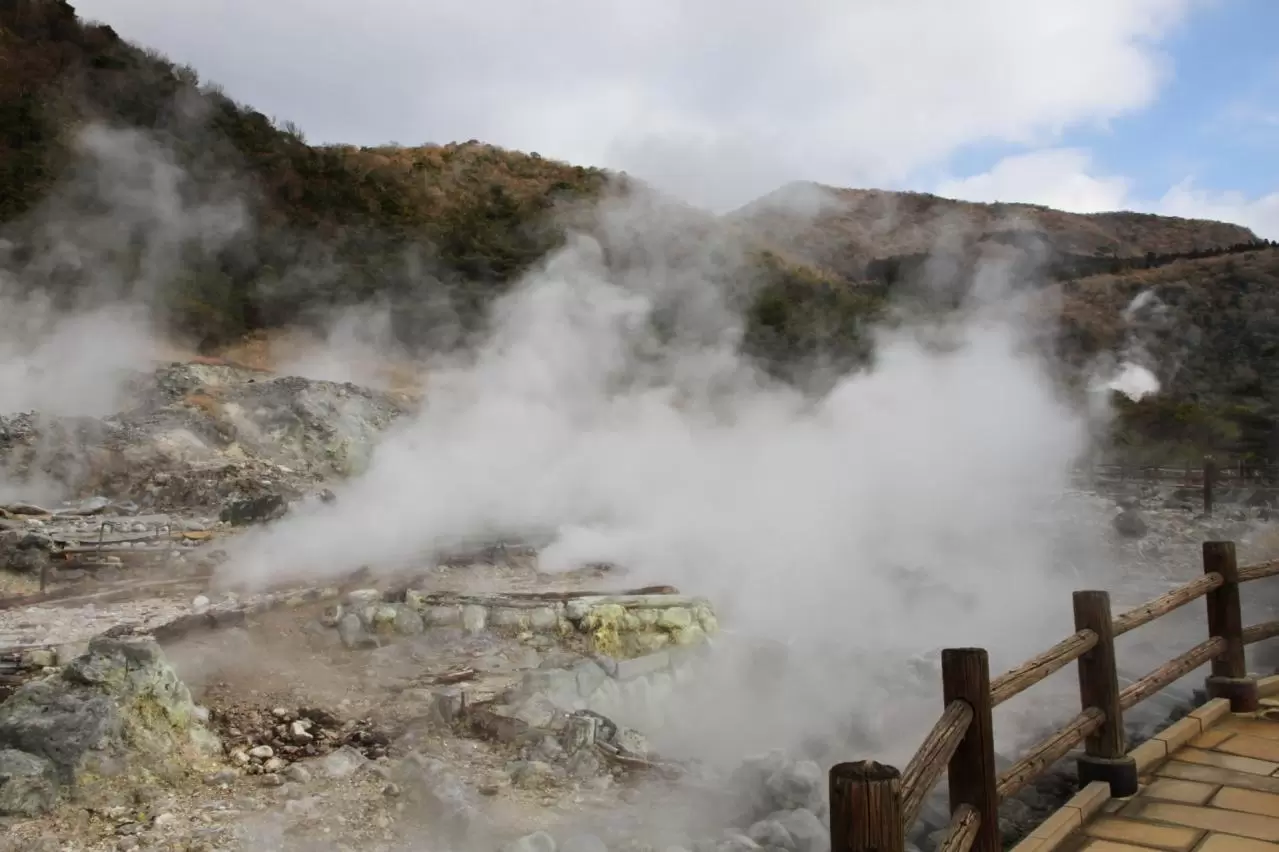
Unzen Hell is one of Unzen’s most iconic tourist attractions, spreading across the Unzen hot spring resort area in Unzen City, Nagasaki Prefecture. Located between the Furu-yu and Shin-yu districts, it is a place where high-temperature steam and hot spring water gush from numerous points across a surface covered in white soil. The distinctive sulfur-like smell in the air and the sight of white steam rising from the ground are evocative of the name “Hell.”
Throughout the area are approximately 30 named hells and fumarolic sites of various sizes, including Daikyokan Hell, Oito Hell, Seishichi Hell, and Suzume Hell. In addition to experiencing the power of nature, visitors can learn about the history of Christian persecution and local legends, making it a central attraction in the Unzen hot spring resort area.
## How Unzen Hell Was Formed
Unzen Hell was created by a heat source beneath Mount Unzen, and active geothermal and fumarolic activity can still be observed today. The source of this energy is believed to be a magma chamber beneath the seabed of Tachibana Bay.
High-temperature, high-pressure gases generated by the magma chamber rise through cracks in the bedrock. Along the way, chemical reactions transform them into high-temperature thermal water. Gases produced when this thermal water boils emerge at the surface as powerful fumarolic emissions.
Most of the fumarolic emissions consist of water vapor, but they also contain carbon dioxide and hydrogen sulfide. Hydrogen sulfide and other substances in the steam create the distinctive sulfur-like smell associated with Unzen Hell. The steam is extremely hot and can exceed 100°C in some places, so visitors must not approach the fumaroles and should observe them only from the designated walkways.
## Hydrothermal Clay and Sulfur Deposits
The ground surface of Unzen Hell is covered with white to grayish-white, clay-like hydrothermal clay. It was formed as the components of rocks dissolved or altered after being exposed to high-temperature steam and acidic hot spring water over many years.
White or pale yellow deposits known as “yunohana,” or hot spring mineral deposits, can sometimes be seen around the fumaroles. These are formed when substances contained in the steam react near the surface and precipitate as crystals.
The area around the fumaroles is extremely hot, and the ground may be unstable. Do not leave the designated walkways to approach the fumaroles, touch the mineral deposits or hydrothermal clay, or take any of them home.
## Major Hells
Daikyokan Hell is located on the eastern side of Unzen Hell and is one of the areas with particularly intense fumarolic activity. It is said to have received its name because the low sounds echoing from the fumaroles resemble the cries of people suffering in hell. An observation area has been established there, allowing visitors to view the intense fumarolic activity from relatively close by.
Oito Hell is associated with a legend about a woman named Oito, who is said to have been executed for murdering her husband. Details vary among different versions of the story, and it has been passed down as a tale in which historical fact and local legend have become intertwined.
According to legend, a hot spring emerged at the place where a Christian named Seishichi was executed, giving Seishichi Hell its name. In the surrounding area, visitors can also see facilities known as “kantsuke,” which use geothermal heat to warm water inside pipes. The heated water is used at some lodging facilities for hot water supply and for adjusting bath temperatures, showing how the people of Unzen have made use of volcanic heat in their daily lives.
Suzume Hell is said to have been named after the small fumarolic sounds that resemble the chirping of sparrows. Since fumarolic activity is not always constant, the sounds and appearance of the ground may differ depending on the time of year.
## Mud Volcanoes
A distinctive landform known as a “mud volcano” can also be observed at Unzen Hell.
Grayish-white, viscous mud is pushed upward by gases and steam rising from underground, forming small cone-shaped hills. Although they are called “mud volcanoes,” they are not formed by eruptions from an ordinary volcano.
Their shapes change depending on the water content of the mud and the condition of the fumarolic activity, so even the same location may look different at different times. Wooden walkways have been installed around the area, allowing visitors to observe them from various angles.
## The History of Christian Martyrdom
Unzen Hell is also known as a site of Christian persecution during the early Edo period.
At the time, severe tortures were carried out to force Christians to renounce their faith, including pouring the boiling water of Unzen Hell over their bodies. Some people nevertheless maintained their faith and lost their lives. According to materials from Nagasaki Prefecture, 26 people, including Sakyuemon Uchibori, were martyred in 1627, the fourth year of the Kan’ei era, and persecution at Unzen Hell continued until 1632.
A monument commemorating the Christian martyrs stands within the hell area. When visiting Unzen Hell, it is important to look beyond the unusual volcanic scenery and also reflect on the painful history involving human dignity and freedom of religion.
The Christian Martyrdom Festival is held annually on the third Sunday of May to commemorate the martyrs. However, the date and program may change, so visitors should check the latest information if they wish to attend.
## From a “Hell to See” to a “Hell to Experience”
Based on a redevelopment plan by the Ministry of the Environment, walkways, rest facilities, and other amenities were improved at Unzen Hell. The site reopened on December 15, 2015, transforming it from a “hell to see” into a “hell to experience.”
Visitors can now explore the area while not only viewing the hell-like landscape, but also feeling the geothermal heat and steam and tasting hot spring eggs cooked in the steam of the hells.
Depending on the route and the amount of time spent taking breaks, it generally takes about 30 to 60 minutes to visit the main hells.
## Unzen Hell Chaya
The three facilities known as “Unzen Hell Foot Steam,” “Unzen Hell Workshop,” and “Unzen Hell Viewing Platform” are collectively called Unzen Hell Chaya.
Unzen Hell Foot Steam is a rest facility where visitors can experience geothermal heat and steam through their feet. Unlike an ordinary footbath, in which visitors soak their feet in hot spring water, this facility is used while wearing shoes. Using it barefoot or keeping your feet in the same place for an extended period may cause burns, so caution is required. Use may be suspended during rainy weather or when the ground temperature is especially high.
At the Unzen Hell Workshop, visitors can purchase the area’s famous hot spring eggs, steamed using the steam from the hells. Unzen also has a humorous saying: “Eat one egg and live one year longer; eat two and live two years longer; eat three and live a long life until you die.”
The Unzen Hell Viewing Platform is a facility where visitors can relax while looking out over the surrounding hells and fumaroles. While enjoying hot spring eggs purchased at the Hell Workshop, visitors can take in the sounds of the steam, the sulfur-like smell, and the landscape of the white earth.
## Visitor Precautions
Admission to Unzen Hell is generally free, and the site is advertised as being open for viewing 24 hours a day. However, there is no permanent nighttime illumination. Since it can be difficult to see the walking surface and locate the fumaroles in the dark, visiting during daylight hours is recommended.
Always remain on the designated walkways, and do not enter areas behind fences or sections marked as off-limits. Do not touch the fumaroles, hot springs, or hydrothermal clay. If steam containing sulfur drifts toward you depending on the wind direction, leave the area without forcing yourself to stay.
People with respiratory or heart conditions, as well as those sensitive to sulfur odors, should pay close attention to their physical condition. Rain, frost, and snow can make the walkways slippery, so comfortable, slip-resistant shoes are recommended.
Some walkways and facilities, including the foot steam area and Hell Workshop, may be unavailable due to fumarolic activity, severe weather, construction, or other circumstances. Checking the latest information before visiting is advisable.
## Access and Nearby Facilities
Unzen Hell is located in Unzen, Obama Town, Unzen City, Nagasaki Prefecture. By public transportation, it can be accessed from bus stops such as the Unzen Oyama Information Center stop served by Shimabara Railway buses.
There is no dedicated free parking lot for Unzen Hell, but paid parking lots are available nearby. The area may become crowded during the tourist season, autumn foliage season, and consecutive holidays, so allowing plenty of time for your visit is recommended.
The hot spring resort area has lodging facilities, restaurants, souvenir shops, Unzen Hot Spring Shrine, and the Unzen Oyama Information Center. At the information center, visitors can learn about volcanic activity, nature, history, and national parks. Combining a visit there with a tour of the hells can deepen your understanding of the area.
The Shin-yu district also has a covered footbath plaza where visitors can actually soak their feet in hot spring water. This is different from the Unzen Hell Foot Steam facility, where visitors feel geothermal heat, and it provides a place to rest your feet after exploring the hells.
Unzen Hell is a remarkable site where volcanic scenery, the mechanisms by which hot springs are formed, the ways local people have used geothermal heat in their daily lives, the history of Christian martyrdom, and local legends all come together. As you walk while listening to the sounds of the steam and feeling the heat of the ground and the distinctive odors, you can sense that the earth beneath Unzen is still alive today.
Offering the chance to experience nature, geology, history, and hot spring culture all in one place, Unzen Hell is one of the representative attractions that should not be missed when visiting Unzen.
Nagasaki Tourist Attractions
View List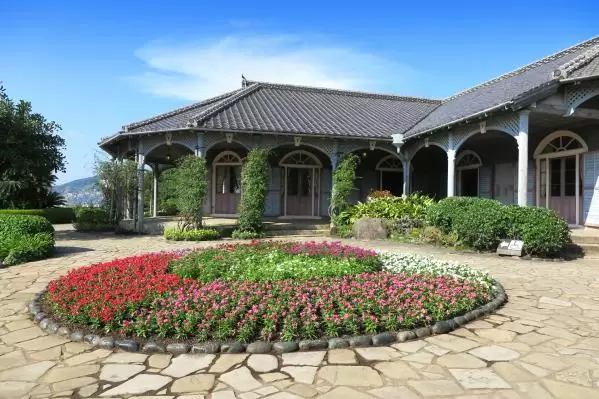
Glover Garden
Glover Garden is an exotic tourist destination located on the Minami-Yamate Hill, which offers a magnificent panoramic view of Nagasaki Port. This site is one of Nag...
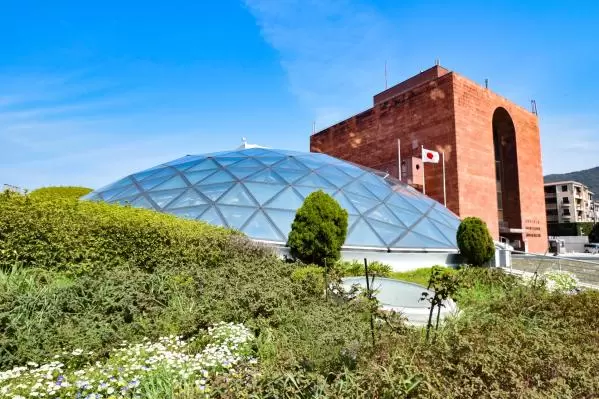
Nagasaki Atomic Bomb Museum
The Nagasaki Atomic Bomb Museum is a facility that conveys the devastation caused by the atomic bombing of Nagasaki on August 9, 1945, and the history of recovery th...
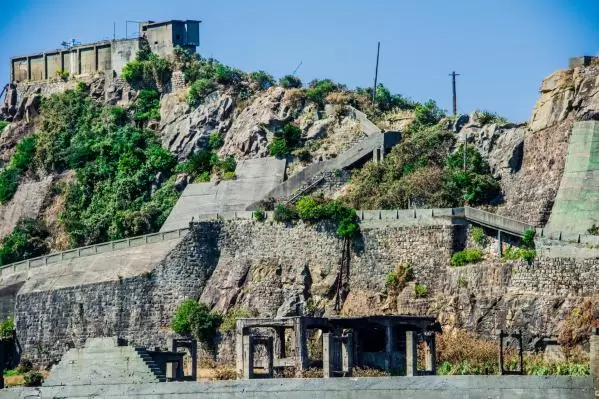
Hashima Island
Hashima Island, also known as Gunkanjima (Battleship Island), is an uninhabited island located approximately 40 minutes by boat from Nagasaki Port, which once thrive...
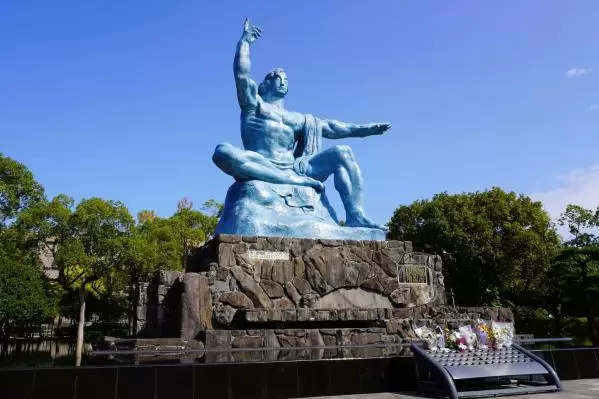
Heiwa Park (Heiwa Memorial Statue, Heiwa Spring)
Nagasaki's Peace Park was created to commemorate the tragic history of the atomic bombing on August 9, 1945, and to pray for peace. The Peace Statue, created by the ...
Meghanebashi
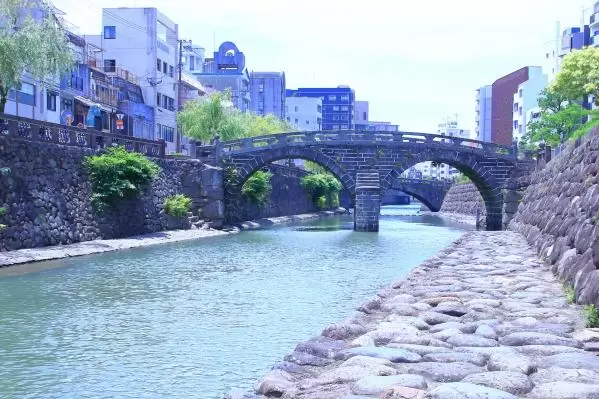
Nagasaki's Meganebashi, built in 1634 by the monk Mokushi Nyojo of Kofukuji Temple, is the oldest stone arch bridge in Japan. It got its name because its reflection ...
Huis Ten Bosch
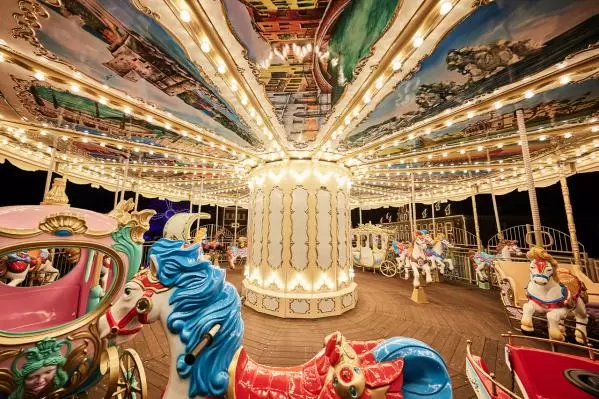
Huis Ten Bosch is located in Sasebo City, Nagasaki Prefecture, and is one of the largest theme parks in Japan. Overlooking the beautiful Omura Bay, this resort recre...
Oura Cathedral
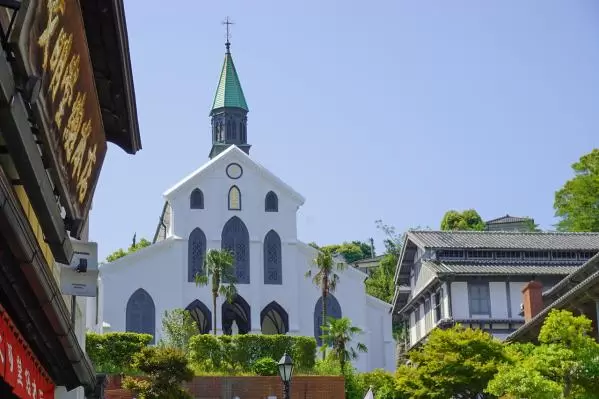
Oura Cathedral is a Gothic-style church built in the foreign settlement of Nagasaki during the late Edo period, and it is the oldest existing church architecture in ...