Ryugado Cave
Ryugado Cave Movies




Basic Information
- Spot Name
- Ryugado Cave
- Location
- 〒782-0005 1424 Sakakawa, Tosa-Yamada-cho, Kōmi City
- Access
- From Tosa-Yamada Station on the JR Dosan Line, take the Tosa Den Transportation bus to Ryugado Cave for 23 minutes and get off at the last stop. It takes about 25 minutes by car from Nankoku IC on the Kochi Expressway.
- Parking
- 300 regular cars, 10 large vehicles.
- Business Hours
- 8:30 AM to 5:00 PM (March to November)
8:30 AM to 4:30 PM (December to February) - Regular Holiday
- Open daily
- Fees
- Adults: 1,200 yen, Junior High School Students: 700 yen, Elementary School Students: 550 yen.
- Contact Information
- Phone Number:0887-53-2144
- Official Website
Map
Detailed Information
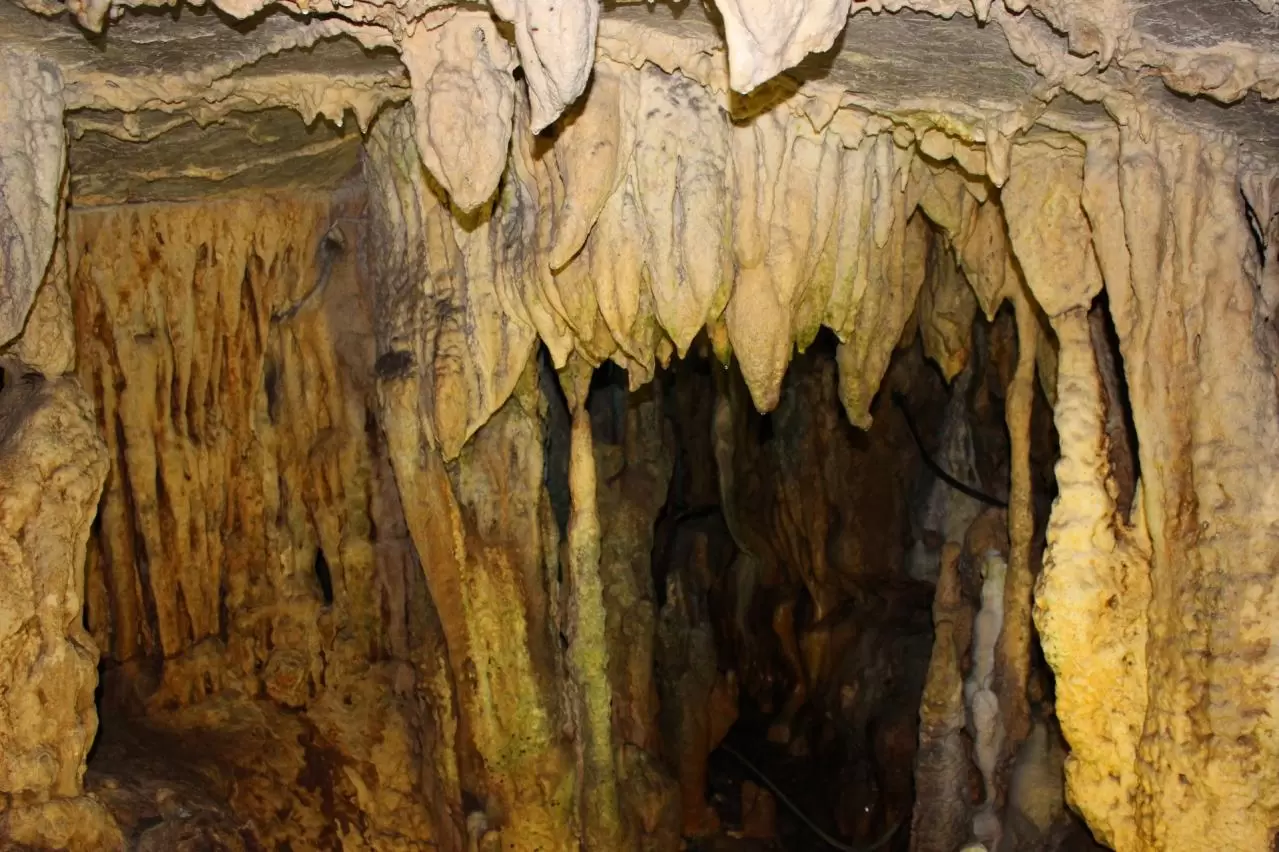
Ryugado Cave, located in Tosayamada Town, Kami City, Kochi Prefecture, is one of Japan’s most renowned limestone caves. With a total length of approximately four kilometers, it is a large-scale cave formed from limestone. Within it lies a breathtaking natural landscape shaped over the course of some 175 million years. In 1934, it was designated a National Natural Monument and Historic Site. Conveniently located about 40 minutes by car from central Kochi City and approximately 20 minutes from Kochi Ryoma Airport, it attracts many visitors as one of Kochi Prefecture’s premier natural attractions.
In 1931, the entire cave was surveyed and discovered by two middle-school teachers. Ryugado consists of three main sections—Higashihondo, Chuo-do, and Nishihondo—along with numerous subsidiary passages, extending for approximately four kilometers in total. About one kilometer of the cave is open to the public as a sightseeing route, which takes approximately 30 to 40 minutes to complete. With its varied terrain, visitors pass through narrow passageways and expansive chambers, enjoying the sensation of exploring an underground world.
The cave was formed as rainwater that fell on the basin near the mountaintop gradually dissolved the limestone over countless years. Inside, visitors can see a wide variety of beautiful formations, including stalactites hanging from the ceiling, stalagmites growing up from the ground, and columns formed when the two connect. It is said that stalactites and stalagmites grow by only about one centimeter every 100 years, meaning that each formation bears the mark of an almost unimaginable span of time.
The sightseeing route offers many highlights. At Sekkaden, located near the entrance, tiny flower-petal-shaped calcite crystals spread across the walls, creating a fantastical landscape. Approximately 11 meters high, Kinen no Taki is one of the largest waterfalls in the cave, and its illumination creates a mysterious atmosphere. Other remarkable sights continue throughout the route, including Tamasudare no Taki, where traces of flowing water have created beautiful curtain-like patterns—works of art created by nature itself.
Ryugado is highly valuable not only for its natural beauty but also for its archaeological significance. Near the exit, remains of dwellings from the Yayoi period, approximately 2,000 years ago, were discovered, and numerous pieces of pottery and stone tools were unearthed. Among the most famous finds is the Kami no Tsubo, or “God’s Pot.” This Yayoi-period vessel became encased in limestone deposits over the course of many years, eventually merging with the cave itself. It is known as an extremely rare relic by global standards. As a valuable cultural asset where natural processes and human history have come together, it possesses significant academic value.
In 2019, the cave’s lighting and sound systems were renovated, adding fantastical visual and audio effects to the underground space. Today, projection mapping and other lighting and sound-based presentations allow visitors to experience the history of Ryugado and the natural processes through which it was formed in a vivid and immersive way, enabling them to appreciate the mysterious underground world even more deeply.
In addition to the regular sightseeing route, the Adventure Course is also popular among visitors seeking a more authentic cave-exploration experience. Available by advance reservation, the course involves wearing a helmet and headlamp and making one’s way through the pitch-dark cave under the guidance of a navigator. Participants crouch through narrow passages and climb over rocky areas, enjoying thrilling experiences unavailable on the regular route. During the limited-time Nishihondo Water Cave Course, visitors walk through sections of the cave where underground water flows, allowing them to experience the natural processes that formed Ryugado at close range.
The sightseeing route includes many stairs and narrow passageways, as well as a steep set of ascending stairs known as the “Shindoi-zaka,” or “Exhausting Slope,” toward the latter half of the course. The cave remains relatively cool throughout the year, with temperatures of approximately 15–16°C. Some areas may also be wet and slippery, so comfortable walking shoes are recommended.
Near the cave entrance stands Ryuō Shrine, which has long been revered by the local community as a place to pray for abundant harvests and the blessings of water. The surrounding area also offers a variety of souvenir shops and restaurants where visitors can enjoy Kochi’s specialties and regional cuisine. At the adjacent exhibition facility, visitors can see valuable exhibits associated with Kochi, including the Onagadori, a designated Special Natural Monument of Japan, and enjoy exploring them together with the limestone cave.
Ryugado is a limestone cave unlike any other in Japan, where a magnificent underground world created over approximately 175 million years coexists with remains of daily life from the Yayoi period. Visitors can enjoy a wide range of attractions, including fantastical cave formations, the globally rare Kami no Tsubo, immersive light-and-sound presentations, and authentic cave-exploration experiences. It is one of Kochi Prefecture’s most popular tourist destinations, offering a unique opportunity to experience both the mysteries of nature and the history of humanity at the same time.
Kochi Tourist Attractions
View List
Kochi Castle
Kochi Castle was built due to the achievements of Yamauchi Kazutoyo in the Battle of Sekigahara, when Tokugawa Ieyasu awarded him the whole of Tosa in 1601, marking ...

Harimaya Bridge
Harimaya Bridge is a sightseeing spot in Kochi, celebrated in the "Yosakoi Bushi" song, and is the setting for the love story of the monk Junshin and his daughter Ou...

Hirome Market
Hirome Market is located in the heart of Kochi City, just a 2-minute walk from Kochi Castle. Opened in 1998, this market is named after "Hiroto Fukao Banken," a high...

Kochi Prefectural Sakamoto Ryoma Memorial Museum
The Kochi Prefectural Sakamoto Ryoma Memorial Museum is a place that displays valuable historical materials related to Sakamoto Ryoma, showcasing his personality, ac...

Kitagawa Village "Mone no Niwa" Marumottan
Kitagawa Village's "Monet's Garden Marmottan" is a beautiful garden that is the only official recreation of the Impressionist painter Claude Monet's garden located i...

Ashizuri Misaki
Cape Ashizuri is located at the southernmost tip of Shikoku, offering a panoramic view of over 270 degrees from its observation deck. Situated at the tip of the Ashi...

Katsurahama
Katsurahama is a representative tourist spot in Kochi Prefecture, known since ancient times as a famous moonlit location celebrated in the "Yosakoi Bushi" folk song....

Sadachine Bridge
Sada Shinkai Bridge is the longest and most downstream sunken bridge spanning the Shimanto River in Kochi Prefecture, with a length of approximately 300 meters. This...