Ashizuri Misaki
Ashizuri Misaki Movies


Basic Information
- Spot Name
- Ashizuri Misaki
- Location
- 〒787-0315 Cape Ashizuri, Tosashimizu City
- Access
- Take the Kochi Southwest Transportation bus to "Ashizuri Misaki" from Tosa Kuroshio Railway Nakamura Station. It takes about 105 minutes from Shimantocho Chuo IC.
- Parking
- At Cape Ashizuri, there are 20 spaces at the tip, 115 spaces in the first parking lot, and 50 spaces in the east parking lot.
- Business Hours
- [Season] Camellia: Mid to late February, Hama-Kanzou: August to October
- Contact Information
- Phone Number:0880-82-3155
- Official Website
Map
Detailed Information
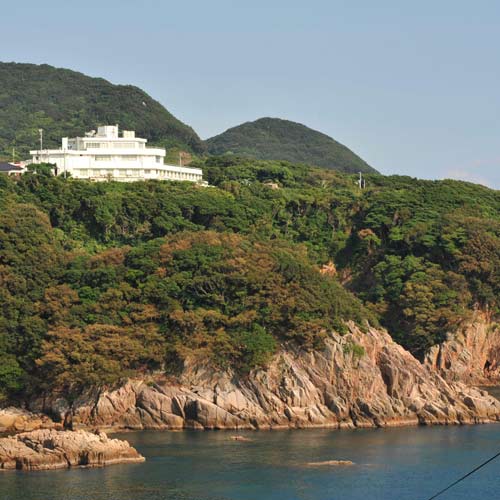
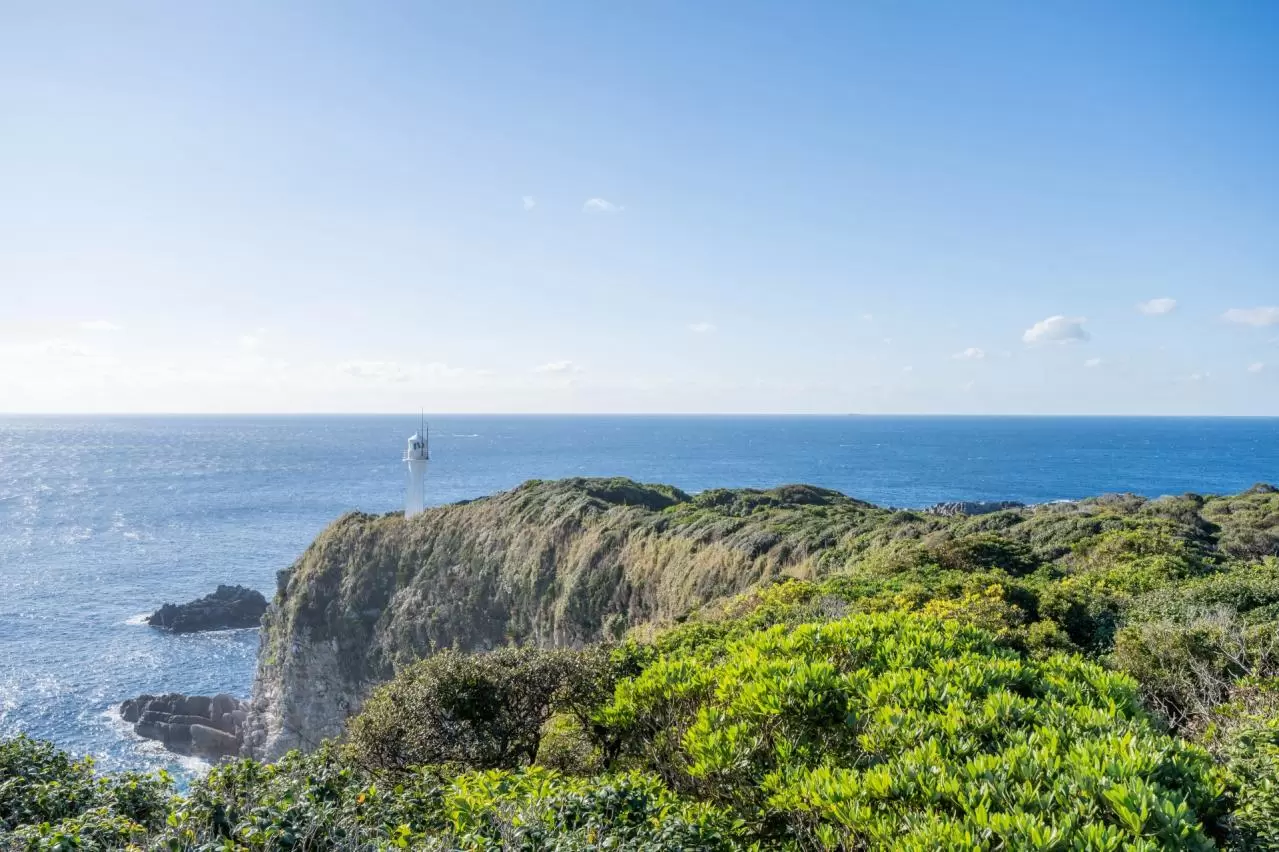
Cape Ashizuri, located in Tosashimizu City, Kochi Prefecture, is the southernmost cape of Shikoku and one of the scenic highlights of Ashizuri-Uwakai National Park. Situated at the tip of the Ashizuri Peninsula, which projects far out into the Pacific Ocean, it is known for its dynamic landscape of vast seas and dramatic cliffs. From the observation deck, visitors can enjoy a sweeping panorama extending approximately 270 degrees. The gently curving horizon has made Cape Ashizuri famous throughout Japan as a place where visitors can truly feel the roundness of the Earth.
The greatest attraction of Cape Ashizuri is its breathtaking view of the endless Pacific Ocean. The expansive sea and sky, along with the magnificent waters of the Kuroshio Current, leave a deep impression on visitors. On clear days, the coastline can be seen stretching from the area around Cape Ashizuri in the east to the Kanamezaki area in the west. The scenery created by the vast Kuroshio waters and rugged cliffs is highly regarded as one of Shikoku’s finest landscapes. Usabae, on the western side of the peninsula, is also known as the place where the Kuroshio Current is said to first reach the Japanese archipelago.
The symbol of the cape is the Cape Ashizuri Lighthouse. This beautiful white lighthouse stands approximately 18 meters tall and was first lit in 1914. It is one of Japan’s largest lighthouses, and its beam reaches approximately 38 kilometers, continuing to ensure the safety of ships sailing across the Pacific Ocean. The contrast between the white lighthouse standing atop the cliffs and the blue sea is striking, making it one of the defining views of Cape Ashizuri.
Cape Ashizuri is also renowned as a prime spot for viewing the sunrise. On New Year’s Day, many people visit to watch the first sunrise from the southernmost point of Shikoku. The sight of the sun rising above the horizon and turning the Pacific Ocean golden is truly spectacular. In the evening, the cliffs and lighthouse illuminated by the setting sun are equally beautiful, allowing visitors to enjoy scenery in a variety of moods throughout the day.
Cape Ashizuri is also known as the “Cape of Camellias.” Approximately 150,000 wild Japanese camellias grow across the Ashizuri Peninsula, including around 60,000 in the vicinity of the cape. They reach their peak from around February through March each year. Camellia tunnels form along the walking paths, and their beautiful red blossoms add color to the scenery. The Ashizuri Camellia Festival, held during the flowering season, attracts many tourists.
Many subtropical plants also grow naturally around the cape. Trees such as banyan, Chinese fan palm, and ubame oak flourish here, creating a tropical landscape rarely seen on Honshu. This rich natural environment is another major attraction of Ashizuri-Uwakai National Park.
Walking trails have been developed throughout the Cape Ashizuri area, allowing visitors to explore its many points of interest on foot. Along the trails are the “Seven Mysteries of Ashizuri,” a collection of sites associated with legends concerning Kobo Daishi, also known as Kukai. Many mysterious traditions have been passed down in this area, where Kobo Daishi is said to have trained, and guided tours are also available. Nearby is Kongofukuji Temple, the 38th temple of the Shikoku 88-Temple Pilgrimage, which attracts many worshippers as an important pilgrimage destination.
A bronze statue of John Manjiro, also known as Nakahama Manjiro, stands in the plaza. Born in Tosashimizu, John Manjiro was one of the first Japanese people to receive a formal education in the United States and had a significant influence on Japan’s modernization. The Cape Ashizuri Tourist Information Center is located near the statue, providing travel information and guidance from volunteer guides.
The surrounding area is also rich in natural attractions. Hakuzan Domon, designated a national natural monument, is one of Japan’s largest granite sea arches. It presents an impressive sight approximately 16 meters high and 17 meters wide. The Hakuzan Domon Observation Manjiro Foot Bath is also a popular place to relax while enjoying views of the sea arch.
The waters around the Ashizuri Peninsula are highly transparent, making marine activities such as scuba diving and snorkeling popular. At nearby Tatsukushi Coast and Minokoshi Coast, visitors can also take glass-bottom boat tours to observe coral reefs and tropical fish, providing an opportunity to fully enjoy the area’s marine environment.
Cape Ashizuri is approximately a three-and-a-half-hour drive from Kochi City and about 20 minutes by car from central Tosashimizu. It can also be reached by Kochi Seinan Kotsu buses. After getting off at the “Ashizuri Misaki” bus stop, visitors can walk to the observation deck and Kongofukuji Temple.
*The Cape Ashizuri observation deck may have restricted access during certain periods due to redevelopment work. It is advisable to check the latest operating conditions before visiting.*
Cape Ashizuri is one of Kochi Prefecture’s leading tourist attractions, offering a remarkable blend of the vast Pacific Ocean views found at Shikoku’s southernmost point, the gleaming white Cape Ashizuri Lighthouse, nature adorned with camellias, history associated with Kobo Daishi, and sites connected with John Manjiro. Its magnificent scenery, with the open sea stretching beyond the horizon and a landscape that allows visitors to sense the curvature of the Earth, is a breathtaking destination well worth visiting at least once.
Kochi Tourist Attractions
View List
Sadachine Bridge
Sada Shinkai Bridge is the longest and most downstream sunken bridge spanning the Shimanto River in Kochi Prefecture, with a length of approximately 300 meters. This...

Kitagawa Village "Mone no Niwa" Marumottan
Kitagawa Village's "Monet's Garden Marmottan" is a beautiful garden that is the only official recreation of the Impressionist painter Claude Monet's garden located i...

Kochi Prefectural Sakamoto Ryoma Memorial Museum
The Kochi Prefectural Sakamoto Ryoma Memorial Museum is a place that displays valuable historical materials related to Sakamoto Ryoma, showcasing his personality, ac...

Hirome Market
Hirome Market is located in the heart of Kochi City, just a 2-minute walk from Kochi Castle. Opened in 1998, this market is named after "Hiroto Fukao Banken," a high...

Katsurahama
Katsurahama is a representative tourist spot in Kochi Prefecture, known since ancient times as a famous moonlit location celebrated in the "Yosakoi Bushi" folk song....

Harimaya Bridge
Harimaya Bridge is a sightseeing spot in Kochi, celebrated in the "Yosakoi Bushi" song, and is the setting for the love story of the monk Junshin and his daughter Ou...

Ryugado Cave
Ryugadō is one of Japan's representative limestone caves, formed over approximately 175 million years, with a total length of around 4 kilometers. It is located in K...

Kochi Castle
Kochi Castle was built due to the achievements of Yamauchi Kazutoyo in the Battle of Sekigahara, when Tokugawa Ieyasu awarded him the whole of Tosa in 1601, marking ...