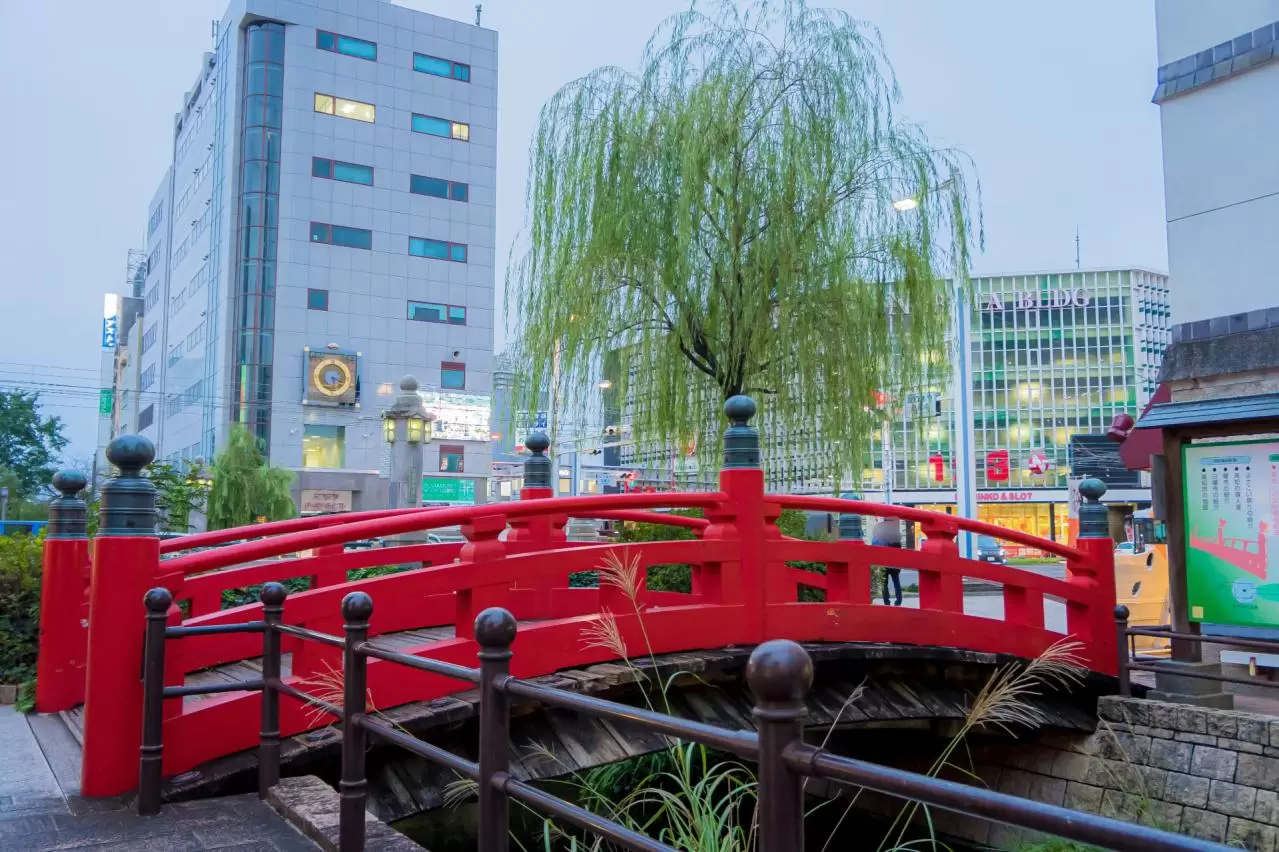
Harimaya Bridge
Harimaya Bridge Movies


Basic Information
- Spot Name
- Harimaya Bridge
- Location
- 〒780-0822 Harimaya-cho, Kochi City, Kochi Prefecture
- Access
- 10-minute walk from JR Kochi Station.
- Parking
- Please use the paid parking lots available in the vicinity.
- Business Hours
- Open for visit freely.
- Contact Information
- Phone Number:088-803-4319
- Official Website
Map
Detailed Information
Harimaya Bridge, located in the center of Kochi City, Kochi Prefecture, is one of the prefecture’s most iconic tourist attractions. It is known throughout Japan through a line from the Kochi folk song “Yosakoi Bushi”: “At Harimaya Bridge in Tosa’s Kochi, I saw a monk buying a hairpin.” The bridge is also famous as the setting of the love story between Junshin, a Buddhist monk, and Ouma, a townswoman. Today, it is a landmark symbolizing Kochi City and attracts many visitors.
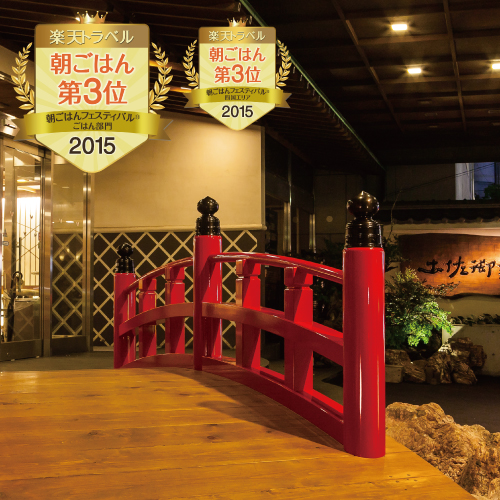
The origins of Harimaya Bridge date back to the early Edo period. It is said that Harimaya and Hitsuyа, merchants serving the Tosa domain who conducted business on opposite sides of the Horikawa River, built the private bridge to make it easier to travel between their establishments. The bridge came to be known as Harimaya Bridge and supported the daily lives of local residents as Kochi developed. It was rebuilt several times, and the surrounding Horikawa River was eventually filled in. Today, the bridge has been restored with striking vermilion-painted railings and is cherished as one of Kochi’s most representative sights.
The area around Harimaya Bridge is now maintained as Harimaya Bridge Park, a waterside space designed to recreate the sound and atmosphere of a flowing stream. In addition to a bridge reproducing the historic Harimaya Bridge, the park features monuments depicting the love story of Junshin and Ouma. Visitors can stroll through the lush green grounds while experiencing the romance of the past. The park is also a popular place for local residents to relax.
Harimaya Bridge is widely associated with the love story of Junshin, a Buddhist monk, and Ouma, a townswoman. During the Edo period, Junshin, a monk at Chikurinji Temple on Mount Godai, was seen buying a hairpin for Ouma, which revealed their relationship. It is said that the two later eloped to Sanuki Province, present-day Kagawa Prefecture. The story was eventually incorporated into the lyrics of “Yosakoi Bushi” and has been passed down to the present day as one of Kochi’s best-known folk tales.
A popular mechanical clock stands on the eastern side of the park. Every hour during the daytime, figures representing Kochi’s famous sights and cultural icons—including Kochi Castle, Katsurahama Beach, Sakamoto Ryoma, Harimaya Bridge, and Yosakoi dancing—appear to the melody of “Yosakoi Bushi.” Although the performance is brief, it captures the appeal of Kochi in a condensed and entertaining display, and many people stop to watch it.
The park is also home to a monument commemorating “Nangoku Tosa o Ato ni Shite,” one of Kochi Prefecture’s best-known songs. The song plays along with a musical accompaniment, while a monument of a mother whale and her calf creates a spectacle by spouting water. It is a popular spot where visitors can experience Kochi’s music culture.
Another highlight is the Harimaya Bridge Underground Passage, also known as the Underground Plaza, which connects the eastern and western sides of the bridge. Displays in the plaza include panels introducing tourist destinations across Kochi Prefecture, photographs of Harimaya Bridge from the Showa era, and the “Kochi Shitamachi Urado Bay Customs Picture Scroll.” Visitors can learn about Kochi’s history and culture there. The passage is also a convenient way to reach the opposite side of the road without crossing at street level.
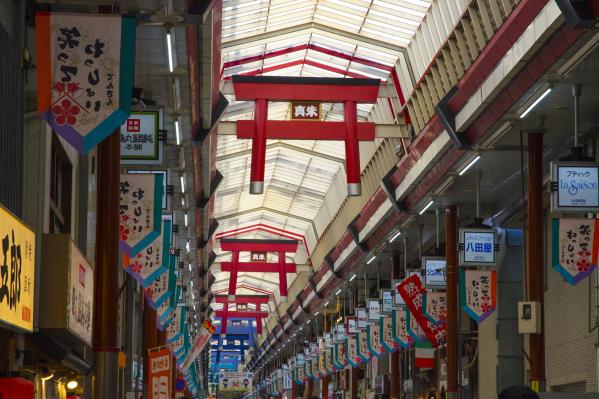
Many other tourist attractions are located nearby. Harimaya Bridge Shopping Street is known for its distinctive wooden arcade and is one of the few shopping streets in Japan built using locally produced Kochi timber. The Harimaya Market is held there every Friday. At Uonotana Shopping Street, said to have been established in the early Edo period, visitors can enjoy the atmosphere of a traditional Japanese shopping district. Kochi Castle, Hirome Market, and the Kochi Castle Museum of History are also within walking distance, making the area a convenient base for sightseeing in Kochi City.
The area around Harimaya Bridge is also an important transportation hub in Kochi City. Streetcars operated by Tosaden run east, west, north, and south around the bridge, providing easy access to various parts of the city. The sight of streetcars passing through the area is a popular scene that symbolizes Kochi’s distinctive cityscape.
Harimaya Bridge is an iconic tourist attraction where Kochi’s history, culture, and everyday life come together. In addition to offering a sense of the history surrounding “Yosakoi Bushi” and the love story of Junshin and Ouma, the area features numerous highlights, including the mechanical clock, song monument, park, and shopping streets. Exploring it together with nearby attractions such as Kochi Castle and Hirome Market allows visitors to experience the appeal of Kochi more deeply, making Harimaya Bridge an essential destination for sightseeing in the city.
#Townscape/Bikan Historical Quarter #Cultural assets/historic sites
Kochi Tourist Attractions
View List
Kochi Castle
Kochi Castle was built due to the achievements of Yamauchi Kazutoyo in the Battle of Sekigahara, when Tokugawa Ieyasu awarded him the whole of Tosa in 1601, marking ...

Kitagawa Village "Mone no Niwa" Marumottan
Kitagawa Village's "Monet's Garden Marmottan" is a beautiful garden that is the only official recreation of the Impressionist painter Claude Monet's garden located i...

Ryugado Cave
Ryugadō is one of Japan's representative limestone caves, formed over approximately 175 million years, with a total length of around 4 kilometers. It is located in K...

Hirome Market
Hirome Market is located in the heart of Kochi City, just a 2-minute walk from Kochi Castle. Opened in 1998, this market is named after "Hiroto Fukao Banken," a high...

Ashizuri Misaki
Cape Ashizuri is located at the southernmost tip of Shikoku, offering a panoramic view of over 270 degrees from its observation deck. Situated at the tip of the Ashi...

Katsurahama
Katsurahama is a representative tourist spot in Kochi Prefecture, known since ancient times as a famous moonlit location celebrated in the "Yosakoi Bushi" folk song....

Sadachine Bridge
Sada Shinkai Bridge is the longest and most downstream sunken bridge spanning the Shimanto River in Kochi Prefecture, with a length of approximately 300 meters. This...

Kochi Prefectural Sakamoto Ryoma Memorial Museum
The Kochi Prefectural Sakamoto Ryoma Memorial Museum is a place that displays valuable historical materials related to Sakamoto Ryoma, showcasing his personality, ac...