





Genbikei Gorge
AI summary
What kind of place is Genbikei Gorge?
This is an AI summary. Check official information for opening hours, prices and closures.
An easy-to-visit scenic spot where you can enjoy dramatic gorge views and a local dango specialty.
Plan your visit
- Time to allow
- About 30 minutes for the lower section, or around 70 minutes for a longer visit Not verified
- Getting there
- About 20 minutes by bus from Ichinoseki Station; get off at Genbikei. About 8 minutes by car from Ichinoseki IC. Not verified
Explore more places
Read highlights and visiting tips
Plan your visit
- Rainy Day
- Most of the visit is on walking paths, so take care on the ground and explore at a comfortable pace. Not verified
- Family-friendly
- Easy to stop by with children, but keep a close eye on them near the river. Not verified
- For Older Visitors
- Some sections are easy to walk, but consider the footing and distance. Not verified
- Best Season
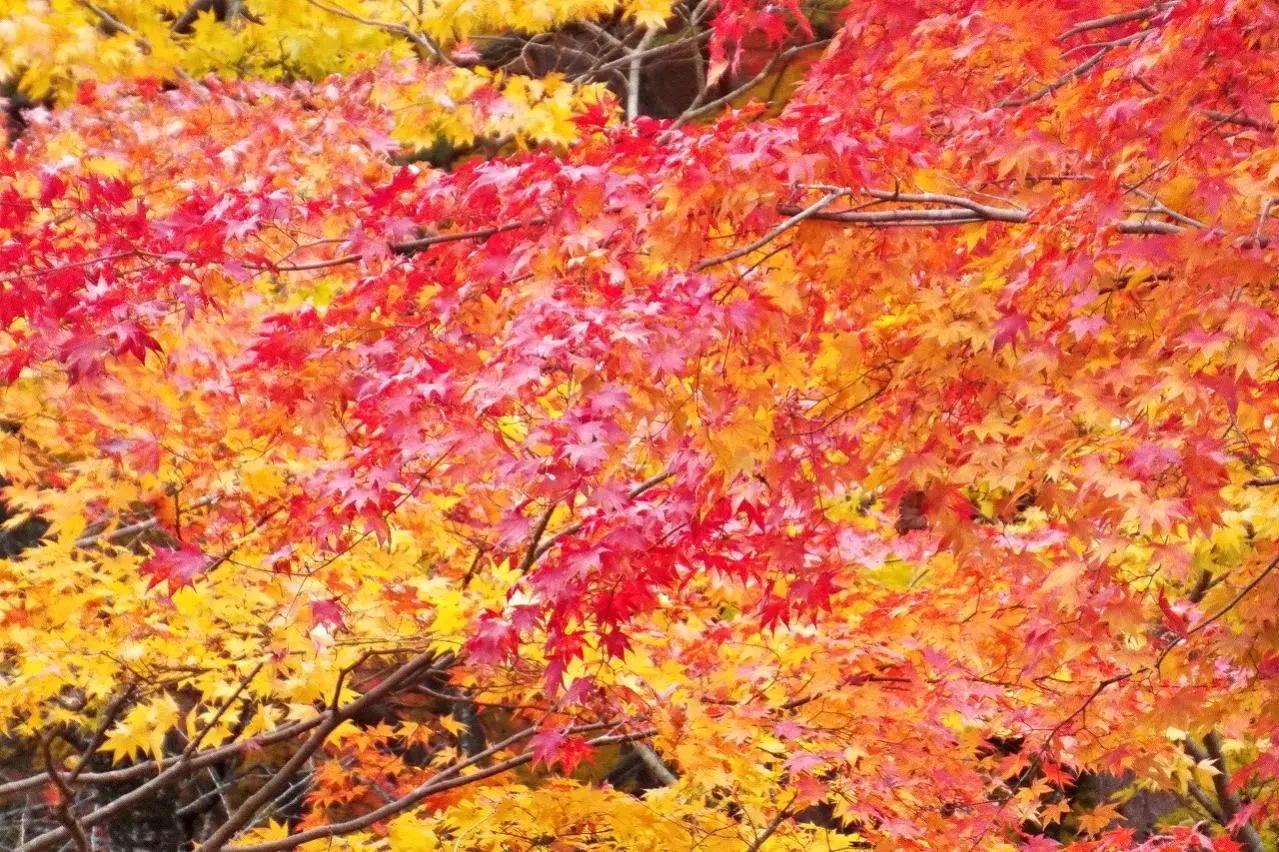
- Especially appealing in spring for cherry blossoms, summer for a refreshing riverside feel, and fall for autumn leaves. Not verified
- Photo Spots
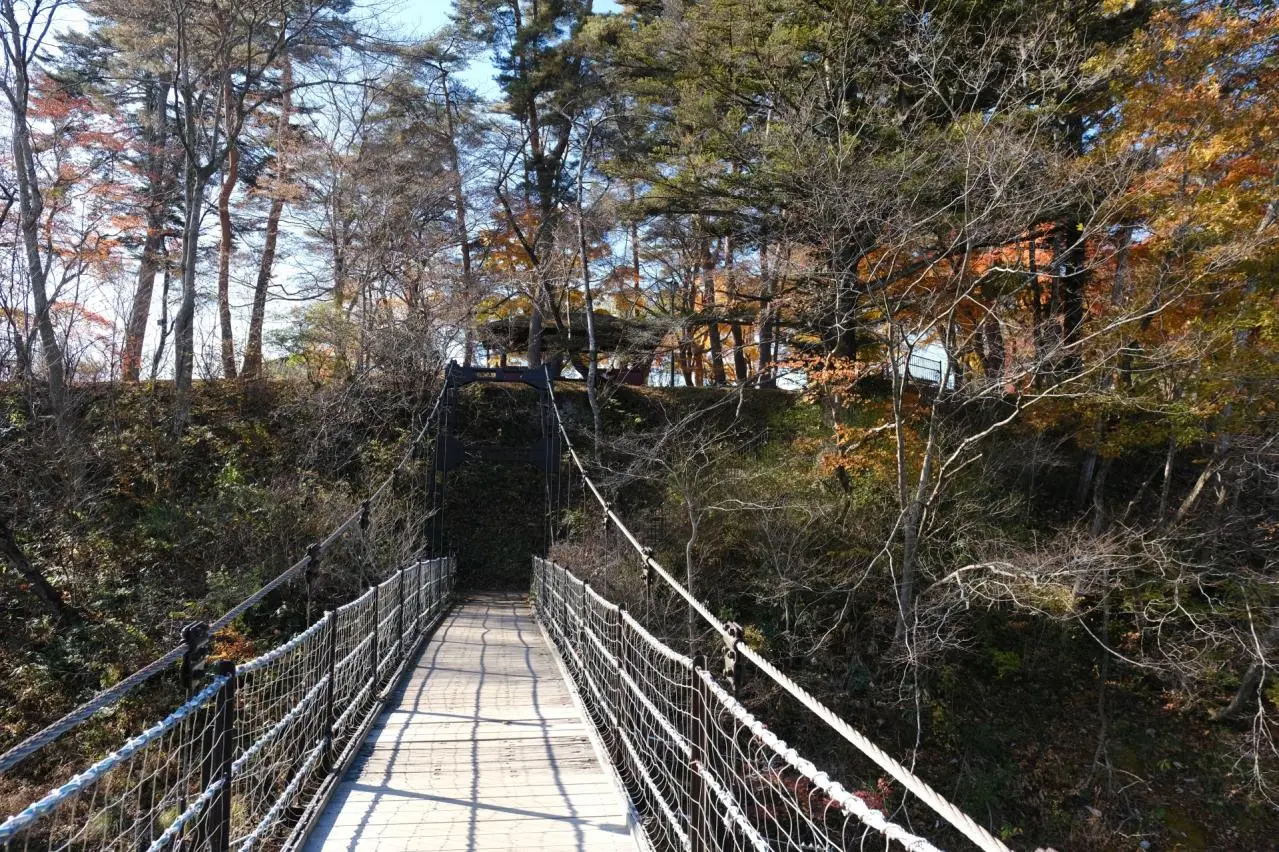
- Around Goranba Bridge, the gorge’s deep pools, and the flying dango handoff Not verified
- Travel Mood
- A relaxed walk surrounded by nature Not verified
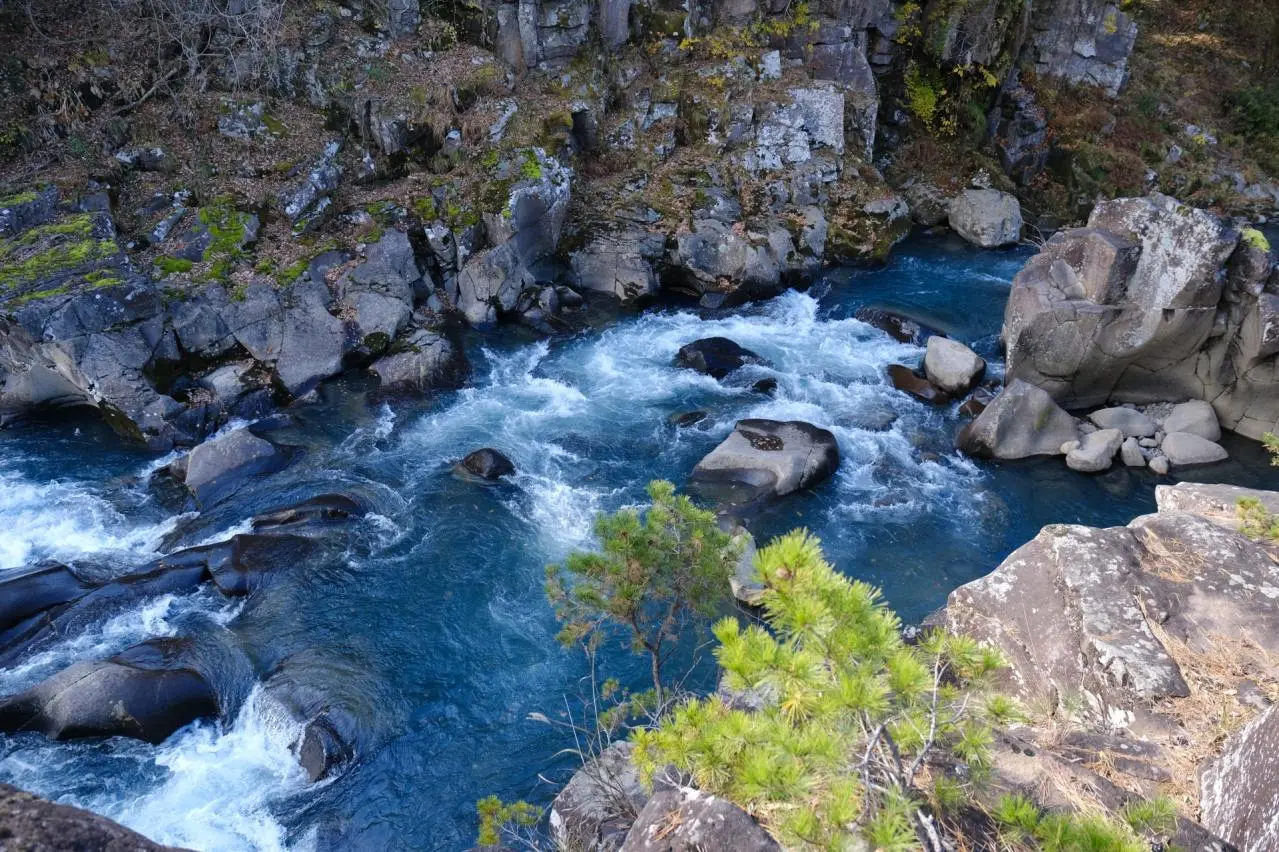
Genbikei Gorge stretches about 2 km along the Iwai River, with striking boulders, deep pools, potholes and waterfalls. The walking paths make it easy to take in the scenery, with cherry blossoms in spring and autumn leaves in fall. The famous “flying dango” is another memorable local treat.
Recommended for
Highlights
Dramatic gorge formations — Take in striking natural scenery shaped by huge boulders, deep pools and potholes.
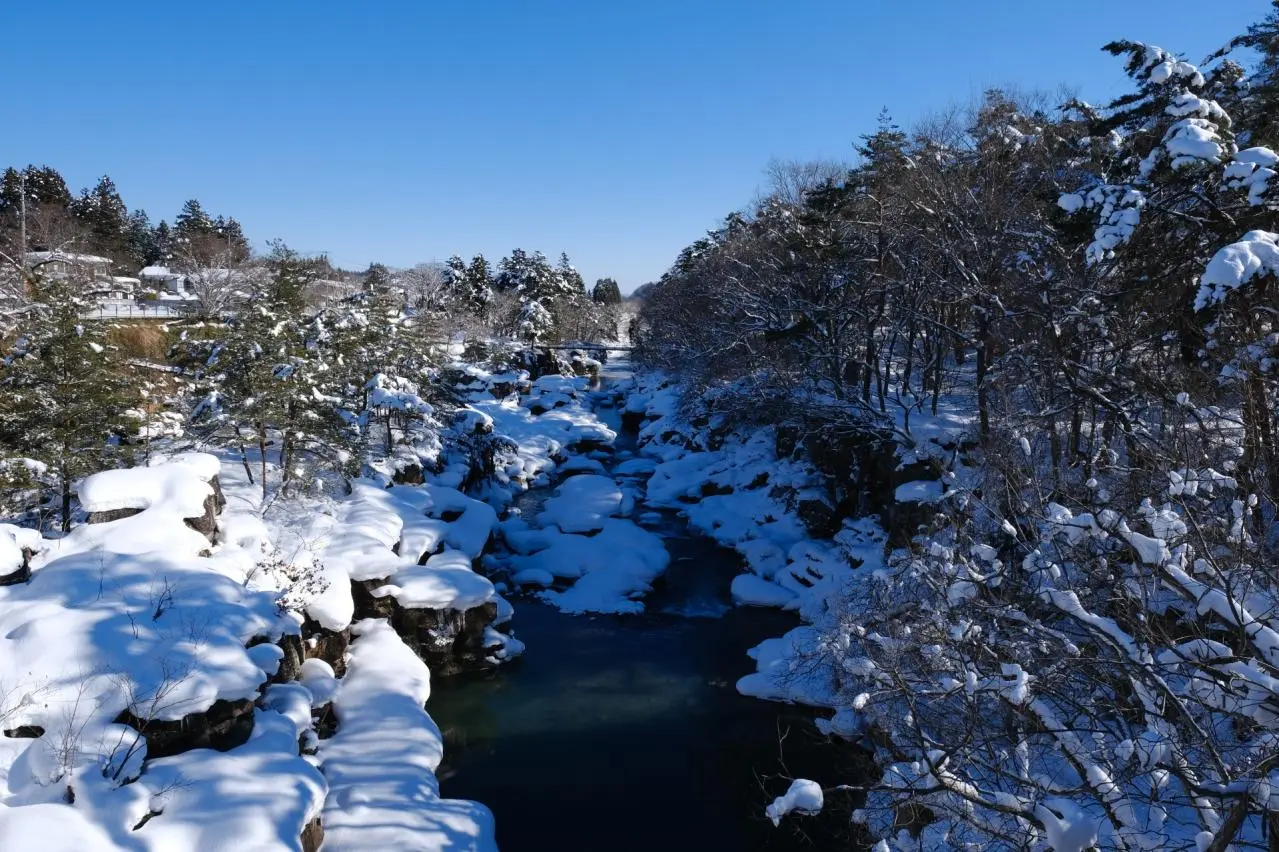
A different look in every season — Highlights range from spring blossoms and summer streams to fall foliage and winter snow scenes.
The famous flying dango — This unique local specialty is fun to watch and enjoy.
Before you go
- Wear comfortable shoes for walking along the river.
- If you’re visiting for the dango, allow extra time during busy periods.
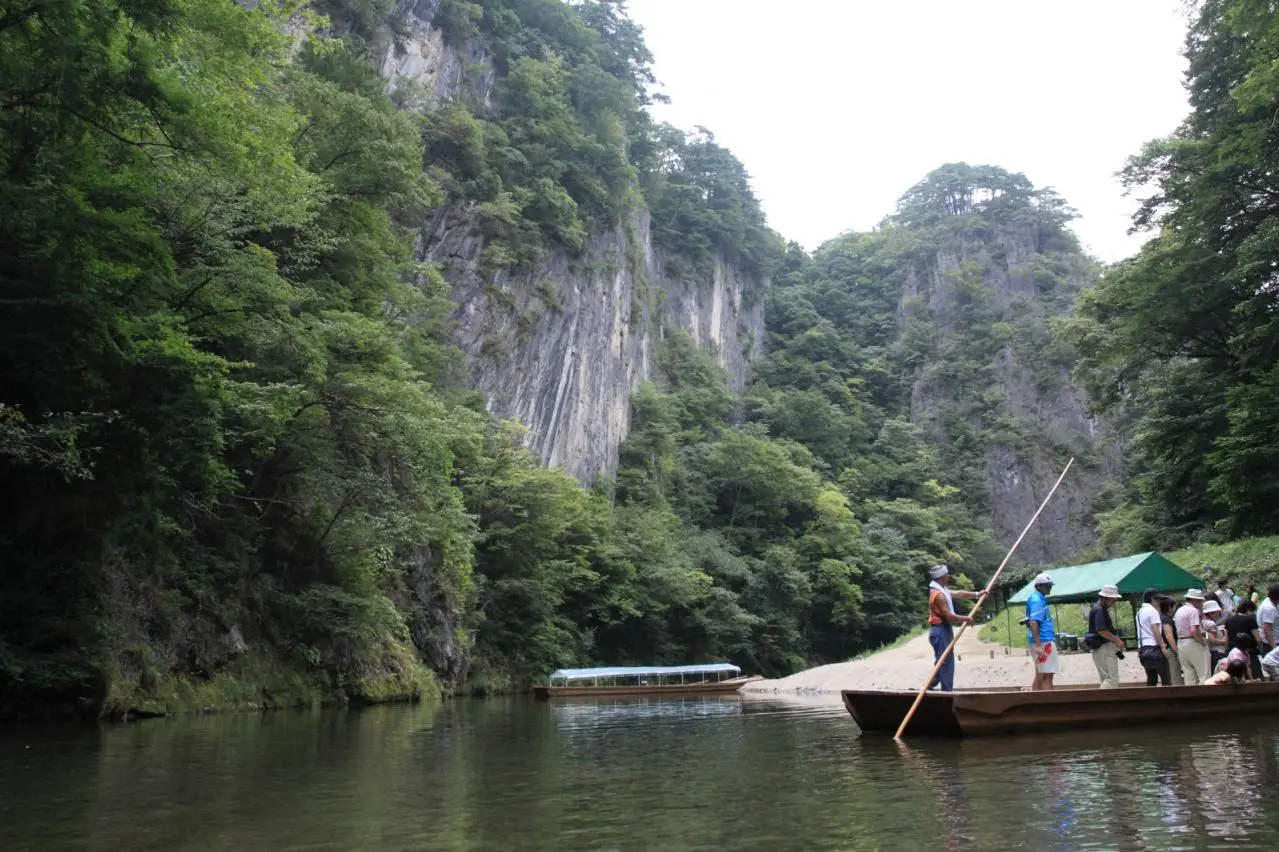
- Combine your visit with nearby Geibikei Gorge for a fuller gorge experience.
Ideas for your visit
Take a bus from Ichinoseki Station to Genbikei Gorge, enjoy a walk along the paths and try the flying dango, then visit Geibikei Gorge if you have time.
Before deciding to visit
This spot is better suited to travelers looking for a short visit with scenic views and a local specialty than to those expecting a long mountain hike.
What to look for in the videos
Watch the related videos to get a feel for Genbikei Gorge’s scenery and its famous flying dango before you go.
Genbikei Gorge Movies


Basic Information
- Spot Name
- Genbikei Gorge
- Location
- 〒021-0101 Gembe, Ichinoseki City, Iwate Prefecture
- Access
- (Bus) Iwate Prefectural Transportation, Geibikei Line, from Ichinoseki Station to Geibikei (20 minutes) → 1-minute walk.
(Car) About 8 minutes by car from Ichinoseki IC on the Tohoku Expressway. - Parking
- Parking available
- Business Hours
- Open for public viewing
- Regular Holiday
- Open year-round.
- Contact Information
- Phone Number:0191-23-2350(一関市観光協会)
- Official Website
Map
Detailed Information
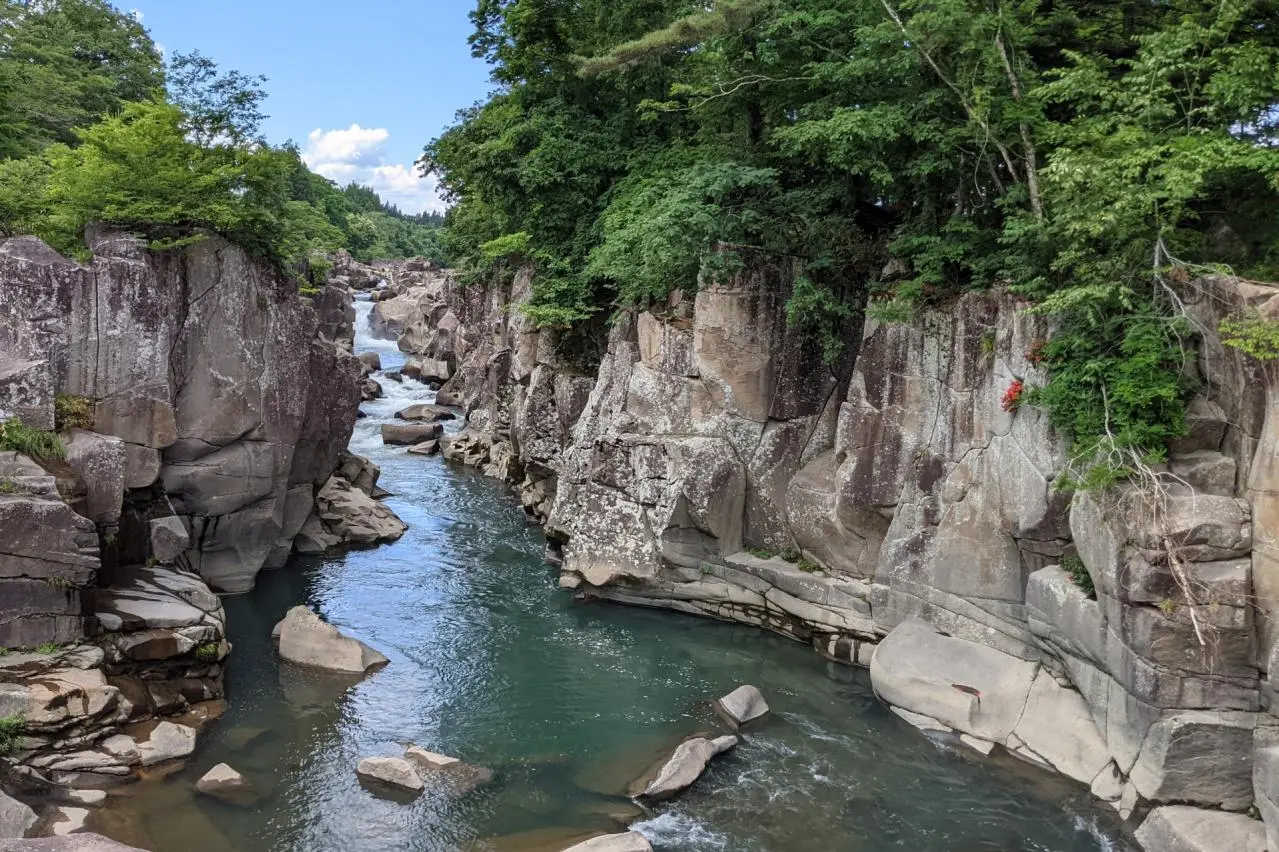
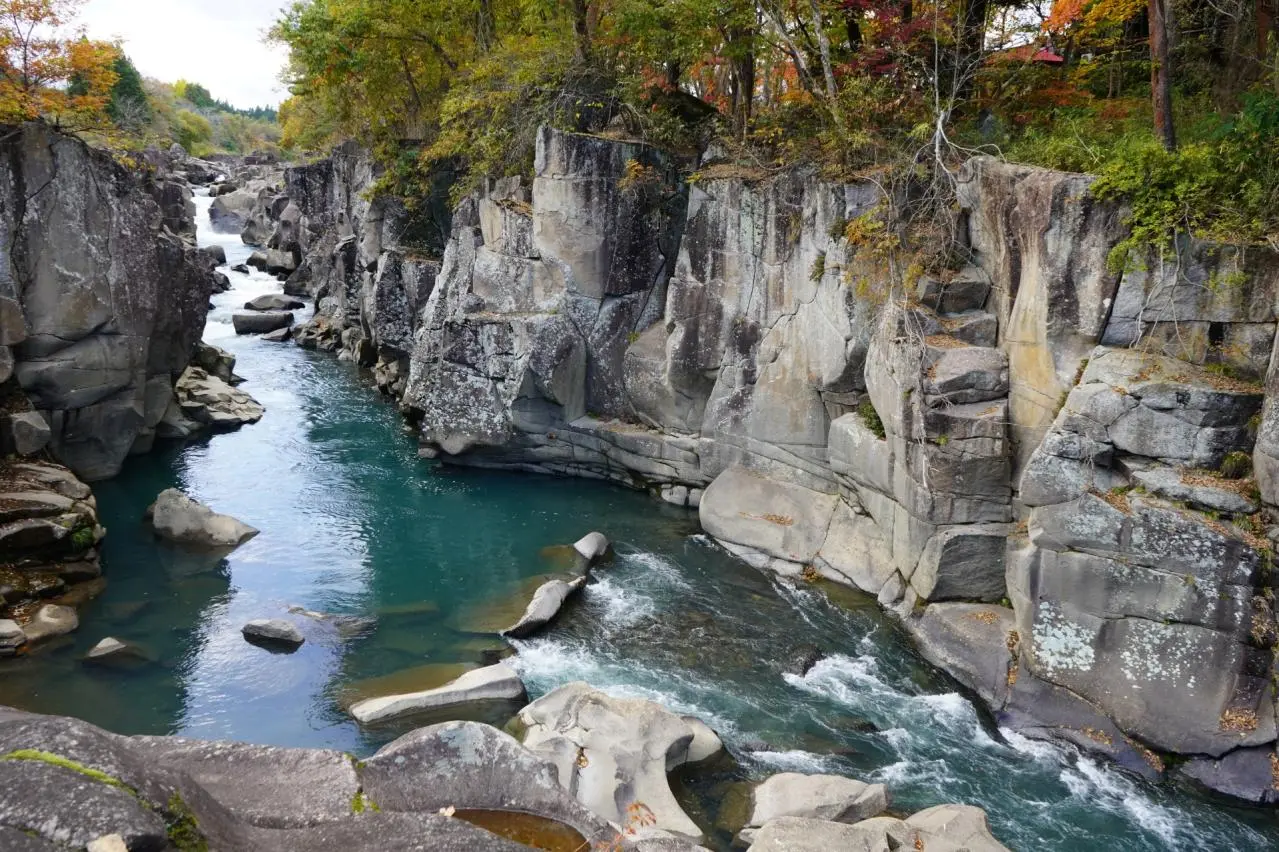
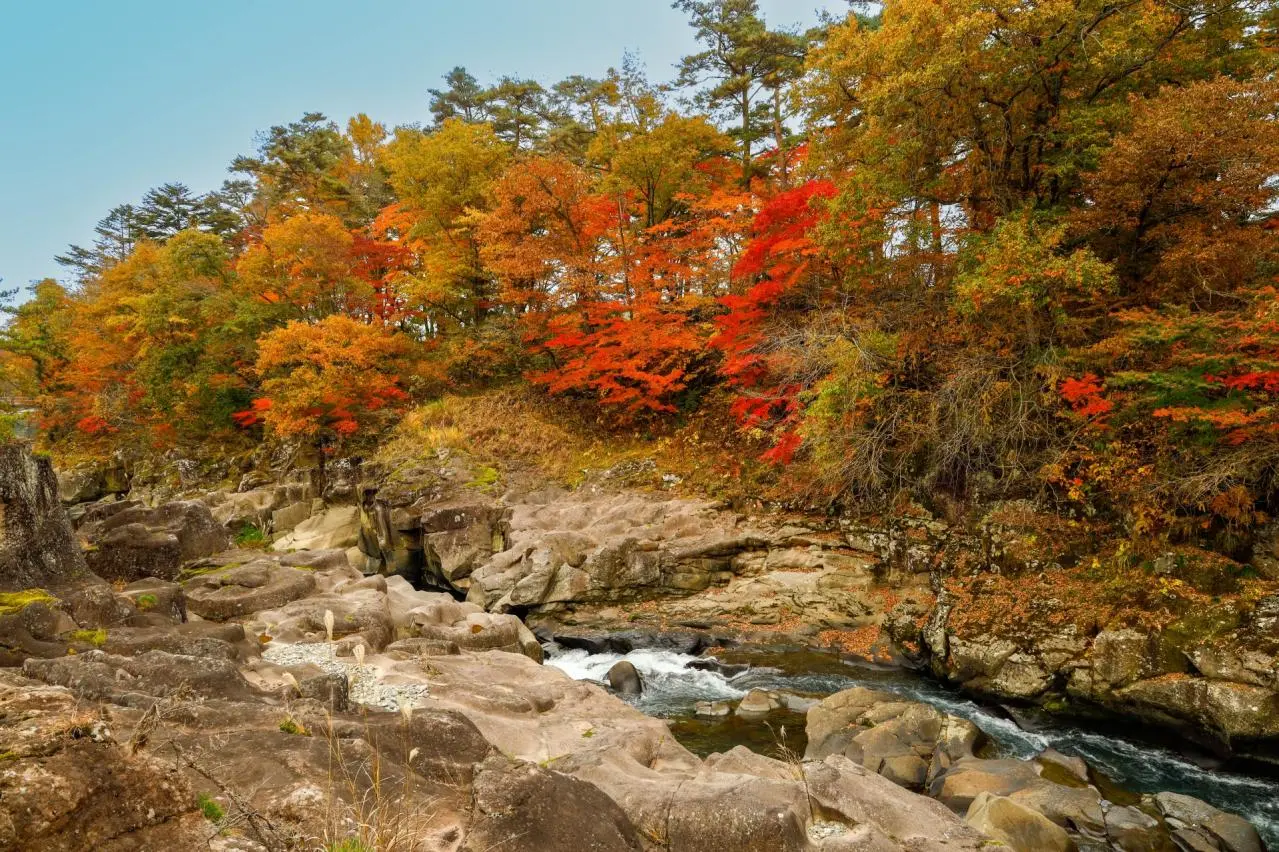
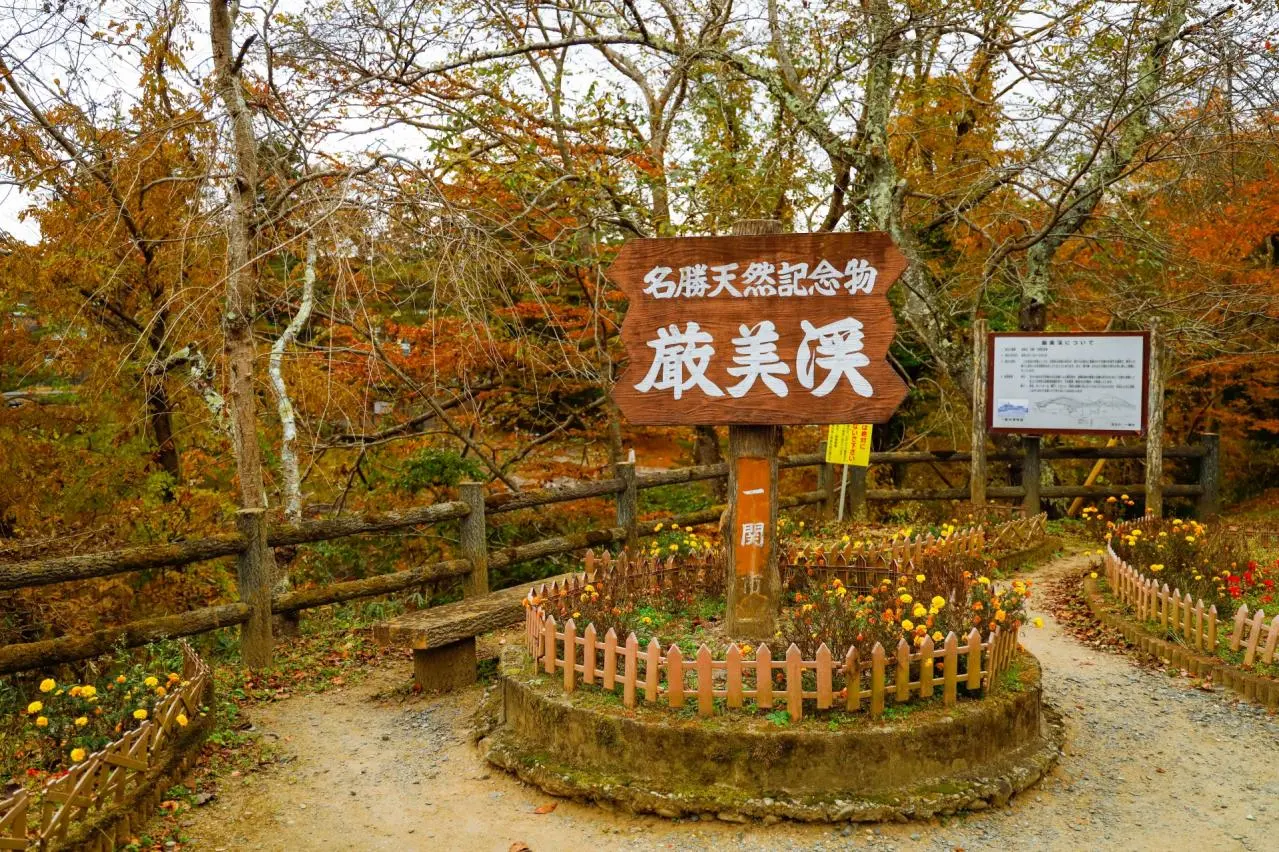
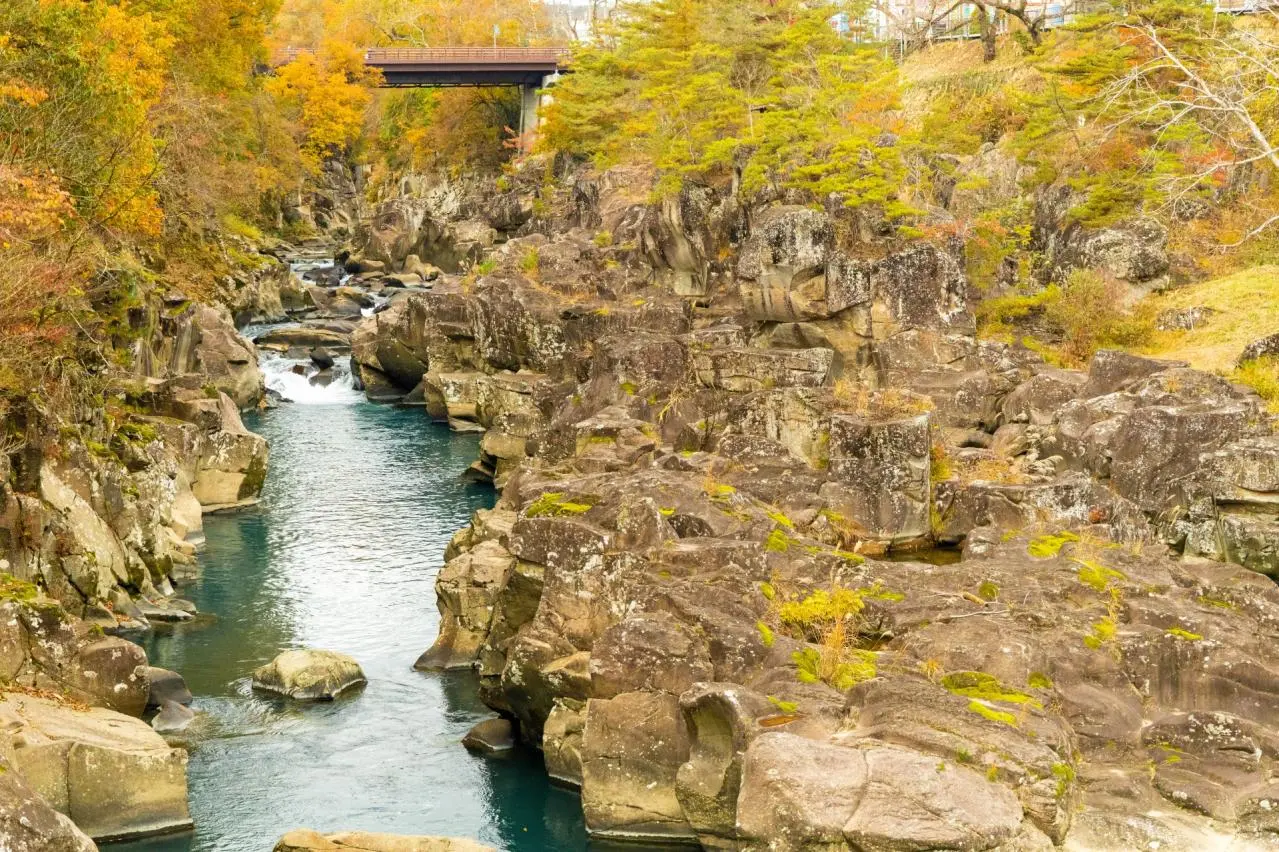
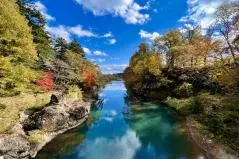
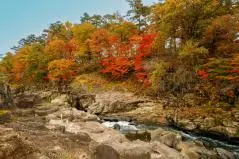
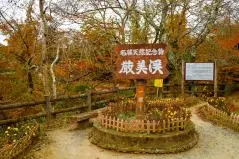
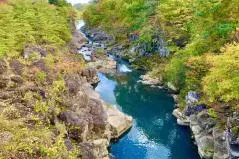
Genbikei Gorge is a beautiful valley stretching about 2 kilometers, formed by the erosion of the Iwai River, which originates in Mount Kurikoma and flows through Ichinoseki City. Owing to its outstanding scenery, it has been designated as both a National Place of Scenic Beauty and a Natural Monument. The gorge is lined with a rich variety of natural formations sculpted by the flow of time, including strange and rugged rocks, potholes, deep pools, and waterfalls, captivating all who visit.
The Appeal of the Gorge’s Beauty
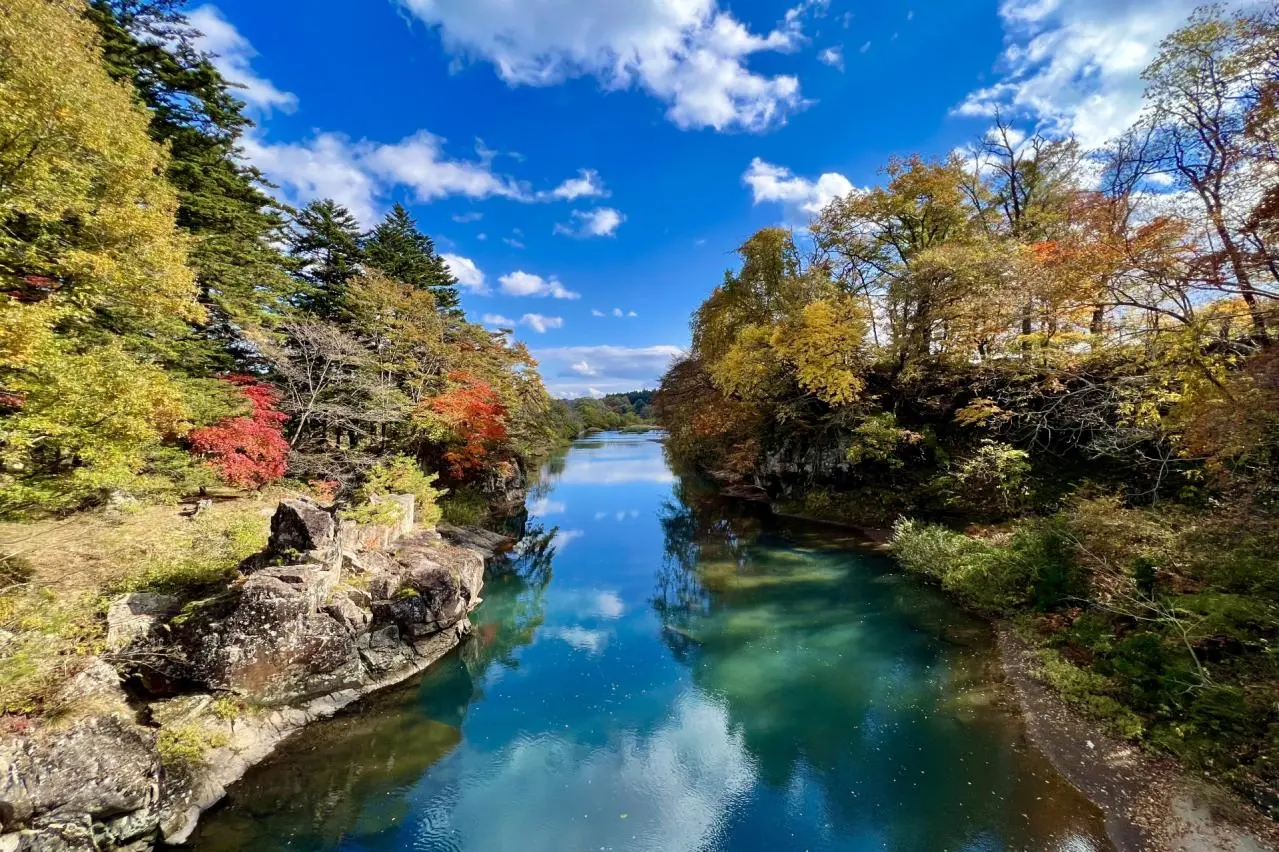
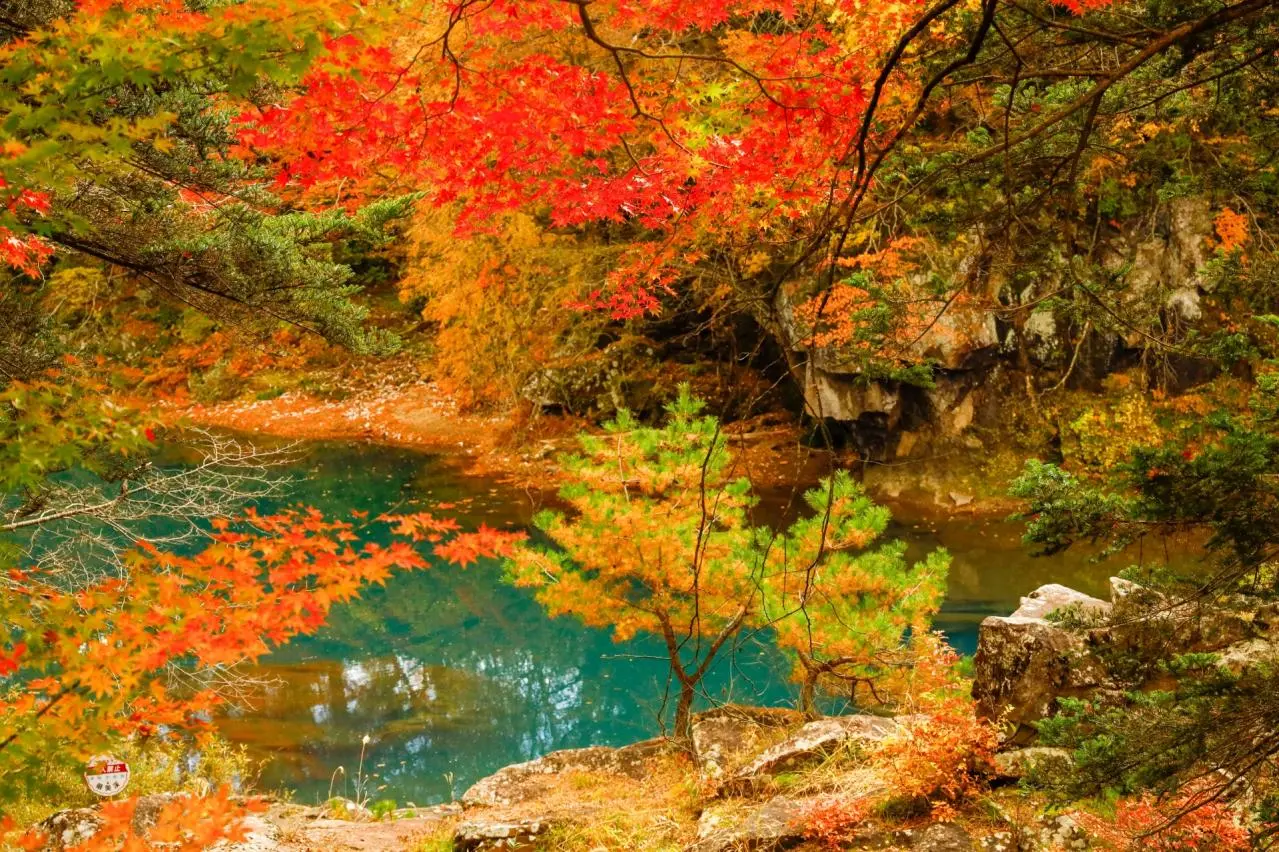
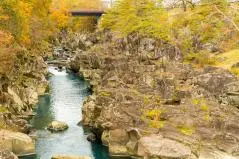
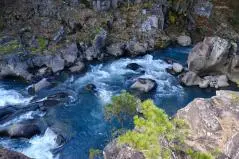
One of Genbikei Gorge’s distinctive features is that it presents entirely different faces upstream and downstream. Upstream, rough currents crash against giant and unusual rocks, sending up powerful spray that conveys the raw force of nature. Downstream, the gorge opens into deep pools, where emerald-green water flows gently, creating a calm and mysterious landscape.
Visitors can also see “potholes,” formed as pebbles are spun and worn down by the current against the bedrock. These potholes are geologically valuable formations created over tens of thousands of years, and their appearance on the surface through erosion from what was once underwater is truly a sculpture of nature.
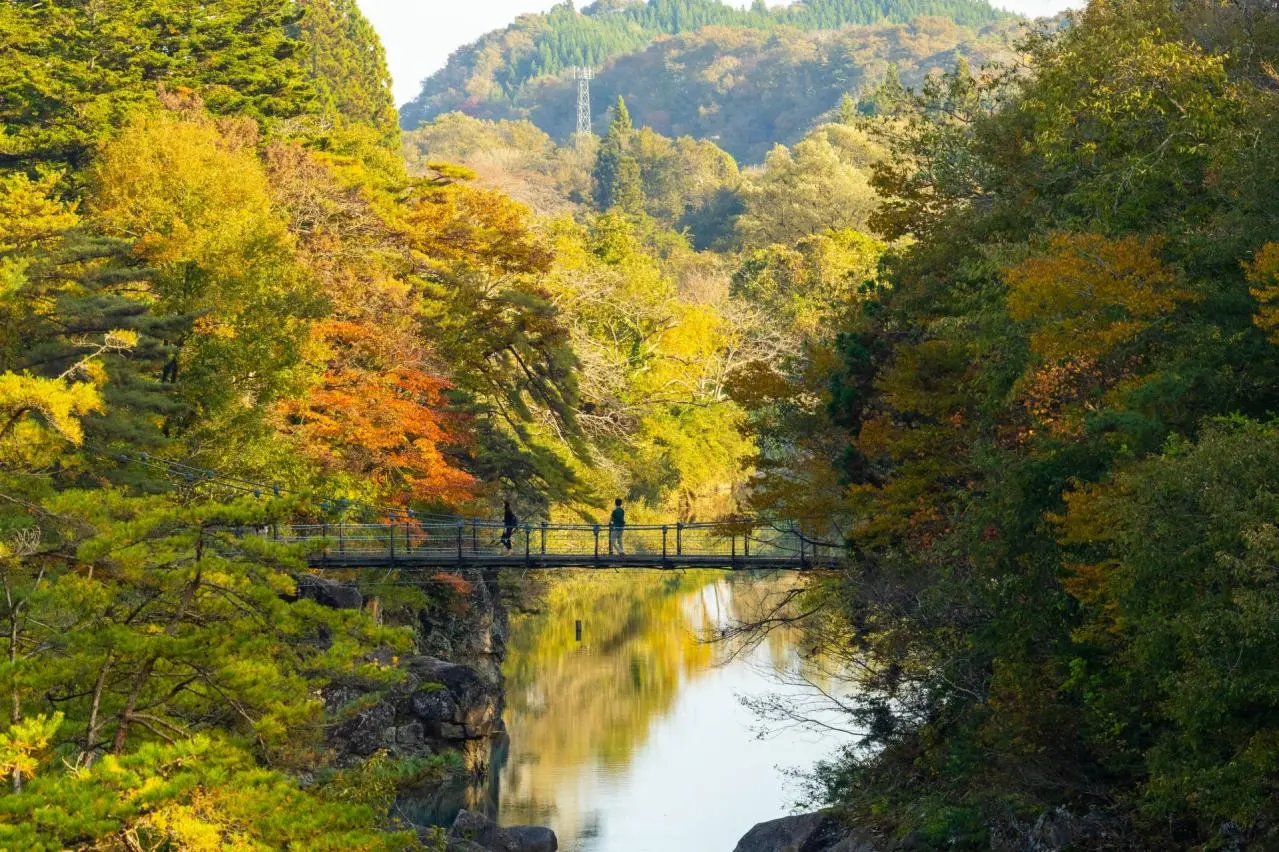
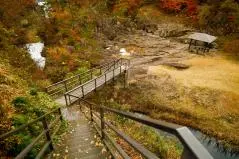
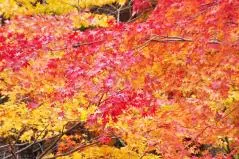
Walking paths are maintained along the gorge, allowing visitors to tour the tranquil downstream area in about 30 minutes, or enjoy a more leisurely walk of around 70 minutes including the upstream section. From the promenade, you can closely admire the gorge’s beauty through the seasons: cherry blossoms in spring, refreshing stream sounds in summer, autumn foliage, and snowy scenes in winter—each offering a different charm throughout the year.
History and Culture
The beauty of Genbikei Gorge has long been admired. It is said that Date Masamune, lord of the Sendai domain, loved this landscape and praised Matsushima and Genbikei as “the two great scenic spots of my domain.”
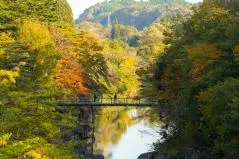
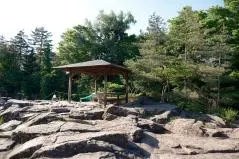
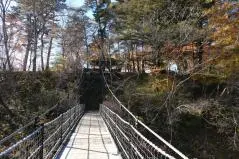
Gorambabashi Bridge spanning the gorge is currently the only suspension bridge here. In spring, the “Teizan Zakura” cherry tree, said to have been planted by Masamune himself, blooms magnificently and adds color to the gorge. Upstream from the bridge, visitors can enjoy dramatic scenery formed by strange rocks, while downstream they can take in the tranquil view of the deep pools—two contrasting beauties in one visit. The view of the gorge from the swaying suspension bridge is especially memorable.
The Famous “Flying Dango”
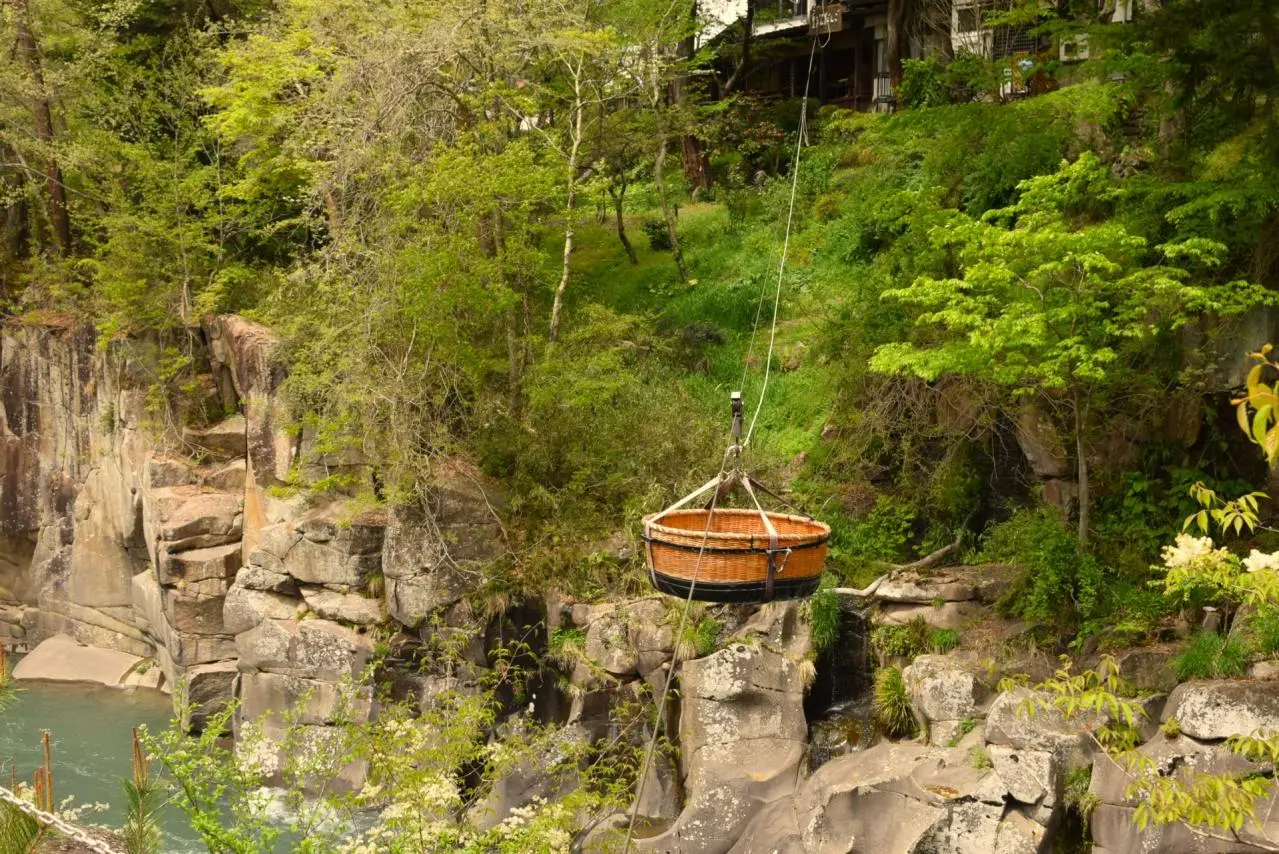
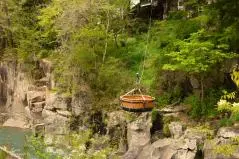
Genbikei is also famous for its specialty, “Kakkō Dango,” popularly known as the “flying dango.” To place an order, customers put their request and payment into a basket suspended by a rope and signal the shop across the river with a wooden mallet. The basket is then pulled up, and in return, dango and tea are sent back. This unique system is popular for being enjoyable to watch and delicious to taste, and many tourists look forward to trying it.
A Must-See Tourist Attraction
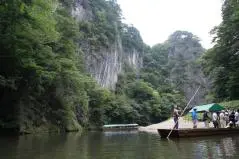
Genbikei Gorge is one of Ichinoseki City’s most famous attractions, drawing over one million visitors a year. With a roadside station and rest areas nearby, it is easy to visit. It is also recommended to combine a visit with Geibikei Gorge, another scenic gorge in the same city known for its boat rides.
A mystical world created by seasonal colors and the dynamic formations of nature. At Genbikei Gorge, a scenic spot beloved by Date Masamune, please enjoy both the timeless beauty of nature and the taste of its famous dango.
#Superb view/Scenic spot #Waterfalls, valleys, limestone caves
Iwate Tourist Attractions
View ListMotsu-ji Temple
Moeji Temple is a unique temple that is designated as both a World Heritage Site and as a special historic site and special scenic spot by the Japanese government, a...
Chuson-ji Temple
Chuson-ji Temple was founded in 850 by the high priest Jikaku Daishi Ennin and had large-scale structures built by Kiyohira, the first ruler of the Oshu Fujiwara cla...
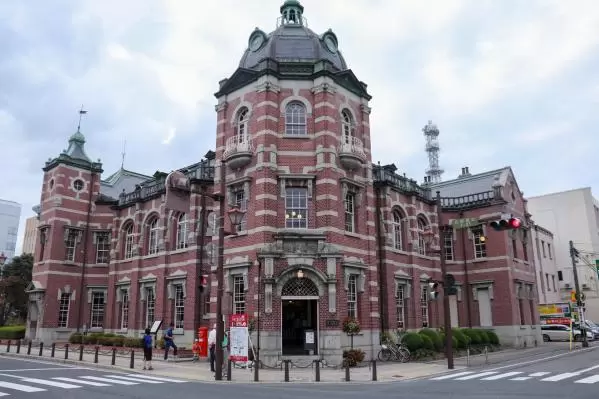
Iwate Bank Red Brick Building
The Iwate Bank Red Brick Building was established in 1911 as the main branch of Morioka Bank. This beautiful red brick structure was designed by the architectural fi...
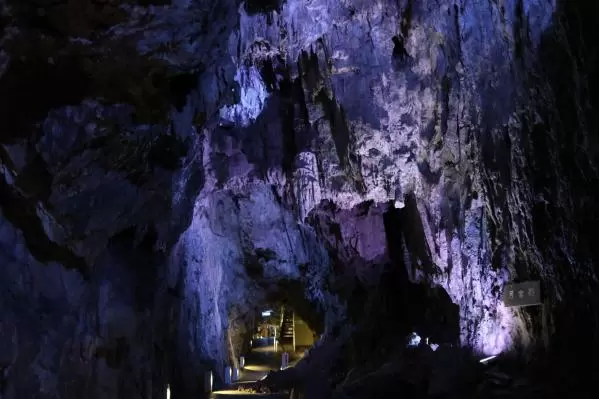
Ryusendo Cave
Ryusendo Cave is one of Japan's three great limestone caves, designated as a national natural monument in 1938 under the name "Iwaizumi Cave and Bats." The cave is e...
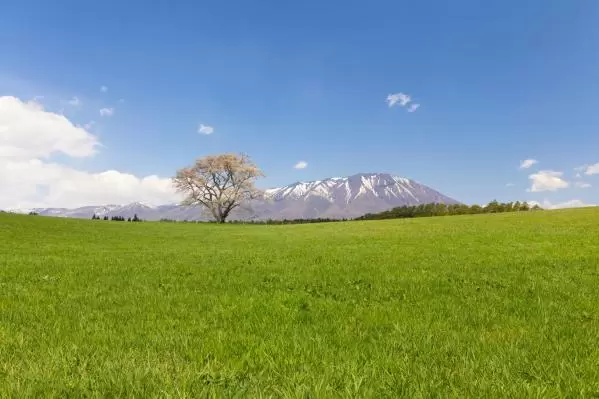
Koiwai Farm Makibaen
Koiwai Farm Makiba Park is one of Japan’s largest private comprehensive farms, boasting a history of over 130 years since its establishment in 1891. Covering an area...
Geibikei Gorge
Geibikei is a beautiful gorge selected as one of Japan's top 100 scenery spots, featuring approximately 2 kilometers of cliffs that rise around 100 meters on both si...
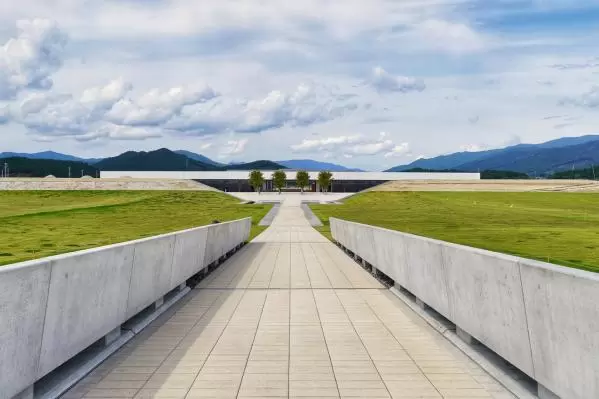
Iwate Tsunami Memorial Museum (Higashi-Nihon Daishinsai Tsunami Densho-kan)
The Iwate Tsunami Memorial, located within the Takada Matsubara Tsunami Restoration Memorial Park in Iwate Prefecture, opened on September 22, 2019. This facility ai...
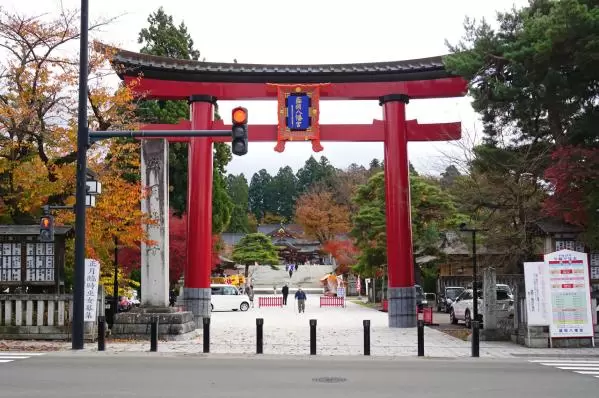
Morioka Hachimangu Shrine
Morioka Hachimangu Shrine is located in Morioka City, Iwate Prefecture, and was founded in 1680 (the 8th year of the Enpo era) by the 29th lord of the Nanbu clan, Sh...