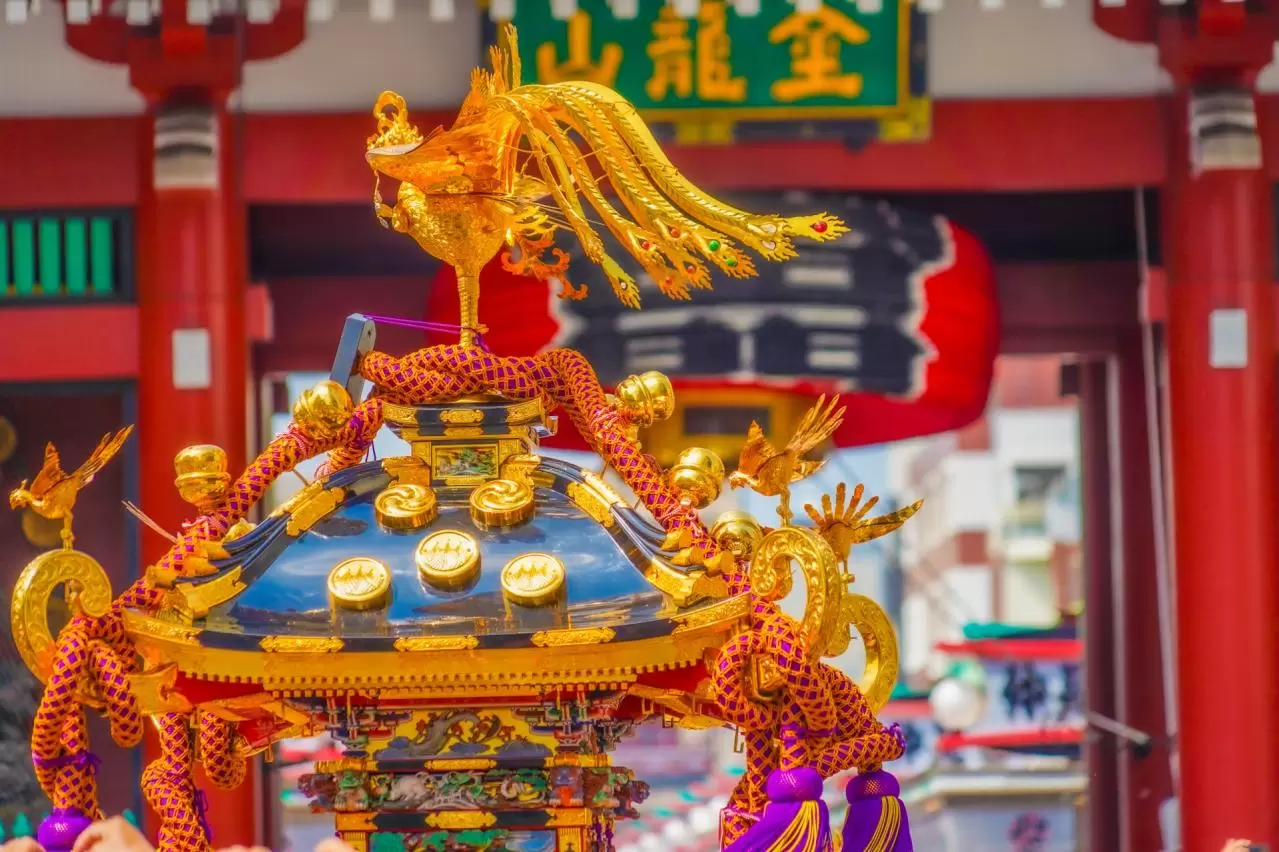
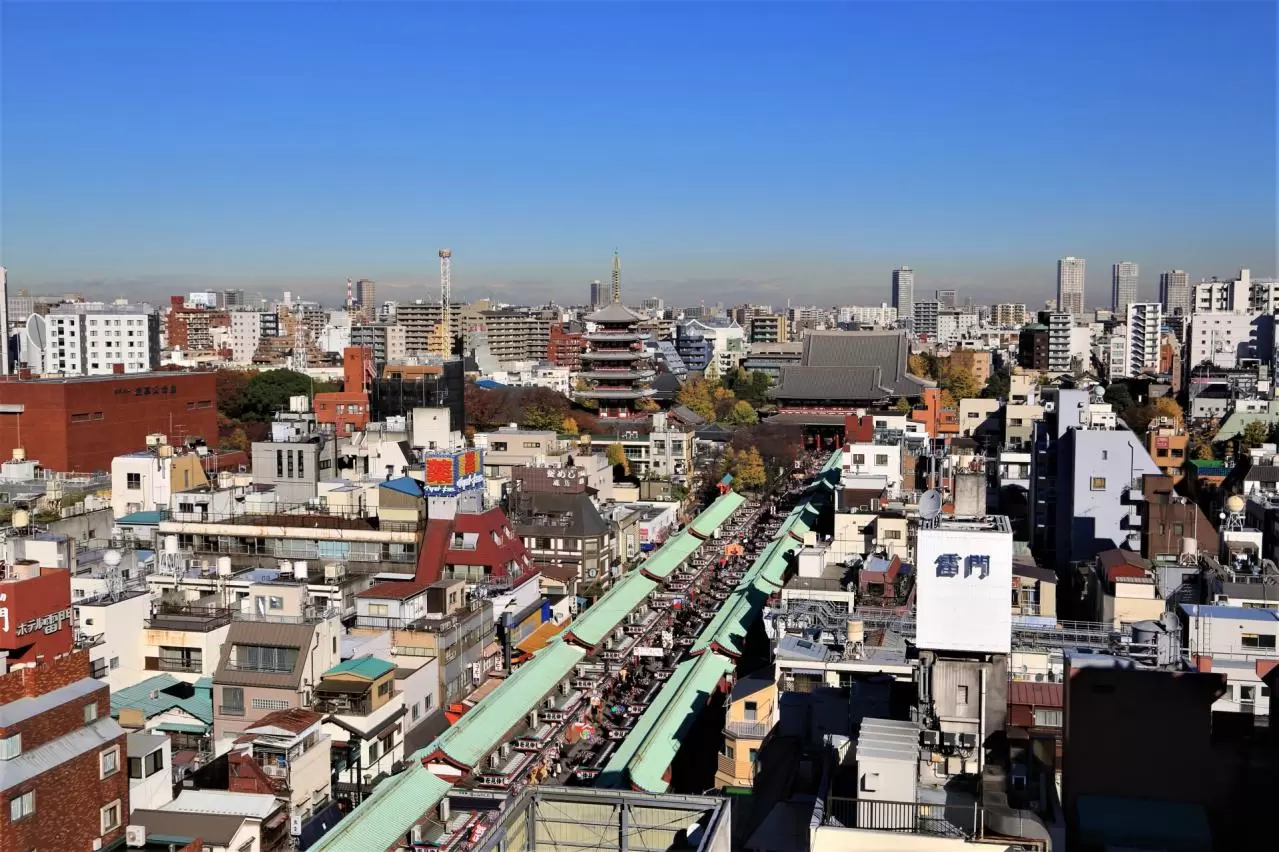
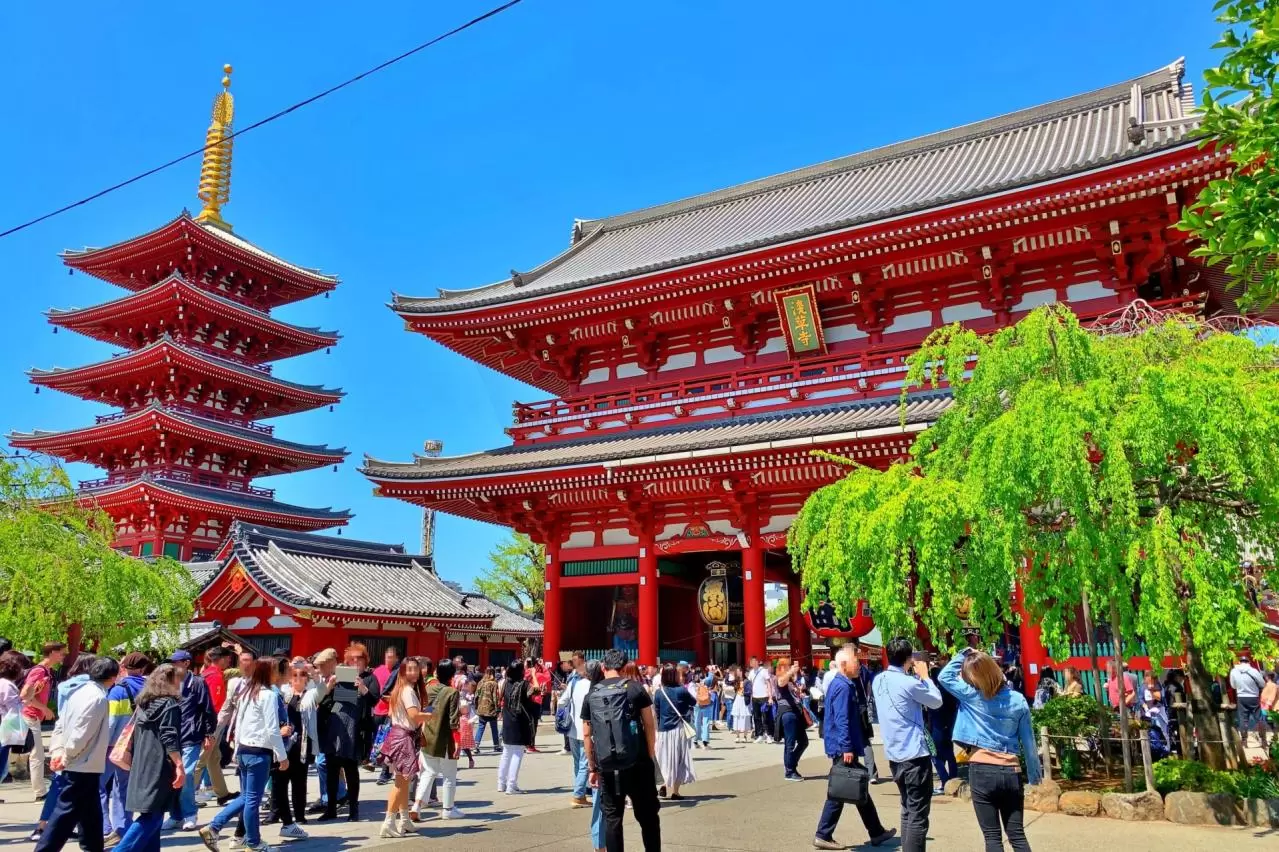
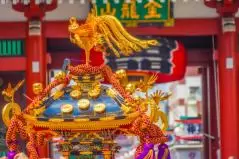
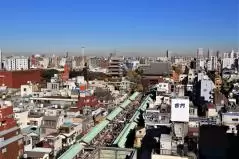
Senso-ji Temple
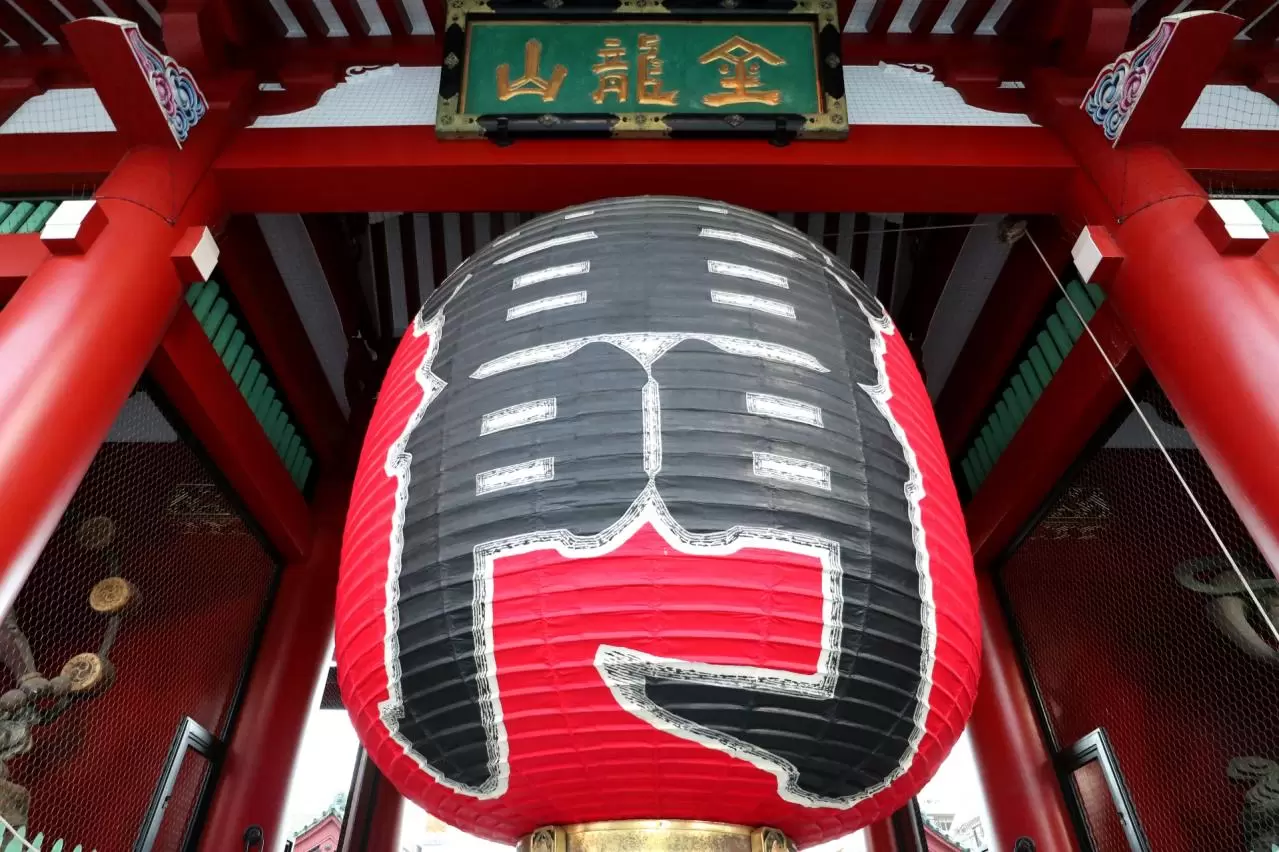
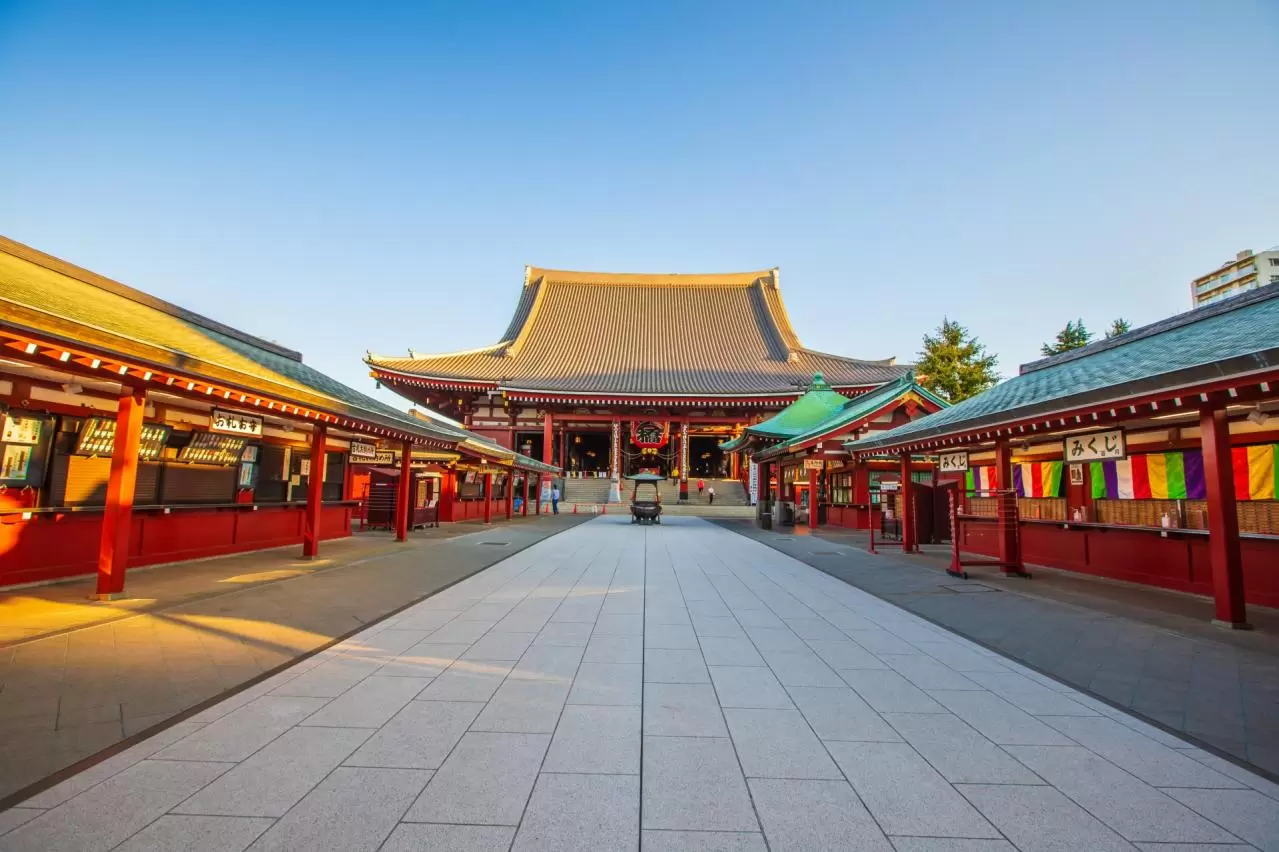
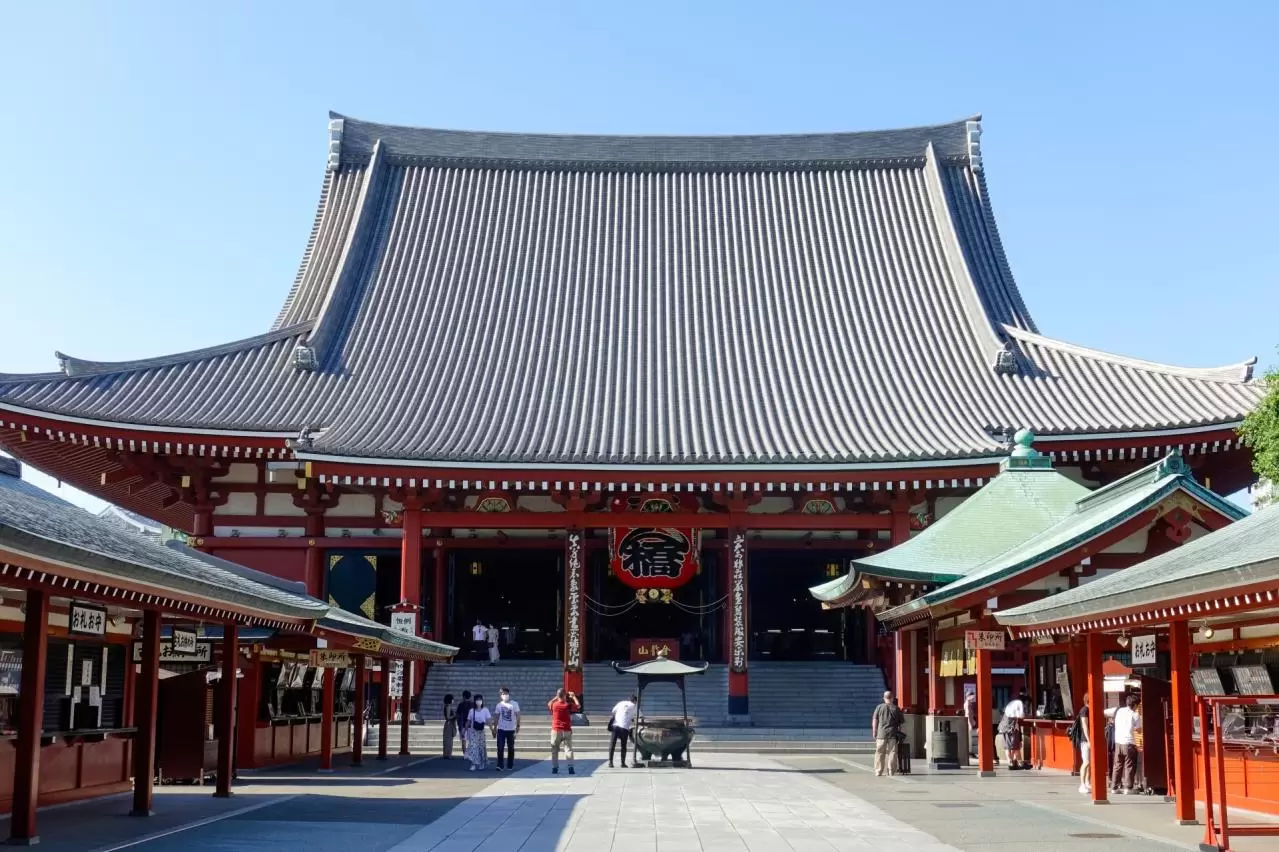
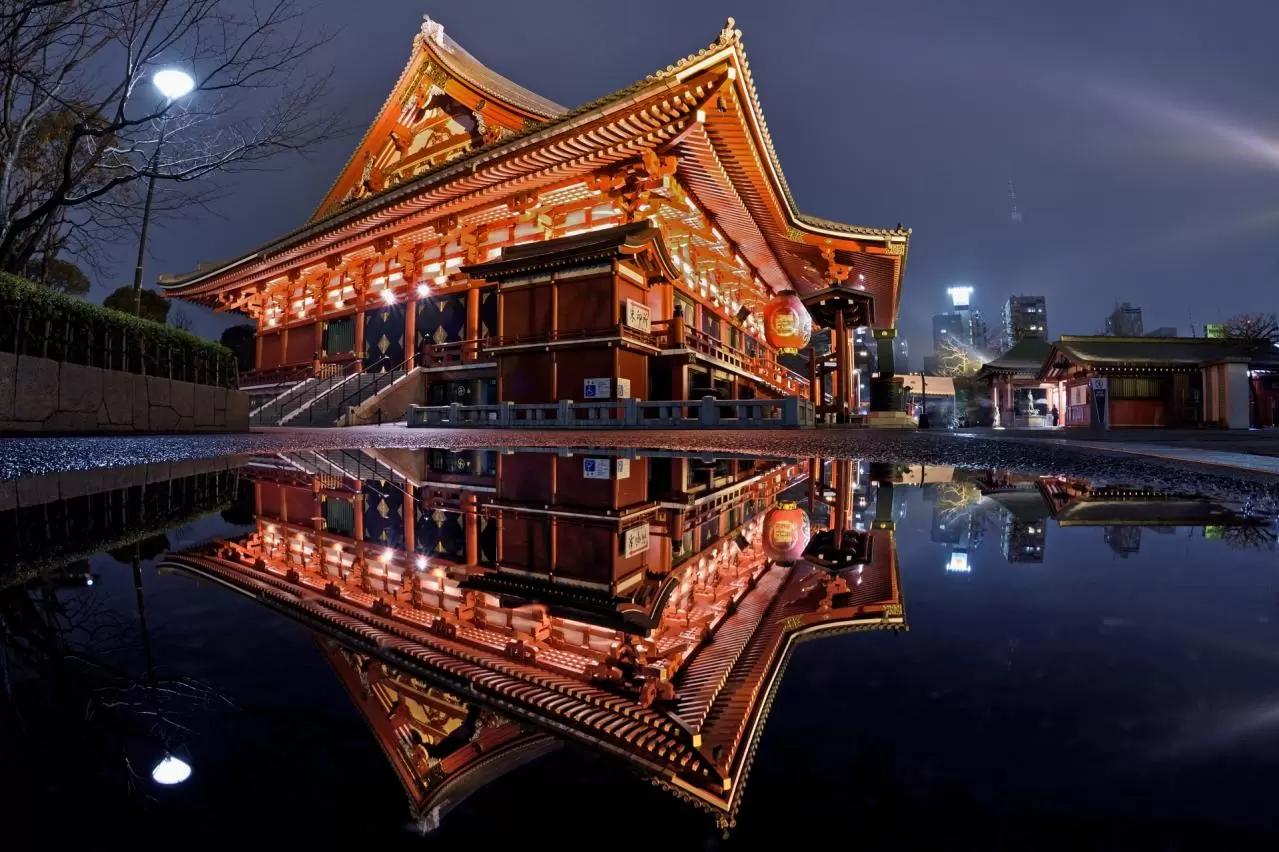
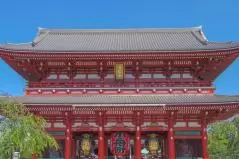
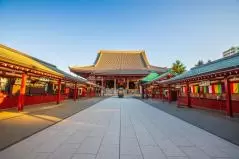
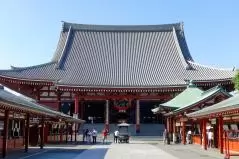
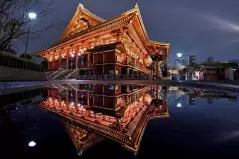
Within the grounds, there is a place called Jōkōro where the fragrant smoke from incense continuously rises. It is believed that bathing in this smoke helps prevent illness and promotes good health. The main hall enshrines Kannon, the Bodhisattva of Compassion, who is believed to fulfill the wishes of many people with her benevolence.
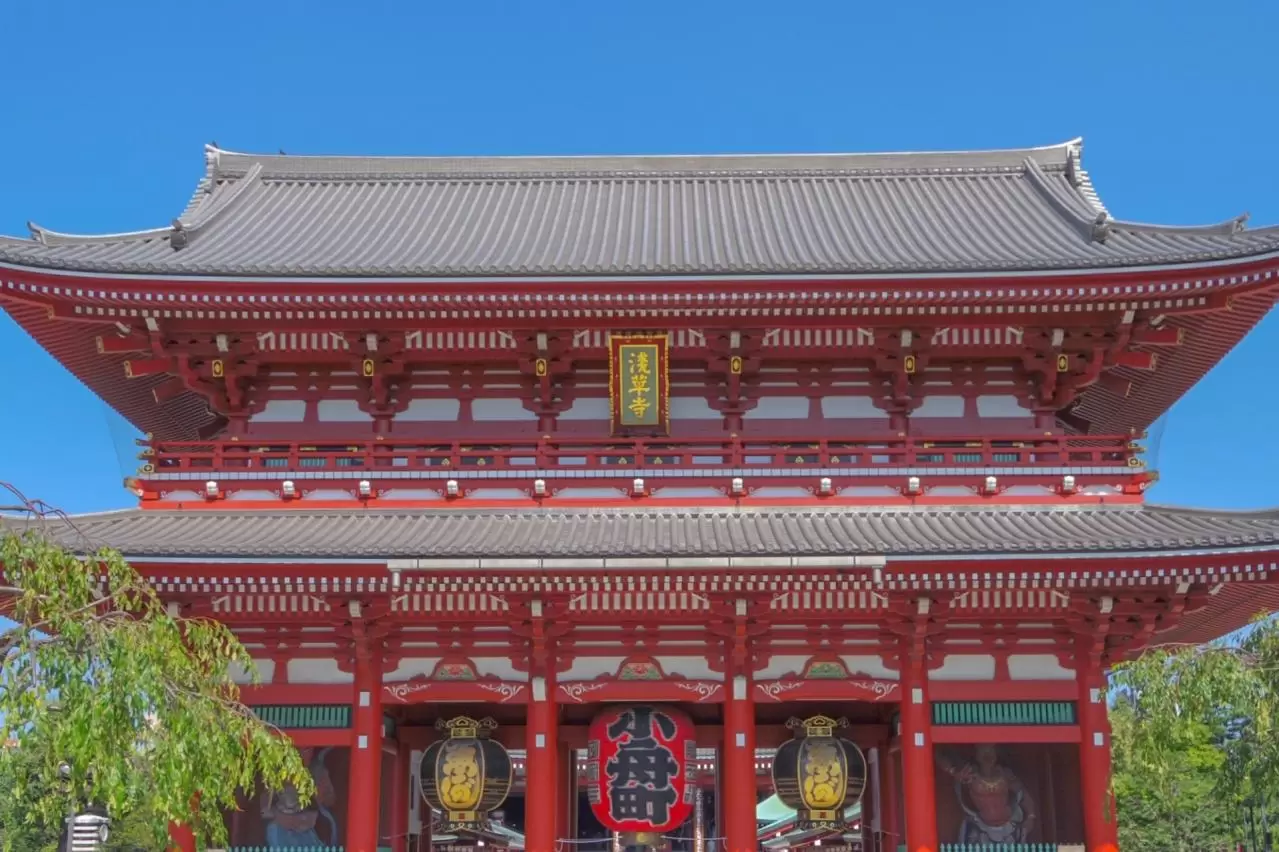
The origin of Senso-ji dates back to a legend that tells of a Kannon statue caught in the net of a fisherman in the Sumida River. Subsequently, a temple was built to enshrine the Kannon statue. It is also said that Tokugawa Ieyasu, the famous warlord of the Sengoku period, prayed here before the Battle of Sekigahara.
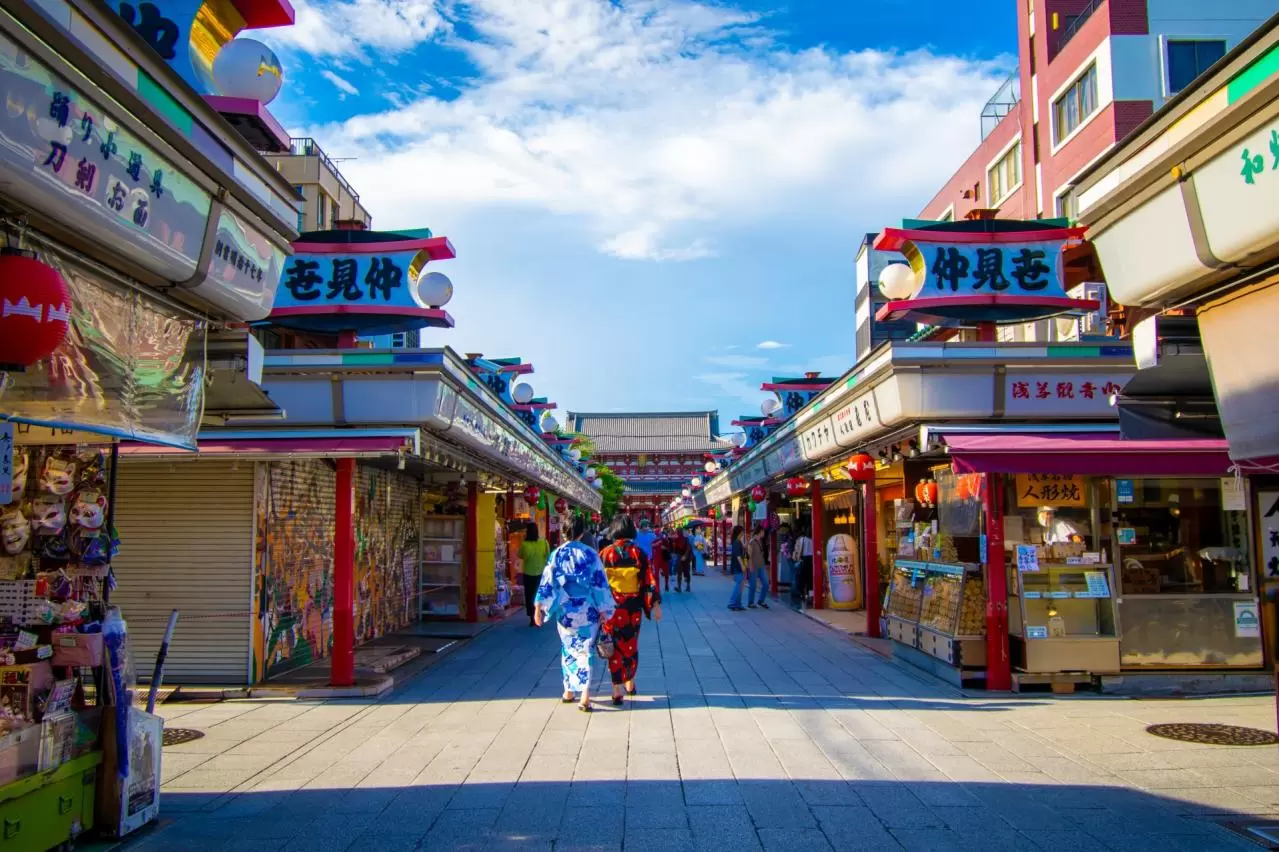
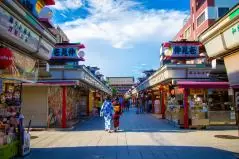
Throughout the seasons, various events such as the Hōzuki Market and the Hagoita Market are held. Senso-ji continues to be loved by both domestic and international tourists as a spot where one can enjoy history, culture, gourmet food, and shopping all at once.
Basic Information
- Spot Name
- Senso-ji Temple
- Location
- 〒111-0032 2-3-1 Asakusa, Taito City, Tokyo
- Access
- Tobu Skytree Line: 5-minute walk from Asakusa Station
Tokyo Metro Ginza Line: 5-minute walk from Asakusa Station
Tsukuba Express: 5-minute walk from Asakusa Station
Toei Subway Asakusa Line: 5-minute walk from Asakusa Station A4 Exit
Toei Bus
Keisei Town Bus
Taito Ward Circular Bus Megurin - Parking
- There is no parking available at Senso-ji Temple. Please use nearby parking facilities, such as the Taito Ward Kaminarimon Underground Parking.
- Business Hours
- The hours of the main hall are from 6:00 AM to 5:00 PM. (From October to March, the opening hours are 6:30 AM.) For the opening hours of other halls, please make inquiries.
- Fees
- Free admission
- Contact Information
- Phone Number: 03-3842-0181
- Official Website
Map
Senso-ji Temple Movies


![[浅草観光]浅草寺をお参りしてから日本最古の地下街を歩いてみた](https://i.ytimg.com/vi/d4Q1tjPnNbo/mqdefault.jpg)


Tokyo Tourist Attractions
View List
Kabuki-za Theatre
Kabukiza is renowned as a prestigious theater for Japan's traditional performing art, Kabuki. Established in 1889, it witnessed the "Dan-Kiku Era" when famous actors...

Ueno Ameyoko Shopping Street
Ueno Ameyoko Shopping Street is one of Japan's premier shopping streets, stretching about 500 meters between Ueno Station and Okachimachi Station, featuring around 4...

Yasukunijinja Shrine
Yasukuni Shrine was established in 1869 by the order of Emperor Meiji and enshrines over 2.466 million spirits of those who died in wars from the late Edo period to ...

Edo-Tokyo Museum
The Edo-Tokyo Museum in Tokyo is a cultural facility that opened in 1993, dedicated to teaching about the history and culture of Tokyo over approximately 400 years, ...

Nedzu Museum
The Nezu Museum was established in 1941 (Showa 16) to preserve and display ancient Japanese and East Asian art collected by businessman Kaichiro Nezu (1860-1940). Th...

Tokyo Solamachi
Tokyo Solamachi is a large commercial facility located at the base of Tokyo Skytree®, boasting over 300 shops. It features a variety of fashion items, miscellaneous ...

Shibuya Scramble Crossing
Shibuya Scramble Crossing is one of the iconic landmarks of Tokyo, where more than 1,000 people are said to cross at once during peak hours. This intersection, leadi...

Ueno Onshi Park
Ueno Onshi Park is a historic park located in the heart of Tokyo, with over 140 years of history since its opening. It is one of the premier cherry blossom viewing s...