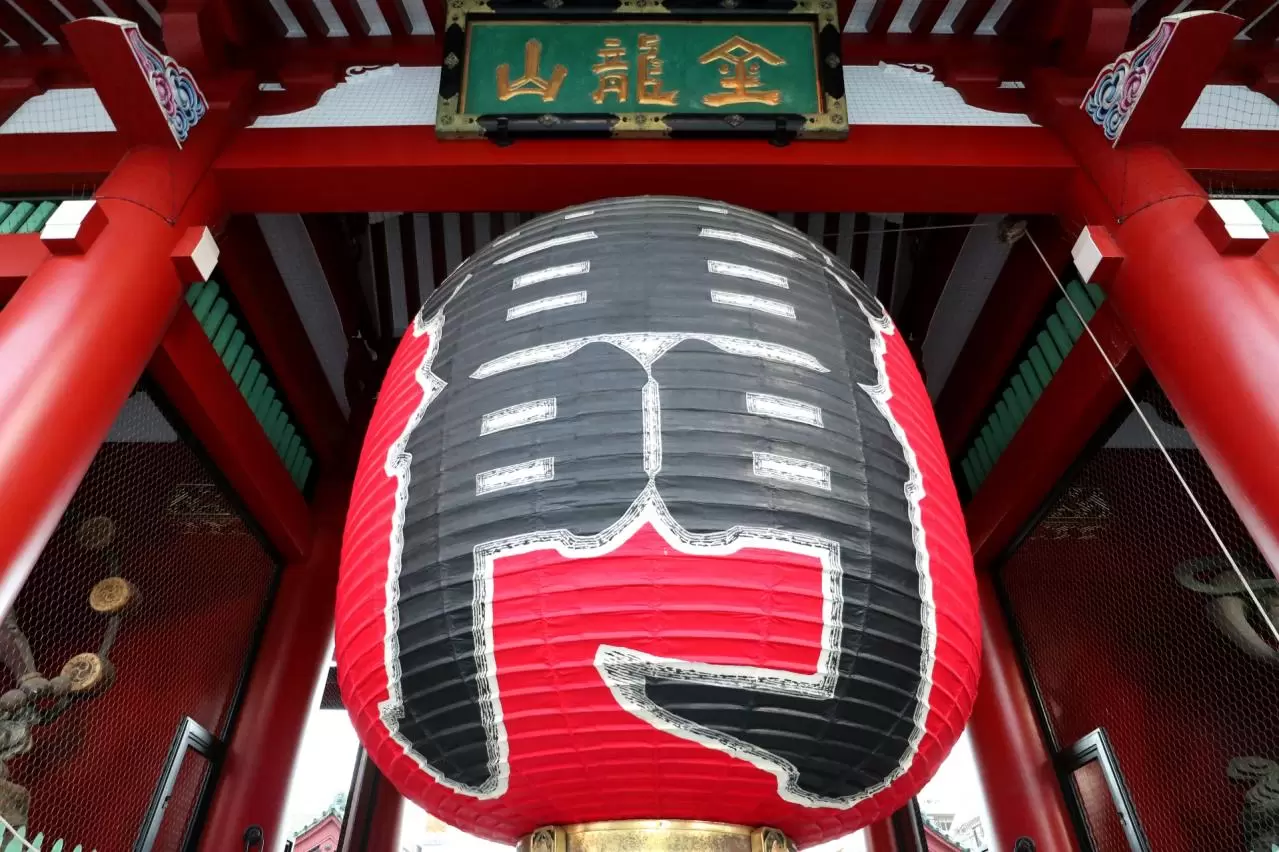
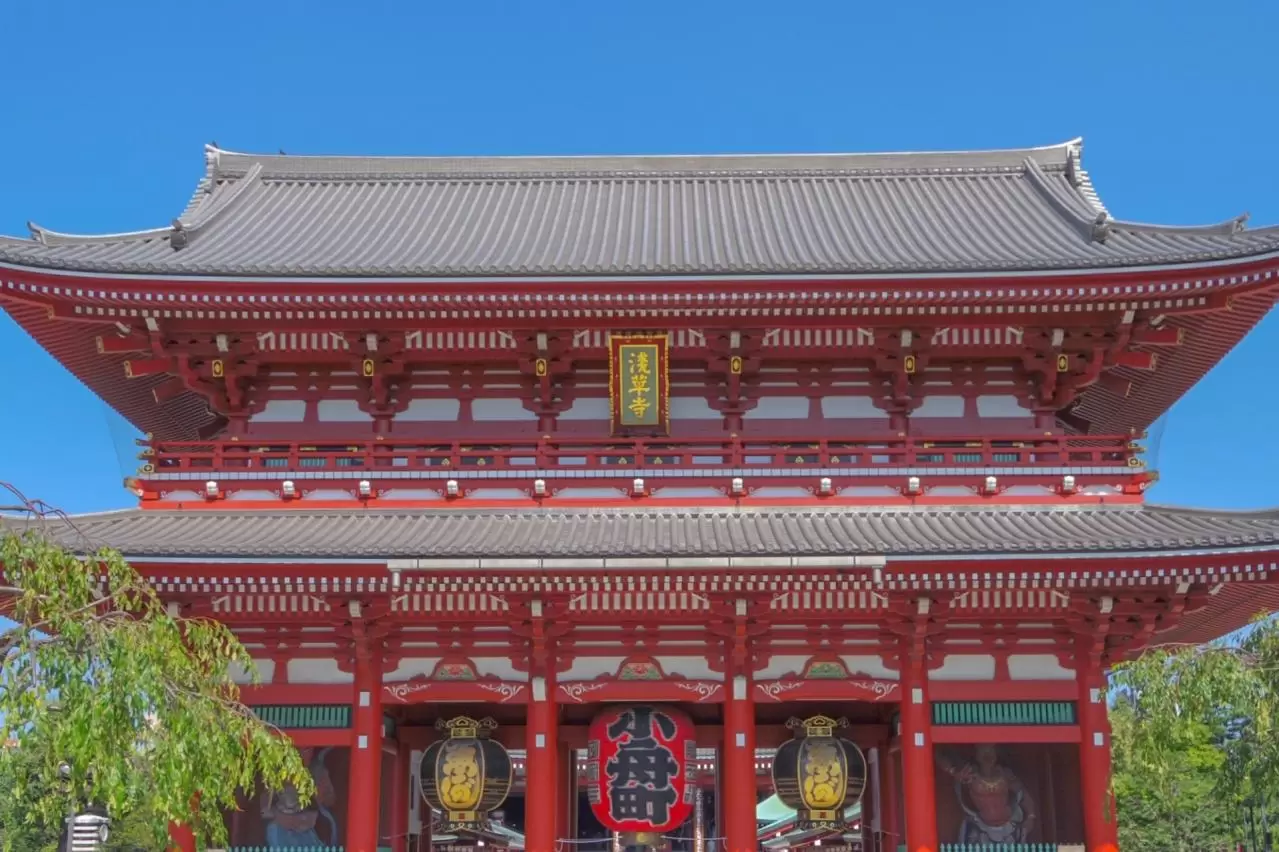
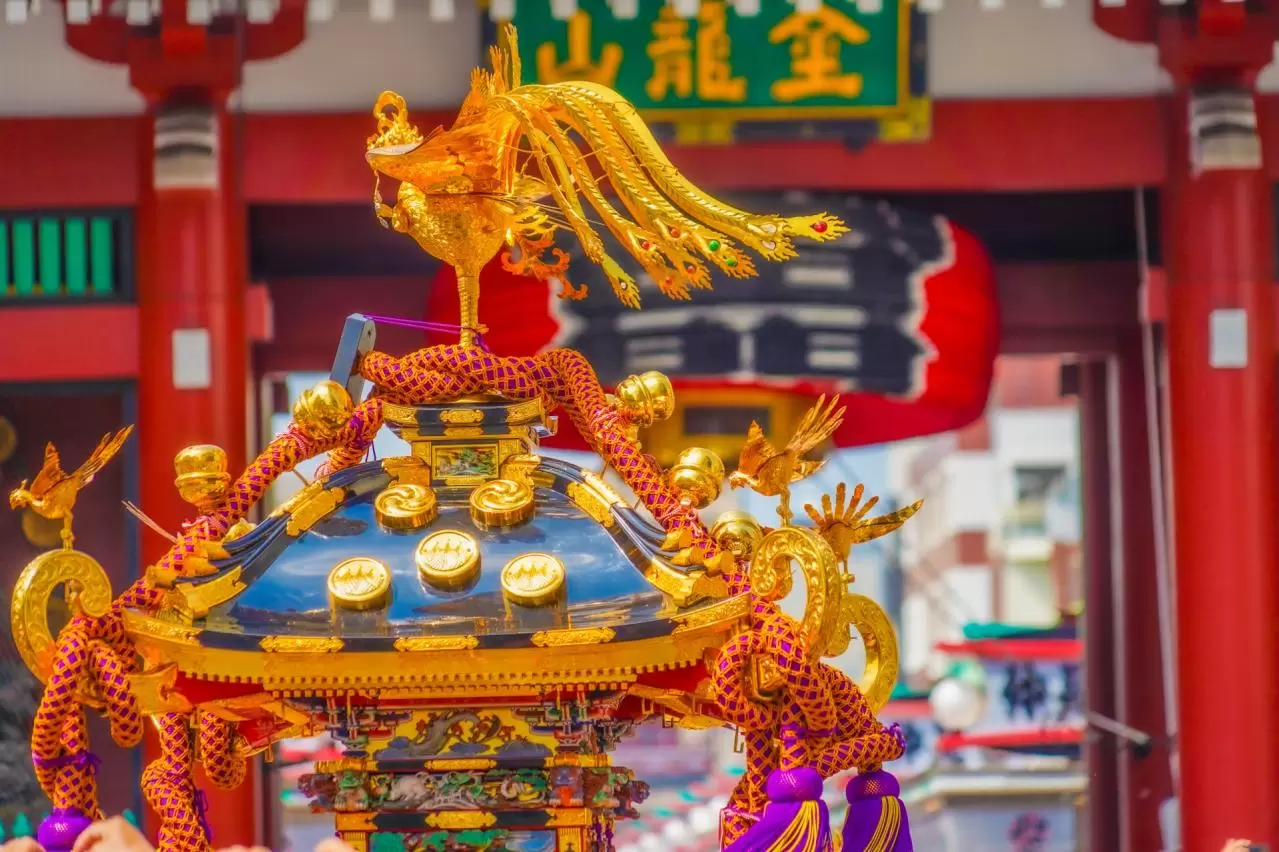
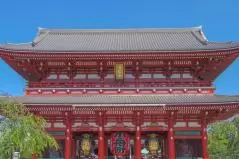
The giant lantern at Kaminarimon Gate
A classic photo spot and one of Senso-ji’s best-known symbols.
AI Summary
This is an AI-generated summary. Please check the official information for opening hours, fees, and closed days.
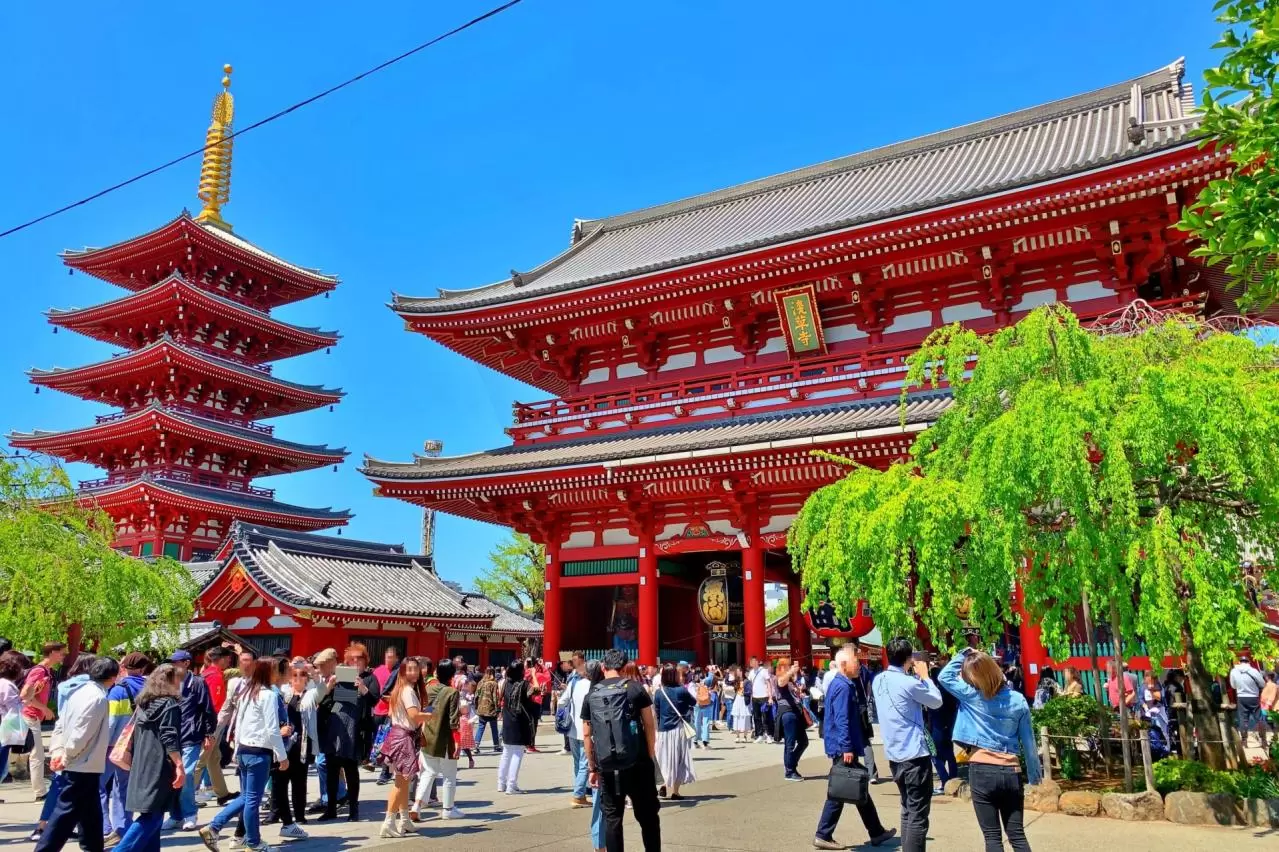
A classic Tokyo attraction where you can experience both historic temple culture and lively street life, with Kaminarimon Gate and Nakamise Street as highlights.
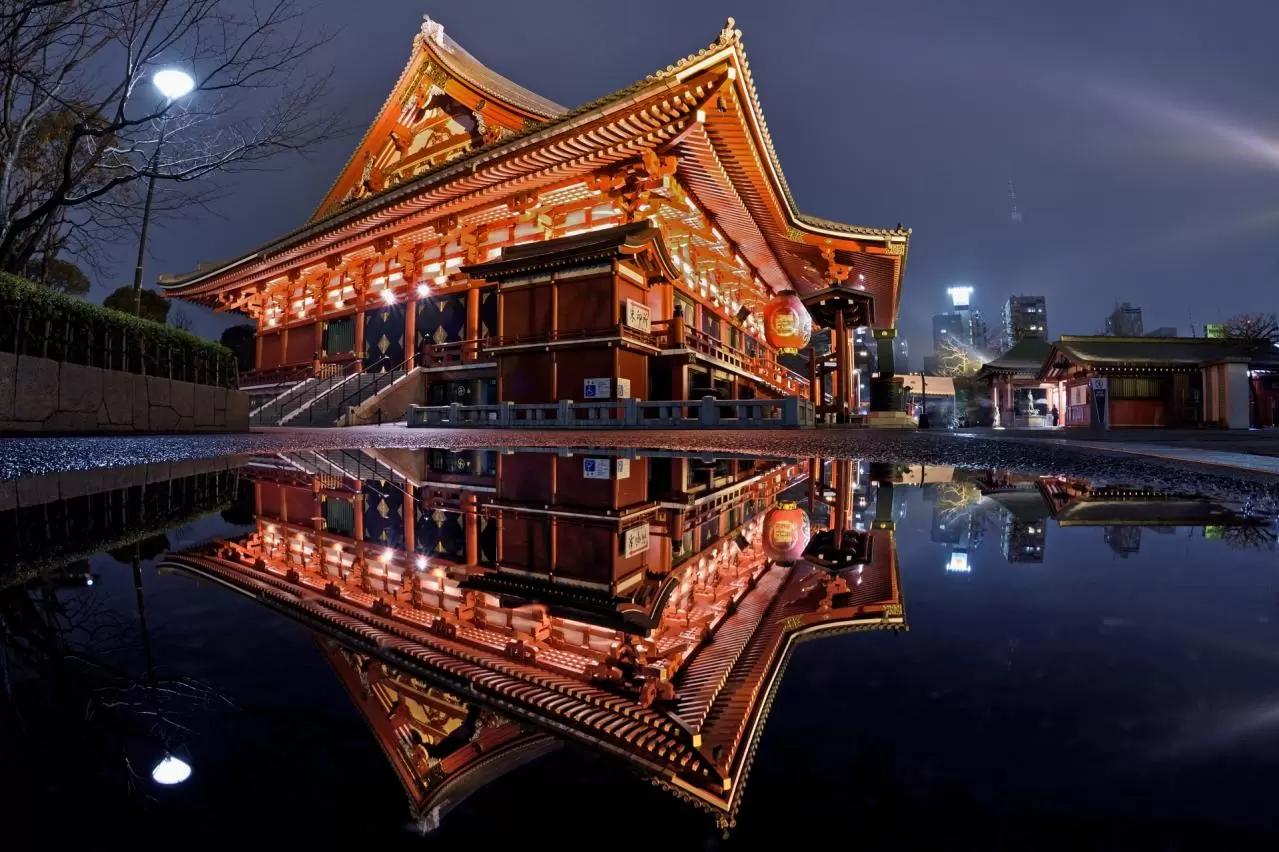
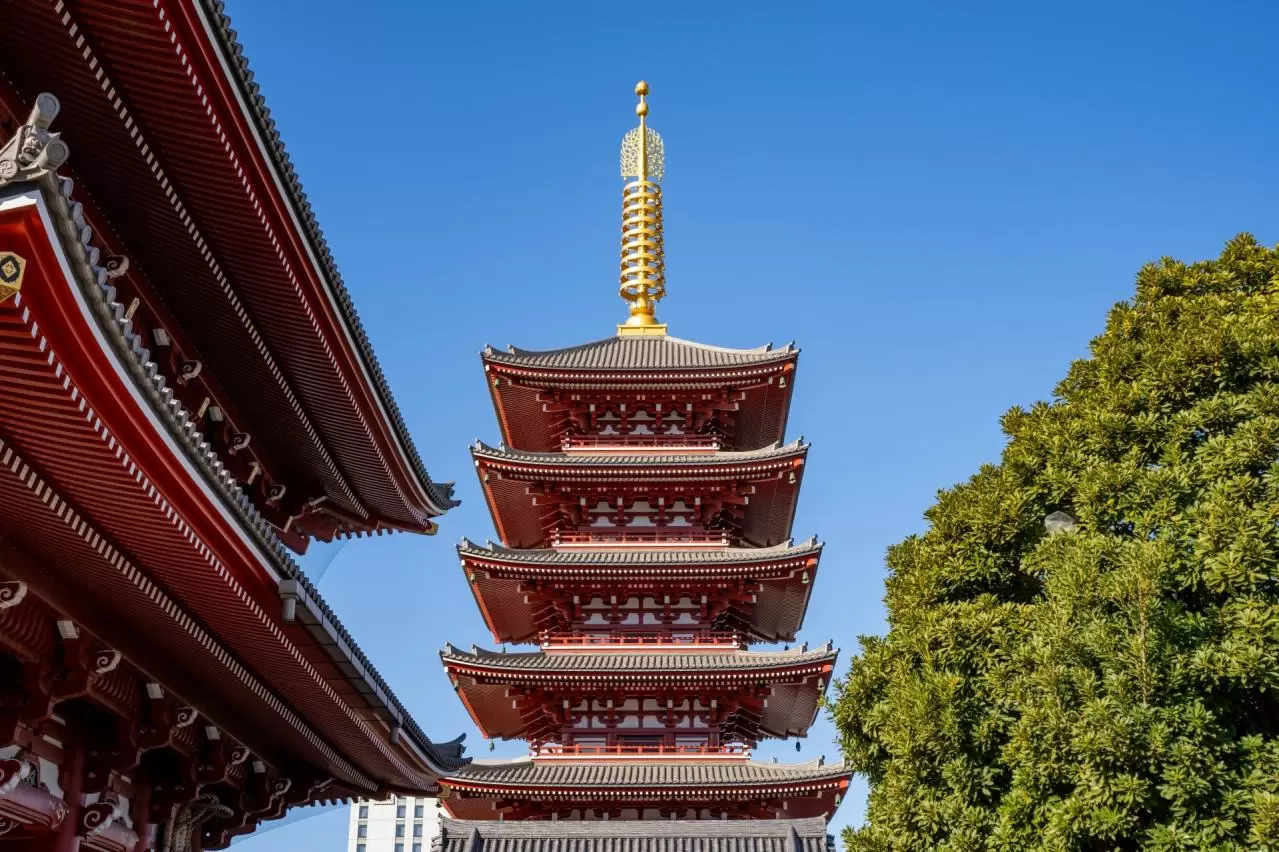
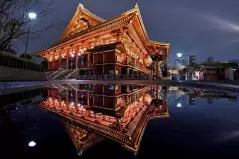
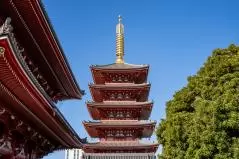
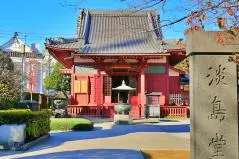
Known as Tokyo’s oldest temple, Senso-ji is a rewarding stop for both worship and a stroll through the surrounding streets. Highlights include the giant lantern at Kaminarimon Gate, souvenirs and traditional sweets along Nakamise Street, and the incense burner near the main hall. It is easy to get a feel for the area in a short visit, but expect crowds and a lively atmosphere.
A classic photo spot and one of Senso-ji’s best-known symbols.
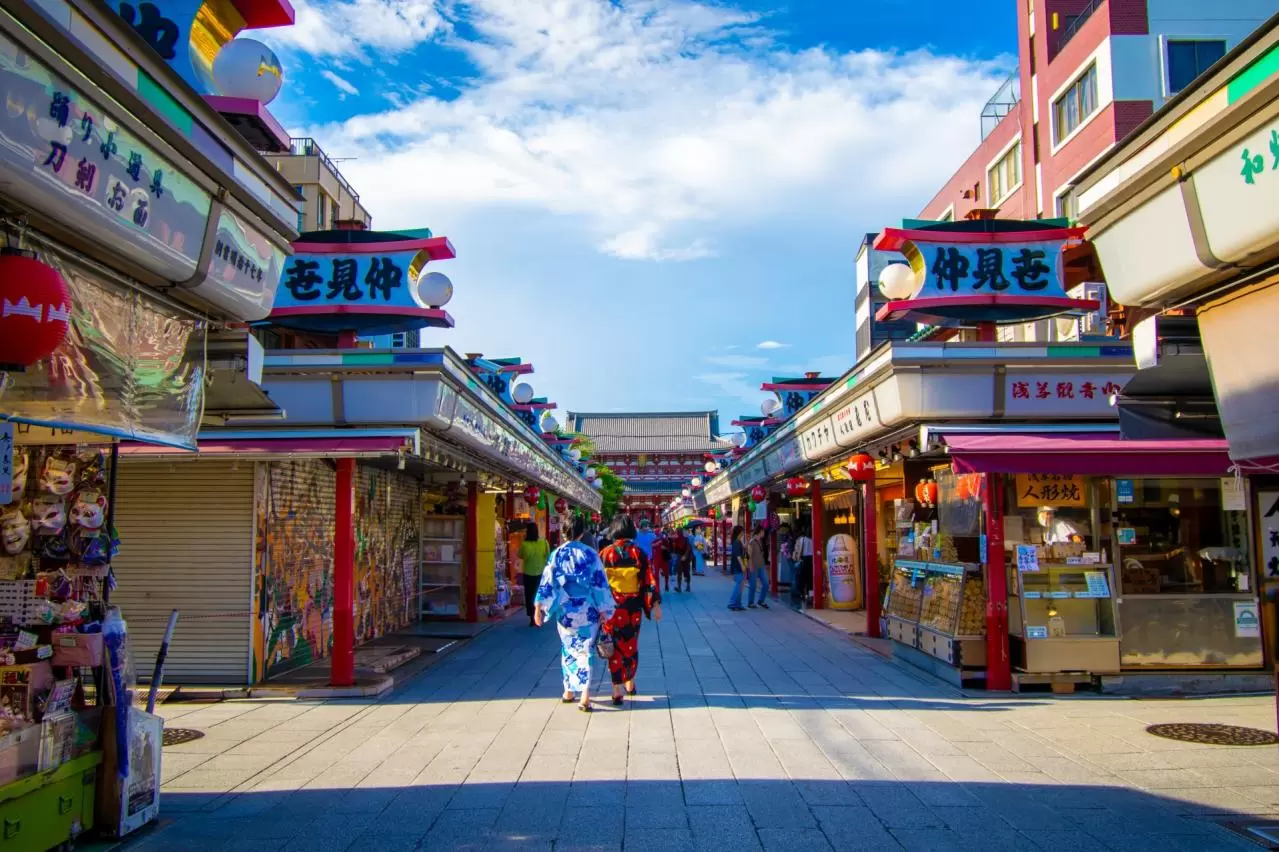
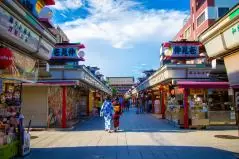
Browse shops selling traditional sweets and souvenirs, and enjoy a casual food stroll.
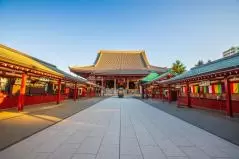
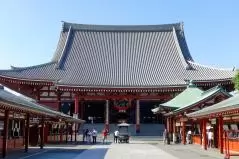
Take in the atmosphere of worship and experience a distinctive part of Asakusa.
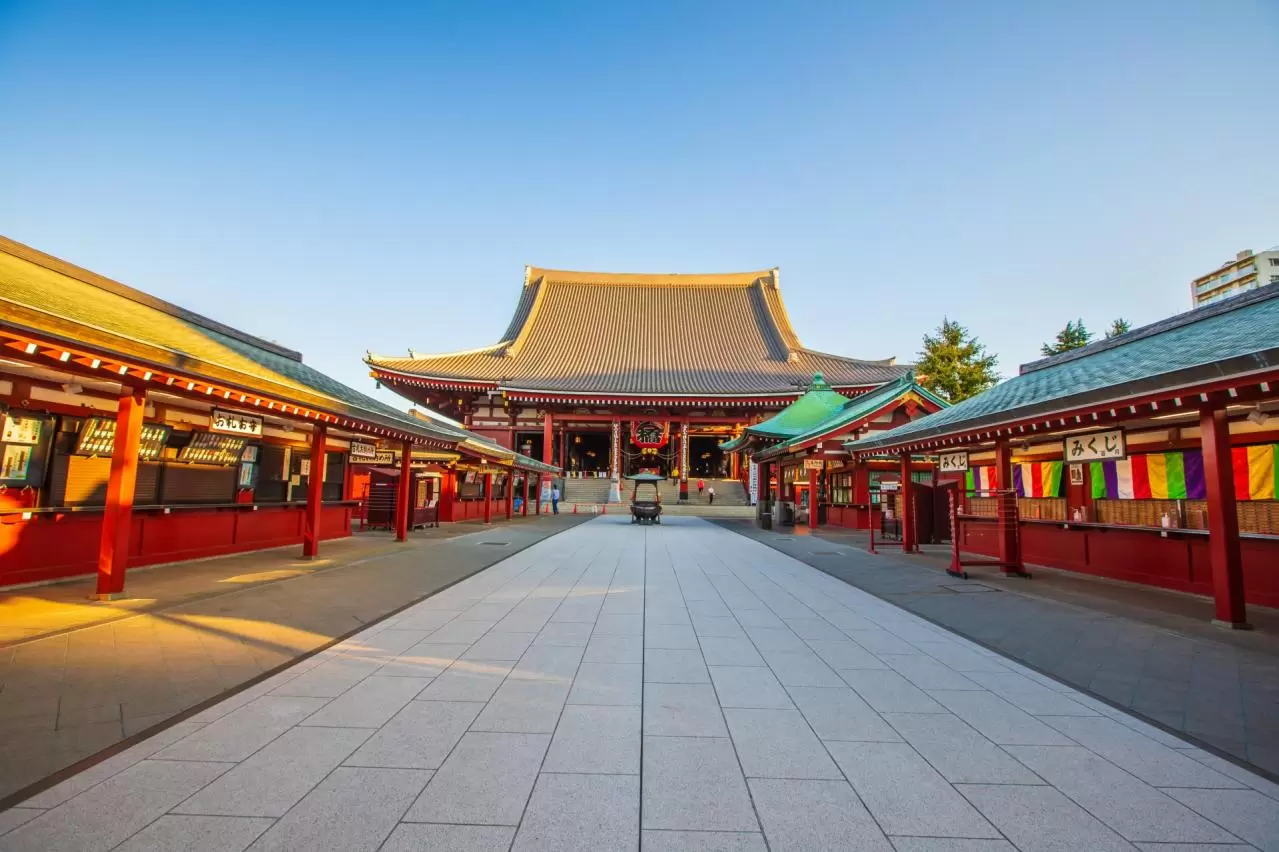
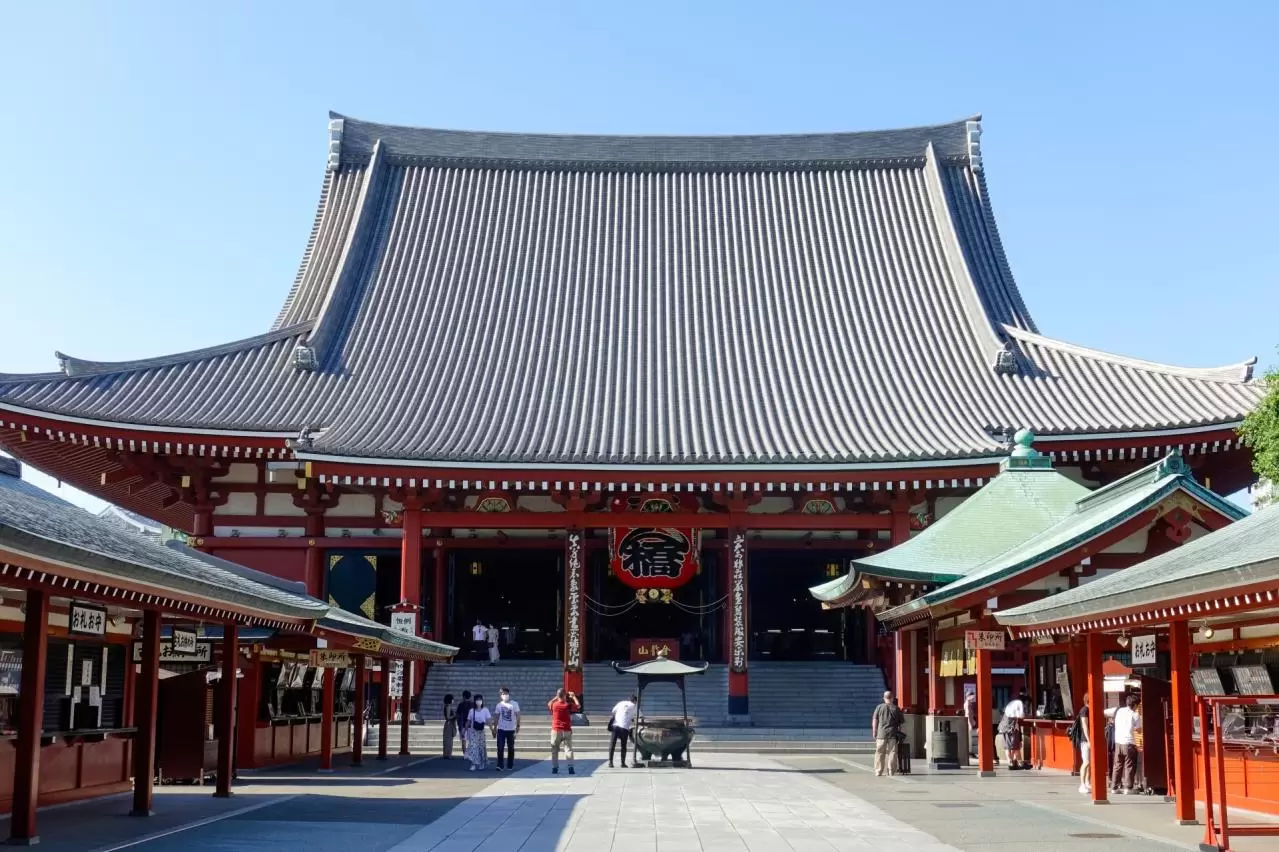
Pass through Kaminarimon Gate and along Nakamise Street to the main hall, then continue with a stroll through the surrounding neighborhood to enjoy the feel of Asakusa.
Overview and Modern Appeal
Senso-ji is the oldest temple in Tokyo, located in Asakusa, Taito Ward, and is said to have been founded in 628, during the Asuka period. Its principal image is the Seated Holy Kannon Bodhisattva, and it is widely beloved as “Kannon-sama of Asakusa.” As one of Japan’s most famous places of worship and sightseeing, it welcomes more than 30 million visitors each year from both Japan and abroad.
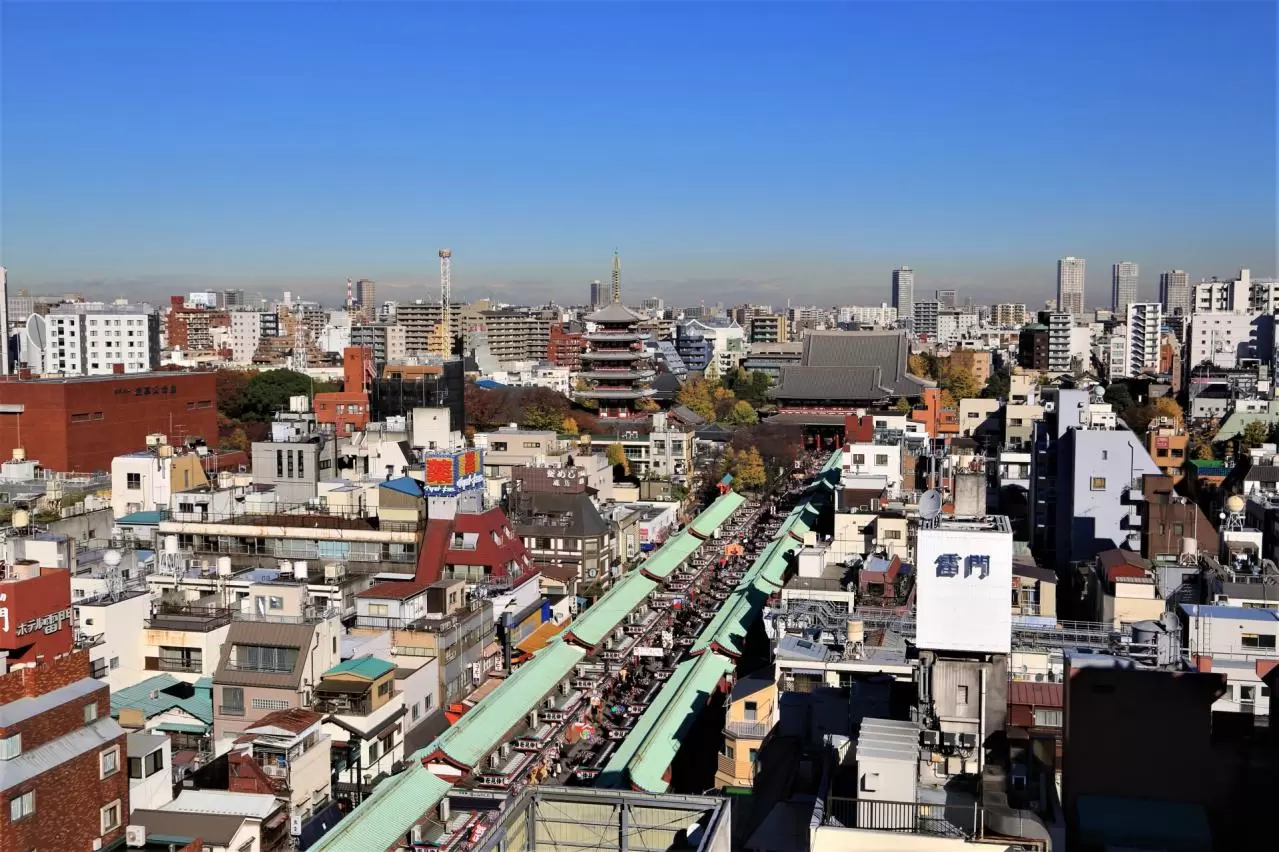
The temple’s iconic symbol, the “Kaminarimon” or Thunder Gate, is a vermilion-painted main gate, especially famous for the giant red lantern hanging in its center. Passing through the gate leads to Nakamise-dori, a shopping street lined with about 90 shops selling Japanese sweets, souvenirs, and traditional crafts. There are also many specialty treats to enjoy, such as imo yokan sweet potato jelly and matcha-flavored sweets.
In front of the main hall is a place called the Jokoro, where incense is burned. It is believed that bathing oneself in its smoke brings relief from illness and promotes good health.
Origin and Legend of the Temple’s Founding
The history of Senso-ji began on March 18, 628, in the 36th year of Empress Suiko, when the Hiiro brothers, Hinokuma Hamanari and Takenari, were fishing in the Sumida River (then the Miyato River) and pulled a Buddhist statue up in their net. When it was identified as the Seated Holy Kannon Bodhisattva, it was enshrined as an object of worship together with the local people.
With the appearance of this Kannon deity, the local chieftain Haji no Nakamoto is said to have converted his home into a temple and devoted his life to venerating Kannon Bosatsu.
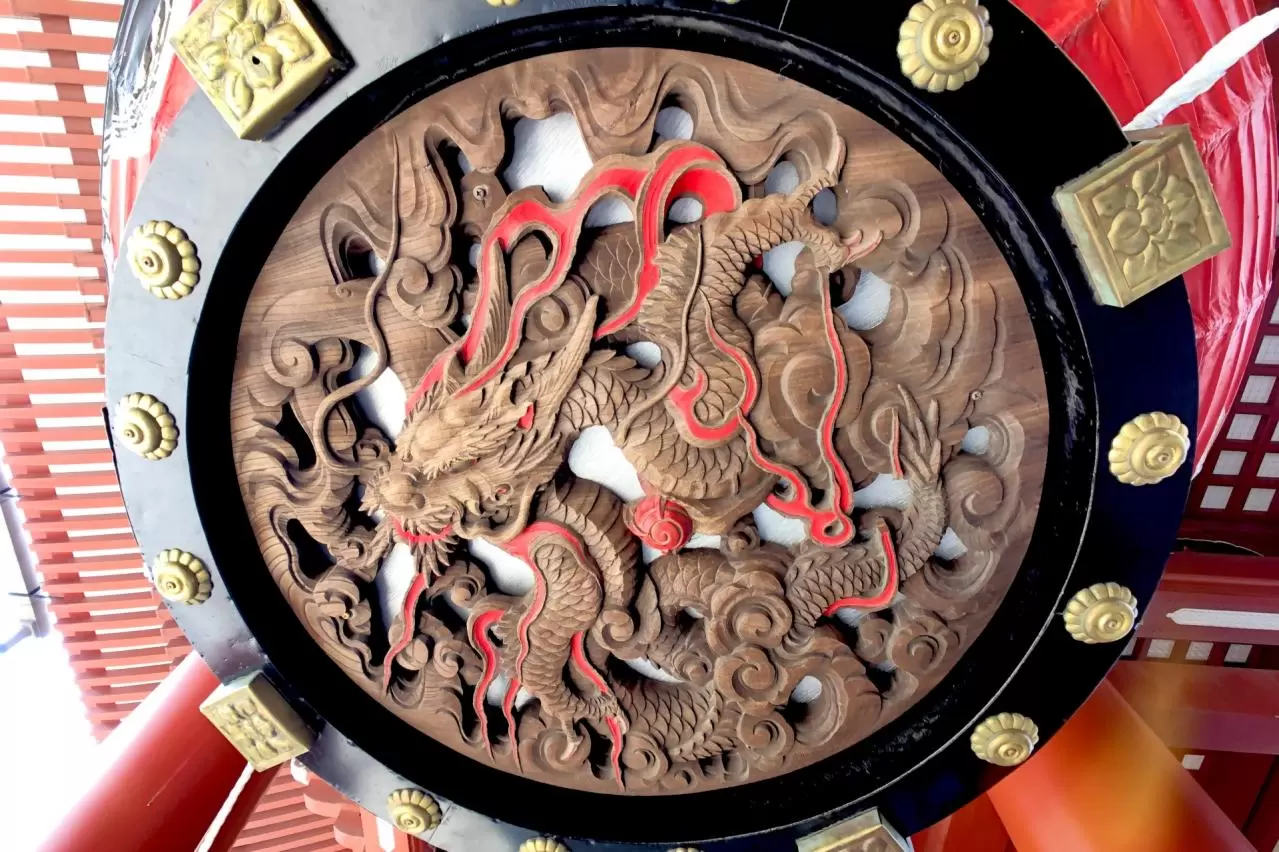
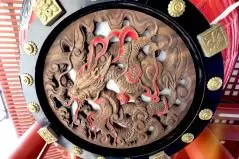
It is also said that at the time of this miraculous appearance, a thousand pine trees sprang up overnight, and three days later a dragon with golden scales descended from the sky. From this legend, the temple’s mountain name, Kinryuzan, meaning “Golden Dragon Mountain,” was given to Senso-ji. Even today, the legend is expressed through dance in the “Dance of the Golden Dragon.”
Historical Development
Nara to Heian Periods
From the Nara period through the Heian period, Senso-ji attracted widespread devotion. In particular, the great Tendai monk Jikaku Daishi Ennin is said to have visited and created an “mae-dachi” Kannon statue placed before the principal image.
In the mid-Heian period, Taira no Masakado secluded himself at Senso-ji to pray for an appointment as provincial governor. After his wish was fulfilled, he built a seven-hall temple complex, further enhancing the temple’s scale and spiritual reputation.
Kamakura to Muromachi Periods
Before setting out for battle against the Taira clan, Minamoto no Yoritomo prayed for victory at Senso-ji and later reported his success and donated farmland. During the Kamakura period, Senso-ji was selected as the 13th temple of the Bando Sanjusankannon sacred pilgrimage route, becoming the center of Kannon worship in the Kanto region.
During the Muromachi period, Ashikaga Takauji, Ashikaga Mochiuji, and others protected Senso-ji, carrying out repairs and donations to its temple buildings. The temple received deep patronage from the warrior class.
Warring States to Edo Periods
During the Sengoku period, Hojo Ujitsuna designated Senso-ji as a place for prayers and carried out extensive reconstruction. In the Edo period, after Tokugawa Ieyasu entered Edo, Senso-ji became a temple for official prayers of the shogunate and received its protection.
In particular, Ieyasu prayed for victory at Senso-ji before the Battle of Sekigahara, and after winning, the temple’s spiritual power became known throughout Japan. During this period, votive picture tablets also became popular, and many were dedicated, painted by famous artists.
Meiji Period to the Present
After the Meiji Restoration, Senso-ji’s temple lands were nationalized, and the precincts were developed into a public park, bringing major changes. In the former Okuyama district, amusement stalls lined the streets, and later movie theaters were built, developing the area into one of Tokyo’s leading entertainment districts. In the Taisho period, Japan’s first movie theater with an elevator, Denkikan, also opened.
During the Tokyo air raids in 1945, the main hall and other structures were damaged, but postwar reconstruction restored Senso-ji, and it once again flourished as a center of worship and tourism.
Annual Events and Culture
At Senso-ji, many events are held throughout the seasons. The July Hozuki Market and the December Hagoita Market are especially famous and have become seasonal traditions of the local area. At these events, visitors enjoy the atmosphere of the changing seasons while entrusting their wishes to Kannon-sama.
The sale of votive picture tablets and lucky charms is also active, creating a unique space where faith, culture, and commerce come together.
Hibiya Park opened in 1903 as Japan's first modern urban park, incorporating Western-style design while also integrating elements of Japanese aesthetics. It was desi...
The Nezu Museum was established in 1941 (Showa 16) to preserve and display ancient Japanese and East Asian art collected by businessman Kaichiro Nezu (1860-1940). Th...
Tokyo Skytree® is the tallest freestanding broadcasting tower in the world, located in Sumida, Tokyo. Since its opening in 2012, it has attracted many tourists as a ...
The National Diet Building is the center of Japan's legislature, located a 3-minute walk from Tokyo Metro's Nagatacho Station. Construction began in 1920 and was com...
Yasukuni Shrine was established in 1869 by the order of Emperor Meiji and enshrines over 2.466 million spirits of those who died in wars from the late Edo period to ...
The Futako Tamagawa Rise Shopping Center, directly connected to Futako Tamagawa Station, is a trendy spot featuring sophisticated shops, popular restaurants, and fir...
The Edo-Tokyo Museum in Tokyo is a cultural facility that opened in 1993, dedicated to teaching about the history and culture of Tokyo over approximately 400 years, ...
Meiji Shrine is an important Shinto shrine located in Shibuya, Tokyo, dedicated to Emperor Meiji and Empress Shoken. Built in 1920, it boasts the highest number of v...


![[浅草観光]浅草寺をお参りしてから日本最古の地下街を歩いてみた](https://i.ytimg.com/vi/d4Q1tjPnNbo/mqdefault.jpg)