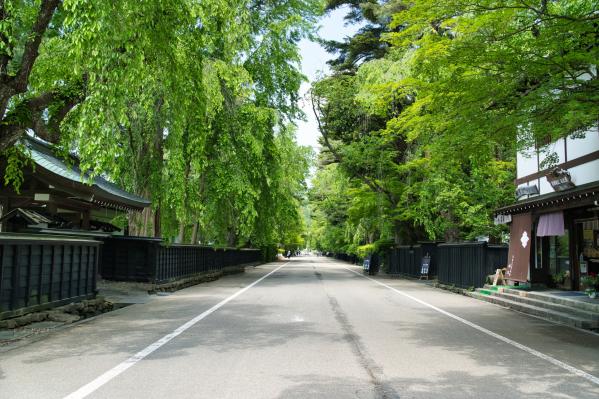
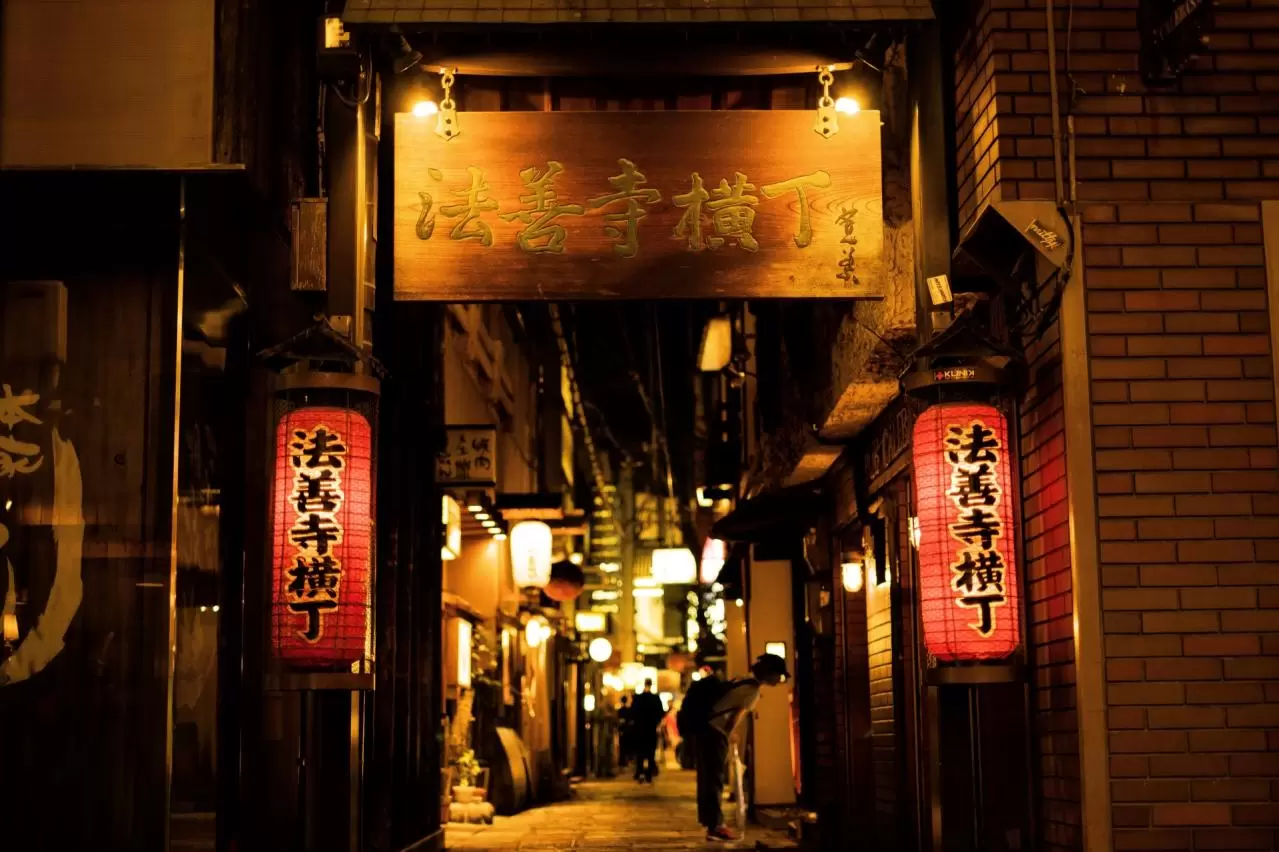
A narrow, stone-paved lane
This lane is only about 80 meters long, yet retains a strong sense of old Osaka.
AI Summary
This is an AI-generated summary. Please check the official information for opening hours, fees, and closed days.
In the heart of Osaka’s Minami district, this atmospheric alley offers a quiet escape among stone paving and the Mizukake Fudo statue.
Set amid the bustle of Namba, Hozenji Yokocho is a roughly 80-meter stone-paved lane lined with long-established restaurants. Centered around Hozenji Temple and the Mizukake Fudo statue, it offers a glimpse of old-time Osaka in a short visit. It’s easy to stop by for a meal or a stroll, though each venue has its own atmosphere and price range.
This lane is only about 80 meters long, yet retains a strong sense of old Osaka.
Its moss-covered appearance makes it a distinctive landmark of Hozenji Yokocho.
Choose from Japanese fine dining, kushikatsu, okonomiyaki, bars, and more.
Walk from Namba Station through Hozenji Yokocho, visit the Mizukake Fudo statue, then enjoy a meal at a restaurant that catches your eye.
Located in the heart of Osaka’s Minami district, Hozenji Yokocho is a historic alleyway that exudes a refined Naniwa charm. Two cobblestone lanes, each about 80 meters long and 2.7 to 3 meters wide, run east to west through this atmospheric street. Lined along both sides are some 60 restaurants and bars, including long-established kappo and sushi restaurants, bars, okonomiyaki shops, and kushikatsu eateries.
This alley originated in the precincts of Hozenji Temple, a Jodo sect temple called Tenryuzan Hozenji, and is said to have developed from street stalls that originally did business with temple visitors. Since the Meiji era, it has been bustling with people, and in the early Showa period it was also home to vaudeville theaters such as Kobaitei and Kanazawa-tei, earning fame as a stage for Kamigata rakugo.
Mizukake Fudo-son and Hozenji
In one corner of Hozenji Yokocho stands the moss-covered “Mizukake Fudo-son.” This is an image of Fudo Myoo enshrined at Tenryuzan Hozenji, and it is known for the custom of worshippers pouring water over it with a ladle while making a wish. As a result, the entire statue is covered in a beautiful green layer of moss, creating a sacred and tranquil atmosphere.
Mizukake Fudo-son is one of the few cultural properties that survived the air raids of the Pacific War. Although Hozenji itself was destroyed by fire in the war, it was rebuilt after the conflict and continues to draw many believers today. The faint scent of incense drifts through the alley, gently soothing the hearts of visitors.
A Symbol of Culture Appearing in Literature and Music
Hozenji Yokocho has also served as the setting for numerous literary works and songs. The most famous is the novel *Meoto Zenzai* by writer Sakunosuke Oda. The sweet shop “Meoto Zenzai” that appears in the story still exists right next to Mizukake Fudo-son and remains in business today.
In 1960, the enka singer Takeo Fujishima’s hit song “Tsuki no Hozenji Yokocho” made the name of Hozenji Yokocho known across Japan. In this way, the alley has established itself culturally as a place that symbolizes Osaka’s sentiment and warmth.
Signs Bearing Symbols of Kamigata Performing Arts
Small gates stand at both the east and west ends of the alley, each displaying a sign reading “Hozenji Yokocho.” The lettering on the west gate was done by the comic actor Kanbi Fujiyama, while the east gate was written by rakugo storyteller the third Katsura Harudanji. Both were masters of Kamigata performing arts who represented the Showa era, and their calligraphy further enhances the alley’s charm.
Fire and Reconstruction, and the Feelings of the People
In 2002 and 2003, Hozenji Yokocho suffered two major fires. During reconstruction, reports said that the road would need to be widened in accordance with the Building Standards Act, raising fears that the alley’s traditional landscape would be lost.
In response, cultural figures, entertainers, and many Osaka residents voiced their support, and more than 300,000 signatures were collected. That passion moved the authorities, and special measures were approved, allowing the original cobblestone lane, about 2.7 meters wide, to remain intact and enabling reconstruction while preserving its original atmosphere. This event became a symbolic moment that once again showed how important Hozenji Yokocho is to the people.
How to Enjoy Hozenji Yokocho Today
Today, Hozenji Yokocho is a popular tourist destination where visitors can enjoy a lively streetscape while still feeling the spirit of the past. The cobblestones, especially when wet from rain, have a distinctive charm and are also popular as a photo spot. The restaurants offer a wide range of prices, from high-end kappo to casual izakaya, making it an inviting place where anyone can easily stop by.
Amid the bustle of Osaka’s Minami district, Hozenji Yokocho is a place where a nostalgic, quiet time seems to flow. The moss-covered Fudo-son, the stone-paved alley, the old and beloved shops, and the culture etched in its role as a setting for literature and music—all come together to convey Osaka’s unique spirit of human warmth and atmosphere to the present day.
The National Museum of Art, Osaka is uniquely located in Nakachō, Osaka, and is a rare "completely underground" art museum. Opened in 1977, it was originally located...
Osaka Tenmangu Shrine, founded in 949, is dedicated to Sugawara no Michizane, the main deity, and is affectionately known as "Tenman no Tenjin-san." It is revered as...
Harvest Hill is an experiential agricultural park located in the southern part of Sakai City. In spring, tulips bloom, in summer sunflowers fill the fields, and in a...
Sumiyoshi Taisha, affectionately known as "Sumiyossan," is the head shrine of over 2,300 Sumiyoshi shrines across the country, located in Osaka City, Osaka Prefectur...
The Nintoku Tenno Ruins is the largest keyhole-shaped burial mound in Japan, located in Sakai City, Osaka Prefecture, with a total length of approximately 486 meters...
Shitennoji Temple is the first official temple of Japanese Buddhism, founded by Prince Shotoku in 593. This temple has been burnt down multiple times due to disaster...
The Cup Noodles Museum Osaka Ikeda is a unique facility where you can experience the history and culture of instant ramen, the birthplace of this iconic food. In 195...
Universal Studios Japan (USJ) is a large theme park located in Konohana Ward, Osaka City, Osaka Prefecture, and it opened in 2001. It is part of the American film co...