Kourijima / Teenuhama / Tokeihama
Kourijima / Teenuhama / Tokeihama Movies


Basic Information
- Spot Name
- Kourijima / Teenuhama / Tokeihama
- Location
- 〒905-0406 Kourii, Nakijin Village, Kunigami District, Okinawa Prefecture
- Access
- From Kyoda IC on the Okinawa Expressway, head north on National Route 58, then enter Yagaji Island via Prefectural Route 110, cross the Kouri Ohashi Bridge to reach Kouri Island. It is approximately 28 km from Kyoda IC, taking about 45 minutes by car.
- Parking
- Please use the nearby paid parking facilities.
- Business Hours
- Open for visitation freely.
- Contact Information
- Phone Number: 0980-56-2256
- Official Website
Map
Detailed Information
Kouri Island is a small island belonging to Nakijin Village in Kunigami District, Okinawa Prefecture, surrounded by beautiful emerald-green waters. Located on the northeastern side of the Motobu Peninsula in northern Okinawa Main Island, the island has a circumference of approximately 8 kilometers and is home to white-sand beaches, crystal-clear waters, and lush natural scenery. On February 8, 2005, the 1,960-meter-long Kouri Bridge opened, connecting the island by road to Yagaji Island in Nago City and making it an easily accessible island destination by car. The island features attractions such as Tinu Beach, known for its heart-shaped rocks called the Heart Rock, and Tokaihama Beach, where visitors can observe unusual rock formations. The island is also known as the “Island of Love,” inspired by an ancient legend about the origins of humanity, making it popular with couples and families alike.
One of Kouri Island’s greatest attractions is the spectacular view from Kouri Bridge, which leads to the island. Crystal-clear emerald-green waters stretch out on both sides of the bridge, and on sunny days, the blue sky and sea appear to blend into one breathtaking panorama. The waters around the bridge are relatively shallow, and the influence of white sandy seabeds and coral reefs creates beautiful gradations ranging from light aqua to deep blue across the surface. Crossing the bridge, which extends in a straight line over the sea, offers an exhilarating sensation, almost as if you were driving through the ocean. Stopping or parking on the bridge is prohibited, so visitors who wish to take their time enjoying the scenery should use the parking areas or viewpoints near either end of the bridge.
Kouri Island is home to a legend about the origins of humanity, sometimes described as Okinawa’s version of the story of Adam and Eve. According to the tradition, two children—a boy and a girl—once appeared on the island and lived by relying on food provided from heaven. As they grew older, they began building a life on the island and were said to have become the ancestors of humanity. This story is one of the reasons Kouri Island is called both the “Island of the Gods” and the “Island of Love.” The island’s name is also sometimes introduced in connection with the Okinawan word “kui,” meaning love. These legends enhance the island’s mystical atmosphere and, together with its natural beauty, form an important part of its cultural appeal.
Beautiful beaches are scattered around Kouri Island, each offering a different landscape. Located just after crossing Kouri Bridge, Kouri Beach is a popular spot featuring white sand and crystal-clear water. Visitors can enjoy taking photographs with the bridge in the background, and depending on the season and sea conditions, swimming and other beach activities may also be possible. On the northern side of the island are Tinu Beach, famous for the Heart Rock, and Tokaihama Beach, where distinctive rock formations can be seen. Both offer beautiful scenery created by nature over many years. Driving along the road that circles the island is another enjoyable way to take in views of the coastline and local villages.
Tinu Beach is a natural beach in northern Kouri Island, known for its beautiful white sand and crystal-clear waters. Its main attraction is the Heart Rock, two rocks standing near the shore. Formed through years of natural erosion, the rocks appear to overlap and form a heart shape when viewed from certain angles, which is why they are known as the Heart Rock. Depending on where visitors stand, they can enjoy various shapes, including views in which the two rocks overlap to create a single heart and views in which the space between them resembles a heart. Set against the blue sea and white sand, the Heart Rock has become one of Kouri Island’s most iconic and popular photo spots.
The Heart Rock at Tinu Beach is also known as a sightseeing attraction associated with romance. The legend of the two men and women passed down on Kouri Island is linked with the heart-shaped rocks created by nature, making the site popular among couples and people wishing for success in love. When taking photographs, visitors are encouraged to look for the angle from which the two rocks appear to overlap and to enjoy the contrast between the rocks and the color of the sea. On sunny days, the emerald-green water shines vividly, creating a beautiful silhouette of the rocks. The scenery changes according to the tide and the position of the sun, allowing visitors to experience a different atmosphere depending on the time of day.
To reach Tinu Beach, visitors must walk downhill from the nearby parking area along a path leading to the shore. Because the path includes slopes and uneven sections, comfortable walking shoes are recommended. The beach is relatively small and may become crowded during peak visiting hours. Tinu Beach is also a natural coastline, not a supervised swimming beach with lifeguards and safety facilities available at all times. Ocean currents and waves can create dangerous conditions, so extreme caution is necessary when entering the water. Around the Heart Rock, it is important not to approach the rocks too closely or attempt to climb them, and to enjoy the scenery from a safe location.
Tokaihama Beach is located on the northern side of Kouri Island, relatively close to Tinu Beach. This natural beach is characterized by white sand, crystal-clear water, and distinctive rock formations. The shoreline is divided into eastern and western sections by a small, peninsula-like rocky area, with each side offering a different view. The eastern beach is approximately 100 meters long, and on clear days, visitors may be able to see Cape Hedo in the distance. The western beach is approximately 80 meters long and is known for its views of Izena Island and Iheya Island. Coral-derived rocks and limestone formations can be found in the surrounding area, allowing visitors to enjoy the quiet atmosphere of the coast while listening to the sound of the waves. Compared with Tinu Beach, Tokaihama may feel more peaceful, making it an appealing destination for nature observation and photography.
One of Tokaihama Beach’s main attractions is its rock formations featuring round holes known as potholes. Scattered along the shore are rocks made of limestone and other materials with circular or cylindrical depressions. These formations are also introduced as groups of cylindrical cavities. Created through the effects of nature over many years, they feature holes of various sizes and shapes across the surfaces of the rocks. This unique scenery created by nature is one of Tokaihama’s defining attractions. The beach is also appealing to visitors interested in coastal landforms and geology, as observing the shapes and sizes of the rocks and holes offers a sense of the wonder of natural formations. However, some of the rocky areas can be slippery, so it is important to watch your footing while exploring.
The waters of Tokaihama are highly transparent, and small fish and other marine life can sometimes be observed even in shallow areas. On calm days, visitors may also see people enjoying snorkeling. Coral reefs and rocky areas in the surrounding waters provide habitats for a variety of marine creatures. However, Tokaihama does not have lifeguards stationed permanently, nor is it equipped with safety facilities such as jellyfish-protection nets, so swimming and snorkeling require great caution. Even areas that appear shallow may be affected by currents and waves, and rocks or coral may become exposed at low tide. Safety should always come first, and visitors may also enjoy observing nature from the beach or rocky shore without entering the water.
Kouri Island offers more than just a tour of its beaches; visitors can also enjoy the scenery of the island as a whole. Sugarcane fields and traditional villages stretch across the island, preserving the peaceful landscape characteristic of Okinawa’s outlying islands. Driving along the road that circles the island reveals a variety of scenery, including the coastline, lush green hills, and the East China Sea extending into the distance. The island also has observation facilities, cafés, and restaurants where visitors can relax while looking out over the sea or enjoy dishes and sweets made with Okinawan ingredients. From elevated viewpoints, visitors can look out over Kouri Bridge and the surrounding sea, enjoying the island’s beauty from a different perspective than the beaches offer.
From Naha Airport, Kouri Island can be reached by car in approximately one and a half to two hours via the Okinawa Expressway. When using regular roads, the journey generally takes more than two hours. From central Nago, the drive takes approximately 30 to 40 minutes, although travel times vary depending on traffic conditions and the destination. Because the island’s attractions are spread out, using a rental car is an efficient way to explore. Visitors planning to see Kouri Bridge, Kouri Beach, Tinu Beach, and Tokaihama Beach should allow approximately two to three hours. If they also wish to enjoy meals, cafés, and observation facilities, setting aside about half a day is recommended. Roads and parking areas may become crowded during the tourist season and on weekends, so it is important to plan with plenty of extra time.
Kouri Island is one of the leading tourist destinations in northern Okinawa Main Island, where beautiful seas, abundant nature, and ancient legends exist in harmony. The island offers a wide variety of distinctive attractions, including Kouri Bridge stretching across emerald-green waters, Tinu Beach with its striking heart-shaped rocks, and Tokaihama Beach, where visitors can observe unusual pothole formations. Its appeal also lies in the many ways to enjoy the island, including coastal walks, photography, scenic drives, and nature observation. With its romantic atmosphere as the beloved “Island of Love” and its beautiful scenery unique to an Okinawan outlying island, Kouri Island is a popular destination well worth visiting during a trip to Okinawa.
Okinawa Tourist Attractions
View List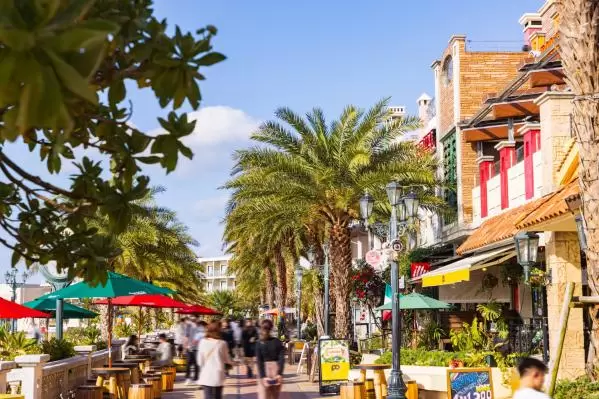
Miha American Village
Mihama American Village is a popular resort town located in central Okinawa. It features colorful buildings and a Ferris wheel that recreate an American street scene...
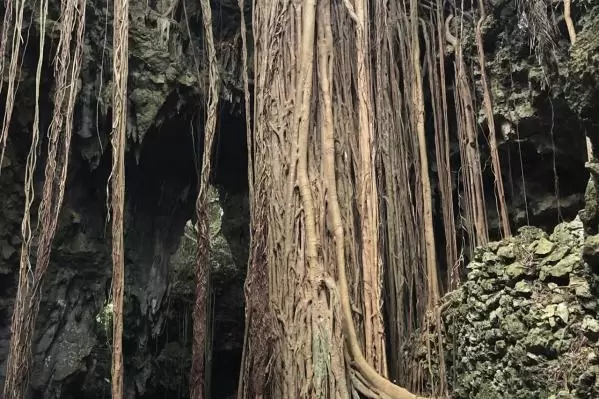
Gangarā-no-Tani
Ganggara Valley is a lush natural valley created by the collapse of a limestone cave hundreds of thousands of years ago, located in the southern part of Okinawa Isla...
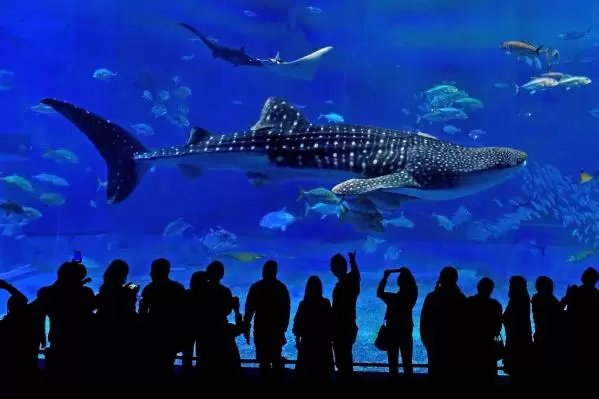
Okinawa Churaumi Aquarium
Okinawa's Sea - Experience rich nature and cultural history, as well as interaction with dolphins at the Ocean Expo Park. One of the popular spots in the park is the...
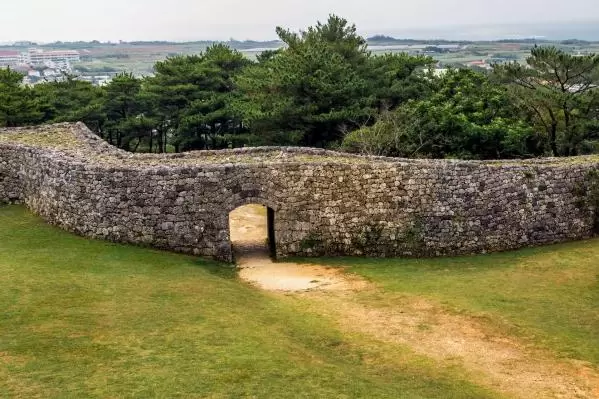
Zakimi Castle
Zakimi Castle, located in Yomitan Village, Okinawa Prefecture, is a castle (gusuku) from the Ryukyu Kingdom era. This castle was built in the 15th century by Gozamar...
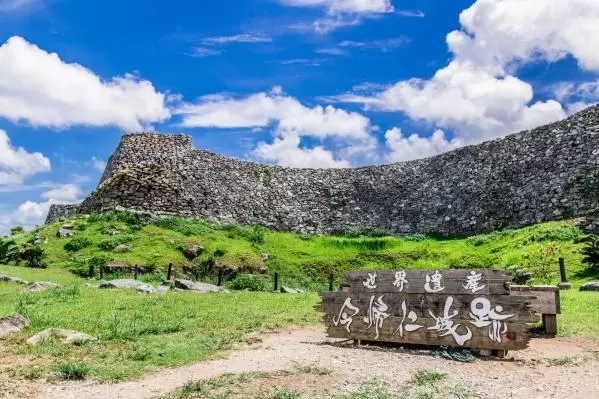
Naki-jin Castle Ruins
Nakijin Castle Ruins is a historic site built as the residence of the king of the northern kingdom during the time of the Three Kingdoms of Okinawa. It is located in...
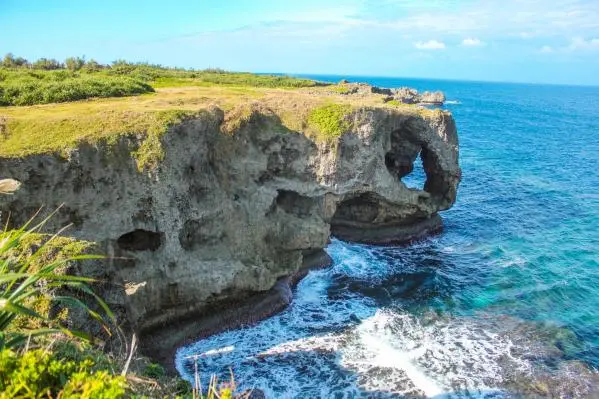
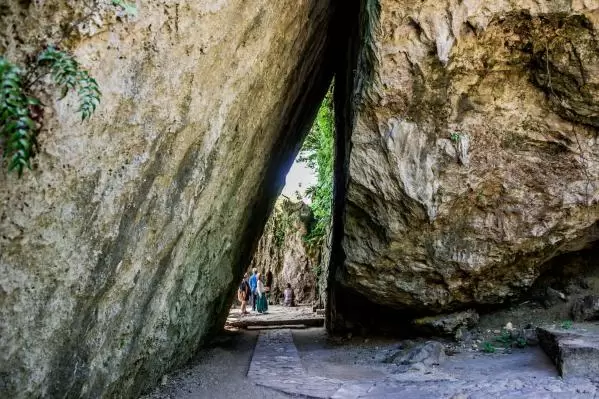
Seifa Utaki
Seifa Utaki is the most sacred site of the Ryukyu Kingdom and was registered as a UNESCO World Heritage Site as part of the "Sites of Japan's Meiji Industrial Revolu...
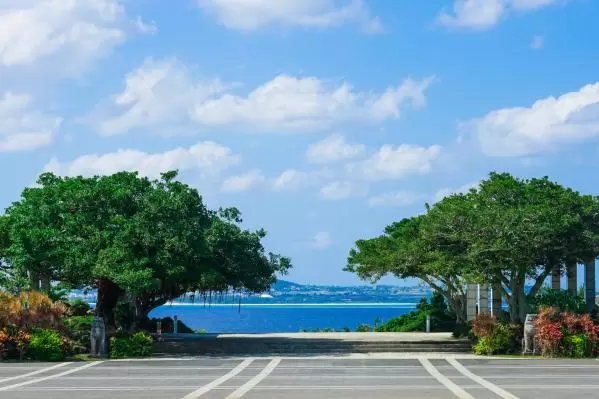
Kokuei Okinawa Memorial Park and Ocean Expo Park
The Okinawa Commemorative National Government Park and Ocean Expo Park was established in 1976 to commemorate the Okinawa International Ocean Exposition held in 1975...