Ashikaga Flower Park
AI summary
What kind of place is Ashikaga Flower Park?
This is an AI summary. Check official information for opening hours, prices and closures.
Seasonal flowers and illuminations take center stage, with spring wisteria and winter light displays making it especially rewarding to visit.
Plan your visit
- Time to allow
- Allow plenty of time to explore at a relaxed pace Not verified
- Getting there
- About a 3-minute walk from JR Ashikaga Flower Park Station Not verified
Explore more places
Read highlights and visiting tips
Plan your visit
- Rainy Day
- Mostly outdoors; check conditions and plan accordingly Not verified
- Family-friendly
- Easy to explore on foot, but busy periods may be challenging Not verified
- For Older Visitors
- The grounds are spacious, so expect considerable walking Not verified
- Best Season
- Spring for wisteria and winter for illuminations Not verified
- Photo Spots
- Great wisteria trellis, white wisteria tunnel, and light displays Not verified
- Travel Mood
- A flower-filled stroll with plenty of photo opportunities Not verified
Ashikaga Flower Park is known for seasonal blooms and evening illuminations. Highlights include the great wisteria and white wisteria tunnel in spring, and the Garden of Light in winter. The park has a very different feel by day and night. It is spread over a large area, so allow extra time during busy periods.
Recommended for
Highlights
Spectacular wisteria in spring — The great wisteria trellis and white wisteria tunnel are major attractions, especially during the wisteria season.
Illuminations take the spotlight in winter — The Garden of Light is known for its nighttime displays and offers a striking contrast to the park by day.
A different look in every season — Beyond wisteria, seasonal blooms such as autumn amethyst sage add changing colors throughout the year.
Before you go
- During busy periods, arriving soon after opening or visiting in the evening can make it easier to get around.
- Wear comfortable walking shoes to explore the grounds.
- Check the official website in advance for seasonal blooms and event details.
Ideas for your visit
Enjoy the flowers during the day, then stay into the evening for the illuminations.
Before deciding to visit
Visitors with little interest in flowers or light displays, or those looking for a quick stop, may find the visit a little long.
What to look for in the videos
Watch the related videos to get a better feel for the spring wisteria and the park’s nighttime illuminations.
Ashikaga Flower Park Movies


Basic Information
- Spot Name
- Ashikaga Flower Park
- Location
- 〒329-4216 607 Hakama-cho, Ashikaga-shi, Tochigi-ken, Japan
- Access
- About a 3-minute walk from Ashikaga Flower Park Station on the JR Ryomo Line.
15 minutes from the Ashikaga IC on the Kitakanto Expressway.
18 minutes from the Sano-Fujioka IC on the Tohoku Expressway. - Parking
- 40 large buses and 300 regular cars.
- Business Hours
- 10:00 AM to 5:00 PM (hours may vary depending on the season).
- Regular Holiday
- December 31 and the third Wednesday and Thursday of February.
- Fees
- Adults: 400 yen to 2,100 yen / Children: 200 yen to 1,100 yen
- Contact Information
- Phone Number:0284-91-4939
- Official Website
Map
Detailed Information
Ashikaga Flower Park, located in Ashikaga City, Tochigi Prefecture, is a “paradise of flowers and light” where visitors can enjoy seasonal blooms and fantastical illuminations. It has earned nationwide acclaim in the illumination event category and has also been selected as one of Japan’s Three Great Illuminations, certified by the Night View Tourism Convention & Bureau. It is furthermore known as the only Japanese destination included in CNN’s list of “Japan’s 10 Dream Destinations,” making it a popular spot visited by many tourists from both Japan and abroad.
History of the Park’s Opening
Ashikaga Flower Park began in 1968 as Hayakawa Farm, which opened in Horigome-cho, Ashikaga City, Tochigi Prefecture (now Asakura-cho). Locally, it was beloved as the “250-tatami Great Wisteria.” Due to urban development, it was relocated in 1997 to its current site in Hazama-cho, Ashikaga City, and reopened as Ashikaga Flower Park.
Because the new site had once been a wetland, more than 250 tons of charcoal were laid to purify the soil and invigorate its life force, creating a garden in harmony with nature. Today, the park boasts an area of approximately 100,000 square meters—about twice the size of Tokyo Dome—and welcomes visitors with flowers in full bloom throughout the seasons.
The Great Wisteria and “The Story of Wisteria Blossoms”
The park’s symbol, the “Great Wisteria,” is said to be a Noda Kokusaku Fuji over 160 years old, and was beautifully transplanted under the guidance of Konami Tsukamoto, Japan’s first female tree doctor.
Transplanting a wisteria over 130 years old was an unprecedented challenge that attracted nationwide attention, and it is now known as the first successful case of its kind in Japan.
Within the park are several large wisteria trellises, including Noda Kokusaku Fuji and Yae Kurokakukiri Fuji, as well as an approximately 80-meter-long white wisteria tunnel; these are designated as natural monuments of Tochigi Prefecture.
Every year from mid-April to mid-May, “The Story of Wisteria Blossoms ~ Great Wisteria Festival ~” is held. More than 350 wisteria vines bloom across the park’s approximately 100,000 square meters, filling the spring landscape with purple, white, pink, and yellow blossoms that are staggered by color and flowering time. At night, the flowers are illuminated, offering a fantastical scene different from that of the daytime.
Flowers That Color the Seasons
Ashikaga Flower Park is divided into eight themes throughout the year, allowing visitors to enjoy flowers in every season.
The themes are “Early Spring,” “Spring Flower Festival,” “The Story of Wisteria Blossoms,” “Rainbow Garden,” “Blue & White Garden,” “Flower Fairies Floating on the Water,” “Purple Garden,” and “Garden of Illuminated Flowers.”
In spring, tulips, cherry blossoms, wisteria, clematis, and roses bloom profusely. In early summer, rhododendrons and irises reach their best viewing period. In summer, hydrangeas and water lilies bloom, while in autumn, more than 20,000 amethyst sage plants turn the park completely purple. In winter, the illuminations take center stage.
One of the park’s greatest attractions is that visitors can enjoy a completely different landscape each time they come.
Garden of Illuminated Flowers — An Illumination Recognized by the World
Held from late October to mid-February of the following year, “Garden of Illuminated Flowers” is an illumination event highly praised throughout Japan. Since being selected for the first time as one of Japan’s Three Great Illuminations in 2017, its presentation has continued to evolve every year.
In 2024, it won first place nationwide in the “Excellence Award for Technical Skill” category at the 2nd International Illumination Award, following the previous year’s “Excellence Award for Storytelling,” achieving back-to-back awards for two consecutive years.
The park uses approximately 5 million LED bulbs to create beautiful light displays with environmental care and energy efficiency in mind. Diverse illuminations brighten the night garden, including the “Four Seasons of Japan” area, which combines projection mapping and illumination; the fully renovated “Flower Castle”; “The Story of Illuminated Wisteria Blossoms,” themed around four colors of wisteria; and “Snow World,” where Santa Claus and auroras appear to float across the sky.
There is also much to admire in the “Pyramid of Light” reflected on the water’s surface, the approximately 25-meter-tall “Illumination Tower,” and the “Milky Way,” which shines as if floating in the sky. It is truly a dreamlike world woven from flowers and light.
Gourmet and Access
Inside the park, there are various dining options, including local Tochigi specialties, Western-style restaurants, and light snack corners. One popular menu item is “Fuji Soft,” an original dessert inspired by the fragrance of wisteria. Its gentle aroma and refined sweetness captivate visitors.
In 2018, JR Ryomo Line’s Ashikaga Flower Park Station opened, making access even more convenient. From Tokyo, it takes about 90 minutes by train, making it an easy day trip where visitors can enjoy seasonal flowers at leisure.
Ashikaga Flower Park is one of Japan’s signature “theme parks of flowers and light,” woven from seasonal blossoms and world-class illuminations.
From its great wisteria over a hundred years old to seasonal flowers and light displays that illuminate the night sky, it offers inspiration and healing to all who visit.
Spring wisteria, summer flowers, autumn sage, winter light—this is a place where new discoveries and beauty can be found any time of year. Why not visit and experience the stories of flowers that change with the seasons?
Tochigi Tourist Attractions
View List
Nasu Highland Park
Nasu Highland Park is one of the largest amusement parks in the Kanto region, offering fun for both children and adults. The park features a variety of attractions, ...
Lake Chuzenji
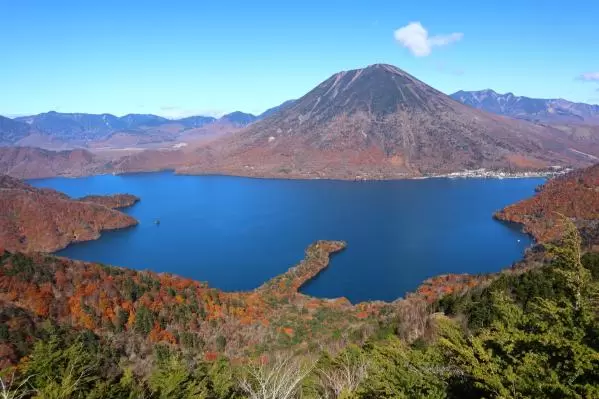
Lake Chuzenji is a representative lake of the beautiful scenery of Oku-Nikko, boasting a maximum depth of 163 meters and a circumference of about 25 km, making it on...
Oya History Museum
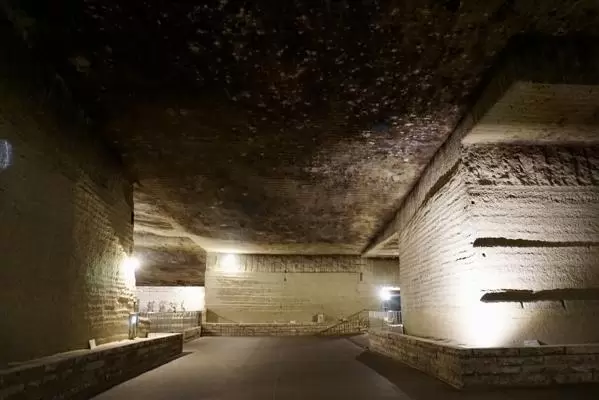
The Otani Museum is a place where you can learn about the history of the extraction of Otani stone. The exhibition hall showcases tools and mining methods from the h...
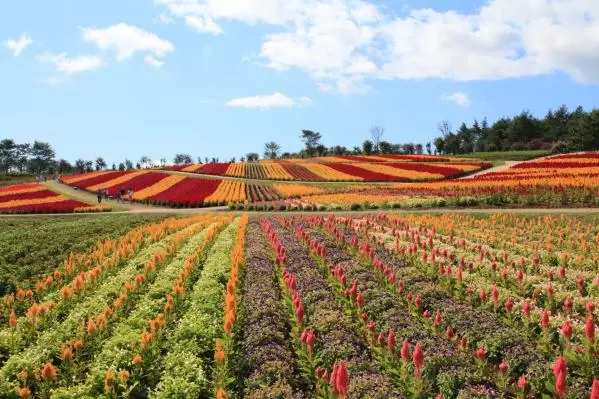
Nasu Flower World
Nasu Flower World is a vast flower park located in the Nasu Highlands. The colorful flower fields resemble a painting and are cherished as the geoglyph of Nasu Hana ...

Tobu World Square
Tobu World Square is a theme park with the theme of "Preserving World Heritage and Architectural Culture," featuring meticulously recreated replicas of famous sites ...
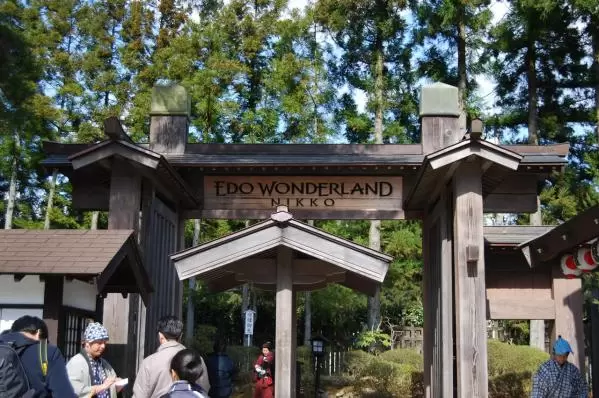
EDO WONDERLAND
EDO WONDERLAND Nikko Edo Village is a cultural park where you can experience the culture of the Edo period firsthand. The expansive grounds feature meticulously recr...

Kinugawa River Boat Ride
The Kinu River's line descent, a masterpiece of natural gorge beauty, is a signature attraction of Kinu River tourism. You can board a shared boat and enjoy the uniq...