Hagi Castle Town
Hagi Castle Town Movies


Basic Information
- Spot Name
- Hagi Castle Town
- Location
- 〒758-0077 Minamikohagi Town, Hagi City, Yamaguchi Prefecture
- Access
- Approximately 20 minutes on foot from JR San'in Line "Higashi-Hagi Station." About 35 minutes from the Chugoku Expressway "Mine-Higashi JCT," and about 20 minutes from Ogori-Hagi Road "Edo IC."
- Parking
- Please use the nearby paid parking.
- Business Hours
- Visit freely. Operating hours vary by each spot.
- Contact Information
- Phone Number:0838-25-3139
- Official Website
Map
Detailed Information
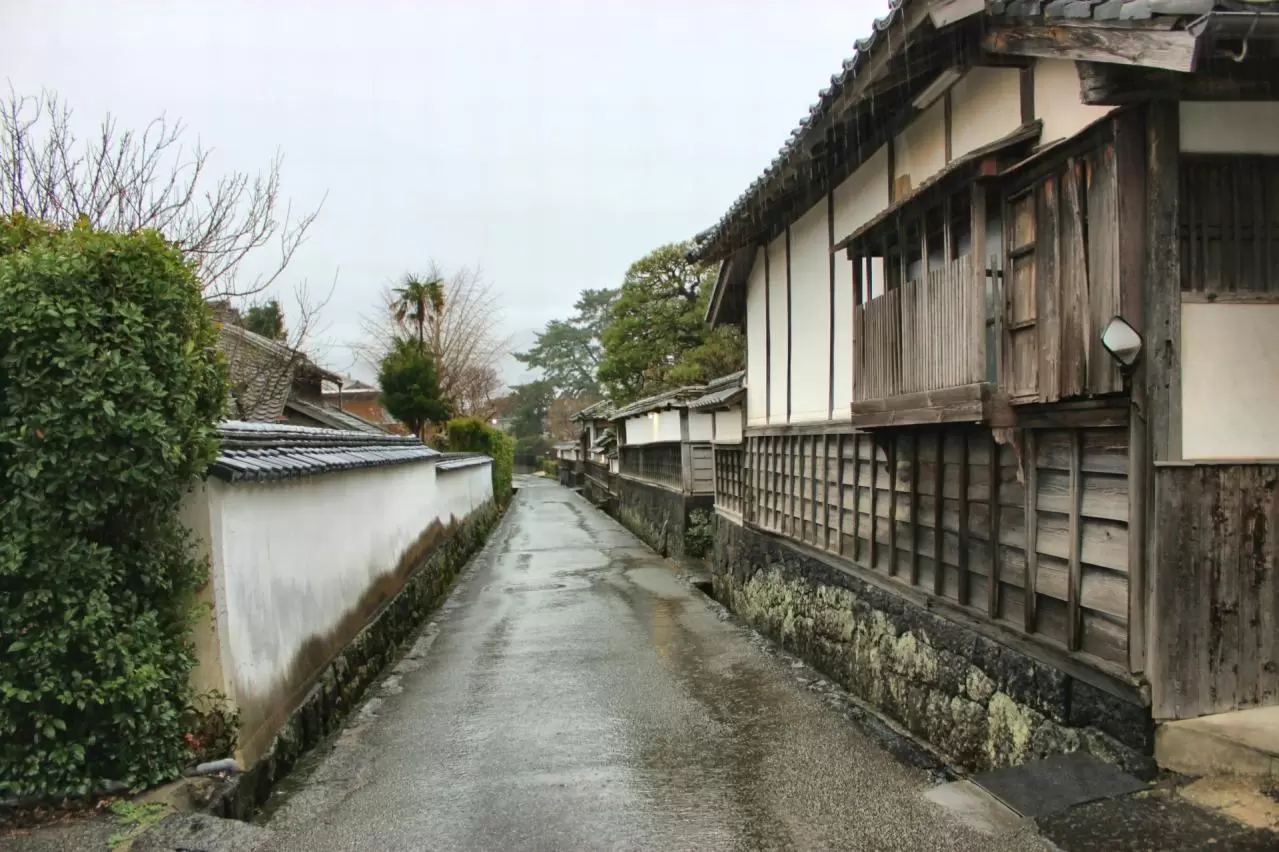
Hagi Castle Town is a historic castle town spread across Hagi City in Yamaguchi Prefecture. It is one of Japan’s most representative historic landscapes, retaining to this day the townscape of the Edo period and the distinctive culture of the samurai class.
Its history began in 1604, when Mōri Terumoto, who had been defeated in the Battle of Sekigahara, began constructing Hagi Castle and developing the surrounding castle town as his new base. The main sections of Hagi Castle were completed around 1608, and for approximately 260 years thereafter, the town flourished as the political, economic, and cultural center of the Chōshū domain, which was valued at approximately 360,000 koku of rice.
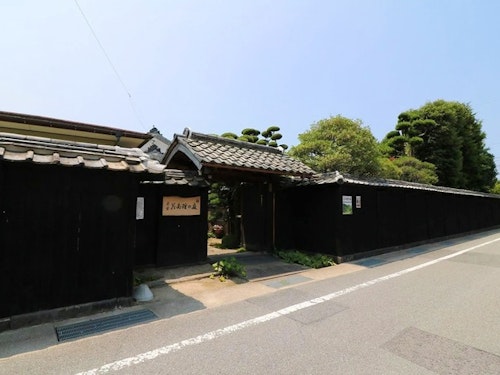
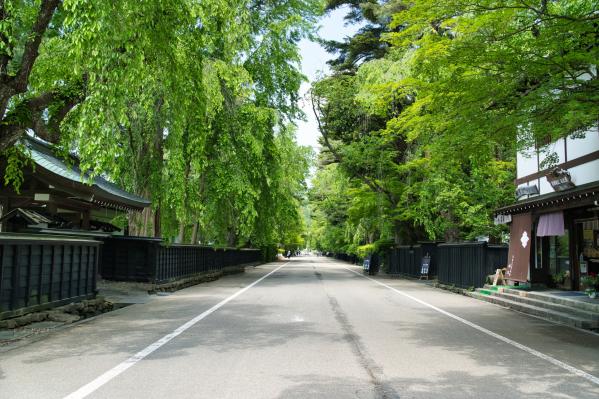
One of the most distinctive features of Hagi Castle Town is that its Edo-period town layout and streets have remained almost completely intact. The area is so well preserved that it is often said that “you can still use an Edo-period map as it is.” Along the grid-like streets stand samurai residences and merchant houses featuring white plaster walls, namako-style walls, and black wooden fences, conveying the atmosphere of the past. Particularly notable are the “kaimagari,” or sharply angled streets, which were designed to turn at right angles to prevent enemy incursions. These are recognized as a distinctive feature of Hagi’s town planning.
The castle town is broadly divided into three areas: the castle ruins, the former district of high-ranking samurai residences, and the former merchant district.
The “castle ruins” refer to the remains of Hagi Castle, which once served as the political and administrative center of the Hagi domain. Today, the site has been developed as Shizuki Park, where the stone walls, moats, and former gate sites remain in good condition. Although the former keep was dismantled in the early Meiji period, the magnificent stone walls and moats still convey the castle’s former grandeur. The park is also famous for its cherry blossoms and attracts many visitors in spring. Its location overlooking the Sea of Japan is another notable feature, allowing visitors to enjoy beautiful natural scenery as well.
The “former district of high-ranking samurai residences” was home to senior domain officials and upper-ranking samurai. The Horiuchi and Hiyako districts are among its most representative areas. In 1976, Horiuchi, together with Hiyako, was selected as one of the first districts in Japan to be designated a Preservation District for Groups of Traditional Buildings. Earthen walls, nagayamon longhouse gates, and stone walls surrounding samurai residences remain today, creating a landscape rich in historical charm. The Hiyako district is also known for its quiet streets lined with samurai residences, making it an ideal area for strolling.
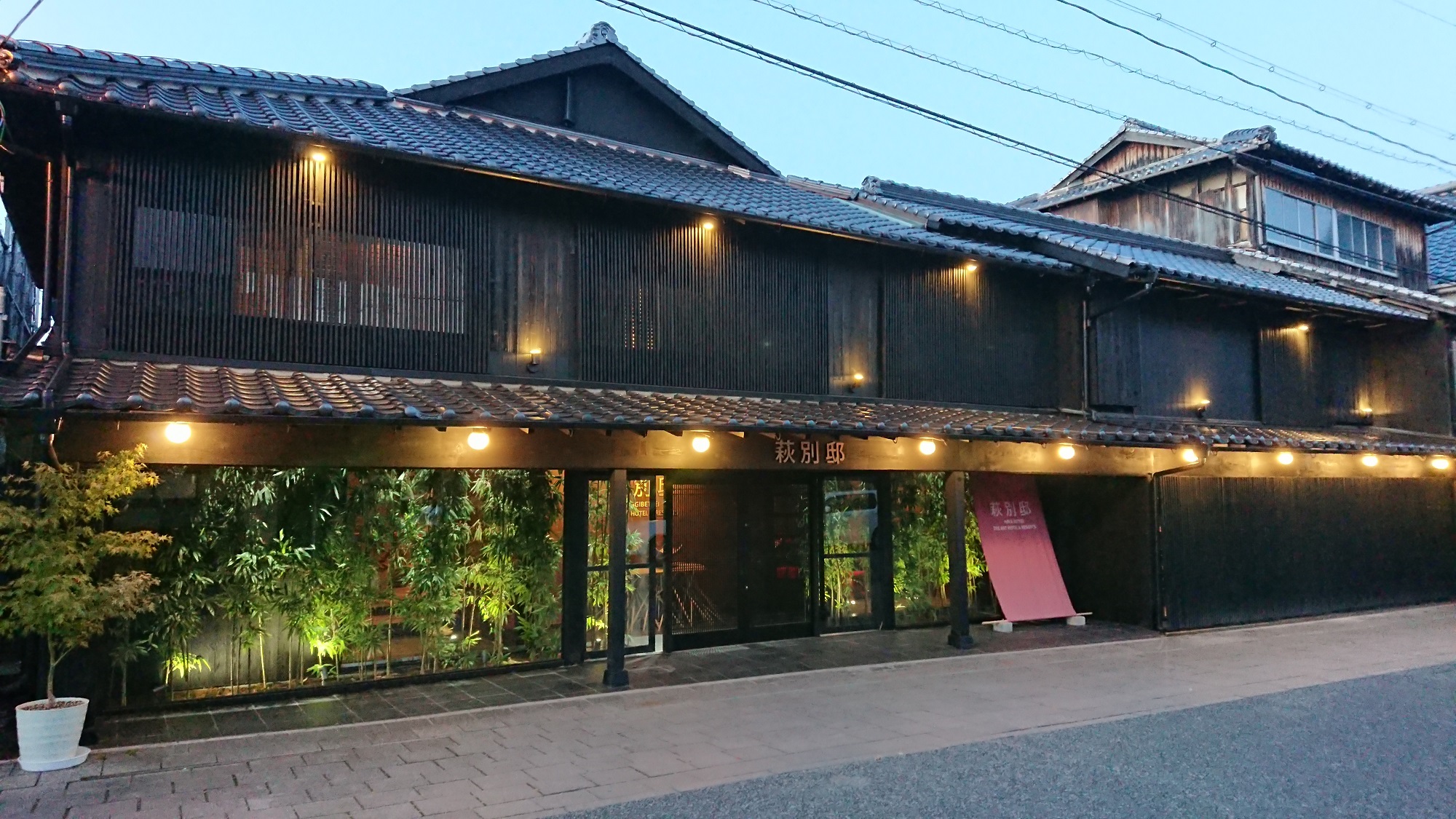
Meanwhile, the “former merchant district” retains the townscape where merchants and craftsmen once lived. This area was home to commercial activities and small-scale industries and played an important role in supporting Hagi’s economy. Today, cafés, general stores, and souvenir shops occupying renovated traditional houses are scattered throughout the district, making it a pleasant area where visitors can enjoy a leisurely stroll.
Hagi Castle Town is also famous as the birthplace of many activists who played important roles from the final years of the shogunate through the Meiji Restoration. In particular, the former residences of Takasugi Shinsaku and Kido Takayoshi, also known as Katsura Kogorō, still remain, allowing visitors to experience the history of the Restoration at close hand. Numerous sites associated with other figures from the Chōshū domain, including Yoshida Shōin and Kusaka Genzui, can also be found throughout the town.
In 2015, Hagi Castle Town was registered as a UNESCO World Cultural Heritage Site as one of the component sites of the “Sites of Japan’s Meiji Industrial Revolution: Iron and Steel, Shipbuilding and Coal Mining.” This recognition reflects the important role Hagi played in Japan’s modernization, as the Hagi domain actively introduced Western technology and promoted industrialization during the final years of the shogunate. Hagi Castle served as the center of domain administration and policy-making, while sites such as the Hagi Reverberatory Furnace and the Ebisugahana Shipyard became important bases for Japan’s early industrial development.
As you walk through Hagi’s streets, you may see summer oranges peeking over the earthen walls of white-plastered residences. This is a scene unique to Hagi. Around May, the summer orange trees bloom, enveloping the entire town in a sweet and tangy fragrance. The contrast between the white walls and the vivid orange fruit has become one of Hagi’s most iconic seasonal sights.
The town also offers a wide range of tourist activities. Visitors can rent a kimono and enjoy exploring the streets, or participate in guided walks led by local guides and rickshaw tours. Rental bicycles, shared bicycles, and electric scooters are also available, making it easy to explore the expansive castle town efficiently.
Among the representative attractions are historic buildings such as the Kikuya Residence and the Former Yamanaka Residence. These buildings offer insights into the lives of wealthy merchants and samurai of the time. Even simply strolling along the streets of the castle town, passing through the kaimagari corners, and viewing the earthen walls of samurai residences can give visitors the feeling of stepping back into the Edo period.
Hagi Castle Town is far more than simply a destination for historical sightseeing. It is a precious place where visitors can experience the flow of history from the Edo period through the Meiji Restoration and into Japan’s modernization. With its historic buildings, beautiful townscape, traces of the activists of the Restoration, and seasonal natural beauty, this town is a popular destination not only for history enthusiasts but also for those who wish to enjoy a relaxing walk through a traditional Japanese town.
#Townscape/Bikan Historical Quarter #Cultural assets/historic sites
Yamaguchi Tourist Attractions
View List
Akiyoshi Cave
Akiyoshidai, one of Japan's largest karst plateaus, is a special natural monument located in Mine City, Yamaguchi Prefecture, designated as a national park in 1955. ...


Hofu Tenman-gu
Bōfu Tenmangū is the first Tenmangū shrine in Japan, founded in 904, dedicated to Sugawara no Michizane. It is one of the three major Tenjin shrines in Japan, alongs...

Tsunoshima Bridge
The Tsunoshima Bridge, located in Shimonoseki City, Yamaguchi Prefecture, is one of Japan's most beautiful bridges, having opened in 2000. Spanning a total length of...

Akiyoshi Cave
Akiyoshido Cave, located in Mine City, Yamaguchi Prefecture, is one of Japan's largest limestone caves, extending 100 meters underground within Akiyoshidai Quasi-Nat...

Motonosumi Shrine
The breathtaking spot "Motonosumi Shrine" in Yamaguchi Prefecture was established in 1955 by a local fisherman, Osamu Okamura, who received a message from a white fo...

Shoka Sojuku
The private school "Matsushita Village School," established by the thinker Yoshida Shoin during the Bakumatsu period, is registered as a UNESCO World Heritage Site. ...

Kintaikyo Bridge
One of Japan's three famous bridges, the Kintai Bridge, is a wooden five-arch bridge measuring approximately 193.3 meters in length, located in Iwakuni City, Yamaguc...