Fushimi Inari Taisha Shrine
Numerous festivals and events are held at Fushimi Inari Taisha throughout the year. Particularly on the first day of February, celebrated as the anniversary of the shrine's founding, it becomes bustling with visitors. Additionally, the "Inari Matsuri," a major festival that has continued since the Heian period, takes place from April to May, featuring many portable shrines parading through the city of Kyoto.
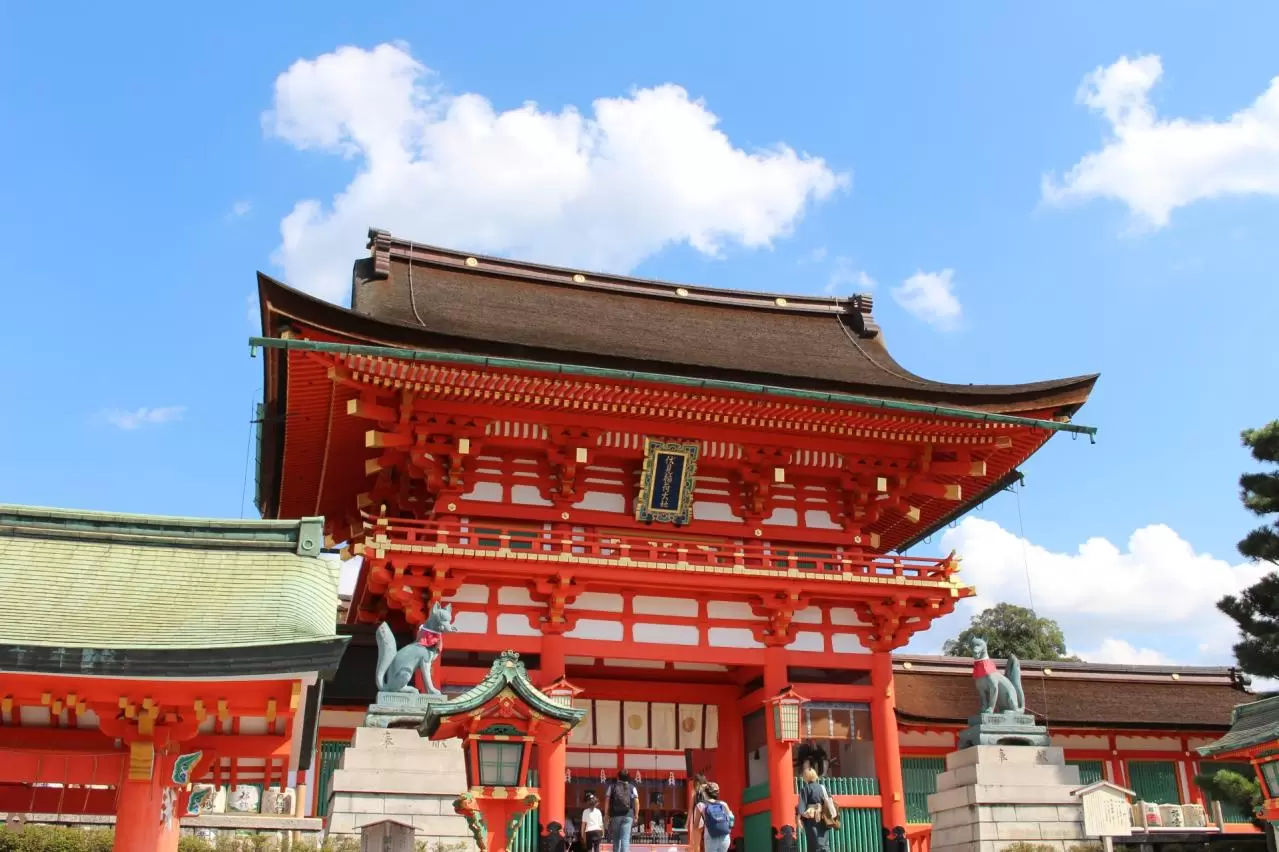
The main shrine, the sub-shrine, and the affiliated shrines, which have been designated as Important Cultural Properties, should not be missed. These buildings are also recognized as places to experience Japan's traditional architectural beauty. Furthermore, there are many fox statues on the shrine grounds, as foxes are considered messengers of the deity Inari, attracting the attention of visitors as well.
Recently, Fushimi Inari Taisha has seen an influx of tourists from both within Japan and abroad, making it a renowned global tourist destination. With its unique charm and historical background, this shrine serves as a spiritual refuge for many people.
Fushimi Inari Taisha Shrine Movies
![夜の伏見稲荷大社♪オススメです。【京都観光・京都旅行】kyoto trip・Kyoto sightseeing・kyoto travel [京都Vlog]](https://i.ytimg.com/vi/YvGdQ97z_EQ/mqdefault.jpg)


Basic Information
- Spot Name
- Fushimi Inari Taisha Shrine
- Location
- 〒612-0882 68, Yabunouchi-cho, Fukakusa, Fushimi-ku, Kyoto-shi, Kyoto Prefecture, Japan
- Access
- A short walk from Inari Station on the JR Nara Line.
About a 5-minute walk from Fushimi Inari Station on the Keihan Main Line. - Parking
- Parking available
- Business Hours
- No closing time
Prayer and response hours: 8:30 AM to 4:30 PM
Offering office: 8:30 AM to 4:30 PM - Regular Holiday
- Open year-round.
- Contact Information
- Phone Number:075-641-7331
- Official Website
Map
Detailed Information
Fushimi Inari Taisha, located in Fushimi Ward, Kyoto City, is the head shrine of all Inari shrines, said to number around 30,000 nationwide. Widely known as “O-Inari-san,” it attracts many worshippers throughout the year as a shrine believed to grant blessings such as bountiful harvests, business prosperity, household safety, and success in academic pursuits. Especially during the New Year’s visit season, it draws millions of visitors from across Japan, making it one of the country’s most popular shrines.
Origins and History
The shrine is traditionally said to have been founded in 711, during the Wado era of the Nara period, and its origin is associated with the enshrinement of Inari Okami at the three peaks of Mount Inari. The Hata clan, an immigrant-origin powerful family, was involved in its founding, and it is said that Inari Okami was originally worshipped as a deity of agriculture.
Over time, the object of worship expanded, and from the medieval to early modern periods, the deity also came to be revered as the god of business prosperity. In 2011, the shrine marked the 1,300th anniversary of its enshrinement, carrying its long history and deep faith into the present day.
Senbon Torii and the Mountain Pilgrimage
One of the most iconic features of Fushimi Inari Taisha is the cluster of vermilion torii gates known as the “Senbon Torii” or “Thousand Torii.” Stretching from behind the main hall to the Okusha Hohaisho, countless torii gates line the path, creating a dreamlike, tunnel-like landscape of vivid red. Since the Edo period, these torii have been dedicated by individuals and companies as offerings, either in gratitude for prayers answered or in hopes that their wishes would come true. Today, the shrine grounds are said to contain around 10,000 torii gates in total.
Beyond the Senbon Torii lies the Okusha Hohaisho, from which begins the mountain pilgrimage route that circles the entire Mount Inari. The full course is about 4 km long and takes roughly two hours to complete. Along the way to the summit, numerous subsidiary shrines and scenic spots are scattered throughout the mountain, offering a tranquil atmosphere where faith and nature exist in harmony.
Fox Statues and the “Omokaru Stone”
Throughout the grounds, one can see fox statues, the messengers of Inari Okami. Each fox holds symbolic objects such as a jewel, a key, a scroll, or rice ears, expressing the diverse divine virtues associated with Inari worship. Their expressions and poses vary, making it enjoyable to observe them as you walk through the shrine precincts.
Near the Okusha Hohaisho is one of Fushimi Inari Taisha’s most famous power spots, the “Omokaru Stone.” This is a fortune-telling stone used to predict whether a wish will come true by the perceived weight when lifting the sacred stone atop a stone lantern. While making a wish, if the stone feels lighter than expected, it is said that the wish will be granted.
Architectural Beauty and Highlights
The main hall is built in the “gokensha nagare-zukuri” style, characterized by its graceful, sweeping curves, and was reconstructed in 1499 after the Onin War. Its vermilion pillars and beautiful roof are especially striking, and it has been designated an Important Cultural Property of Japan. The Romon gate is also said to have been donated by Toyotomi Hideyoshi in prayer for the recovery of his mother, Omandokoro, and its magnificent construction is well worth seeing. The historic structures found throughout the shrine grounds continue to captivate all who visit.
Local Cuisine and Nearby Enjoyment
Around Fushimi Inari Taisha, souvenir shops and restaurants line the streets, making it enjoyable to stroll after worship. One of the most representative local specialties is inari sushi. This simple dish, consisting of vinegared rice stuffed into sweet-and-savory seasoned fried tofu, is popular for its comforting flavor, and is thought to derive from the legend that foxes, the messengers of Inari, favor fried tofu.
Another unique delicacy associated with Fushimi Inari is skewered roasted sparrows, which are offered at some shops. It is said that sparrows were once avoided as pests that damaged crops, and were eaten in prayers for a bountiful harvest. The fragrant, roasted skewers have drawn attention as a uniquely Kyoto culinary experience.
With more than 1,300 years of history and deep devotion behind it, Fushimi Inari Taisha stands as one of Japan’s most distinguished shrines. From the fantastical landscape created by its vermilion torii gates, to the natural and spiritual world of Mount Inari, to its venerable architectural beauty and the pleasures of food and culture, it offers a rich array of attractions.
Kyoto Tourist Attractions
View List

Kyoto Tower
Kyoto Tower was built as a "major center for industry, culture, and tourism," with the purpose of "contributing to the development of Kyoto City." Completed in the s...

Kitano Tenmangu Shrine
Kitano Tenmangu is a historic site in Kyoto that is widely revered as the deity of learning and the arts. This shrine enshrines Sugawara no Michizane, a scholar and ...

Byodo-in Temple
Byodoin Temple is a historic temple located in Uji City, Kyoto Prefecture, renowned for its Hall of Phoenix. Established in 1052 by the regent Fujiwara no Yorimichi,...

Kenninji Temple
Kennin-ji Temple, founded in 1202 by the Zen master Eisai, is the oldest Zen temple in Kyoto and serves as the head temple of the Kennin-ji branch of the Rinzai sect...

Kyoto National Museum
The Kyoto National Museum was opened in 1897 as the Imperial Kyoto Museum. Located in Kyoto, this museum houses approximately 14,600 artworks and cultural properties...

The National Museum of Modern Art, Kyoto
The National Museum of Modern Art, Kyoto, was opened in 1963 in Okazaki Park, Kyoto. This museum covers a wide range of art genres, including Japanese painting, oil ...

Amanohashidate
Amanohashidate is a special scenic spot located in Miyazu Bay, facing the Sea of Japan in the northern part of Kyoto Prefecture. It is one of the "Three Views of Jap...