Kyoto Railway Museum
AI summary
What kind of place is Kyoto Railway Museum?
This is an AI summary. Check official information for opening hours, prices and closures.
One of Japan’s largest railway museums, with real trains and hands-on exhibits to enjoy—great for rail fans and families alike.
Plan your visit
- Time to allow
- Half a day to a full day Not verified
- Getting there
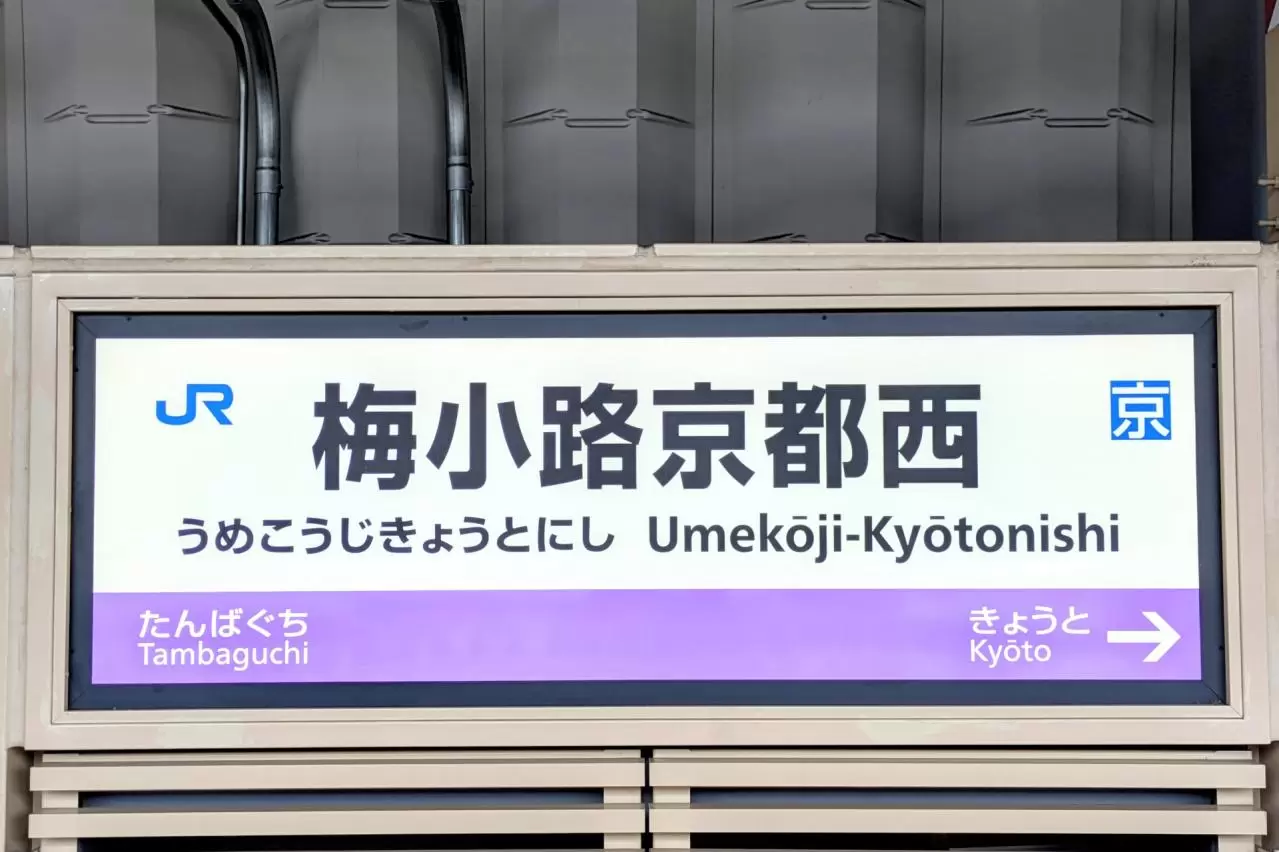
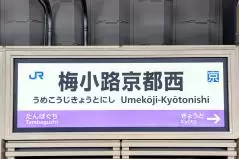
- About a 2-minute walk from Umekoji-Kyotonishi Station Not verified
Explore more places

Build a half-day nearby
- Start here Kyoto Aquarium
- Next stop to consider To-ji Temple About 0.8 km in a straight line (not travel distance)
Two nearby stops to plan around, excluding time at this attraction. Check visit durations, opening hours, reservations and actual routes before deciding whether they fit into half a day.
Read highlights and visiting tips
Plan your visit
- Rainy Day
- Easy to enjoy, with most exhibits indoors Not verified
- Family-friendly
- Plenty of hands-on activities; generally easy to visit with children Not verified
- For Older Visitors
- The museum is spacious, so be prepared for some walking Not verified
- Best Season
- Enjoyable in every season Not verified
- Photo Spots
- Roundhouse, train exhibits, and Sky Terrace Not verified
- Travel Mood
- Indoor sightseeing with learning and hands-on fun Not verified
See 0 Series and 500 Series Shinkansen trains, steam locomotives, and a roundhouse, then try the driving simulator and railway diorama. With plenty to see, touch, and learn, the museum suits everyone from children to rail enthusiasts. Allow at least half a day for a thorough visit.
Recommended for
Highlights
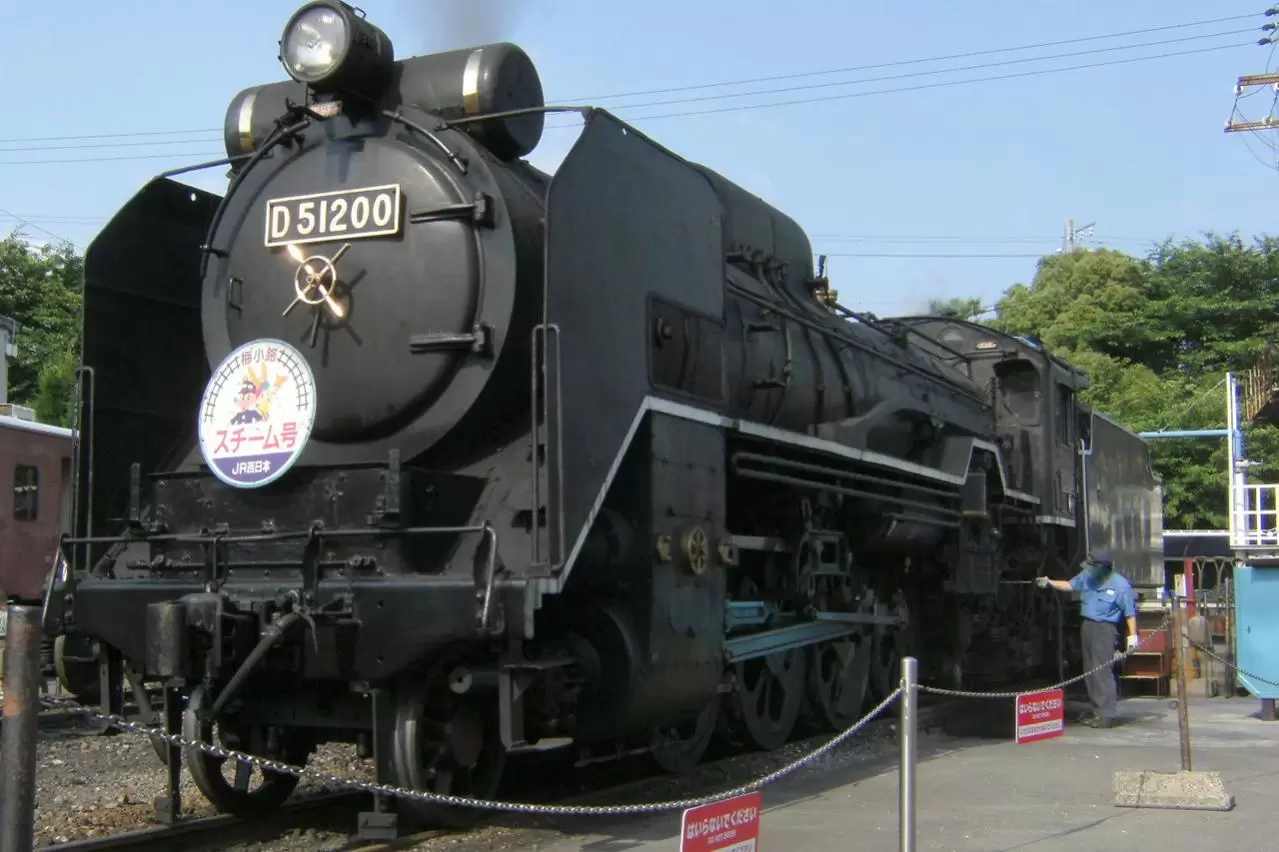
Get up close to real trains — The impressive collection includes 0 Series and 500 Series Shinkansen trains, steam locomotives, and more.
Plenty of hands-on experiences — Try the driving simulator or SL Steam train for more than just a walk-through visit.
Explore railway history — The historic roundhouse, an Important Cultural Property, and the railway diorama offer a glimpse into railway history and culture.
Before you go
- The simulator and steam train experiences may be crowded or require a lottery.
- Wear comfortable shoes to make it easier to explore the museum.
- If you enjoy photography, consider visiting the Sky Terrace as well.
Ideas for your visit
After viewing the trains, explore the diorama and hands-on exhibits, then finish at the Sky Terrace for views of the railway outside.
Before deciding to visit
Visitors with little interest in trains, or those aiming to see only Kyoto’s classic sights in a short time, may find the visit a little long.
What to look for in the videos
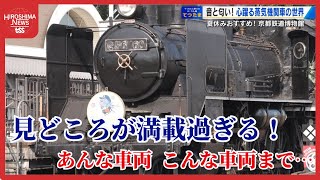
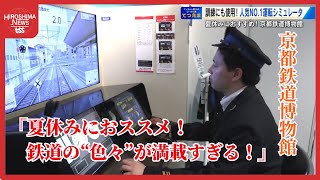
Watch the videos below to get a feel for the trains on display and the hands-on experiences.
Kyoto Railway Museum Movies




Basic Information
- Spot Name
- Kyoto Railway Museum
- Location
- 〒600-8835 Kankijicho, Shimogyo Ward, Kyoto City
- Access
- Get off at JR "Umekoji-Kyoto-Nishi" Station and walk for about 2 minutes.
- Parking
- Please use the nearby paid parking facilities.
- Business Hours
- 10:00 AM to 5:00 PM
*Last entry is at 4:30 PM - Regular Holiday
- Closed every Wednesday and during the year-end and New Year holidays (from December 30 to January 1). Open on public holidays, spring break, summer vacation, and other occasions.
- Fees
- Adults: 1,500 yen
University and high school students: 1,300 yen
Junior high and elementary school students: 500 yen
Preschoolers (3 years and older): 200 yen - Contact Information
- Phone Number:0570-080-462
- Official Website
Map
Detailed Information
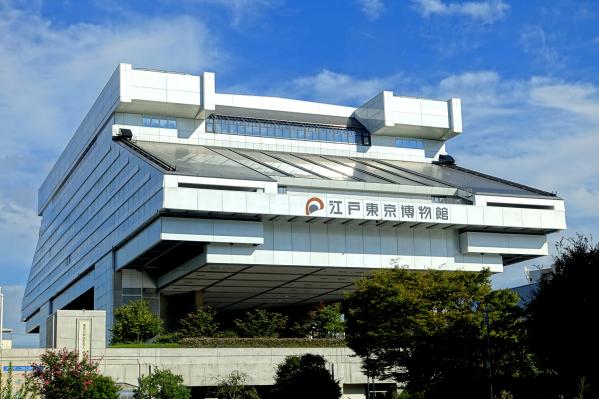
The Kyoto Railway Museum is one of Japan’s largest railway museums, offering a comprehensive introduction to the history, technology, and culture of railways. It opened on April 29, 2016, in the Umekoji area of Shimogyo Ward, Kyoto, and has been beloved by many as a facility where visitors can fully experience the appeal of railways, from steam locomotives to Shinkansen.
The exhibits inside the museum are designed around the themes of “see, touch, and experience,” with thoughtful features throughout so that both children and adults can enjoy learning. The collection includes 54 rolling stock vehicles, including those inherited from the museum’s predecessor, the Umekoji Steam Locomotive Museum. Among the highlights are the first-generation Shinkansen “Type 0 Series Car No. 21,” the “500 Series Shinkansen,” which achieved commercial operation at 300 km/h and was registered in the Guinness World Records, and the “C62 Class,” one of the largest steam locomotives of Japan National Railways. Many legendary vehicles that colored railway history are on display.
Upon entering the main building, visitors are greeted by a spectacular display of nostalgic vehicles such as the 0 Series Shinkansen, the Kuha 86 Class Car No. 1, and C62 No. 26. The exterior and structural details of the vehicles are carefully preserved and exhibited, allowing visitors to appreciate their beautiful design up close.
On the second floor, there is a “driving simulator” area where visitors can experience operating conventional trains and Shinkansen trains through a lottery-based system. This realistic hands-on experience lets visitors feel like train drivers and is popular not only with railway fans but also with first-time visitors.
The museum also features one of Japan’s largest railway dioramas, where model trains run amid music, lighting, and narration. There are plenty of interactive exhibits, such as test rides on maintenance bicycles, and the “SL Steam Train” (fee required), which allows visitors to ride in passenger cars actually pulled by a steam locomotive, is one of the museum’s unique and precious experiences.
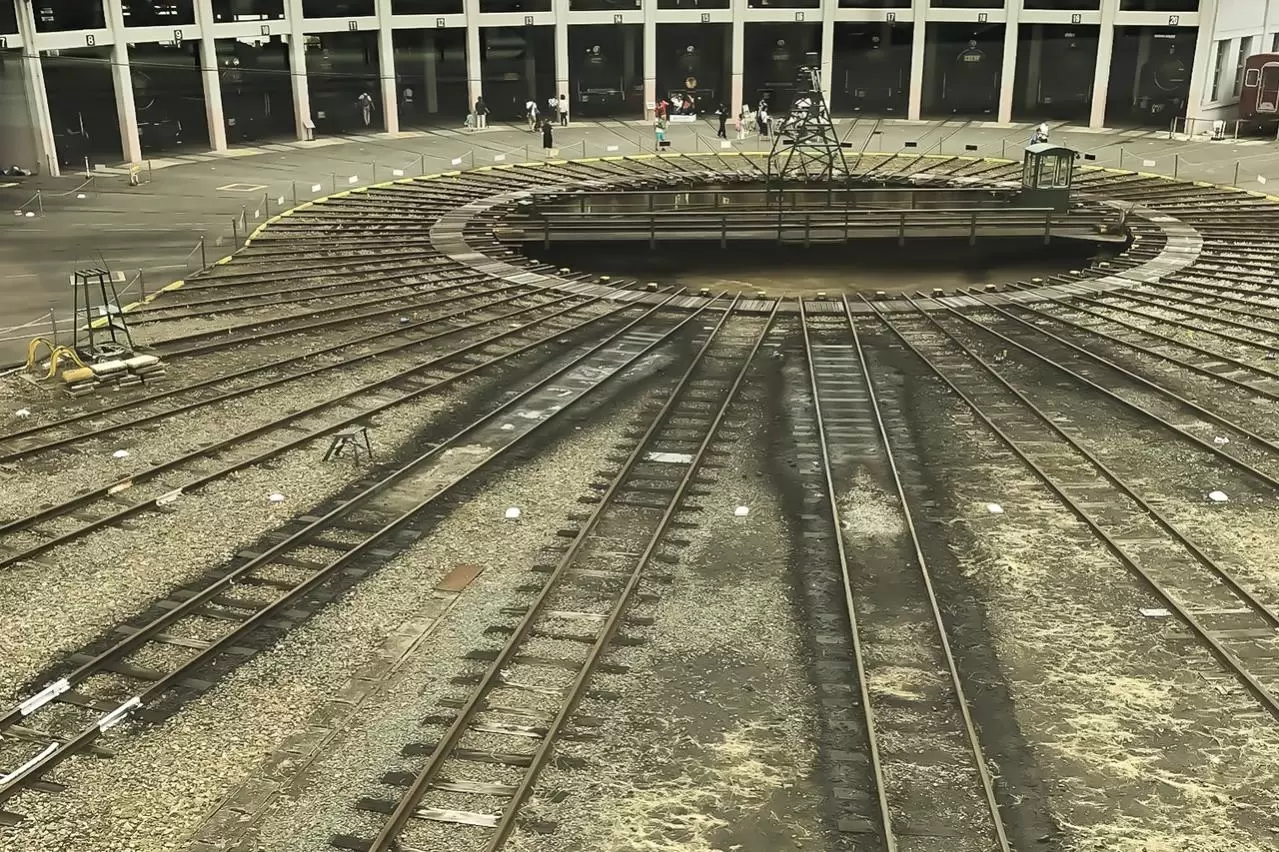
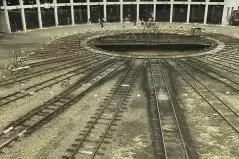
Especially noteworthy is the fan-shaped roundhouse, designated as an Important Cultural Property of Japan. Built in 1914, this reinforced concrete roundhouse houses 20 steam locomotives neatly lined up and is highly regarded by railway fans in Japan and abroad. As one of the oldest surviving locomotive depots, its magnificent appearance leaves a deep impression on visitors.
In addition, the Sky Terrace on the third floor offers a panoramic view of the JR Kyoto Line and Shinkansen trains passing by, making it a popular viewing spot where visitors can enjoy both the cityscape of Kyoto and the railway scenery at the same time.
Under the concept of “a railway culture base that grows with the local community,” the museum promotes initiatives that use railways as a place for learning and relaxation through cooperation with school education and local facilities. Programs such as “railway job experiences” led by JR West employees, guided tours by museum staff, and various workshops are also held, creating cultural activities that deepen visitors’ understanding of railways.
The museum also focuses on systematically collecting and preserving railway materials, as well as research and study, with the mission of contributing to the inheritance and development of railway culture.
The Kyoto Railway Museum is a valuable place where visitors can experience the history of railways and think about the future of railways. We invite you to come and experience the profound world of railways with your own eyes and hands.
Kyoto Tourist Attractions
View List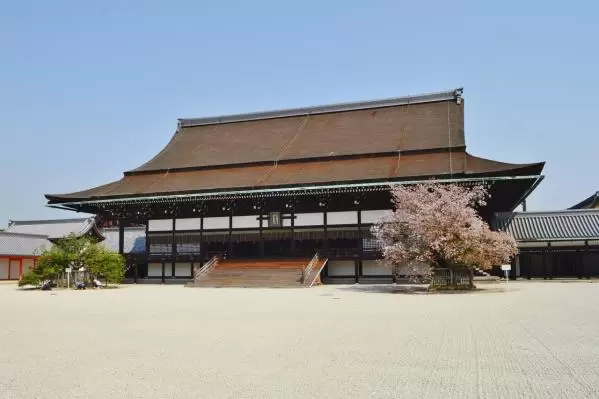
Kyoto Imperial Palace
Kyoto Imperial Palace is a place of great importance in Japanese history and culture. This vast area is located within the Kyoto Gyoen in the city center of Kyoto, c...
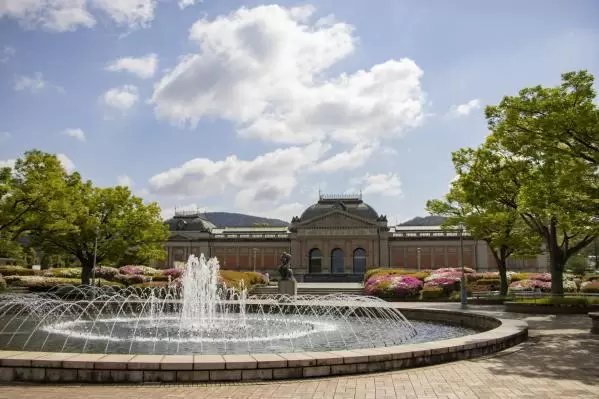
Kyoto National Museum
The Kyoto National Museum was opened in 1897 as the Imperial Kyoto Museum. Located in Kyoto, this museum houses approximately 14,600 artworks and cultural properties...
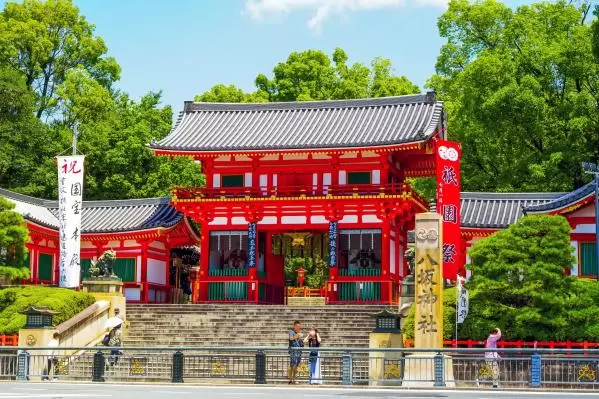
Yasaka Shrine
Yasaka Shrine, commonly known as "Gion-san," is widely cherished. This shrine is particularly significant as the head shrine of the approximately 2,300 Yasaka Shrine...
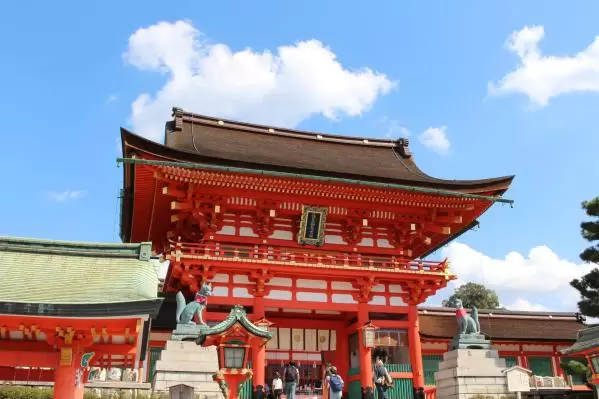
Fushimi Inari Taisha Shrine
Fushimi Inari Taisha is the head shrine of approximately 30,000 Inari shrines located in Kyoto. It is believed that the deity Inari was enshrined here in the 4th yea...
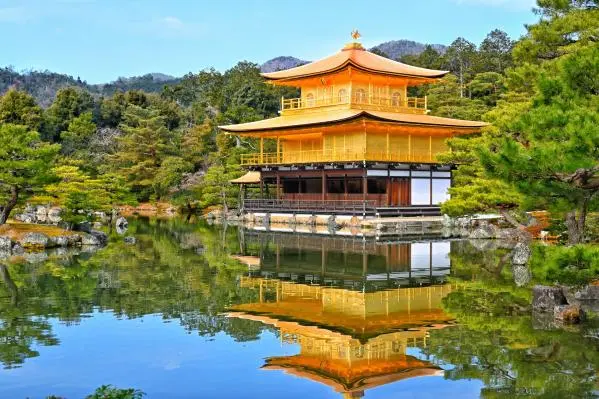
Kinkaku-ji (Golden Pavilion)
Kinkaku-ji, officially known as Rokuon-ji, is a temple located in the northwest of Kyoto City, famous for its distinctive pavilion called the "Golden Pavilion" cover...
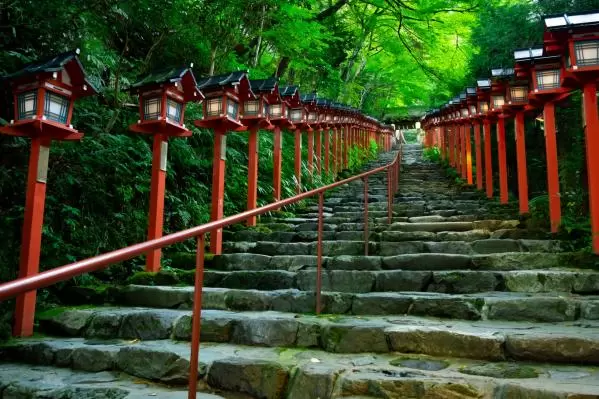
Kifune Shrine
Kifune Shrine is an ancient shrine located in Kibune, Sakyo Ward, Kyoto City, and it is the head shrine of about 500 Kifune Shrines nationwide, dedicated to Takao Ka...

The National Museum of Modern Art, Kyoto
The National Museum of Modern Art, Kyoto, was opened in 1963 in Okazaki Park, Kyoto. This museum covers a wide range of art genres, including Japanese painting, oil ...