Ikaho Onsen
Ikaho Onsen Movies


Basic Information
- Spot Name
- Ikaho Onsen
- Location
- 〒377-0102 541-4 Ikaho, Ikaho Town
- Access
- About 25 minutes by bus from JR Jōetsu Line Shibukawa Station, and about 30 minutes from Kan-Etsu Expressway Shibukawa Ikaho IC.
- Parking
- Please use the nearby paid parking lots.
- Business Hours
- It varies by each spot.
- Regular Holiday
- It varies by each spot.
- Contact Information
- Phone Number:0279-72-3151
- Official Website
Map
Detailed Information
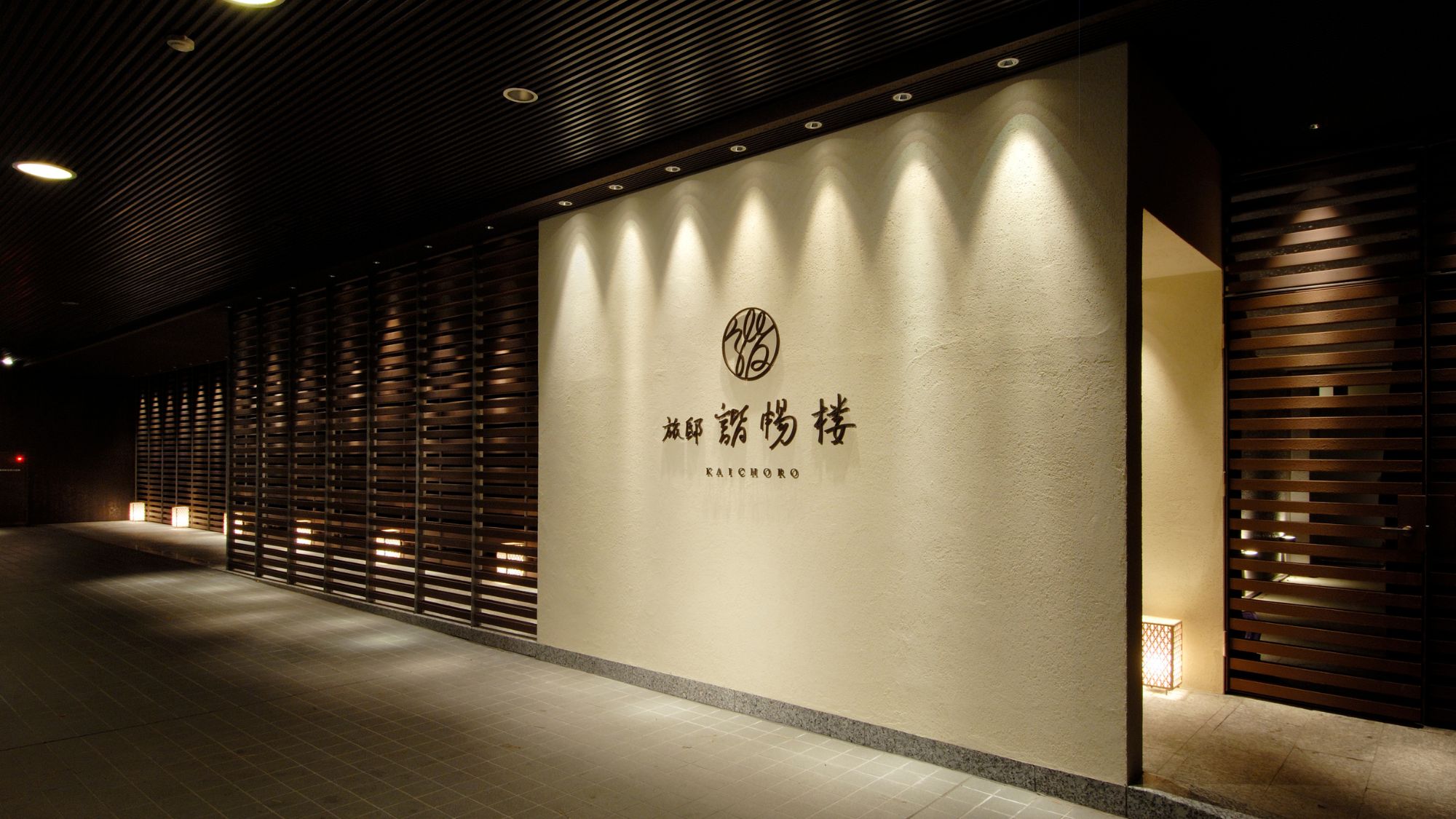
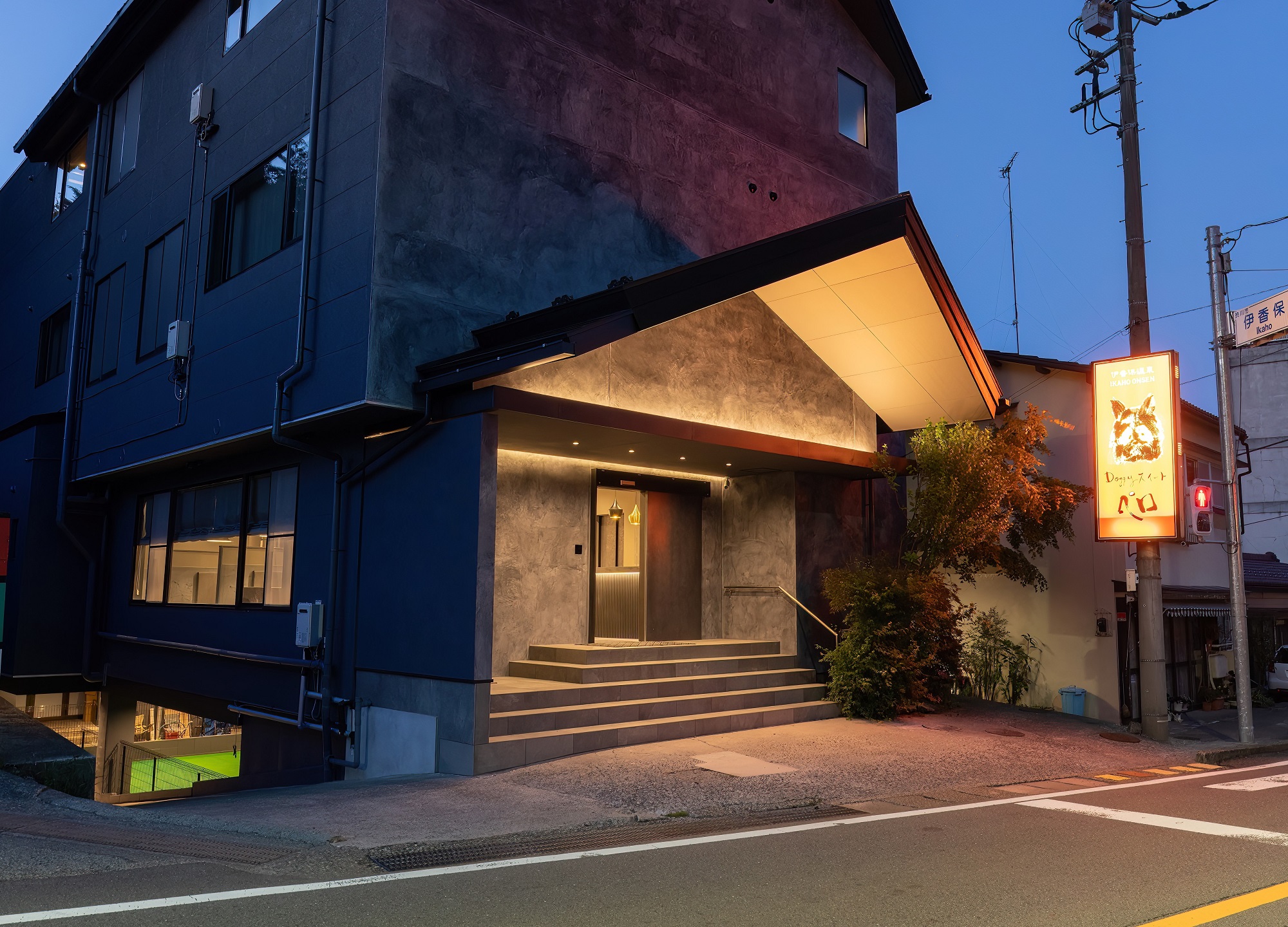
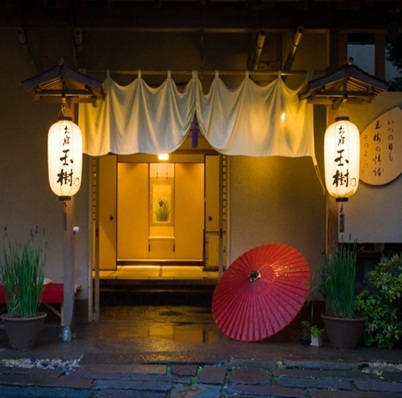
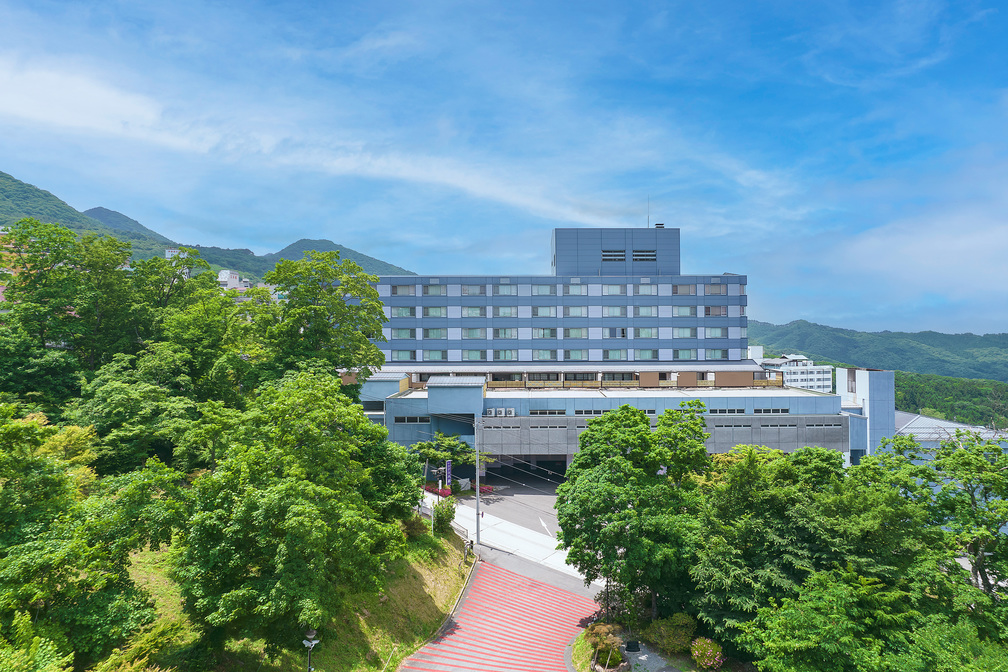
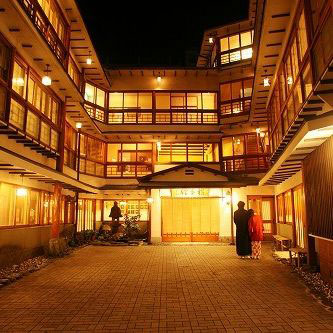
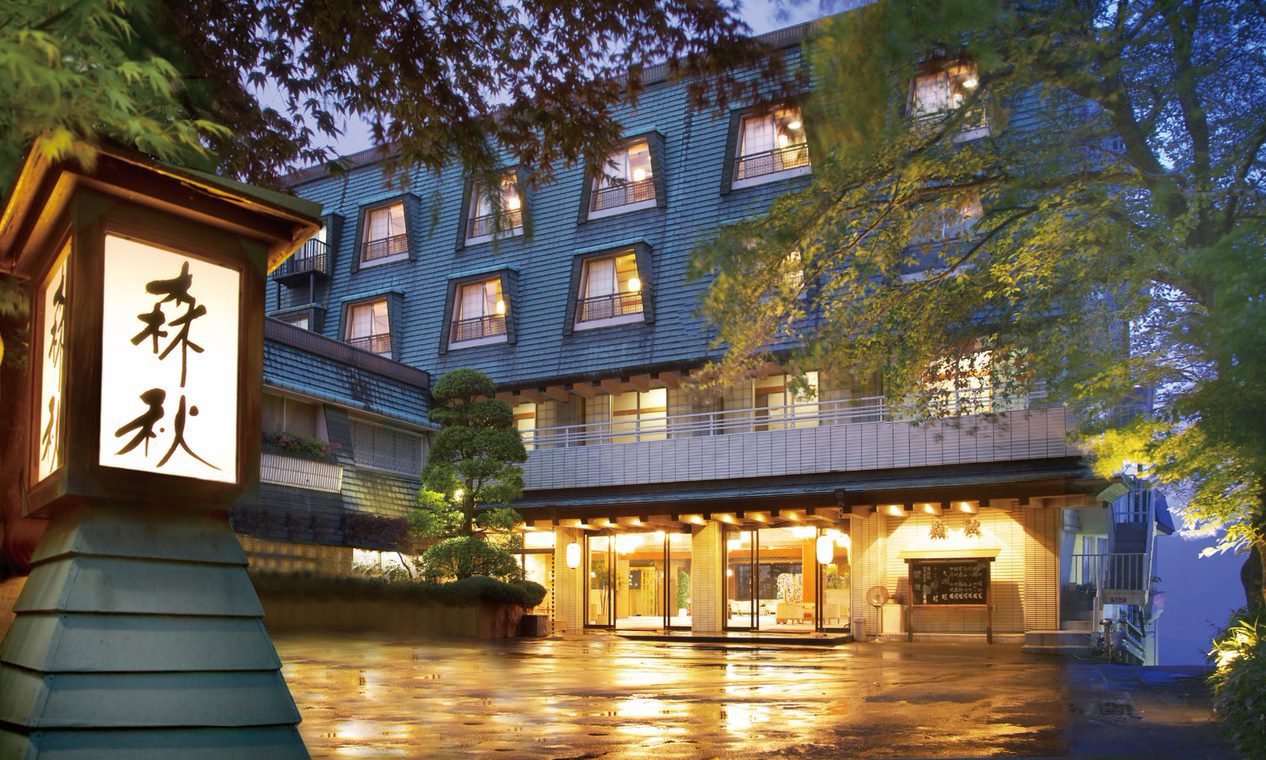
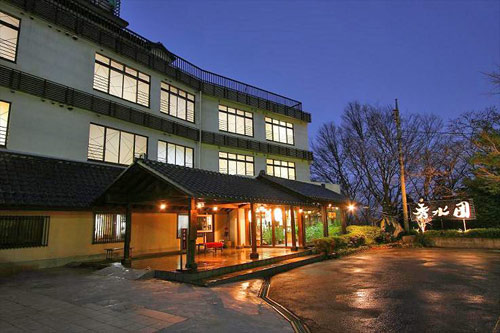
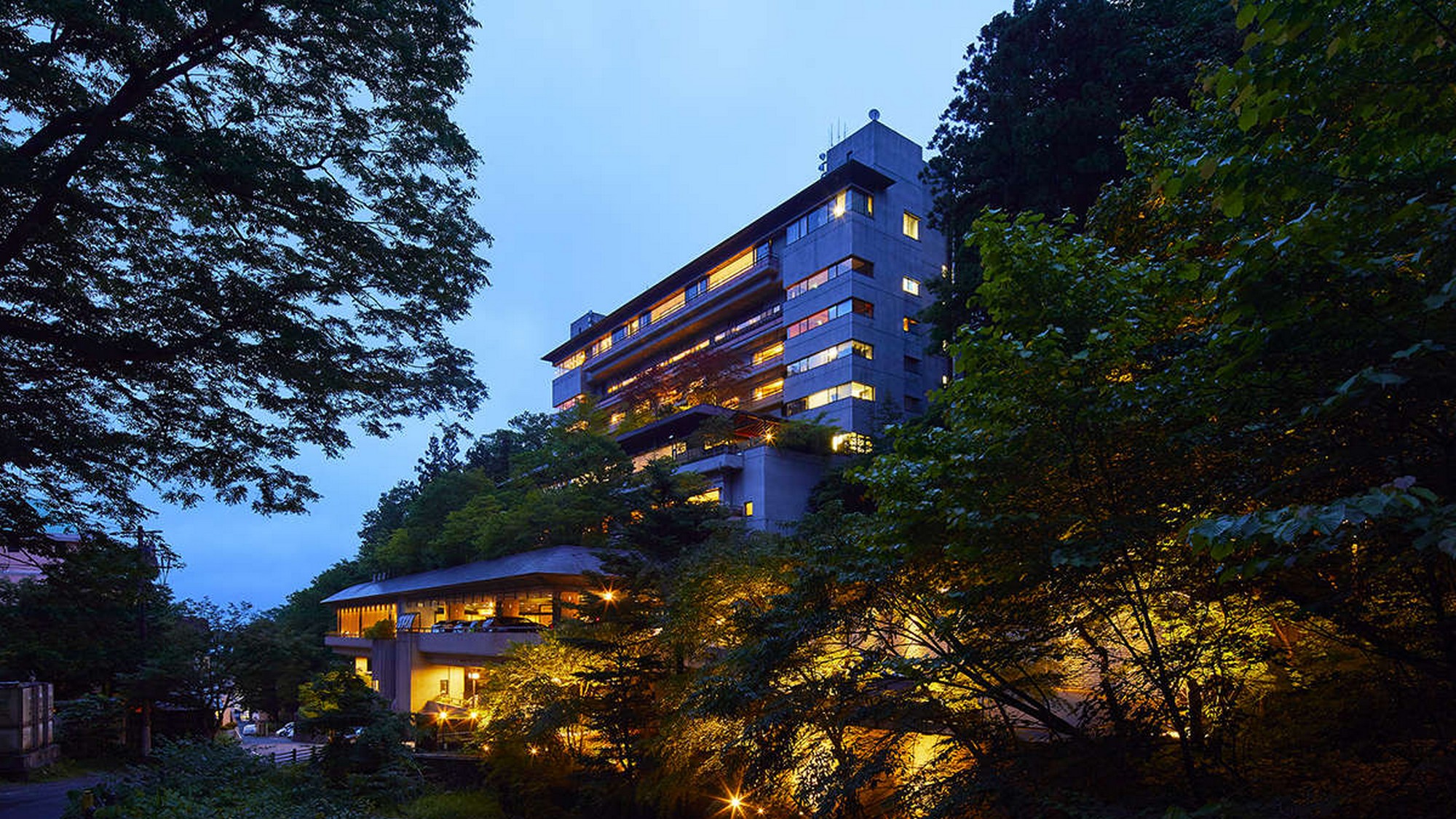
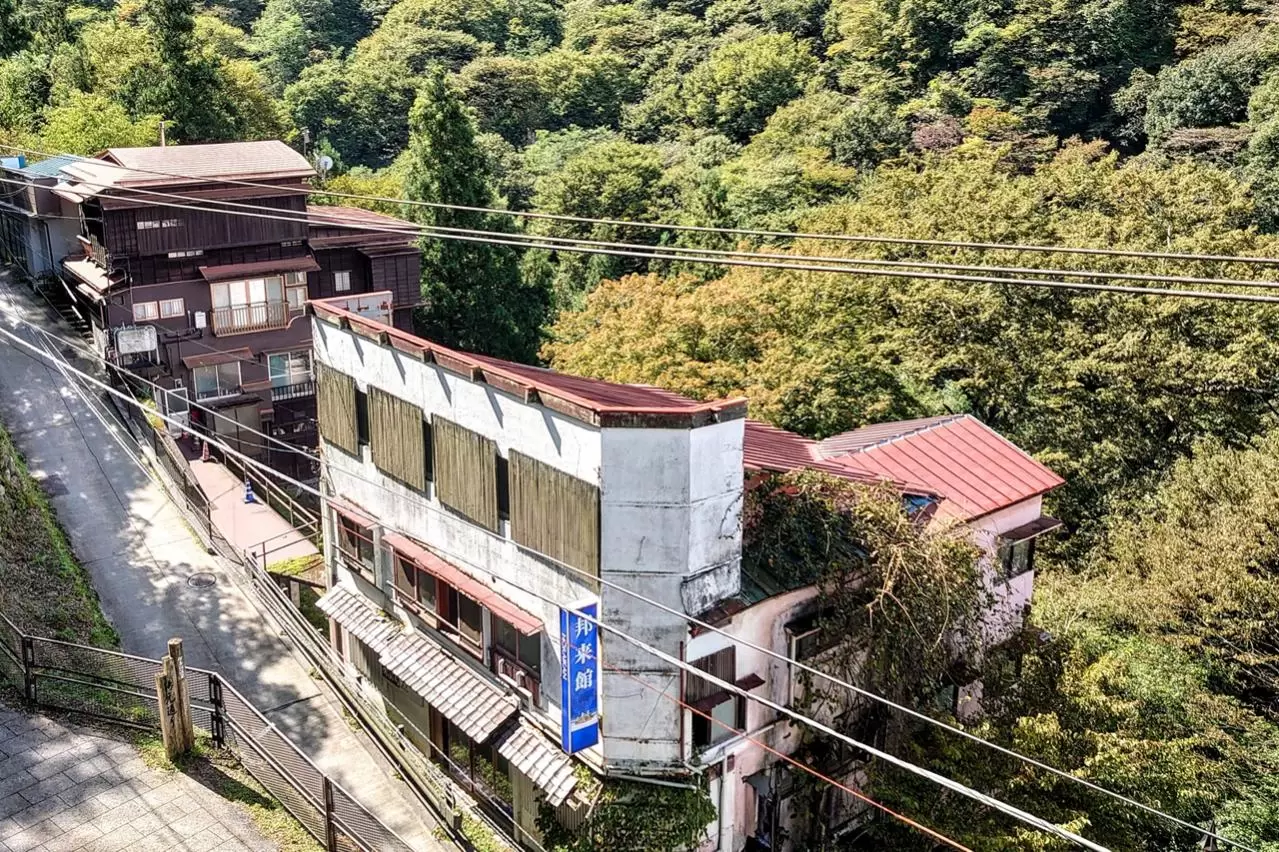
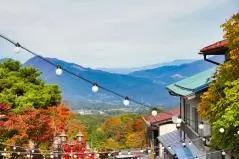
Ikaho Onsen is a famous hot spring resort in Ikaho Town, Shibukawa City, Gunma Prefecture, and a historic spa that has been celebrated in the Manyoshu and Kokin Wakashu. Located on the eastern foothills of Mount Haruna at an altitude of about 700 meters, it is known as one of Japan’s premier hot spring destinations, where nature, culture, and a charming streetscape blend in harmony.
The history of the hot spring is long, said to date back more than 1,300 years, and during the Sengoku period it was also cherished as a place of recuperation for warlords. In modern times, it has been beloved by many notable figures, including the writer Tokutomi Roka, the painter Takehisa Yumeji, and the German physician Dr. Erwin Bälz, who helped introduce balneology to Japan.
Hot Spring Qualities and Benefits — Golden Bath and Silver Bath
A major feature of Ikaho Onsen is that visitors can enjoy two different spring sources: the “Golden Bath” and the “Silver Bath.”
Golden Bath
This iron-, calcium-, sulfate-, and bicarbonate-rich spring contains a high level of iron. It emerges colorless and clear, but oxidizes and turns brownish when exposed to air. It is said to have excellent heat-retaining properties and to be effective for poor circulation, neuralgia, fatigue recovery, and women’s ailments. Its smooth, mellow texture gently envelops the skin.
The brown color of Ikaho’s famous onsen manju is inspired by this spring’s hue.
Silver Bath
This colorless, clear simple spring is rich in metasilicic acid, which is said to promote skin turnover and provide beauty benefits. Its moist, silky feel is appealing, and it is a gentle spring quality believed to help with recovery after illness and fatigue.
The contrast between these two spring qualities is the greatest charm of Ikaho Onsen.
Stone Steps Street — The Symbol of the Hot Spring Town
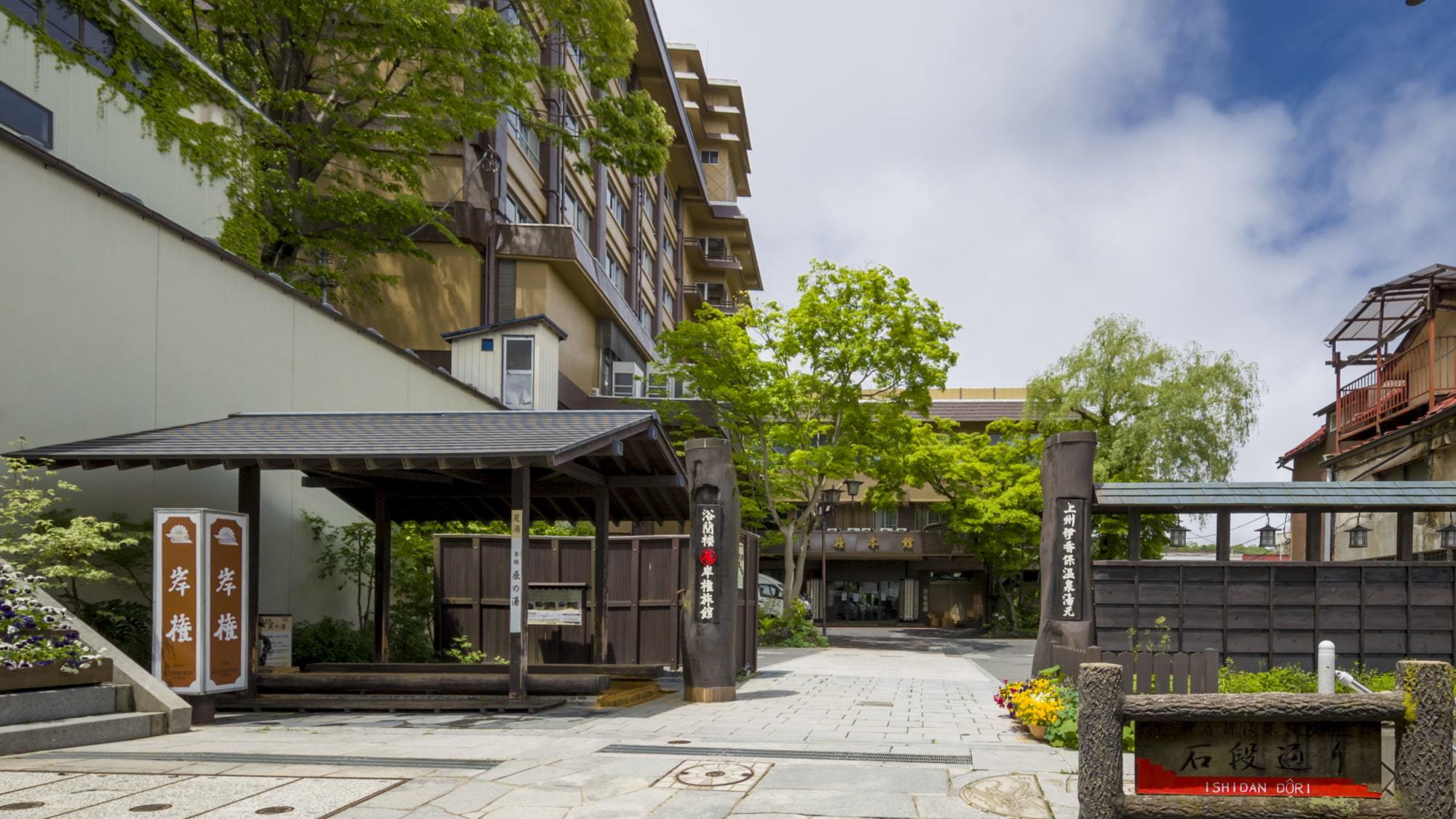
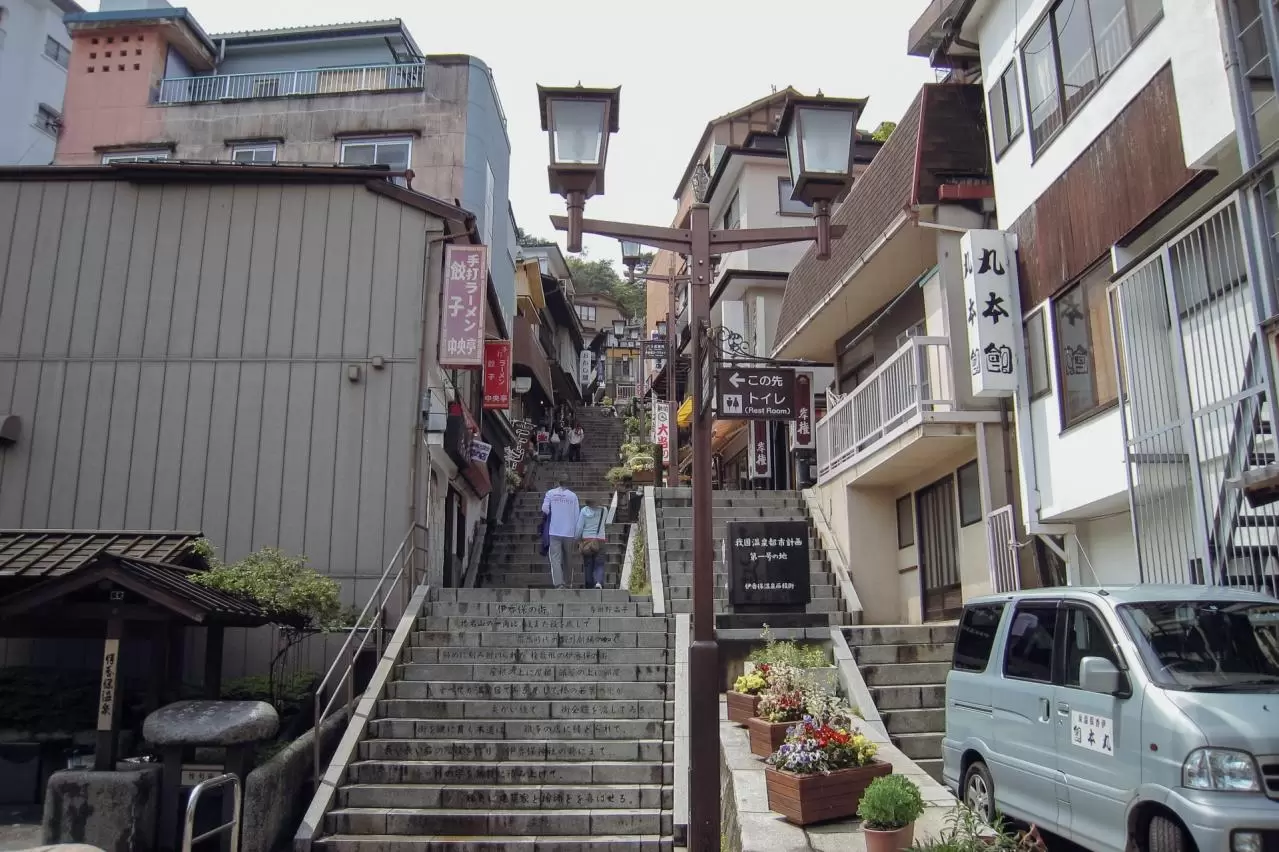
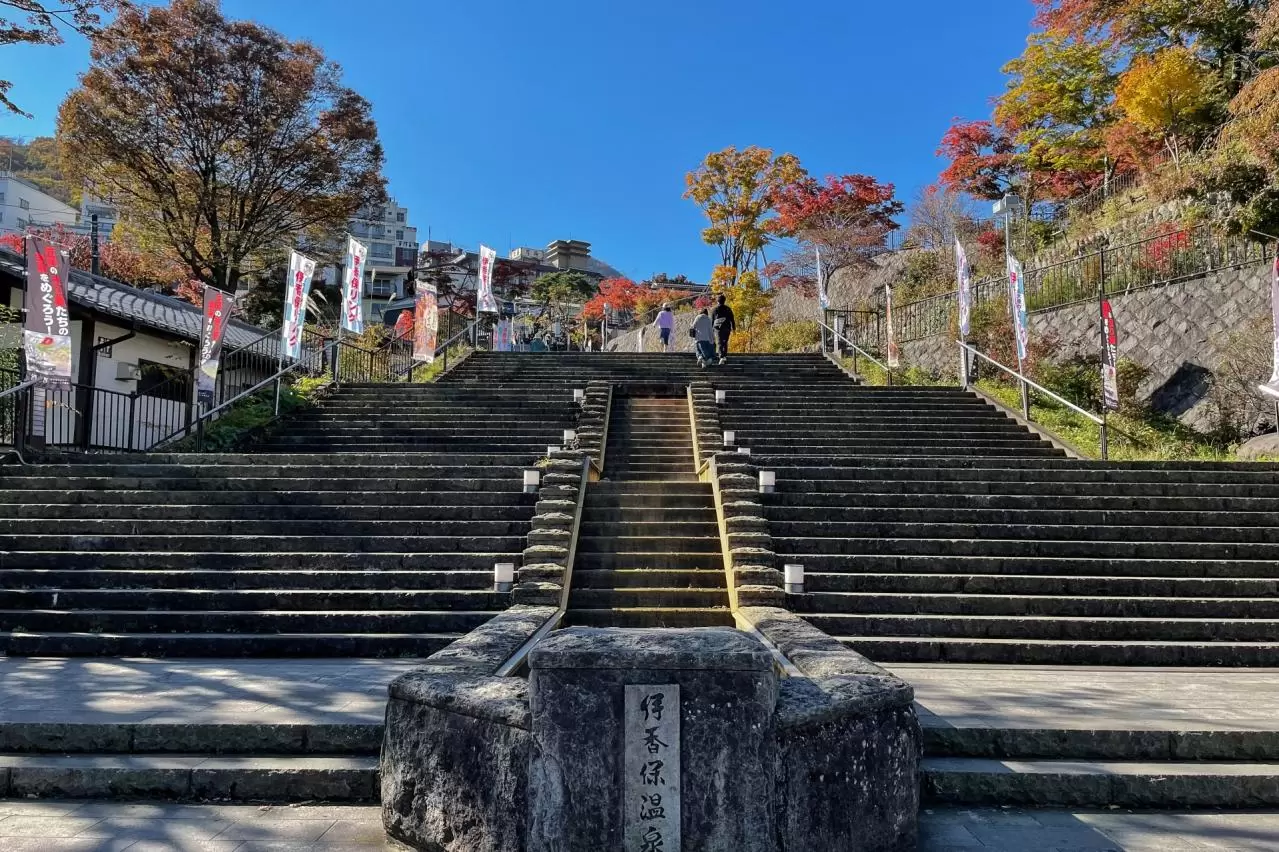
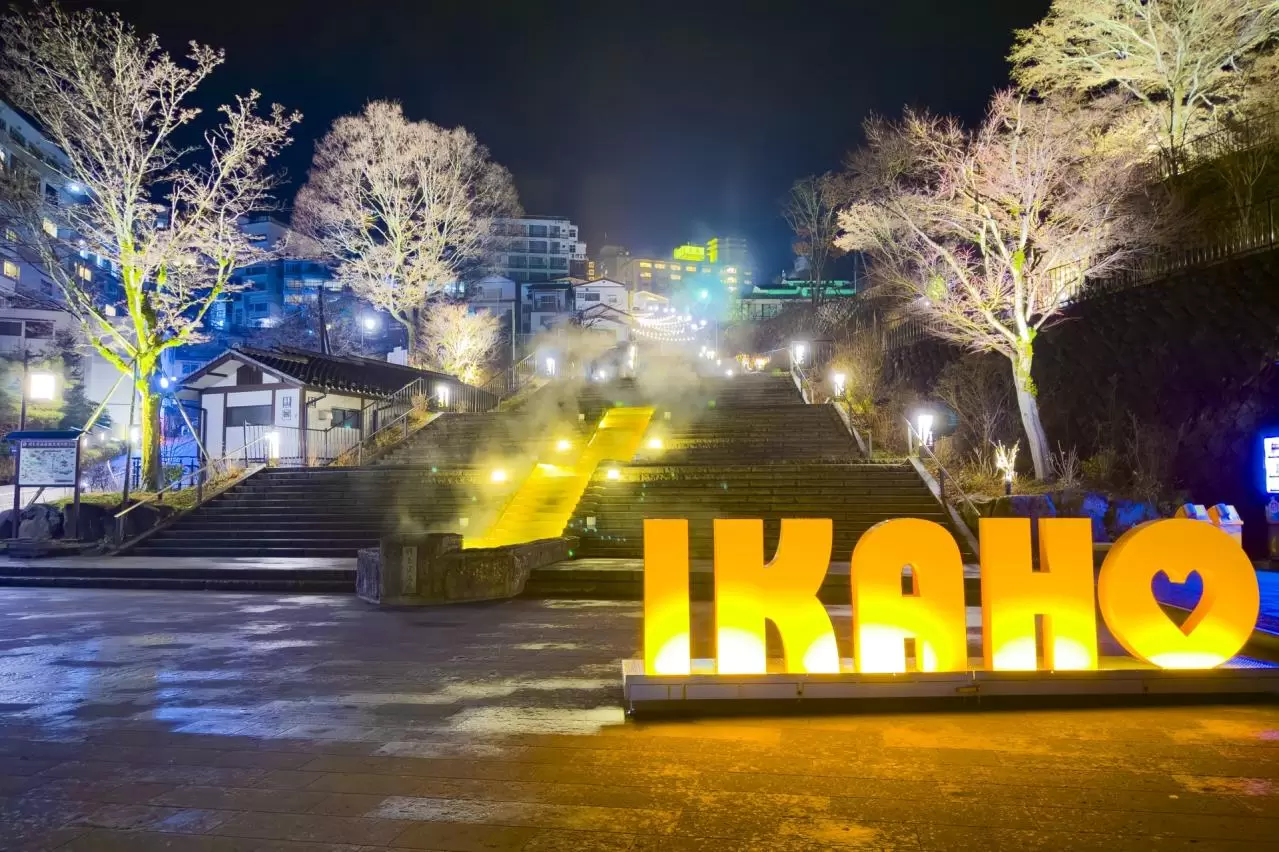
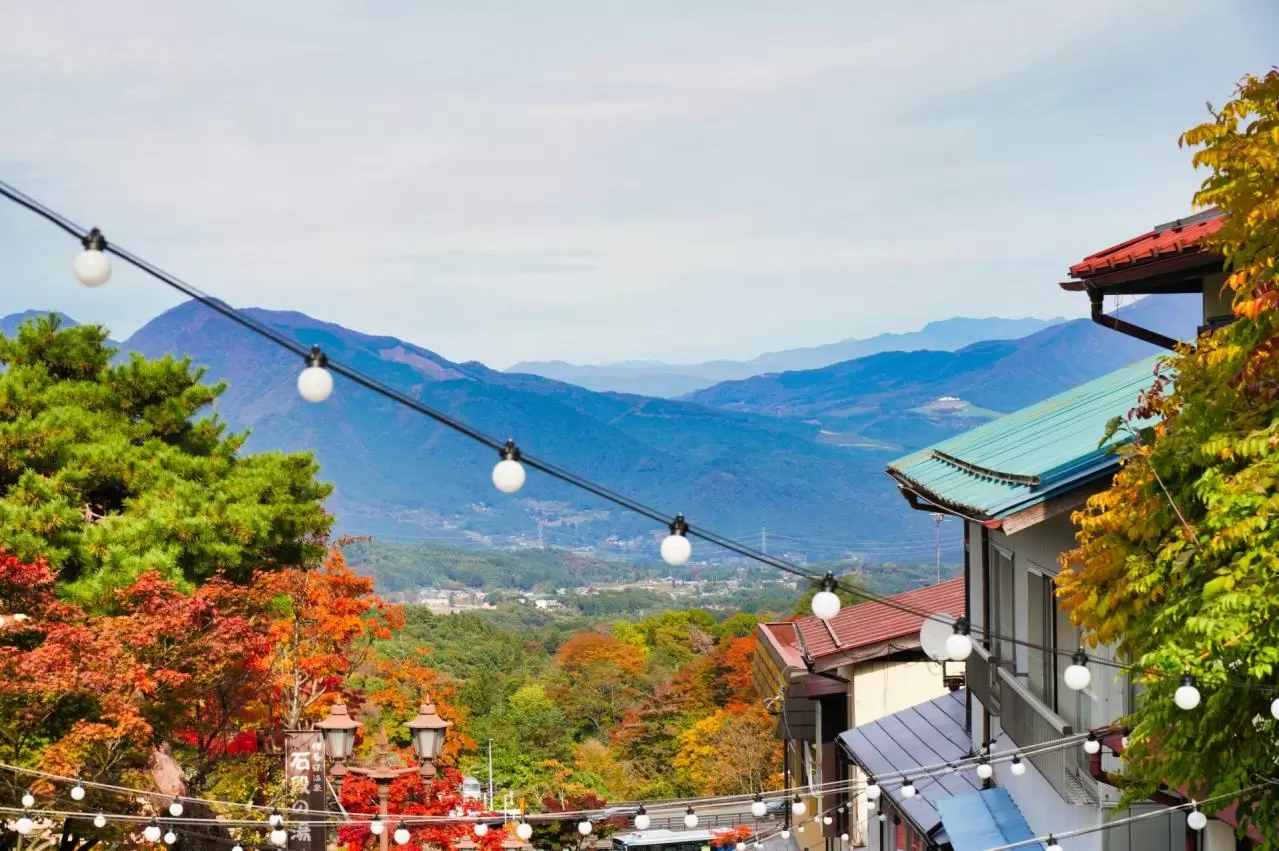
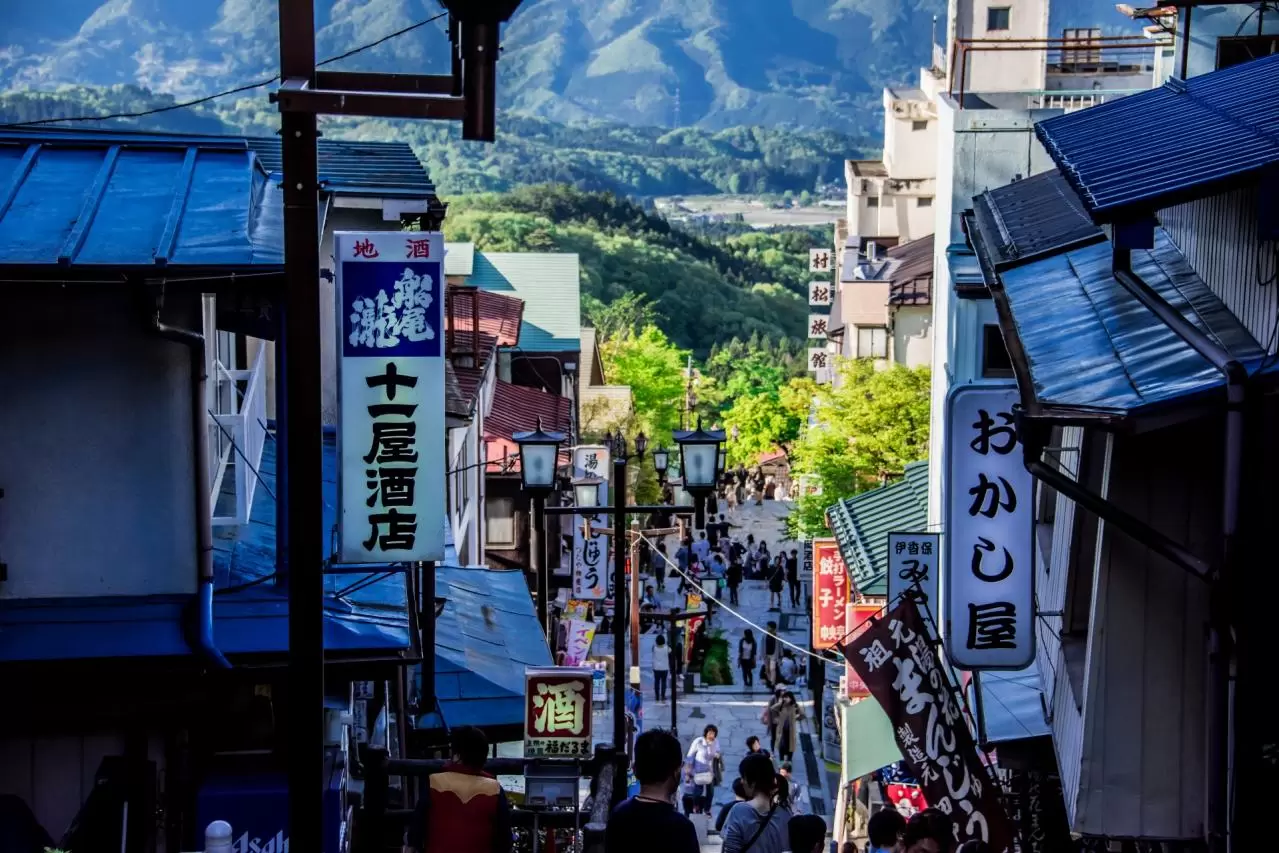
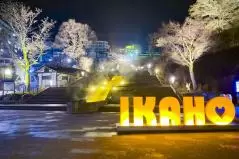
When people think of Ikaho Onsen, the most iconic sight is the 365-step Stone Steps Street.
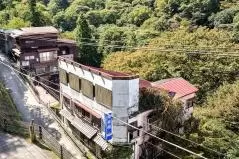
These steps were developed with the wish that the area would remain lively throughout all 365 days of the year. Stretching for about 300 meters, the street is lined with ryokan, restaurants, souvenir shops, and more, offering a strong sense of traditional hot spring-town atmosphere.
Visitors can enjoy local specialties such as yuno hana manju and tama konnyaku while strolling, as well as foot baths and cafés.
At the top of the steps stands Ikaho Shrine, long revered as a guardian deity of hot springs and the people.
Places of Interest
Ikaho Onsen offers not only hot springs but also many places where visitors can experience nature and culture.
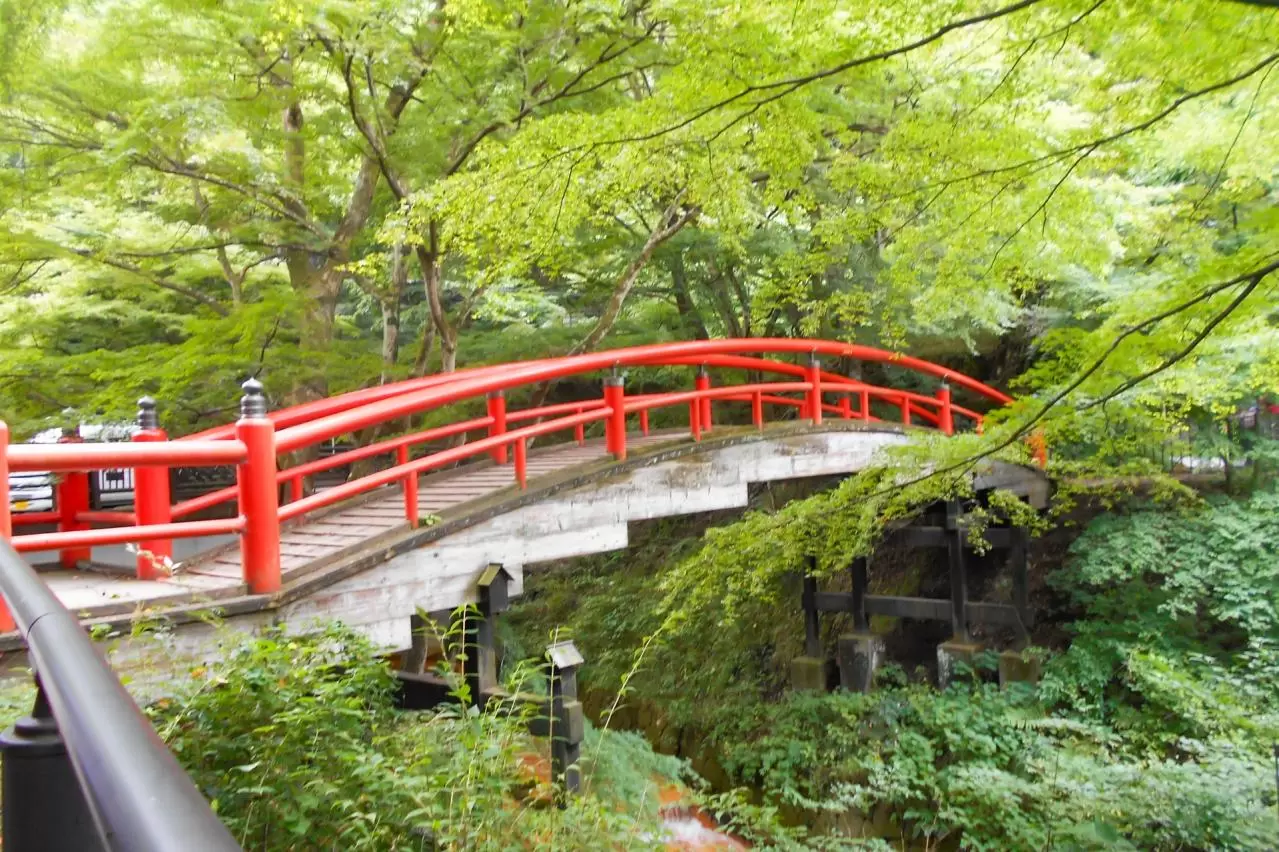
1. Kajika Bridge
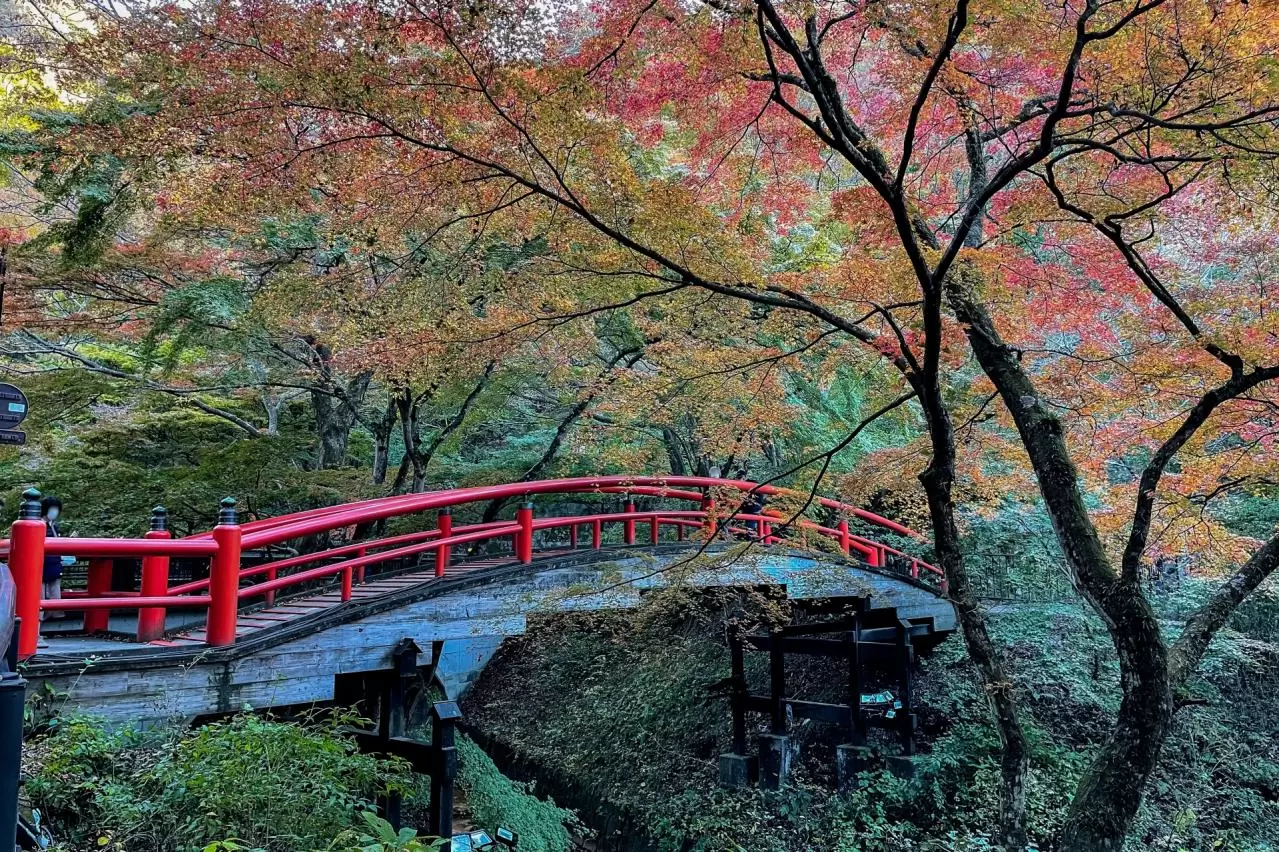
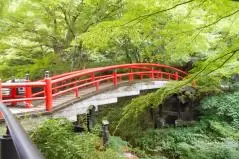
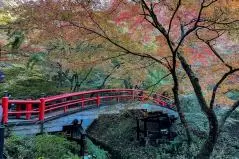
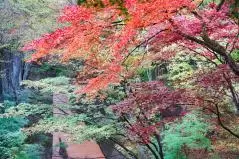
A vermilion-painted wooden bridge about a five-minute walk from Ikaho Shrine, famous as a scenic spot for autumn leaves. In autumn, the surrounding trees change color, and together with the bridge’s red hue, they create a fantastical scene.
At night, the bridge is illuminated, and the foliage season from late October to mid-November is especially crowded with visitors.
Although it is not explicitly stated, the bridge has become popular among fans because its atmosphere resembles the “red bridge” appearing in Spirited Away.
2. Ikaho Shrine
An ancient shrine located at the top of the stone steps, dedicated to Ōnamuchi-no-Mikoto and Sukunahikona-no-Mikoto, deities of hot springs and medicine.
It is deeply worshipped not only by locals but also by tourists, and during the annual grand festival on September 19, mikoshi and traditional festival music fill the area, allowing visitors to experience Japanese tradition.
3. Ikaho Onsen Drinking Spring
A facility located beyond Ikaho Shrine, near Kajika Bridge, where visitors can drink water directly from the Golden Bath source. It has a distinctive taste with a strong iron content, offering a rare chance to feel the benefits of the hot spring from within the body. Since there are limits on drinking amounts, please follow the posted instructions.
4. Ishidan-no-Yu
A day-use bathing facility located in the middle of the Stone Steps Street, where visitors can casually enjoy the Golden Bath. There is also a rest area on the second floor, making it an ideal stop between sightseeing and strolling. It is popular for its reasonable prices.
5. Ikaho Open-Air Bath
An outdoor bath located further beyond Ikaho Shrine, where you can enjoy the Golden Bath source in a free-flowing style. Surrounded by nature, this quiet space lets you feel the warmth of the water and the scent of the forest with your whole body. It is also known as a bath for blessings of fertility and has been loved by people since ancient times.
Seasonal Appeal
Ikaho Onsen is a hot spring resort that can be enjoyed together with nature through all four seasons.
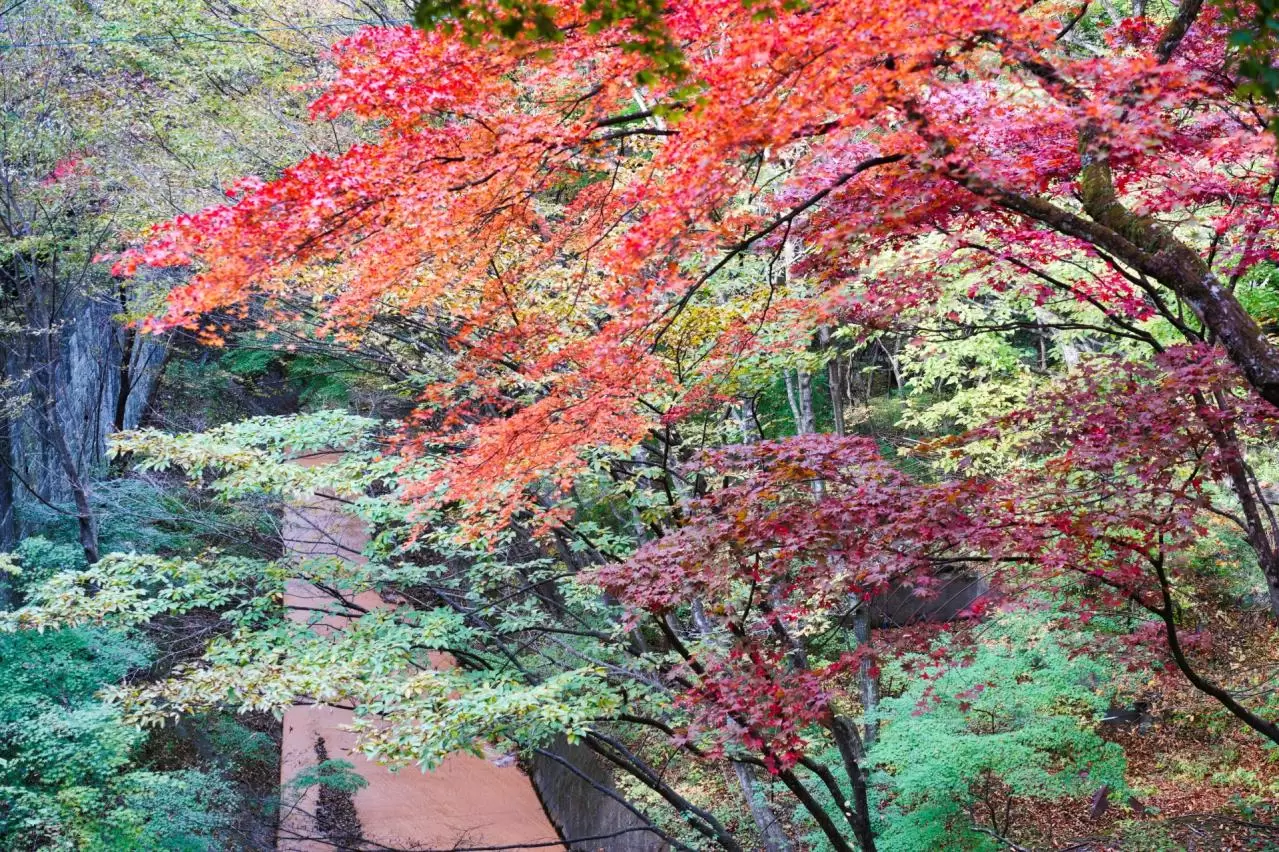
In autumn, the town is colored by beautiful foliage, and the view from the open-air baths is exceptional.
In winter, you can spend a magical time soaking in the hot water amid snowy scenery.
In spring, the flowers of Mount Haruna bloom in abundance, and in summer it is also popular as a cool retreat.
Because it shows different expressions throughout the year, there is always something new to discover no matter how many times you visit.
Ikaho Onsen has long healed the minds and bodies of people.
The golden shimmering waters and the pure silver spring, along with the historic and cultural Stone Steps Street —
this hot spring town, where all of these elements harmonize, gently leads visitors into a peaceful time.
Please enjoy the hot springs and nature to your heart’s content while feeling the atmosphere of Ikaho.
Gunma Tourist Attractions
View List
Usuidai Sankyoryo (Megane Bridge)
Usui Pass Third Bridge is one of Japan's largest brick arch bridges, located in Usui Pass, Annaka City, Gunma Prefecture. Its elegant form has earned it the nickname...

Hotokuji Temple
Hōtokuji is a historic temple founded during the Muromachi period. It is particularly famous for the "momiji on the floor" seen in the main hall, which is open to th...

Lockheart Castle
Lockhart Castle is a historic fortress that has been relocated and restored from Scotland. Its beautiful location surrounded by majestic nature has gained attention,...

Kusatsu Onsen
Kusatsu Onsen is one of Japan's representative hot spring resorts located in Gunma Prefecture. A particular highlight is the "Yubatake," where blue-green hot spring ...

Gunma Safari Park
Gunma Safari Park is a vast safari park where about 100 species and 1,000 animals live in an environment close to nature. Visitors can observe lions, zebras, giraffe...

Myogi Shrine
Myogi Shrine is located at the eastern foothills of Myogi Mountain and Hakubun Mountain, famous for its peculiar rocks and formations, surrounded by majestic scenery...

Fukiware Falls
Fukiwari Falls is a magnificent waterfall that boasts a height of about 7 meters and a width of 30 meters. It gets its name from the appearance of a huge rock that s...

Oze National Park
Oze National Park is the largest high-altitude wetland in Honshu, spanning the four prefectures of Gunma, Tochigi, Fukushima, and Niigata. From the snowmelt in May t...